كيفية اختيار ناقل تفريغ مقاوم للانفجار: دليل شراء شامل
يتطلب التعامل مع المساحيق القابلة للاشتعال عناية أكبر من نقل المواد العادي. ففي المصانع الكيميائية ومصانع بطاريات الليثيوم ومرافق الإنتاج الدوائي، قد يؤدي تراكم الغبار والكهرباء الساكنة إلى مخاطر جسيمة على السلامة.
قد تنتج مواد مثل مسحوق الألومنيوم وأسود الكربون وبعض مواد بطاريات الليثيوم والأصباغ الكيميائية غبارًا قابلًا للاشتعال أثناء التعامل معها. وإذا لامس هذا الغبار مصدر اشتعال، فقد يحدث انفجار.
إن ناقل تفريغ مقاوم للانفجار يساعد على الحد من هذه المخاطر بنقل المسحوق عبر أنابيب مغلقة تحت ضغط سالب. كما يحد من انبعاث الغبار، ويقلل من المناولة اليدوية، ويوفر ميزات سلامة مصممة للمواد الخطرة.
لكن ليست كل آلة تحمل وصف “مقاومة للانفجار” مناسبة لمنشأتك. فقد تختلف تصاميم المعدات ومكوناتها ومستويات الحماية فيها اختلافًا كبيرًا.
قبل الشراء، تحقق مما إذا كانت الشركة المصنّعة لناقل التفريغ تفهم طبيعة المواد وظروف العمل لديك. يجب أن تتناسب المعدات المناسبة مع خصائص المسحوق ومتطلبات المنطقة الخطرة والطاقة الإنتاجية، لا أن تكون ببساطة الأعلى سعرًا أو الأكثر احتواءً على ميزات السلامة.
ما هو ناقل التفريغ المقاوم للانفجار؟
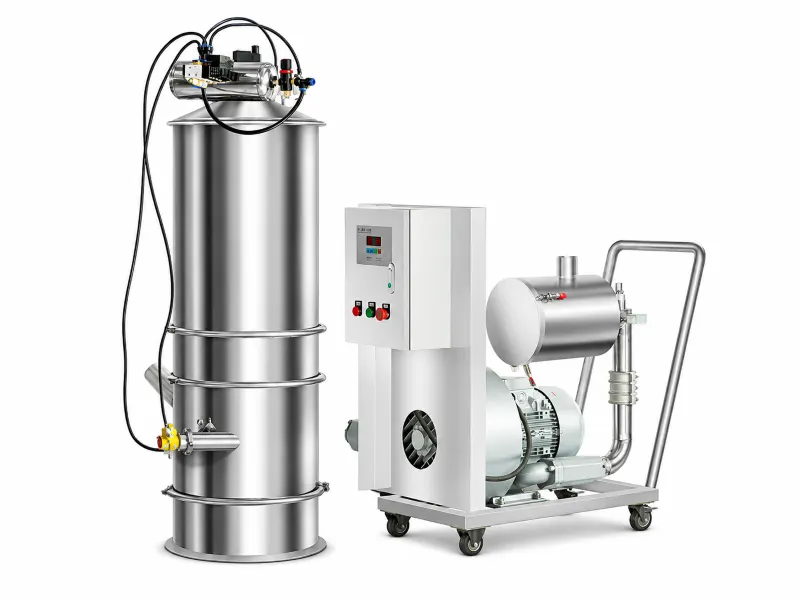
ناقل التفريغ المقاوم للانفجار هو نظام مغلق لنقل المساحيق، مصمم للاستخدامات التي قد يوجد فيها غبار قابل للاشتعال أو أجواء قابلة للانفجار.
يستخدم مضخة تفريغ أو هواءً مضغوطًا لتوليد ضغط سالب. وينتقل المسحوق عبر خط أنابيب مغلق إلى قادوس استقبال قبل تفريغه في مرحلة المعالجة التالية.
يقلل ذلك من تسرب الغبار إلى المنشأة ويحد من نقل المساحيق يدويًا. يمكنك معرفة المزيد عن مبدأ العمل الأساسي على نظام تغذية الناقل الفراغي page.
ومع ذلك، فإن النظام المغلق ليس مقاومًا للانفجار تلقائيًا.
عندما ينتقل المسحوق عبر الأنابيب، قد يولّد الاحتكاك كهرباء ساكنة. وإذا تراكمت الشحنات وتفرغت، فقد تشعل الغبار القابل للاشتعال.
قد لا تحتوي مغذيات التفريغ القياسية على محركات أو خراطيم أو مرشحات أو مكونات كهربائية مناسبة للمناطق الخطرة. ويحتاج النظام المقاوم للانفجار إلى حماية كهربائية مناسبة وتأريض وإحكام إغلاق وغير ذلك من تدابير السلامة.
يجب مراعاة نظام النقل بأكمله، بما في ذلك جميع مكوناته، عند الاختيار.
تحقق من خصائص المواد ومتطلبات مقاومة الانفجار
قبل اختيار ناقل تفريغ مقاوم للانفجار، يجب الحصول على إجابات واضحة عن سؤالين: ما المادة التي تنقلها، وأين ستعمل المعدات؟
تعرّف على مخاطر انفجار المسحوق لديك
تشمل المواد الشائعة التي قد تتطلب حماية خاصة:
- مواد بطاريات الليثيوم: بعض المواد الخام للبطاريات ومساحيق المعادن القابلة للاشتعال.
- المساحيق الكيميائية: أسود الكربون وبعض الأصباغ والملونات والمواد الكيميائية العضوية.
- مساحيق المعادن: مسحوق الألومنيوم ومساحيق المعادن الأخرى القابلة للاشتعال.
- مساحيق الأغذية والأدوية: بعض أنواع النشا ومساحيق السكر والمكونات العضوية.
حتى المادة نفسها قد تختلف خصائص انفجارها حسب حجم الجسيمات والرطوبة والتركيب.
زوّد المورّد بنشرة بيانات السلامة (SDS) وبيانات اختبارات انفجار الغبار المتاحة. وتشمل القيم المهمة الحد الأدنى للتركيز القابل للانفجار، والحد الأدنى لطاقة الاشتعال، وشدة انفجار الغبار.
تؤثر خصائص أخرى أيضًا. فقد تتطلب المساحيق اللزجة أو الرطبة مرشحات وتصميمات أنابيب مختلفة، بينما تحتاج المواد الكاشطة إلى مكونات أكثر مقاومة للتآكل.
ملاءمة المعدات للمنطقة الخطرة
يحدد تصنيف المنطقة الخطرة في ورشتك تدابير الحماية من الانفجار المطلوبة.
تحقّق من علامة الحماية من الانفجار الخاصة بالمعدات وشهاداتها وظروف التشغيل المحددة لها. إذا كان مشروعك يتطلب معدات متوافقة مع ATEX، فيجب أن تستوفي المكونات المعنية وتصميم النظام المتطلبات المعمول بها.
تذكّر أن الغبار القابل للاشتعال قد يشكّل أيضًا جوًا خطِرًا داخل أنابيب النقل أو قادوس الاستقبال.
ليس من الضروري دائمًا اختيار أعلى مستوى من الحماية. يعتمد الحل المناسب على المادة ومنطقة التركيب وتقييم المخاطر. ويجب عدم إزالة ميزات السلامة الأساسية لمجرد خفض السعر.
نواقل التفريغ الهوائية مقارنة بالكهربائية المقاومة للانفجار
هناك خياران شائعان هما نواقل التفريغ الهوائية والأنظمة الكهربائية المزودة بمحركات مقاومة للانفجار.
يمكن استخدام كلا النوعين في التطبيقات المناسبة، لكن مصادر الطاقة ومتطلبات التشغيل تختلف بينهما.
ناقل التفريغ الهوائي
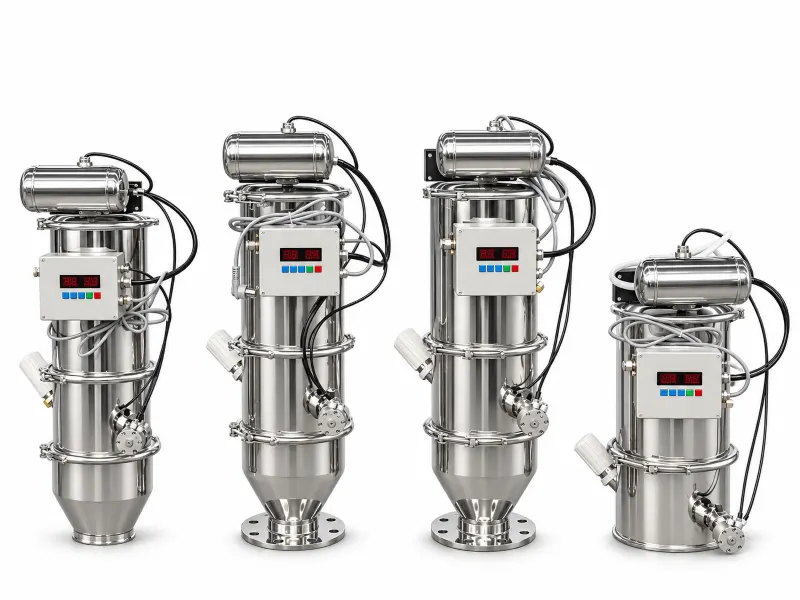
يستخدم ناقل التفريغ الهوائي الهواء المضغوط ومولّد تفريغ لإحداث الشفط.
لا يحتوي مولّد التفريغ على محرك تشغيل كهربائي، مما يستبعد هذا المحرك بوصفه مصدر اشتعال كهربائيًا محتملًا. وقد يكون ذلك مفيدًا في الورش التي تفرض قيودًا صارمة على المعدات الكهربائية أو المصانع التي يتوفر لديها بالفعل إمداد مستقر بالهواء المضغوط.
لدينا ناقل تغذية هوائي بالتفريغ تشرح الصفحة كيفية عمل هذا النوع من المعدات.
مع ذلك، لا تخلو المعدات الهوائية تمامًا من مخاطر الانفجار. فلا يزال من الضروري الانتباه إلى الكهرباء الساكنة وتراكم الغبار والاحتكاك الميكانيكي وغيرها من مصادر الاشتعال المحتملة.
يؤثر استهلاك الهواء المضغوط أيضًا في تكاليف التشغيل. تأكد من أن ضاغط الهواء لديك قادر على توفير ضغط وتدفق هواء كافيين لسعة النقل المطلوبة.
ناقل التفريغ الكهربائي المقاوم للانفجار
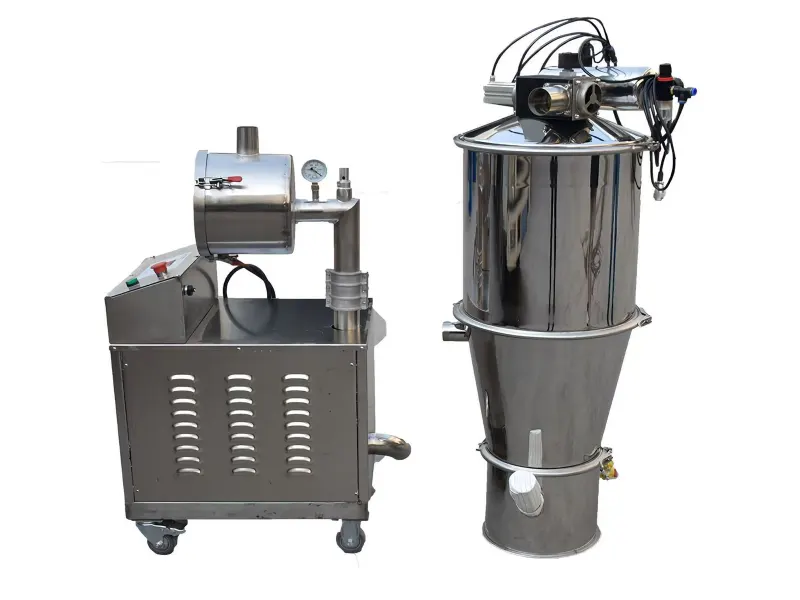
يستخدم النظام الكهربائي مضخة تفريغ تعمل بمحرك لتوليد ضغط سالب.
يمكن تهيئته ليناسب مسافات نقل وسعات وساعات تشغيل مختلفة. وقد يكون النظام الكهربائي خيارًا جديرًا بالدراسة لمسارات النقل الأطول أو التشغيل المتكرر.
The motor is not the only component that needs protection. Vacuum pumps, control panels, sensors, and other electrical parts installed in hazardous areas must also meet the relevant requirements.
Which Type Should You Choose?
| البند | Pneumatic Type | Electric Type |
|---|---|---|
| Power source | Compressed air | Electric vacuum pump |
| Main feature | No drive motor in the vacuum generator | Motor-driven vacuum generation |
| Site requirements | Stable compressed air supply | Suitable electrical supply |
| السعة | Depends on air supply and vacuum generator | Depends on pump and system design |
| Main considerations | Air consumption, pressure, safety | Electrical protection, capacity, energy use |
Neither option is always better.
A الشركة المصنّعة لناقل التفريغ should consider your material, hazardous area, conveying distance, and available utilities before recommending a system.
Key Features to Check Before Buying
The performance and safety of an explosion-proof vacuum conveyor depend on more than its vacuum source. Pay attention to the following components.
Explosion-Proof Electrical Components
For an electric system, check the motor, vacuum pump, control panel, and sensors.
Ask the supplier whether these components are suitable for your hazardous area and whether the required certificates and technical documents are available.
A certified explosion-proof motor does not automatically make the entire conveyor suitable for hazardous environments.
Equipment Materials and Sealing
Material-contact parts are commonly made from 304 or 316L stainless steel.
304 stainless steel works for many general powder applications. For more corrosive materials or stricter cleanliness requirements, 316L may be a better option.
Sealing is equally important. Poorly sealed joints, discharge valves, and pipe connections may allow dust to escape.
For food, pharmaceutical, or multi-product production lines, choose equipment that is easy to open and clean to reduce material residue and cross-contamination.
Anti-Static Pipes and Hoses
Powder moving through pipelines can generate static electricity.
Use suitable conductive or anti-static pipes and flexible hoses based on the material. Metal hoppers, pipelines, and other conductive components should be properly bonded and grounded.
Pipe layout also matters. Too many bends or sudden diameter changes can increase conveying resistance, wear, and powder buildup.
Filters and Pulse-Jet Cleaning
Filters separate powder from the conveying air and help prevent material from entering the vacuum source.
For combustible powders, suitable anti-static or conductive filters may be required.
As powder builds up on the filter surface, suction can decrease and conveying cycles may become longer.
Many systems use pulse-jet filter cleaning to remove collected powder and maintain airflow. The cleaning method and gas supply must also be suitable for the material being handled.
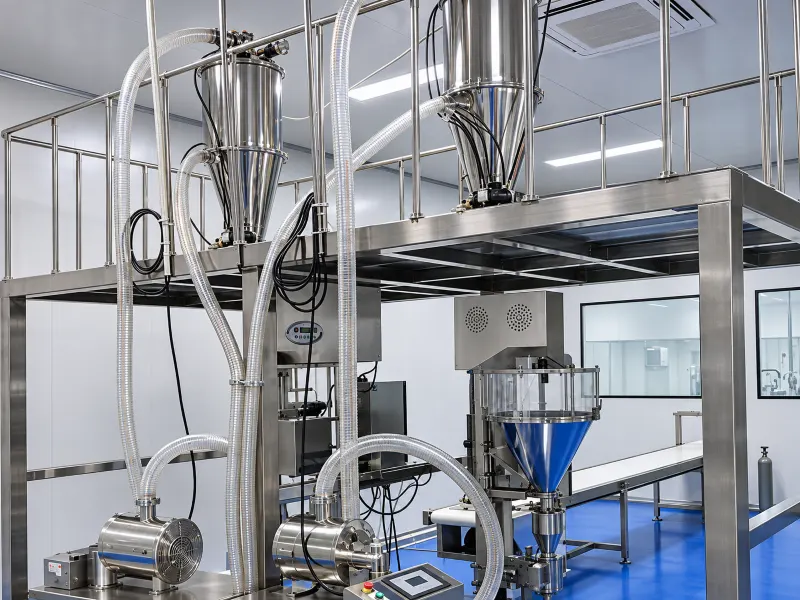
Conveying Performance and Production Line Integration
Even a well-protected explosion-proof vacuum conveyor must deliver the required capacity without frequent blockages.
Material Properties and Conveying Capacity
Particle size, bulk density, moisture, stickiness, and flowability all affect conveying performance.
Dry, free-flowing powders are often easier to handle. Moist or sticky materials may need different suction settings, pipelines, or discharge designs.
The same conveyor can achieve different capacities when handling different powders.
For difficult materials, a conveying test before purchase can help confirm performance.
Conveying Distance and Lifting Height
When requesting a quotation, provide the horizontal conveying distance, vertical lifting height, number of bends, and required capacity in kg/h or t/h.
Longer routes and higher lifts increase resistance, so the vacuum source and pipe diameter must match the actual layout.
For batch conveying systems, remember that suction and discharge take place in separate parts of the cycle. Both affect the average hourly capacity.
Connecting with Other Equipment
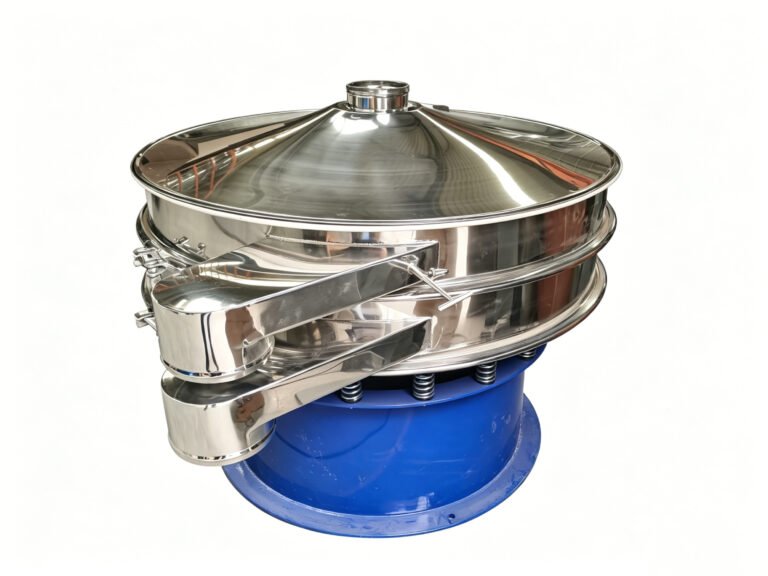
Vacuum conveyors often work with bag dump stations, bulk bag unloaders, vibrating screens, storage hoppers, and mixers.
For example, a dust-free bag dump station can feed powder into a closed conveying line, reducing manual handling and dust around the loading area.
If your process also requires screening, see our guide to connecting a vacuum conveyor and vibro sifter.
The entire production line needs to be assessed for dust hazards, not just the conveyor.
A الشركة المصنّعة لناقل التفريغ with system design experience can help plan the pipe route, equipment connections, and maintenance space while reducing areas where powder may collect.
How to Choose a Vacuum Conveyor Manufacturer
Explosion-proof equipment often costs more than standard powder feeders. But two machines that look similar may have very different safety components and performance.
Check Certifications
Some equipment sold as explosion-proof may only be a standard conveyor with a few modified parts.
Ask the الشركة المصنّعة لناقل التفريغ for the relevant certificates, technical drawings, and component list.
Check the equipment model, explosion protection marking, certification scope, and applicable conditions. Where possible, verify the documents through the issuing organization’s official records.
For projects that require safety inspection or approval, confirm the necessary documents before placing an order.
Compare Equipment Configurations
Do not compare quotations based on price alone.
Check the motor, electrical controls, stainless steel grade, filters, sealing parts, and safety features.
Once the equipment meets your safety and production requirements, compare its purchase price, energy consumption, maintenance needs, and spare parts costs.
Check After-Sales Support
Filters may become blocked, seals can wear out, and pipes may eventually need replacement.
Before buying, ask about installation guidance, commissioning, warranty, spare parts, and technical support.
Components that affect explosion protection should not be replaced with ordinary parts without a proper technical assessment.
Information Needed for Equipment Selection
To receive an accurate recommendation, provide the الشركة المصنّعة لناقل التفريغ with the following information:
| المعلومات | What to Provide |
|---|---|
| المادة | Name, particle size, bulk density, moisture, flowability, and explosion properties |
| Hazardous area | Area classification, applicable standards, and available test data |
| Conveying route | Horizontal distance, vertical lift, and number of bends |
| السعة | Required kg/h or t/h and operating cycle |
| Site conditions | Electrical supply, compressed air, and installation space |
| Equipment connections | Feeding point and receiving equipment |
| Special requirements | Material grade, cleaning, automation, and custom features |
These details help the engineering team choose the right vacuum source, filters, pipelines, and protection measures.
For complex factory layouts, a site review may also help before the final design is confirmed.
الخاتمة
Choosing the right ناقل تفريغ مقاوم للانفجار starts with understanding your powder, hazardous area, and conveying requirements. The equipment should be safe, reliable, and easy to maintain.
Looking for a reliable الشركة المصنّعة لناقل التفريغ? Contact Yuanjing Machinery and share your material, conveying distance, required capacity, and explosion-proof requirements.
Our team can help you choose a suitable powder conveying solution for your production line.
الأسئلة الشائعة
Q1: Is a Pneumatic Vacuum Conveyor Safer Than an Electric Model?
Not always. A pneumatic vacuum generator has no electric drive motor, but static electricity, mechanical friction, and dust buildup can still create risks.
An electric system can also be suitable when correctly designed and protected. Safety depends on the complete system, not just the power source.
Q2: Can I Convert a Standard Vacuum Conveyor into an Explosion-Proof Model?
Replacing the motor alone is not enough.
Electrical components, filters, hoses, static control, and other parts may also need changes. A qualified specialist should assess the equipment and confirm the required protection before it is used in a hazardous area.
Q3: Can a Closed Vacuum Conveyor Prevent All Dust Leakage?
Closed vacuum conveying greatly reduces dust release, but zero leakage cannot be guaranteed under every condition.
Sealing, filter performance, feeding methods, and maintenance all affect dust control. For cleaner operation, the system can be combined with a dust-free feeding station and suitable dust collection equipment.
Q4: Does an Explosion-Proof Certificate Guarantee That the Machine Will Pass a Safety Inspection?
No. A certificate covers only the equipment or components within its stated scope.
The complete installation must also meet the relevant requirements for hazardous area classification, electrical protection, grounding, and other safety measures.
Q5: Can an Explosion-Proof Vacuum Conveyor Handle Aluminum Powder, Carbon Black, or Lithium Battery Materials?
A system can be designed for certain grades of these materials, but not every model is suitable.
Aluminum powder and some battery materials can present serious dust explosion risks. The supplier should review the material properties, static control requirements, conveying distance, and capacity.
Additional safety assessments or conveying tests may be needed.
Q6: How Often Should the Filter Be Replaced?
There is no fixed replacement schedule.
Filter life depends on the powder, dust load, operating hours, and cleaning performance. If suction remains weak after cleaning, inspect the filter for blockage or damage.
Use replacement filters that meet the original filtration and anti-static requirements.