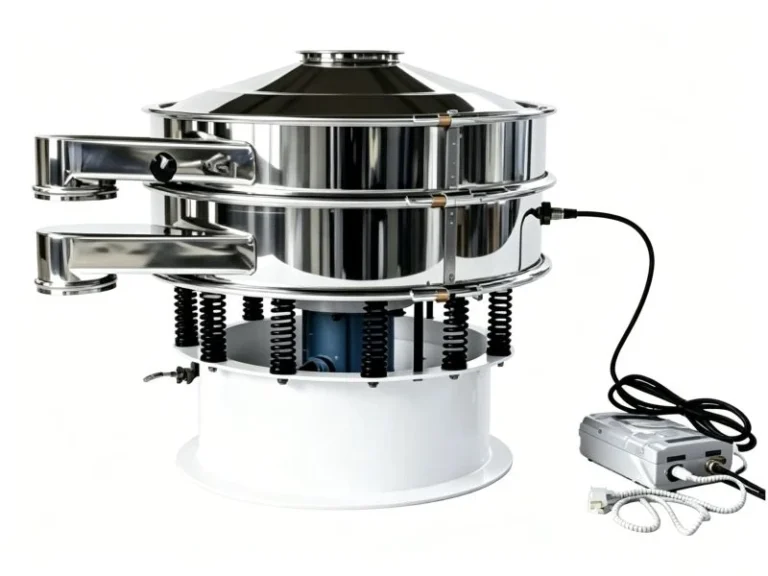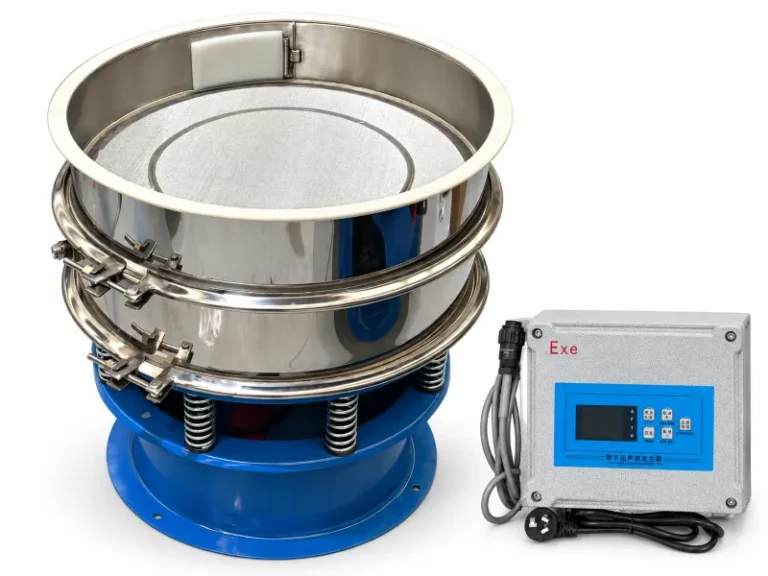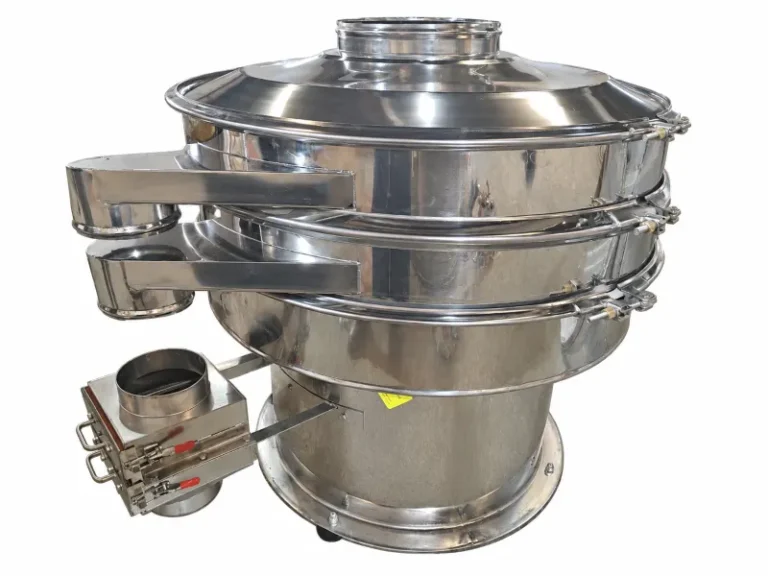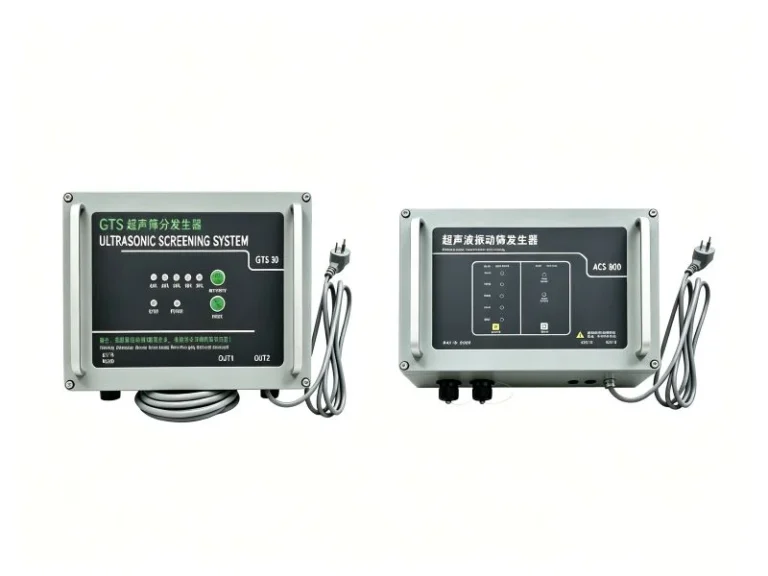
So bedienen Sie eine Sackentleerstation für Natriumhydrogencarbonat zur Beschickung aus Kleinsäcken
A sodium bicarbonate bag dump station collects dust while operators open and empty bags of baking soda into the production process. Each bag is placed on the loading platform, opened within the extraction area and emptied at a controlled rate.
Start extraction before opening the first bag. When feeding is finished, close the operating opening and follow the machine’s dust-clearance and shutdown sequence.
For food, chemical and pharmaceutical production, check for residues from previous materials, loose packaging fragments and moisture that could cause the powder to cake.

How the Station Collects Dust
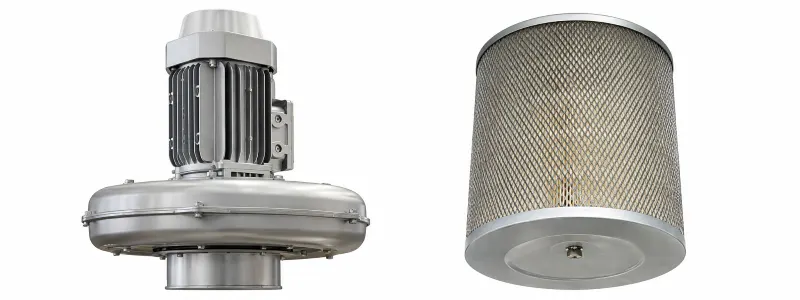
Fine powder becomes airborne as a bag is opened or tipped. The extraction fan draws air from the feeding area toward the filters, where the powder is separated from the airflow.
Models with pulse-jet cleaning use compressed-air pulses to release powder collected on the filter surface. The dislodged powder falls back into the hopper.
Yuanjings staubfreie Sackentleerungsstation uses this negative-pressure collection arrangement and can be connected to screening or conveying equipment. Dust capture still depends on filter condition, sound seals and how the operator handles each bag.
Before Opening the First Bag
Check the Filters, Seals and Connections
Before starting the sodium bicarbonate bag dump station, inspect the feeding opening, filters and dust collection components. Where a vibrating screen is fitted underneath, check the mesh and its connections too.
Look for torn filters, hardened or worn gaskets, loose clamps and unsecured fittings. Correct these faults before feeding powder.
Clean Out Previous Material
Remove residues from the hopper, loading platform and connection areas if the machine has handled another product.
For food-grade or pharmaceutical-grade sodium bicarbonate, use the cleaning tools specified by the site procedure. Lint-free cloths or dedicated tools should leave no fibres, bristles or other foreign matter behind.
Check inside the equipment before closing it up. Residual powder and loose objects should be removed before startup.
Confirm Power and Compressed Air
Check the electrical supply and controls for the extraction fan, screen and other powered components.
If the sodium bicarbonate bag dump station has pulse-jet cleaning or pneumatic components, confirm that compressed air is available at the pressure specified for the installed equipment. Use the machine manual rather than a pressure setting taken from another model.
Small-Bag Emptying Procedure
1. Start Extraction
Switch on the station’s extraction fan or the connected central extraction system. Confirm that it is working before cutting the bag.
Follow the manufacturer’s startup sequence where interlocks are fitted. Opening a bag early releases powder before extraction is available to capture it.
2. Position the Bag
Check the packaging for damage and contamination on its outer surface. Place the bag securely on the loading platform, with the intended opening facing the feeding area.
Leave enough room to lift, tip and remove it without awkward handling. Keep the bag closed until it is inside the extraction area.
3. Open the Bag
Open the operating cover and position the bag as instructed for that machine. Use a suitable cutting tool and follow the site’s bag-opening procedure.
Keep the cut controlled so pieces of packaging do not fall into the hopper. Secure the bag with the clamp if one is fitted. Otherwise, maintain a firm grip while pouring.
4. Feed the Powder Gradually
Lift and tilt the bag slowly. A sodium bicarbonate bag dump station should receive an even flow rather than the whole bag in one sudden discharge.
A fast pour can create a large dust load and send powder into the hopper faster than the equipment below can handle it. Watch the material level as you empty the bag.
Where an Inline-Vibrationssieb sits beneath the station, match the pouring rate to its screening capacity. Slow down or pause if powder starts building up on the mesh.
The amount arriving during each pour matters, even when the hourly production target is modest. Our guide to preventing screen overload during batch bag feeding covers this feeding issue in more detail.
5. Watch for Changes in Extraction
During feeding, look for dust escaping from the opening or a noticeable change in extraction performance.
If a differential-pressure gauge is fitted, compare its reading with the range specified for that filtration system. A rising reading can indicate a restriction that needs attention.
Pause feeding if pressure becomes abnormal or powder keeps escaping. Check the filters, cleaning mechanism and extraction system before opening another bag.
6. Remove the Empty Bag
Keep the empty bag within the extraction area while gathering it for removal. Shaking or beating it outside the station releases residual powder into the room.
Put the packaging in the designated collection area. Check the platform for loose scraps before loading the next bag.
Shutdown and Cleaning
Close the Opening Before Stopping Extraction
After the last bag, close the relevant operating cover or valve. Keep extraction running for the residual-dust clearance period specified by the manufacturer, then stop it in the required sequence.
Before dismantling or cleaning the sodium bicarbonate bag dump station, shut it down and isolate electrical and pneumatic energy according to site procedures.
Remove Powder from the Platform and Hopper
Use an industrial vacuum suitable for the material and work area, or an approved soft brush, to remove residual sodium bicarbonate. Pay attention to the seals and places where powder collects around connections.
Avoid direct water washing where it could wet retained powder or damage components. If wet cleaning is required, check that the equipment and filter parts are washable, then dry them thoroughly before reuse.
Inspect the Filters
Check for damage, powder buildup and poor cleaning performance. Clean or replace filters according to the manufacturer’s instructions if normal pulse cleaning does not restore their condition.
For a sodium bicarbonate bag dump station, filter inspection frequency should reflect the quantity handled, operating hours, dust load and differential-pressure trend. Counting bags alone will not show how heavily the filters are loaded.
Routine Maintenance and Operator Protection
Wear the Protection Required for the Task
Use respiratory protection, eye protection and gloves as required by the site’s exposure assessment and working procedures.
Keep bag opening and pouring controlled while extraction is running. Personal protection remains part of the task.
Check Grounding and Area Requirements
Where the installation area requires explosion-protected equipment, verify that the motors, electrical controls and machine configuration suit that area.
Apply grounding and static-control measures where specified. The requirements come from the materials and operating environment; the equipment name alone does not establish suitability.
Inspect Seals and Motor Mountings
Include gasket wear, ageing and compression in the sodium bicarbonate bag dump station maintenance schedule. Weekly inspection can be a starting point, with the interval adjusted to use and observed wear.
If a vibrating motor is fitted, check its mountings and operating condition. Follow its manual for grease type, quantity and lubrication interval. Do not add routine greasing to a motor specified as maintenance-free.
Prepare for a Long Shutdown
Remove residual powder and clean the equipment before an extended stoppage. Disconnect power and compressed air as required, and protect the station from moisture and dust accumulation.
FAQ
Should extraction start before the bag is opened?
Yes. Start extraction and confirm normal operation before opening or emptying a bag. Follow the machine’s startup sequence where automatic interlocks are installed.
Why does pouring speed matter?
A sudden discharge creates a short-term dust load and may overwhelm the hopper or downstream equipment. Pour at a rate the system can process without material building up.
Can empty bags be shaken outside the station?
Keep empty-bag handling within the extraction area as far as practical. Shaking bags outside it releases powder left inside the packaging.
What should I do if dust escapes from the opening?
Pause feeding and check the extraction fan, filters, cleaning system and connections. Resume after the cause has been corrected and extraction is working normally.
If dust also escapes at downstream connections or discharge points, see our guide to dust control in conveying and screening systems. It covers these other potential release points.
Can the station be washed with water?
Only where the equipment’s cleaning instructions permit it. Water can make retained sodium bicarbonate cake, and some filters or components may not be washable. Dry approved wet-cleaned parts thoroughly before restarting.
What information is needed to select a sodium bicarbonate bag dump station?
Provide the bag weight, number of bags per hour and required throughput. Include downstream screening or conveying requirements, available space, utilities and the cleaning method used at your plant.
Planning the Feeding Arrangement
To size a sodium bicarbonate bag dump station, we need to know how operators will handle the bags and where the powder goes after unloading.
Send us your bag size, hourly feeding requirement and a production-line layout. Include details of any screen or Vakuumfördersystem that the station needs to connect to, along with available installation height and cleaning access.