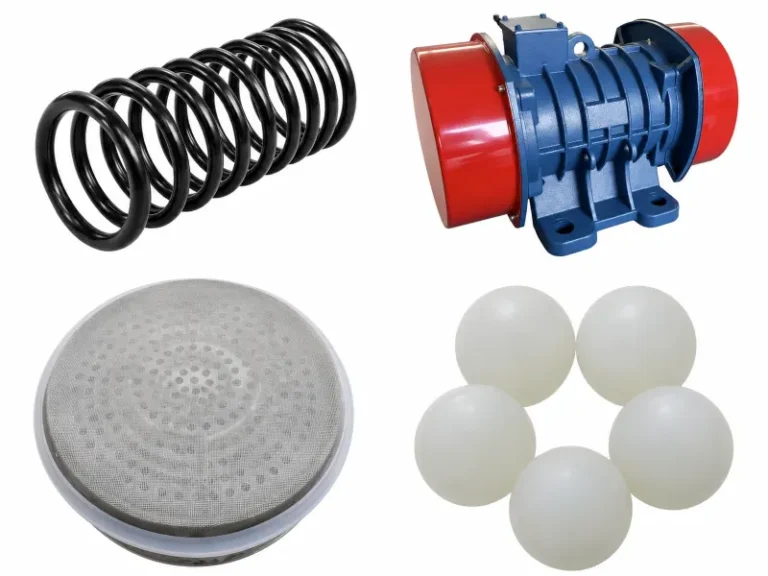
كيفية معالجة انسداد شبكة الغربلة في منخل مسحوق الكاولين
عندما يبدأ منخل مسحوق الكاولين بتغذية آلة التعبئة بالأكياس بمعدل أبطأ، فإن أول ما يجب معرفته هو متى يبدأ التباطؤ. هل يتراكم المسحوق بمجرد فتح بوابة القادوس؟ أم تمر الدفعة الأولى بسهولة، ثم تتراكم طبقة من الدقائق الجافة لاحقًا أثناء التشغيل؟ أم أن دفعة رطبة تركت طبقة على أسلاك الشبكة؟
قد يكون تركيب شبكة بفتحات أكبر حلًا مغريًا، خصوصًا عندما تكون الأكياس بانتظار التعبئة. لكن قبل ذلك، ألقِ نظرة على مخرج المواد كبيرة الحجم. فإذا كانت الشبكة تحجز حبيبات صلبة يجب ألا تصل إلى الأكياس النهائية، فقد تسمح لها الفتحات الأكبر بالمرور.

ما الذي يسد الشبكة فعليًا؟
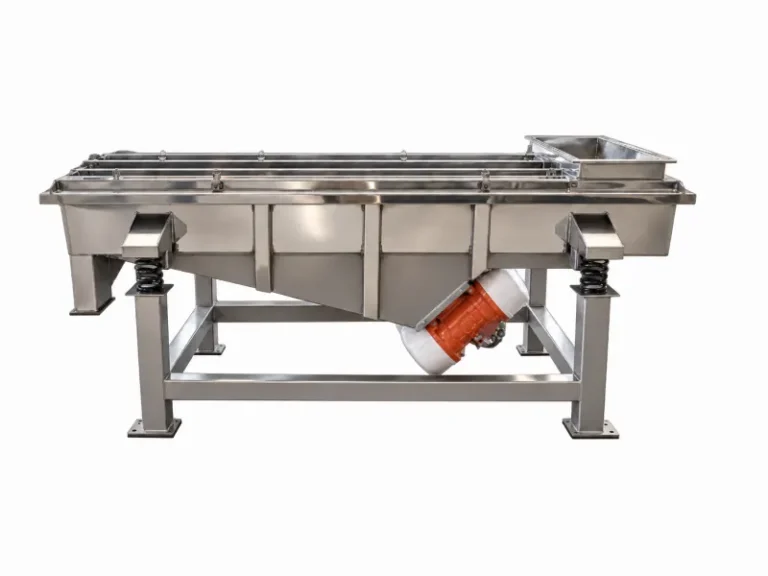
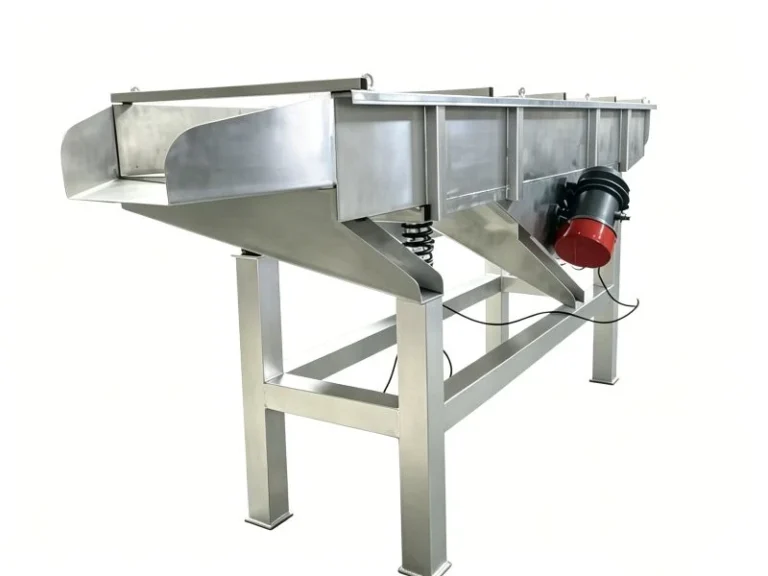
في خط التعبئة بالأكياس، يغذي القادوس الشبكة الاهتزازية بمسحوق الكاولين. ويسقط المسحوق الصغير بما يكفي للمرور مباشرة إلى المخرج أسفل الشبكة. وتناسب مسافة السقوط القصيرة هذه الفحص النهائي قبل التعبئة، عندما تكون معظم كمية الكاولين مطابقة للمواصفات بالفعل. لكن التكتل اللين لا يجد وقتًا كافيًا للتفتت قبل وصوله إلى مخرج المرفوضات. اطّلع على ترتيب التغذية والتفريغ في المنخل الاهتزازي الخطي.
راقب دورة كاملة للقادوس. لاحظ موضع سقوط المسحوق وما إذا كانت الكومة تتلاشى قبل الدفعة التالية. إذا احتجت إلى فتح المنخل، فأوقف تشغيله وافصل عنه الطاقة وفقًا لإجراءات الموقع قبل فحص أي من جانبي الشبكة.
| ما يراه المشغّل | السبب المحتمل | ما يجب فحصه |
|---|---|---|
| تحيط طبقة رطبة بالأسلاك وتحجب حواف الفتحات. | يلتصق الكاولين الرطب بالشبكة. | قارن محتوى الرطوبة بدفعة جرى تشغيلها بنجاح. تحقق من كيفية تخزين الأكياس ومدة بقائها مفتوحة. |
| تتجمع الدقائق الجافة في بقع. وتظهر البقع نفسها مجددًا بعد التنظيف بوقت قصير. | تلتصق الجسيمات الدقيقة بالأسلاك أو تشكل تكتلات مفككة. | افحص شد الشبكة وحالة كرات التنظيف. لاحظ بعد كم من وقت التشغيل تعود البقع. |
| تنحشر حبيبات صلبة منفردة في الفتحات. وتكون الأسلاك المحيطة بها نظيفة. | استقرت جسيمات تقارب حجم الفتحات في الشبكة. وتُسمى هذه الظاهرة انحشار الحبيبات. | افحص عينة من الحبيبات المحتجزة. تأكد من أن كرات التنظيف تتحرك بحرية تحت الشبكة. |
| تتكون كومة تحت مخرج القادوس، لكنها تتناقص عند إغلاق البوابة. | تصل كل دفعة بسرعة تفوق قدرة المسحوق على الانتشار عبر سطح الغربال. | استخدم دفعة أصغر أو أطِل مدة التفريغ، مع الإبقاء على الشبكة نفسها. |
كان المنخل نفسه يعمل جيدًا بالأمس. ما الذي تغير في هذه الدفعة؟
تتمتع جسيمات الكاولين الدقيقة بمساحة سطح كبيرة مقارنة بكتلتها. وحتى المسحوق الجاف قد يشكل تكتلات مفككة بفعل التجاذب بين الجسيمات والتأثيرات الكهروستاتيكية. أما الدفعة الرطبة فتميل إلى ترك أثر مختلف. إذ يلتصق المسحوق أولًا بالأسلاك، ثم يتراكم حولها. ومع تضيق الفتحات، تقل كمية المسحوق التي تصل إلى آلة التعبئة.
يجدر تفقد مخرج المواد المرفوضة هنا. ربما كان يجمع عادةً حفنة من الحبيبات الصلبة، لكنه يطرح اليوم كتلًا فاتحة اللون تتفتت بضغط خفيف. وقد يتسرب بعض الكاولين الصالح للاستخدام مع تلك الكتل. احتفظ بعينات صغيرة من مادة التغذية والمسحوق المنخول والمواد المرفوضة لمقارنتها بدفعة عادية. إن تفتيت كتلة يمنحك فكرة عن المادة الأكبر من المقاس المطلوب. أما اختبار حجم الجسيمات المعتاد فيبين لك ما إذا كان المسحوق النهائي يفي بمواصفات العميل.
إذا بدأت المشكلة مع أكياس ظلت مفتوحة، فجرّب دفعة من الدرجة نفسها خُزّنت في ظروف عادية. اترك الشبكة وضبط التغذية كما كانا. إذا عاد التفريغ إلى مستواه المعتاد، فقارن الرطوبة والتكتل في الدفعَتين قبل إجراء أي تغييرات على منخل مسحوق الكاولين.
يمكن لخط تعبئة أكياس بمعدل 300 كغ/ساعة أن يغذي المنخل بمعدل 3,000 كغ/ساعة
افترض أن القادوس يفرغ 25 كغ كل خمس دقائق. ويبلغ متوسط ذلك 300 كغ/ساعة على مدار وردية عمل. والآن افترض أن البوابة تفرغ كمية الـ25 كغ كلها خلال 30 ثانية. خلال تلك الثواني الثلاثين، يصل المسحوق إلى الغربال بمعدل يعادل 3,000 كغ/ساعة.
يمكنك غالبًا ملاحظة التأثير عند المدخل. تتراكم كومة كبيرة تحت القادوس، بينما يظل جزء الشبكة القريب من الحافة مكشوفًا. وبمجرد إغلاق البوابة، تمر الكومة تدريجيًا عبر الشبكة. جرّب تفريغ الشحنة نفسها على مدى فترة أطول وراقب ما يحدث للكومة. إذا مرّت بالكامل وظل المسحوق المعبأ في الأكياس مستوفيًا للمواصفات، فستكون قد حسّنت التغذية دون تغيير حجم الفتحات.
عند تحديد حجم منخل مسحوق الكاولين، زوّد المورّد بدورة التفريغ بالإضافة إلى الحمولة بالطن في الساعة. تصف عبارة “25 كغ في 30 ثانية، مرة كل خمس دقائق” الحمل الفعلي الذي تتعرض له الماكينة. اقرأ دليل اختيار المنخل الاهتزازي المدمج في خط الإنتاج.
شبكة جديدة بالمقاس نفسه وتفريغ أبطأ
إذا انخفض معدل الإنتاج في يوم استبدال الشبكة، فراجع مواصفات الشبكة القديمة. قد تختلف فتحات شبكتين تحملان العلامة 100 شبكة ويكمن الاختلاف في قطر السلك.
في شبكة ذات نسيج مربع بمقاس اسمي 100 مش، تبلغ المسافة بين مراكز الأسلاك نحو 0.254 مم. اطرح قطر السلك للحصول على عرض الفتحة الصافية النظري.
| شبكة ذات نسيج مربع بمقاس 100 مش | قطر السلك | عرض الفتحة الصافية المحسوب | نسبة المساحة المفتوحة النظرية |
|---|---|---|---|
| الشبكة A | 100 مم | 154 مم | 36.8% |
| الشبكة B | 0.120 mm | 0.134 mm | 27.8% |
The wire in Screen B is only 0.020 mm thicker. Yet each opening is smaller, and the total area available for powder to pass is roughly one quarter lower than on Screen A. If the old screen worked, check its wire diameter and clear aperture alongside the mesh count before ordering another replacement. The figures above illustrate the geometry. Use the supplier’s actual dimensions and tolerances on the purchase order.
When are cleaning balls enough?
If the same kaolin powder sifter used to handle the same grade on the same mesh, inspect the cleaning deck first. The balls should move freely beneath the screen and strike its underside to dislodge trapped particles. Look for worn or missing balls, powder packed into the space where they travel, and mesh that has gone slack. On a fine screen, confirm that the ball size and cleaning arrangement suit the mesh.
Ultrasonic deblinding is worth trying when dry fines keep coating a properly tensioned screen. The ultrasonic system applies high-frequency vibration to the mesh to help release adhering powder. Compare screened output with the system on and off, using the same batch, mesh, and feed rate. Run the comparison past the point at which production usually slows. Freshly cleaned mesh can give a good result for the first few minutes either way. See how an ultrasonic vibrating screen handles fine powder.
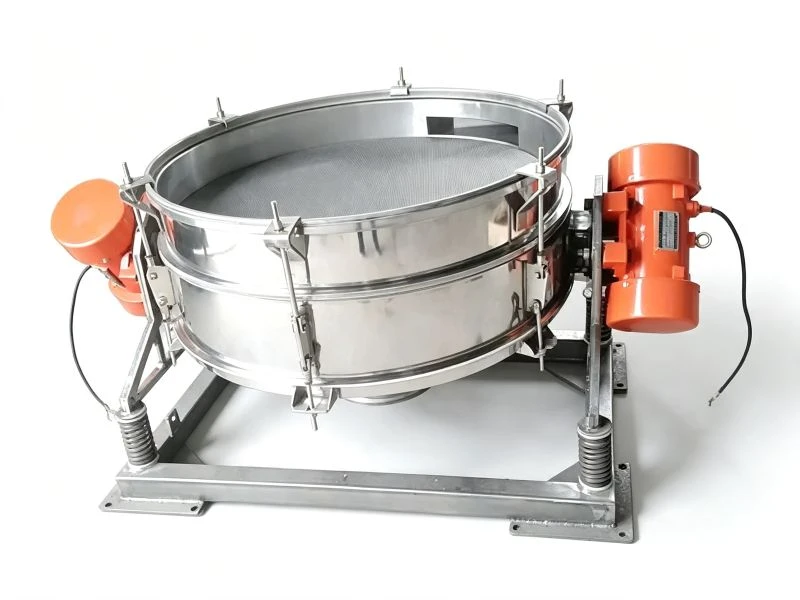
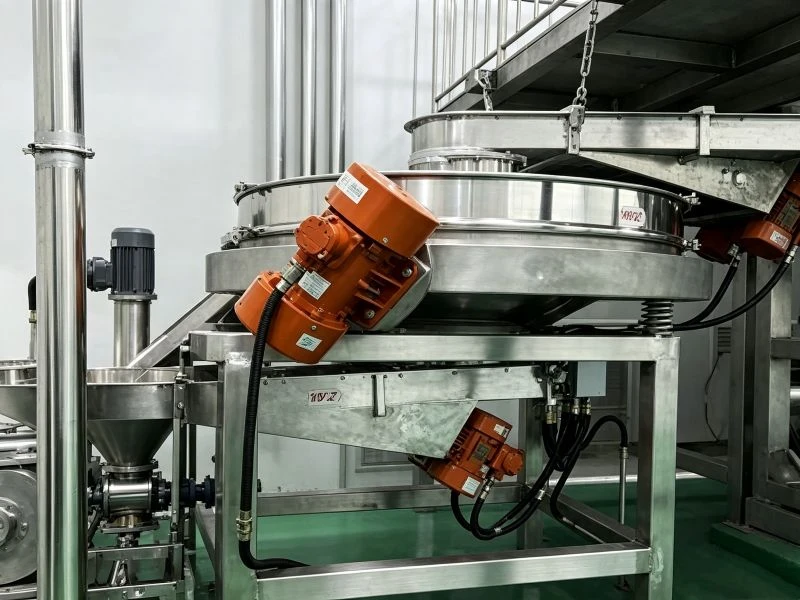
Choosing a kaolin powder sifter for 140, 200, or 325 mesh
Up to 140 mesh for a final check before bagging
For dry kaolin that already meets the product grade, 140 mesh or coarser is a practical starting range for removing occasional oversize. The actual aperture depends on the largest particle the customer will accept in the bag.
How much material stays on the screen also matters. A single-motor inline unit may suit a line that catches very little oversize, provided the operator can clear it. If the line needs to discharge coarse material continuously, consider a dual-motor unit and check where its reject outlet will feed.
A 200-mesh dry kaolin application
Yuan Jing lists 100 kg/h of dry kaolin screened at 200 mesh on a YJ-800-1S vibratory separator. The figure applies to that machine and application. For a comparable duty, supply a representative powder sample, the required hourly output, and the length of a normal production run. View the 200-mesh kaolin entry in the application table.
325 mesh and finer for classification
At 325 mesh, the job changes. Fine kaolin has to pass through small openings while the coarse fraction stays on the screen. If the reject outlet is carrying soft lumps that break down into fines, moving to an even finer mesh may lower output and send more usable powder into the rejects.
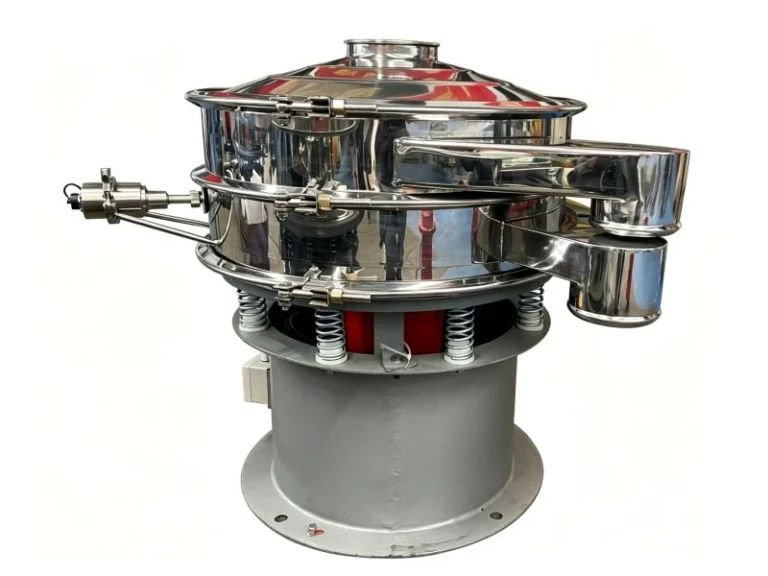
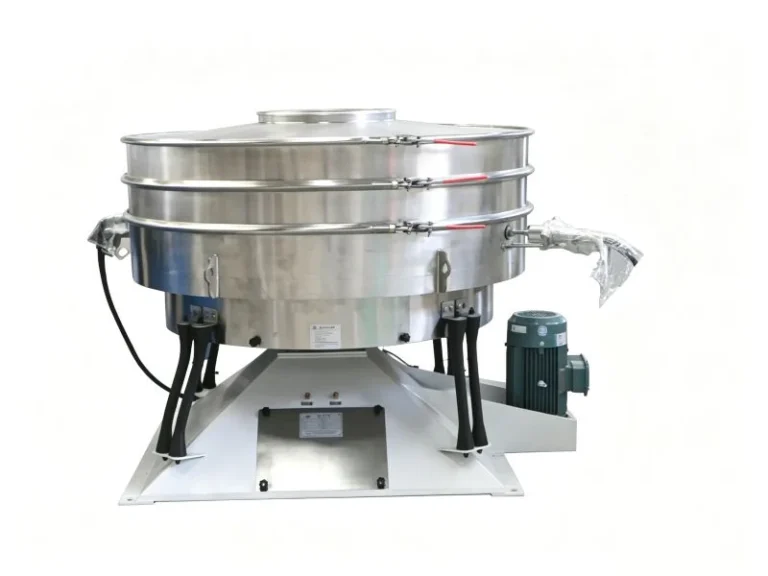
Compare a rotary vibrating sifter with an ultrasonic sieve using the same kaolin. Let each run long enough for the usual buildup to appear, then compare the weight of screened powder that meets specification. Keep a sample from each reject outlet. It can help explain why one machine delivered more usable powder than the other.
الخاتمة
For an existing kaolin powder sifter, when the trouble began is often the most revealing detail you can give a supplier. “It slowed down as soon as we fitted a new 100-mesh screen” points toward wire diameter and aperture. “It piles up every time the hopper opens” points toward the feed cycle. For a 325-mesh application, include how much on-spec powder you need at the bagger so the supplier can compare rotary and ultrasonic options against that figure.
If your screen keeps blinding, send Yuan Jing your current mesh size, required output in kg/h, and a photo of the affected mesh. A second photo of what comes out of the reject outlet is useful, especially if it contains lumps that crumble into fine powder. With those details, we can help you decide whether to adjust the feed, improve screen cleaning, or select a different sifter. Discuss your kaolin screening application with Yuan Jing.
الأسئلة الشائعة
1. How can I stop a kaolin powder sifter from clogging without fitting a coarser screen?
If the pile clears between hopper charges, keep the existing mesh and slow the release of each charge. If powder stays on the wires, examine the deposit. A damp coating warrants a moisture check. With a dry deposit, inspect mesh tension and the cleaning balls, then consider ultrasonic deblinding if the fines keep returning.
2. What vibrating screen mesh size should I use for kaolin before bagging?
Start with the coarse particle you need to keep out of the bag. For a final check on dry kaolin, 140 mesh or coarser is a useful starting range. Once you settle on a screen, record its clear aperture and wire diameter. A spare ordered by mesh count alone can change both the separation and the bagging rate.
3. Can a vibrating screen process 100 kg/h of dry kaolin at 200 mesh?
Yes. Yuan Jing reports 100 kg/h for dry kaolin on its 200-mesh YJ-800-1S separator. When requesting a machine for your line, say whether you need to feed 100 kg/h into the sifter أو deliver 100 kg/h of accepted powder to the bagger. The difference matters when an appreciable amount leaves through the reject outlet.
4. Do I need an ultrasonic sieve for 325-mesh kaolin powder?
A 325-mesh specification alone doesn’t settle the choice. Ultrasonic screening is worth evaluating if dry kaolin repeatedly coats the mesh or useful fines leave in loose lumps. Compare it with a rotary vibrating sifter at your required feed rate. Record the output that meets your fineness specification and how long each screen runs before it needs cleaning.
5. What is the difference between an inline sifter and a rotary vibrating screen for kaolin?
An inline sifter gives accepted powder a short, direct path to the bagger. It suits a line that needs to catch occasional coarse particles before packaging. A rotary vibrating screen moves powder across the mesh and can use several decks to separate size fractions. The choice depends on whether you need a final oversize check or separate grades of kaolin.
6. How do I size a kaolin powder sifter for an existing bagging line?
Provide the target screened output in kg/h, required aperture, weight per hopper charge, and discharge time. For a retrofit, measure the available height between the hopper and bagger and identify where the reject outlet can discharge. A machine that handles the powder still has to fit between those two pieces of equipment.