غربال اهتزازي لمسحوق الحليب: النظافة، حجم الشبكة واختيار السعة
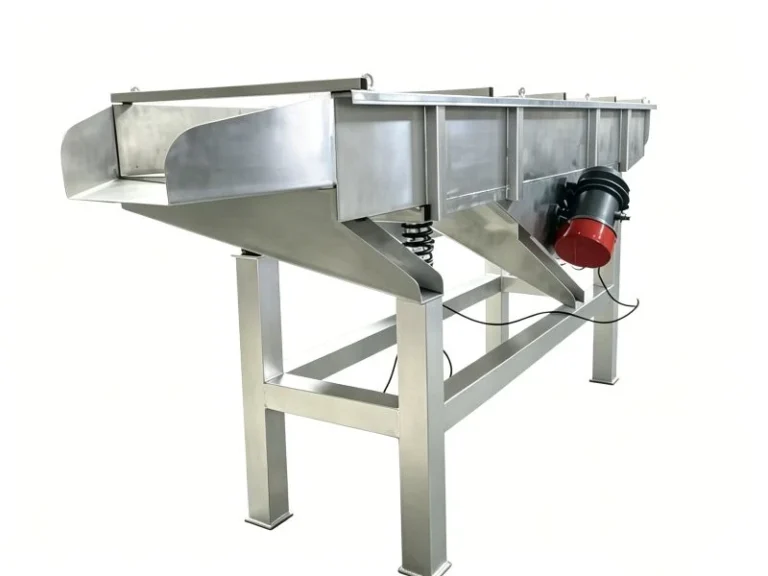
يزيل المنخل الاهتزازي لمسحوق الحليب الجزيئات كبيرة الحجم والكتل غير المرغوب فيها والمواد الغريبة المحتجزة بواسطة الشاشة. يمكن تركيبه بعد التجفيف والتبريد، أو أثناء تحضير المكونات، أو قبل التعبئة.
يتطلب اختيار الآلة المناسبة ثلاثة قرارات: بنية صحية مناسبة لإجراءات التنظيف، وفتحة شبكية مطابقة لغرض الغربلة، وسعة كافية في ظروف الإنتاج الفعلية. يشرح هذا الدليل كيفية تقييم كل متطلب.
ما الذي يجعل غربلة مسحوق الحليب صعبة؟
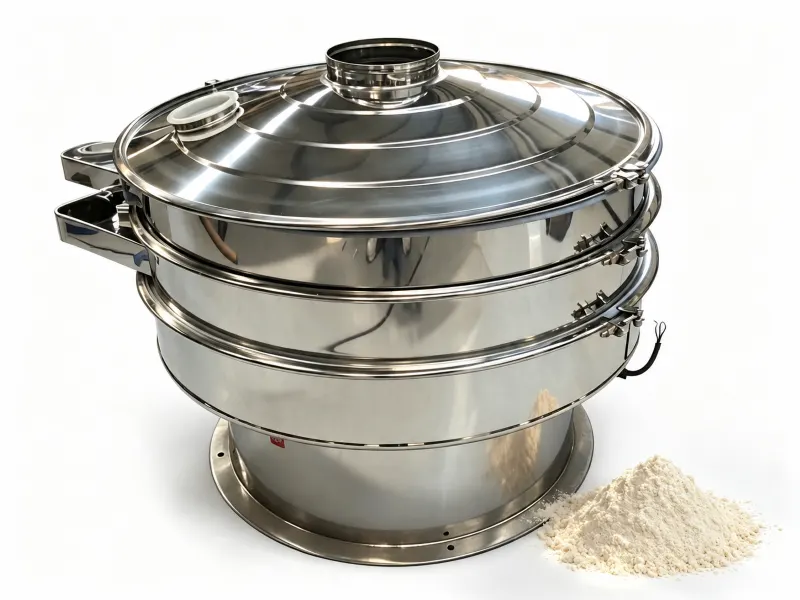
يمكن لمسحوق الحليب امتصاص الرطوبة وتكوين كتل وتراكم على الشاشة. يختلف سلوكه في الغربلة حسب التركيبة ومحتوى الدهون وتوزيع حجم الجزيئات وما إذا كان قد تم تكويره ككتل بشكل متعمد.
الرطوبة والتكتل وانغلاق الشاشة
يؤدي التصاق المسحوق وانحشار الجزيئات في فتحات الشبكة إلى تقليل مساحة الغربلة المتاحة، مما يسبب انخفاض الإنتاجية. قبل اختيار آلة أكبر، تحقق من حالة المسحوق واتساق التغذية ومتطلبات تنظيف الشاشة.
دليلنا إلى انسداد المنخل بالمسحوق الناعم يشرح الأسباب الشائعة والحلول الممكنة.
التحكم في الغبار واحتجاز المسحوق
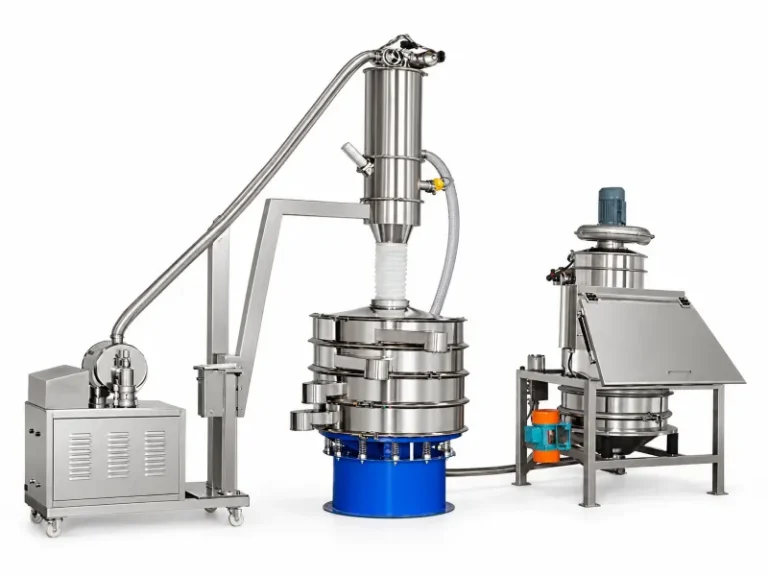
تساعد غرفة الغربلة المغلقة والحشوات المناسبة على تقليل تسرب المسحوق. تحتاج توصيلات التغذية والتفريغ أيضًا إلى إحكام فعال.
داخل الآلة، يمكن أن يتراكم المسحوق حول الوصلات والحشوات والمخارج. يجب أن تكون هذه المناطق متاحة للتنظيف والفحص.
الكتل غير المرغوب فيها مقابل الكتل المقصودة
ليس كل جزيء كبير يجب رفضه. قد يحتوي مسحوق الحليب الفوري على كتل مكونة بشكل متعمد تنتمي إلى المنتج النهائي.
على سبيل المثال، يجب أن تسمح الشاشة المستخدمة لإزالة الكتل الصلبة قبل التعبئة بمرور الكتل المقبولة. قد تؤدي شبكة ناعمة بشكل غير ضروري إلى رفض مسحوق قابل للاستخدام وتغيير توزيع حجم الجزيئات للمنتج.
ما الميزات الصحية التي يجب أن يتمتع بها المنخل الاهتزازي لمسحوق الحليب؟
يجمع المنخل الاهتزازي الصحي بين مواد ملامسة للمنتج مناسبة وأسطح قابلة للتنظيف ومكونات يمكن الوصول إليها. لا يثبت البناء من الفولاذ المقاوم للصدأ وحده الملاءمة الصحية للآلة الكاملة.
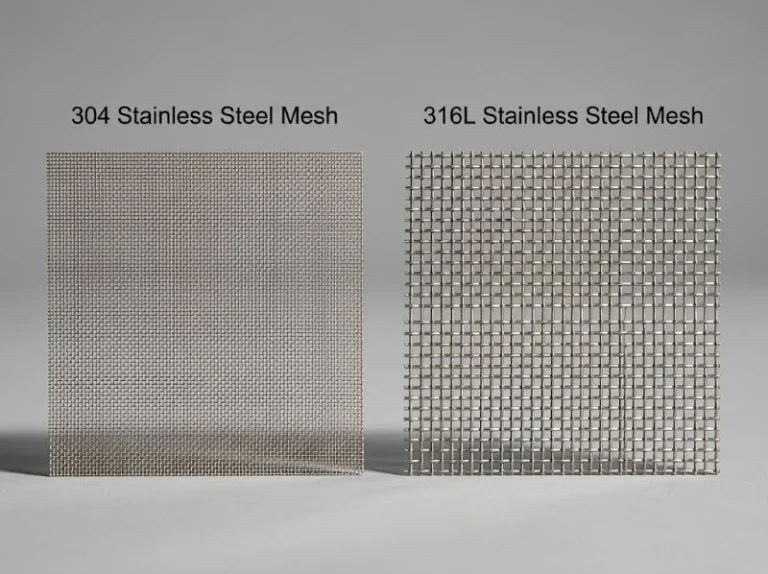
الفولاذ المقاوم للصدأ 304 أو 316L
يتوفر الفولاذ المقاوم للصدأ 304 و316L للمكونات الملامسة للمنتج. تعتمد الدرجة المناسبة على المنتج ومواد التنظيف الكيميائية وظروف التشغيل.
تأكد من المواد المستخدمة في شبكة الشاشة والإطار والمدخل والمخرج وأجزاء التلامس الأخرى - وليس فقط الجسم الخارجي.
أسطح ملساء ومكونات يمكن الوصول إليها
افحص اللحامات ووصلات الإطار والمخارج وأخاديد الحشوات بحثًا عن مناطق قد يتراكم فيها المسحوق. تعمل الشاشات القابلة للإزالة والتوصيلات التي يمكن الوصول إليها على تبسيط الفحص والتنظيف.
| المكون | ما يجب تأكيده |
|---|---|
| المعدن الملامس للمنتج | درجة الفولاذ المقاوم للصدأ المحددة والوثائق الداعمة |
| الأسطح والوصلات | التشطيب المتفق عليه وإمكانية الوصول لإزالة المسحوق المحتجز |
| مجموعة الشاشة | سهولة الإزالة والفحص والاستبدال |
| الأختام | ملاءمة ملامسة الطعام والتوافق مع التنظيف |
| المدخل والمخارج | توصيلات محكمة وإمكانية الوصول للتنظيف |
الحشوات وإجراءات التنظيف
إذا تم تحديد حشوات السيليكون، فتأكد من ملاءمتها للاستخدام المقصود الملامس للطعام وظروف التنظيف.
اتفق على إجراء تنظيف جاف أو رطب قبل اختيار المعدات. عند استخدام التنظيف الرطب، ضمّن التجفيف المناسب والفحوصات قبل استئناف إنتاج المسحوق. يجب أن تتيح مساحة التركيب أيضًا للمشغلين تفكيك الآلة وفحصها.
كيف تختار حجم الشبكة المناسب لمسحوق الحليب؟
لا يوجد حجم شبكة منخل موحد لمسحوق الحليب. ابدأ بتحديد ما إذا كانت المهمة غربلة تحقق أو إزالة كتل غير مرغوب فيها أو فصل أجزاء محددة من حجم الجزيئات.
طابق الفتحة مع غرض الغربلة
| مهمة الغربلة | متطلب الاختيار الرئيسي |
|---|---|
| غربلة التحقق قبل التعبئة | تمرير المسحوق المقبول مع الاحتفاظ بالمواد كبيرة الحجم المستهدفة |
| إزالة الكتل غير المرغوب فيها | تقييم حجم الكتل وتكرارها وفقدان المنتج المقبول |
| تصنيف حجم الجزيئات | تحديد الحدود العليا والدنيا المطلوبة للحجم |
| غربلة مسحوق الحليب الفوري | الحفاظ على كتل المنتج المقبولة |
يوفر سطح واحد قطع فصل واحد. قد تكون الأسطح المتعددة مناسبة عندما تكون هناك حاجة لعدة أجزاء من حجم الجزيئات.
لتطبيق ما قبل التعبئة لأحد العملاء، أوصينا بـ milk powder screening system with a 1.5 mm aperture, a 1000 mm inline screen and dust-free feeding. The aperture was specified for that customer’s oversized-material removal requirement, rather than as a general mesh recommendation for milk powder.
Specify Microns Alongside Mesh Number
Mesh numbers should be accompanied by the aperture and applicable specification. Selected ASTM E11 sieve designations illustrate the differences:
| Sieve Designation | Nominal Aperture |
|---|---|
| No. 80 | 180 μm |
| No. 120 | 125 μm |
| No. 400 | 38 μm |
These are aperture references, not universal recommendations for milk powder. An “80–400 mesh” range covers substantially different separation sizes. Confirm the actual production screen aperture, wire diameter and open area with the supplier.
Balance Separation and Product Recovery
Finer mesh is not automatically better. It may retain more oversized material, but it can also reduce throughput and reject acceptable powder.
During a trial, inspect both the passed powder and the retained fraction. Select an aperture that meets the separation requirement while maintaining acceptable product recovery and stable operation.

4. How Do You Size a Vibro Sifter for Milk Powder?
Milk powder screening capacity depends on mesh aperture, effective screening area and powder characteristics. Select a machine for the intended operating conditions rather than relying only on its maximum catalogue rating.
Match Throughput to the Production Process
Confirm the required throughput in kg/h and whether screening will be continuous or batch-based. Before packaging, the sifter should accommodate incoming powder and maintain a steady supply to downstream equipment.
Consider peak feeding periods, cleaning and changeovers. A machine that handles the average feed rate may still become a bottleneck during sudden feed surges.
Check What Affects Actual Output
| Factor | Effect on Capacity |
|---|---|
| Screen aperture | Finer openings generally make powder passage more difficult |
| Effective screening area | More available area can support higher throughput |
| Powder flowability | Cohesive powder may need additional screening assistance |
| Moisture and agglomeration | Buildup and unwanted lumps can interrupt powder passage |
| Feeding consistency | Uneven feeding can overload the screen surface |
| Screen blinding | Blocked apertures reduce available screening area |
Screen diameter and aperture should be selected together. Increasing machine size alone may not resolve persistent blinding.
Milk Powder Screening Application Example
Yuanjing’s ultrasonic sieving machine product page lists this application:
| البند | Published Application Data |
|---|---|
| المادة | مسحوق الحليب |
| نموذج | YJ-800-1S |
| مواصفات الغربال | 120 شبكة |
| Listed throughput | 600 كغ/ساعة |
| Application objective | Addressing powder clogging |
This is a reference configuration, not a guaranteed capacity for every milk powder. Actual output depends on the formulation, powder condition, feeding method and separation requirements.
Before confirming a model, test a representative sample at the required aperture. Record sustained throughput, retained material, acceptable product recovery and any powder buildup during the intended operating period.
5. Which Vibro Sifter Configuration Fits Your Milk Powder Process?
Choose the configuration according to the separation task, powder behavior and installation requirements.
Standard Rotary Vibrating Screen
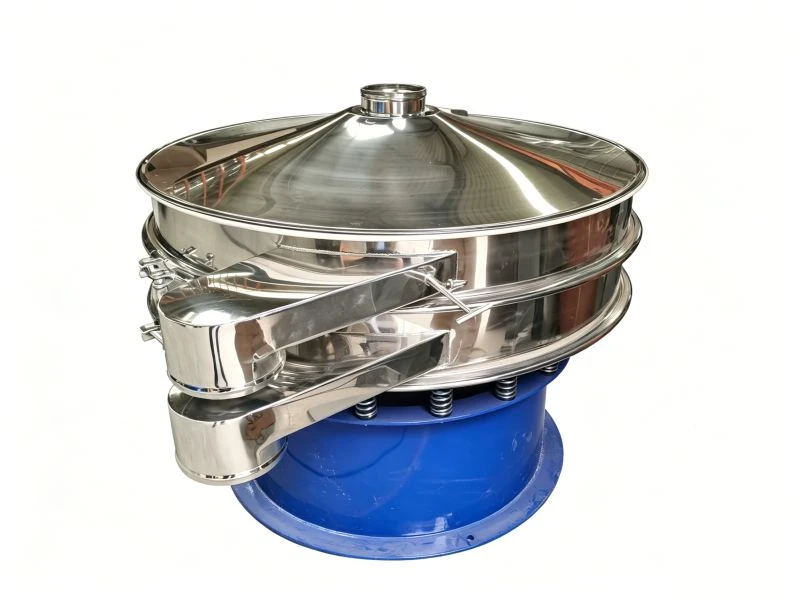
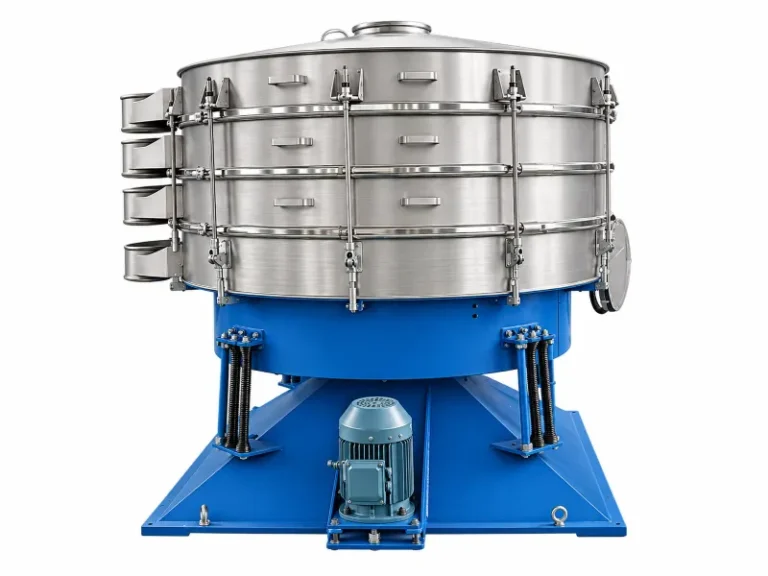
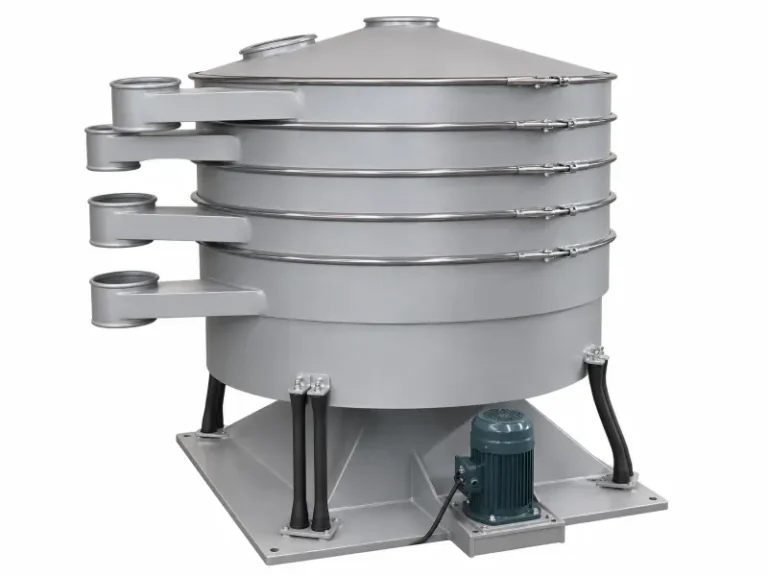
A شاشة اهتزازية دوارة uses motor-driven, three-dimensional vibration to distribute powder across the screen and promote passage through its openings.
This configuration can be evaluated for routine milk powder check screening or classification when the material passes through the selected mesh consistently. Use a single deck for one separation cut and multiple decks when several particle-size fractions are needed.
Ultrasonic Screening for Persistent Blinding
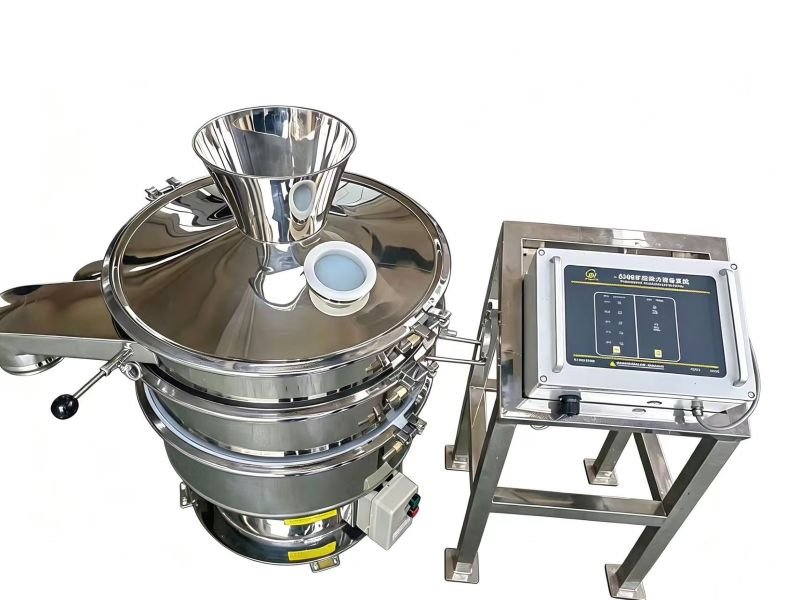
إن آلة الغربلة بالموجات فوق الصوتية adds high-frequency vibration at the mesh to help reduce blinding and maintain powder passage.
Consider ultrasonic assistance when trials show persistent adhesion or blocked apertures. It is not automatically required for every fine powder or infant formula application, and it does not replace control of moisture and feeding conditions.
Prepare the Information Needed for Selection
Check installation height, connection positions and access for cleaning. To specify a suitable milk powder sifting machine, provide:
- Milk powder type and whether it is intentionally agglomerated.
- Screening purpose and acceptable particle-size limits.
- Required aperture or existing screen specification.
- Average and peak throughput in kg/h.
- Available moisture, bulk density and flowability information.
- Product-contact material, seal and cleaning requirements.
- Installation dimensions and feeding/discharge connections.
Share these details with Yuanjing to discuss a suitable آلة الغربلة الاهتزازية and material-testing requirements. The final selection should match hygiene, separation quality and sustained production capacity.