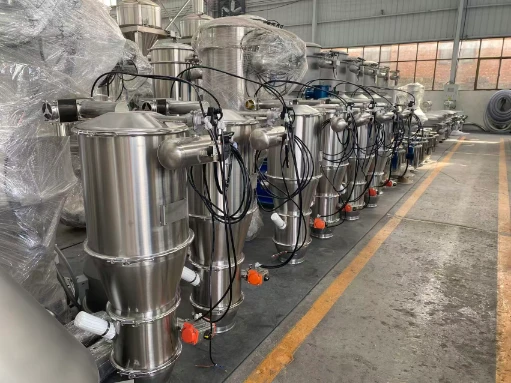
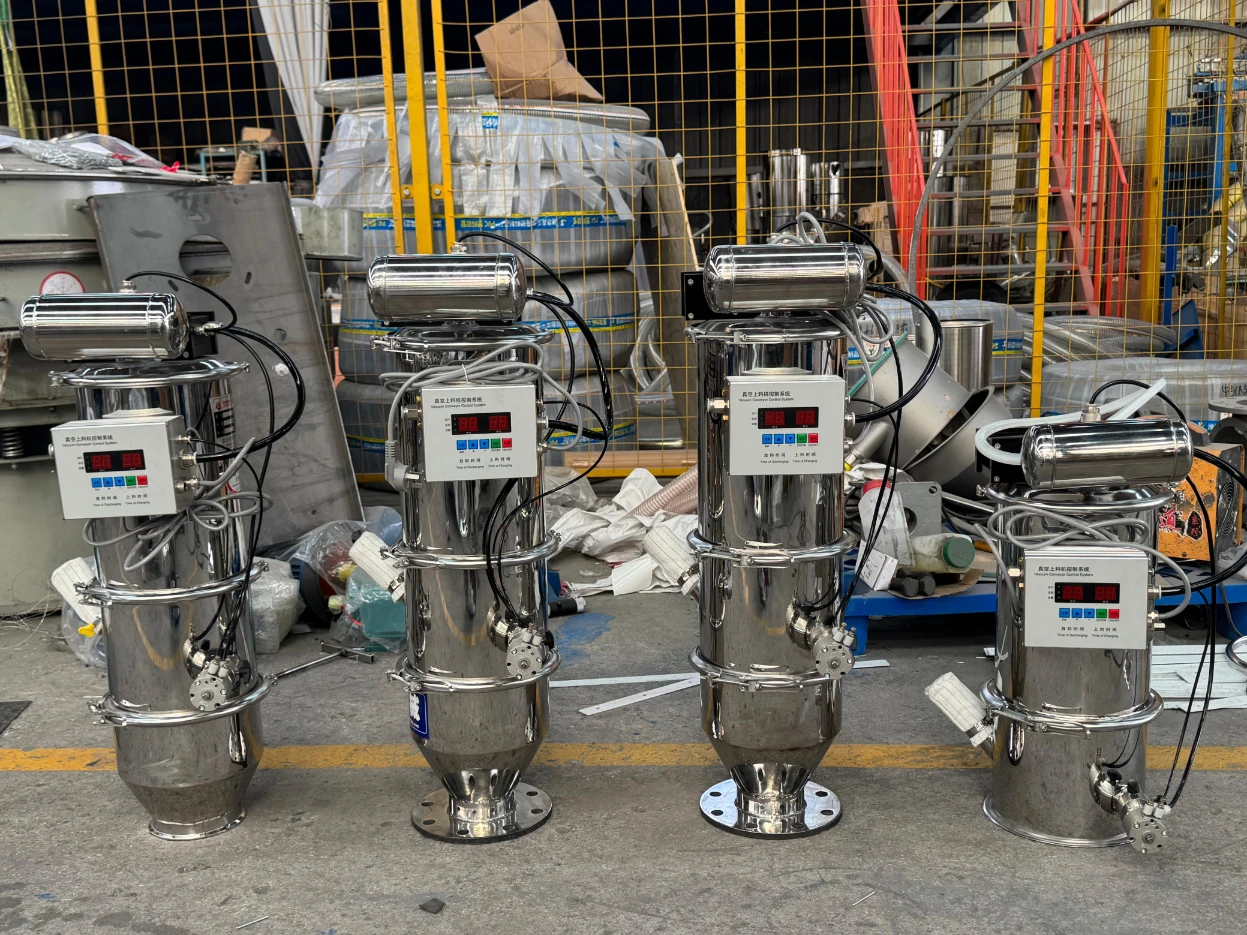
Pneumatic Vacuum Conveying Systems for Efficient Powder Handling
Pneumatic vacuum conveying systems are widely used to transfer powders, granules, and bulk materials in a clean and controlled way. By using negative pressure, materials are moved through sealed pipelines, minimizing dust leakage and preventing contamination. This method is especially suitable for industries with strict hygiene or safety requirements, such as food processing, pharmaceuticals, and chemicals. With flexible layouts and stable performance, vacuum conveying systems can easily integrate into existing production lines, improving efficiency while reducing manual handling and material loss.
What is Pneumatic Vacuum Conveying?
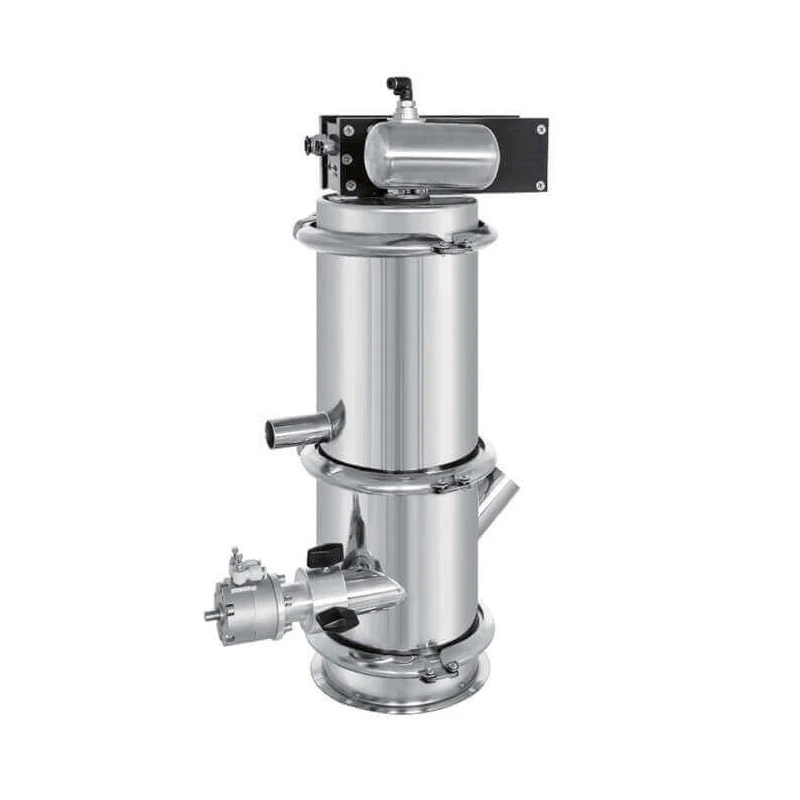
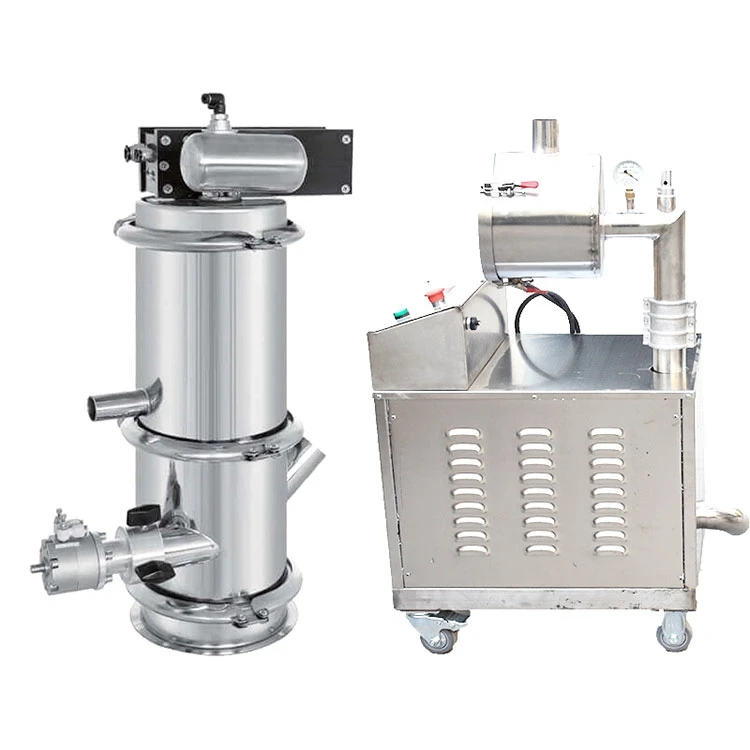
A vacuum feeder is a dust-free, enclosed-pipeline conveying device that utilizes vacuum suction to transport granular and powdered materials. By leveraging the pressure differential between the vacuum environment and the surrounding atmosphere, it generates airflow within the pipeline, thereby driving the movement of powdered materials to accomplish their conveyance. With its adjustable conveying distance and capacity, pneumatic vacuum conveying systems can be customized to meet diverse production requirements, establishing them as a reliable solution for modern bulk material handling. Compared to traditional mechanical conveying methods, pneumatic vacuum systems offer greater flexibility in layout and are easier to integrate into existing production lines.
Currently, these sistema de transporte neumático por vacío systems are widely utilized across a broad spectrum of light and heavy industries—including chemical, pharmaceutical, food, metallurgy, building materials, and agricultural processing sectors.
Principio de funcionamiento
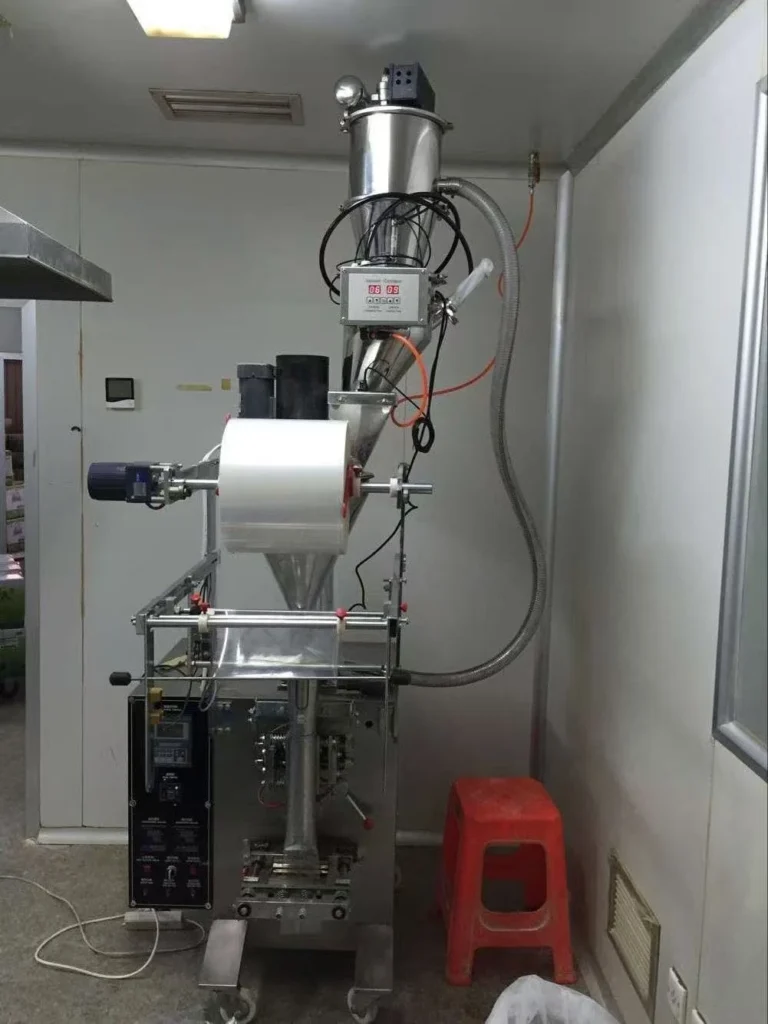
Pneumatic vacuum conveying transports materials directly from containers to various processing units, such as mixers, reactors, hoppers, tablet presses, packaging machines, powder sieving machines, granulators (wet or dry), and crushers. By automating the material handling process, this system significantly reduces manual labor, completely eliminates dust contamination, and ensures that production operations fully comply with GMP standards.
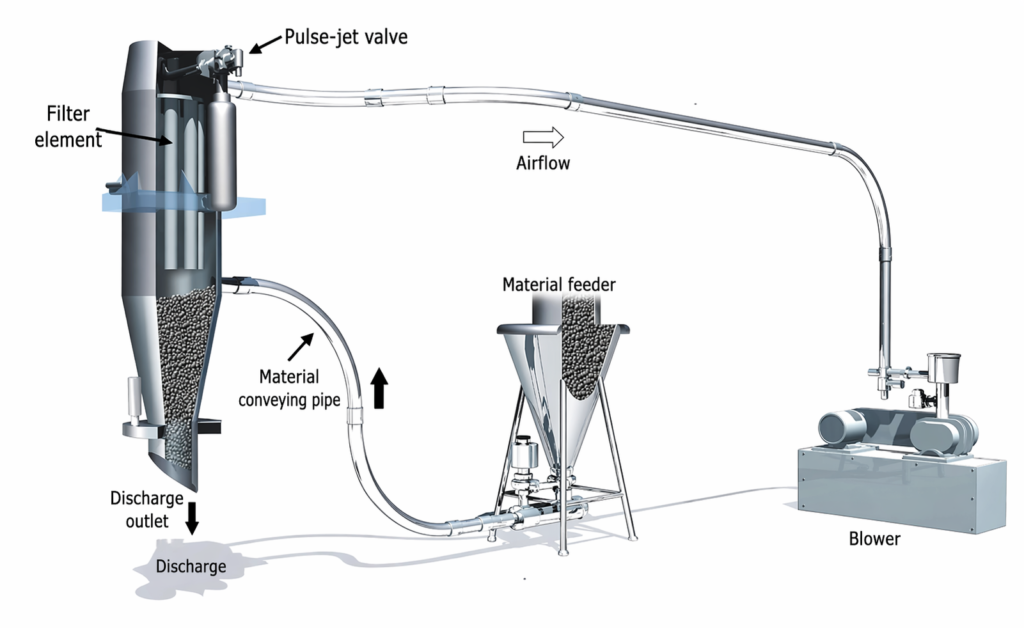
- Vacuum Generation:
The vacuum pump creates negative pressure in the hopper, generating airflow via pressure difference. - Material Suction:
Material is drawn into the hopper through a hose and conveyed in a sealed, dust-free state. - Conveying & Filtration:
Material is transferred to the target container while filters remove air impurities to maintain purity. - Discharge & Control:
A pneumatic valve releases material into the container, with backflush cleaning for the filter.
Level sensors enable automatic start/stop feeding based on material levels.
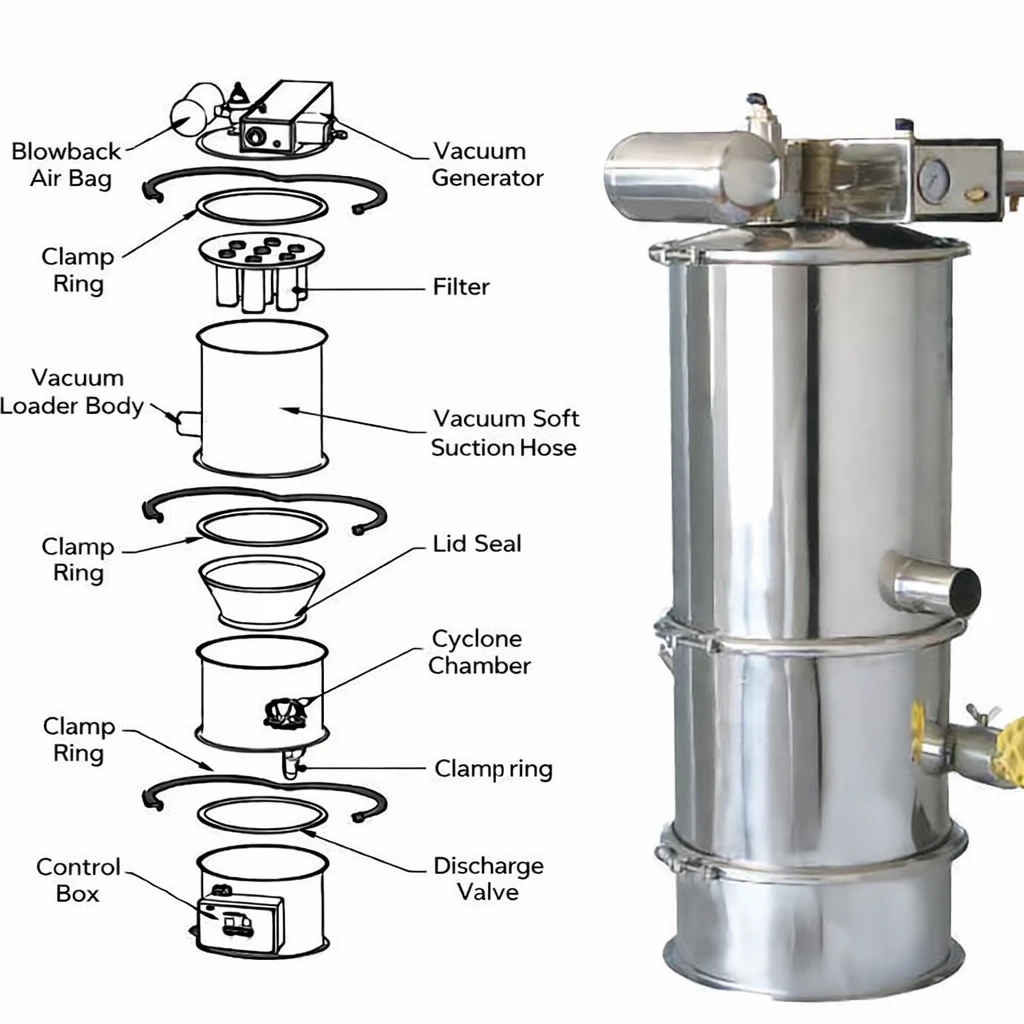
Parts Of Transporte neumático por vacío
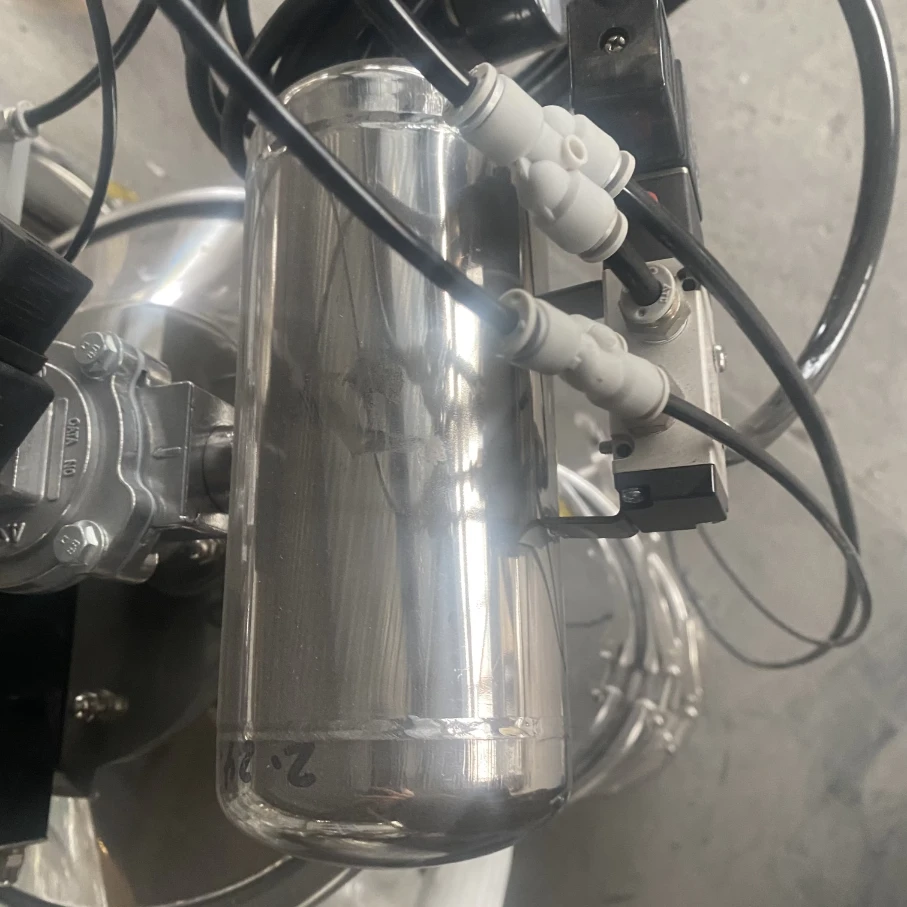
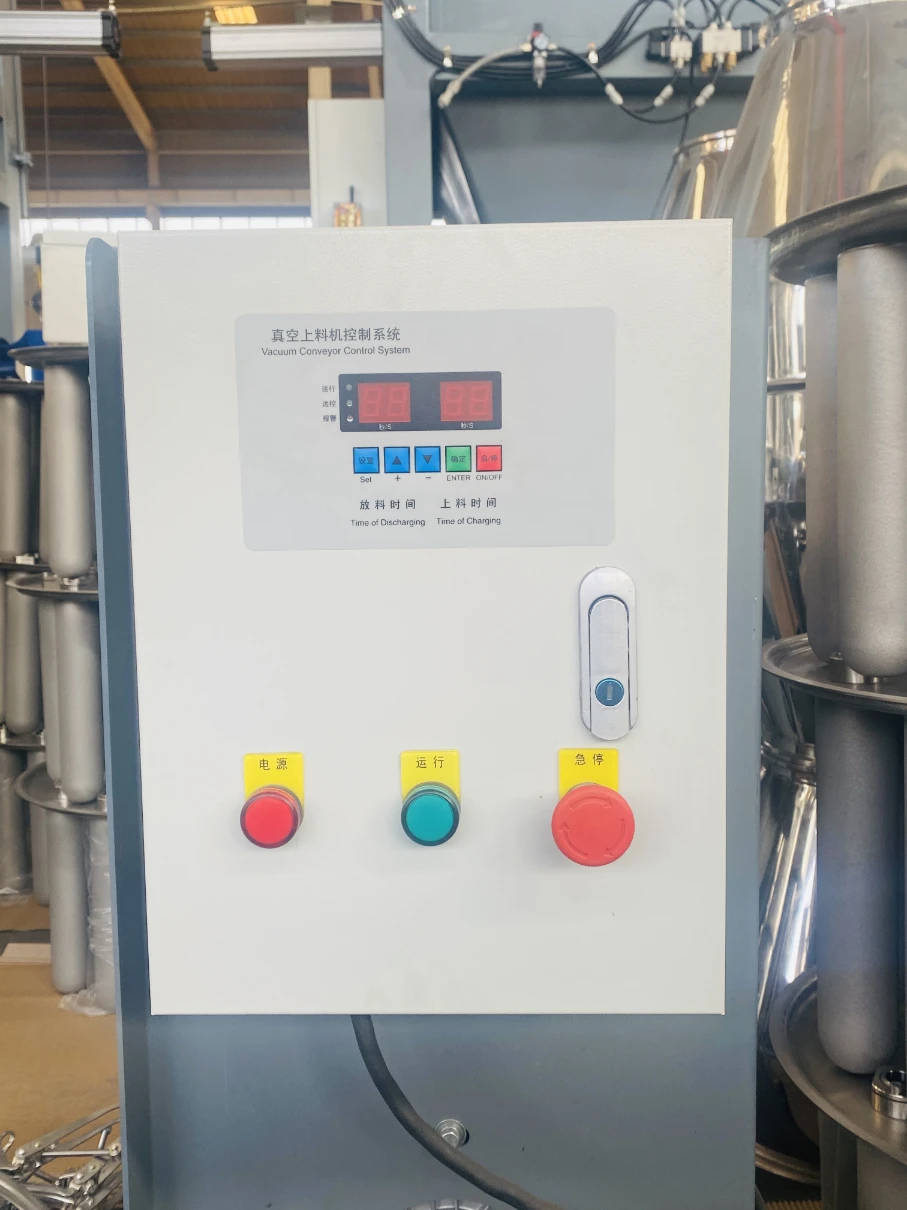
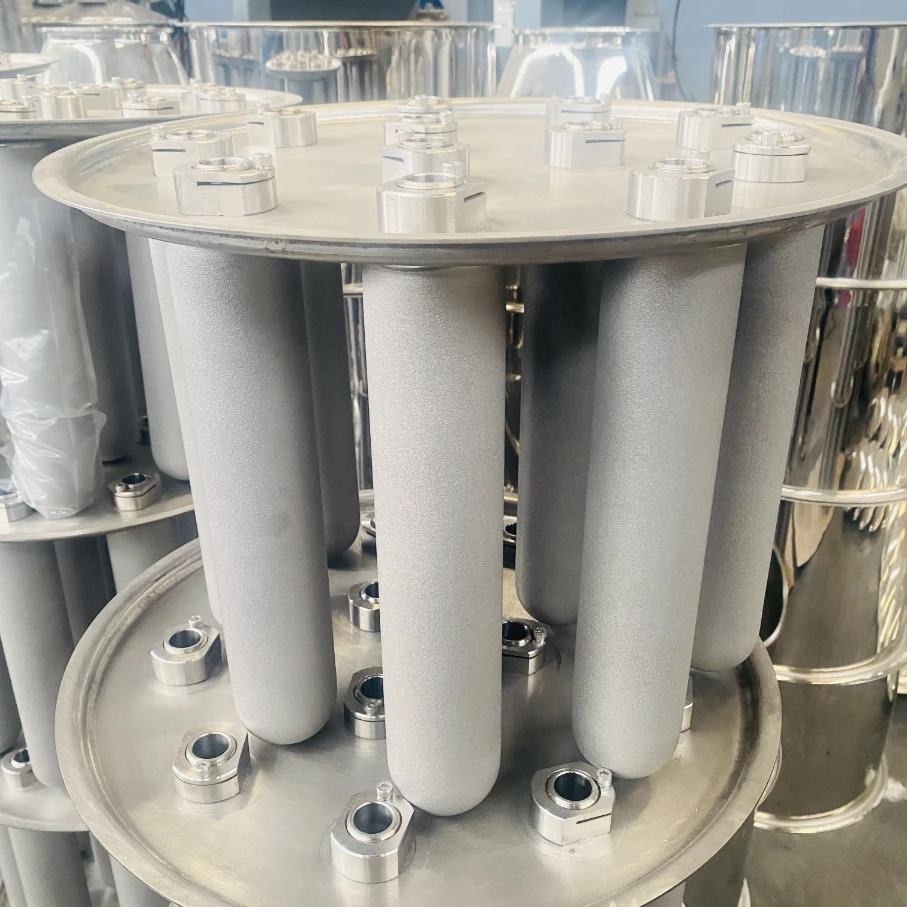
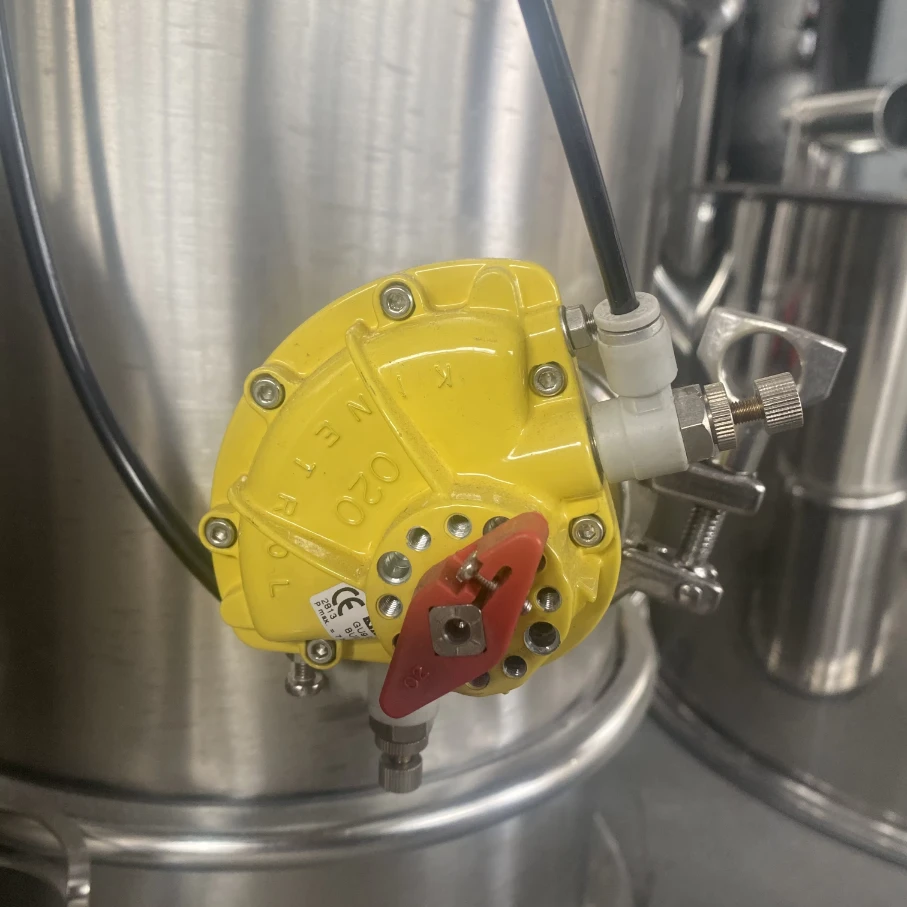
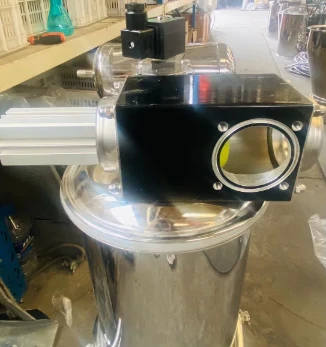
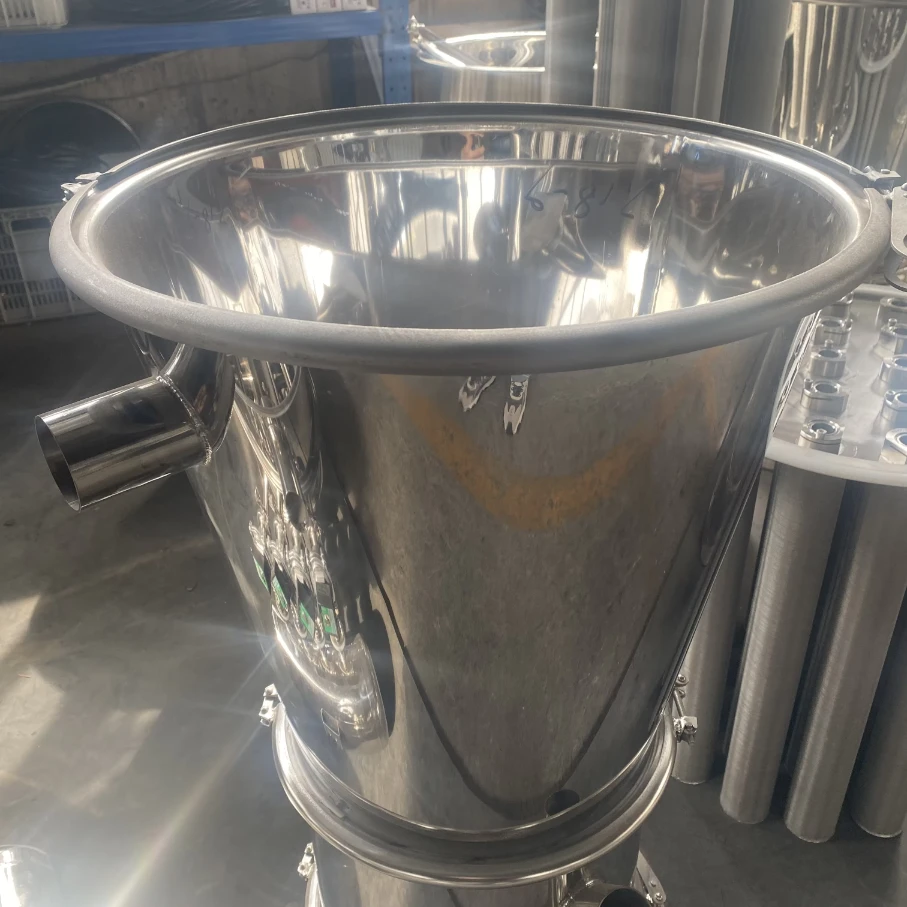
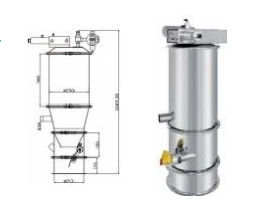
The pneumatic vacuum feeder primarily consists of components such as a membrane filtration unit, a vacuum hopper, an adjustable stainless steel suction tube, a vacuum pump (oil-free and water-free), a conveying hose, a pneumatic discharge gate mechanism, and a compressed air back-flushing device.
Cómo Elegir el Sistema de Transporte por Vacío?
Selection Based on Production Requirements
Select an appropriate vacuum feeder based on the specific demands of the production process and output volume. For large-scale, continuous production operations, opt for a vacuum feeder characterized by high conveying efficiency and robust continuous-operation capabilities; for small-scale, intermittent production operations, choose a vacuum feeder that is cost-effective and simple to operate.
Selection Based on Material Characteristics
Material properties—such as density, particle size, and viscosity—play a critical role in determining the appropriate vacuum feeder model.
Selection Based on Environmental Requirements
Select a vacuum feeder that aligns with the specific requirements of the production environment. For industries such as pharmaceuticals and food processing—which demand superior airtightness and stringent hygiene standards—choose a vacuum feeder that offers excellent sealing performance and is easy to clean.
Comprehensive Cost-Benefit Analysis
When selecting a vacuum feeder, it is essential to consider not only the initial capital investment but also ongoing operational costs, maintenance expenses, and other factors related to the equipment’s usage phase, as well as its potential impact on overall production efficiency and product quality.
Modelos estándar disponibles. Soluciones personalizadas disponibles.
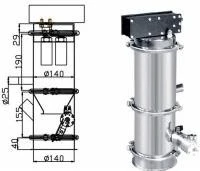 QVC-1
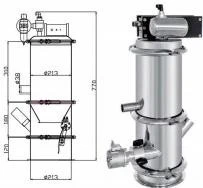 QVC-2
 QVC-3
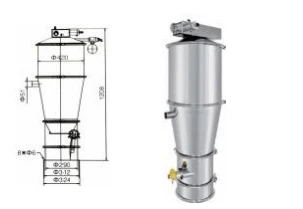 QVC-4
Ventajas
- Eliminates dust pollution in the environment and minimizes contamination of materials by the surroundings and personnel.
- Features a modular, dead-angle-free structure that is easy to install, disassemble, and clean.
- Characterized by low energy consumption and low noise levels, further enhancing operational efficiency and the working environment.
- Fully enclosed and leak-proof, preventing cross-contamination and ensuring the hygienic purity of both the materials and the surrounding environment.
- Highly automated and simple to operate; effectively eliminates static electricity in materials and fully complies with GMP requirements.
- The inner walls are precision-polished to prevent material adhesion; they feature a titanium metal filter that resists clogging and wear, thereby completely resolving the issue of material stratification.
Especificaciones técnicas
Las siguientes son las especificaciones estándar; la personalización está disponible para requisitos especiales.
| Model | Conveying Capacity | Material Capacity | Working Pressure | Compressed Air Consumption |
| QVC-1 | 50–300 kg/h | 1.1 L | 0.4–0.6 MPa | 180 NL/min |
| QVC-2 | 100–700 kg/h | 6.0 L | 0.4–0.6 MPa | 360 NL/min |
| QVC-3 | 300–1500 kg/h | 12.0 L | 0.4–0.6 MPa | 720 NL/min |
| QVC-4 | 600–3000 kg/h | 42.0 L | 0.4–0.6 MPa | 1440 NL/min |
Aplicaciones
Pneumatic vacuum conveying safely transports powders and granular materials in an efficient, sealed, and dust-free manner, and is widely used across various industries.



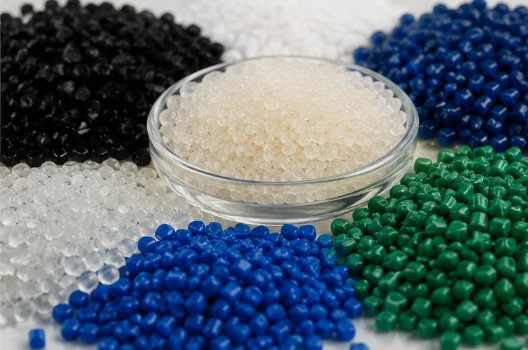
Plastic & Polymer Materials
Powder grading, Liquid medicine filtering
New Energy Materials
Glaze filtering, Clay slurry separation
Case
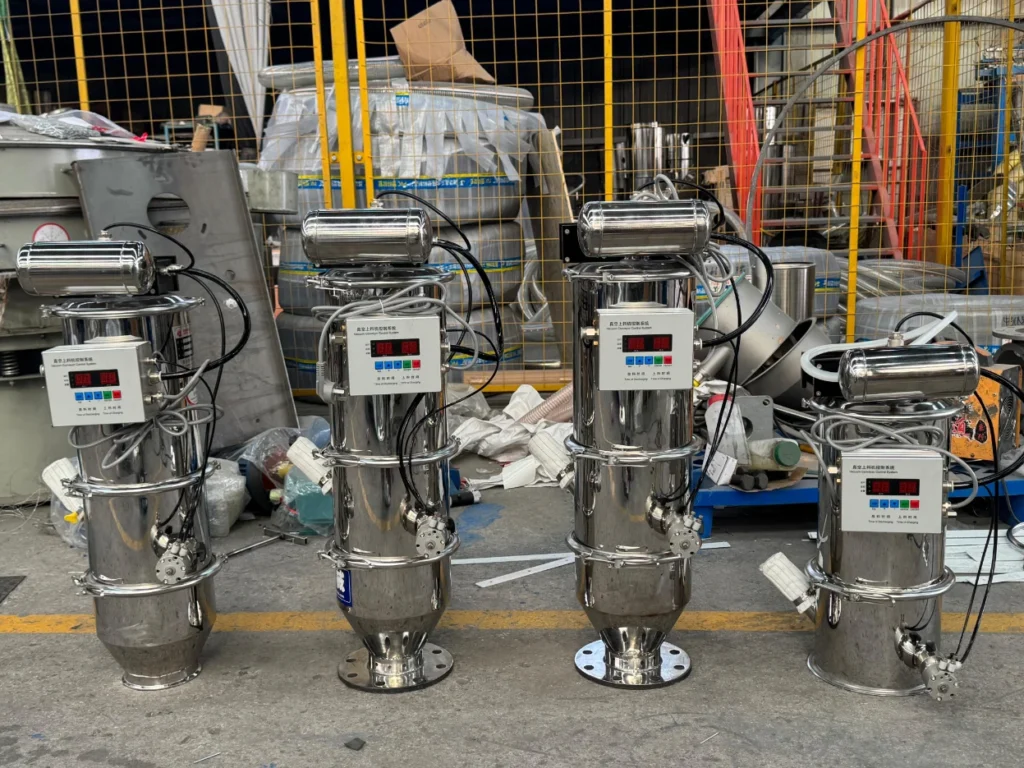
See how our vacuum conveyors perform in real production scenarios.
 Activated carbon powder
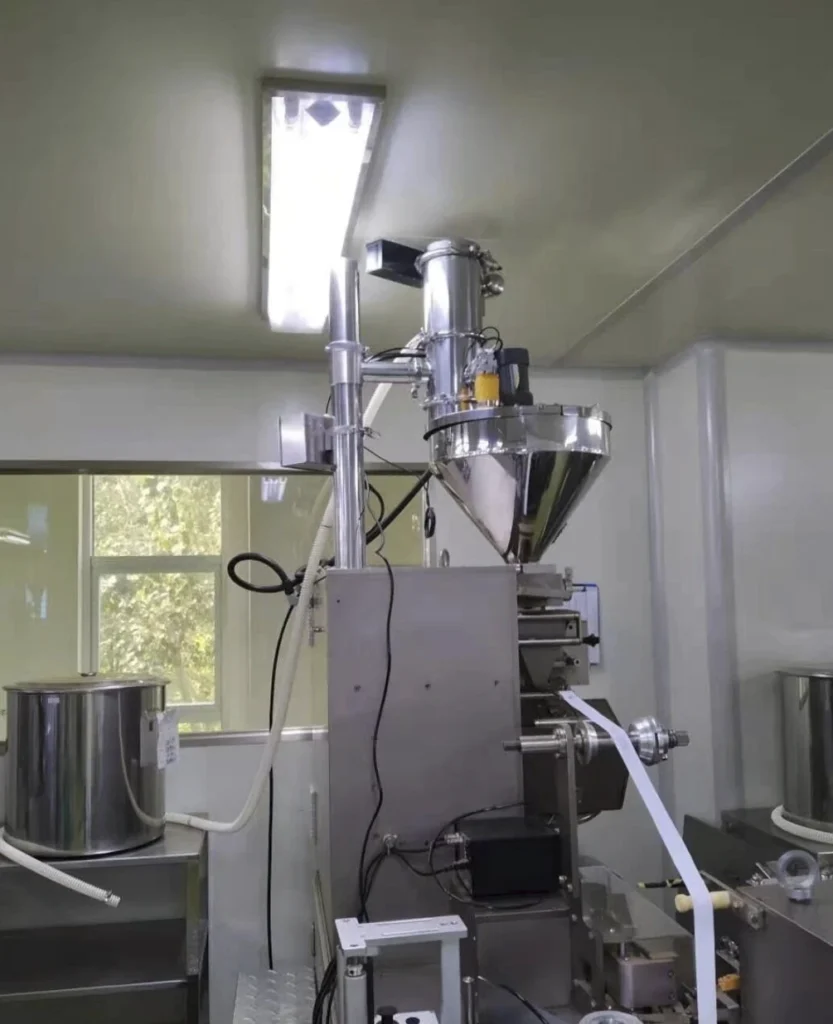 Aluminum hydroxide
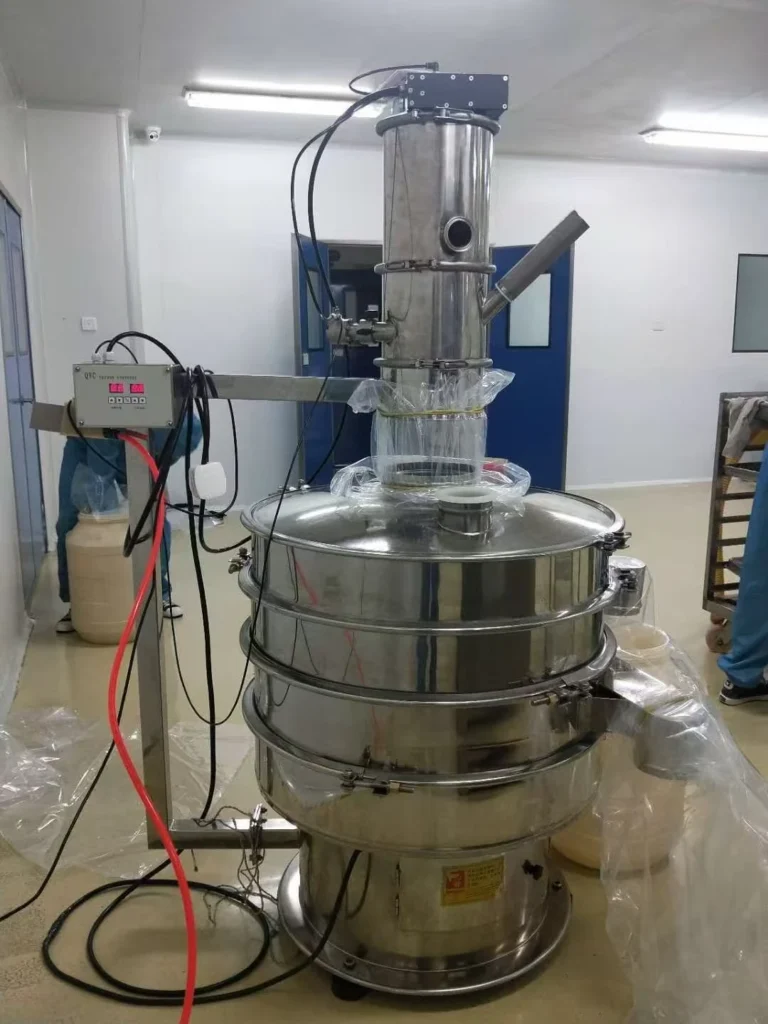 Cellulose powder
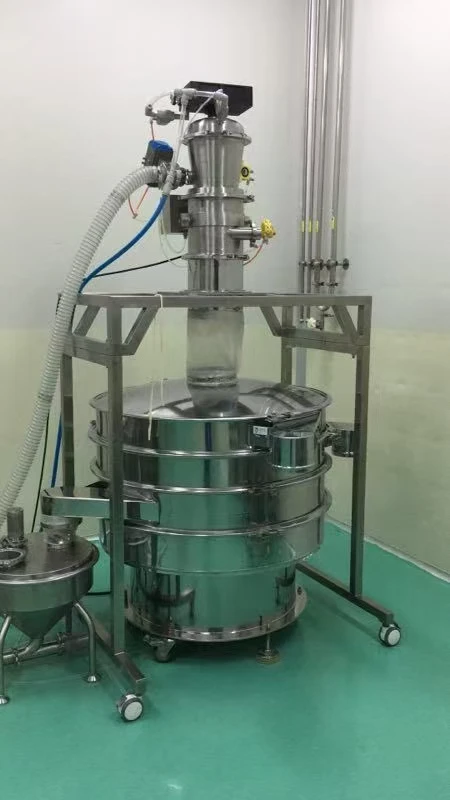 Edible Food Coloring Powder
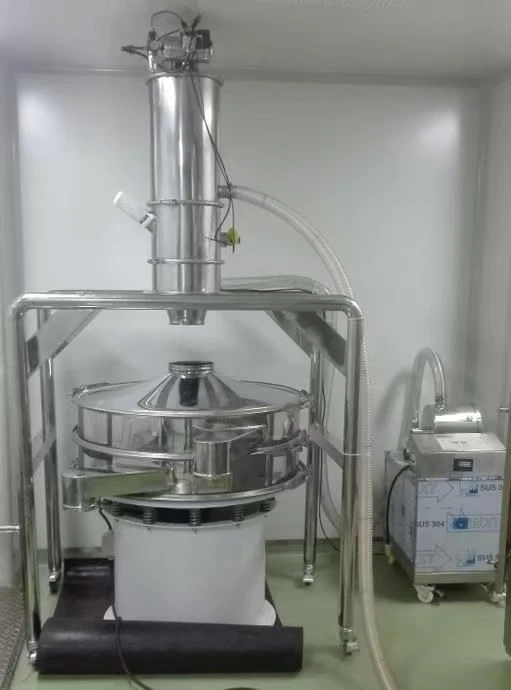 Herbal powder
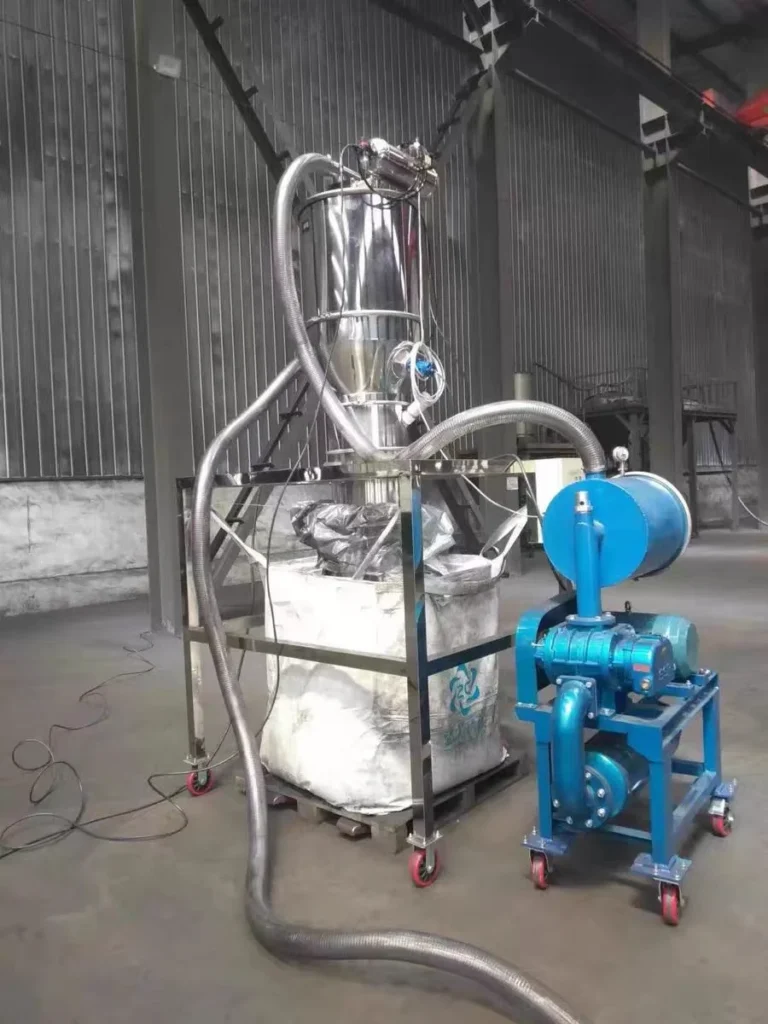 PVC powder
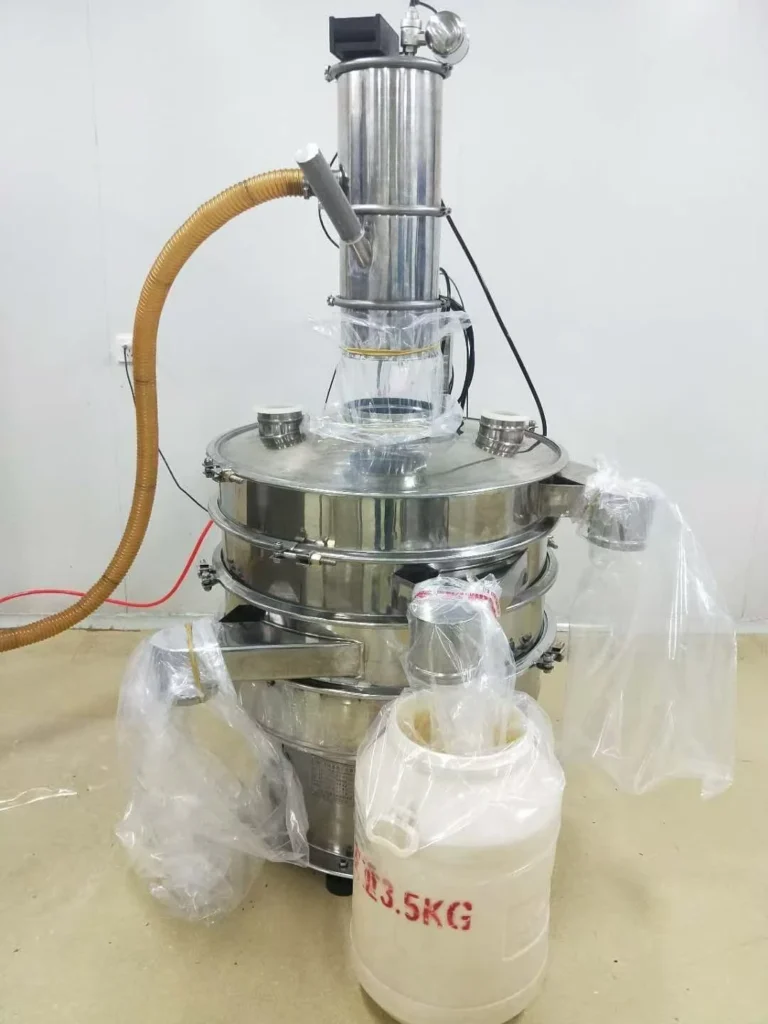 Seasonings
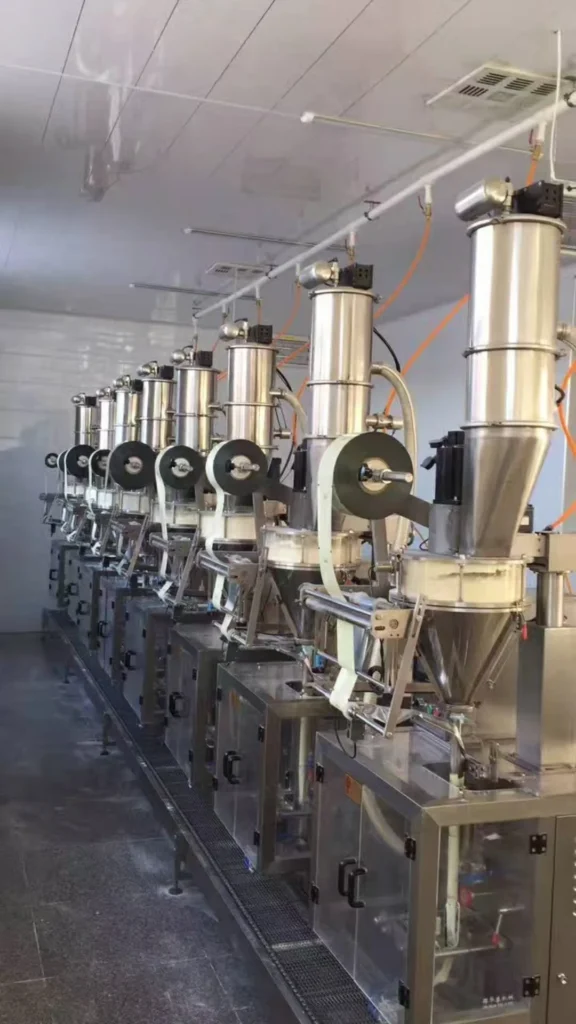 Tungsten Powder
Fabricante y proveedor de tamices vibratorios y máquinas transportadoras
Diseñados para cribado de precisión, rendimiento confiable y aplicaciones industriales flexibles,
los tamices vibratorios rotatorios Yuanjing son confiados por clientes de todo el mundo.

Experiencia en proyectos globales
Los productos de Yuanjing se exportan a más de 50 países y regiones y abastecen a industrias como la alimentaria, la química, la farmacéutica, la minera y la de nuevas energías.
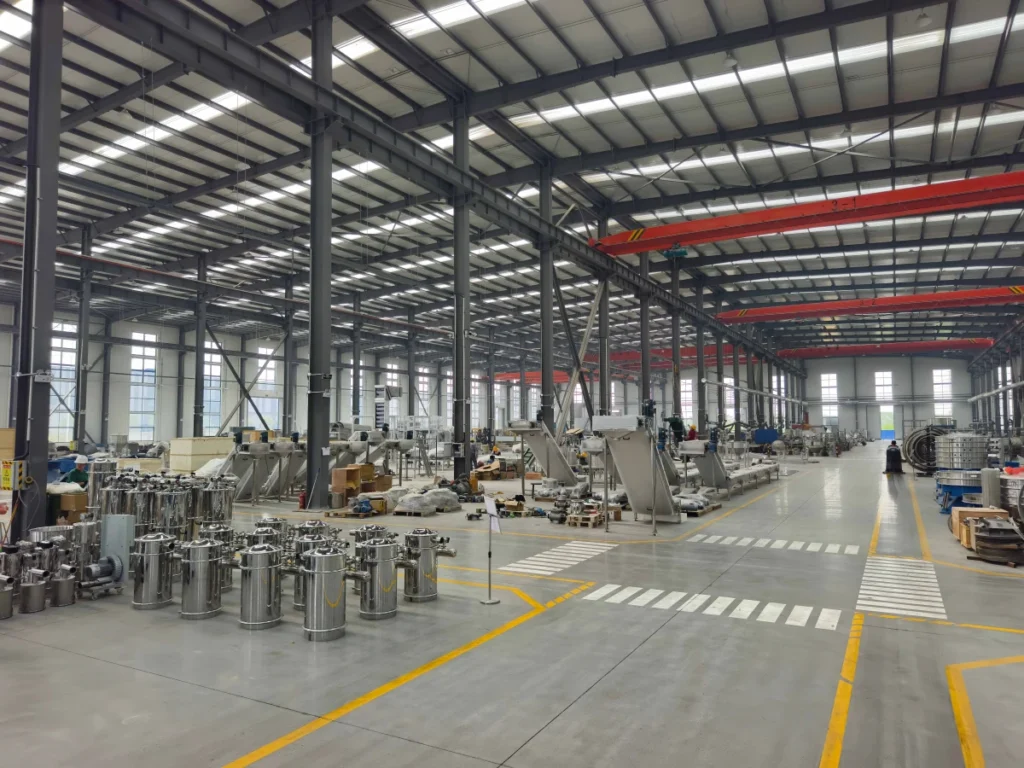
Gran capacidad de fabricación
Las líneas de producción avanzadas con corte láser, mecanizado CNC, soldadura automática y estrictas inspecciones de calidad garantizan una calidad constante del producto.
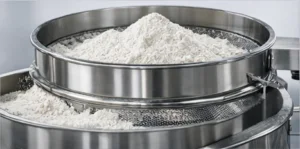
Separación precisa y estable
Optimized vibration design delivers even material flow, high screening accuracy, and stable long-term operation.
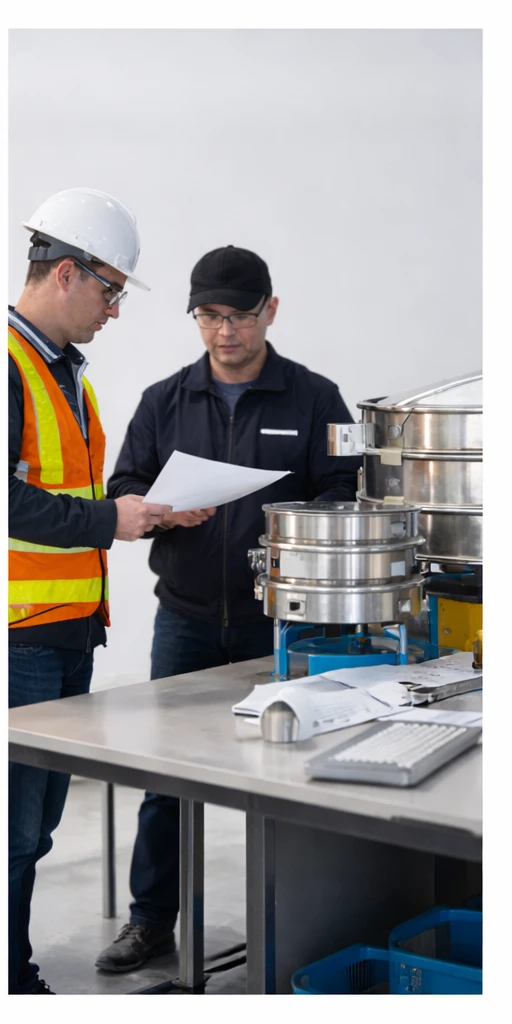
Soluciones de cribado personalizadas
Yuanjing offers flexible configurations in diameter, mesh size, deck layers, and material options to fit your exact process requirements.
Productos relacionados
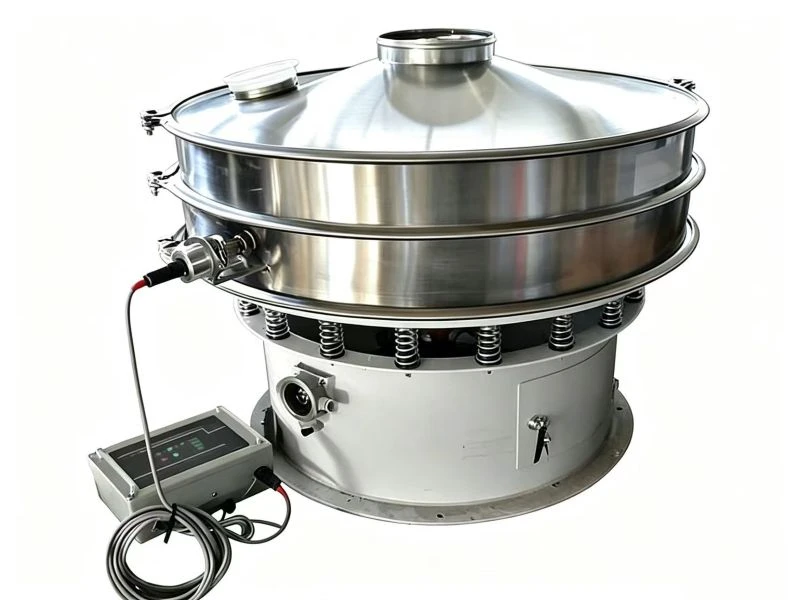
Tamiz vibratorio ultrasónico
Soluciones de tamizado vibratorio ultrasónico de alta precisión Los tamices vibratorios ultrasónicos son ideales para el cribado de polvos finos, ya que evitan eficazmente la obstrucción de la malla y mejoran la precisión de la separación. Al integrar un sistema ultrasónico en una criba vibratoria tridimensional estándar, la superficie de la criba genera vibraciones de alta frecuencia y baja amplitud mediante la acción combinada del motor y las ondas ultrasónicas, lo que aumenta el rendimiento de la malla en 5–20…Tamiz vibratorio rotatorio
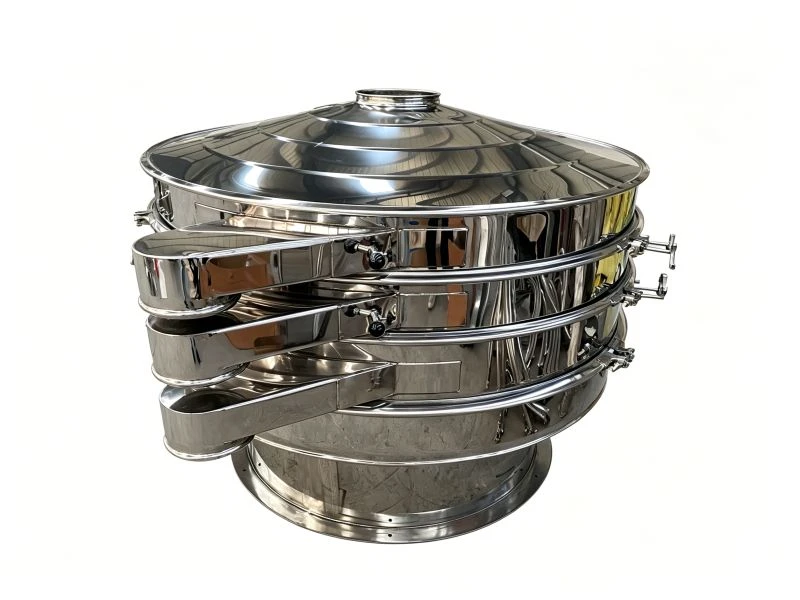
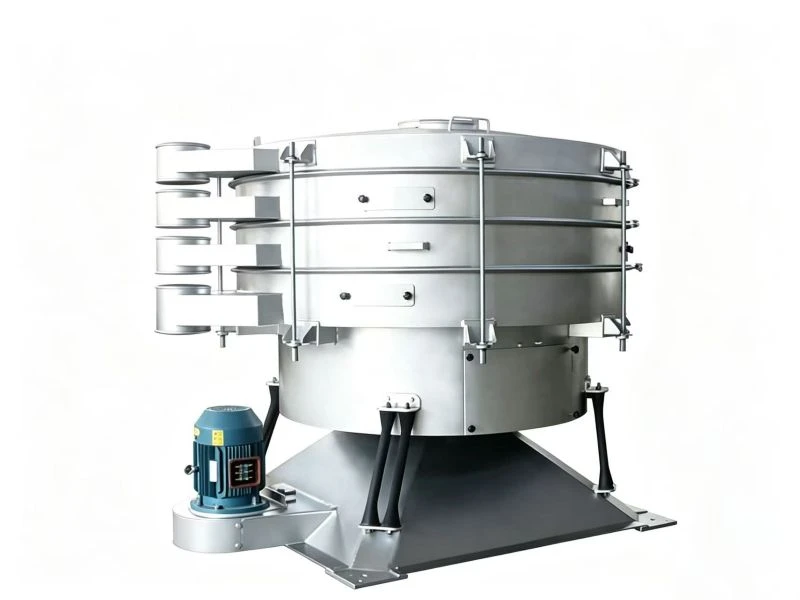
Tamiz vibratorio rotatorio | Tamizador vibratorio El tamiz vibratorio rotatorio está diseñado para la separación eficiente de polvos, gránulos y líquidos. Ofrece un rendimiento estable, alta precisión de cribado y operación confiable en producción continua. Ofrecemos configuraciones flexibles, incluidos diseños de múltiples pisos, sistemas ultrasónicos y materiales de grado alimentario para satisfacer diferentes requisitos de procesamiento. YuanJing proporciona soluciones prácticas de cribado…Criba tumbler
Tamiz oscilante de alta precisión para aplicaciones industriales Un tamiz oscilante es una solución de cribado de alta precisión para materiales finos, frágiles e irregulares. La simulación del movimiento de tamizado manual garantiza una clasificación eficiente y minimiza los daños al material y el polvo. Ampliamente utilizado en las industrias alimentaria, química, farmacéutica y minera, ofrece una calidad constante y un alto rendimiento. Diseñado para ofrecer durabilidad y rendimiento,…
FAQs
Obtener Solución Personalizada
Podemos proporcionar soluciones personalizadas de equipos de cribado y transporte adaptadas a diferentes materiales y requisitos de producción.
Envíenos sus requisitos y nuestro equipo proporcionará la solución adecuada y una cotización rápida en 24 horas.