
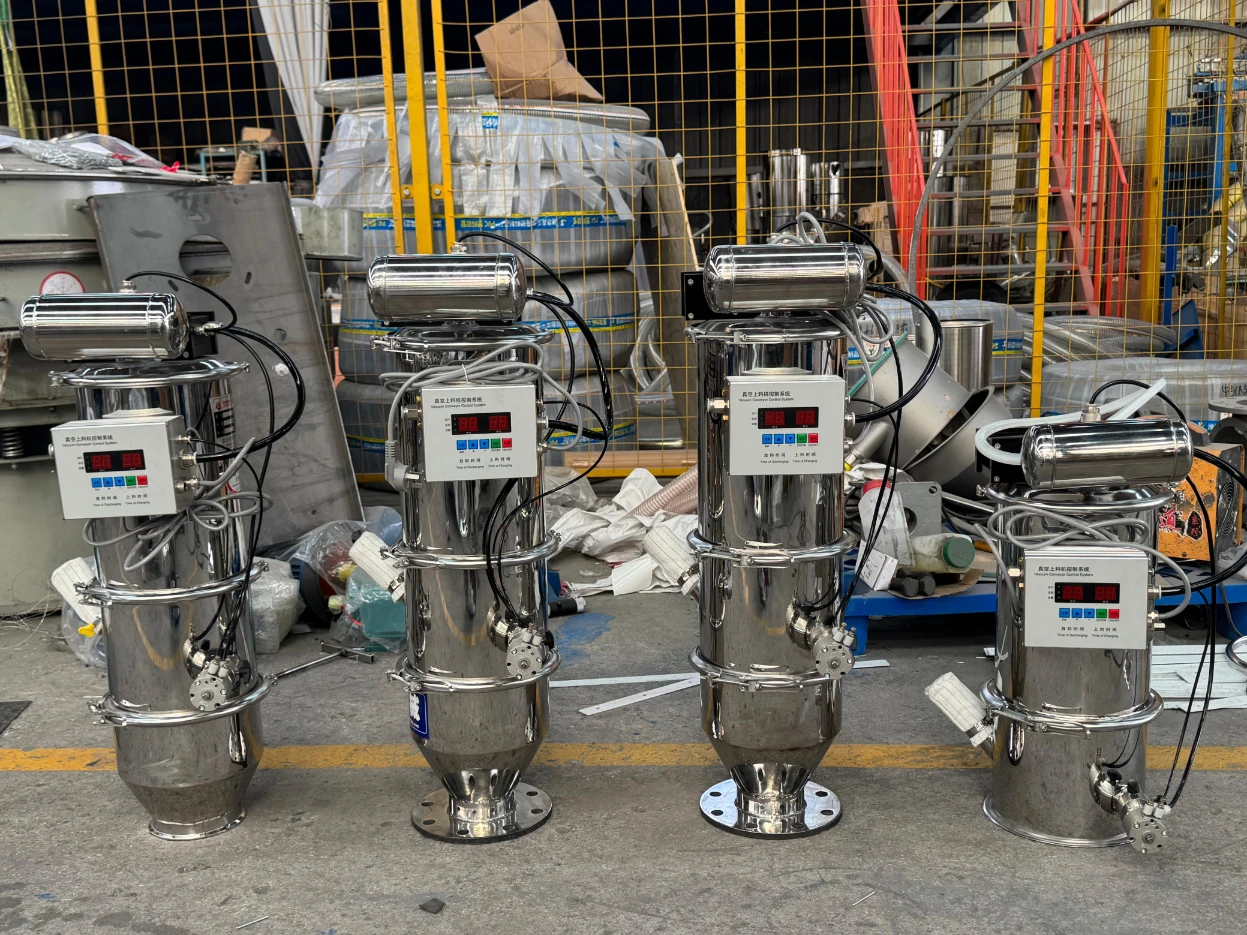
Pneumatic Vacuum Conveying Systems for Efficient Powder Handling
Pneumatic vacuum conveying systems are widely used to transfer powders, granules, and bulk materials in a clean and controlled way. By using negative pressure, materials are moved through sealed pipelines, minimizing dust leakage and preventing contamination. This method is especially suitable for industries with strict hygiene or safety requirements, such as food processing, pharmaceuticals, and chemicals. With flexible layouts and stable performance, vacuum conveying systems can easily integrate into existing production lines, improving efficiency while reducing manual handling and material loss.
What is Pneumatic Vacuum Conveying?
A vacuum feeder is a dust-free, enclosed-pipeline conveying device that utilizes vacuum suction to transport granular and powdered materials. By leveraging the pressure differential between the vacuum environment and the surrounding atmosphere, it generates airflow within the pipeline, thereby driving the movement of powdered materials to accomplish their conveyance. With its adjustable conveying distance and capacity, pneumatic vacuum conveying systems can be customized to meet diverse production requirements, establishing them as a reliable solution for modern bulk material handling. Compared to traditional mechanical conveying methods, pneumatic vacuum systems offer greater flexibility in layout and are easier to integrate into existing production lines.
Currently, these 진공 공압 이송 시스템 systems are widely utilized across a broad spectrum of light and heavy industries—including chemical, pharmaceutical, food, metallurgy, building materials, and agricultural processing sectors.
Working Principle
Pneumatic vacuum conveying transports materials directly from containers to various processing units, such as mixers, reactors, hoppers, tablet presses, packaging machines, 분말 체가름 기계s, granulators (wet or dry), and crushers. By automating the material handling process, this system significantly reduces manual labor, completely eliminates dust contamination, and ensures that production operations fully comply with GMP standards.
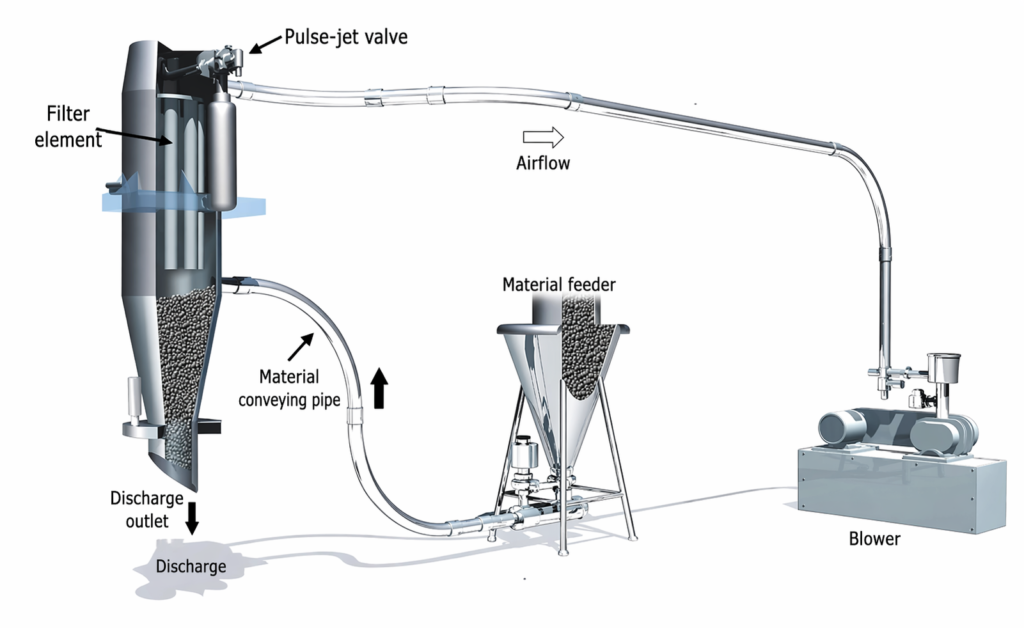
- Vacuum Generation:
The vacuum pump creates negative pressure in the hopper, generating airflow via pressure difference. - Material Suction:
Material is drawn into the hopper through a hose and conveyed in a sealed, dust-free state. - Conveying & Filtration:
Material is transferred to the target container while filters remove air impurities to maintain purity. - Discharge & Control:
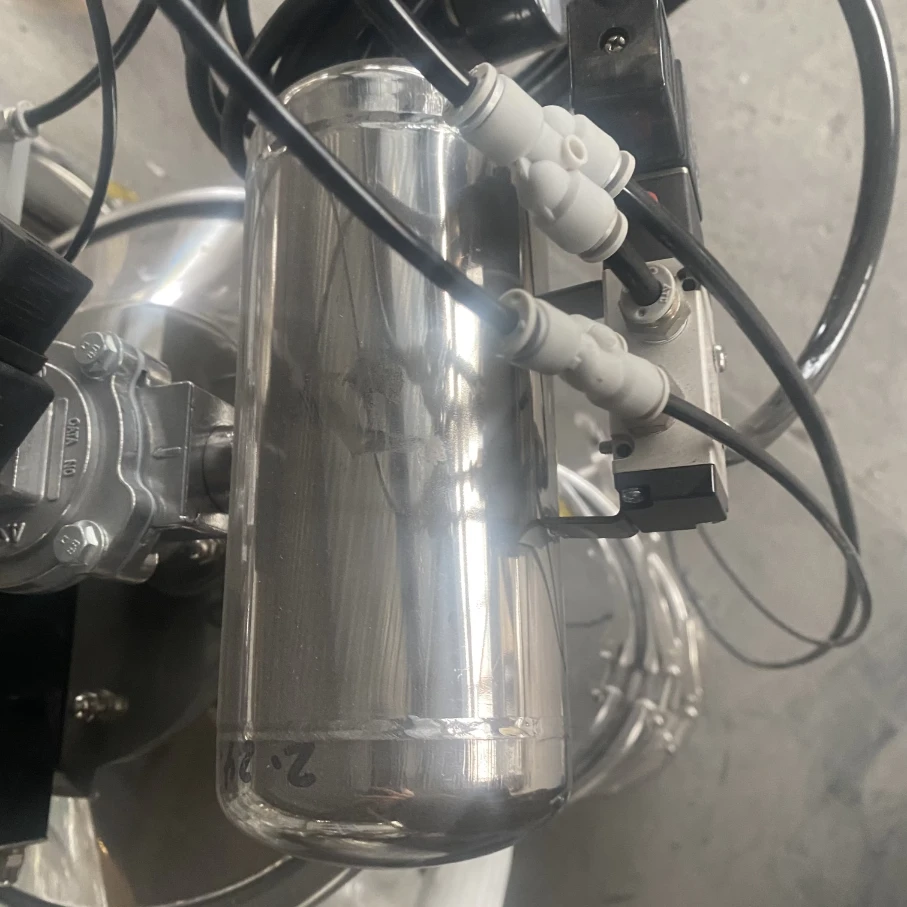
A pneumatic valve releases material into the container, with backflush cleaning for the filter.
Level sensors enable automatic start/stop feeding based on material levels.
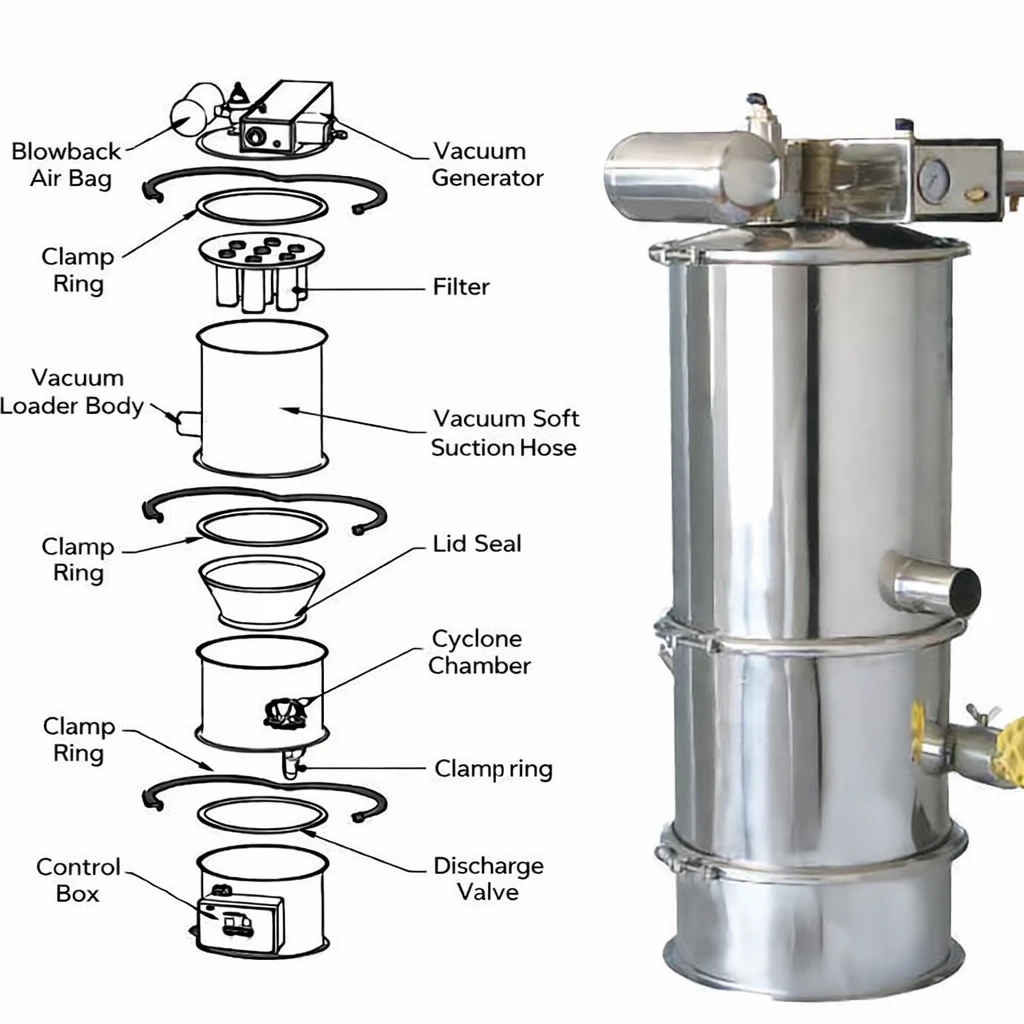
Parts Of 공압 진공 이송
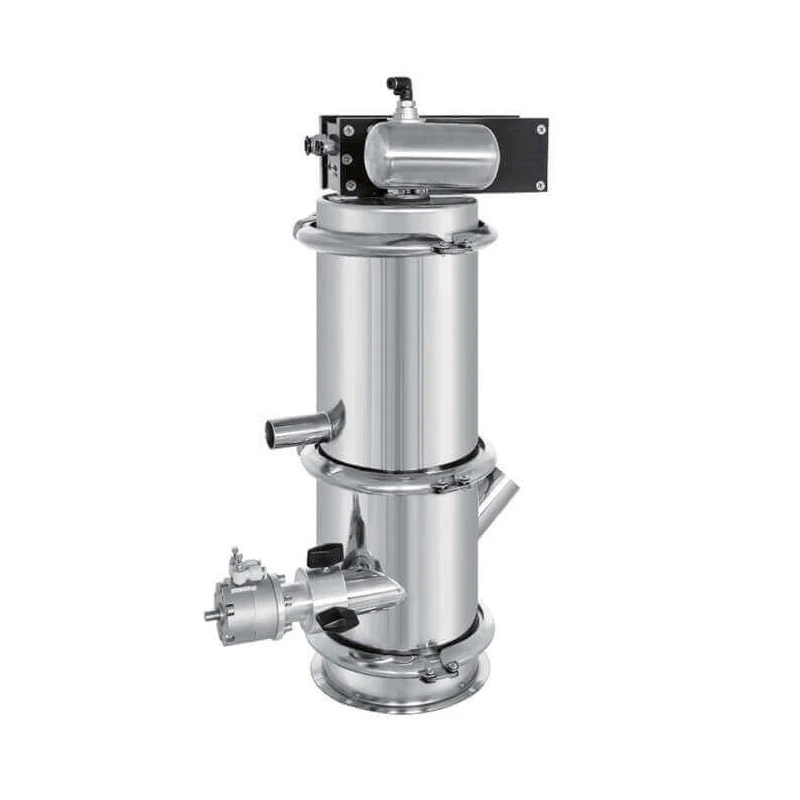
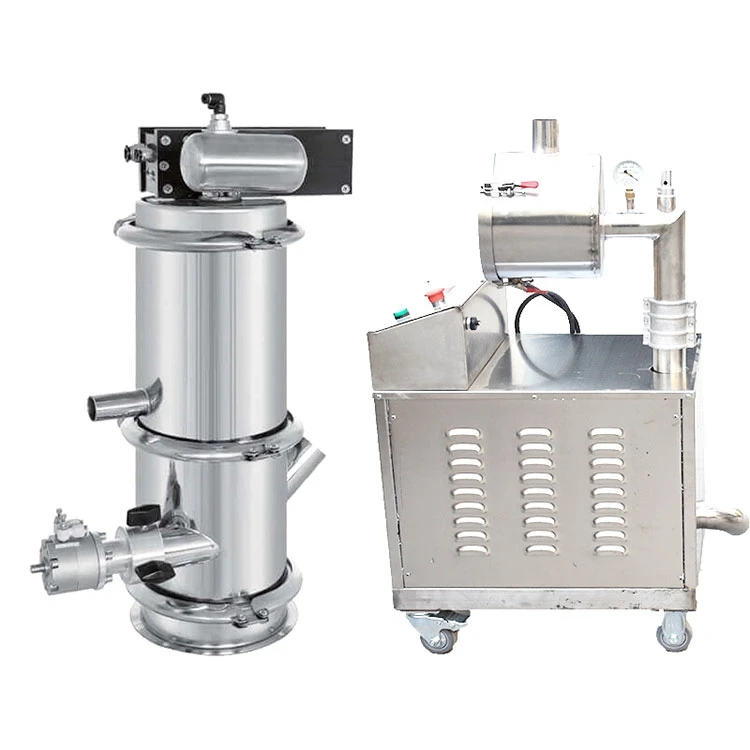
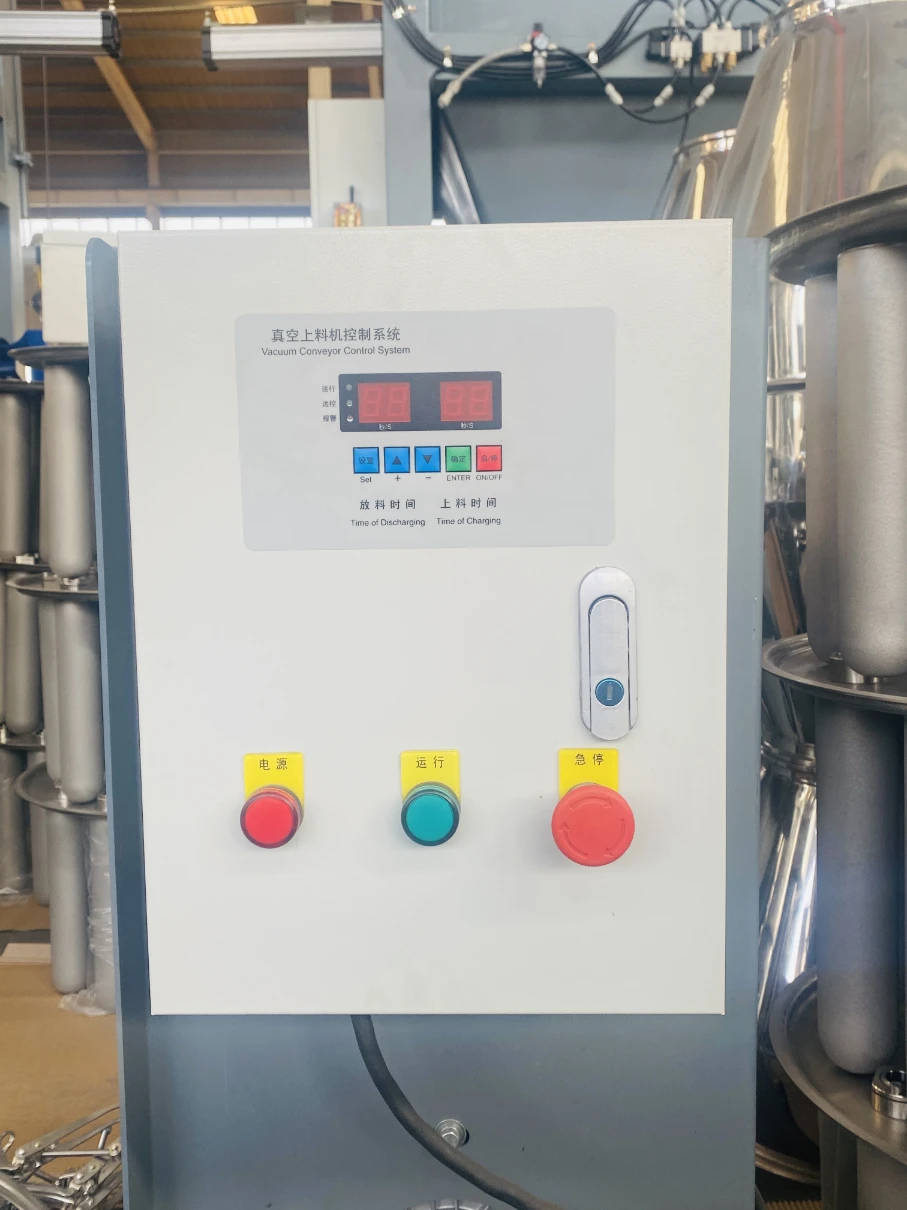
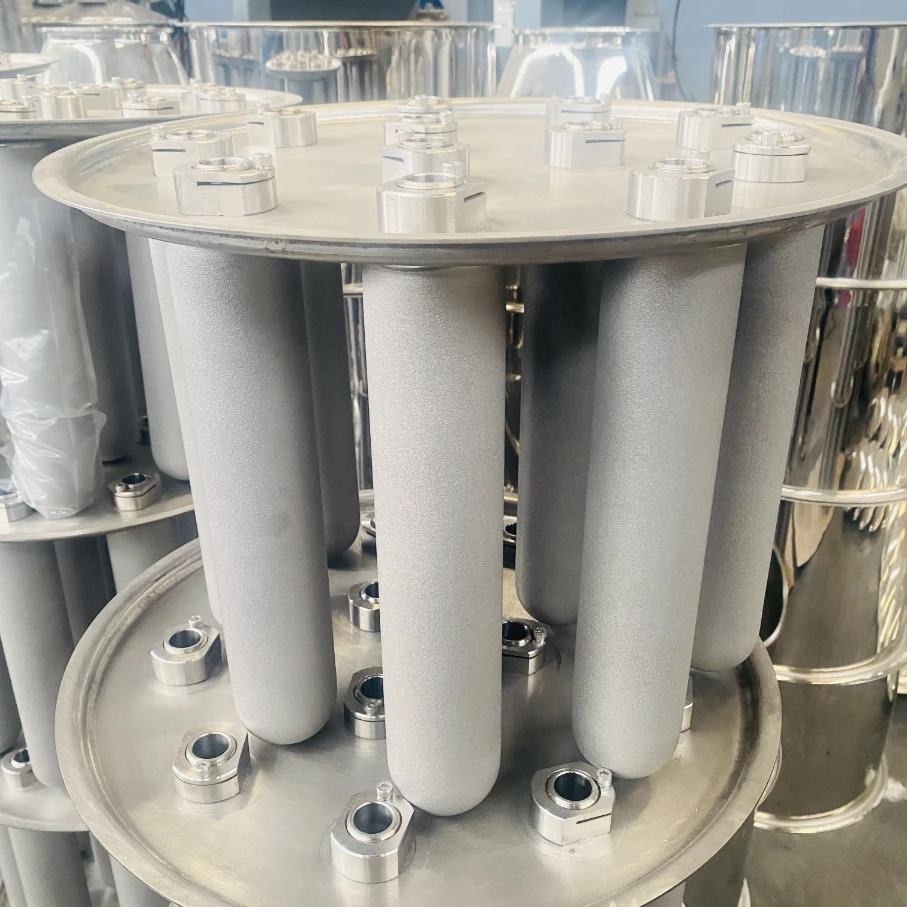
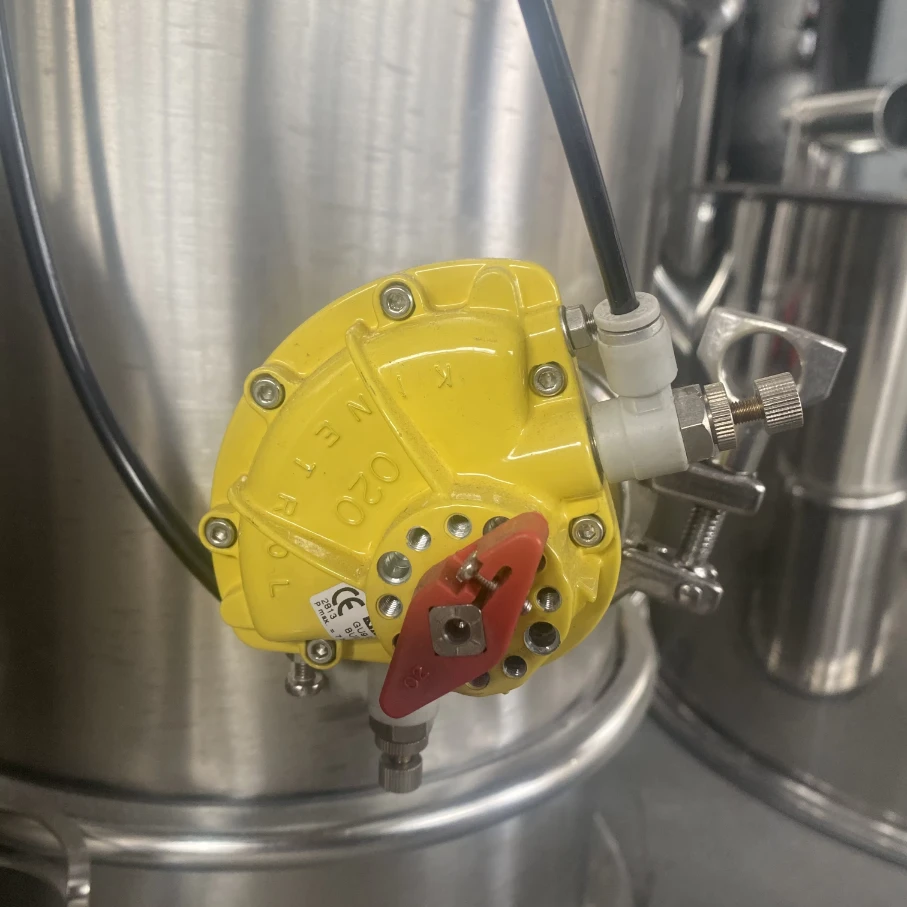
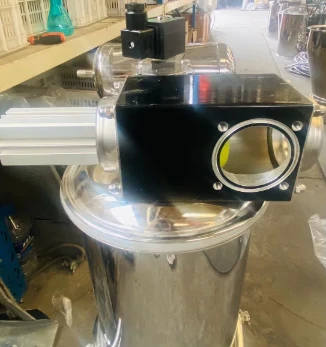
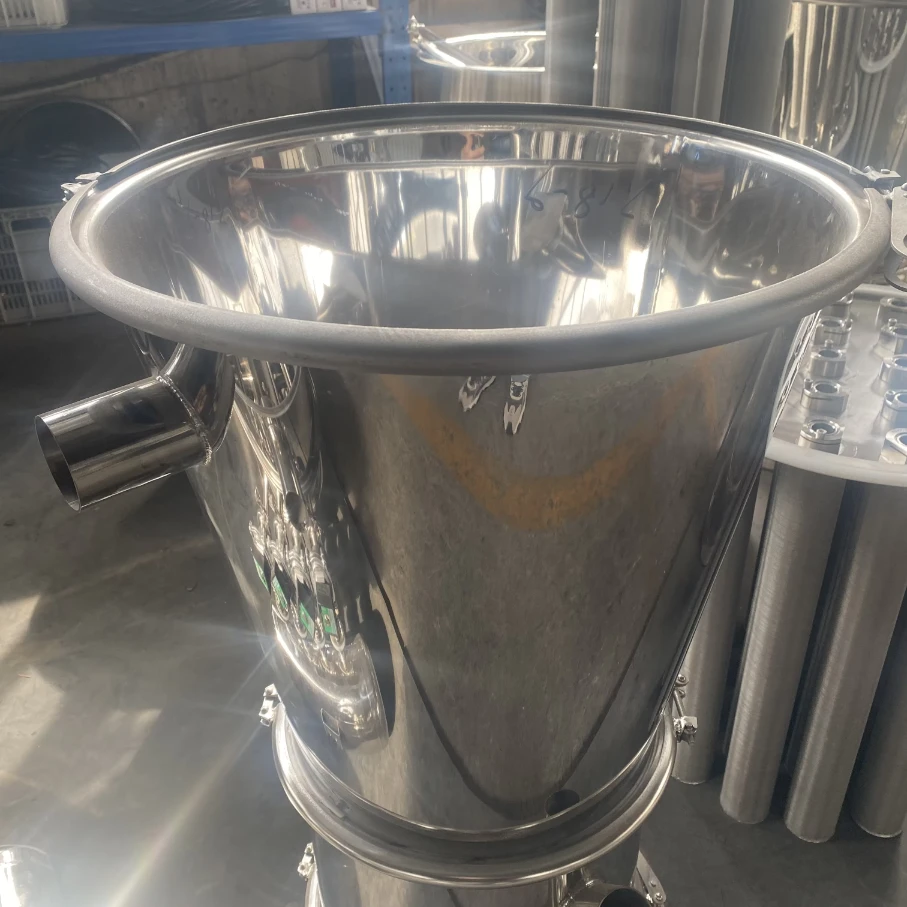
The pneumatic vacuum feeder primarily consists of components such as a membrane filtration unit, a vacuum hopper, an adjustable stainless steel suction tube, a vacuum pump (oil-free and water-free), a conveying hose, a pneumatic discharge gate mechanism, and a compressed air back-flushing device.
올바른 선택 방법 Vacuum Conveying System?
Selection Based on Production Requirements
Select an appropriate vacuum feeder based on the specific demands of the production process and output volume. For large-scale, continuous production operations, opt for a vacuum feeder characterized by high conveying efficiency and robust continuous-operation capabilities; for small-scale, intermittent production operations, choose a vacuum feeder that is cost-effective and simple to operate.
Selection Based on Material Characteristics
Material properties—such as density, particle size, and viscosity—play a critical role in determining the appropriate vacuum feeder model.
Selection Based on Environmental Requirements
Select a vacuum feeder that aligns with the specific requirements of the production environment. For industries such as pharmaceuticals and food processing—which demand superior airtightness and stringent hygiene standards—choose a vacuum feeder that offers excellent sealing performance and is easy to clean.
Comprehensive Cost-Benefit Analysis
When selecting a vacuum feeder, it is essential to consider not only the initial capital investment but also ongoing operational costs, maintenance expenses, and other factors related to the equipment’s usage phase, as well as its potential impact on overall production efficiency and product quality.
Standard models available. Custom solutions supported.
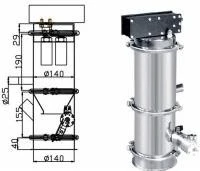 QVC-1
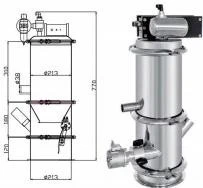 QVC-2
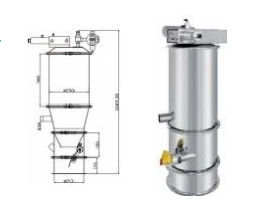 QVC-3
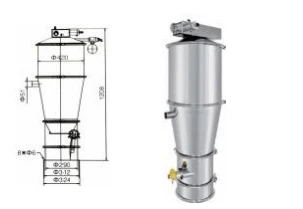 QVC-4
이점
- Eliminates dust pollution in the environment and minimizes contamination of materials by the surroundings and personnel.
- Features a modular, dead-angle-free structure that is easy to install, disassemble, and clean.
- Characterized by low energy consumption and low noise levels, further enhancing operational efficiency and the working environment.
- Fully enclosed and leak-proof, preventing cross-contamination and ensuring the hygienic purity of both the materials and the surrounding environment.
- Highly automated and simple to operate; effectively eliminates static electricity in materials and fully complies with GMP requirements.
- The inner walls are precision-polished to prevent material adhesion; they feature a titanium metal filter that resists clogging and wear, thereby completely resolving the issue of material stratification.
기술 사양
The following are the standard specifications; customization is available for special requirements.
| 모델 | 이송 용량 | Material Capacity | 작동 압력 | 압축 공기 소비량 |
| QVC-1 | 50–300 kg/h | 1 L | 4–0.6 MPa | 180 NL/min |
| QVC-2 | 100–700 kg/h | 0 L | 4–0.6 MPa | 360 NL/min |
| QVC-3 | 300–1500 kg/h | 0 L | 4–0.6 MPa | 720 NL/min |
| QVC-4 | 600–3000 kg/h | 0 L | 4–0.6 MPa | 1440 NL/min |
응용 분야
Pneumatic vacuum conveying safely transports powders and granular materials in an efficient, sealed, and dust-free manner, and is widely used across various industries.
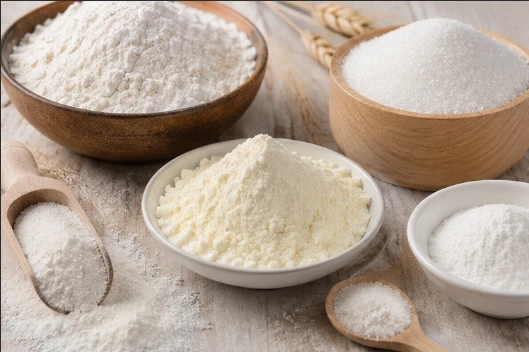
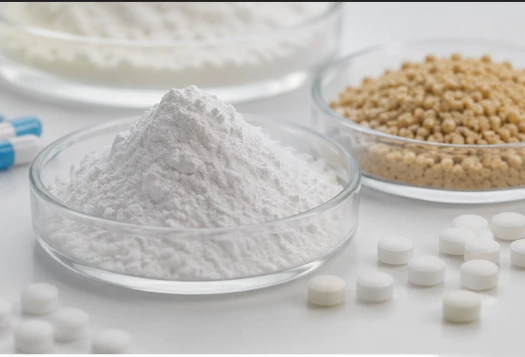
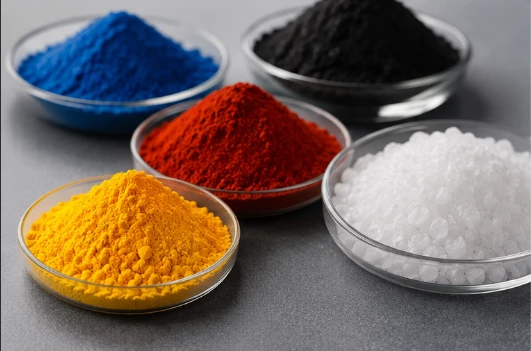
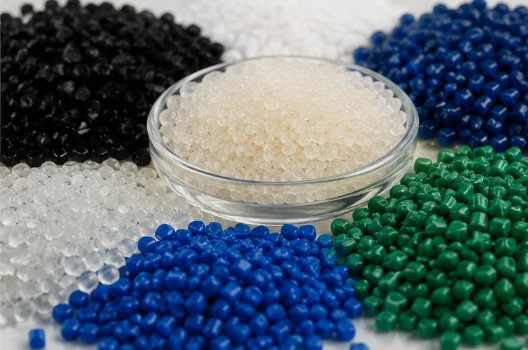
Case
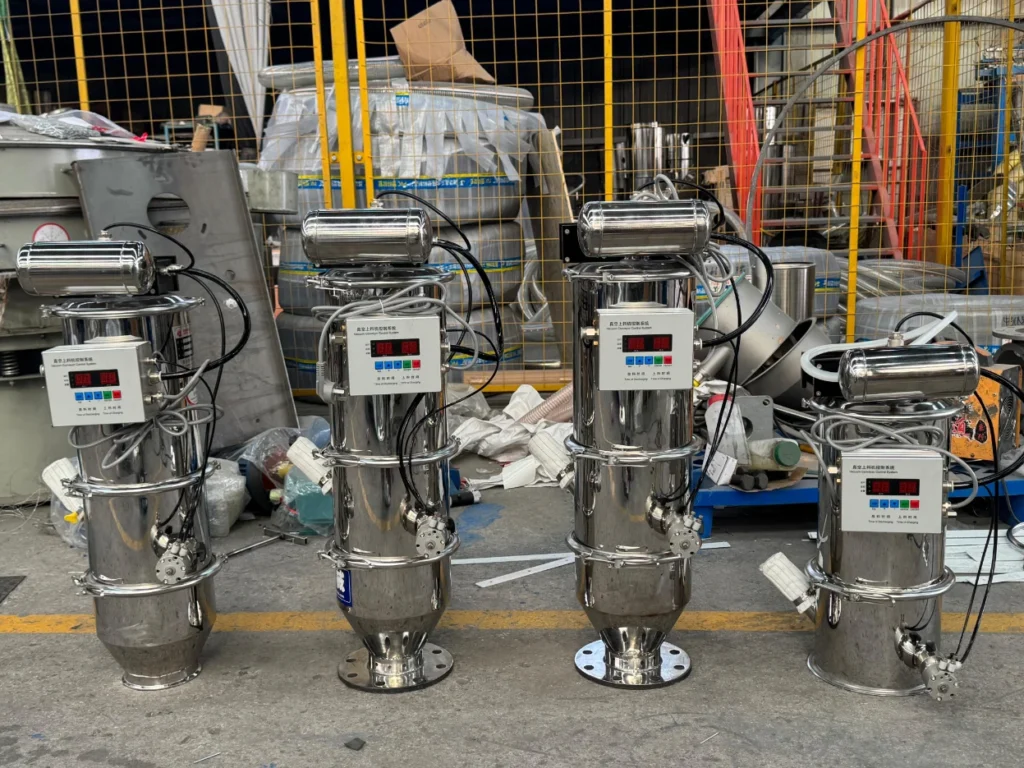
See how our vacuum conveyors perform in real production scenarios.
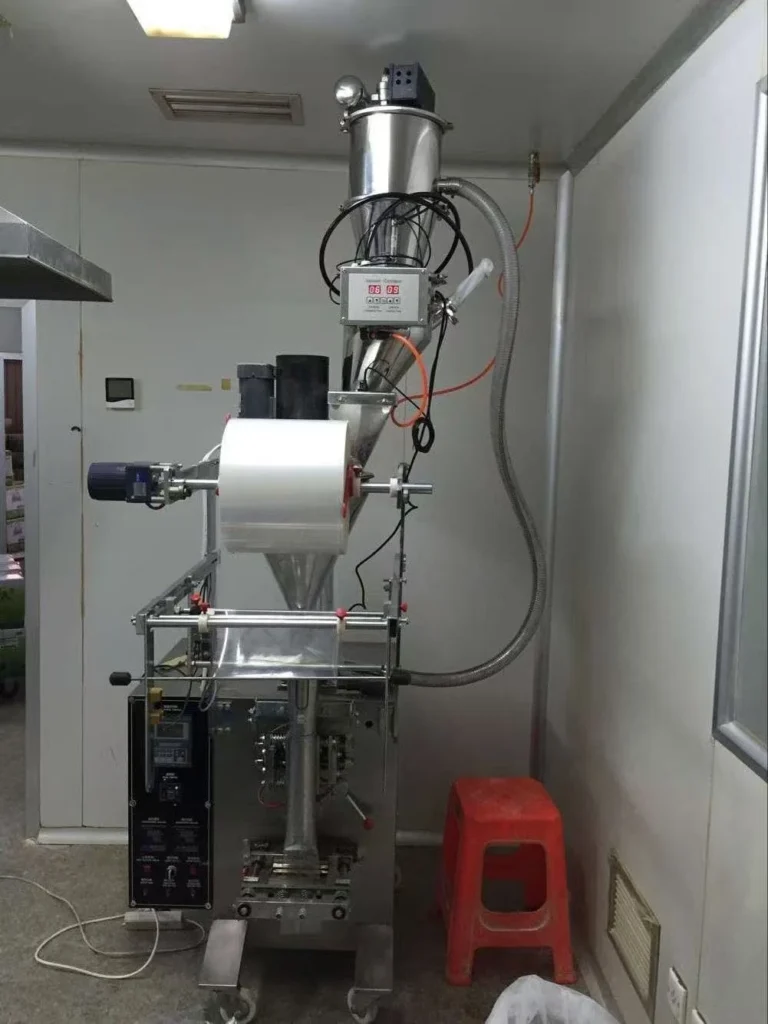 Activated carbon powder
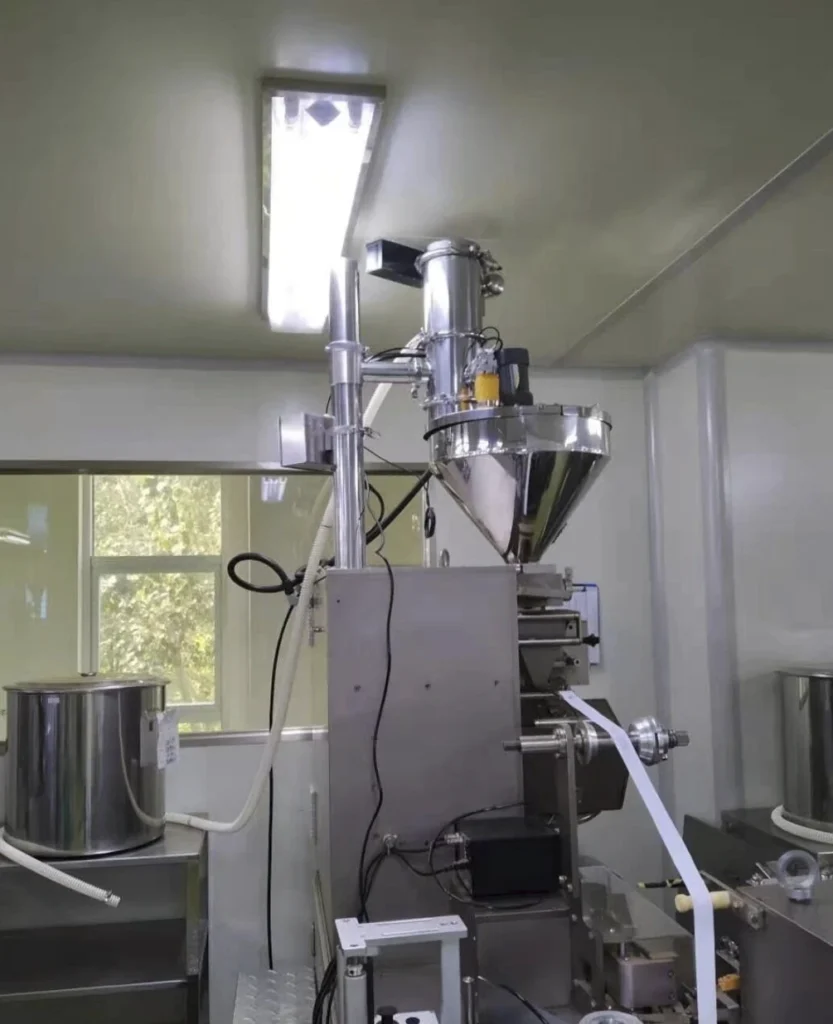 Aluminum hydroxide
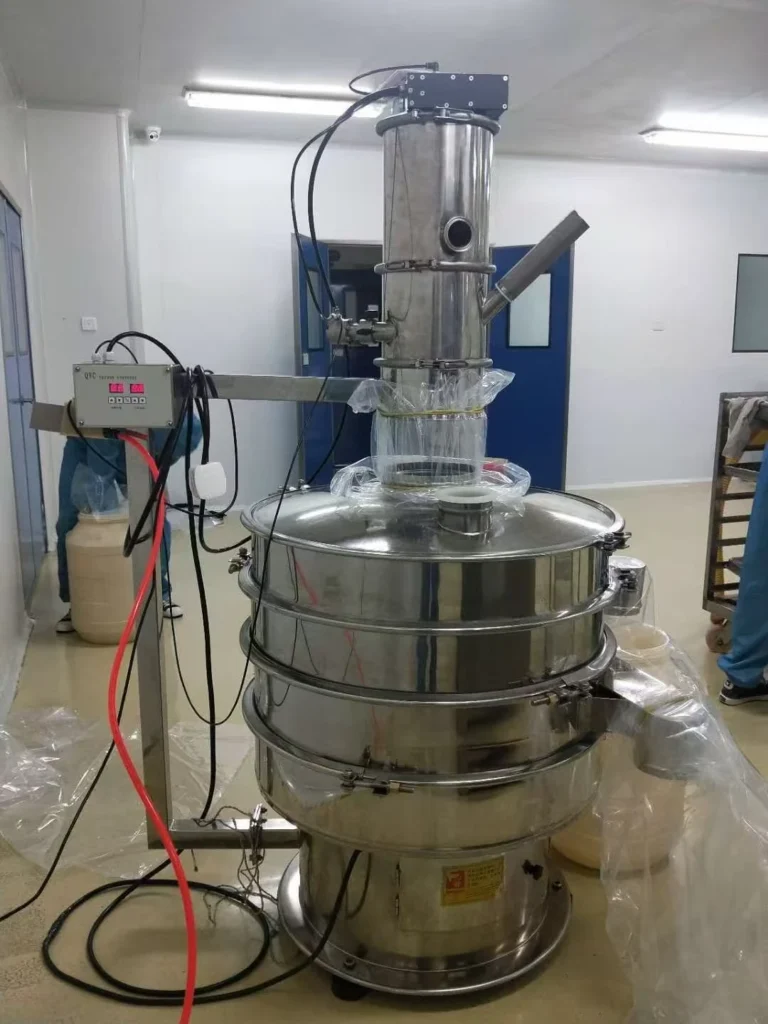 Cellulose powder
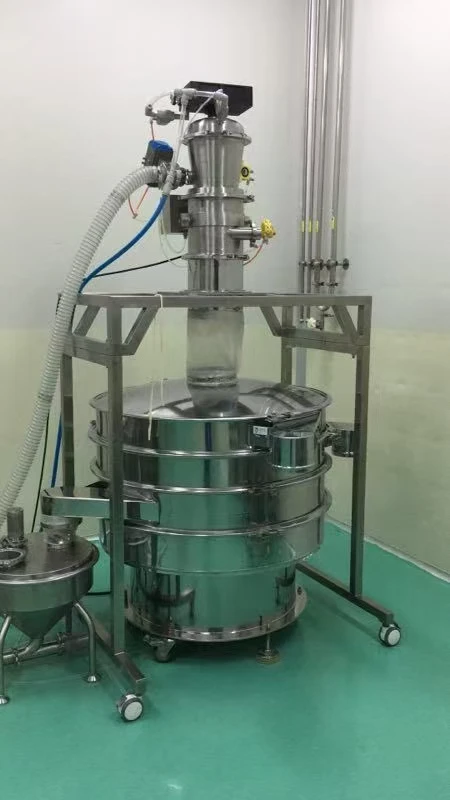 Edible Food Coloring Powder
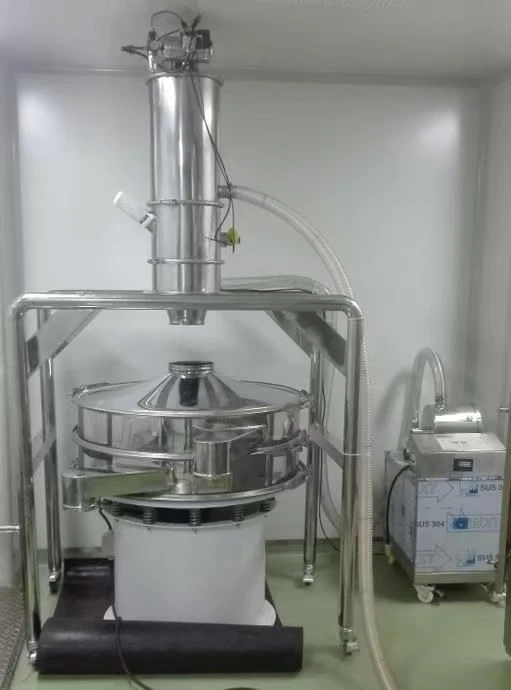 Herbal powder
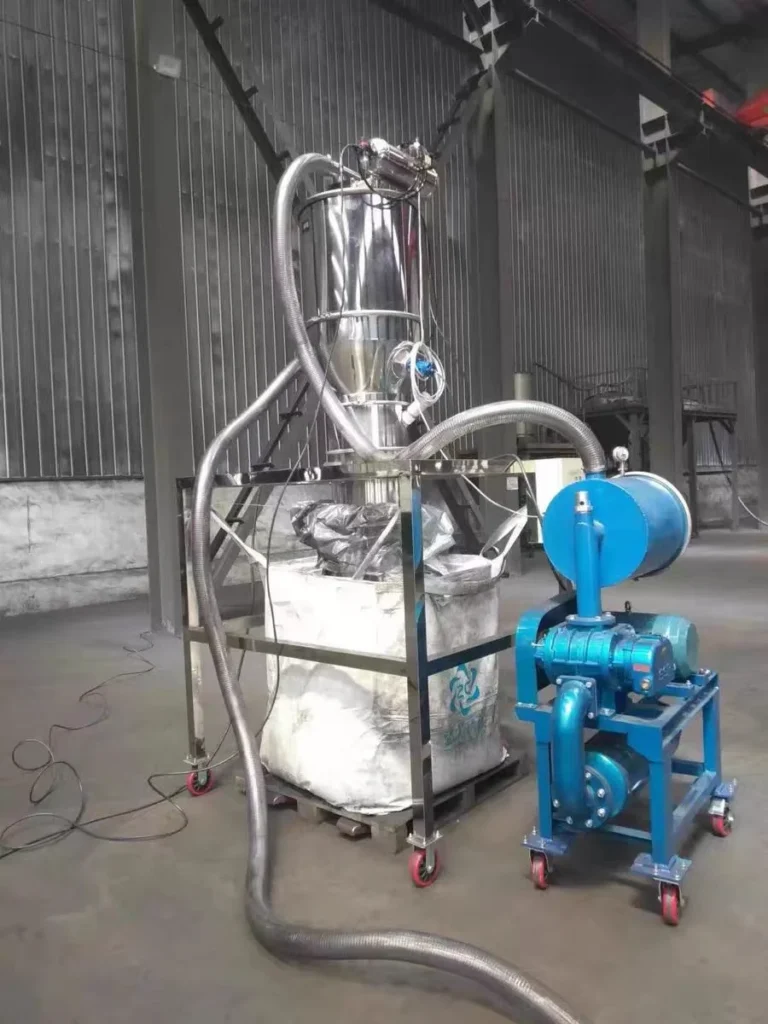 PVC powder
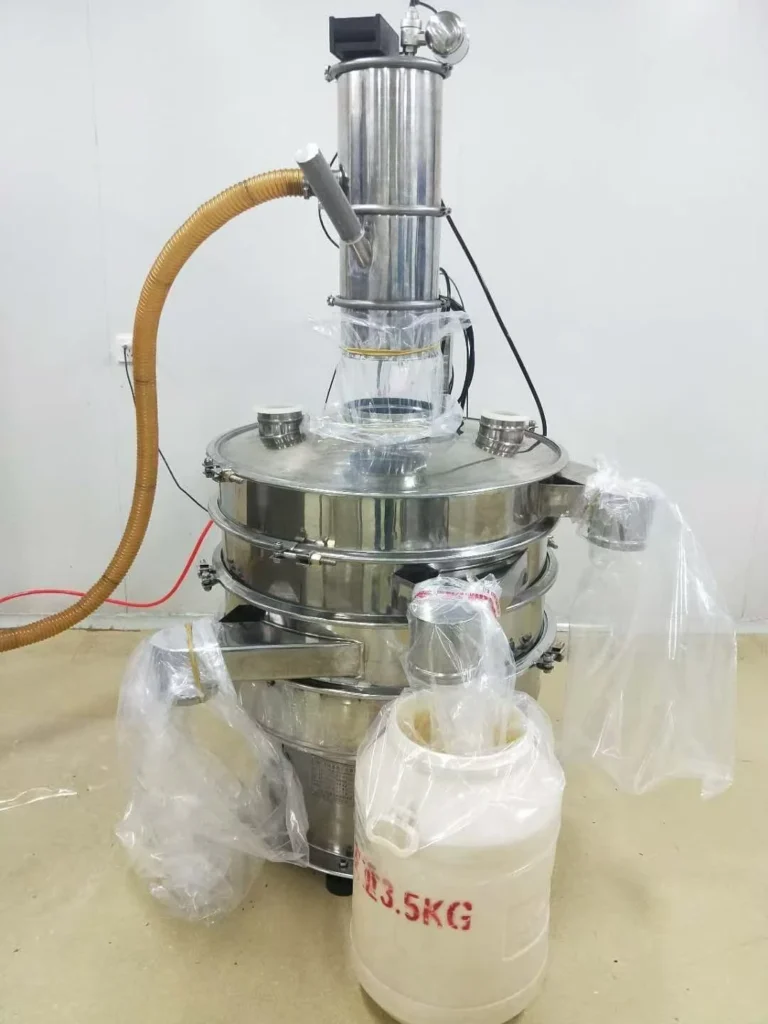 Seasonings
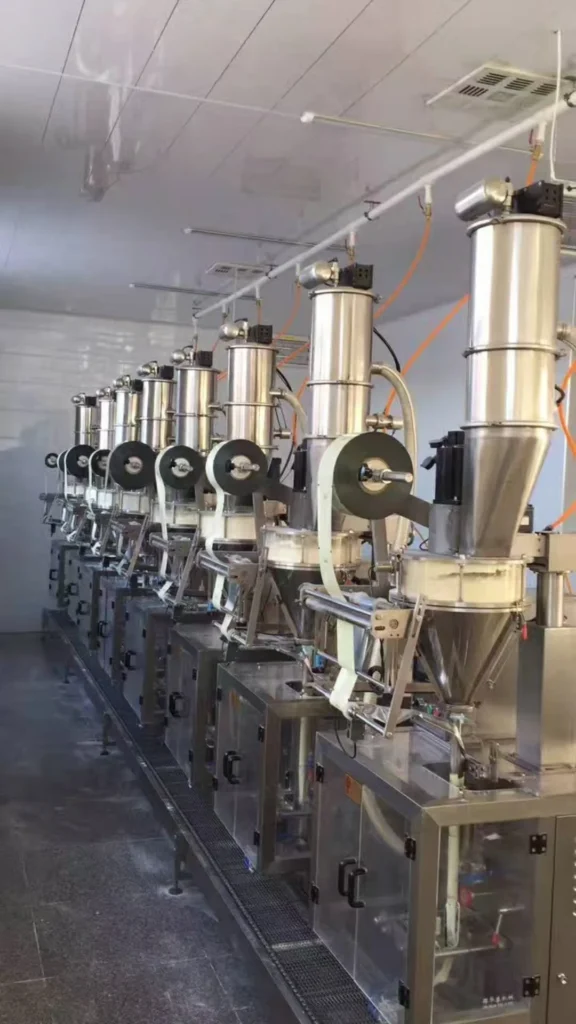 Tungsten Powder
진동 스크린 및 컨베이어 기계 제조업체 및 공급업체
정밀 선별, 신뢰할 수 있는 성능 및 유연한 산업 응용을 위해 제작되었으며,
Yuanjing 회전 진동 스크린은 전 세계 고객의 신뢰를 받고 있습니다.

글로벌 프로젝트 경험
Yuanjing 제품은 50개 이상의 국가 및 지역에 수출되며 식품, 화학, 제약, 광업 및 신에너지를 포함한 산업에 서비스를 제공합니다.
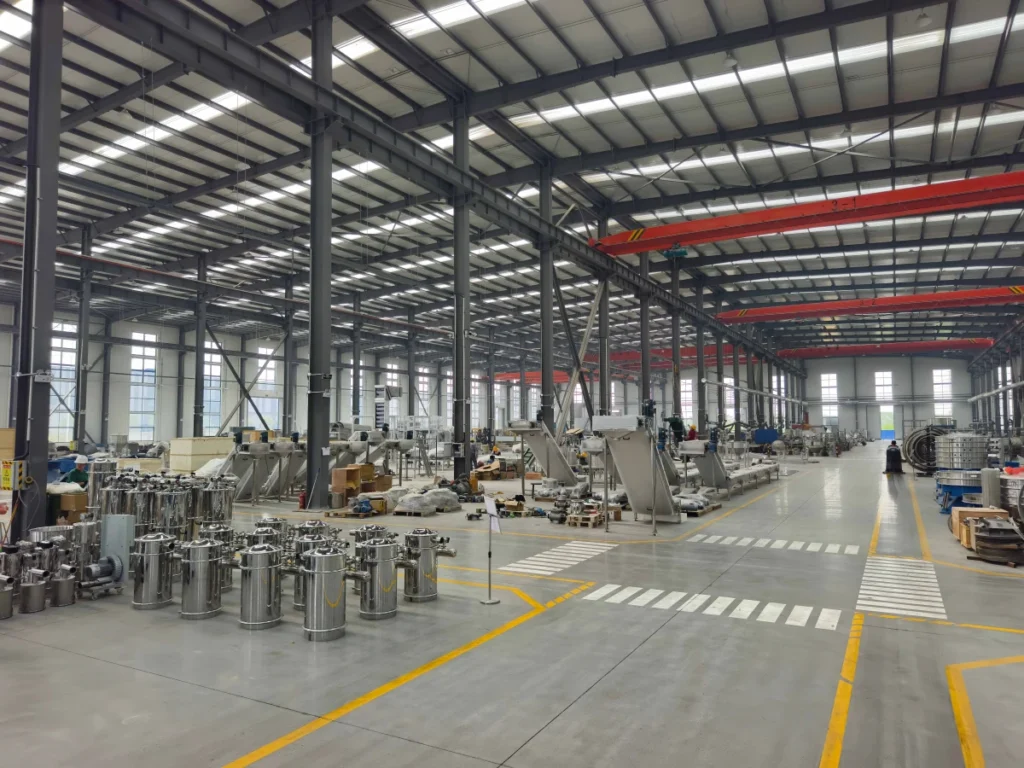
강력한 제조 능력
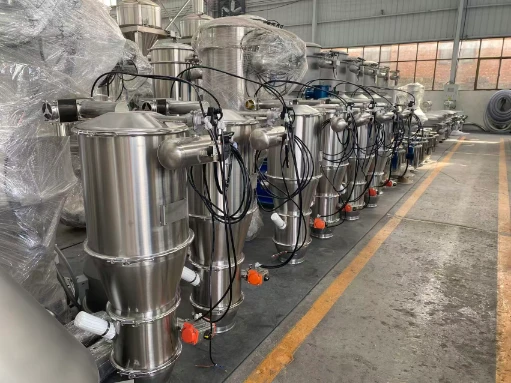
레이저 절단, CNC 가공, 자동 용접 및 엄격한 품질 검사를 갖춘 첨단 생산 라인은 일관된 제품 품질을 보장합니다.
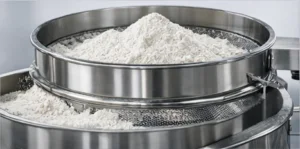
정확하고 안정적인 분리
최적화된 진동 설계는 균일한 재료 흐름, 높은 선별 정확도 및 안정적인 장기 작동을 제공합니다.
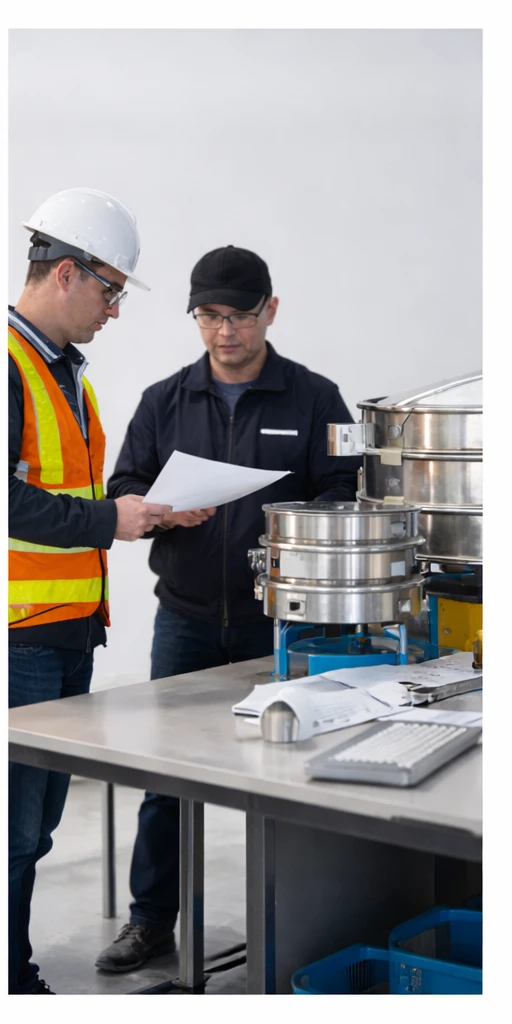
맞춤형 스크리닝 솔루션
Yuanjing은 직경, 메쉬 크기, 층 수 및 재료 옵션에서 유연한 구성을 제공하여 정확한 공정 요구 사항에 맞춥니다.
관련 제품
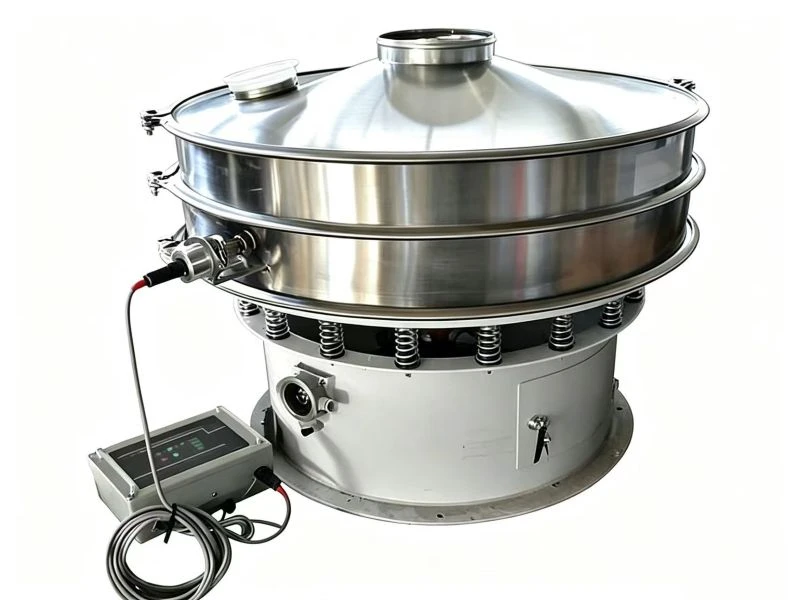
초음파 진동 체
고정밀 초음파 진동 체 솔루션 초음파 진동 체는 미세 분말 스크리닝에 이상적이며, 메시 막힘을 효과적으로 방지하고 분리 정확도를 향상시킵니다. 표준 3차원 진동 스크린에 초음파 시스템을 통합함으로써, 스크린 표면은 모터와 초음파의 결합 작용을 통해 고주파, 저진폭 진동을 발생시켜 메시 처리량을 5–20% 증가시킵니다…회전 진동 스크린
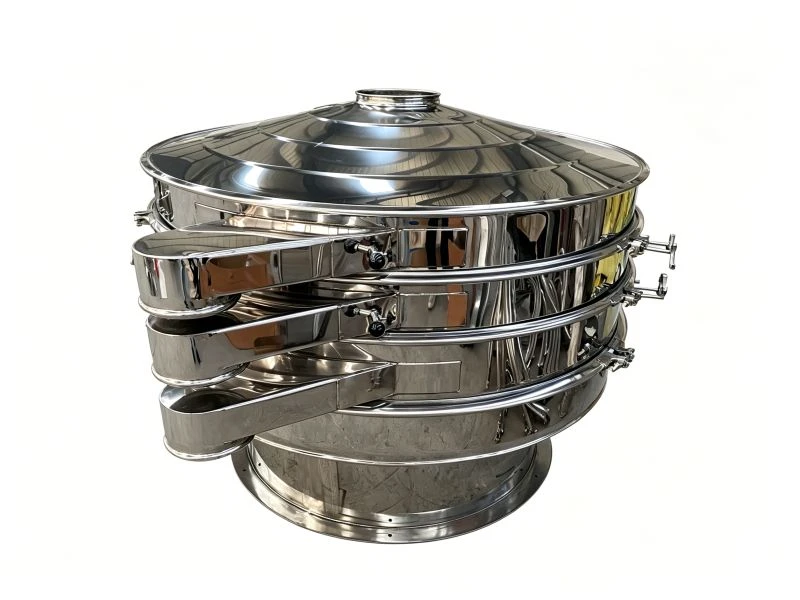
회전 진동 스크린 | 진동 체 선별기 회전 진동 스크린은 분말, 과립 및 액체의 효율적인 분리를 위해 설계되었습니다. 연속 생산에서 안정적인 성능, 높은 선별 정확도 및 신뢰할 수 있는 작동을 제공합니다. 다양한 처리 요구 사항을 충족하기 위해 다층 설계, 초음파 시스템 및 식품 등급 소재를 포함한 유연한 구성을 제공합니다. YuanJing은 실용적인 선별 솔루션을 제공합니다…텀블러 스크린
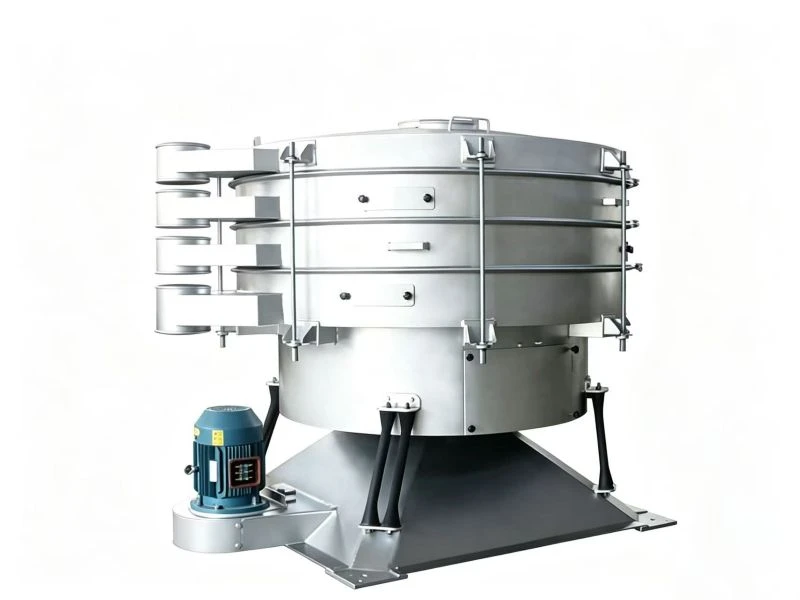
산업 응용을 위한 고정밀 텀블러 스크린 텀블러 스크린은 미세하고 취약하며 불규칙한 재료를 위한 고정밀 스크리닝 솔루션입니다. 수동 체질 동작을 시뮬레이션하여 재료 손상과 분진을 최소화하면서 효율적인 분류를 보장합니다. 식품, 화학, 제약 및 광물 산업에서 널리 사용되며 일관된 품질과 높은 처리량을 제공합니다. 내구성과 성능을 위해 설계되어…
자주 묻는 질문
맞춤형 솔루션 받기
당사는 다양한 재료와 생산 요구 사항에 맞춘 맞춤형 스크리닝 및 컨베이어 장비 솔루션을 제공할 수 있습니다.
귀하의 요구 사항을 보내주시면 당사 팀이 24시간 이내에 적합한 솔루션과 빠른 견적을 제공해 드립니다.