Jak wybrać przeciwwybuchowy przenośnik próżniowy: kompletny poradnik zakupowy
Handling combustible powders requires more care than ordinary material transfer. In chemical plants, lithium battery factories, and pharmaceutical production, dust buildup and static electricity can create serious safety risks.
Materials such as aluminum powder, carbon black, certain lithium battery materials, and chemical pigments may produce combustible dust during handling. If this dust meets an ignition source, an explosion can occur.
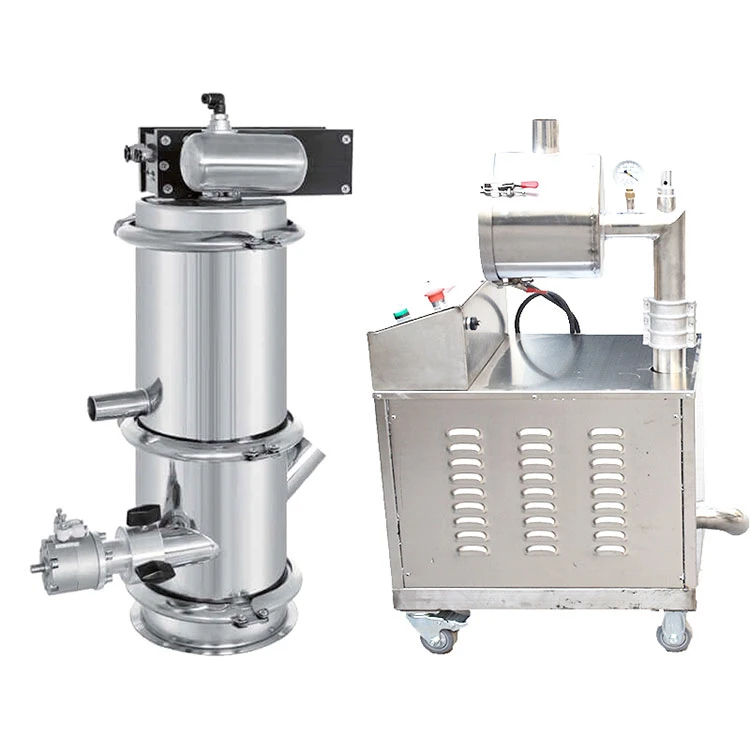
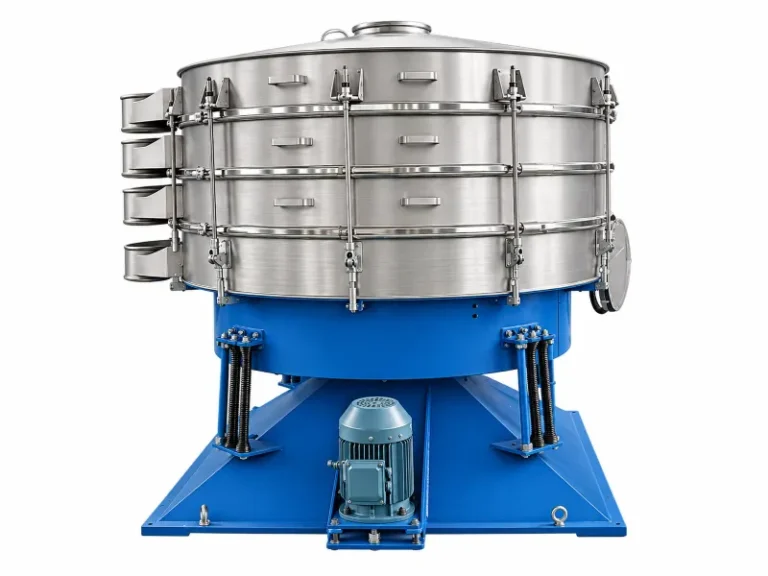
Ultradźwiękowe sito wibracyjne Przeciwwybuchowy przenośnik próżniowy helps reduce these risks by moving powder through closed pipes under negative pressure. It limits dust release, reduces manual handling, and provides safety features designed for hazardous materials.
But not every machine labeled “explosion-proof” will suit your workshop. Equipment designs, components, and protection levels can vary widely.
Before buying, check whether the Vacuum Conveyor Manufacturer understands your material and working conditions. The right equipment should match your powder properties, hazardous area requirements, and production capacity—not simply have the highest price or the most safety features.
What Is an Explosion-Proof Vacuum Conveyor?
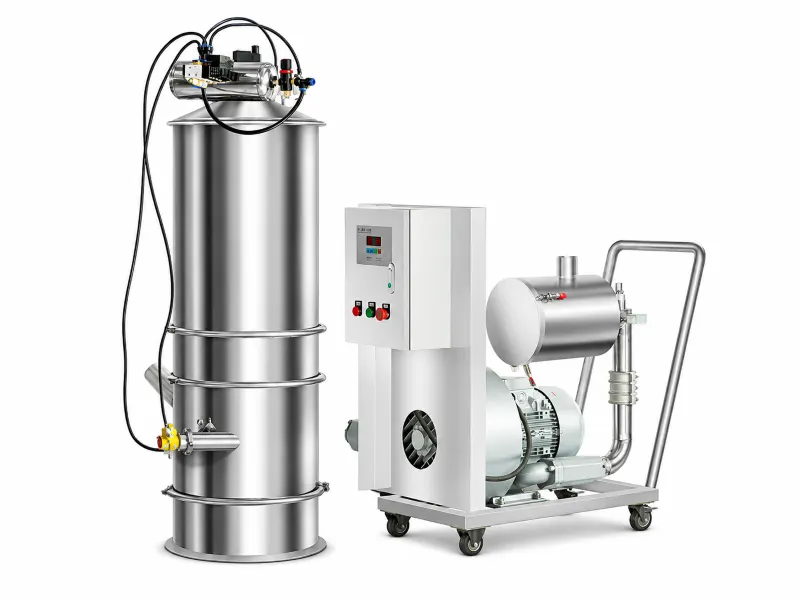
An explosion-proof vacuum conveyor is a closed powder conveying system designed for applications where combustible dust or explosive atmospheres may be present.
It uses a vacuum pump or compressed air to create negative pressure. Powder travels through a closed pipeline into a receiving hopper before being discharged into the next process.
This reduces dust escaping into the workshop and cuts down on manual powder transfer. You can learn more about the basic working principle on our system podajnika przenośnika próżniowego page.
However, a closed system is not automatically explosion-proof.
When powder moves through pipes, friction can generate static electricity. If charges build up and discharge, they may ignite combustible dust.
Standard vacuum feeders may not have suitable motors, hoses, filters, or electrical components for hazardous areas. An explosion-proof system needs proper electrical protection, grounding, sealing, and other safety measures.
The complete conveying system—not just the motor—must be considered during selection.
Check Material Properties and Explosion-Proof Requirements
Before choosing an explosion-proof vacuum conveyor, two questions need clear answers: What material are you conveying, and where will the equipment operate?
Understand Your Powder’s Explosion Risk
Common materials that may require special protection include:
- Lithium battery materials: Certain battery raw materials and combustible metal powders.
- Chemical powders: Carbon black, some pigments, dyes, and organic chemicals.
- Metal powders: Aluminum powder and other combustible metal powders.
- Food and pharmaceutical powders: Certain starches, sugar powders, and organic ingredients.
Even the same material can have different explosion properties depending on particle size, moisture, and composition.
Provide the supplier with a Safety Data Sheet (SDS) and available dust explosion test data. Important values include minimum explosible concentration, minimum ignition energy, and dust explosion severity.
Other properties also matter. Sticky or moist powders may require different filters and pipe designs, while abrasive materials need more wear-resistant components.
Match the Equipment to the Hazardous Area
Your workshop’s hazardous area classification determines which explosion protection measures are required.
Check the equipment’s explosion protection marking, certification, and intended operating conditions. If your project requires ATEX-compliant equipment, the relevant components and system design must meet the applicable requirements.
Remember that combustible dust may also form a hazardous atmosphere inside the conveying pipes or receiving hopper.
Choosing the highest protection level is not always necessary. The correct solution depends on the material, installation area, and risk assessment. Essential safety features should never be removed just to reduce the price.
Pneumatic vs. Electric Explosion-Proof Vacuum Conveyors
Two common options are pneumatic vacuum conveyors and electric systems with explosion-proof motors.
Both can be used for suitable applications, but their power sources and operating requirements are different.
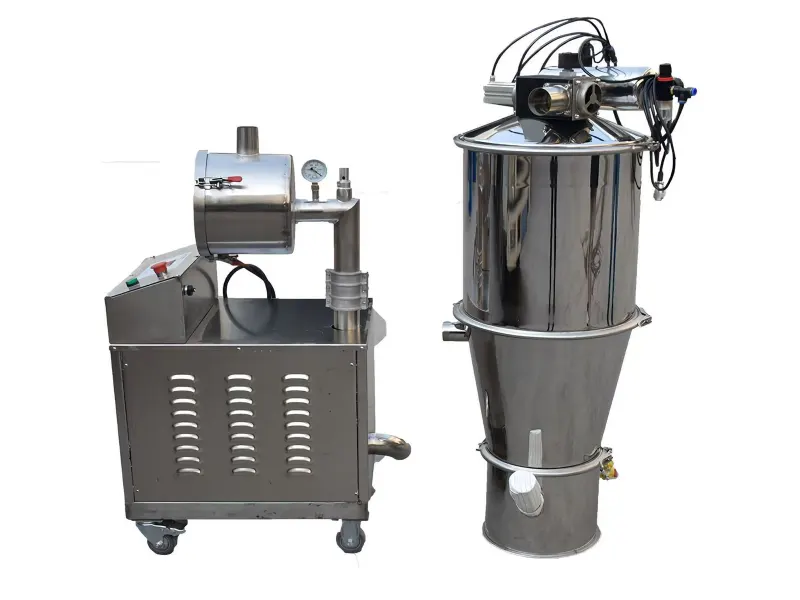
Pneumatic Vacuum Conveyor
A pneumatic vacuum conveyor uses compressed air and a vacuum generator to create suction.
The vacuum generator has no electric drive motor, removing that motor as a possible electrical ignition source. This can be useful in workshops with strict electrical restrictions or factories that already have a stable compressed air supply.
Nasz pneumatyczny przenośnik podciśnieniowy page explains how this type of equipment works.
However, pneumatic equipment is not completely free from explosion risks. Static electricity, dust buildup, mechanical friction, and other possible ignition sources still need attention.
Compressed air consumption also affects operating costs. Make sure your compressor can supply enough pressure and airflow for the required conveying capacity.
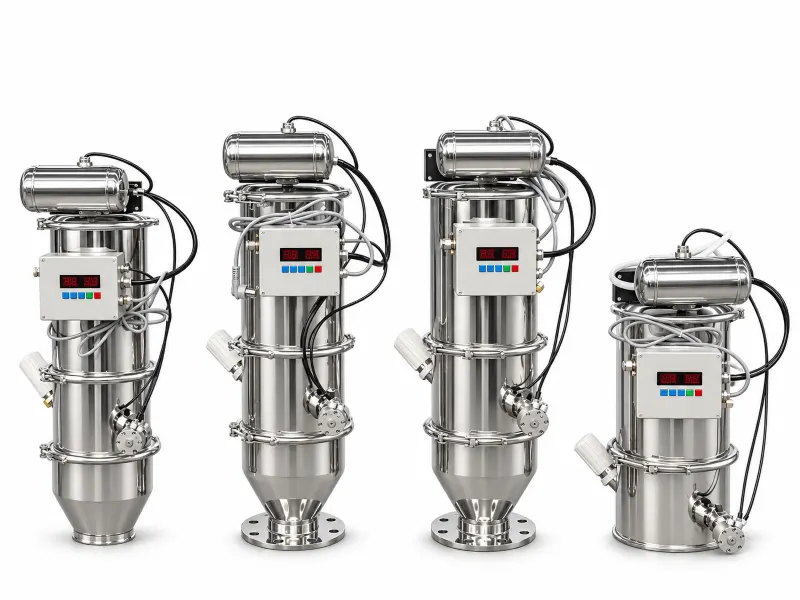
Electric Explosion-Proof Vacuum Conveyor
An electric system uses a motor-driven vacuum pump to generate negative pressure.
It can be configured for different conveying distances, capacities, and operating hours. For longer conveying routes or frequent operation, an electric system may be worth considering.
The motor is not the only component that needs protection. Vacuum pumps, control panels, sensors, and other electrical parts installed in hazardous areas must also meet the relevant requirements.
Which Type Should You Choose?
| Pozycja | Pneumatic Type | Electric Type |
|---|---|---|
| Power source | Compressed air | Electric vacuum pump |
| Main feature | No drive motor in the vacuum generator | Motor-driven vacuum generation |
| Site requirements | Stable compressed air supply | Suitable electrical supply |
| Pojemność | Depends on air supply and vacuum generator | Depends on pump and system design |
| Main considerations | Air consumption, pressure, safety | Electrical protection, capacity, energy use |
Neither option is always better.
A Vacuum Conveyor Manufacturer should consider your material, hazardous area, conveying distance, and available utilities before recommending a system.
Key Features to Check Before Buying
The performance and safety of an explosion-proof vacuum conveyor depend on more than its vacuum source. Pay attention to the following components.
Explosion-Proof Electrical Components
For an electric system, check the motor, vacuum pump, control panel, and sensors.
Ask the supplier whether these components are suitable for your hazardous area and whether the required certificates and technical documents are available.
A certified explosion-proof motor does not automatically make the entire conveyor suitable for hazardous environments.
Equipment Materials and Sealing
Material-contact parts are commonly made from 304 or 316L stainless steel.
304 stainless steel works for many general powder applications. For more corrosive materials or stricter cleanliness requirements, 316L may be a better option.
Sealing is equally important. Poorly sealed joints, discharge valves, and pipe connections may allow dust to escape.
For food, pharmaceutical, or multi-product production lines, choose equipment that is easy to open and clean to reduce material residue and cross-contamination.
Anti-Static Pipes and Hoses
Powder moving through pipelines can generate static electricity.
Use suitable conductive or anti-static pipes and flexible hoses based on the material. Metal hoppers, pipelines, and other conductive components should be properly bonded and grounded.
Pipe layout also matters. Too many bends or sudden diameter changes can increase conveying resistance, wear, and powder buildup.
Filters and Pulse-Jet Cleaning
Filters separate powder from the conveying air and help prevent material from entering the vacuum source.
For combustible powders, suitable anti-static or conductive filters may be required.
As powder builds up on the filter surface, suction can decrease and conveying cycles may become longer.
Many systems use pulse-jet filter cleaning to remove collected powder and maintain airflow. The cleaning method and gas supply must also be suitable for the material being handled.
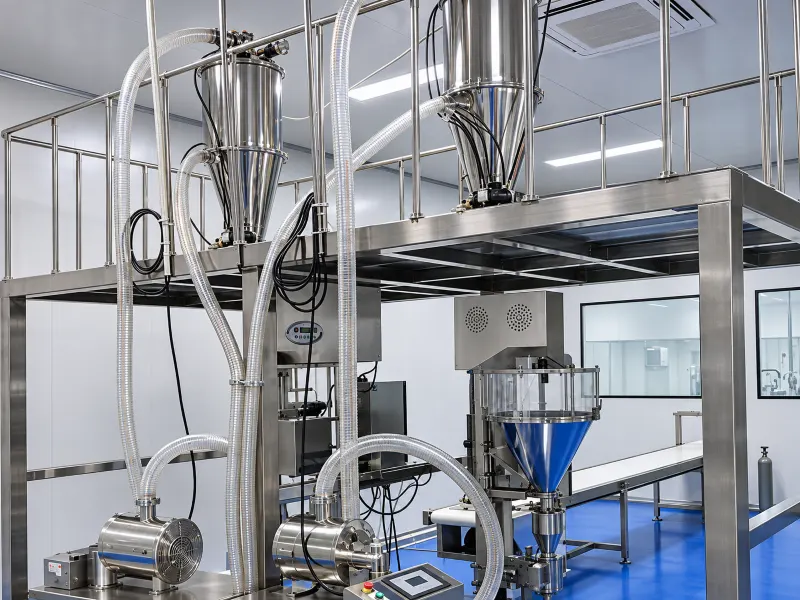
Conveying Performance and Production Line Integration
Even a well-protected explosion-proof vacuum conveyor must deliver the required capacity without frequent blockages.
Material Properties and Conveying Capacity
Particle size, bulk density, moisture, stickiness, and flowability all affect conveying performance.
Dry, free-flowing powders are often easier to handle. Moist or sticky materials may need different suction settings, pipelines, or discharge designs.
The same conveyor can achieve different capacities when handling different powders.
For difficult materials, a conveying test before purchase can help confirm performance.
Conveying Distance and Lifting Height
When requesting a quotation, provide the horizontal conveying distance, vertical lifting height, number of bends, and required capacity in kg/h or t/h.
Longer routes and higher lifts increase resistance, so the vacuum source and pipe diameter must match the actual layout.
For batch conveying systems, remember that suction and discharge take place in separate parts of the cycle. Both affect the average hourly capacity.
Connecting with Other Equipment
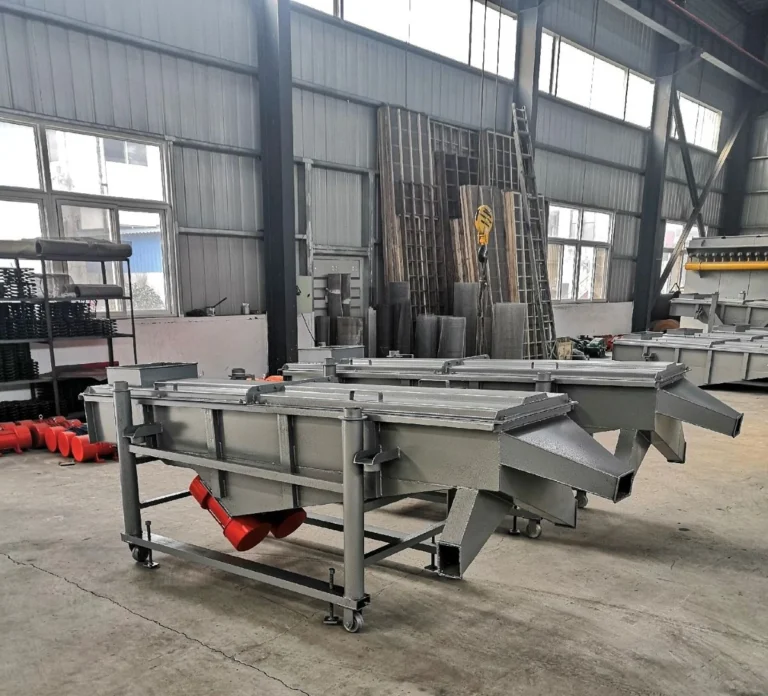
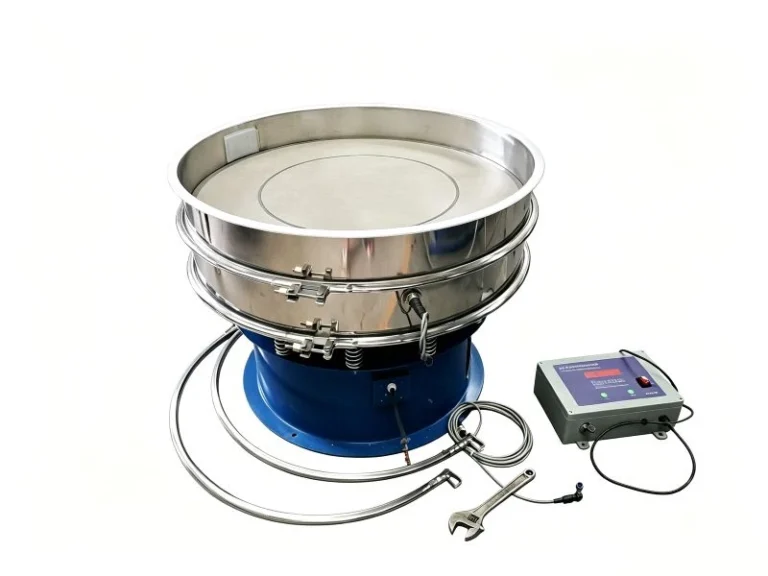
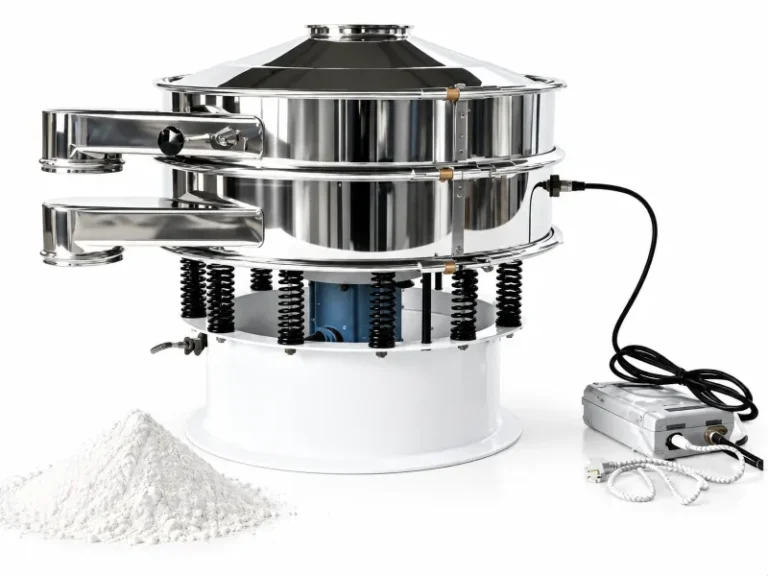
Vacuum conveyors often work with bag dump stations, bulk bag unloaders, vibrating screens, storage hoppers, and mixers.
For example, a bezpyłową stację rozładunku worków can feed powder into a closed conveying line, reducing manual handling and dust around the loading area.
If your process also requires screening, see our guide to connecting a vacuum conveyor and vibro sifter.
The entire production line needs to be assessed for dust hazards, not just the conveyor.
A Vacuum Conveyor Manufacturer with system design experience can help plan the pipe route, equipment connections, and maintenance space while reducing areas where powder may collect.
How to Choose a Vacuum Conveyor Manufacturer
Explosion-proof equipment often costs more than standard powder feeders. But two machines that look similar may have very different safety components and performance.
Check Certifications
Some equipment sold as explosion-proof may only be a standard conveyor with a few modified parts.
Ask the Vacuum Conveyor Manufacturer for the relevant certificates, technical drawings, and component list.
Check the equipment model, explosion protection marking, certification scope, and applicable conditions. Where possible, verify the documents through the issuing organization’s official records.
For projects that require safety inspection or approval, confirm the necessary documents before placing an order.
Compare Equipment Configurations
Do not compare quotations based on price alone.
Check the motor, electrical controls, stainless steel grade, filters, sealing parts, and safety features.
Once the equipment meets your safety and production requirements, compare its purchase price, energy consumption, maintenance needs, and spare parts costs.
Check After-Sales Support
Filters may become blocked, seals can wear out, and pipes may eventually need replacement.
Before buying, ask about installation guidance, commissioning, warranty, spare parts, and technical support.
Components that affect explosion protection should not be replaced with ordinary parts without a proper technical assessment.
Information Needed for Equipment Selection
To receive an accurate recommendation, provide the Vacuum Conveyor Manufacturer with the following information:
| Informacje | What to Provide |
|---|---|
| Materiał | Name, particle size, bulk density, moisture, flowability, and explosion properties |
| Hazardous area | Area classification, applicable standards, and available test data |
| Conveying route | Horizontal distance, vertical lift, and number of bends |
| Pojemność | Required kg/h or t/h and operating cycle |
| Site conditions | Electrical supply, compressed air, and installation space |
| Equipment connections | Feeding point and receiving equipment |
| Special requirements | Material grade, cleaning, automation, and custom features |
These details help the engineering team choose the right vacuum source, filters, pipelines, and protection measures.
For complex factory layouts, a site review may also help before the final design is confirmed.
Wnioski
Choosing the right Przeciwwybuchowy przenośnik próżniowy starts with understanding your powder, hazardous area, and conveying requirements. The equipment should be safe, reliable, and easy to maintain.
Looking for a reliable Vacuum Conveyor Manufacturer? Contact Yuanjing Machinery and share your material, conveying distance, required capacity, and explosion-proof requirements.
Our team can help you choose a suitable powder conveying solution for your production line.
Czy potrzebuję ultradźwiękowego przesiewacza wibracyjnego do drobnego proszku?
Q1: Is a Pneumatic Vacuum Conveyor Safer Than an Electric Model?
Not always. A pneumatic vacuum generator has no electric drive motor, but static electricity, mechanical friction, and dust buildup can still create risks.
An electric system can also be suitable when correctly designed and protected. Safety depends on the complete system, not just the power source.
Q2: Can I Convert a Standard Vacuum Conveyor into an Explosion-Proof Model?
Replacing the motor alone is not enough.
Electrical components, filters, hoses, static control, and other parts may also need changes. A qualified specialist should assess the equipment and confirm the required protection before it is used in a hazardous area.
Q3: Can a Closed Vacuum Conveyor Prevent All Dust Leakage?
Closed vacuum conveying greatly reduces dust release, but zero leakage cannot be guaranteed under every condition.
Sealing, filter performance, feeding methods, and maintenance all affect dust control. For cleaner operation, the system can be combined with a dust-free feeding station and suitable dust collection equipment.
Q4: Does an Explosion-Proof Certificate Guarantee That the Machine Will Pass a Safety Inspection?
No. A certificate covers only the equipment or components within its stated scope.
The complete installation must also meet the relevant requirements for hazardous area classification, electrical protection, grounding, and other safety measures.
Q5: Can an Explosion-Proof Vacuum Conveyor Handle Aluminum Powder, Carbon Black, or Lithium Battery Materials?
A system can be designed for certain grades of these materials, but not every model is suitable.
Aluminum powder and some battery materials can present serious dust explosion risks. The supplier should review the material properties, static control requirements, conveying distance, and capacity.
Additional safety assessments or conveying tests may be needed.
Q6: How Often Should the Filter Be Replaced?
There is no fixed replacement schedule.
Filter life depends on the powder, dust load, operating hours, and cleaning performance. If suction remains weak after cleaning, inspect the filter for blockage or damage.
Use replacement filters that meet the original filtration and anti-static requirements.