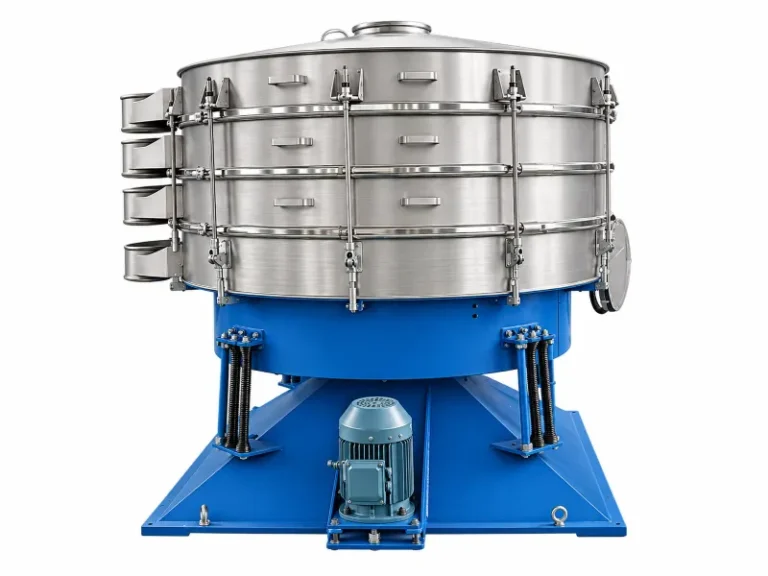
Vacuum Conveyor vs Screw Conveyor: Which Is Better for Feeding a Vibro Sifter?
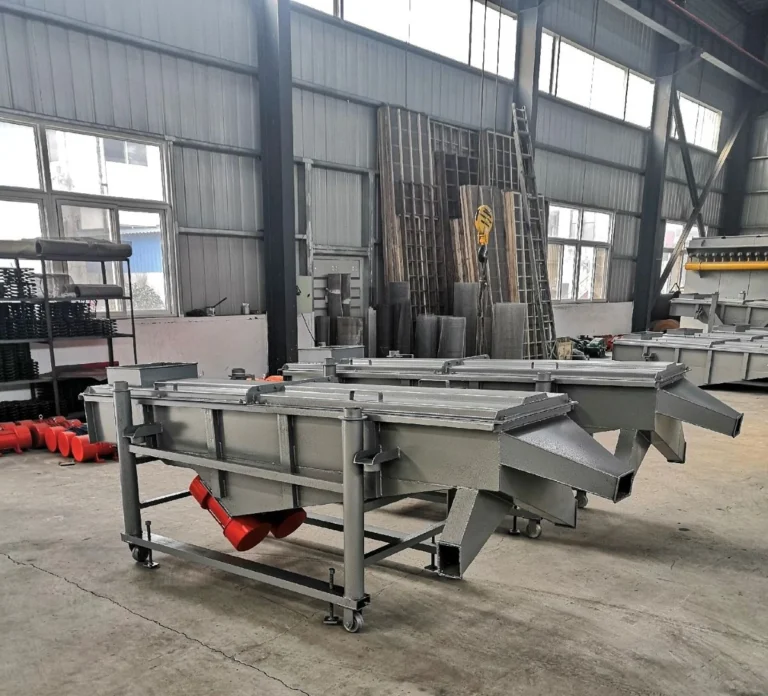
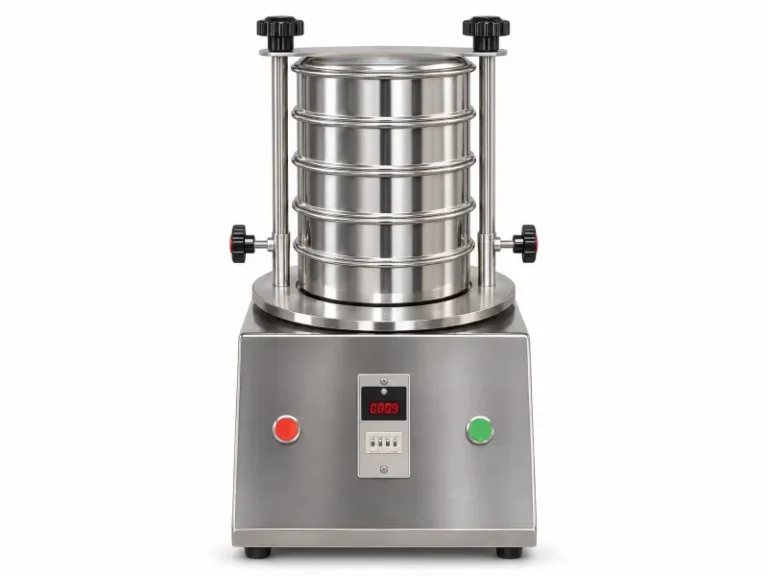
Choosing a vacuum conveyor vs screw conveyor for vibro sifter feeding depends on your powder, feed rate, and plant layout. A vacuum conveyor suits enclosed powder transfer to elevated inlets or around existing equipment. A screw feeder is often a better fit for steady feeding from a nearby hopper along a fixed route. The aim is to supply powder at a rate the sifter can handle.

Vacuum Conveyor vs Screw Conveyor for Vibro Sifter: Key Differences
Both can provide enclosed transfer, but their feeding patterns and effects on the material differ.
Working Principle and Main Components
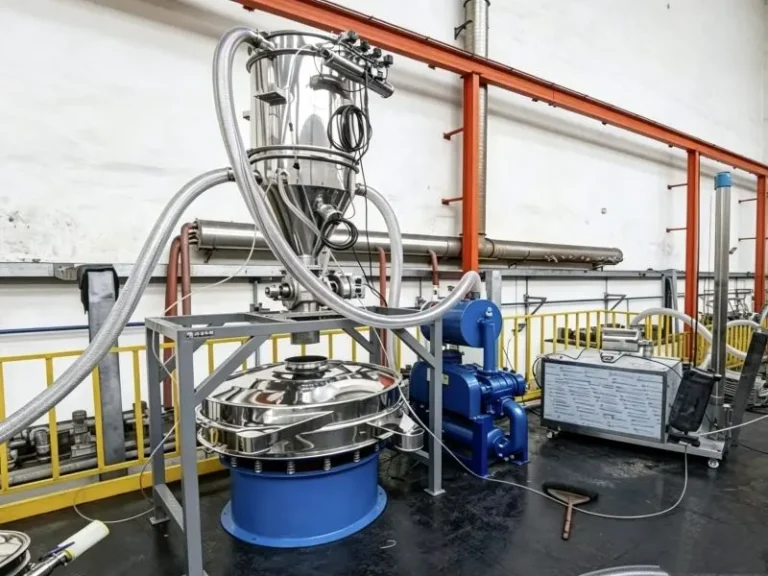
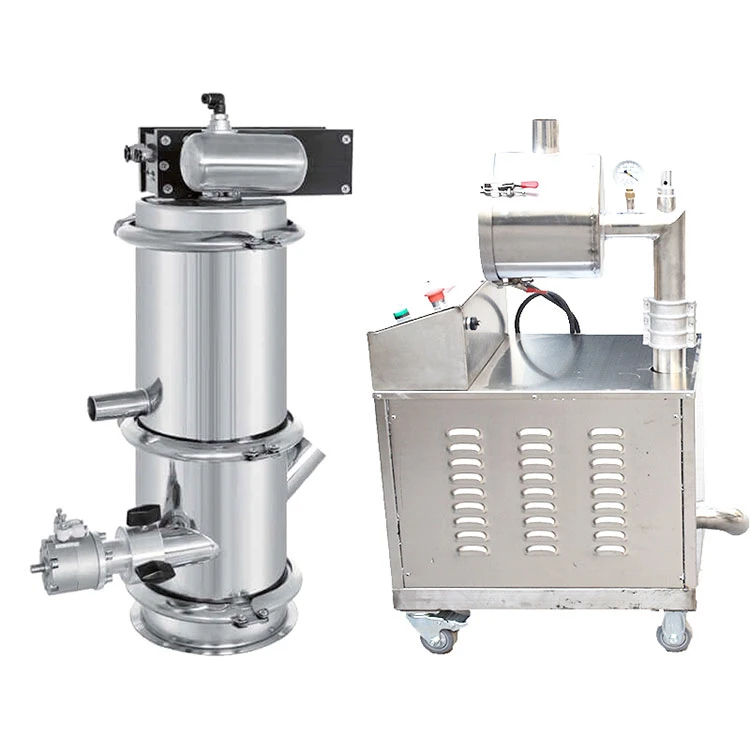
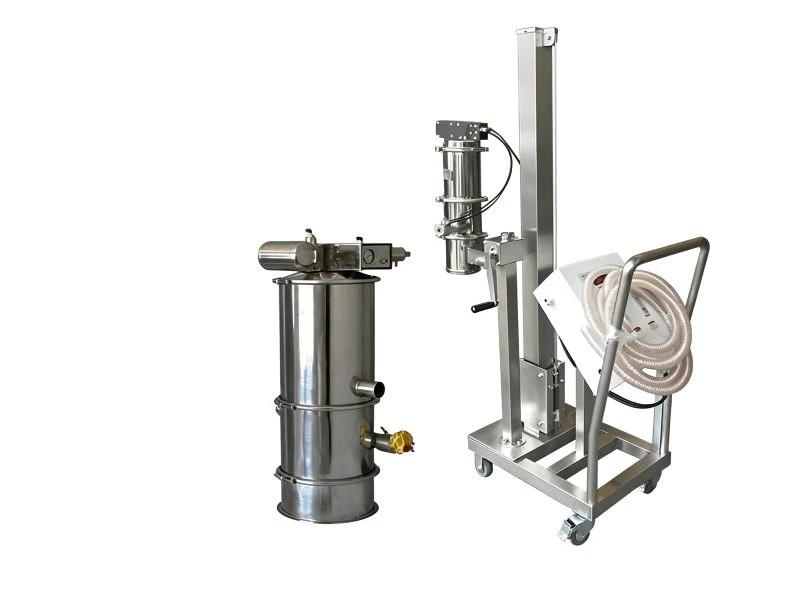
Vacuum conveyor: A vacuum source draws material through a pipe into a receiving hopper. A filter separates the powder from the conveying air, and a valve releases the collected material. Main components include the vacuum source, pickup point, pipe, receiver, filter, and discharge valve. Many systems alternate between suction and discharge.
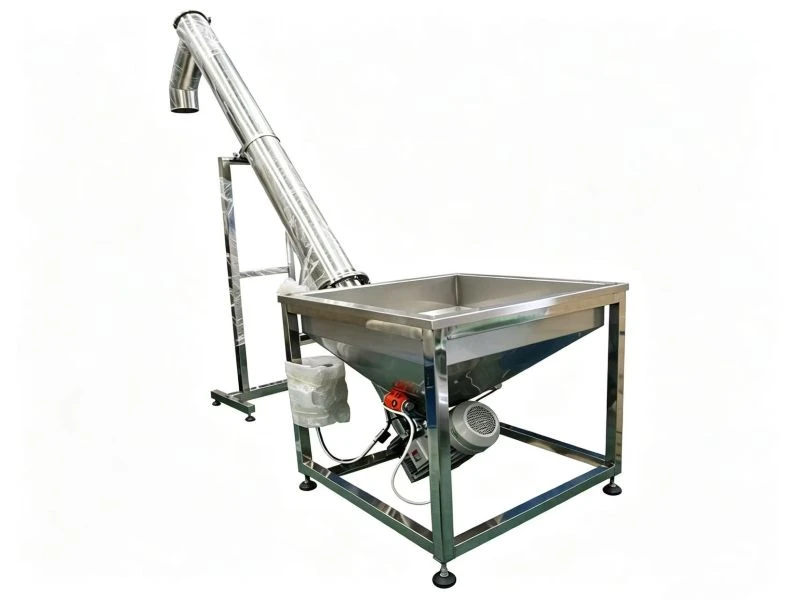
Screw conveyor: A motor drives a rotating screw that pushes material through a tube or U-shaped trough. Main components include the screw, housing, motor, gearbox, inlet, and outlet. With a suitable design and a steady material supply, it can feed a vibrating sieve continuously.
Plant Layout and Conveying Route
Vacuum conveyor: Pipes and hoses can route around existing equipment and reach elevated sifter inlets. This helps when floor space is limited or the pickup point is away from the sifter. Pipe length, bends, and lifting height affect conveying capacity. The receiver also needs space above the sifter for installation and maintenance.
Screw conveyor: Most installations follow a fixed horizontal or inclined route. Vertical conveying requires a suitable design. A screw conveyor can suit feeding from a nearby hopper, provided there is enough room for supports, the drive, and cleaning access.
Dust Control at Feeding and Discharge Points
Vacuum conveyor: Enclosed transfer under negative pressure helps limit dust escape along the conveying line. However, bag emptying, receiver discharge, and the connection to the sifter still need suitable seals or dust extraction.
Screw conveyor: An enclosed housing helps contain powder during transfer. Dust can escape through open inlets, outlets, shaft seals, or poorly fitted connections. Sealed transfer points and local extraction, where needed, help control these emissions.
Neither system guarantees dust-free operation on its own. Dust control depends on the complete feeding arrangement.
Material Protection and Particle Breakage
Vacuum conveyor: Material moves without continuous contact with a rotating screw, but it can still strike pipe walls and bends. Particle damage depends on conveying speed, pipe layout, and operating conditions.
Screw conveyor: The screw can expose material to friction, compression, and shear. Screw speed, geometry, and fill level affect the risk of damage to fragile particles.
Breakage during transfer can create extra fines and change the load on the screen.
Suitable Materials and Sifter Feeding Applications
Vacuum conveyor: Common applications include flour, food ingredients, pharmaceutical powders, and plastic granules. Selection depends on flowability, bulk density, particle size, and filtration needs.
Screw conveyor: Common materials include grain, feed, cement, and chemical powders. Sticky, abrasive, or fragile materials need closer checks for buildup, wear, and damage. Where controlled output is required, use a properly designed screw feeder rather than assuming any screw conveyor will regulate flow.
When Is a Vacuum Conveyor Better for Feeding a Vibro Sifter?
A vacuum conveyor suits applications that need enclosed powder transfer, less manual handling, or access to elevated sifter inlets. Food, pharmaceutical, and chemical plants can benefit from this arrangement when the equipment matches the material and screening requirements.
Food Ingredients: Milk Powder and Flour
Milk powder and flour need careful handling to limit contamination. A vacuum conveyor transfers these ingredients from bags or drums through enclosed piping, reducing open pouring and manual contact. Paired with a suitable 304 stainless steel przesiewacz wibracyjny, the system can remove lumps and oversized foreign material before further processing.
In a dairy plant case provided for this article, complaints about product impurities fell by 60% after the plant adopted this conveying and screening combination. This was a project-specific result, rather than a guaranteed outcome for every food powder line.
Pharmaceutical Powders: APIs and Excipients
Vacuum conveying can provide enclosed transfer of active pharmaceutical ingredients and excipients to a sifter. Product-contact surfaces, seals, cleaning procedures, and equipment qualification must meet the process’s GMP requirements.
For fine powders that tend to block the mesh, an ultrasonic vibrating screen can help keep the openings clear. In the Jiangsu pharmaceutical plant case provided for this article, vacuum conveying combined with ultrasonic screening achieved a reported particle uniformity of 99.2%, compared with the 90% benchmark reported for traditional manual screening. These figures refer to that case and its assessment method.
Chemical and New Materials: Powders Requiring Inert Gas Protection
Carbon powders and some metal powders need careful dust control. Where a material is sensitive to oxygen, a purpose-designed vacuum conveying system can operate under a compatible inert gas.
Combined with a suitably rated vibrating screen, the system can transfer and screen powder in a nitrogen atmosphere where nitrogen is compatible with the material. This can help control oxidation and ignition risks. It does not remove the need to assess the complete system for the specific powder and operating conditions.
Dla sulfur and coal powder transfer, check the proposed vacuum system against the powder properties, conveying route, filter requirements, and installation conditions before choosing a configuration.
Sticky Materials and Batch Discharge Need Extra Checks
Sticky or damp powders may build up in pipes, coat filters, or remain inside the receiving hopper. A suitable vibrator may help discharge material from the hopper, but it cannot solve every flow problem. Material trials should confirm reliable conveying and emptying.
If each batch arrives faster than the sifter can process it, a buffer hopper and controlled feeder may be needed to prevent screen overloading. See our vacuum conveyor and vibro sifter system guide for connection options.
When Is a Screw Conveyor Better for Feeding a Vibro Sifter?
A przenośnika ślimakowego is a practical choice when a nearby hopper needs to supply powder or granules along a fixed route. Its simple structure, enclosed housing, low noise, and accessible maintenance suit continuous powder feeding to a vibrating sieve. Wear resistance depends on the screw and housing materials.
Screw speed, inlet supply, and powder bulk density all affect output; speed adjustment alone does not guarantee accurate dosing.
Suitable Materials and Operating Limits
Common materials include coal, ash, slag, cement, and grain. Screw conveyors are widely used in chemical processing, metallurgy, coal handling, cement, power generation, and building materials.
Conventional shafted designs are generally unsuitable for highly sticky, easily caking, or spoilage-prone materials, and products that must remain unbroken. Special designs may handle some of these materials.
The general specifications supplied for this comparison are:
- Ambient temperature: −20 to 50°C
- Material temperature: below 200°C
- Inclination: 20° or less
- Conveying length: generally below 40 m, with a stated maximum of 70 m
These limits apply to the referenced designs, not every screw conveyor. The specialist configurations below have different ratings.
Food Powders: Enclosed Feeding and Cleaning Access
A 304 stainless steel screw conveyor can work with a vibro sifter to form an enclosed feeding and screening line. Accurate screw dimensions and pitch help maintain consistent operation, while polished contact surfaces and accessible parts support cleaning and sanitation.
Before selecting the equipment, check access to the screw, seals, and discharge connection, where material may remain after production.
Praktyczny przykład można znaleźć w naszym flour screw conveyor and vibratory sifter case study, which describes a 1,000 kg/h installation.
Cement: Heavy-Duty Conveying
Cement screw conveyors handle dry cement; suitably designed versions may also handle wet cement. Wet-material transfer requires a separate assessment and should not be treated as a standard dry-sifter feeding application.
The supplied cement configuration includes a heavy-duty gearbox, a shot-blasted and powder-coated finish for corrosion protection, and measures to limit rainwater entry. Its stated specifications include:
- 7 standard tube diameters
- Capacity up to 458 m³/h
- Single-unit conveying length up to 60 m
- Horizontal or inclined installation
These are conveying specifications, not the rated capacity of a connected vibro sifter.
Fertilizer: Material Compatibility and Drive Options
Screw conveyors can transfer fertilizer between processing and bagging stages. They may also assist blending, although mixing quality must be checked separately. For corrosive fertilizers, stali nierdzewnej 304 lub 316 may be considered after checking compatibility with the material.
The supplied fertilizer specifications are:
- Ambient temperature: −20 to 40°C
- Material temperature: −20 to 80°C
- Preferred inclination: 15° or less
- Screw diameters: 100–1,250 mm, across 12 sizes
- Single-drive length: up to 40 m, or 30 m for extra-large models
- Dual-drive length: up to 80 m, or 60 m for extra-large models, using a centrally divided shaft arrangement
For steeper routes, the supplied guidance identifies the GX series as an option to assess. Confirm its suitability for the required angle and material.
Household Waste: A Separate Shaftless Application
Household waste often requires a shaftless screw conveyor. Removing the centre shaft reduces wrapping and helps move stringy, sticky, or entangling material.
The supplied example reports 1.5 times the conveying capacity of a shafted screw with the same diameter. This comparison depends on the material and operating conditions. An enclosed housing and accessible screw surfaces help contain waste and simplify cleaning.
This specialist application shows why screw design matters, but it is separate from conventional powder feeding to a vibro sifter.
Which Feeding Method Fits Your Powder and Production Conditions?
Both vacuum and screw conveying may work, but each needs checks under actual production conditions.
Flour and Starch
Consider vacuum conveying for elevated inlets or several pickup points. A screw feeder may suit steady feeding from a nearby hopper.
Fine or Cohesive Powders
Check flowability first. Filter buildup can affect vacuum conveying, while bridging at the hopper can interrupt screw feeding. Fine particle size alone does not determine the best choice.
Fragile Granules and Blends
Test both options for particle breakage and segregation. Compare particle size and blend uniformity before and after transfer.
Frequent Product Changes
For food ingredients, seasonings, or pigments, compare cleaning access, retained powder, and changeover time. Choose a design that allows thorough cleaning between batches.
How to Choose the Right Feeding System for Your Vibro Sifter
To compare a vacuum conveyor vs screw conveyor for vibro sifter feeding, check performance with your actual powder and mesh opening rather than relying on maximum equipment ratings.
Match Feed Rate to Screening Capacity
Confirm throughput using your powder and mesh opening. Check peak discharge as well as average flow to avoid overloading the screen.
For cocoa powder lines, assess feeding consistency together with mesh buildup and discharge restrictions. See our guide to maintaining stable cocoa powder sieving throughput for the checks to make during a production run.
If operators empty bags into the feeding hopper, its discharge needs to suit the sifter’s processing rate. Read about buffer storage and controlled feeding for bag dumping to assess whether your setup needs temporary storage, metered discharge or both.
Compare Installation and Running Costs
Check conveying distance, lifting height, power or compressed air supply, and maintenance access. If the route exceeds the system’s practical capacity, consider another conveying method. Include energy, replacement parts, and cleaning time in the cost comparison.
Share Your Process Details
Provide the material name, bulk density, moisture content, target throughput, mesh opening, conveying distance, lifting height, available space, and cleaning requirements.
Wnioski
Need help choosing a vacuum conveyor or screw conveyor for your vibro sifter? Send us your material details, required capacity, mesh size, and plant layout. Our team will recommend a suitable feeding system and provide a quotation.
Czy potrzebuję ultradźwiękowego przesiewacza wibracyjnego do drobnego proszku?
1. Vacuum Conveyor vs Screw Conveyor for Vibro Sifter Feeding: Which Should You Choose?
Vacuum conveying suits enclosed transfer to elevated inlets or around existing equipment. A screw feeder often suits steady feeding from a nearby hopper. Choose based on the powder, layout, and feed rate the sifter can handle.
2. Which Feeding Method Is Better for Fine Powders?
Check flowability, bulk density, and moisture content. A material trial helps confirm reliable transfer and stable feeding.
3. Is a Screw Conveyor Suitable for Food Powder Feeding?
Yes, when designed for the product and cleaning requirements. Check contact materials, surface finish, seals, and access for removing retained powder. Stainless steel construction alone does not ensure hygienic operation.
4. Which Conveyor Is Better for Fragile Granules or Powder Blends?
Both need testing. Compare particle breakage and blend uniformity before and after transfer using the proposed operating conditions.
5. Which System Costs Less to Operate at the Same Throughput?
Compare both systems using the same powder, distance, lift, and operating hours. Include electricity or compressed air, replacement parts, cleaning labor, and downtime. The lower purchase price may not give the lower total operating cost.
6. What Should a Material Trial Check Before Choosing a Conveyor?
Check actual throughput, feed-rate variation, buildup, and powder left after discharge. Run the intended mesh in the vibro sifter and inspect both product and oversize outlets. For fragile materials or blends, also check particle size and product consistency.