Как выбрать высокочастотное сито для обезвоживания шлама | Горнодобывающая и пищевая промышленность
В отраслях, где работают с пульпами, жидкими смесями и разделением мелких частиц, часто возникают такие проблемы, как забивание сита, низкая эффективность обезвоживания и необходимость частой замены сит. Неправильный выбор высокочастотного вибрационного грохота может привести к производственным потерям от 20% до 40% и увеличению затрат на обслуживание. В этой статье рассматриваются ключевые факторы выбора, включая свойства материала, требования к производительности, характеристики сита и долговечность оборудования, чтобы помочь вам выбрать экономичный высокочастотный вибрационный грохот для разделения мелких частиц и обезвоживания пульпы.
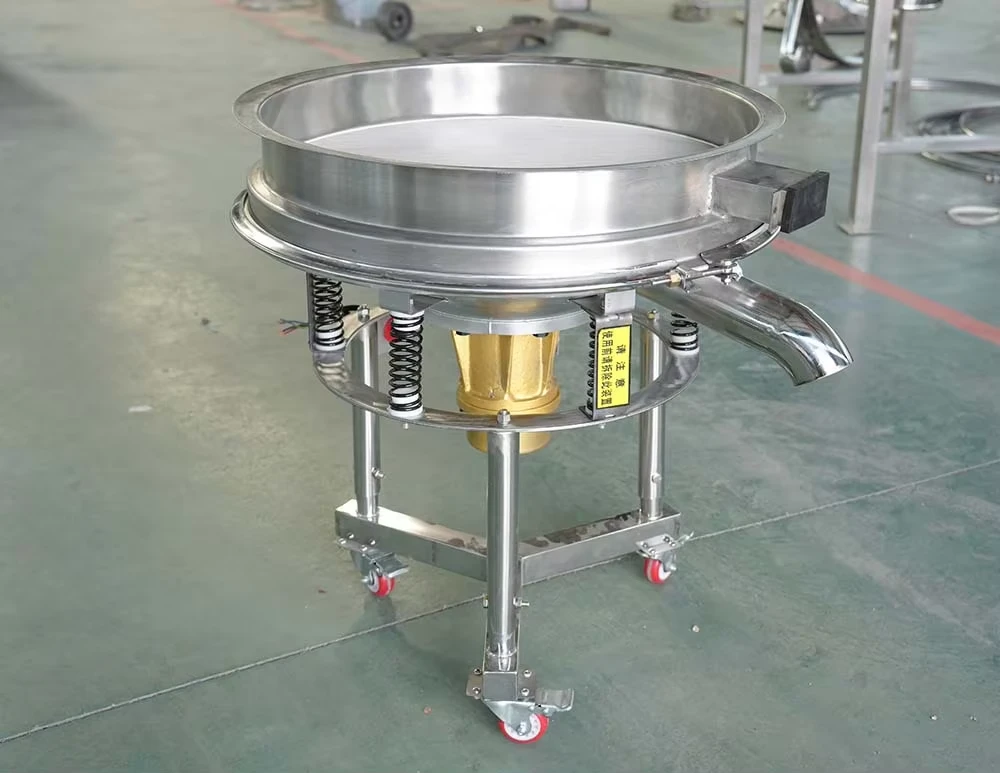
Что такое высокочастотный грохот
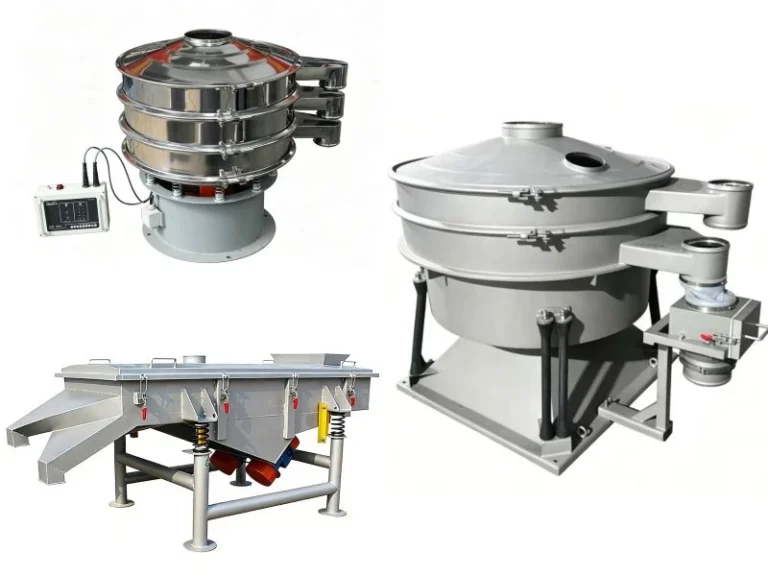
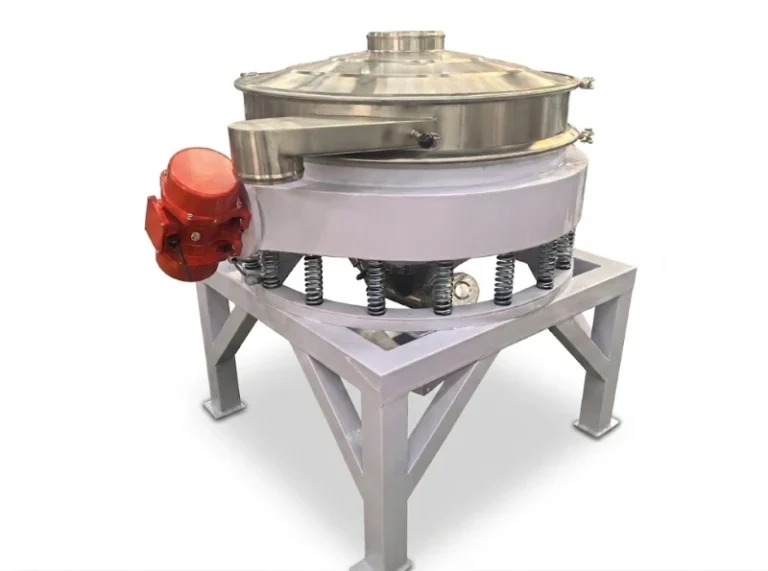
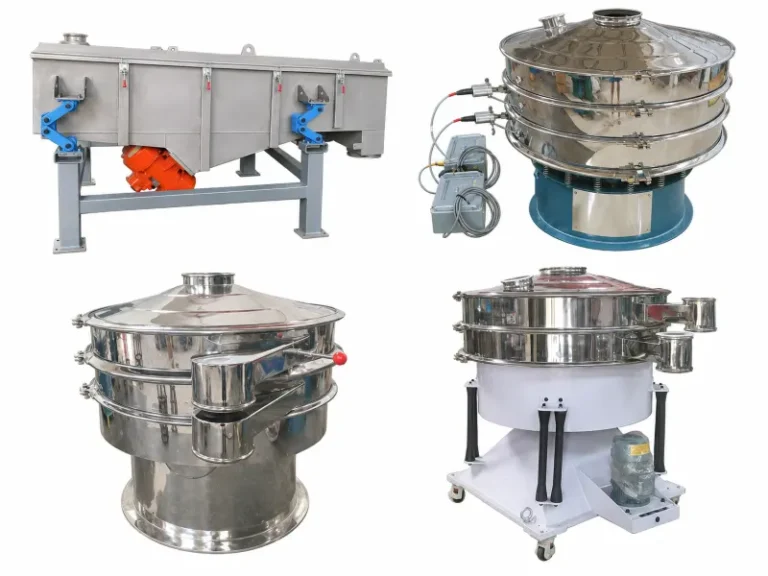
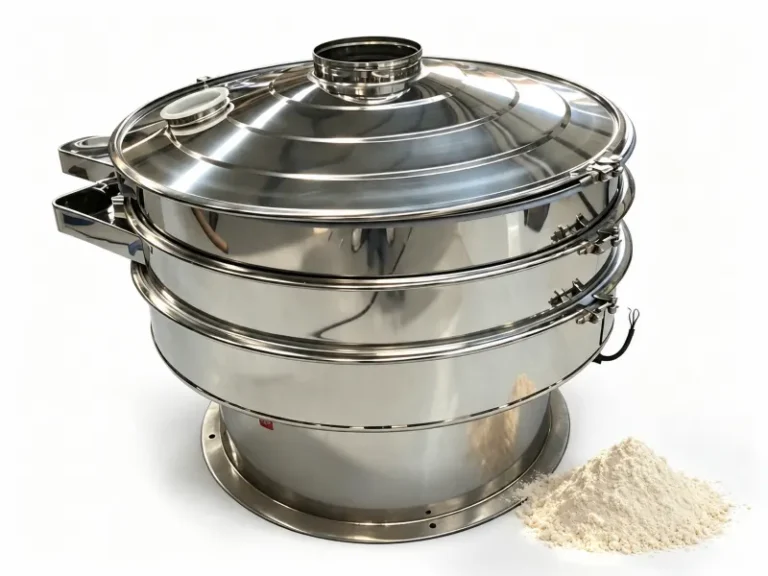
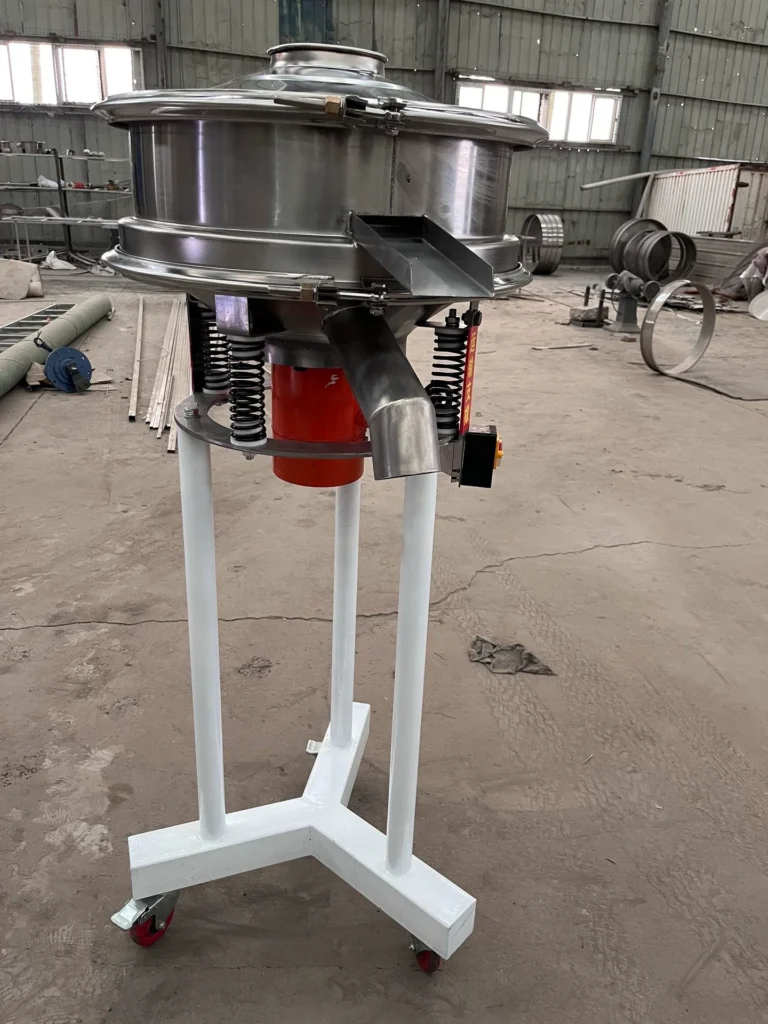
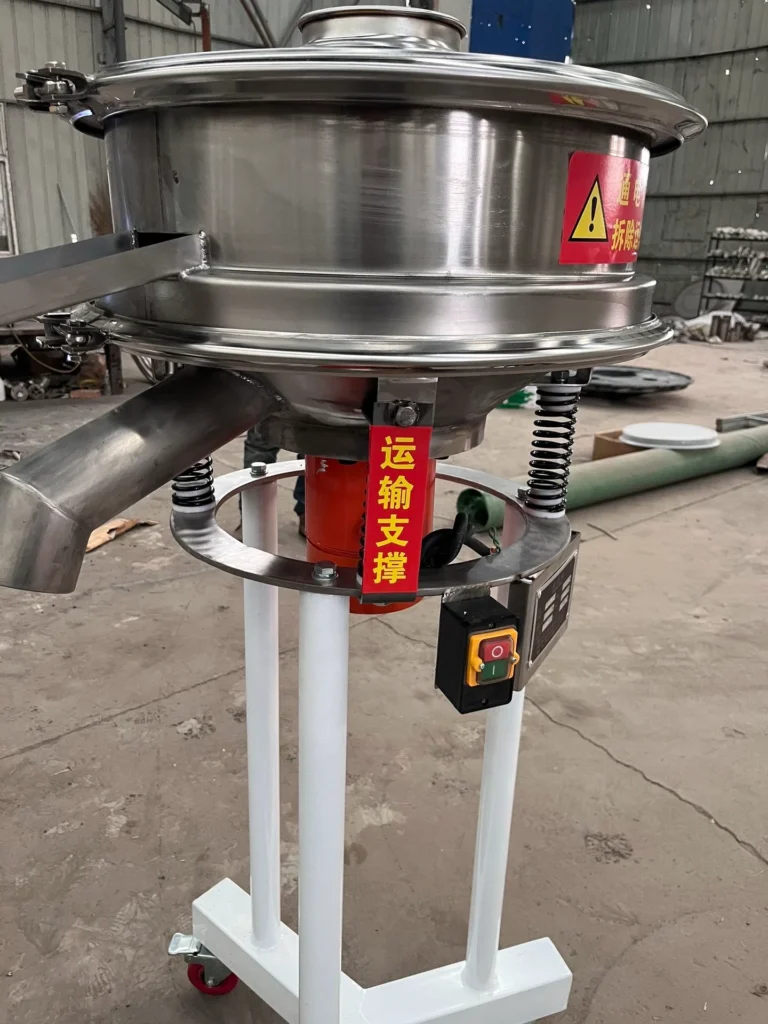
A высокочастотный грохот — это устройство для просеивания, которое обеспечивает разделение твёрдой и жидкой фаз и классификацию мелких частиц за счёт высокочастотной вибрации с малой амплитудой. Оно в основном используется для обработки пульп, материалов с высоким содержанием влаги и мелкозернистых материалов и широко применяется в пищевой, горнодобывающей, химической и фармацевтической промышленности. Его главное преимущество заключается в повышении эффективности просеивания, уменьшении забивания сита и увеличении степени извлечения мелких частиц.
Принцип работы
Высокочастотная вибрация приводит к образованию тонкого слоя материала на поверхности сита, повышая эффективность просеивания.
Высокочастотная вибрация разрушает структуру водяной плёнки, улучшая отделение мелких частиц от жидкости.
Непрерывная вибрация уменьшает забивание сита и повышает стабильность непрерывной работы.
Быстрое расслоение материала обеспечивает эффективное разделение крупных и мелких частиц.
Правильная конфигурация сита позволяет контролировать конечную точность просеивания и эффективность обработки.
Высокочастотное сито по сравнению с Круглый вибрационный грохот
| Позиция | Высокочастотное сито | Круглый вибрационный грохот |
|---|---|---|
| Характеристика вибрации | Высокая частота, малая амплитуда | Средняя частота, бо́льшая амплитуда |
| Основное преимущество | Высокая эффективность, защита от забивания, простота очистки | Высокая производительность, стабильная непрерывная работа |
| Подходящие материалы | Пульпы с высокой удельной плотностью, мелкодисперсные порошки, жидкие материалы | Суспензии средней вязкости и тонкодисперсные суспензии |
| Типичные продукты | Соевое молоко, молочные продукты, лекарственные жидкости, шоколадная суспензия, минеральная пульпа | Соки, жидкости из китайских лекарственных трав, покрытия, керамический шликер |
| Диапазон размеров сетки | 20–625 меш (830–25 мкм) | До 500 меш |
| Производительность обработки | Средняя | Высокая, подходит для крупномасштабного производства |
| Точность просеивания | Высокоточное разделение мелких частиц | Высокая точность и стабильная сортировка |
| Очистка и обслуживание | Простая очистка, низкая степень засорения | Может оснащаться ультразвуковой системой предотвращения засорения |
| Основные области применения | Тонкая фильтрация и обезвоживание суспензий | Непрерывная промышленная сортировка и удаление примесей |
| Особенность конструкции | Компактность, энергосберегающая работа | Полностью герметичная конструкция, защита от протечек, непрерывная выгрузка |
Области применения высокочастотных грохотов
Высокочастотные грохоты широко применяются для просеивания и фильтрации порошков, гранул и вязких веществ в пищевой, химической, фармацевтической, горнодобывающей и природоохранной отраслях. Они особенно подходят для фильтрации жидкостей высокой концентрации.
Пищевая промышленность
Вибросито пищевого класса Используется для разделения твёрдых и жидких фракций и удаления примесей из соевого молока, молочных продуктов и шоколадных сиропов.
Пример применения в пищевой промышленности см. в нашем кейсе по просеиванию чесночной пасты. Заказчик из Аргентины указал размер сетки 30 меш и требуемую производительность 140 кг/ч, для чего мы рекомендовали GPS-800-1S.
Фармацевтическая промышленность
Используется для фильтрации фармацевтических растворов и разделения твёрдых и жидких фракций в биоферментационных бульонах.
Горнодобывающая промышленность
Mining Vibrating Screen used for slurry dewatering, fine particle recovery, and tailings treatment.
Химическая промышленность
Used for impurity separation and liquid purification in chemical slurries. Environmental Protection: Used for solid suspended solids separation and volume reduction in industrial wastewater treatment
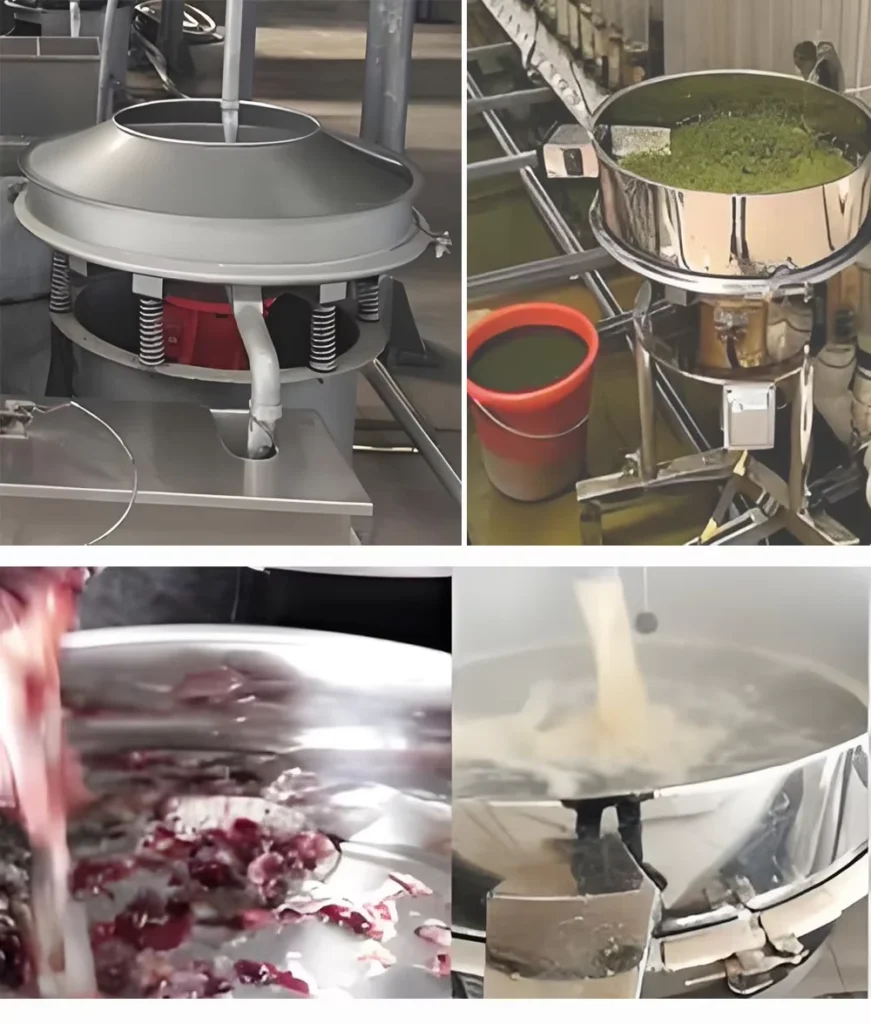
Why Global Buyers Choose высокочастотных грохотов
High frequency screens are widely used in промышленные просеивающие and solid-liquid separation processes, primarily designed to handle slurries, fine particles, and materials with high moisture content. For purchasers, their value lies primarily in their stability, processing efficiency, and adaptability to complex materials; therefore, they are often employed in applications with specific requirements for production continuity and separation performance.
Преимущества
- They offer high screening efficiency and demonstrate greater stability when processing fine particles and materials with high moisture content.
- Their operating mode is suitable for continuous production, helping to reduce downtime.
- They exhibit strong adaptability to slurries and can handle materials with certain levels of viscosity and solids content.
- Screening precision is relatively controllable, making it easier to meet various process requirements.
- The structural design is relatively mature, resulting in lower maintenance complexity and easier replacement of spare parts.
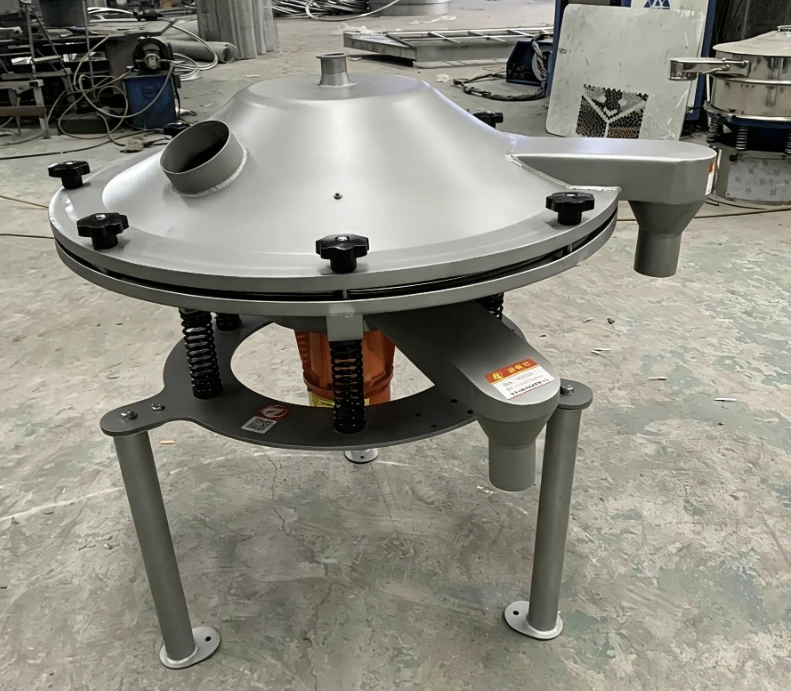
Factors to Consider Before Buying
High frequency screens, used for solid-liquid separation and fine particle screening, directly impact production efficiency, operational stability, and subsequent maintenance costs during the selection phase. A comprehensive evaluation considering the actual industry application is necessary before procurement.
1. Material properties are paramount, including particle size distribution, moisture content, and viscosity, directly determining the screening effect.
2. Processing capacity must match the production line’s output to avoid insufficient capacity or equipment idleness.
3. Screen configuration affects final accuracy and clogging frequency; it should be selected appropriately based on the target particle size.
4. Material selection relates to wear resistance and corrosion resistance; requirements differ significantly between food and mining environments
5. Energy consumption and operational stability affect long-term costs; attention should be paid to motor configuration and vibration system design.
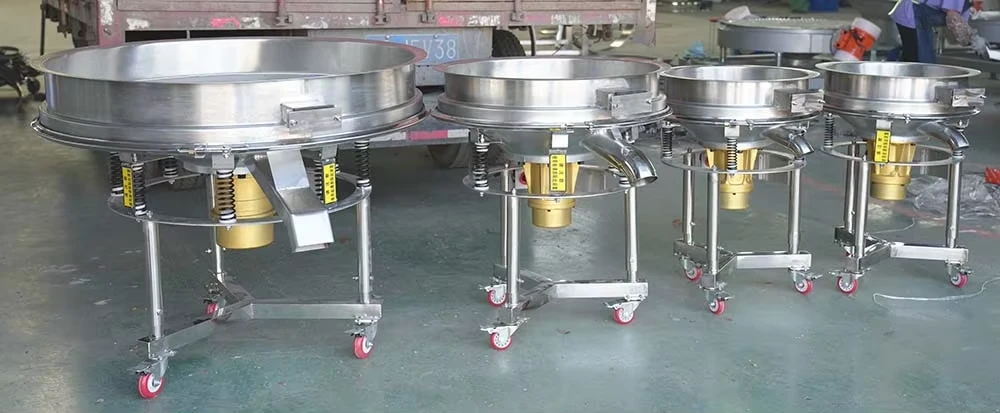
Common Mistakes Buyers Should Avoid
When purchasing high frequency screens, a lack of experience can easily lead to increased operating costs or production line instability down the line.
1. Ignoring material characteristics:
For example, in an overseas slurry dewatering project, the screen mesh was designed according to food industry standards, resulting in insufficient processing capacity when handling tailings with high solid content.
2. Mismatch Between Customization Capabilities and Production Lines:
During the retrofit of a soy milk production line for a client in Singapore, the feeding method was not redesigned to accommodate the on-site space constraints. As a result, additional piping modifications were required after equipment installation to enable operation.
3. Manufacturing Quality Affects Long-Term Equipment Stability:
In a continuous quartz sand screening project for a client in Vietnam, insufficient welding precision led to structural fatigue cracks in the screen box within three months.
4. Neglecting after-sales support and spare parts supply:
For example, at an overseas food processing plant, a damaged screen mesh caused the production line to be shut down for over a week due to excessively long spare parts lead times.
To address variations in material conditions, Yuanjing Machinery conducts industrial screening equipment selection evaluations based on industry application experience during the early project stages. For non-standard customization, we ensure the equipment integrates seamlessly with the production system; During the manufacturing phase, we enhance overall operational stability by strictly controlling the precision of critical welding and assembly processes; we also provide material trial runs and screening tests, using actual data to replace empirical judgment and improve the accuracy of equipment selection; in the after-sales phase, we have established a rapid response mechanism for spare parts, shortening the replacement cycle for critical wear parts and reducing downtime.
How to Choose the Right Supplier
The choice of a high frequency screen supplier directly impacts equipment operational stability, delivery time, and subsequent maintenance costs. The following points can be considered:
1. Industry application experience determines whether the supplier truly understands the differences in operating conditions for different materials (such as mineral slurries and food slurries).
2. Customization capabilities affect the degree to which the equipment matches production line conditions and process requirements.
3. Processing and manufacturing quality relate to equipment stability and lifespan.
4. Whether trial runs or material testing services are provided helps reduce selection risks. After-sales service and spare parts supply capabilities affect the long-term continuity of equipment operation and maintenance costs.
5. After-sales service and spare parts supply capabilities affect the long-term continuity of equipment operation and maintenance costs.
Заключение
Selecting the right high frequency screen involves a comprehensive assessment of material characteristics, process requirements, and equipment compatibility, rather than a simple comparison of individual parameters. For buyers, it is important to choose a supplier with industry experience, customization capabilities, and a track record of reliable delivery. If you need assistance in selecting the appropriate high-frequency screen, please provide us with detailed information so we can conduct a tailored evaluation and offer recommendations.