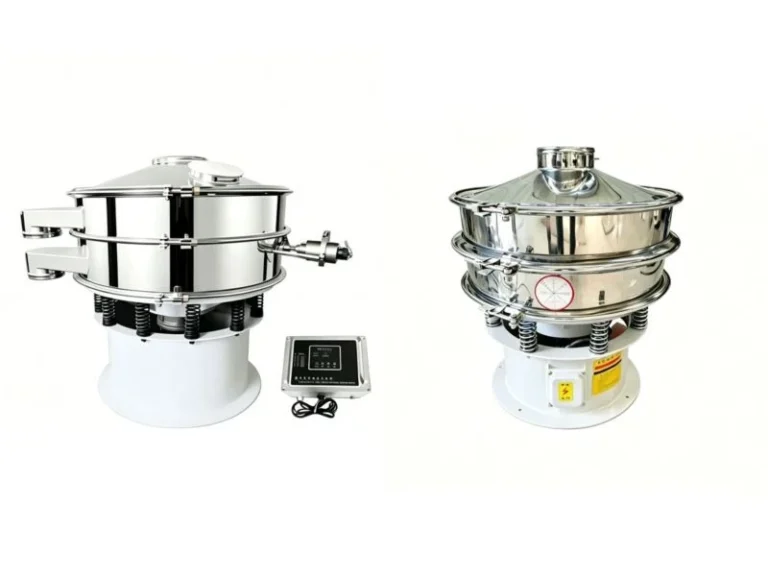
Intasamento delle maglie del setaccio per polveri fini: cause e come prevenirlo
Introduzione
Fine powder screen blinding occurs when particles become trapped in the mesh openings or adhere to the screen surface. Common causes include near-size particles, static electricity, agglomeration, moisture, and excessive material loading.
As more openings become blocked, the effective screening area decreases, resulting in lower throughput and unstable separation. Preventing screen blinding therefore starts with identifying why the powder is blocking the mesh rather than simply increasing vibration.
This article explains the main causes of fine powder mesh blockage, practical ways to prevent it, and when ultrasonic screening can help maintain consistent screening performance.
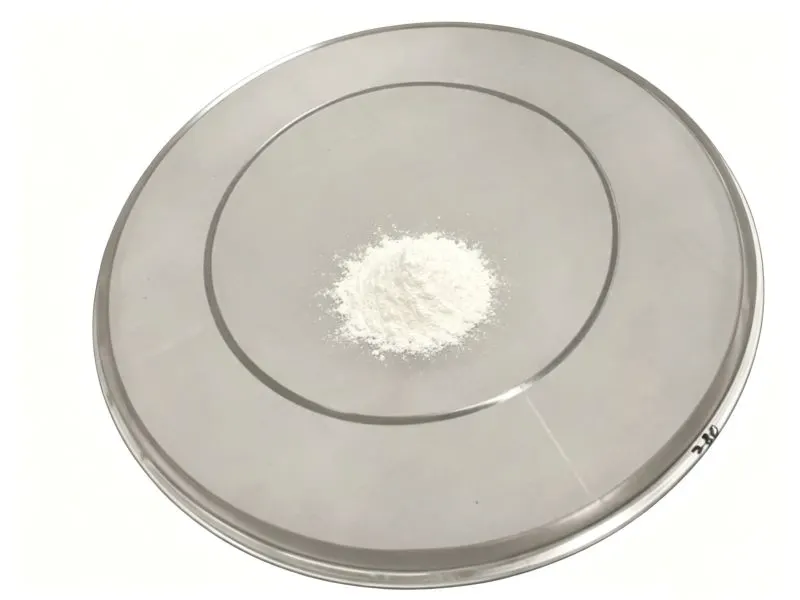
What Is Screen Mesh Blinding?
Screen mesh blinding occurs when particles become trapped in or adhere to the mesh openings, partially or completely blocking material from passing through the screen. It is especially common in fine powder screening, where small particles can wedge into openings, stick to the mesh, or accumulate around the apertures.
As more openings become blocked, the effective screening area decreases. This restricts powder passage, reduces screening capacity, and can make separation less consistent.
Screen blinding is different from simple material build-up. Blinding blocks the mesh openings themselves, while build-up refers to material accumulating on the screen surface. Identifying the type of blockage is important before choosing the appropriate cleaning or anti-blinding method.For a broader discussion of blockage problems in industrial screening, see our guide to industrial screen clogging.
Why Does Fine Powder Blind the Screen Mesh?
Fine powder screen blinding is usually related to material properties, mesh selection, and screening conditions. When particles cannot pass through the mesh smoothly, they may become trapped in the openings or accumulate on the screen surface, gradually reducing the effective screening area.
The most common causes include the following:
1. Material Properties and Incorrect Mesh Selection
Particle size, bulk density, and flowability should be considered when selecting the screen mesh. If the mesh opening is too close to the particle size, near-size particles can become wedged in the apertures and gradually block the screen.
Using an unsuitable mesh for the material can therefore reduce powder passage and increase the risk of screen mesh blinding.
2. High Moisture or Sticky Material
Moisture increases adhesion between particles and between the powder and screen surface. Damp or sticky fine powders can form small agglomerates that remain on the mesh instead of passing through the openings.
As material continues to accumulate, the available screening area decreases and frequent cleaning may be required.
For applications involving milk powder prone to screen blinding, check powder condition, mesh aperture and feeding consistency together. Our milk powder screening guide explains how these factors affect equipment selection, cleaning requirements and actual throughput.
3. Static Electricity and Particle Agglomeration
Dry fine powders may generate static electricity during feeding and screening. Charged particles can adhere to the mesh or attract each other, forming agglomerates that are more difficult to pass through the screen.
This is a common cause of fine powder mesh blockage, especially when the material itself has poor dispersibility.
4. Lightweight Fine Powder
Low-density, lightweight powders may not pass through the mesh easily because they have limited downward force and can remain suspended or move across the screen surface.
If the vibration, feed rate, or material distribution is not suitable, the powder may accumulate on the mesh and reduce screening efficiency.
5. Thick Screen Wire and Low Open Area
Screen mesh construction also affects powder passage. A thicker wire diameter generally reduces the available open area of the mesh and can make it more difficult for fine particles to pass through.
The mesh should therefore be selected by considering not only the mesh count, but also the wire diameter, opening size, and effective open area.
6. Insufficient Mesh Cleaning
For materials that tend to block the screen, vibration alone may not always keep the mesh openings clear. A suitable mesh cleaning system, such as rubber bouncing balls, can continuously strike the underside of the screen and help dislodge particles trapped in the openings.
If the machine has no effective cleaning device, blocked particles can gradually accumulate and lead to persistent screen blinding.
In short,Fine powder screen blinding is not caused by a single factor. The first step is to identify the cause of the blockage. An unsuitable mesh may require a different mesh specification, while damp or sticky material may require better material control. For conventional screening, a rubber bouncing-ball cleaning system can help keep the mesh open. When very fine powder continues to blind the mesh because of adhesion, static electricity, or agglomeration, additional anti-blinding methods such as ultrasonic screening may be considered.
How Screen Blinding Affects Screening Performance
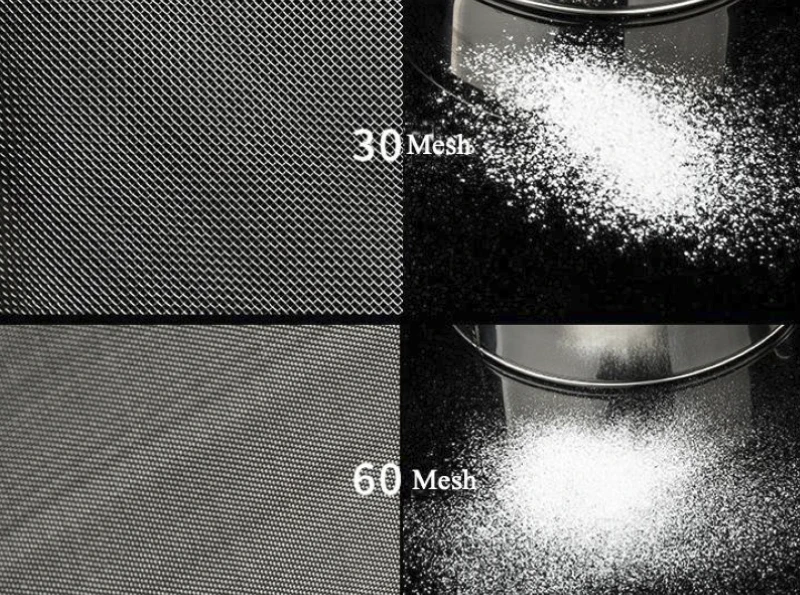
When screen openings become blocked, the effective screening area decreases and less material can pass through the mesh. As screen mesh blinding becomes more severe, it can affect screening capacity, separation accuracy, equipment operation, and production continuity.
Lower Screening Capacity
Blocked mesh openings directly reduce the available screening area. Fine particles that should pass through the screen remain above the mesh, resulting in lower throughput and slower material processing.
For example, a screening system designed to handle 10 t/h under normal conditions might process only 3–5 t/h if a large proportion of the screen openings become severely blocked. The actual capacity loss depends on the material, mesh size, feed rate, and severity of the blockage.
Unstable Screening Accuracy
Screen blinding can also affect particle separation. Fine particles that should pass through the mesh may remain in the oversize fraction, while uneven material flow across partially blocked areas can make screening results less consistent.
This is particularly important when screening metal powders, pharmaceutical powders, or other materials with tight particle-size requirements, where inconsistent separation can affect downstream processing or product quality.
Higher Equipment Load
Material that cannot pass through the blocked mesh may accumulate on the screen surface, increasing the load on the screening system. Prolonged operation under these conditions can increase motor load and place additional stress on components such as bearings, springs, screen frames, and screen mesh.
Severe or uneven material build-up may also contribute to unstable vibration and faster wear of screening components.
More Cleaning and Production Downtime
Persistent fine powder screen blinding usually requires more frequent mesh cleaning. Operators may need to stop production to remove accumulated material with brushes, compressed air, or other suitable cleaning methods.
If the existing mesh-cleaning system cannot keep the openings clear, the same problem may occur repeatedly. This increases maintenance time, reduces production continuity, and can shorten screen mesh service life. For other common screening problems and maintenance checks, see our vibratory sifter troubleshooting guide.
For continuous production, preventing screen blinding is therefore important not only for screening efficiency, but also for maintaining stable output and reducing unnecessary downtime.
How to Prevent Screen Mesh Blinding
Preventing screen mesh blinding starts with identifying the cause. Moisture, static electricity, agglomeration, incorrect mesh selection, and poor material flow require different solutions.
Control Material Condition
For damp or sticky powders, drying or dehumidification can reduce particle adhesion before screening. Proper equipment grounding can help control static electricity, while agglomerated powders may require pre-dispersion before entering the screen.
A coarse pre-screen can also remove large particles or fibrous impurities and reduce the load on the fine screen.
Select the Right Screen Mesh
Mesh selection should consider particle size, opening size, wire diameter, and open area, not mesh count alone. Thick screen wire reduces the effective open area, while near-size particles can become trapped in the openings and cause repeated mesh blinding.
Use the Right Mesh Cleaning System
Different materials require different cleaning methods:
| Cleaning Method | Suitable For | Main Function |
| Rubber bouncing balls | Conventional powder and granule screening | Strike the underside of the mesh to remove trapped particles |
| Ultrasonic screening | Fine powders with static, adhesion, or agglomeration | Reduces particle adhesion and keeps fine mesh openings clear |
| Brush cleaning | Sticky materials or surface build-up | Continuously cleans material from the screen surface |
For conventional screening, rubber bouncing balls can solve many common blockage problems. When very fine powder continues to blind the mesh because of static electricity, adhesion, or agglomeration, ultrasonic screening may be more suitable.
Maintain Stable Feeding
Excessive feeding creates a thick material layer and reduces the chance for fine particles to pass through the mesh. Keeping the feed rate stable and distributing material evenly helps maintain screening capacity and reduce fine powder screen blinding.

When Does Ultrasonic Screening Help With Mesh Blinding?
Ultrasonic screening can help when fine powder repeatedly blocks the screen mesh and conventional cleaning methods cannot keep the openings clear. High-frequency vibration applied to the mesh helps reduce particle adhesion and prevents fine particles from remaining trapped around the openings.
It is particularly useful when:
- Fine powder repeatedly blinds the mesh during continuous screening.
- Static electricity causes particles to adhere to the screen surface.
- Fine particles form small agglomerates that are difficult to pass through the mesh.
- The screen requires frequent manual cleaning to maintain normal operation.
- Mesh blockage causes unstable screening capacity or frequent production interruptions.
Ultrasonic screening is not necessary for every fine powder application. If the material is free-flowing and the mesh remains clear with conventional vibration and a suitable cleaning system, an ultrasonic system may provide little additional benefit.
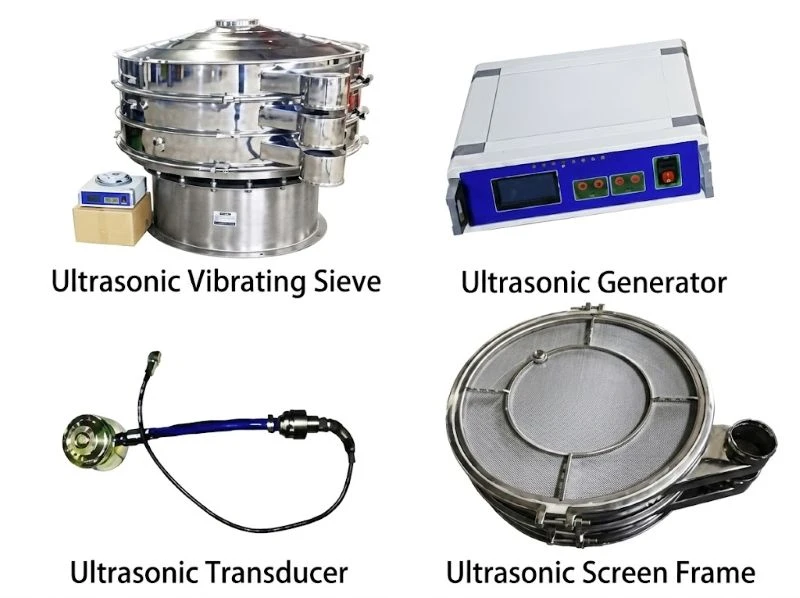
For applications where fine powder screen blinding remains a persistent problem, the material properties, particle size, mesh size, capacity, and type of blockage should be evaluated before selecting an ultrasonic solution.
For more information on when this technology is needed, see Quando hai bisogno di un vaglio vibrante a ultrasuoni per polveri fini?
For high-mesh applications, see 200–500 Mesh Powder Screening with an Ultrasonic Vibrating Screen.
Conclusione
Fine powder screen blinding can result from moisture, static electricity, agglomeration, unsuitable mesh selection, or unstable feeding. The right solution depends on the actual cause. Proper material preparation, mesh selection, feed control, and an appropriate cleaning system can help keep the screen openings clear and maintain stable screening performance.
For fine powders that require additional anti-blinding assistance, learn more about our ultrasonic vibrating sieve.If you are experiencing repeated mesh blinding, contact Yuanjing Machinery with your material, particle size, mesh size, required capacity, and current screening problem. We can help you evaluate the cause and recommend a suitable screening solution.