微粉体スクリーンの目詰まり:原因と防止方法
はじめに
微粉の目詰まりは、粒子がメッシュの開口部に挟まったり、スクリーン表面に付着したりすることで発生します。一般的な原因には、近似粒径の粒子、静電気、凝集、水分、過剰な材料投入が含まれます。.
より多くの開口部が塞がれるにつれて、有効スクリーニング面積が減少し、処理能力の低下と分離の不安定化を引き起こします。したがって、スクリーン目詰まりの防止は、単に振動を増やすのではなく、まずなぜ粉体がメッシュを塞いでいるのかを特定することから始まります。.
本記事では、微粉のメッシュ閉塞の主な原因、それを防ぐ実用的な方法、および超音波スクリーニングが一貫したスクリーニング性能を維持するのに役立つ場合について説明します。.
スクリーンメッシュの目詰まりとは?
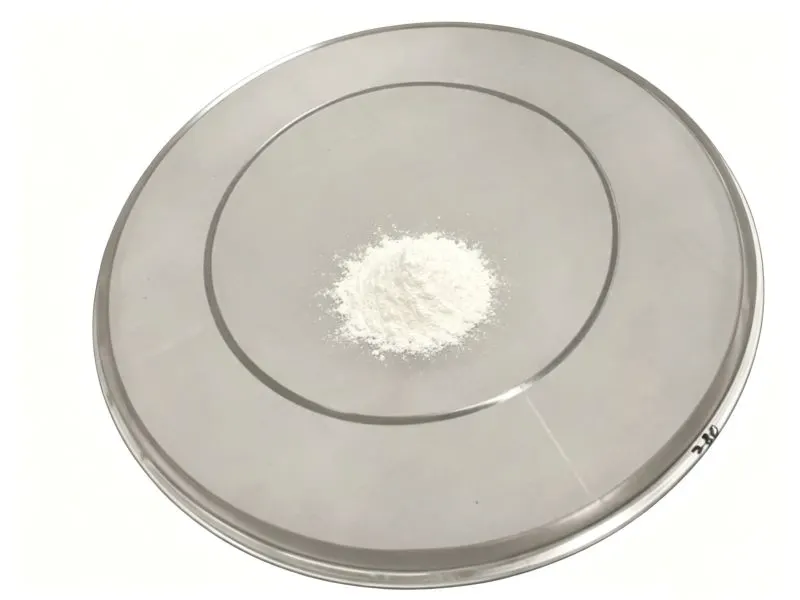
スクリーンメッシュの目詰まりは、粒子がメッシュの開口部に挟まったり付着したりして、材料がスクリーンを通過するのを部分的または完全に妨げる場合に発生します。これは特に微粉のスクリーニングで一般的であり、小さな粒子が開口部に食い込んだり、メッシュに付着したり、開口部周辺に蓄積したりすることがあります。.
より多くの開口部が塞がれるにつれて、有効スクリーニング面積が減少します。これにより粉体の通過が制限され、スクリーニング能力が低下し、分離がより不安定になる可能性があります。.
スクリーン目詰まりは、単純な材料の堆積とは異なります。目詰まりはメッシュの開口部自体を塞ぐのに対し、堆積はスクリーン表面に材料が蓄積することを指します。適切な洗浄または目詰まり防止方法を選択する前に、閉塞の種類を特定することが重要です。産業用スクリーニングにおける閉塞問題のより広範な議論については、以下をご覧ください 産業用スクリーンの詰まり.
なぜ微粉はスクリーンメッシュを目詰まりさせるのか?
微粉のスクリーン目詰まりは、通常、材料特性、メッシュの選択、およびスクリーニング条件に関連しています。粒子がメッシュをスムーズに通過できない場合、開口部に挟まったり、スクリーン表面に蓄積したりして、有効スクリーニング面積が徐々に減少する可能性があります。.
最も一般的な原因は以下の通りです:
材料特性と不適切なメッシュの選択
スクリーンメッシュを選択する際には、粒径、かさ密度、流動性を考慮する必要があります。メッシュの開口部が粒径に近すぎる場合、近似粒径の粒子が開口部に食い込み、徐々にスクリーンを塞ぐ可能性があります。.
したがって、材料に不適切なメッシュを使用すると、粉体の通過が減少し、スクリーンメッシュの目詰まりのリスクが高まる可能性があります。.
高水分または粘着性のある材料
水分は粒子間および粉体とスクリーン表面間の付着力を増加させます。湿ったまたは粘着性のある微粉は、開口部を通過せずにメッシュ上に残る小さな凝集体を形成する可能性があります。.
材料が蓄積し続けると、利用可能なスクリーニング面積が減少し、頻繁な洗浄が必要になる場合があります。.
以下を含む用途の場合 スクリーン目詰まりを起こしやすい粉ミルク, 粉体の状態、メッシュ開口部、供給の一貫性を併せて確認してください。当社の粉ミルクスクリーニングガイドでは、これらの要因が機器の選択、洗浄要件、実際の処理能力にどのように影響するかを説明しています。.
静電気と粒子の凝集
乾燥した微粉は、供給およびスクリーニング中に静電気を発生させる可能性があります。帯電した粒子はメッシュに付着したり、互いに引き合ったりして、スクリーンを通過するのがより困難な凝集体を形成する可能性があります。.
これは微粉のメッシュ閉塞の一般的な原因であり、特に材料自体の分散性が低い場合に発生します。.
軽量な微粉
低密度で軽量な粉体は、下向きの力が限られているためメッシュを容易に通過できない場合があり、スクリーン表面上に浮遊したり移動したりする可能性があります。.
振動、供給速度、または材料の分布が適切でない場合、粉体がメッシュ上に蓄積し、スクリーニング効率を低下させる可能性があります。.
太いスクリーン線と低い開口率
スクリーンメッシュの構造も粉体の通過に影響します。線径が太いほど、一般にメッシュの利用可能な開口面積が減少し、微粒子が通過するのがより困難になる可能性があります。.
したがって、メッシュはメッシュカウントだけでなく、線径、開口サイズ、および有効開口面積も考慮して選択する必要があります。.
不十分なメッシュ洗浄
スクリーンを詰まらせやすい材料の場合、振動だけではメッシュの開口部を常にきれいに保つことができない場合があります。ゴム製のバウンドボールなどの適切なメッシュ洗浄システムは、スクリーンの下面を継続的に叩き、開口部に挟まった粒子を除去するのに役立ちます。.
機械に効果的な洗浄装置がない場合、閉塞した粒子が徐々に蓄積し、持続的なスクリーン目詰まりを引き起こす可能性があります。.
要するに、微粉のスクリーン目詰まりは単一の要因によって引き起こされるものではありません。最初のステップは、閉塞の原因を特定することです。不適切なメッシュは異なるメッシュ仕様を必要とする場合があり、湿ったまたは粘着性のある材料はより良い材料管理を必要とする場合があります。従来のスクリーニングでは、ゴム製バウンドボール洗浄システムがメッシュを開いた状態に保つのに役立ちます。付着、静電気、または凝集のために非常に微細な粉体がメッシュを目詰まりさせ続ける場合、超音波スクリーニングなどの追加の目詰まり防止方法を検討することができます。.
スクリーン目詰まりがスクリーニング性能に与える影響
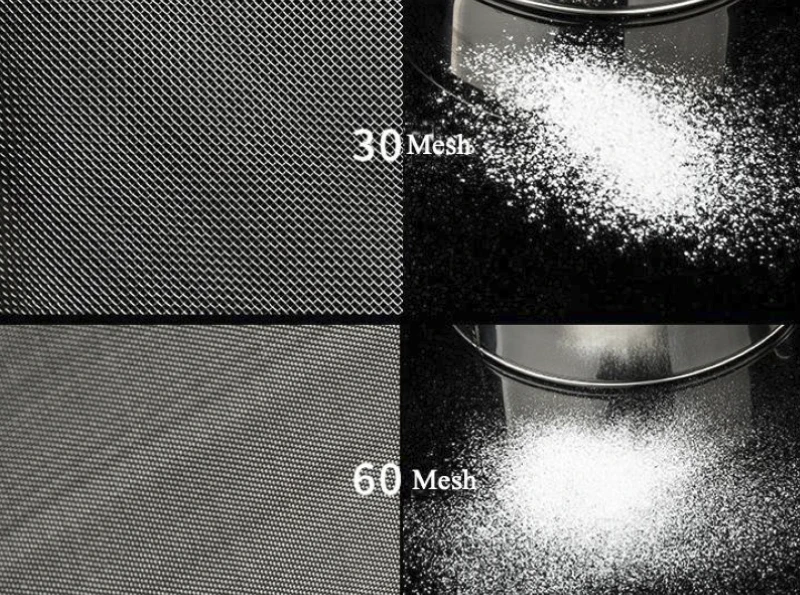
スクリーンの開口部が塞がると、有効スクリーニング面積が減少し、メッシュを通過できる材料が少なくなります。スクリーンメッシュの目詰まりがより深刻になると、スクリーニング能力、分離精度、機器の動作、および生産の継続性に影響を与える可能性があります。.
スクリーニング能力の低下
閉塞したメッシュ開口部は、利用可能なスクリーニング面積を直接減少させます。スクリーンを通過すべき微粒子がメッシュ上に残り、処理能力の低下と材料処理の遅延を引き起こします。.
例えば、通常条件下で10 t/hを処理するように設計されたスクリーニングシステムは、スクリーン開口部の大部分が深刻に閉塞した場合、3~5 t/hしか処理できない可能性があります。実際の能力損失は、材料、メッシュサイズ、供給速度、および閉塞の深刻度によって異なります。.
不安定なスクリーニング精度
スクリーンブラインディングは粒子の分離にも影響を与える可能性があります。メッシュを通過すべき微細粒子がオーバーサイズ画分に残留することがあり、部分的に閉塞した領域での不均一な材料流れにより、スクリーニング結果の一貫性が低下する可能性があります。.
これは、金属粉末、医薬品粉末、または厳密な粒径要件を持つその他の材料をスクリーニングする場合に特に重要であり、一貫性のない分離は下流の処理や製品品質に影響を与える可能性があります。.
機器負荷の増大
閉塞したメッシュを通過できない材料はスクリーン表面に蓄積し、スクリーニングシステムの負荷を増大させる可能性があります。このような条件下での長時間の運転は、モーター負荷を増大させ、ベアリング、スプリング、スクリーンフレーム、スクリーンメッシュなどの部品に追加の応力をかける可能性があります。.
深刻または不均一な材料の堆積は、不安定な振動やスクリーニング部品の早期摩耗の原因にもなる可能性があります。.
洗浄と生産停止の増加
持続的な微粉末のスクリーンブラインディングは、通常、より頻繁なメッシュ洗浄を必要とします。オペレーターは、ブラシ、圧縮空気、またはその他の適切な洗浄方法で蓄積した材料を除去するために生産を停止する必要がある場合があります。.
既存のメッシュ洗浄システムが開口部を清潔に保てない場合、同じ問題が繰り返し発生する可能性があります。これによりメンテナンス時間が増加し、生産の連続性が低下し、スクリーンメッシュの使用寿命が短くなる可能性があります。その他の一般的なスクリーニング問題とメンテナンスチェックについては、 振動ふるいトラブルシューティングガイドをご覧ください。.
For continuous production, preventing screen blinding is therefore important not only for screening efficiency, but also for maintaining stable output and reducing unnecessary downtime.
How to Prevent Screen Mesh Blinding
Preventing screen mesh blinding starts with identifying the cause. Moisture, static electricity, agglomeration, incorrect mesh selection, and poor material flow require different solutions.
Control Material Condition
For damp or sticky powders, drying or dehumidification can reduce particle adhesion before screening. Proper equipment grounding can help control static electricity, while agglomerated powders may require pre-dispersion before entering the screen.
A coarse pre-screen can also remove large particles or fibrous impurities and reduce the load on the fine screen.
Select the Right Screen Mesh
Mesh selection should consider particle size, opening size, wire diameter, and open area, not mesh count alone. Thick screen wire reduces the effective open area, while near-size particles can become trapped in the openings and cause repeated mesh blinding.
Use the Right Mesh Cleaning System
Different materials require different cleaning methods:
| Cleaning Method | Suitable For | Main Function |
| Rubber bouncing balls | Conventional powder and granule screening | Strike the underside of the mesh to remove trapped particles |
| Ultrasonic screening | Fine powders with static, adhesion, or agglomeration | Reduces particle adhesion and keeps fine mesh openings clear |
| Brush cleaning | Sticky materials or surface build-up | Continuously cleans material from the screen surface |
For conventional screening, rubber bouncing balls can solve many common blockage problems. When very fine powder continues to blind the mesh because of static electricity, adhesion, or agglomeration, ultrasonic screening may be more suitable.
Maintain Stable Feeding
Excessive feeding creates a thick material layer and reduces the chance for fine particles to pass through the mesh. Keeping the feed rate stable and distributing material evenly helps maintain screening capacity and reduce fine powder screen blinding.

When Does Ultrasonic Screening Help With Mesh Blinding?
Ultrasonic screening can help when fine powder repeatedly blocks the screen mesh and conventional cleaning methods cannot keep the openings clear. High-frequency vibration applied to the mesh helps reduce particle adhesion and prevents fine particles from remaining trapped around the openings.
It is particularly useful when:
- Fine powder repeatedly blinds the mesh during continuous screening.
- Static electricity causes particles to adhere to the screen surface.
- Fine particles form small agglomerates that are difficult to pass through the mesh.
- The screen requires frequent manual cleaning to maintain normal operation.
- Mesh blockage causes unstable screening capacity or frequent production interruptions.
Ultrasonic screening is not necessary for every fine powder application. If the material is free-flowing and the mesh remains clear with conventional vibration and a suitable cleaning system, an ultrasonic system may provide little additional benefit.
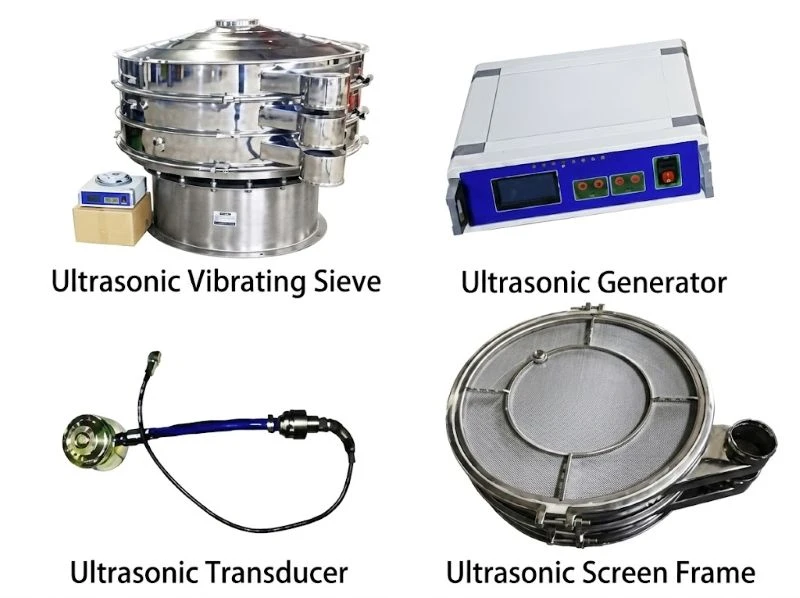
For applications where fine powder screen blinding remains a persistent problem, the material properties, particle size, mesh size, capacity, and type of blockage should be evaluated before selecting an ultrasonic solution.
For more information on when this technology is needed, see 微粉末に超音波振動ふるいが必要になるのはどのような場合ですか?
For high-mesh applications, see 200–500 Mesh Powder Screening with an Ultrasonic Vibrating Screen.
結論
Fine powder screen blinding can result from moisture, static electricity, agglomeration, unsuitable mesh selection, or unstable feeding. The right solution depends on the actual cause. Proper material preparation, mesh selection, feed control, and an appropriate cleaning system can help keep the screen openings clear and maintain stable screening performance.
For fine powders that require additional anti-blinding assistance, learn more about our は、微細粉体を従来の振動ふるいでスクリーニングするのが困難な場合に、より良い選択です。.If you are experiencing repeated mesh blinding, contact Yuanjing Machinery with your material, particle size, mesh size, required capacity, and current screening problem. We can help you evaluate the cause and recommend a suitable screening solution.