Which Sieve Is Used for Fine Powder? A Complete Guide to Choosing the Right Industrial Vibratory Sifter
選定する際は 産業用振動ふるい 微粉のふるい分けでは、粒子径、材料特性、水分含有量、処理能力、必要な分級精度など、いくつかの重要な要素を考慮する必要があります。微粉では、網目の目詰まり、静電気による凝集、網を通過しにくいこと、分級のばらつきなどがよく問題になります。用途に適した産業用システムを選ぶことで、網の目詰まりを効果的に抑え、製品の均一性を高め、生産効率全体を向上させることができます。.
この選定ガイドでは、回転式振動ふるい機、超音波振動ふるい機、タンブラーふるい機など、さまざまな産業用振動ふるい機を紹介します。粉体の細かさ、凝集性、静電気の発生傾向、生産規模を評価することで、粉体処理用の振動ふるい機の中から適切なものを選び、繰り返し試運転を行うことなく、目詰まりのない安定した高精度な分級を実現できます。.
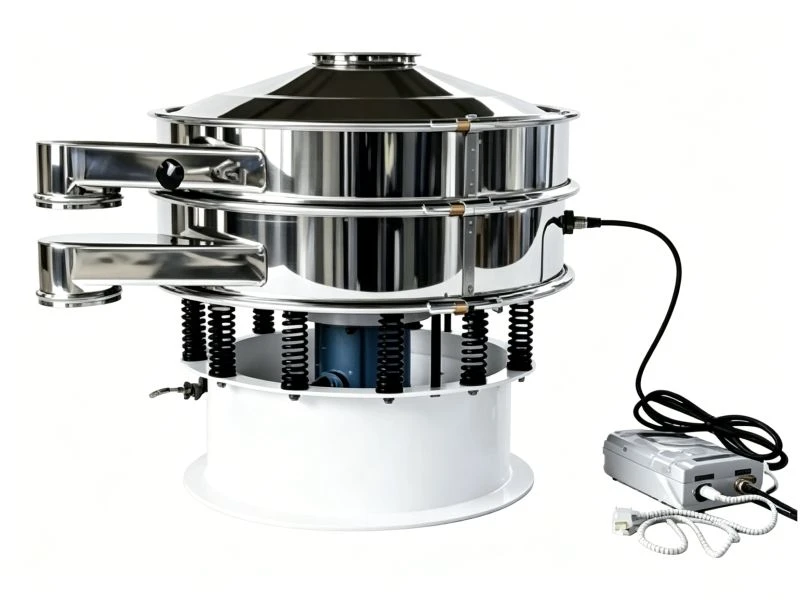
微粉のふるい分けが粗い材料より難しい理由
微粉のふるい分けは、複数の物理的要因や材料特性が相互に作用してふるい分け効率を低下させるため、粗い材料の分離よりも困難です。.
粒子径が小さく、静電気によって粉体が付着する
粒子径が50μm以下の粉体は表面エネルギーが非常に高く、磁石のように粒子同士が凝集します。手でこすると、粒子がくっつくのを感じられます。.
2. 網の目詰まりリスクが高い
粒子が網目に詰まったり、硬い凝集塊が直接入り込んだりして、網が目詰まりすることがあります。従来の振動ふるい機では、振幅を大きくして目詰まりを解消しますが、雪玉を作るときのように、かえって材料がさらに固まってしまいます。.
凝集しやすい
ふるい分け中、材料は網面上で振動します。重力と摩擦によって、最初は分散していた粒子が再び塊となり、「二次凝集」が生じます。微粉末がこの塊に閉じ込められ、網を通過できなくなります。.
水分がふるい分けに与える影響
水分含有量のわずかな変化でも、粉末の性質は大きく変わることがあります。少し湿った粉末は粘着性が高く、流動性が低くなる傾向があり、ふるいの通過が遅くなるとともに、目詰まりのリスクが高まります。.
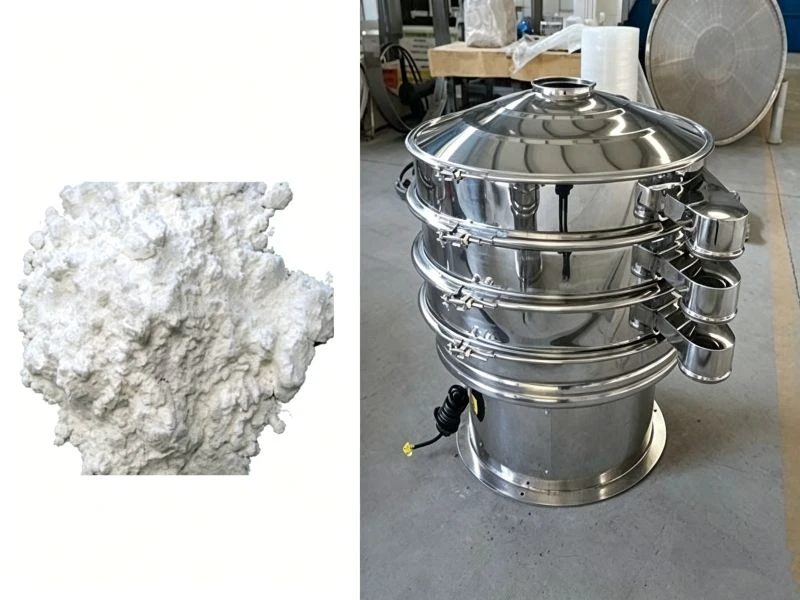
微粉末のふるい分けに最適なメッシュサイズは?
適切な細目のふるいを選ぶ際は、主に材料の粒子径と必要な分離精度を考慮します。工業用粉末のふるい分けでは、メッシュサイズによって、粒子が効率よく通過できるか、網面に残るかが直接決まります。.
以下の表は、粒子径、推奨メッシュ、および一般的な用途の実用的な参考情報です。
珪砂
10~140メッシュ。目の粗い網は不純物を除去する粗ふるいに、目の細かい網は細かい分級に使用され、範囲は比較的広くなります。.
デンプン
80~120メッシュ。食品用および工業用デンプンで一般的に使用される範囲で、細かさとふるい分け効率のバランスが取れています。.
リチウムイオン電池用正極材
200~400メッシュ。粒度分布に対する要求が高く、ふるい分けの精度が電池の性能に直接影響します。.
銅粉
500 mesh and above. Applications such as conductive slurries require high fineness; some applications already use 600 or 800 mesh.
| メッシュ | 目開き | メッシュ | 目開き | メッシュ | 目開き |
| 5 | 4 mm | 50 | 3 mm | 170 | 09 mm |
| 8 | 36 mm | 60 | 25 mm | 200 | 075 mm |
| 10 | 2 mm | 70 | 2 mm | 230 | 063 mm |
| 16 | 18 mm | 80 | 18 mm | 270 | 053 mm |
| 20 | 85 mm | 100 | 15 mm | 325 | 045 mm |
| 30 | 6 mm | 120 | 125 mm | 400 | 038 mm |
| 40 | 425 mm | 140 | 1 mm | 500 | 028 mm |
微粉末に使用される工業用振動ふるい機の種類
産業用振動ふるい
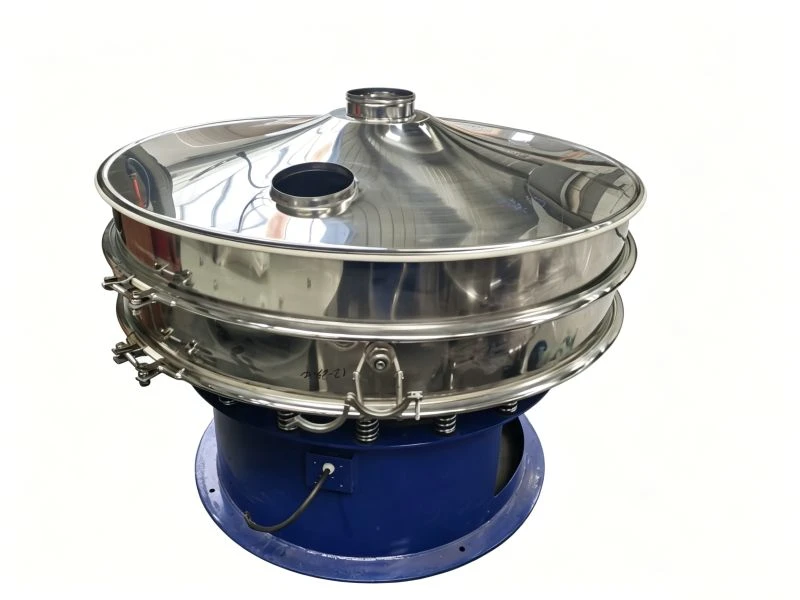
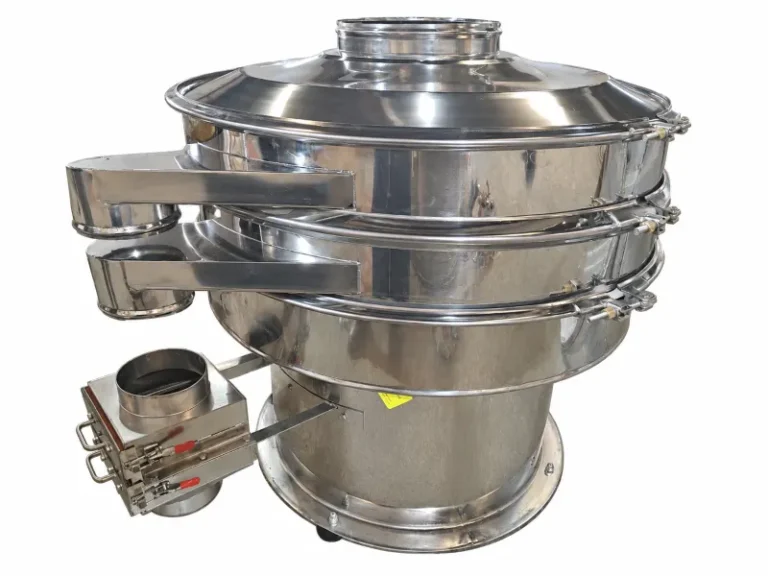
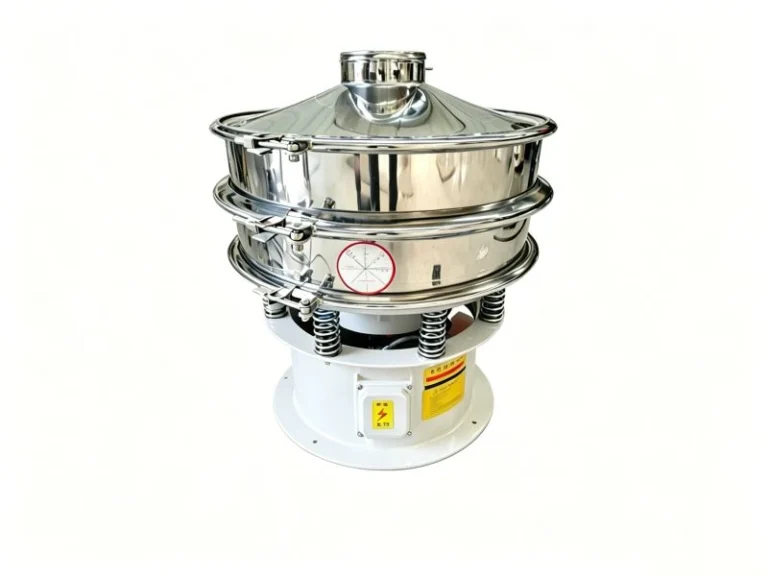
産業用振動ふるい機は、微粉末の処理において最も広く使用されている装置です。このタイプの産業用振動ふるい機は、流動性が比較的良好な中程度から細かい粒径の粉末に適しています。安定した処理量が求められる食品、化学、製薬業界で一般的に使用されています。.
大量生産に対応する安定した連続運転
Suitable for general fine powder applications
Works well with standard mesh size ranges
Simple structure with easy maintenance
However, when dealing with very fine or sticky powders, traditional vibratory systems may experience mesh blinding or reduced efficiency without additional anti-blocking features.
超音波振動ふるい機
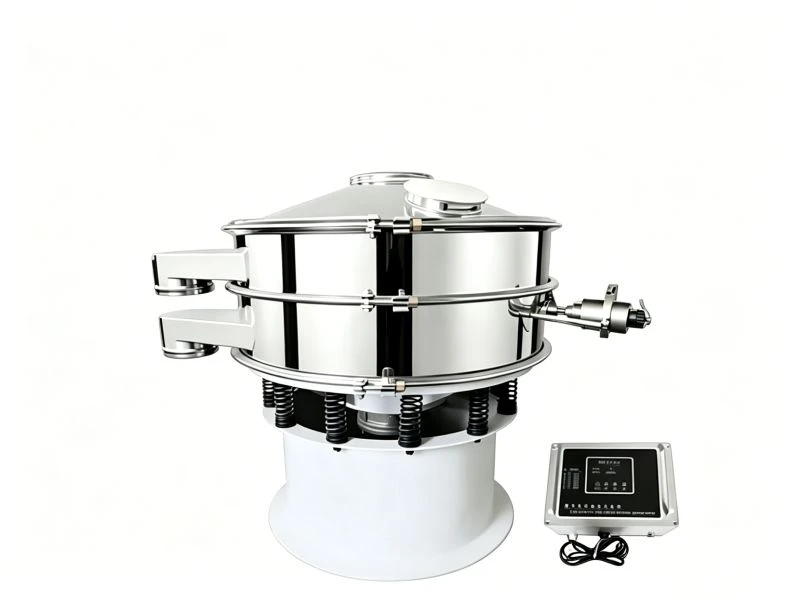
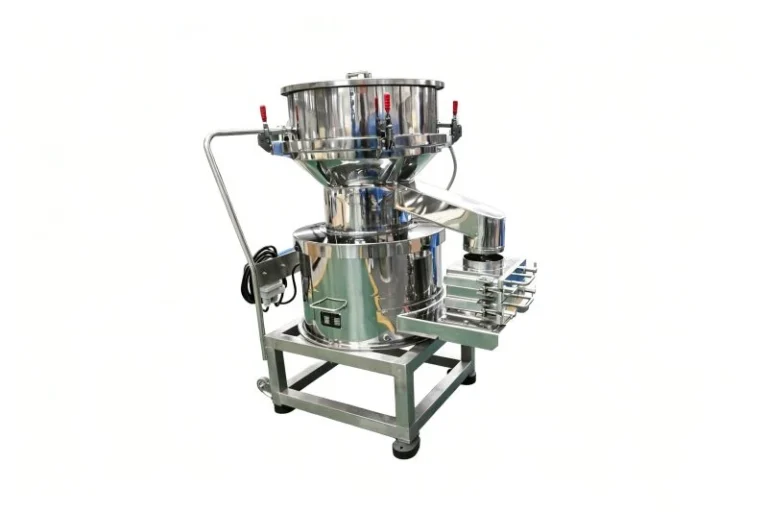
This 超音波振動ふるい superimposes 30kHz high-frequency ultrasound onto traditional three-dimensional vibration, causing the screen mesh to vibrate continuously with a small amplitude. This breaks the surface tension of the powder, fundamentally solving the problem of screen clogging. It exhibits extremely high screening efficiency, especially for ultrafine powders of 200 mesh and above.
Eliminates mesh clogging and blinding
Significantly improves screening accuracy for ultrafine powders
Ideal for sticky, electrostatic, or lightweight powders
Enhances throughput without increasing mesh size
It is commonly used in high-precision industries such as pharmaceuticals, battery materials, and fine chemicals where consistent particle distribution is critical.
Tumbler Screen Machine
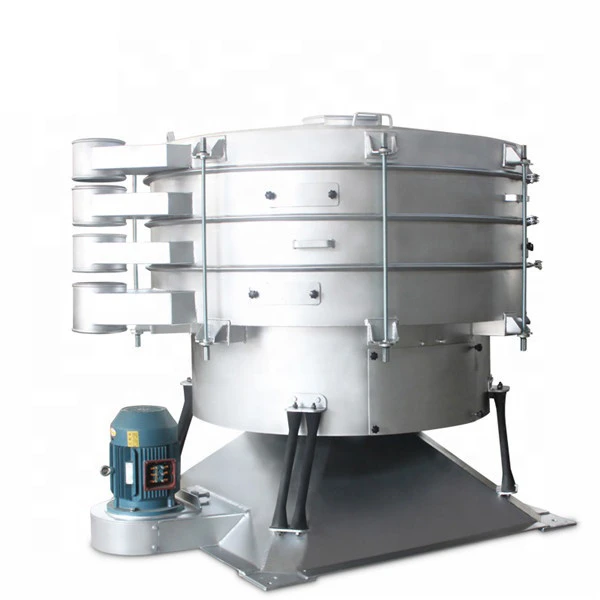
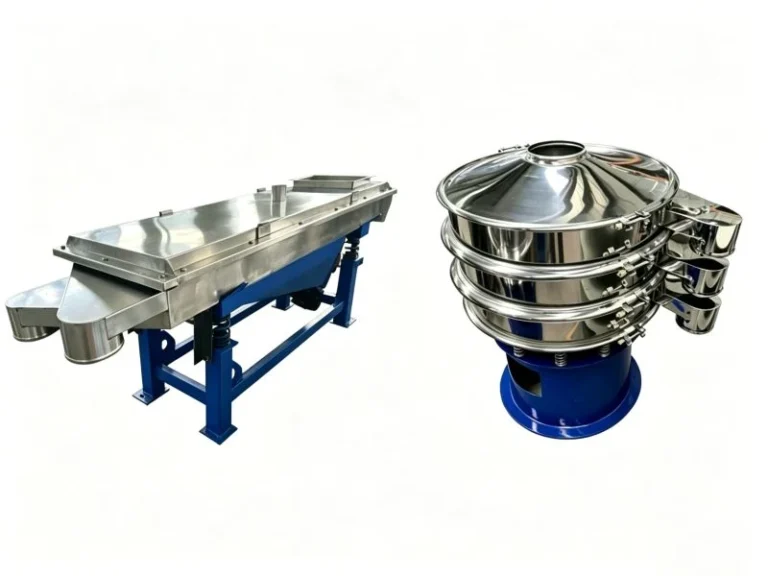
The tumbler sifter simulates manual sieving motion through a low-frequency, three-dimensional tumbling movement. This gentle screening action allows particles to spread evenly across the screen surface, increasing contact time and improving separation efficiency.
It is especially suitable for fragile or irregularly shaped particles that could be damaged by high vibration intensity.
Gentle screening action protects fragile particles
High precision separation for complex particle shapes
Excellent for large-capacity fine classification
Reduces particle degradation during screening
その タンブラースクリーン is often chosen for applications requiring high accuracy and low product breakage, such as specialty chemicals and high-value powders.For ultra-fine powders with higher mesh sizes, an ultrasonic system can also be installed to improve screening efficiency.
When to configure an ultrasonic screening system
1. Fineness
For particles ≤100μm, ordinary industrial vibratory sifters are insufficient for fine sieving; adding ultrasonic filters is recommended. For particles ≤50μm, adding ultrasonic filters is strongly recommended; without them, continuous production is extremely difficult. Ultrasonic systems can process particles down to 35μm.
2. Moisture
For ultrafine powders with a moisture content >3%, a water film easily forms on the sieve, causing particles to clump together. The self-cleaning effect of ultrasonic waves can break up this water film, with immediate results.
3. Viscosity
Some materials have extremely high static electricity (such as certain resin powders), or a very high apparent specific gravity, or a fibrous or flaky structure. Without ultrasonic filters, the sieve will clog quickly.
Related Videos of Industrial Vibratory Sifters
Maintenance Tips for Industrial Vibratory Sifters
Proper maintenance is essential to keep industrial vibratory sifters for powder processing running efficiently and to ensure stable powder screening performance over time. Regular checks help prevent downtime, reduce wear, and maintain consistent separation quality.
Daily inspection
Check vibration status, fastening parts, and screen condition before operation.
Mesh replacement
Replace damaged or worn mesh promptly to avoid product contamination or reduced accuracy.
Cleaning procedures
Clean the sieve after each batch, especially when handling sticky or fine materials, to prevent clogging.
Lubrication
Regularly lubricate moving components to ensure smooth operation and reduce mechanical wear.
Preventive maintenance
Schedule routine inspections of motors, seals, and structural parts to detect issues early and extend equipment lifespan.
結論
For applications involving fine or challenging materials, choosing the right setup of Related Videos of industrial vibratory sifters for powder processing is critical to achieving consistent results and long-term production reliability. A well-matched system ensures stable operation, reduces clogging risk, and improves overall screening efficiency.
If you need a tailored solution for your specific material, our professional guidance on equipment selection and mesh configuration can help you achieve better screening performance and lower operational costs.