방폭 진공 이송기 선택 방법: 완벽 구매 가이드
가연성 분말을 취급할 때는 일반적인 자재 이송보다 더 주의해야 합니다. 화학 공장, 리튬 배터리 공장, 제약 생산 시설에서는 분진 축적과 정전기가 심각한 안전 위험을 초래할 수 있습니다.
알루미늄 분말, 카본 블랙, 일부 리튬 배터리 소재, 화학 안료와 같은 물질은 취급 중 가연성 분진을 발생시킬 수 있습니다. 이 분진이 점화원과 만나면 폭발이 발생할 수 있습니다.
하나의 방폭 진공 이송기 음압 상태의 밀폐 배관을 통해 분말을 이송하여 이러한 위험을 줄이는 데 도움이 됩니다. 분진 방출과 수작업을 줄이고 위험 물질을 위한 안전 기능을 제공합니다.
하지만 “방폭”이라고 표시된 모든 기계가 작업장에 적합한 것은 아닙니다. 장비 설계, 구성품, 보호 수준은 크게 다를 수 있습니다.
구매하기 전에 다음 업체가 진공 이송기 제조업체 취급 물질과 작업 조건을 이해하고 있는지 확인하세요. 적합한 장비는 가격이 가장 높거나 안전 기능이 가장 많은 장비가 아니라 분말의 특성, 위험 구역 요건, 생산 능력에 맞는 장비여야 합니다.
방폭 진공 이송기란?
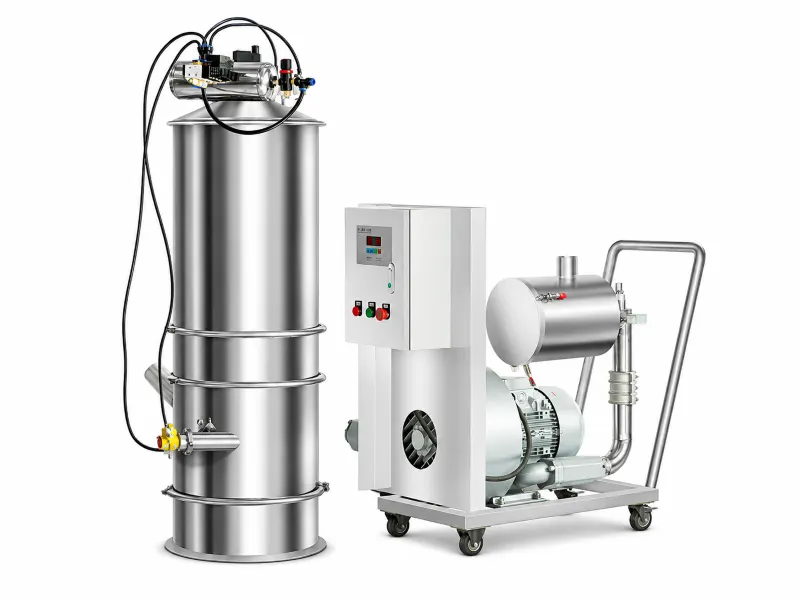
방폭 진공 이송기는 가연성 분진이나 폭발성 분위기가 존재할 수 있는 환경에서 사용하도록 설계된 밀폐형 분말 이송 시스템입니다.
진공 펌프 또는 압축 공기를 사용해 음압을 생성합니다. 분말은 밀폐 배관을 통해 수집 호퍼로 이동한 후 다음 공정으로 배출됩니다.
이를 통해 작업장으로 분진이 새어 나가는 것을 줄이고 수작업으로 분말을 이송하는 빈도를 낮출 수 있습니다. 기본 작동 원리에 관한 자세한 내용은 다음에서 확인할 수 있습니다. 진공 컨베이어 피더 시스템 page.
그러나, 밀폐 시스템이 자동으로 방폭 성능을 갖추는 것은 아닙니다.
분말이 배관을 통과할 때 마찰로 인해 정전기가 발생할 수 있습니다. 전하가 축적되어 방전되면 가연성 분진에 점화될 수 있습니다.
일반 진공 이송기에는 위험 구역에 적합한 모터, 호스, 필터 또는 전기 부품이 갖춰져 있지 않을 수 있습니다. 방폭 시스템에는 적절한 전기적 보호, 접지, 밀봉 및 기타 안전 조치가 필요합니다.
장비를 선택할 때는 모터뿐 아니라 전체 이송 시스템을 고려해야 합니다.
물질 특성과 방폭 요건 확인
방폭 진공 이송기를 선택하기 전에 두 가지 질문에 대한 답을 명확히 해야 합니다. 어떤 물질을 이송하며, 장비는 어디에서 작동하나요?
분말의 폭발 위험 이해하기
특별한 보호가 필요할 수 있는 일반적인 물질은 다음과 같습니다.
- 리튬 배터리 소재: 일부 배터리 원료와 가연성 금속 분말.
- 화학 분말: 카본 블랙, 일부 안료, 염료 및 유기 화학물질.
- 금속 분말: 알루미늄 분말 및 기타 가연성 금속 분말.
- 식품 및 의약품 분말: 일부 전분, 설탕 분말 및 유기 성분.
같은 물질이라도 입자 크기, 수분 함량, 조성에 따라 폭발 특성이 달라질 수 있습니다.
공급업체에 물질안전보건자료(SDS)와 확보된 분진 폭발 시험 데이터를 제공하세요. 중요한 수치에는 최소 폭발 농도, 최소 점화 에너지, 분진 폭발 강도가 포함됩니다.
다른 특성도 중요합니다. 점착성이 있거나 습기가 있는 분말에는 다른 필터와 배관 설계가 필요할 수 있으며, 마모성이 있는 물질에는 내마모성이 더 높은 부품이 필요합니다.
위험 구역에 맞는 장비 선택
작업장의 위험 구역 분류에 따라 필요한 방폭 조치가 결정됩니다.
장비의 방폭 표시, 인증 및 사용 목적에 따른 운전 조건을 확인하세요. 프로젝트에 ATEX 준수 장비가 필요한 경우 관련 부품과 시스템 설계가 해당 요구 사항을 충족해야 합니다.
이송 배관이나 수취 호퍼 내부에도 가연성 분진으로 인해 폭발성 분위기가 형성될 수 있음을 기억하세요.
항상 가장 높은 방폭 등급을 선택해야 하는 것은 아닙니다. 적절한 솔루션은 물질, 설치 구역 및 위험성 평가에 따라 달라집니다. 가격을 낮추기 위해 필수 안전 기능을 제거해서는 안 됩니다.
공압식과 전기식 방폭 진공 이송기 비교
일반적으로 사용되는 두 가지 옵션은 공압식 진공 이송기와 방폭 모터를 사용하는 전기식 시스템입니다.
둘 다 적합한 용도에 사용할 수 있지만, 동력원과 운전 요구 사항이 다릅니다.
공압식 진공 이송기
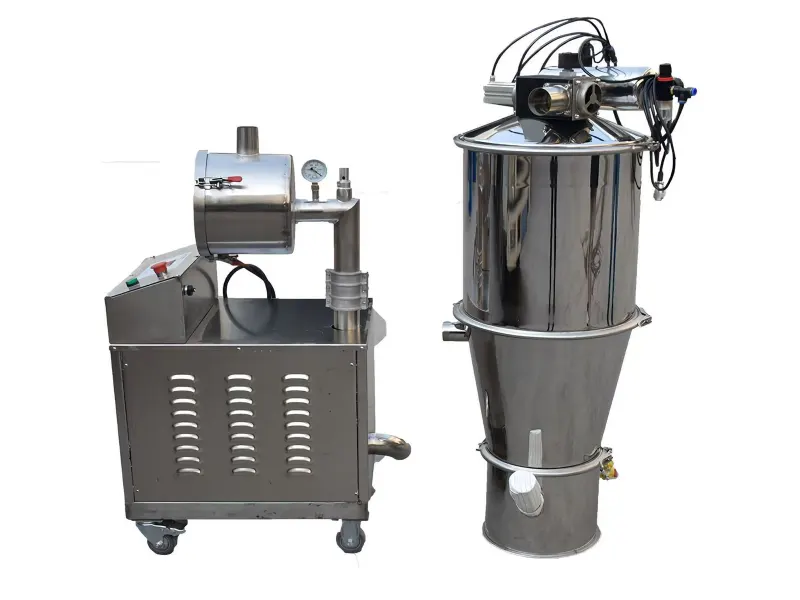
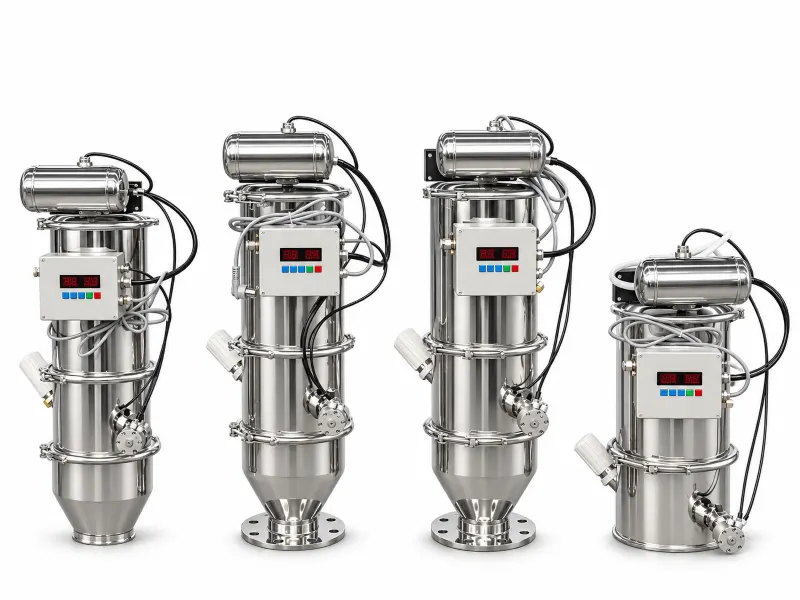
공압식 진공 이송기는 압축 공기와 진공 발생기를 사용하여 흡입력을 만듭니다.
진공 발생기에는 전기 구동 모터가 없으므로 해당 모터가 전기적 점화원이 될 가능성이 제거됩니다. 이는 전기 설비에 대한 제한이 엄격한 작업장이나 이미 안정적인 압축 공기 공급 설비를 갖춘 공장에서 유용할 수 있습니다.
당사의 공압 진공 공급 컨베이어 페이지에서 이러한 유형의 장비가 작동하는 방식을 설명합니다.
그러나 공압 장비에도 폭발 위험이 전혀 없는 것은 아닙니다. 정전기, 분진 축적, 기계적 마찰 및 기타 잠재적 점화원에 대해서도 주의해야 합니다.
압축 공기 소비량도 운영 비용에 영향을 미칩니다. 압축기가 필요한 이송 용량에 맞는 압력과 공기 유량을 충분히 공급할 수 있는지 확인하세요.
전기식 방폭 진공 이송기
전기식 시스템은 모터로 구동되는 진공 펌프를 사용하여 음압을 생성합니다.
다양한 이송 거리, 용량 및 운전 시간에 맞게 구성할 수 있습니다. 이송 거리가 길거나 자주 운전하는 경우 전기식 시스템을 고려해 볼 만합니다.
보호가 필요한 부품은 모터만이 아닙니다. 위험 구역에 설치된 진공 펌프, 제어반, 센서 및 기타 전기 부품도 관련 요구 사항을 충족해야 합니다.
Which Type Should You Choose?
| 항목 | Pneumatic Type | Electric Type |
|---|---|---|
| Power source | Compressed air | Electric vacuum pump |
| Main feature | No drive motor in the vacuum generator | Motor-driven vacuum generation |
| Site requirements | Stable compressed air supply | Suitable electrical supply |
| 용량 | Depends on air supply and vacuum generator | Depends on pump and system design |
| Main considerations | Air consumption, pressure, safety | Electrical protection, capacity, energy use |
Neither option is always better.
A 진공 이송기 제조업체 should consider your material, hazardous area, conveying distance, and available utilities before recommending a system.
Key Features to Check Before Buying
The performance and safety of an explosion-proof vacuum conveyor depend on more than its vacuum source. Pay attention to the following components.
Explosion-Proof Electrical Components
For an electric system, check the motor, vacuum pump, control panel, and sensors.
Ask the supplier whether these components are suitable for your hazardous area and whether the required certificates and technical documents are available.
A certified explosion-proof motor does not automatically make the entire conveyor suitable for hazardous environments.
Equipment Materials and Sealing
Material-contact parts are commonly made from 304 or 316L stainless steel.
304 stainless steel works for many general powder applications. For more corrosive materials or stricter cleanliness requirements, 316L may be a better option.
Sealing is equally important. Poorly sealed joints, discharge valves, and pipe connections may allow dust to escape.
For food, pharmaceutical, or multi-product production lines, choose equipment that is easy to open and clean to reduce material residue and cross-contamination.
Anti-Static Pipes and Hoses
Powder moving through pipelines can generate static electricity.
Use suitable conductive or anti-static pipes and flexible hoses based on the material. Metal hoppers, pipelines, and other conductive components should be properly bonded and grounded.
Pipe layout also matters. Too many bends or sudden diameter changes can increase conveying resistance, wear, and powder buildup.
Filters and Pulse-Jet Cleaning
Filters separate powder from the conveying air and help prevent material from entering the vacuum source.
For combustible powders, suitable anti-static or conductive filters may be required.
As powder builds up on the filter surface, suction can decrease and conveying cycles may become longer.
Many systems use pulse-jet filter cleaning to remove collected powder and maintain airflow. The cleaning method and gas supply must also be suitable for the material being handled.
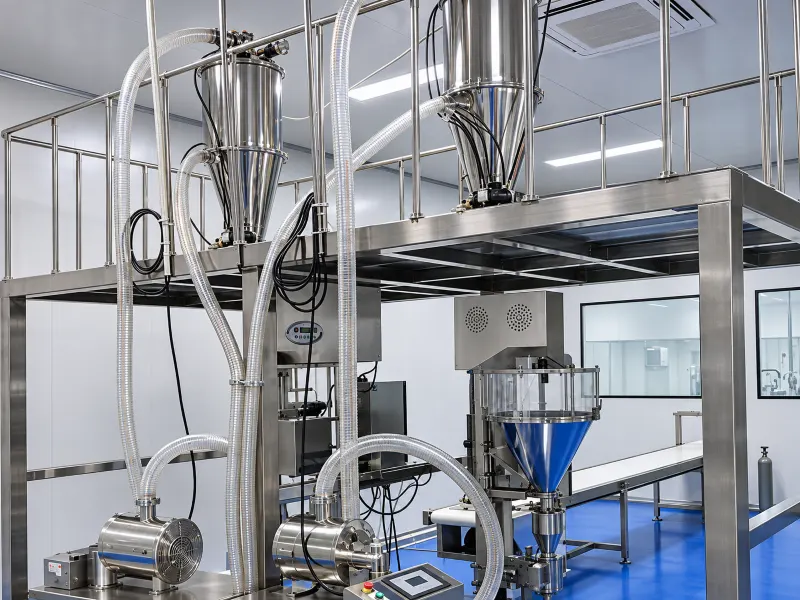
Conveying Performance and Production Line Integration
Even a well-protected explosion-proof vacuum conveyor must deliver the required capacity without frequent blockages.
Material Properties and Conveying Capacity
Particle size, bulk density, moisture, stickiness, and flowability all affect conveying performance.
Dry, free-flowing powders are often easier to handle. Moist or sticky materials may need different suction settings, pipelines, or discharge designs.
The same conveyor can achieve different capacities when handling different powders.
For difficult materials, a conveying test before purchase can help confirm performance.
Conveying Distance and Lifting Height
When requesting a quotation, provide the horizontal conveying distance, vertical lifting height, number of bends, and required capacity in kg/h or t/h.
Longer routes and higher lifts increase resistance, so the vacuum source and pipe diameter must match the actual layout.
For batch conveying systems, remember that suction and discharge take place in separate parts of the cycle. Both affect the average hourly capacity.
Connecting with Other Equipment
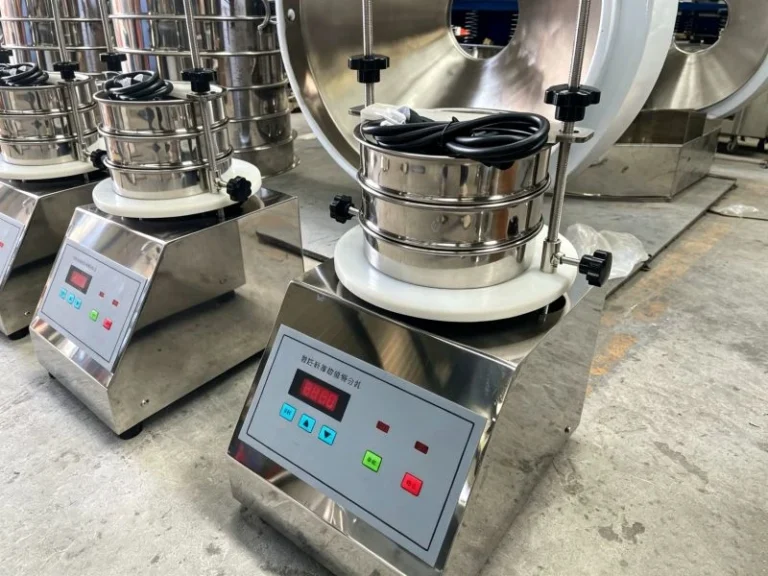
Vacuum conveyors often work with bag dump stations, bulk bag unloaders, vibrating screens, storage hoppers, and mixers.
For example, a 무분진 백 덤프 스테이션 can feed powder into a closed conveying line, reducing manual handling and dust around the loading area.
If your process also requires screening, see our guide to connecting a vacuum conveyor and vibro sifter.
The entire production line needs to be assessed for dust hazards, not just the conveyor.
A 진공 이송기 제조업체 with system design experience can help plan the pipe route, equipment connections, and maintenance space while reducing areas where powder may collect.
How to Choose a Vacuum Conveyor Manufacturer
Explosion-proof equipment often costs more than standard powder feeders. But two machines that look similar may have very different safety components and performance.
Check Certifications
Some equipment sold as explosion-proof may only be a standard conveyor with a few modified parts.
Ask the 진공 이송기 제조업체 for the relevant certificates, technical drawings, and component list.
Check the equipment model, explosion protection marking, certification scope, and applicable conditions. Where possible, verify the documents through the issuing organization’s official records.
For projects that require safety inspection or approval, confirm the necessary documents before placing an order.
Compare Equipment Configurations
Do not compare quotations based on price alone.
Check the motor, electrical controls, stainless steel grade, filters, sealing parts, and safety features.
Once the equipment meets your safety and production requirements, compare its purchase price, energy consumption, maintenance needs, and spare parts costs.
Check After-Sales Support
Filters may become blocked, seals can wear out, and pipes may eventually need replacement.
Before buying, ask about installation guidance, commissioning, warranty, spare parts, and technical support.
Components that affect explosion protection should not be replaced with ordinary parts without a proper technical assessment.
Information Needed for Equipment Selection
To receive an accurate recommendation, provide the 진공 이송기 제조업체 with the following information:
| 정보 | What to Provide |
|---|---|
| 재질 | Name, particle size, bulk density, moisture, flowability, and explosion properties |
| Hazardous area | Area classification, applicable standards, and available test data |
| Conveying route | Horizontal distance, vertical lift, and number of bends |
| 용량 | Required kg/h or t/h and operating cycle |
| Site conditions | Electrical supply, compressed air, and installation space |
| Equipment connections | Feeding point and receiving equipment |
| Special requirements | Material grade, cleaning, automation, and custom features |
These details help the engineering team choose the right vacuum source, filters, pipelines, and protection measures.
For complex factory layouts, a site review may also help before the final design is confirmed.
결론
Choosing the right 방폭 진공 이송기 starts with understanding your powder, hazardous area, and conveying requirements. The equipment should be safe, reliable, and easy to maintain.
Looking for a reliable 진공 이송기 제조업체? Yuanjing Machinery에 문의하세요 and share your material, conveying distance, required capacity, and explosion-proof requirements.
Our team can help you choose a suitable powder conveying solution for your production line.
자주 묻는 질문
Q1: Is a Pneumatic Vacuum Conveyor Safer Than an Electric Model?
Not always. A pneumatic vacuum generator has no electric drive motor, but static electricity, mechanical friction, and dust buildup can still create risks.
An electric system can also be suitable when correctly designed and protected. Safety depends on the complete system, not just the power source.
Q2: Can I Convert a Standard Vacuum Conveyor into an Explosion-Proof Model?
Replacing the motor alone is not enough.
Electrical components, filters, hoses, static control, and other parts may also need changes. A qualified specialist should assess the equipment and confirm the required protection before it is used in a hazardous area.
Q3: Can a Closed Vacuum Conveyor Prevent All Dust Leakage?
Closed vacuum conveying greatly reduces dust release, but zero leakage cannot be guaranteed under every condition.
Sealing, filter performance, feeding methods, and maintenance all affect dust control. For cleaner operation, the system can be combined with a dust-free feeding station and suitable dust collection equipment.
Q4: Does an Explosion-Proof Certificate Guarantee That the Machine Will Pass a Safety Inspection?
No. A certificate covers only the equipment or components within its stated scope.
The complete installation must also meet the relevant requirements for hazardous area classification, electrical protection, grounding, and other safety measures.
Q5: Can an Explosion-Proof Vacuum Conveyor Handle Aluminum Powder, Carbon Black, or Lithium Battery Materials?
A system can be designed for certain grades of these materials, but not every model is suitable.
Aluminum powder and some battery materials can present serious dust explosion risks. The supplier should review the material properties, static control requirements, conveying distance, and capacity.
Additional safety assessments or conveying tests may be needed.
Q6: How Often Should the Filter Be Replaced?
There is no fixed replacement schedule.
Filter life depends on the powder, dust load, operating hours, and cleaning performance. If suction remains weak after cleaning, inspect the filter for blockage or damage.
Use replacement filters that meet the original filtration and anti-static requirements.