차 스크리닝: 파손을 최소화하면서 미세분을 분리하고 잎을 등급별로 나누는 방법
차 선별은 불필요한 미분을 제거하고 건조된 잎을 포장 또는 추가 가공을 위해 크기별로 분리합니다. 과제는 더 많은 부서진 잎을 만들지 않으면서 필요한 분리를 달성하는 것입니다. 적절한 스크린 구멍, 일정한 공급 및 부드러운 스크린 움직임이 이를 제어하는 데 도움이 되며, 낮은 낙하 높이는 이송 중 손상을 제한합니다. 찻잎 등급 분류의 경우, 잎 모양과 완제품 요구 사항에 따라 구멍을 선택한 다음 대표 샘플을 테스트하여 미분 제거, 잎 무결성 및 처리량을 확인하십시오.

차 선별은 무엇을 분리해야 합니까?
스크린을 선택하기 전에 유지할 차 분획, 별도로 수집할 분획 또는 폐기할 분획을 정의하십시오.
- 잎 크기 분획: 완제품 사양에 따라 더 굵은 잎, 더 작은 잎 및 부서진 차를 분리하십시오. 크기 등급만으로는 풍미, 향 또는 전반적인 품질을 결정하지 않습니다.
- 불필요한 미분: 사용 가능한 차를 유지하면서 과도한 먼지와 작은 파편을 제거하십시오. 부서진 차는 여전히 티백 또는 기타 제품에 적합할 수 있습니다.
- 과대 불순물: 크기가 차와 분리를 허용하는 경우 줄기와 이물질을 제거하십시오. 선별만으로는 모든 오염 물질을 제거할 수 없습니다. 가벼운 입자, 돌 또는 변색된 잎의 경우 공기 분리, 제석 또는 선별이 필요할 수 있습니다.
찻잎 등급 분류를 위한 스크린 구멍 선택 방법
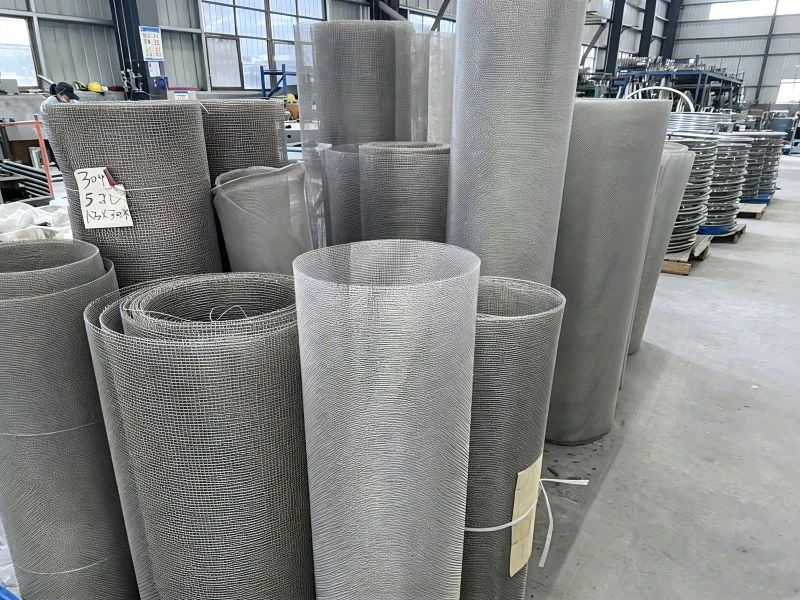
제거해야 할 재료와 유지하려는 찻잎에 따라 스크린 구멍을 선택하십시오. 다음 범위는 Yuanjing의 실제 선별 경험에서 나온 것이며 시험을 위한 시작점을 제공합니다. 최종 선택은 잎 모양, 재료 상태 및 완제품 요구 사항에 따라 달라집니다.
선별 작업을 위한 메쉬 크기 선택
| 선별 작업 | 참조 메쉬 범위 | 목적 |
|---|---|---|
| 예비 선별 | 8–20 메쉬 | 적합한 잎이 통과하도록 허용하면서 과대 재료를 분리 |
| 굵은 크기 분리 | 24–30 메쉬 | 정제 중 더 굵은 차 분획 분리 |
| 미세 크기 분리 | 36–60 메쉬 | 처리 중인 차에 적합한 경우 더 미세한 크기 절단 수행 |
| 미립자 분리 | 60–100 메쉬 | 선택된 구멍에 따라 작은 입자를 분리하거나 미세 먼지를 제거 |
이 범위는 다양한 선별 작업에 적용되며 모든 차에 대한 고정된 순서가 아닙니다. 실제 구멍 크기와 각 스크린을 통과하거나 남아야 하는 분획을 확인하십시오.
예비 선별의 경우, 더 굵은 잎에는 8–12 메쉬, 더 작은 재료에는 14–20 메쉬로 시험을 시작할 수 있습니다. 더 미세한 스크린은 막힌 구멍과 사용 가능한 차가 잘못된 출구로 들어가는지 더 면밀히 확인해야 합니다.
잎 모양 및 실제 구멍 크기 확인
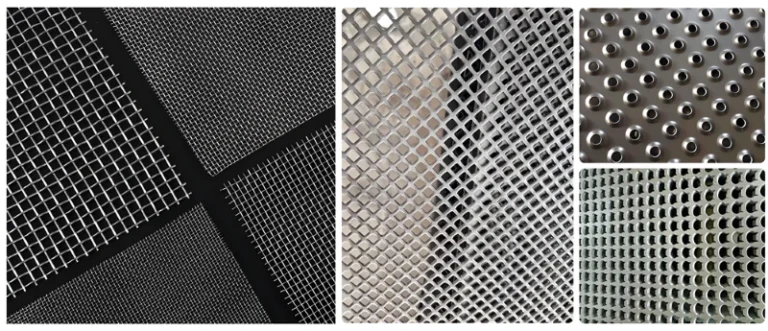
길고 말린 잎과 평평한 잎은 구멍을 다르게 통과합니다. 따라서 찻잎 등급 분류에는 메쉬 번호 선택 이상의 것이 필요합니다. 실제 구멍 크기를 밀리미터 또는 마이크론 단위로 기록하고 구멍 모양 및 와이어 직경과 함께 기록하십시오.
미분 제거의 경우, 유지된 잎이 주요 제품을 형성하고 더 작은 입자가 통과합니다. 80–100 메쉬 스크린은 매우 미세한 먼지를 제거할 수 있지만 더 큰 불필요한 파편은 잎과 함께 남을 수 있습니다. 두 분획 모두 제품 사양과 비교하여 확인하십시오.
필요한 분획에 스크린 데크 맞추기
유일한 작업이 미분 제거인 경우 단일 데크로 충분할 수 있습니다. 과대 재료, 목표 차 분획 및 미분을 분리하려면 일반적인 배열은 두 개의 데크를 사용합니다:
- 상부 스크린은 과대 재료를 유지합니다.
- 하부 스크린은 목표 차 분획을 유지합니다.
- 미분은 하부 스크린을 통과하여 별도 출구로 이동합니다.
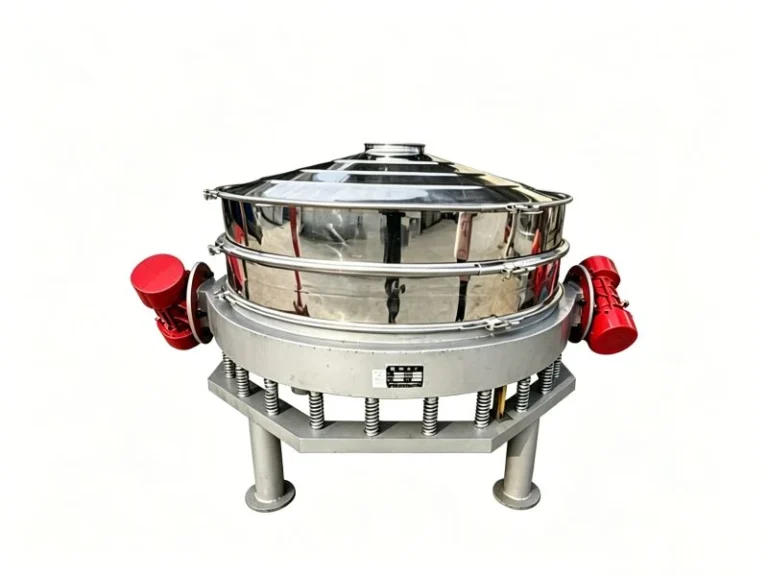
대표 차 샘플을 사용하여 구멍을 확인하십시오. 분리 지점이 스크린 데크 및 출구와 어떻게 관련되는지에 대한 안내서는 다층 체 진동기 구성 에 설명되어 있습니다.
선별 중 찻잎 파손을 줄이는 방법
찻잎 파손을 줄이려면 공급에서 배출까지 부드러운 취급이 필요합니다. 잎이 스크린에 들어오고, 이동하고, 나가는 방식과 기계의 작동 설정을 확인하십시오.
일정하게 공급하고 잎을 고르게 펼치기
대량 배치를 스크린에 쏟아붓는 대신 연속적이고 제어된 공급을 사용하십시오. 재료층을 얕고 고르게 분포시켜 축적을 제한하고 더 작은 입자가 구멍에 접근할 수 있도록 하십시오.
낙하 및 충돌 줄이기
입구, 출구 및 이송 지점에서 낙하 높이를 최소화하십시오. 슈트와 수집 용기를 배치하여 단단한 표면에 대한 충격을 줄이고 잎이 제한된 배출구에 축적되는 것을 방지하십시오.
스크린 상태 및 장력 유지
메쉬의 손상, 고르지 않은 장력 및 갇힌 잎을 검사하십시오. 제조업체의 장력 절차를 따르고 검사 또는 조정 전에 기계를 격리하십시오.
부드러운 움직임 사용 및 반복 선별 제한
과도한 바운싱이나 장기간 순환 없이 분리를 달성하기에 충분한 움직임을 사용하십시오. 작동 지침에 따라 기계를 조정한 다음 분리 품질과 새로 생성된 미분을 모두 확인하십시오. 제품이 이미 사양을 충족하는 경우 반복 통과를 피하십시오.
어떤 차 선별 기계가 귀하의 공정에 적합합니까?
Choose a tea screening machine based on leaf condition, required size fractions and production flow. Compare how each machine handles your tea at the required output, including fines removal and additional breakage.
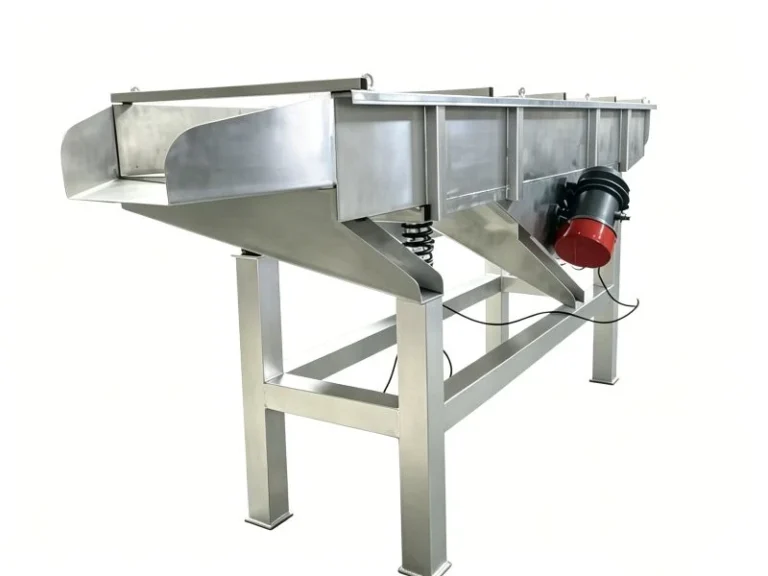
Linear Vibrating Screen for Continuous Tea Grading
A 선형 진동 스크린 moves material along a rectangular screening surface toward separate outlets. It is an option for continuous tea grading where steady feeding and direct discharge are priorities.
For broken tea or granular tea ingredients, test whether the machine maintains the required size separation at your production rate. For delicate whole leaves, check bouncing, transfer impacts and newly generated fines before confirming the settings.
Tumbler Sieve for Fragile Leaves
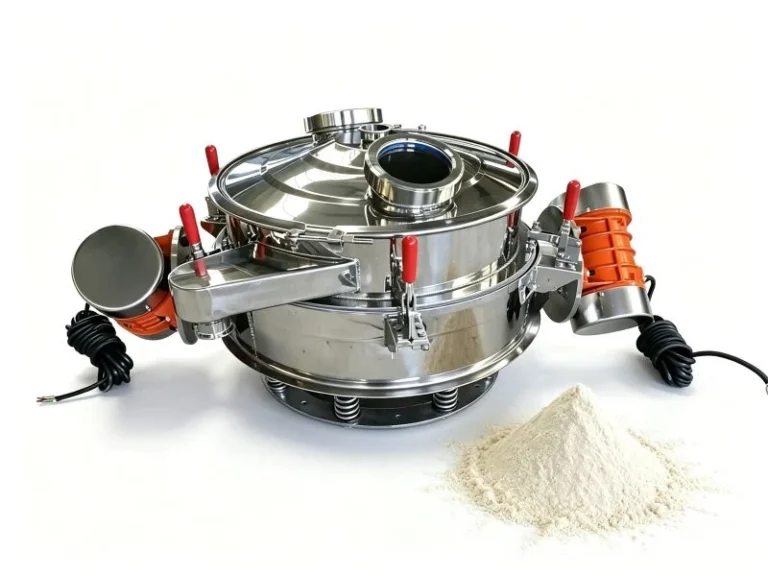
A 텀블러 체 기계 uses gentle tumbling motion and is worth evaluating when leaf appearance and integrity are priorities. Check that the movement separates unwanted fines without prolonged circulation or excessive rubbing.
Multi-Deck Configuration for Several Size Fractions
Both linear and tumbler screens can use multiple decks. Choose the number of decks according to the separation points and outlets required. A two-deck arrangement can collect oversize, a target tea fraction and fines.
A multi-deck tumbler screen is one option when several fractions and gentle handling are needed together. Inspect material from every outlet during testing.
Capacity and Cleaning Between Batches
Compare machines at the feed rate that consistently meets your product specification. Check access for removing trapped leaves, inspecting contact surfaces and changing screens. Easy cleaning is especially useful when switching between tea varieties or flavoured blends.
관련 동영상
How to Verify Fines Removal and Leaf Integrity in a Trial
A tea screening trial should confirm that the machine removes unwanted fines, preserves usable leaves and maintains the required output. Use representative tea samples and agree on product specifications before testing.
Record Conditions and Collect All Fractions
Record the tea condition, screen openings, feed rate and machine settings. Collect and weigh material from every outlet, accounting for extracted dust and material left inside the machine.
Check Fines, Recovery and Leaf Breakage
Measure residual fines in the finished tea and how much usable material reaches the correct outlet. Compare representative feed and output samples using the same sampling method, alongside the weights of all collected fractions, to assess additional breakage.
Fines collected during screening include those already present in the feed, so their weight alone does not indicate machine-induced damage.
Confirm Stable Throughput
Run the machine long enough to check for buildup, blocked openings and changes in separation quality. Assess throughput while the tea meets specification. Our guide to 산업용 체가름 시험 explains the wider testing procedure.
Need help selecting a tea screening machine? 문의하기 with tea photos, target throughput, required size fractions, screen openings if known, and acceptable fines content. We can review your requirements and discuss sample testing.
결론
Effective tea screening removes unwanted fines and produces consistent size fractions while limiting leaf damage. Screen openings, feeding conditions and machine settings should suit the tea being processed, with sample trials confirming separation quality and stable output.
Looking for a tea screening machine for loose-leaf tea or tea bag ingredients? Yuanjing에 문의하십시오 with your tea type, target capacity and grading requirements. Include photos or available screen specifications so we can discuss a suitable configuration and sample testing.
자주 묻는 질문
What Mesh Size Should I Use for Tea Leaf Screening?
Choose the mesh size according to leaf shape and the fraction you want to separate. Based on Yuanjing’s screening experience, 8–20 mesh can be a starting range for preliminary screening, while 24–60 mesh may suit finer size separation. These are trial references, not universal settings. Confirm the actual aperture and inspect both retained and passing material.
How Do I Remove Tea Dust Before Packaging?
Use a screen that allows unwanted dust to pass while retaining the saleable tea. Feed steadily and check the finished product for residual fines. A 60–100 mesh screen may suit some fine-dust separation tasks, but larger unwanted fragments may require a coarser opening. Select the cut point from your packaging specification.
Is a Linear Vibrating Screen or a Tumbler Sieve Better for Tea?
A linear vibrating screen is worth evaluating for continuous tea grading with steady feed and direct discharge. A tumbler sieve is an option when fragile leaves require gentler handling. Compare both using representative tea samples, checking residual fines, usable product recovery, leaf breakage and sustained throughput. Tea shape and condition matter more than machine type alone.
Can One Machine Separate Tea into Several Size Grades?
Yes. A multi-deck tea screening machine can collect several size fractions through separate outlets. For example, a two-deck arrangement can separate oversize, a target tea fraction and fines. The openings should match the required products, and each outlet should be checked during trials.
Should All Broken Tea Be Removed from Tea Bag Ingredients?
No. Broken tea may be part of the intended tea bag blend. The task is to retain the specified size range while removing excessive dust and oversized material. Agree on the ingredient specification with the packer, then check screened tea on the actual filling and packaging line.
How Can I Tell Whether Screening Is Creating More Broken Leaves?
Compare representative samples taken before and after screening, using the same assessment method. Collect all output fractions and account for dust and retained material. The fines outlet contains particles already present in the feed, so its weight alone does not measure new breakage. Our guide to 산업용 체가름 시험 explains the collection and evaluation process.