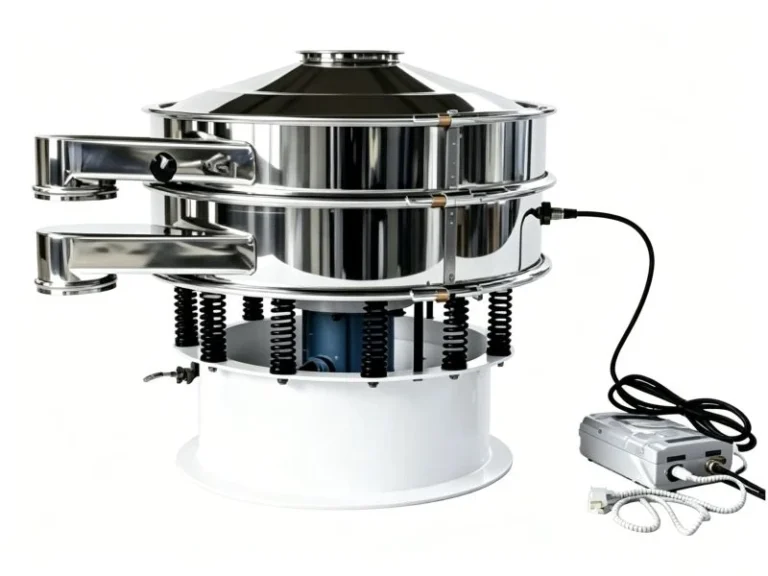
파프리카 분말 체별: 분쇄 후 조대 입자 제거
파프리카 분말 체질은 분쇄된 분말에서 과대 입자와 불완전하게 분쇄된 껍질 조각을 제거합니다. 더 미세한 분말은 스크린을 통과하여 다음 공정 단계로 이동하며, 잔류 물질은 검사를 위해 수집됩니다. 일부는 재분쇄가 필요할 수 있으며, 미세 분말로 형성된 덩어리는 다른 처리가 필요합니다. 스크린 개구부는 완제품 사양과 일치해야 하며, 샘플 시험을 통해 요구 처리량에서의 성능을 확인해야 합니다.

파프리카 분말은 분쇄 후 왜 굵은 입자를 함유하는가?
스크린에 남은 물질이 항상 불충분한 분쇄의 신호는 아닙니다. 여기에는 굵은 입자, 껍질 조각 또는 서로 뭉친 미세 분말이 포함될 수 있습니다. 이 잔류 물질을 살펴보면 공정에서 주의가 필요한 부분을 파악하는 데 도움이 됩니다.
불균일한 분쇄와 잔류 껍질 조각
분쇄는 모든 입자를 동일한 크기로 줄이지 않습니다. 일부 껍질 조각은 목표 크기 이상으로 남아 체질 중에 걸러집니다. 이들은 상태에 따라 분쇄기를 한 번 더 통과하는 데 적합할 수 있습니다.
굵은 입자 대 분말 응집체
진정한 굵은 입자는 일반적으로 약한 압력에서도 단단하게 유지됩니다. 느슨한 응집체는 종종 미세 분말로 다시 부서집니다. 이는 유용한 첫 번째 확인 방법이지만, 단단하게 압축된 덩어리는 처리 방법을 결정하기 전에 더 면밀한 검사가 필요합니다.
과대 물질이 완제품 분말의 균일성에 미치는 영향
눈에 보이는 박편과 거친 입자는 배치의 외관이나 촉감을 다르게 만들 수 있습니다. 합의된 크기 한도를 초과하는 물질을 제거하면 파프리카 분말의 균일성을 유지하고 구매자의 미세도 사양을 충족하는 데 도움이 됩니다.
| 스크린 위의 물질 | 확인할 사항 | 조치 사항 |
|---|---|---|
| 굵은 입자 또는 껍질 조각 | 약한 압력에서도 온전하게 유지됨 | 재분쇄 가능성 검사 |
| 느슨한 분말 응집체 | 약한 압력에서 더 미세한 분말로 부서짐 | 수분, 보관 및 공급 조건 확인 |
| 미확인 물질 | 정상 제품과 다르게 보임 | 재처리 전에 격리 및 조사 |
파프리카 분말 체질은 과대 물질을 어떻게 제거하는가?
스크린은 분쇄된 파프리카를 두 개의 흐름으로 나눕니다. 개구부를 통과할 만큼 작은 분말은 미립 배출구를 통해 나갑니다. 잔류 물질은 검사를 위해 별도의 배출구로 이동합니다. 균일한 공급이 중요합니다. 스크린에 분말이 너무 많으면 사용 가능한 미립이 굵은 물질과 함께 배출될 수 있습니다.
분쇄 후 체의 위치
체를 분쇄기 하류에 배치하며, 정확한 위치는 혼합 및 포장 순서에 따라 결정됩니다. 공급을 일정하게 유지하고 스크린 전체에 분산시키십시오. 갑작스러운 급증과 깊은 물질 축적은 분말이 메시를 통과할 기회를 줄입니다.
허용 가능한 분말과 스크린 잔류물의 분리
A 칠리 분말 체질 기계 는 요구되는 스크린 개구부와 처리량을 사용하여 이 파프리카 분말 체질 단계에 대해 평가할 수 있습니다.
입자 크기뿐만 아니라 입자 형태도 중요합니다. 얇은 껍질 조각은 적절한 각도로 접근하면 개구부를 통과할 수 있습니다. 구멍보다 작은 오염물질도 통과할 수 있으므로 체질로 모든 이물질을 제거할 수는 없습니다.
재분쇄 전 과대 물질 검사
과대 배출구의 모든 물질을 분쇄기로 바로 되돌려 보내지 마십시오. 깨끗하고 불완전하게 분쇄된 입자는 재분쇄에 적합할 수 있습니다. 잔류 물질이 주로 덩어리로 구성된 경우 분말이 뭉치는 이유를 조사하십시오. 미확인 물질은 확인될 때까지 반환 흐름에서 제외하십시오.
파프리카 분말에 적합한 스크린 개구부 선택 방법
모든 제품에 적합한 단일 파프리카 분말 메시 크기는 없습니다. 구매자의 미세도 요구 사항으로 시작하여 실제 스크린 구멍을 확인하고 의도된 처리 속도에서 대표 샘플을 실행하십시오.
완제품 사양으로 시작
지정된 체 개구부, 통과 비율 및 시험 방법을 확인하십시오. 간헐적인 굵은 입자 제거는 여러 정의된 크기 등급을 생산하는 것과는 다른 작업입니다.
더 미세한 스크린이 자동으로 더 나은 선택은 아닙니다. 처리량을 감소시키고 제품 사양을 충족할 분말을 잔류시킬 수 있습니다.
메시 수와 함께 구멍 크기 명시
스크린 개구부를 마이크로미터(µm) 또는 밀리미터로 명시하고 메시 수 및 스크린 사양과 함께 기재하십시오. 메시 수만으로는 충분하지 않습니다. 와이어 직경이 구멍과 사용 가능한 개방 면적 모두에 영향을 미칩니다. 주문 전에 스크린 공급업체와 이러한 세부 사항을 확인하십시오.
처리량, 과대 함량 및 제품 회수율 검증
정상 생산 조건을 대표하는 파프리카 분말을 사용하십시오. 시험 중에 공급 속도, 잔류 비율 및 회수된 통과 분말의 양을 기록하십시오. 체질된 제품을 합의된 미세도 요구 사항과 대조하여 확인하십시오.
또한 과대 흐름에서 사용 가능한 미립을 검사하고 메시에 막힘이 생기는지 주의하십시오. 깨끗한 스크린에서의 짧은 실행은 장시간 운전 중 성능이 저하되더라도 만족스러워 보일 수 있습니다.
| 제공할 정보 | 필요한 이유 |
|---|---|
| 완제품 미세도 및 요구 통과 비율 | 후보 스크린 개구부 선택 |
| 공급 입자 크기 및 과대 비율 | 분리 작업 및 스크린 부하 평가 |
| 수분, 온도 및 뭉침 거동 | 분말 흐름 및 메시 막힘 경향 평가 |
| 요구 시간당 처리량 | Set equipment sizing and trial targets |
| One finished grade or several size fractions | Determine the required screening decks |

Which Sieving Machine Fits Your Paprika Powder Process?
For ground paprika, a rotary vibratory sifter is a practical option for coarse particle removal and grading. A linear vibrating screen is also worth considering for dried pepper pieces and coarser fractions. The choice depends on the material, target fineness, and production rate. Nominal machine capacity alone does not show how either machine will perform with a particular powder.
Rotary Vibratory Sifters for Ground Paprika Powder
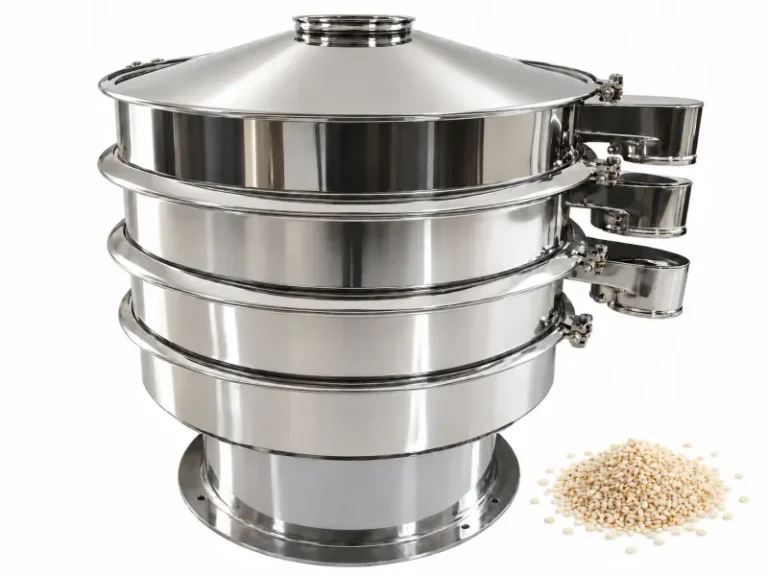
A rotary vibratory sifter separates fine paprika powder from coarse particles and incompletely ground skin fragments. Passing powder and retained material discharge through separate outlets, allowing continuous operation.
Screen opening and deck count depend on the finished grades required. The 칠리 분말 체질 기계 page provides a starting point for reviewing this arrangement.
Linear Vibrating Screens for Coarser Pepper Materials
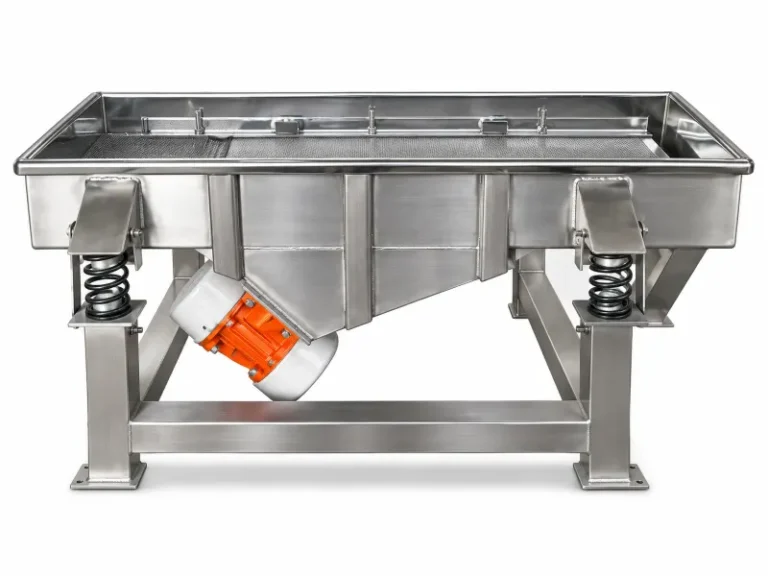
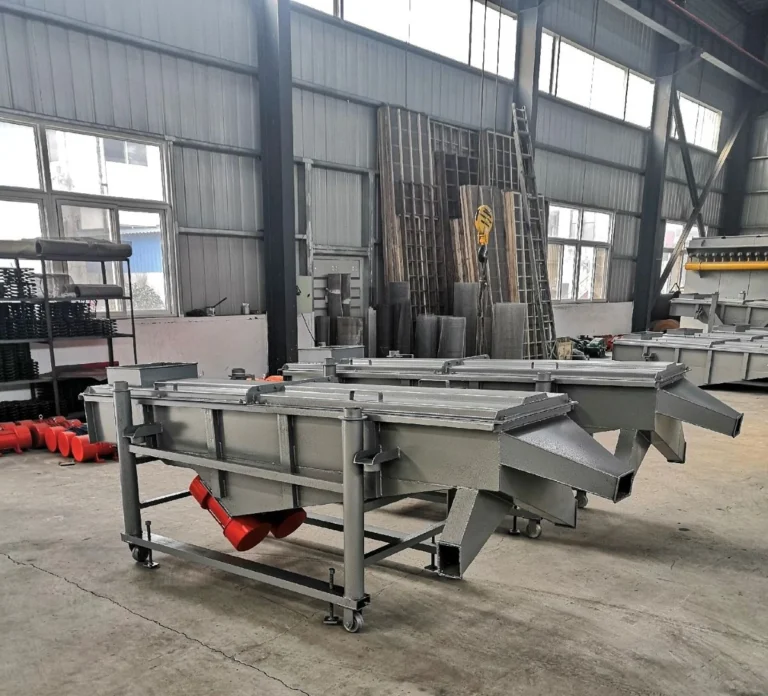
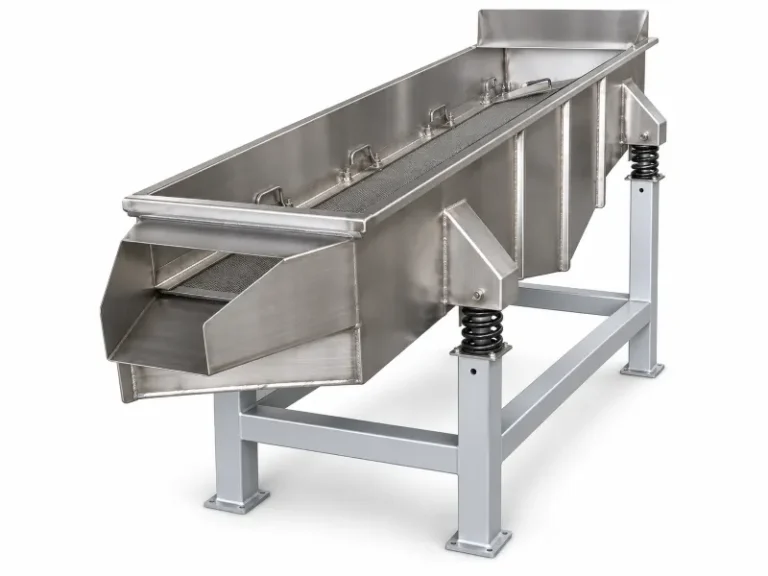
Linear vibrating screens move material forward along the screen surface. They can be used to grade dried peppers, crushed pieces, and coarse powder, with screen dimensions and outlets arranged around the required fractions.
Seeds, stems, and product particles of similar size may not separate completely. If the machine is intended for finely ground paprika, the trial should establish how readily the powder passes and whether it builds up on the screen.
If you are considering a linear screen for dried pepper pieces or coarse powder, our spice linear vibrating screen selection guide explains what to check before specifying the machine.
When to Evaluate Ultrasonic Assistance for Mesh Blinding
Before adding ultrasonic assistance, check the feed, mesh condition, and powder moisture or clumping. If fine powder continues to adhere to the screen, ultrasonic assistance may help keep the apertures open.
Compare an 초음파 진동 체 with conventional screening using the same material and target opening. The trial should show whether the additional assistance is useful for that application.
Single-Deck Removal vs. Multi-Deck Classification
One deck is generally enough to separate a finished powder from oversize material. Use multiple decks when several defined size fractions are needed.
Decide what each outlet must produce before specifying the deck arrangement. Extra decks add separation stages, but they also add surfaces that need cleaning.
Cleaning Access, Screen Inspection, and Line Integration
Check how easily operators can remove residual powder, inspect the mesh, and change screens. Product-contact materials, seals, and cleaning procedures must suit the plant’s hygiene requirements. Stainless steel construction alone does not establish hygienic performance.
An enclosure can help contain dust. Inlet height and outlet orientation also need to fit the surrounding equipment. Finally, confirm that the selected screen can maintain the required throughput with the actual paprika powder.
| Operating Requirement | Configuration to Consider | What to Verify |
|---|---|---|
| Remove coarse particles after grinding | Single-deck rotary vibratory sifter | Finished-powder fineness and fine powder lost with oversize |
| Produce several particle-size grades | Multi-deck screening arrangement | Separation and recovery at each outlet |
| Grade dried pepper pieces or coarse fractions | 선형 진동 스크린 | Material movement and separation of similarly sized particles |
| Address persistent fine-powder mesh blinding | Ultrasonic-assisted screening | Improvement under comparable trial conditions |
| Integrate continuous production | Enclosed equipment with suitable connections | Stable feeding and discharge, cleaning access, and dust containment |
결론
Paprika powder sieving removes coarse particles after grinding, but the screen opening and machine configuration need to match your finished-product requirements. Checking the retained material also helps avoid unnecessary regrinding and loss of usable fine powder.
Need help choosing a sieve for your paprika powder? Contact Yuanjing Machinery with your target fineness, required hourly capacity, and current screening problem. If available, include your existing mesh specification and photos of the powder and retained material so we can discuss a suitable screening setup.
자주 묻는 질문
What Mesh Size Should I Use for Paprika Powder Sieving?
There is no single mesh size for all paprika powders. Start with the buyer’s required fineness and percentage passing, then confirm the actual screen opening in microns. Test a representative sample at the intended feed rate. Choosing a finer mesh than necessary can reduce throughput and retain otherwise usable powder.
Which Sieving Machine Is Suitable for Paprika Powder After Grinding?
A rotary vibratory sifter is a practical option for removing coarse particles from ground paprika. One deck usually suits a single oversize cut; multiple decks are needed for several size grades. Linear vibrating screens can also be considered, particularly for coarser pepper materials. Confirm performance with the actual powder and required screen opening.
Why Is Fine Paprika Powder Coming Out of the Oversize Outlet?
Fine powder can leave with the oversize when the screen is overloaded, blinded, or covered by a deep layer of material. Some fines may also be trapped in agglomerates. Check the retained material, feed distribution, and mesh condition before changing the screen opening.
How Can I Reduce Screen Clogging When Sieving Paprika Powder?
First check for uneven feeding, powder buildup, and moisture-related clumping. Inspect and clean the mesh, then check whether the blockage returns under steady feeding. If fine powder continues to adhere to the screen, trial ultrasonic assistance using the same aperture and material to see whether it improves passage.
Can Coarse Paprika Powder Be Returned to the Grinder?
Clean, incompletely ground particles may be returned after inspection. Do not automatically recycle everything collected at the oversize outlet. Loose powder lumps need a check for clumping causes, while unidentified material should be isolated. Examine the retained fraction before deciding what can safely return to production.
What Determines the Capacity of a Paprika Powder Sieve Machine?
Capacity depends on the screen opening, available screening area, feed particle size, oversize content, and powder condition. Clumping and mesh buildup can reduce output during a run. Confirm capacity through a representative trial that checks both sustained throughput and whether the passing powder meets the required fineness.