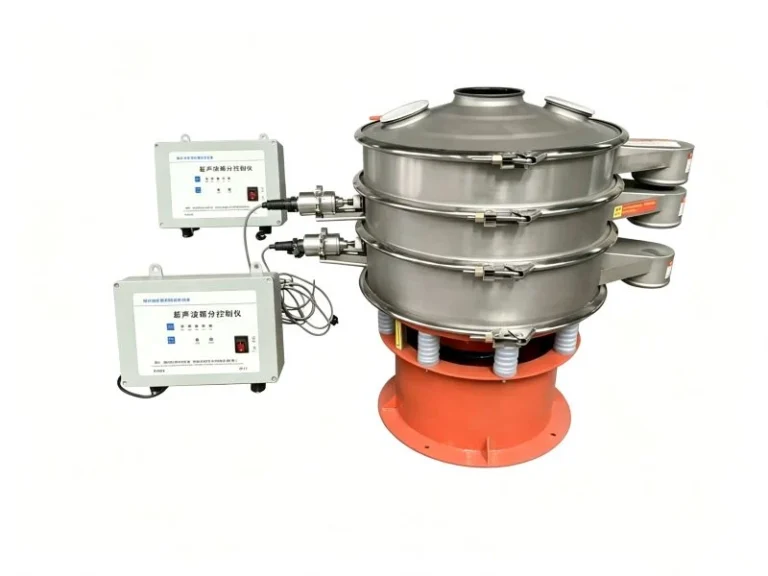
Peneira Vibratória em Linha para Peneiramento de Farinha: Capacidade, Tamanho da Malha e Seleção
Introdução
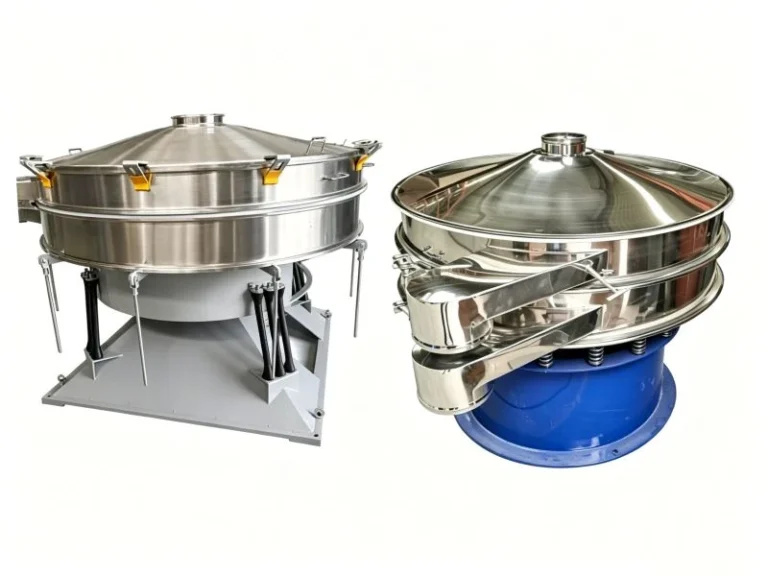
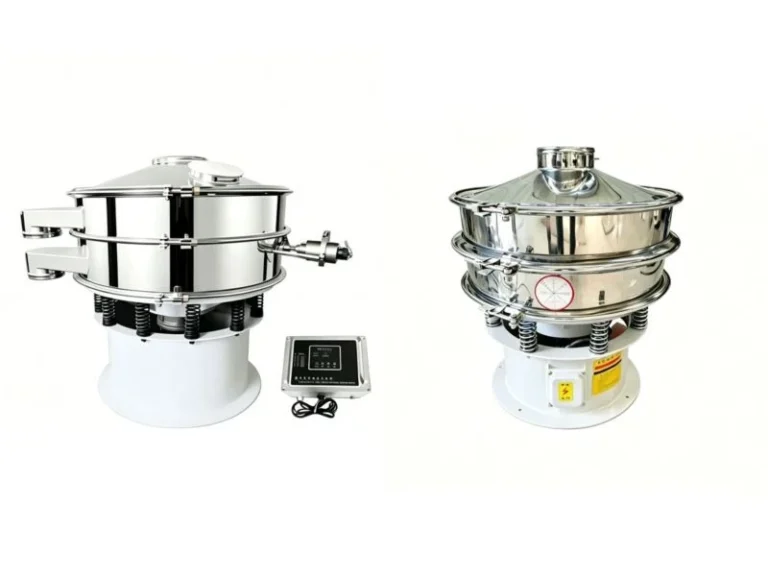
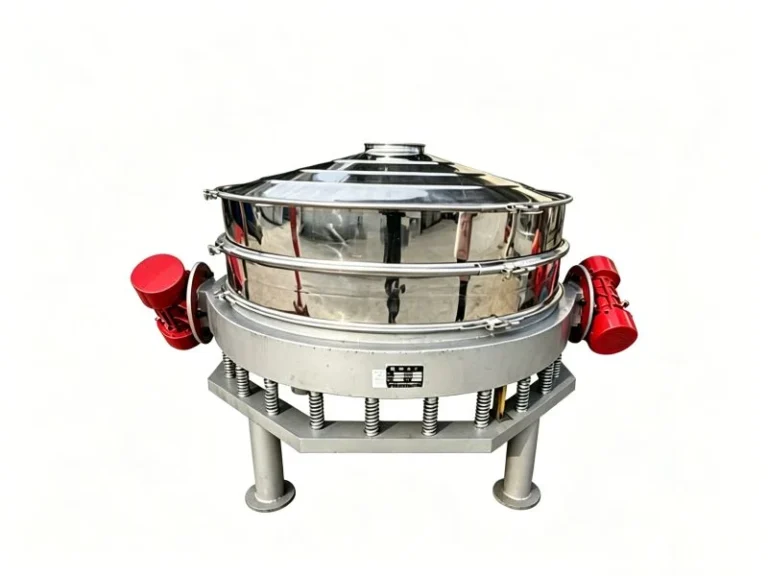
An inline vibratory screen is commonly used in flour production lines to remove oversized particles, agglomerates and foreign materials before mixing, processing or packing. Its straight-through material flow makes it suitable for continuous screening where compact installation and relatively high throughput are required. However, the actual mesh size and capacity must be selected according to the flour type, target particle size, bulk density and feeding conditions.

Why Use an Inline Vibratory Screen for Flour Screening?
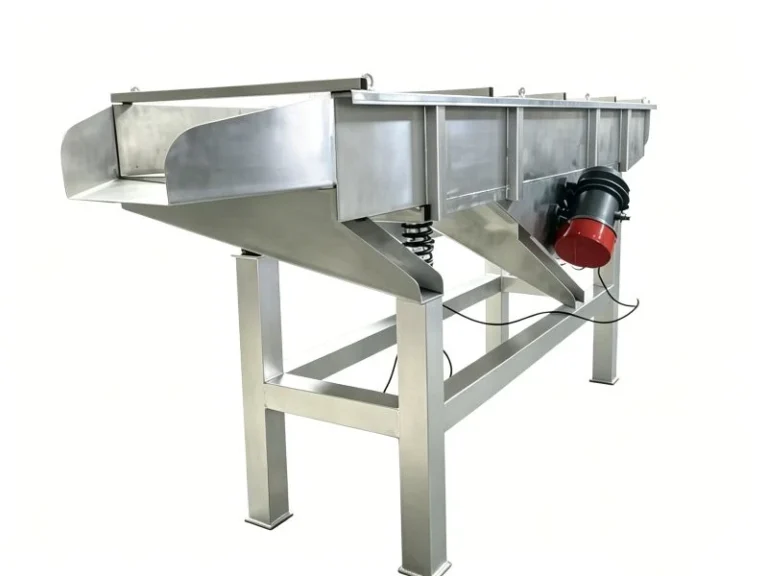
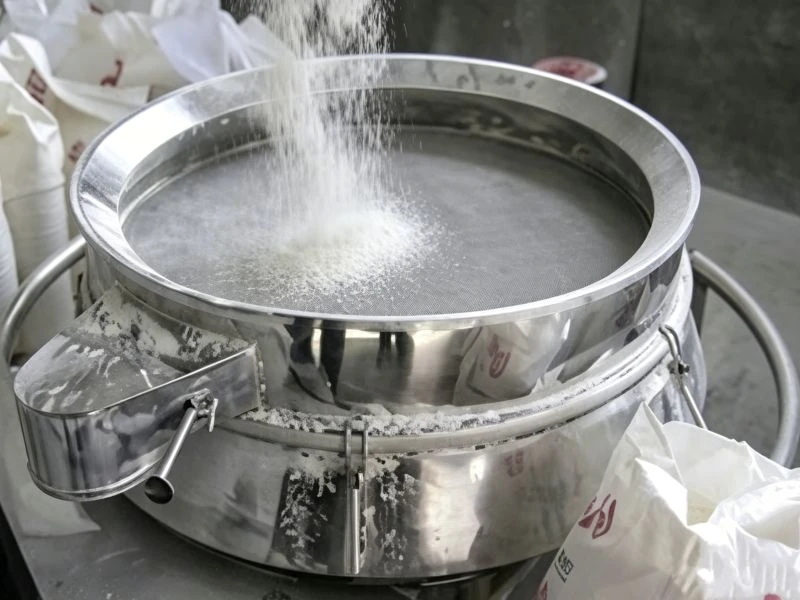
An inline vibratory screen is suitable for continuous flour screening because the inlet and outlet are arranged in a straight line. Flour can pass through the machine quickly with little material retention. The screen removes flour lumps, oversized particles and foreign materials before the next production step.
Its compact height makes it easy to install below a conveyor, storage hopper or feeding system. It can be used before mixing, processing or packing without requiring much extra space. The enclosed structure also helps control flour dust and reduces the risk of outside contamination.
This type of industrial flour screening equipment is mainly used for safety screening and quality control. It is a practical choice when the production line needs steady material flow, compact installation and direct discharge.
However, an inline flour sifter is not suitable for every process. If the flour needs to be separated into several precise particle sizes, a rotary vibrating screen or another grading machine may be more suitable.
Where Is Inline Screening Used in Flour Production?
In a flour production line, an inline vibratory screen is usually installed between conveying equipment and mixing, processing or packing equipment. It provides continuous safety screening without interrupting material flow.
Before mixing
The screen removes flour lumps and other unwanted materials before they enter the mixer. It is often installed below a storage hopper or bag dump station to clean the raw material and protect downstream equipment.
Before the next processing step
An inline flour screening machine can be connected to a screw conveyor, sistema de transporte a vácuo or storage hopper. It can also be installed after milling, drying or mixing equipment to remove lumps formed during processing and prevent unwanted materials from entering the next stage.
Before packing
The screen can be installed between the finished-product hopper and the packing machine. It acts as a final safety check to remove oversized particles and foreign materials before packing, helping maintain consistent product quality.
The final installation position depends on the screening purpose, flour conveying method, available height and existing production line layout.


How to Choose the Right Mesh Size for Flour Screening
The right flour screening mesh size cannot be selected by the flour name alone. You first need to know which particles should pass through the screen and which lumps, oversized particles or foreign materials must be removed.
Flour types can differ in particle size, moisture and flowability. The purpose of screening also varies between production lines. Some lines only need to remove large foreign materials. Others need to remove flour lumps or complete a final safety check before packing. For this reason, the same flour may require different mesh sizes in different processes.
The following mesh sizes can be used as a basic reference:
| Tamanho da malha | Approximate opening | Typical use |
| 60–80 mesh | About 250–180 microns | Larger openings for removing large lumps, oversized particles and foreign materials while maintaining a higher flow rate |
| 100–120 mesh | About 150–125 microns | Finer check screening when the qualified flour can pass through the mesh easily |
| 150–200 mesh | About 100–75 microns | Fine screening for specific requirements, but with lower capacity and a higher risk of mesh blockage |
These mesh sizes are not fixed standards for every flour production line. A 60–80 mesh screen has larger openings and allows flour to pass through faster. However, the selected opening must still be small enough to remove the target lumps or foreign materials.
A 100–120 mesh screen provides finer industrial flour screening. Before selecting this range, check the particle size of the qualified flour. If the flour is relatively coarse or has poor flowability, the screening capacity may be reduced.
A 150–200 mesh screen should not be selected only to obtain finer flour. Smaller openings create more resistance as the flour passes through the mesh. Flour with high moisture, poor flowability or many lumps may block the screen. This can reduce capacity and increase the amount of material left on the mesh.
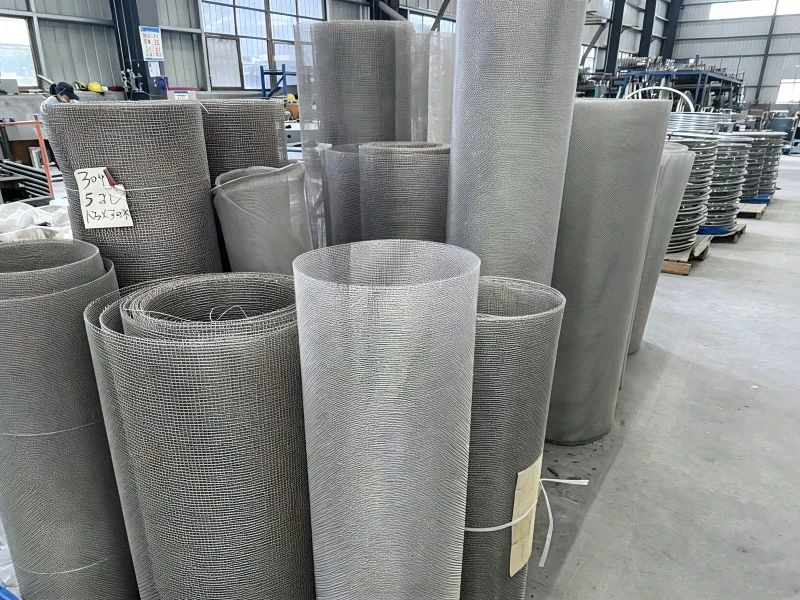
When selecting a mesh for an inline vibratory screen, confirm the following information:
Required mesh size or screen opening
Flour type and particle size distribution
Maximum acceptable particle size
Size of the lumps or foreign materials to be removed
Required screening capacity
Flour moisture and flowability
The same mesh number may have a different opening under different screen standards. It is therefore better to confirm the opening in millimeters or microns instead of providing only a mesh number.
Before selecting an industrial flour screening machine, provide the material details, screening purpose and required capacity. For fine screening or an unclear application, a material test can help confirm the right mesh size and machine configuration.
Flour screening capacity is not a fixed value. Even when the same inline vibratory screen is used, the actual output can change with the mesh size, flour properties and feeding conditions.
The main factors that affect flour screening capacity include:
Screen diameter and effective screening area
Mesh size and screen opening
Flour bulk density
Moisture, flowability and agglomeration
Feed rate and feeding uniformity
Required screening accuracy
Inlet and outlet design
Connection with a screw conveyor, vacuum conveyor or other feeding equipment
A finer mesh does not always provide better results. Smaller openings make it harder for flour to pass through the screen and usually reduce capacity. Flour with high moisture, poor flowability or many lumps may also block the mesh, which can further reduce screening efficiency.
A stable feed rate is also important. Feeding too much flour at one time can create a thick layer on the screen. Uneven feeding can cause changes in output. For this reason, the capacity of a flour screening machine should be evaluated together with the mesh size, material properties and complete production line.
For more details about screen diameter, mesh selection, material properties and feeding conditions, read our guide to capacidade da tela vibratória inline.
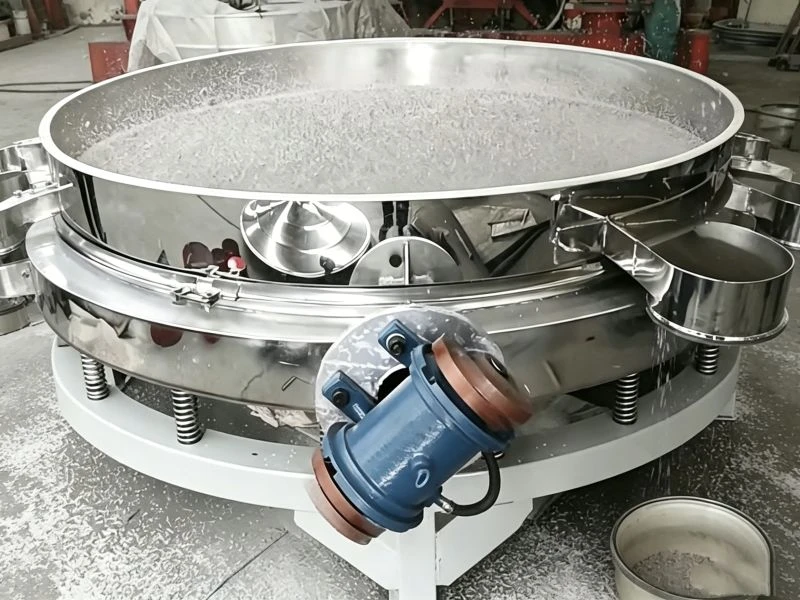
Inline Vibratory Screen vs Rotary Vibro Sifter for Flour
Different flour screening machines are designed for different production needs. For a broader overview, see our guide to industrial flour sieve types.
| Selection factor | Peneira vibratória em linha | Rotary vibro sifter |
| Main purpose | Continuous safety screening | Screening, separation and classification |
| Material flow | Straight-through inlet and outlet | Material moves across the screen before discharge |
| Installation | Low height and easy production-line connection | Requires more installation space |
| Screen layers | Usually used for single-stage screening | Can use multiple layers for different particle sizes |
| Best suited for | High-capacity flour screening and impurity removal | Controlled screening and particle-size separation |
An inline vibratory screen is a practical choice when the main purpose is to remove lumps, oversized particles and foreign materials from flour. Its straight-through design supports fast discharge and makes it easy to install below a hopper, conveyor or bag dump station. It is often used before mixing or packing in a continuous flour production line.
A rotary vibro sifter keeps the material on the screen for a longer time. This gives more control over separation. It is more suitable when the process requires finer screening, longer material residence time or several particle-size grades.
Choose an inline flour screening machine for continuous safety screening, compact installation and direct discharge. Choose a rotary vibro sifter when screening control or multi-layer separation is more important.
For a more detailed comparison, read our guide to inline vibratory screen vs rotary vibrating screen.
How to Select a Screen for Your Flour Production Line
Selecting an industrial flour screening machine starts with the material and the production process. The screen must provide the required mesh size and capacity, but it must also fit the available space and connect correctly with the existing equipment.
For flour screening, material-contact parts are usually made of SS304 or SS316 stainless steel. The right material depends on the flour type, cleaning method and production requirements. An enclosed structure helps control dust and keeps outside materials away from the product. Smooth contact surfaces and removable screen parts also make cleaning easier.
The inlet and outlet should match the feeding and discharge equipment. An inline vibratory screen for flour can be installed below a bag dump station or storage hopper. It can also connect with a screw conveyor, vacuum conveyor, mixer or packing machine. The available installation height, outlet direction and machine voltage should be confirmed before production.
Motor configuration is another factor to consider when matching the screen to the required flour throughput. See our single-motor vs dual-motor screen guide for a closer look at the two configurations.
To select the right flour screening equipment, provide the following information:
Flour or powder name
Purpose of screening
Required mesh size or target particle size
Required capacity in kg/h or t/h
Bulk density
Moisture and flowability
Método de alimentação
Upstream and downstream equipment
Available installation space
Material requirements for contact parts
These details help the manufacturer select the screen diameter, mesh specification, motor configuration, machine material, and inlet and outlet design. If the flour is difficult to screen or the required output is strict, a material test can help confirm the final configuration.
View our tela vibratória em linha or send us your flour type, mesh size and required capacity for a suitable flour screening solution.