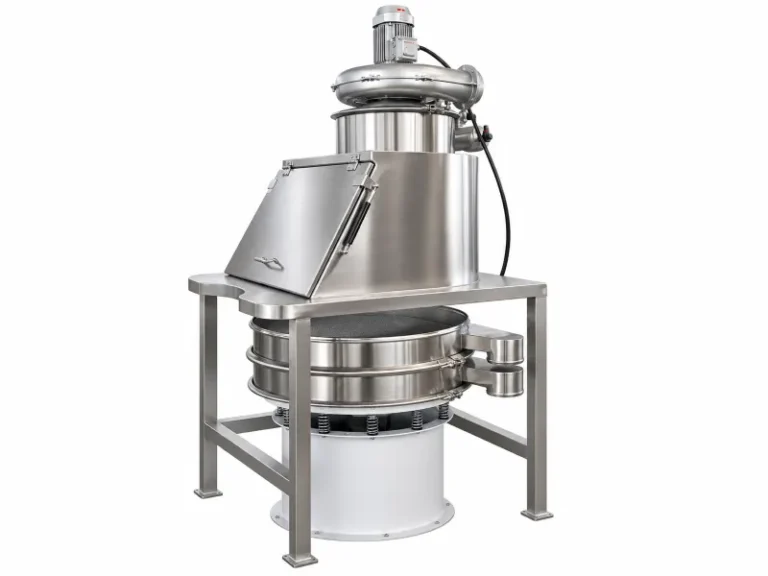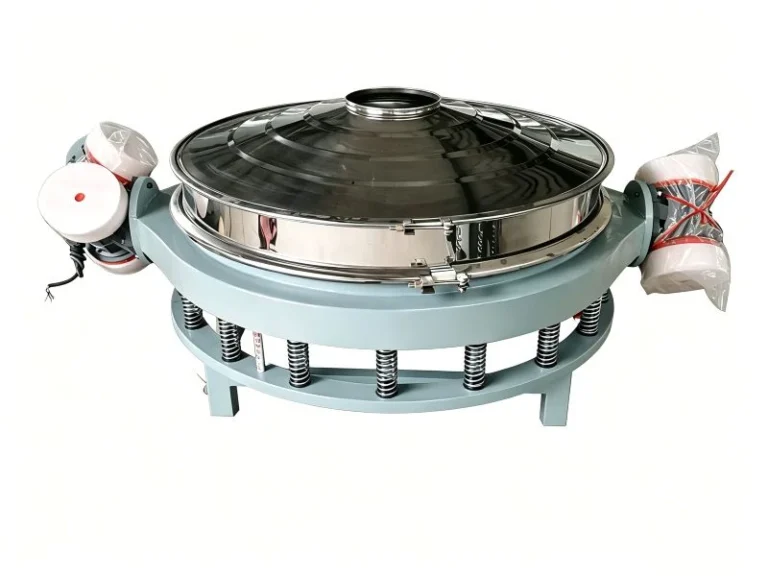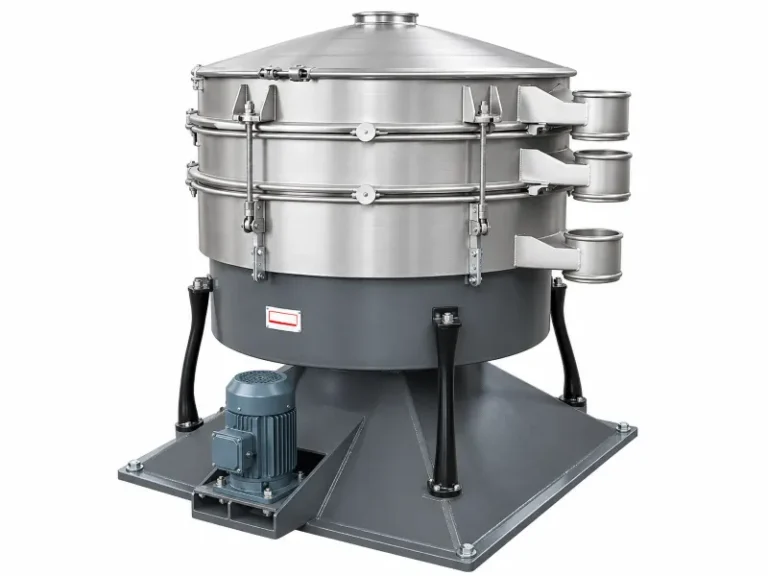
Линейное вибрационное сито для сушёных овощей
Линейный вибрационный грохот для обезвоженных овощей удаляет мелкие частицы, отделяет примеси, отличающиеся по размеру от продукта, и сортирует высушенные кусочки перед упаковкой. Оборудование, предназначенное для работы с влажным продуктом, также может удалять поверхностную воду с вымытых овощей.
Прежде всего необходимо определить, на каком этапе технологического процесса будет установлена машина. Сушёным хлопьям нужны условия просеивания, которые ограничивают их повреждение. Для вымытых овощей необходима просеивающая поверхность, обеспечивающая свободный сток воды, её сбор и возможность тщательной очистки. В обоих случаях может использоваться одно и то же линейное движение, но требуются разные конфигурации оборудования.

Сухое просеивание или удаление воды?
Прежде чем выбрать линейный вибрационный грохот для обезвоженных овощей, определите состояние материала, поступающего в машину.
| Фактор выбора | Просеивание обезвоженных овощей | Удаление воды с вымытых овощей |
|---|---|---|
| Состояние материала | Сушёные хлопья, кусочки или гранулы | Влажные целые или нарезанные овощи |
| Основная цель | Удаление мелких частиц и сортировка по размеру | Удаление излишков поверхностной воды |
| Выбор просеивающей поверхности | Размер отверстий, соответствующий требованиям к продукту | Отверстия, обеспечивающие сток воды и удерживающие продукт |
| Требования к конструкции | Отдельные выпускные отверстия, защита от пыли, доступные для обслуживания сита | Сбор и отвод воды, доступ для очистки |
| Что проверять во время испытаний | Качество разделения и повреждение продукта | Остаточная поверхностная вода и повреждение продукта |
Вибрационное обезвоживание удаляет свободную поверхностную воду. Оно не заменяет тепловую сушку. Чтобы свежие овощи превратились в обезвоженный продукт, пригодный для длительного хранения, они всё равно должны пройти соответствующий процесс сушки.
Как работает грохот
В линейном вибрационном грохоте для обезвоженных овощей обычно используются два вибродвигателя, синхронно вращающихся в противоположных направлениях. Их возбуждающие силы складываются, заставляя корпус грохота двигаться по линейной траектории.
Под действием вибрации и силы тяжести материал движется к разгрузочному концу. Частицы, размер которых меньше отверстий, проходят сквозь них; более крупные кусочки остаются на просеивающей поверхности и перемещаются к отдельному выпускному отверстию.
Машина состоит главным образом из:
- Короб грохота и рама: Поддерживают просеивающую поверхность и материал.
- Сетка сита или перфорированный лист: Определяют размер разделения.
- Вибродвигатели: Создают возбуждающую силу.
- Виброизоляционные пружины или резиновые элементы: Уменьшают вибрацию, передаваемую на опорную конструкцию.
- Основание и опорная рама: Удерживают машину на необходимой высоте установки.
При мокрой обработке также необходимы сбор и отвод воды. Проверьте эти условия, прежде чем использовать машину для сухого просеивания мытых овощей.
компании Yuanjing линейный вибрационный грохот Ассортимент включает варианты с различными размерами сит, количеством ярусов и материалами изготовления.
Место в линии переработки овощей
Удаление мелких частиц после сушки
Сушёные овощи могут ломаться во время сушки, транспортировки и хранения. Просеивание перед упаковкой позволяет отделить часть этих фрагментов от годного продукта.
Линейное вибросито для обезвоженных овощей должно задерживать годные кусочки, пропуская нежелательные мелкие частицы. Особого внимания требуют хлопья неправильной формы: один и тот же кусочек может пройти через отверстие или остаться на сите в зависимости от того, как он на него попадёт.
При пробном просеивании сушёных овощных ломтиков проверяйте как подрешётный продукт, так и готовую продукцию. Если через сито проходит слишком много годных ломтиков, пересмотрите размер отверстий и рабочие настройки.
Сортировка по размеру перед упаковкой
Многоярусное сито разделяет материал на несколько фракций по размеру, каждая из которых выходит через отдельный патрубок. Это может подойти предприятиям, которые упаковывают овощи разных размерных категорий отдельно.
Для простого удаления мелких частиц может быть достаточно одного яруса. Добавляйте ярусы только тогда, когда спецификация продукта требует дополнительного разделения, и обеспечьте достаточно места для осмотра, очистки и замены каждого сита.
Удаление воды после мойки
Вибросито для мокрой обработки может удалять часть воды, оставшейся после мойки, одновременно перемещая овощи к следующему этапу процесса.
Следите за скоплением воды, засорением отверстий и скоплением материала в одном месте. Вода должна стекать через сито без недопустимой потери продукта через отверстия.
Связующее звено в линиях переработки свеженарезанных и замороженных овощей
Vibratory draining equipment may be used between washing and later processing in fresh-cut vegetable plants, frozen vegetable lines, pickled vegetable production, and central kitchens.
The next process determines how much surface water is acceptable. Delicate foods such as mushrooms and strawberries also need material trials to establish suitable handling conditions.
Technical Parameters to Check
Select a linear vibrating screen for dehydrated vegetables around the material, required separation, and production rate.
The ranges below are preliminary references. They do not describe one machine, and they are not guaranteed performance figures for vegetables.
| Параметр | Preliminary reference range | Что необходимо уточнить |
|---|---|---|
| Screen width | 400–2,000 mm | Feed distribution and installation space |
| Screen length | 1,500–6,000 mm | Time needed for screening or draining |
| Количество дек | 1–5 | Required product fractions |
| Vibration frequency | 700–1,000 cycles/min | Compatibility with the material and machine design |
| Vibration amplitude | 4–8 mm | How amplitude is measured and whether it damages the product |
| Производительность обработки | 0.5–20 t/h | Material, aperture, feeding conditions, and acceptance criteria |
A small screen cannot be assumed to reach the upper end of the capacity range. Likewise, a throughput figure for dense granules says little about how the machine will handle lightweight vegetable flakes.
Preliminary ranges for draining equipment also include 1–10 t/h throughput, 1.5–7.5 kW power, and 1–6 m² screen area. Check these against the proposed design. For power, ask whether the figure refers to one motor or the total installed power.
компании Yuanjing руководство по выбору линейного вибрационного сита covers the relationship between material properties, throughput, screen specifications, and operating conditions.

Choosing the Configuration
Describe the Material
When requesting a linear vibrating screen for dehydrated vegetables, include:
- Whether the material is dry or wet.
- Typical piece dimensions and shape.
- Moisture content, if available.
- Bulk density.
- Whether it breaks, sticks, or accumulates easily.
- Required hourly throughput.
- Acceptable product sizes and allowable fines.
Weight alone can be misleading. Lightweight leaves occupy more space than compact granules at the same mass flow rate. The resulting bed depth affects how much material reaches the screen openings.
Choose the Aperture Around the Product
For fines removal, establish the boundary between acceptable pieces and unwanted fragments. For grading, define each size fraction. For draining, check both water passage and product retention.
Where possible, specify the opening dimensions and shape rather than giving only a mesh number. Test stainless steel woven mesh or perforated plates with representative material.
Screening relies on size differences. Impurities close to the product’s size may remain in the finished fraction.
Match Materials to Cleaning Conditions
A linear vibrating screen for dehydrated vegetables may use 304 stainless steel for product-contact parts. Consider 316 stainless steel where the chemical environment requires greater corrosion resistance.
Check salt exposure, cleaning chemicals, temperature, and contact time before making that choice. Construction details and access for cleaning matter too.
For wet service, confirm drainage paths and the protection of motors and electrical components. An IP rating by itself does not establish that the complete machine can withstand every washdown procedure.
Check the Connections Before Ordering
Confirm inlet height, outlet directions, collection points, and maintenance space while the layout is still being planned.
A dry grading machine may discharge into several containers or downstream conveyors. A wet draining machine also needs a route for collected water. Review these connections alongside the washing equipment and the next conveyor or sorting table.
What to Look for During a Trial
Run representative material through the linear vibrating screen for dehydrated vegetables before committing to full production.
Begin within the manufacturer’s permitted operating range. Check how the material moves, what passes through, and whether the machine produces additional breakage.
More vibration is not always helpful. Excessive movement can increase impacts; too little can leave material accumulating on the deck. Adjust the settings against the results you can see and measure.
| Trial check | Dry vegetable screening | Wet vegetable draining |
|---|---|---|
| Feed distribution | Even loading across the screen | No concentrated clumps or surges |
| Material movement | Steady travel without excessive bouncing | Steady travel without product damage |
| Undersize stream | Limited loss of acceptable pieces | Limited product loss through the deck |
| Screen condition | No persistent blinding or accumulation | No persistent blockage or standing water |
| Discharge quality | Required grading and acceptable breakage | Acceptable surface moisture and damage |
Record the feed rate, aperture, operating settings, and results. This gives operators a usable starting point for the next batch.
For further adjustment guidance, see improving linear vibrating screen efficiency, which covers feed distribution, mesh condition, and vibration settings.
A Related Dried-Food Example
компании Yuanjing dried coconut particle screening case describes a project with a required capacity of 1,200 kg/h, a bulk density of 400 kg/m³, four screening decks, and SUS304 stainless steel construction.
The case shows the level of material and grading information needed at the selection stage. Coconut particles behave differently from dehydrated vegetables, so its specifications should not be carried over to another product without testing.
Очистка и техническое обслуживание
A linear vibrating screen for dehydrated vegetables needs regular checks of its screen, fasteners, and isolation components.
Before Starting
Inspect the screen for damage and loss of tension. Check fasteners, springs or rubber isolation elements, and the inlet and outlets. On wet-duty equipment, inspect the water collection tray and drainage route as well.
Stop and isolate the equipment before cleaning, adjustment, or maintenance.
After Processing
Remove vegetable fragments from the deck, frame, and outlets. Use cleaning and sanitizing procedures compatible with the equipment materials and the plant’s food hygiene requirements.
If a dry screening machine has been wet-cleaned, let it reach the required dry condition before restarting production.
During Scheduled Maintenance
Inspect isolation components for deterioration and screens and seals for wear.
Follow the motor manufacturer’s bearing lubrication instructions. The correct interval depends on the bearing arrangement and operating conditions; a monthly schedule will not suit every motor.
Replace screens and seals according to their condition and effect on operation.
Troubleshooting
| Problem | What to inspect | What to do |
|---|---|---|
| Poor separation | Blocked or damaged mesh, excessive feed | Clean or replace the mesh and stabilize feeding |
| More vegetable breakage | Vibration settings, transfer drops, collisions | Review handling conditions and repeat the trial |
| Poor surface-water removal | Thick material bed, blocked openings, restricted drainage | Improve distribution and clear drainage paths |
| Abnormal noise | Loose parts, bearings, component contact | Stop and inspect before restarting |
| Abnormal vibration | Motors, power supply, isolation components | Have qualified personnel inspect the equipment |
| Material moving to one side | Installation, feed position, screen condition | Check installation and correct uneven feeding |
Frequently Asked Questions
Can a linear vibrating screen for dehydrated vegetables handle wet vegetables?
It can if the machine is built for wet service. Confirm the deck, drainage system, cleaning access, and electrical protection before changing applications.
How do I reduce breakage during screening?
Test the actual product, keep feeding even, and adjust vibration within the equipment’s permitted range. Check the drops at the inlet and outlets too; damage may occur during transfer rather than on the deck.
Do more decks improve screening?
Only when additional size fractions are needed. Each extra deck adds cleaning and maintenance work.
What determines actual capacity?
Piece size, shape, bulk density, moisture, aperture, bed depth, and feeding conditions all affect throughput. Measure capacity while the machine meets the agreed separation and product-quality requirements.
Can vibratory draining guarantee a fixed water-removal percentage?
Only against defined test conditions. Agree on the incoming material condition, processing time, and residual-water measurement method before assessing performance.
Discuss Your Vegetable Screening Requirements
To specify a linear vibrating screen for dehydrated vegetables, prepare material photos or samples, the dry or wet condition, target throughput, required grades, and installation dimensions.
For washed vegetables, include the cleaning method, drainage requirements, and acceptable product damage.
Contact Yuanjing Machinery for a customized screening proposal using these details.