Просеивание семян кунжута: удаление крупного мусора и мелких частиц
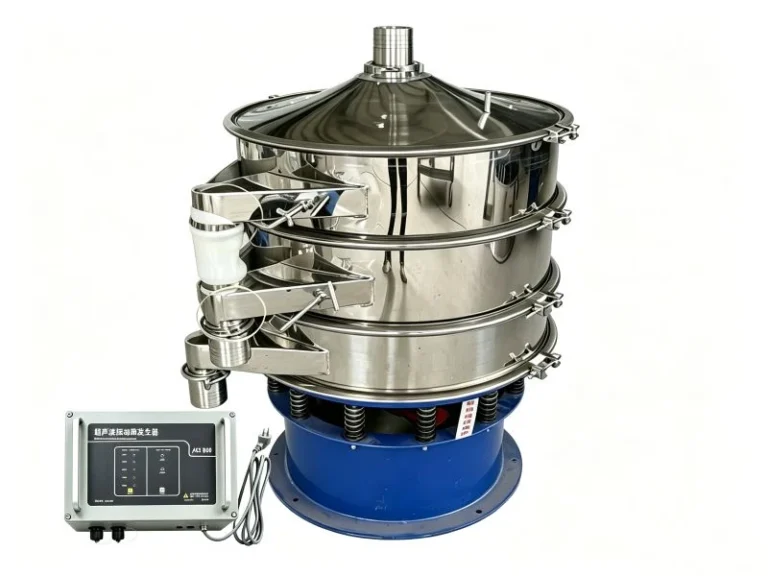
Просеивание семян кунжута удаляет крупный мусор и мелкие частицы перед обжаркой, отжимом масла или упаковкой. Двухъярусный просеиватель разделяет подаваемый материал на три потока: крупный материал, целевые семена кунжута и мелкие частицы. Верхнее сито удаляет более крупный мусор, а нижнее сито задерживает целевые семена и пропускает более мелкие частицы.
Отверстия сит должны соответствовать фактическому размеру семян и требованиям к очистке. Цель — удалить нежелательный материал, сохранив потери хороших семян на низком уровне. Камни и другие примеси, близкие по размеру к семенам кунжута, могут потребовать отдельного этапа очистки.

Что нужно удалять при просеивании семян кунжута?
Сырой кунжут может содержать стебли, фрагменты стручков, почву, песок, семена сорняков и поврежденные семена. Эти материалы могут влиять на качество продукта и мешать последующей обработке. Первый шаг — определить, какие материалы достаточно различаются по размеру, чтобы их можно было отделить ситами.
Крупный мусор: стебли, фрагменты стручков и комки почвы
Крупные стебли, фрагменты стручков и комки почвы остаются на верхнем сите, когда они не могут пройти через его отверстия. Более крупные камни также могут удаляться на этом этапе.
Форма имеет значение не меньше размера. Длинный тонкий стебель может пройти через отверстие, которое задерживает более короткий, но более широкий кусок. Поэтому эффективность просеивания следует проверять на фактическом подаваемом материале.
Мелкие частицы: мелкая почва, мелкие фрагменты и материал недостаточного размера
Мелкая почва, мелкие частицы песка и фрагменты семян могут проходить через нижнее сито, когда они меньше его отверстий.
Не весь материал недостаточного размера является отходами. Дробленый кунжут может иметь ценность для дальнейшей переработки. Однако если он выходит через тот же выход, что и мелкие примеси, перед повторным использованием требуется дополнительное разделение и проверка качества.
Примеси, требующие других методов очистки
Размерное просеивание не может надежно отделять материалы, которые проходят через те же отверстия, что и хорошие семена кунжута. К ним могут относиться камни аналогичного размера, семена сорняков и поврежденные или плохо выполненные семена.
В зависимости от примеси дальнейшая очистка может потребовать аспирации, удаления камней, магнитной сепарации или цветовой сортировки. Эти методы дополняют просеивание, разделяя материал по свойствам, отличным от размера.

Как двухъярусный просеиватель отделяет семена кунжута от мусора и мелких частиц?
Двухъярусная машина для просеивания кунжута выполняет два размерных отсева за один проход. Вибрация распределяет подаваемый материал по ситам и помогает частицам достигать отверстий. Каждая отделенная фракция движется к своему собственному выходу.
Верхний ярус: удаление крупного мусора
Верхнее сито имеет отверстия, достаточно большие, чтобы целевые семена кунжута могли пройти через них. Крупный материал остается на сите и движется к верхнему разгрузочному выходу.
Семена кунжута и более мелкие частицы падают на нижний ярус для следующего разделения.
Нижний ярус: задержание семян кунжута и удаление мелких частиц
Нижнее сито имеет меньшие отверстия. Целевые семена кунжута остаются на его поверхности и движутся к выходу продукта, а более мелкие частицы проходят через него к выходу мелких частиц.
Это дает три потока:
| Разгрузочный поток | Путь разделения | Типичный материал |
|---|---|---|
| Крупный материал | Остается на верхнем сите | Крупные стебли, фрагменты стручков, комки почвы и более крупные камни |
| Целевые семена кунжута | Проходят через верхнее сито и остаются на нижнем сите | Семена в выбранном диапазоне размеров |
| Мелкие частицы | Проходят через оба сита | Мелкая почва, мелкие фрагменты и материал недостаточного размера |
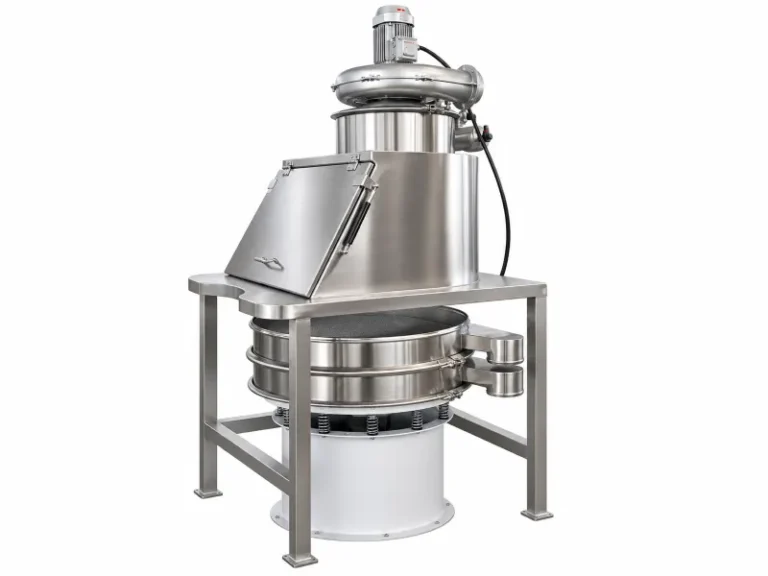
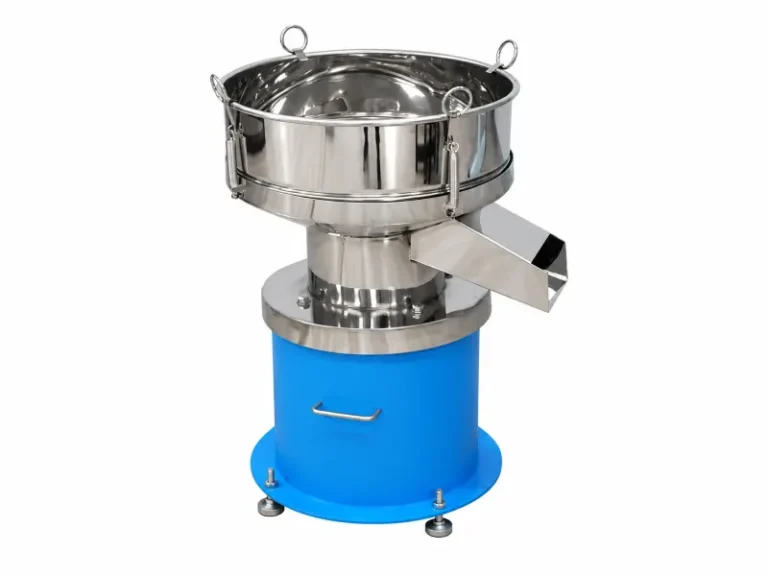
A вибросито может быть оснащена несколькими ярусами для выполнения этих размерных отсевов. Отверстия сит, эффективная площадь просеивания и условия подачи определяют, насколько хорошо работает конфигурация.
Если подаваемый материал содержит легкие листья, свободные оболочки или пыль, подходящая аспирационная система может обеспечить дополнительный этап очистки.
Как выбрать отверстия сит для просеивания семян кунжута
Не существует единой спецификации сит для каждой партии кунжута. Размер семян, форма, очищенное или неочищенное состояние и требуемая спецификация продукта — все это влияет на выбор.
Выбирайте верхние и нижние отверстия отдельно
Верхнее отверстие должно пропускать целевые семена, задерживая крупный материал, который вы хотите удалить. Если оно слишком мало, хорошие семена могут уйти с крупными отходами. Если оно слишком велико, больше мусора может достичь нижнего яруса.
Нижнее отверстие должно задерживать целевые семена, позволяя нежелательным мелким частицам проходить. Слишком большое отверстие может увеличить потери хороших семян. Слишком маленькое может задерживать нежелательный мелкий материал вместе с продуктом.
Указывайте фактический размер отверстия в миллиметрах, где это возможно. Если используются номера меш, также подтвердите стандарт сита и диаметр проволоки.
Проверяйте все три разгрузочных потока
Используйте репрезентативную пробу, содержащую обычную смесь семян и примесей. Проведите испытание при предполагаемой скорости подачи, затем соберите и проверьте материал из каждого выхода.
| Точка отбора проб | Что проверять |
|---|---|
| Выход крупного материала | Отбраковываются ли целые, приемлемые семена кунжута? |
| Выход продукта | Присутствует ли еще крупный мусор или нежелательные мелкие частицы? |
| Fines outlet | Are too many acceptable seeds passing through? |
Record the test conditions, including screen openings, feed rate, and material condition. Select the final configuration based on separation quality and seed recovery, as well as throughput.
For another grain screening application, see our guide to rice screening for broken rice separation and fines removal. Screen openings should be selected separately for each material.
Choosing a Sesame Seed Screening Machine
Rotary vibrating sifters and linear vibrating screens can both be used for sesame cleaning. The choice depends on the required size cuts, feed condition, throughput, and installation space.
Rotary Vibrating Sifters
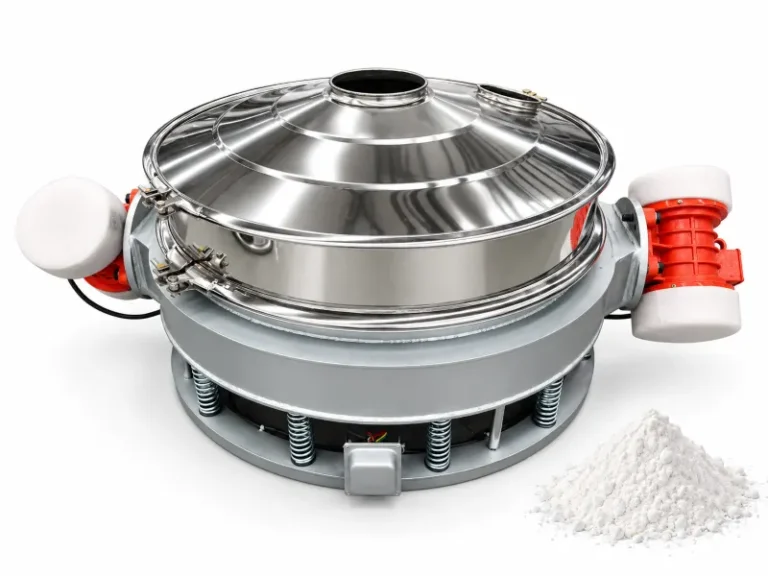
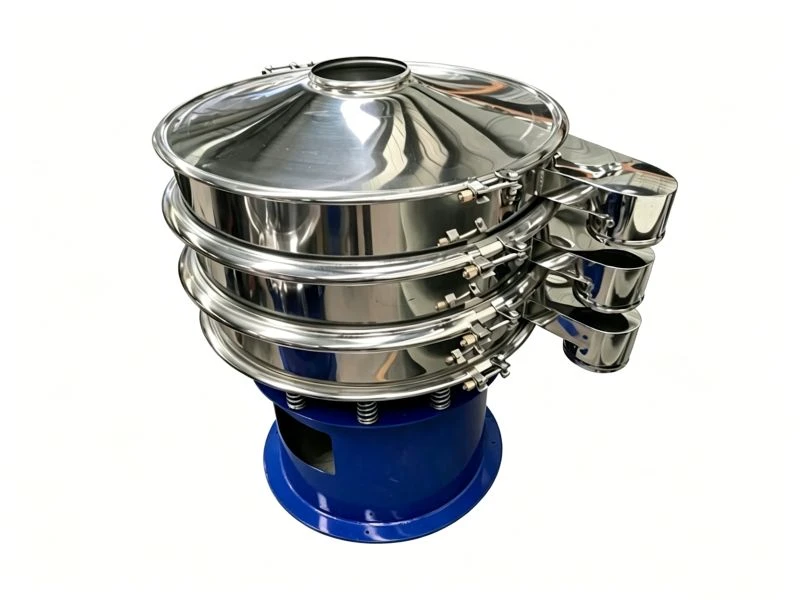
A rotary vibrating sifter uses a vertical vibration motor to move material across circular screen decks. A two-deck configuration can separate oversize debris, target seeds, and fines within a compact installation.
When choosing a machine, check the usable screen area, outlet arrangement, access for cleaning, and ease of screen replacement.
Linear Vibrating Screens
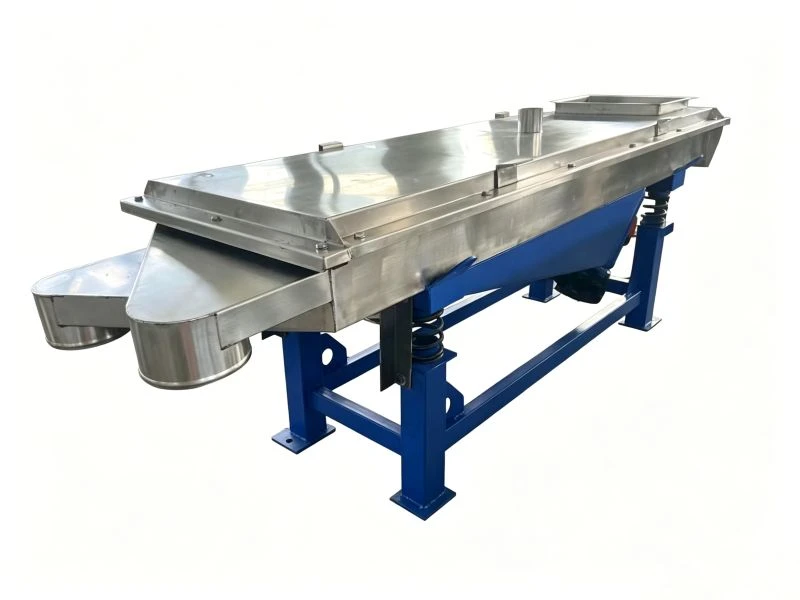
A линейный вибрационный грохот commonly uses two vibration motors to move material along a rectangular screen surface. It can be considered for continuous cleaning where the feed arrangement and required screening area suit this layout.
A rotary sifter and a linear screen may also be used at different stages of a production line. This should follow the process requirements; two separate machines are not always necessary.
Confirm the Configuration with Your Material
Provide a representative sesame sample, the required capacity in kg/h, the main impurities, and the desired product specification before selecting a model.
For material-contact parts and cleaning access, review the available вибрационное сито из нержавеющей стали configurations. Material selection should also account for the plant’s cleaning methods and operating conditions.
How to Keep Sesame Seed Screening Consistent
Once the screen openings are selected, steady feeding and routine checks help maintain separation quality. A suitable screen can still perform poorly if material builds up or the mesh becomes blocked.
Keep the Feed Even
Avoid dropping a concentrated stream onto one small area of the screen. Excessive or uneven feeding creates a thick material bed and limits contact with the openings.
Use a controlled feeder or suitable feed distributor where needed. Our sesame screening case study discusses feed distribution and screen loading in a practical application.
Adjust Vibration Based on the Results
Follow the manufacturer’s instructions when adjusting the motor weights. Check how evenly the sesame spreads, how quickly it reaches the outlets, and whether separation improves.
The aim is steady movement without excessive buildup or seed damage. Stronger vibration does not automatically produce cleaner sesame.
Keep the Screens Clear and Properly Tensioned
Inspect the mesh for loose sections, blocked openings, and damage. Where fitted, bouncing balls beneath the screen can help clear lodged particles.
Stop the machine and isolate the power before inspection or cleaning. Remove residue after use, follow the specified lubrication schedule, and check springs and fasteners regularly.
Recheck Separation When the Feed Changes
A different sesame batch may contain smaller seeds, more fines, or a higher level of impurities. Recheck all three outlets when the material changes rather than relying only on the previous settings.
For a sesame seed screening recommendation, send us your material details, required throughput, impurity types, and target separation. A sample test can help confirm the screen openings and machine configuration before purchase.
Get a Screening Solution for Your Sesame Seeds
Effective sesame seed screening depends on matching the screen openings, feed rate, and machine configuration to your material. A two-deck sifter can separate oversize debris and fines while retaining the target seeds, but sample testing is important to check cleaning results and good-seed loss.
Need help choosing a sesame screening machine? Send us your sesame type, required capacity, impurity details, and photos or samples. Our team can help assess your requirements and recommend a suitable screening configuration.
FAQ
1. What screen size is best for sesame seed screening?
The right screen openings depend on the sesame seed size, impurity sizes, and product requirements. For two-deck screening, the upper screen should let target seeds pass while retaining larger debris. The lower screen should retain target seeds while letting fines pass. Confirm the actual opening size rather than relying on mesh numbers alone, and test a representative sample before selecting the screens.
2. Can a sesame screening machine remove both large debris and fine particles?
Yes. A two-deck sesame screening machine can make two size cuts in one pass. Large debris stays on the upper screen, target sesame seeds pass through the upper screen and remain on the lower screen, and fines pass through both. This works when the unwanted material differs enough in size from the target seeds.
3. Can a vibrating sieve remove all stones from sesame seeds?
No. A vibrating sieve can separate stones that are sufficiently larger or smaller than the target sesame seeds. Stones close to sesame seed size may leave through the product outlet. Where these stones are present, sesame seed cleaning may require a separate destoning step.
4. How can I reduce good-seed loss during sesame screening?
Check the coarse reject and fines outlets for acceptable sesame seeds. Good seeds in the coarse rejects may indicate that the upper openings are too small or seeds have insufficient opportunity to pass. Good seeds in the fines may indicate oversized lower openings or screen damage. Check screen condition, feed distribution, and feed rate before changing the configuration.
5. Should I choose a rotary vibrating sifter or a linear vibrating screen for sesame seeds?
Both can be used for sesame seed screening. A rotary vibrating sifter offers a compact layout for multi-deck separation. A linear vibrating screen moves material along a rectangular screening surface and may suit continuous cleaning layouts. Compare the required size cuts, usable screen area, throughput, cleaning access, and installation space, then confirm the choice through a material test.
6. What affects the capacity of a sesame seed screening machine?
Capacity depends on screen openings, effective screening area, seed size distribution, impurity content, material condition, and feed rate. Excessive feeding can create a thick material bed and reduce separation quality. For equipment selection, provide the required capacity in kg/h together with a representative sample and cleaning targets. Assess throughput alongside product cleanliness and good-seed recovery.