Sesame Seed Screening: Removing Oversize Debris and Fine Particles
Sesame seed screening removes large debris and fine particles before roasting, oil pressing, or packing. A two-deck sifter separates the feed into three streams: oversize material, target sesame seeds, and fines. The upper screen removes larger debris, while the lower screen retains the target seeds and lets smaller particles pass through.
Screen openings need to match the actual seed size and cleaning requirements. The aim is to remove unwanted material while keeping good-seed loss low. Stones and other impurities close to sesame seed size may need a separate cleaning step.

What Needs to Be Removed During Sesame Seed Screening?
Raw sesame may contain stems, pod fragments, soil, sand, weed seeds, and damaged seeds. These materials can affect product quality and interfere with later processing. The first step is to identify which materials differ enough in size to be separated by screens.
Oversize Debris: Stems, Pod Fragments and Soil Clumps
Large stems, pod fragments, and soil clumps remain on the upper screen when they cannot pass through its openings. Larger stones may also be removed at this stage.
Shape matters as well as size. A long, thin stem may pass through an opening that holds back a shorter but wider piece. Screening performance should therefore be checked with the actual feed material.
Fine Particles: Fine Soil, Small Fragments and Undersize Material
Fine soil, small sand particles, and seed fragments can pass through the lower screen when they are smaller than its openings.
Not all undersize material is waste. Broken sesame may have value for further processing. However, if it leaves through the same outlet as fine impurities, it needs additional separation and quality checks before reuse.
Impurities That Need Other Cleaning Methods
Size screening cannot reliably separate materials that pass through the same openings as good sesame seeds. These may include similar-sized stones, weed seeds, and damaged or poorly filled seeds.
Depending on the impurity, further cleaning may require aspiration, destoning, magnetic separation, or color sorting. These methods complement screening by separating material according to properties other than size.

How Does a Two-Deck Sifter Separate Sesame Seeds from Debris and Fines?
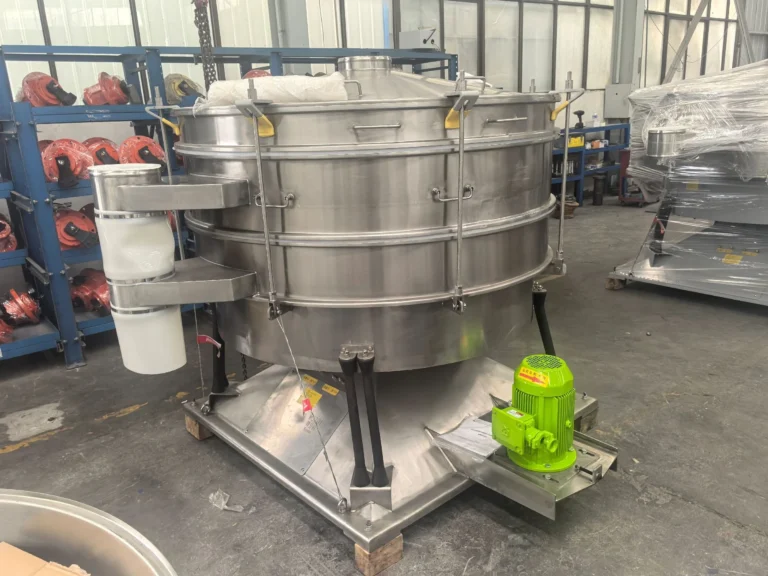
A two-deck sesame screening machine makes two size cuts in one pass. Vibration spreads the feed across the screens and helps particles reach the openings. Each separated fraction moves toward its own outlet.
Upper Deck: Remove Oversize Debris
The upper screen has openings large enough for the target sesame seeds to pass through. Oversize material stays on the screen and moves toward the upper discharge outlet.
Sesame seeds and smaller particles fall onto the lower deck for the next separation.
Lower Deck: Retain Sesame Seeds and Remove Fines
The lower screen has smaller openings. Target sesame seeds remain on its surface and move toward the product outlet, while smaller particles pass through to the fines outlet.
This produces three streams:
| Discharge stream | Separation path | Typical material |
|---|---|---|
| Oversize material | Remains on the upper screen | Large stems, pod fragments, soil clumps, and larger stones |
| Target sesame seeds | Pass through the upper screen and remain on the lower screen | Seeds within the selected size range |
| Fines | Pass through both screens | Fine soil, small fragments, and undersize material |
A vibro sifter machine can be configured with multiple decks to make these size cuts. Screen openings, effective screening area, and feed conditions determine how well the configuration performs.
Where the feed contains light leaves, loose husks, or dust, a suitable aspiration system can provide an additional cleaning step.
How to Choose Screen Openings for Sesame Seed Screening
There is no single screen specification for every sesame batch. Seed size, shape, hulled or unhulled condition, and the required product specification all affect the choice.
Select the Upper and Lower Openings Separately
The upper opening must let the target seeds pass while retaining the oversize material you want to remove. If it is too small, good seeds may leave with the coarse rejects. If it is too large, more debris may reach the lower deck.
The lower opening must retain the target seeds while allowing unwanted fines to pass. An opening that is too large can increase good-seed loss. One that is too small may retain unwanted fine material with the product.
Specify the actual opening size in millimetres where possible. If mesh numbers are used, also confirm the screen standard and wire diameter.
Test All Three Discharge Streams
Use a representative sample containing the usual mix of seeds and impurities. Run the test at the intended feed rate, then collect and inspect material from each outlet.
| Sample point | What to check |
|---|---|
| Oversize outlet | Are complete, acceptable sesame seeds being rejected? |
| Product outlet | Are coarse debris or unwanted fines still present? |
| Fines outlet | Are too many acceptable seeds passing through? |
Record the test conditions, including screen openings, feed rate, and material condition. Select the final configuration based on separation quality and seed recovery, as well as throughput.
For another grain screening application, see our guide to rice screening for broken rice separation and fines removal. Screen openings should be selected separately for each material.
Choosing a Sesame Seed Screening Machine
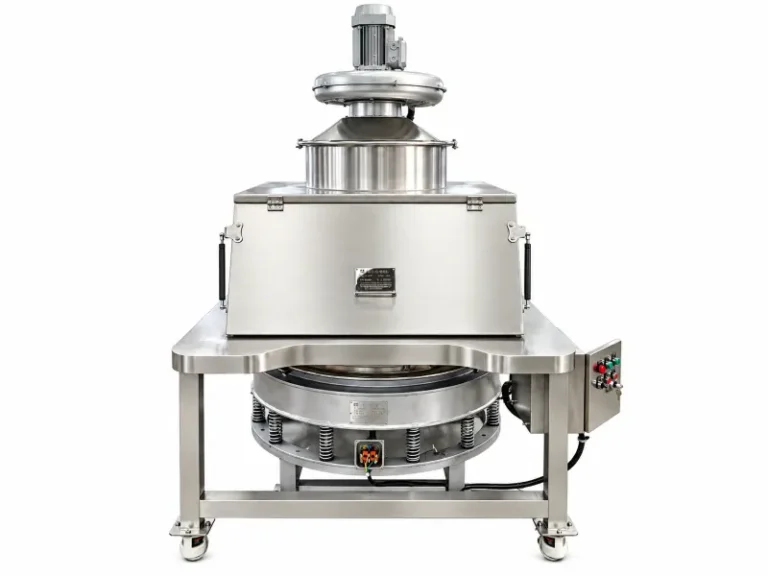
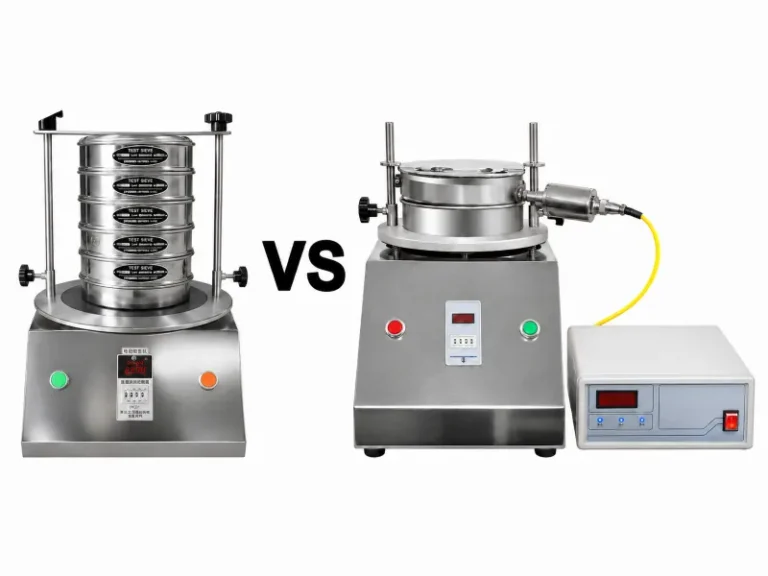
Rotary vibrating sifters and linear vibrating screens can both be used for sesame cleaning. The choice depends on the required size cuts, feed condition, throughput, and installation space.
Rotary Vibrating Sifters
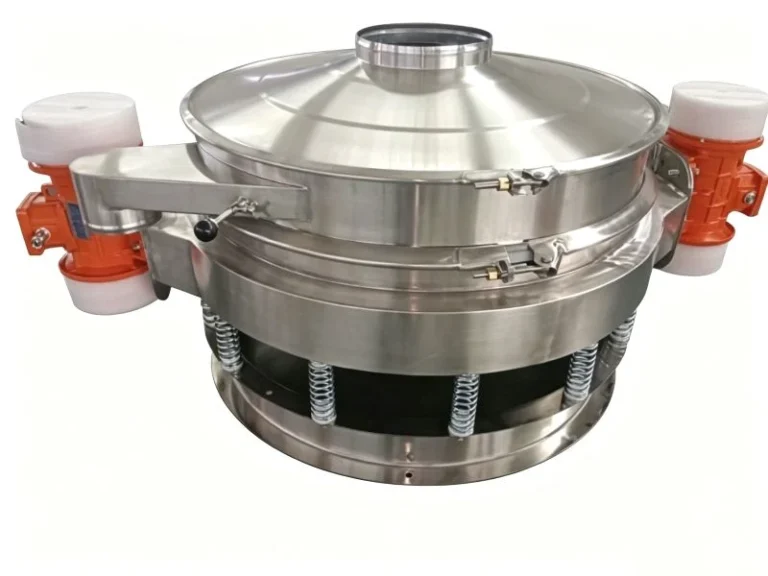
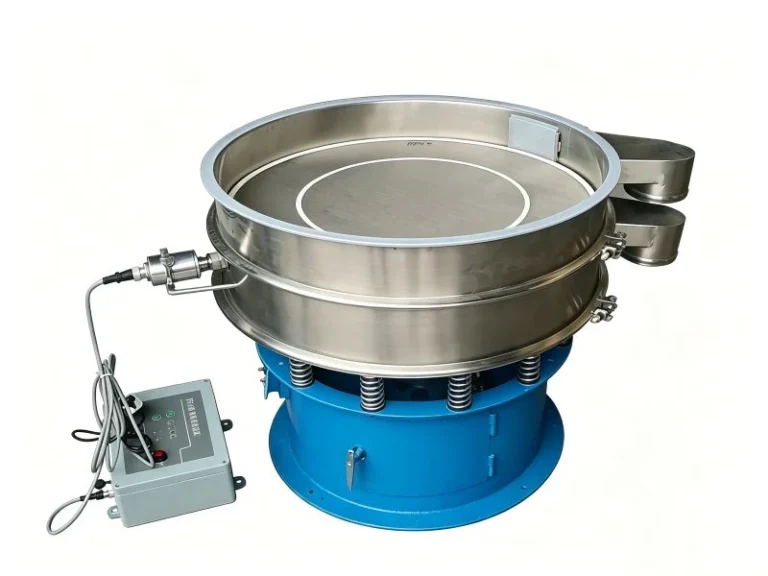
A rotary vibrating sifter uses a vertical vibration motor to move material across circular screen decks. A two-deck configuration can separate oversize debris, target seeds, and fines within a compact installation.
When choosing a machine, check the usable screen area, outlet arrangement, access for cleaning, and ease of screen replacement.
Linear Vibrating Screens
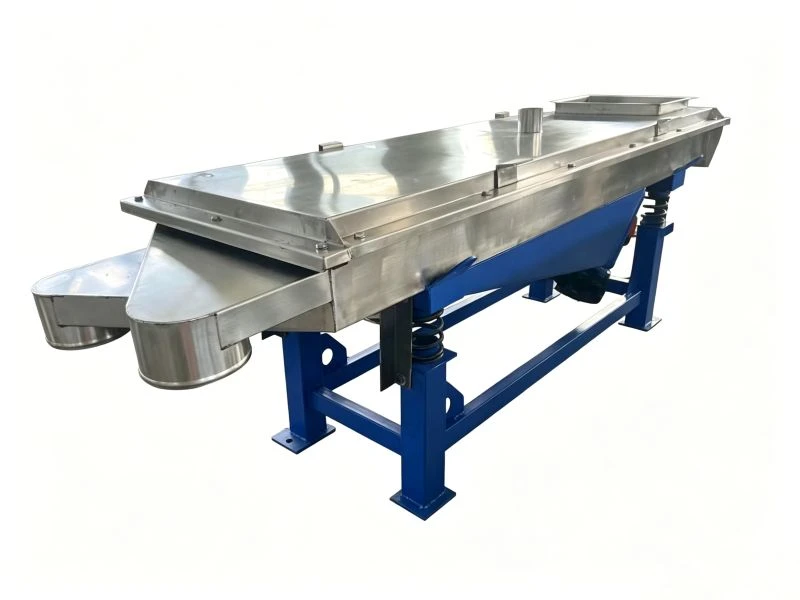
A linear vibrating screen commonly uses two vibration motors to move material along a rectangular screen surface. It can be considered for continuous cleaning where the feed arrangement and required screening area suit this layout.
A rotary sifter and a linear screen may also be used at different stages of a production line. This should follow the process requirements; two separate machines are not always necessary.
Confirm the Configuration with Your Material
Provide a representative sesame sample, the required capacity in kg/h, the main impurities, and the desired product specification before selecting a model.
For material-contact parts and cleaning access, review the available stainless steel vibrating sieve configurations. Material selection should also account for the plant’s cleaning methods and operating conditions.

How to Keep Sesame Seed Screening Consistent
Once the screen openings are selected, steady feeding and routine checks help maintain separation quality. A suitable screen can still perform poorly if material builds up or the mesh becomes blocked.
Keep the Feed Even
Avoid dropping a concentrated stream onto one small area of the screen. Excessive or uneven feeding creates a thick material bed and limits contact with the openings.
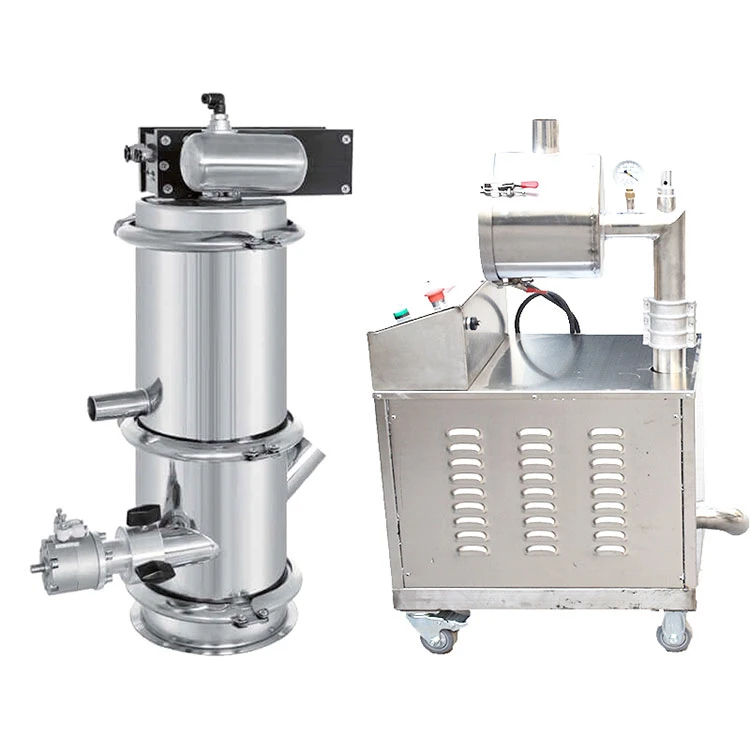
Use a controlled feeder or suitable feed distributor where needed. Our sesame screening case study discusses feed distribution and screen loading in a practical application.
Adjust Vibration Based on the Results
Follow the manufacturer’s instructions when adjusting the motor weights. Check how evenly the sesame spreads, how quickly it reaches the outlets, and whether separation improves.
The aim is steady movement without excessive buildup or seed damage. Stronger vibration does not automatically produce cleaner sesame.
Keep the Screens Clear and Properly Tensioned
Inspect the mesh for loose sections, blocked openings, and damage. Where fitted, bouncing balls beneath the screen can help clear lodged particles.
Stop the machine and isolate the power before inspection or cleaning. Remove residue after use, follow the specified lubrication schedule, and check springs and fasteners regularly.
Recheck Separation When the Feed Changes
A different sesame batch may contain smaller seeds, more fines, or a higher level of impurities. Recheck all three outlets when the material changes rather than relying only on the previous settings.
For a sesame seed screening recommendation, send us your material details, required throughput, impurity types, and target separation. A sample test can help confirm the screen openings and machine configuration before purchase.
Get a Screening Solution for Your Sesame Seeds
Effective sesame seed screening depends on matching the screen openings, feed rate, and machine configuration to your material. A two-deck sifter can separate oversize debris and fines while retaining the target seeds, but sample testing is important to check cleaning results and good-seed loss.
Need help choosing a sesame screening machine? Send us your sesame type, required capacity, impurity details, and photos or samples. Our team can help assess your requirements and recommend a suitable screening configuration.
FAQ
1. What screen size is best for sesame seed screening?
The right screen openings depend on the sesame seed size, impurity sizes, and product requirements. For two-deck screening, the upper screen should let target seeds pass while retaining larger debris. The lower screen should retain target seeds while letting fines pass. Confirm the actual opening size rather than relying on mesh numbers alone, and test a representative sample before selecting the screens.
2. Can a sesame screening machine remove both large debris and fine particles?
Yes. A two-deck sesame screening machine can make two size cuts in one pass. Large debris stays on the upper screen, target sesame seeds pass through the upper screen and remain on the lower screen, and fines pass through both. This works when the unwanted material differs enough in size from the target seeds.
3. Can a vibrating sieve remove all stones from sesame seeds?
No. A vibrating sieve can separate stones that are sufficiently larger or smaller than the target sesame seeds. Stones close to sesame seed size may leave through the product outlet. Where these stones are present, sesame seed cleaning may require a separate destoning step.
4. How can I reduce good-seed loss during sesame screening?
Check the coarse reject and fines outlets for acceptable sesame seeds. Good seeds in the coarse rejects may indicate that the upper openings are too small or seeds have insufficient opportunity to pass. Good seeds in the fines may indicate oversized lower openings or screen damage. Check screen condition, feed distribution, and feed rate before changing the configuration.
5. Should I choose a rotary vibrating sifter or a linear vibrating screen for sesame seeds?
Both can be used for sesame seed screening. A rotary vibrating sifter offers a compact layout for multi-deck separation. A linear vibrating screen moves material along a rectangular screening surface and may suit continuous cleaning layouts. Compare the required size cuts, usable screen area, throughput, cleaning access, and installation space, then confirm the choice through a material test.
6. What affects the capacity of a sesame seed screening machine?
Capacity depends on screen openings, effective screening area, seed size distribution, impurity content, material condition, and feed rate. Excessive feeding can create a thick material bed and reduce separation quality. For equipment selection, provide the required capacity in kg/h together with a representative sample and cleaning targets. Assess throughput alongside product cleanliness and good-seed recovery.