Bir Üretim Hattına Satır İçi Toz Eleme Sistemi Nasıl Entegre Edilir
Giriş
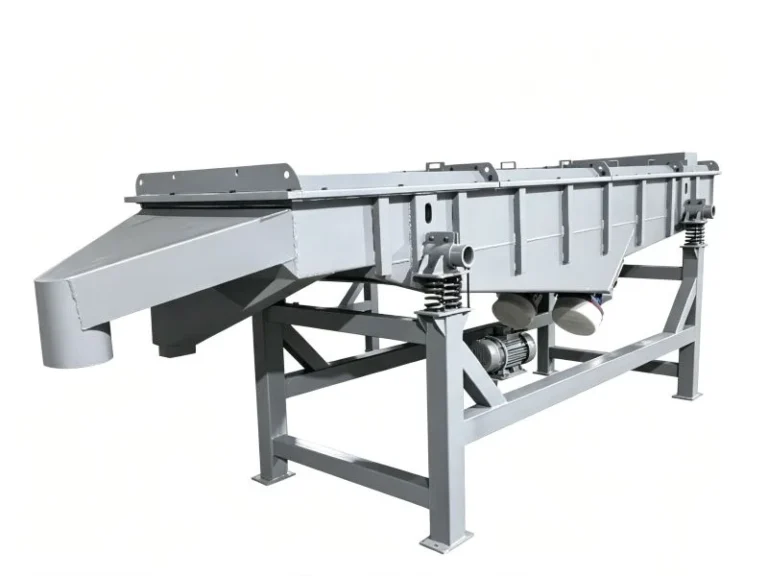
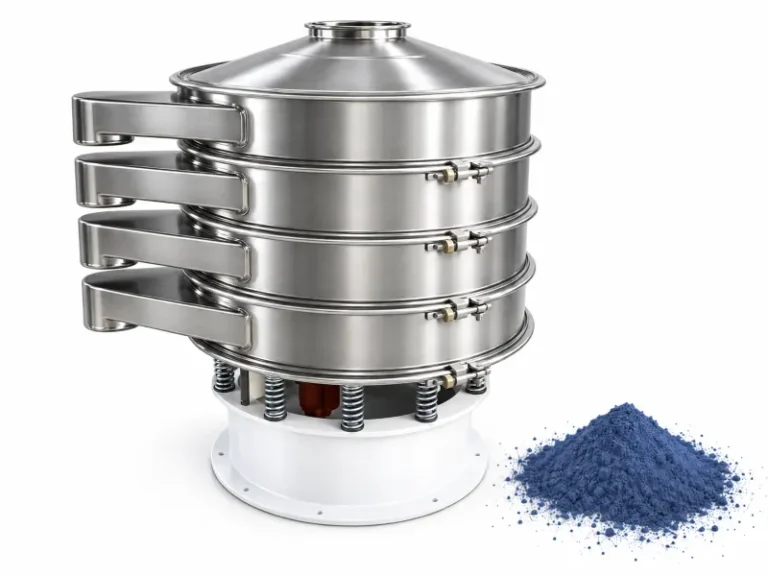
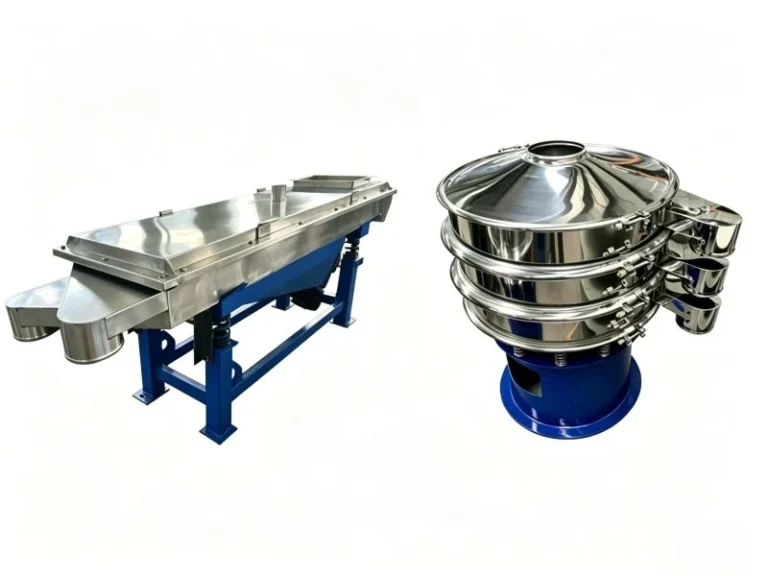
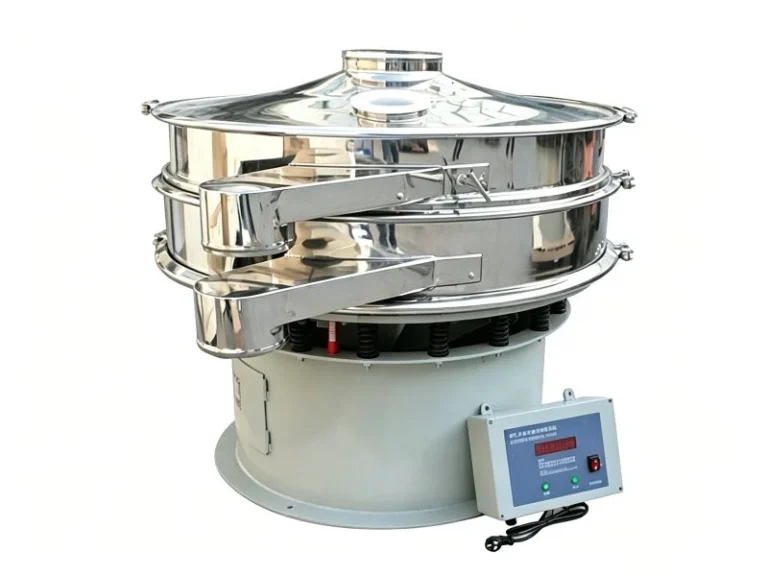
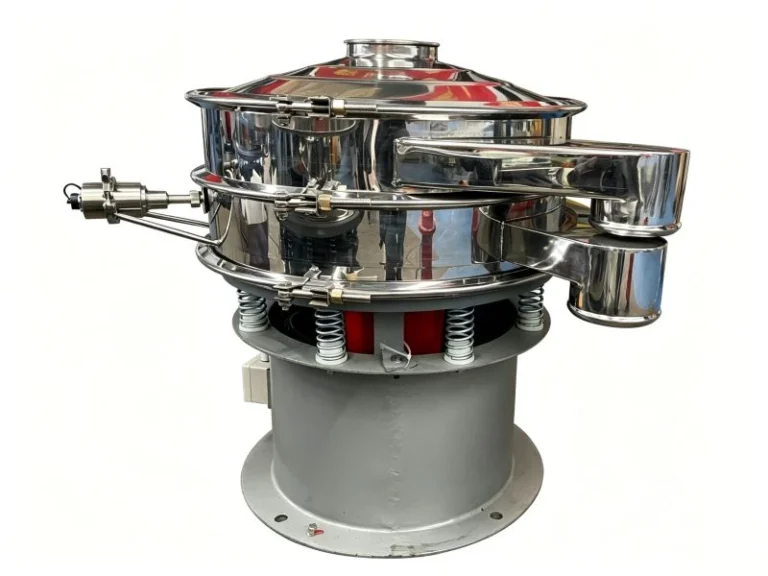
An inline powder sieving system can be installed directly into a powder production line to screen material as it moves from one process to the next. Instead of removing powder for separate batch screening, the inline screen connects with feeding, conveying, mixing, filling, or packaging equipment for continuous operation. This setup is suitable for applications that need steady powder flow, high screening efficiency, and less manual material handling. In this guide, we explain where to install an inline powder sifter, how to connect the inlet and outlet, and what to consider when matching the system with your production capacity.
What Is an Inline Powder Sieving System?
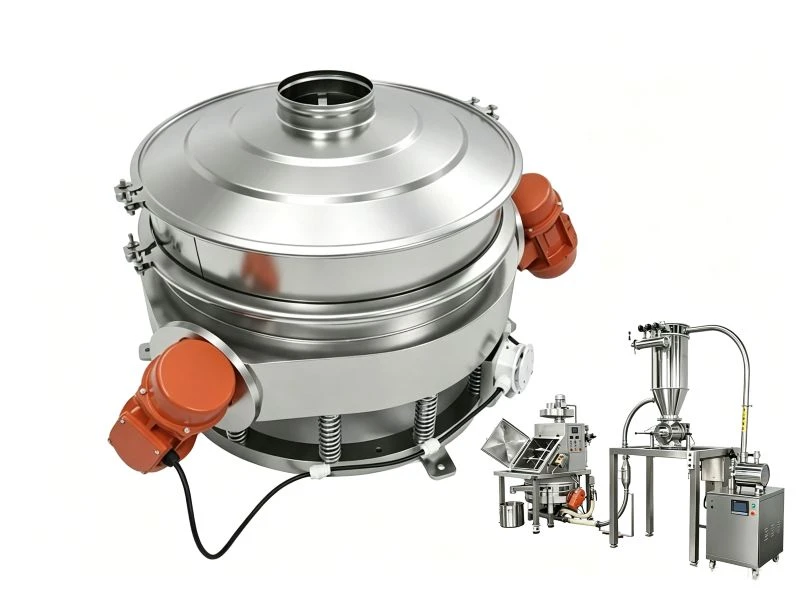
An inline powder sieving system is installed directly in the material flow to screen powder before it enters the next process. Unlike batch screening, the powder does not need to be manually transferred between machines. This makes inline sieving suitable for continuous production lines that require steady powder flow and easy connection with upstream and downstream equipment.
Bir Üretim Hattına Satır İçi Toz Eleme Sistemi Nasıl Entegre Edilir
An inline powder sieving system is installed directly into the material flow. A typical setup is:
Feeding → Sieving → Conveying → Processing → Packaging
The key is to match the screen with the feeding method, production rate, and downstream equipment.
Step 1: Choose the Right Installation Point
Install the screen where powder needs to be separated, such as after feeding or mixing, or before filling and packaging.
Step 2: Match the Inlet and Feeding System
The screen can be connected with a hopper, screw conveyor, vacuum feeder, or other feeding equipment. A stable feed rate helps maintain consistent screening.
If your line uses vacuum feeding, our guide to connecting a vacuum conveyor to a vibro sifter explains direct connections, buffer hoppers, and controlled feeding arrangements.
Step 3: Connect the Outlet to the Next Process
The screened powder can discharge directly into a hopper, conveyor, mixer, filling machine, or packaging system. Keeping the material path short helps reduce manual handling.
Step 4: Match Capacity with Production Rate
Screen capacity depends on the powder, mesh size, screen area, and feed rate. For example, inline screen models can range from about 5–15 t/h for smaller units to much higher capacities for large models under suitable conditions. The actual capacity should be confirmed based on the material and process.
Step 5: Check the Overall Layout
Before installation, confirm the feed rate, mesh size, inlet and outlet height, available space, cleaning method, and connection points. These factors determine whether the inline screen can work smoothly with the existing production line.

What to Consider Before Installing an Inline Powder Sieving System
The right inline powder sieving system depends on the material, required screening result, production rate, and production line layout. These factors should be checked before choosing the screen.
Powder Characteristics
Consider the powder’s particle size, moisture, flowability, density, and tendency to form lumps. Different powders require different screening conditions.
Mesh Size and Screening Fineness
Choose the mesh based on the required particle size. A finer mesh is not always better, as it can reduce screening capacity or increase the risk of clogging.
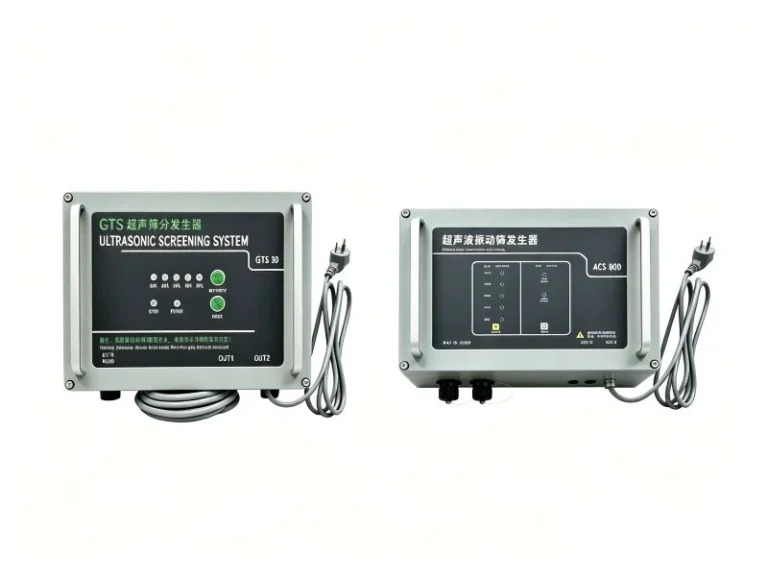
For ultra-fine powders that are prone to mesh clogging, an ultrasonik titreşimli ayırıcı can be considered.
Required Throughput
The screen should match the production rate of the line. Capacity is affected by the material, mesh size, screen area, and feed rate, so the actual material should be considered when selecting the model.
Installation Space
Check the inlet height, outlet height, footprint, and connection direction before installation. An inline screen with a suitable inlet and outlet layout can make connection with existing equipment easier.
Cleaning and Maintenance
For food, pharmaceutical, and other applications with strict cleaning requirements, consider easy screen removal, cleaning access, and a design with fewer material-collecting areas.
For applications involving fine powders or materials prone to mesh blockage, see our guide on industrial screen clogging for common causes and prevention methods.
Common Inline Powder Sieving Configurations
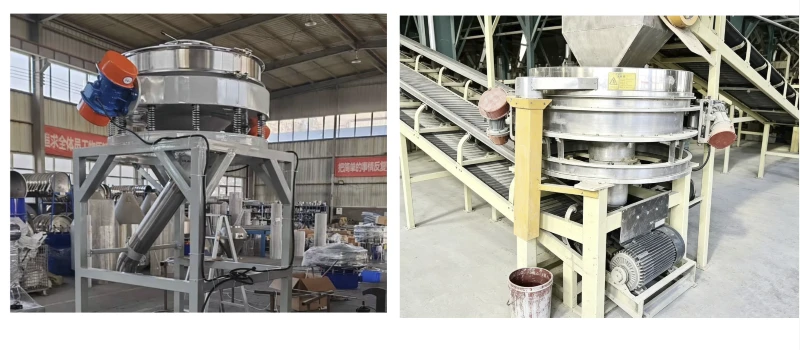
Different production lines have varying requirements regarding screening location, particle size, and production capacity. The following is a real-world application example of a magnesium granule production line, illustrating how the Inline Screen integrates with feeding, storage, and packaging equipment.
Case Example: Inline Sieving and Packing Line for Magnesium Granules
To meet the customer’s requirements for screening accuracy and stable production, we designed an automated conveying, screening, and packing line for magnesium granules.
The system consists of a 230 L buffer hopper, vacuum feeder, two-deck inline screen, 300 L storage hopper, electromagnetic feeder, and big bag packing machine. The complete line uses dust explosion protection to meet the requirements of the A201 area, based on the flammable and explosive characteristics of magnesium granules.
The process is:
Magnesium Granules → Buffer Hopper → Vacuum Feeder → Inline Screen → Storage Hopper → Electromagnetic Feeder → Big Bag Packing
The inline screen uses 2 mm and 0.5 mm mesh to separate magnesium granules to the required size of ≤0.5 mm. After screening, the qualified material enters the 300 L hopper and is fed continuously to the packing machine.
The line has a capacity of about 500 kg/h and can be operated by one person. The enclosed conveying and automated feeding system reduces manual handling and keeps the screening and packing process stable.
Read the full magnesium granule processing line case study for the equipment configuration, automatic controls and packing details.
Sonuç
An inline powder sieving system works best when the screen, feeding system, and downstream equipment are matched to the actual production process. The right setup depends on the powder, required particle size, capacity, and available installation space.
If you need an inline screening system for continuous powder production, we can help select the suitable screen size, mesh, capacity, and inlet/outlet configuration for your line.
Contact us with your material, required capacity, and screening size to discuss a suitable inline powder sieving solution.