Máy sàng rung tuyến tính để sàng cát: Hướng dẫn ứng dụng hoàn chỉnh
Linear vibrating machine for sand screening is designed to separate sand particles by size and improve screening efficiency in sand processing plants. It uses a straight-line vibration motion to move materials forward while separating fine and coarse particles through different screen meshes.
This equipment is widely used for silica sand, quartz sand, manufactured sand, and construction sand screening. With different screen layers and mesh sizes, it can meet various production requirements in quarry, mining, and industrial sand processing applications.
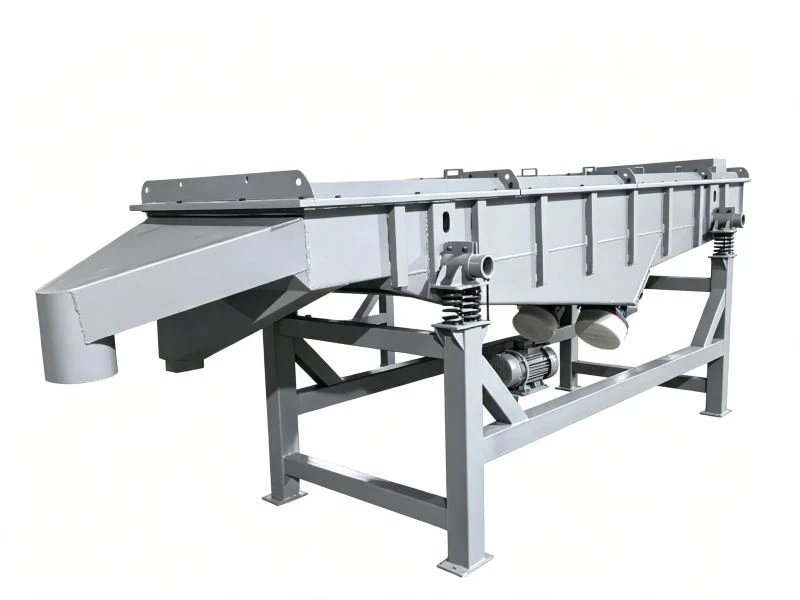
What Is a Linear Vibrating Machine for Sand Screening?
A linear vibrating machine for sand screening uses directional vibration force to move sand forward while separating particles through different screen meshes. It is mainly used for sand classification, removing oversized particles, and improving screening efficiency in mining, quarry, and sand processing plants.
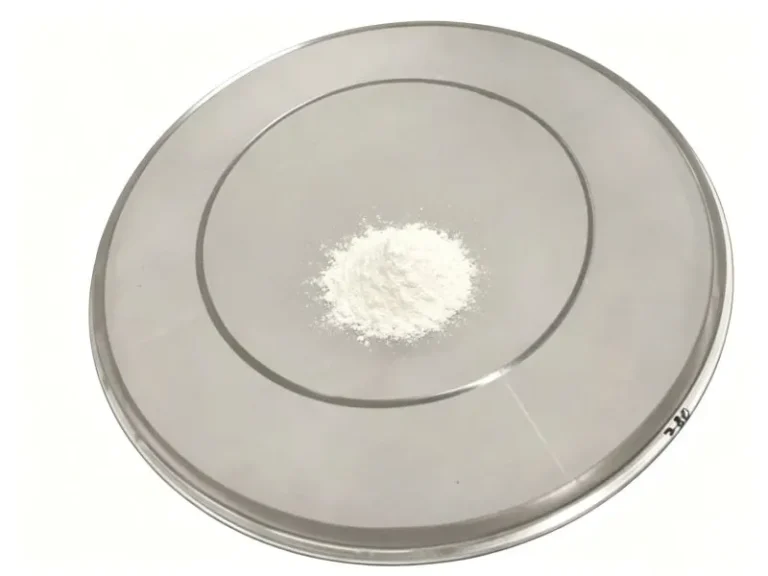
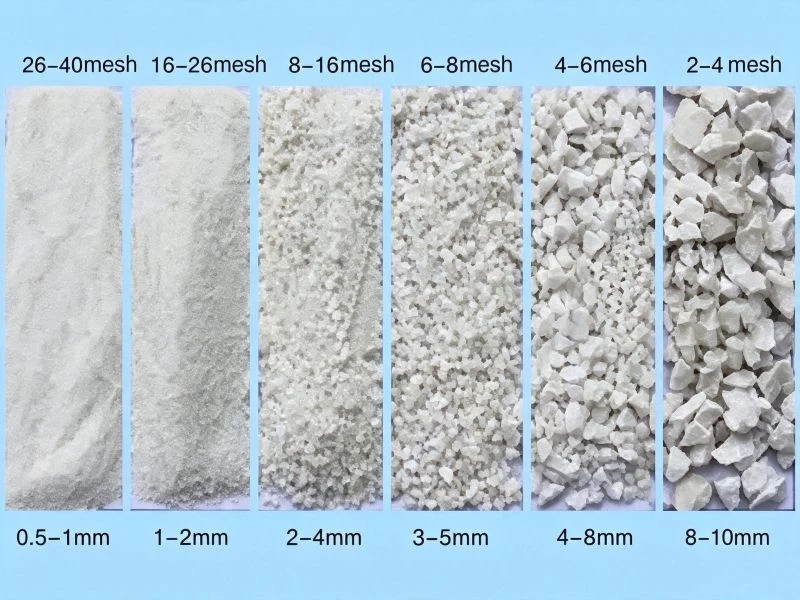
The quartz sand linear vibrating screen is specially designed for silica sand screening and classification. It can process quartz sand particles or powder with sizes ranging from 0.5 mm to 32 mm and can perform multi-layer screening at the same time. With different screen mesh combinations, the machine can separate sand into multiple grades to meet different production requirements.
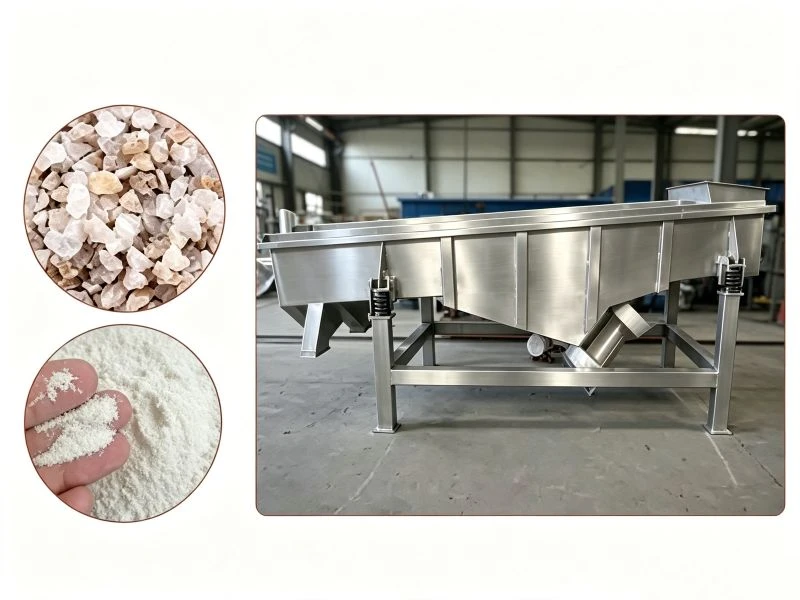
How Does a Linear Vibrating Machine Screen Sand?
Feeding and Material Distribution
The sand enters the screening deck through the feeding inlet and is evenly spread across the screen surface. Uniform material distribution helps the machine use the full screening area and reduces material accumulation, improving screening efficiency.
Vibration Separation Process
The vibration motor generates a straight-line movement that pushes the sand forward while allowing smaller particles to pass through the screen mesh. Larger particles remain on the screen surface and are discharged from the end of the machine. By selecting different mesh sizes, the equipment can achieve accurate sand particle separation.
Multi-Layer Screening for Different Sand Grades
A multi-deck linear vibrating screen can install several screen layers to separate sand into multiple sizes at the same time. For example, a quartz sand linear vibrating screen can be used for silica sand screening and classification, processing particles or powder from 0.5 mm to 32 mm. It can separate different sand grades in one operation and meet the requirements of different applications, such as glass production, construction materials, and industrial sand processing.
Video
Applications of Linear Vibrating Machine in Sand Screening
Linear Vibrating Machine for Silica Sand Screening
A linear vibrating machine is commonly used for silica sand screening and classification. It can separate quartz sand and silica sand powder into different sizes with accurate screening results. The machine supports different mesh sizes to meet the requirements of glass production, casting, and industrial sand processing.
Linear Vibrating Screen for Manufactured Sand Processing
Linear vibrating screens are suitable for manufactured sand and crushed sand screening. They can remove oversized particles and classify sand into different grades for concrete production and construction applications. The large screening area also helps improve processing capacity in sand plants.
Sand Screening in Quarry Plants
In quarry plants, linear vibrating machines are used for construction sand and stone powder screening. The equipment can handle continuous production and separate different particle sizes for building materials. It is suitable for large-volume sand screening operations.
Sand Screening for Mining Applications
For mining applications, linear vibrating screens are used to process mineral sand and heavy sand. They help separate valuable materials from unwanted particles and provide stable screening performance for mining production lines.
Features of Linear Vibrating Machine for Sand Screening
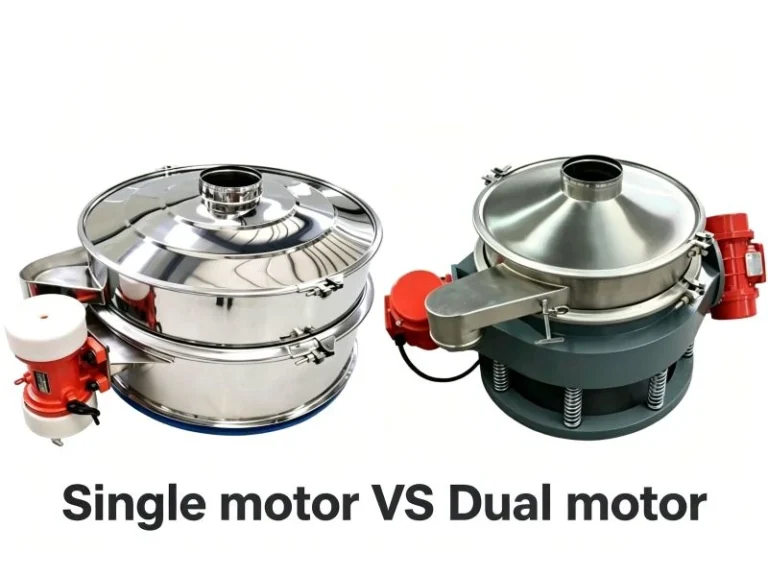
1. Dual-motor drive ensures optimal vibration, delivering an output 3–6 times that of standard screening machines—capable of exceeding 20 tons per hour.
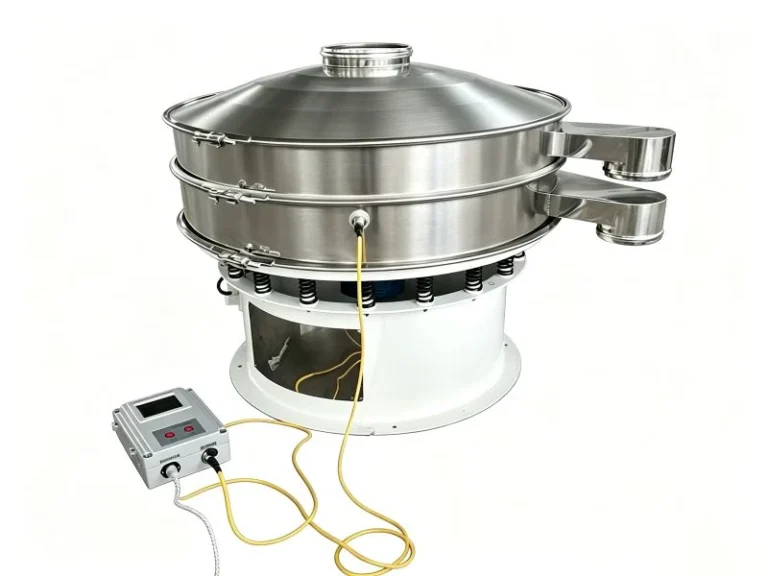
2. Up to six screen decks can be installed to separate quartz sand into seven distinct specifications, categorizing material into coarse, medium, and fine grades.
3. Features a steep inclination angle (typically 30°–60°) and large apertures (2–10 times the size of the target particle size), achieving a screening efficiency of up to 96%.
4. A distributor can be added at the feed section to ensure even material distribution across the screen surface, while also acting as a buffer to protect the screen.
5. The equipment housing is designed with a dust extraction port for easy connection to on-site dust removal systems; multiple units can be configured for large-scale production lines.
Linear Vibrating Machine vs Circular Vibratory Sifter for Sand Screening
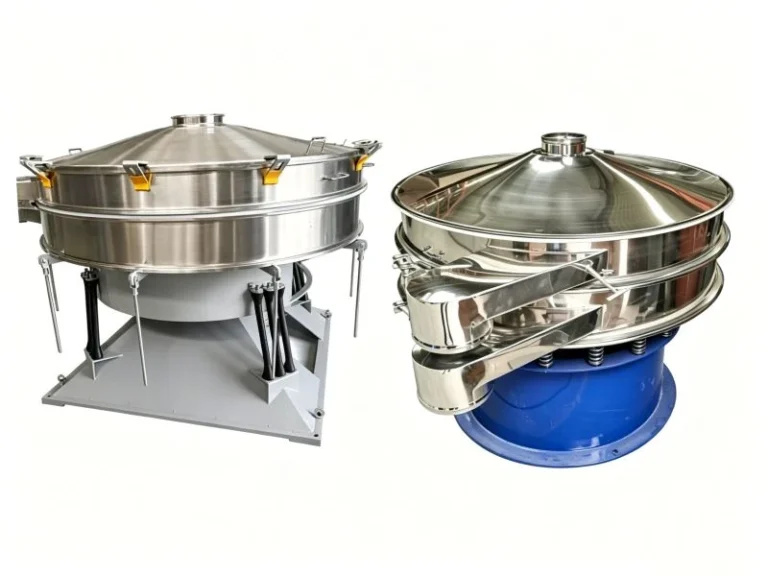
| Sàng rung truyền thống | Linear Vibrating Machine | Sàng rung tròn |
| Quartz Sand Application | 0-5 mm raw quartz sand and coarse quartz sand | 120-500 mesh quartz sand powder and fine quartz particles |
| Độ chính xác sàng lọc | Medium accuracy, suitable for coarse classification applications | High accuracy, suitable for fine screening of solar-grade and electronic-grade quartz sand |
| Năng lực xử lý | Several tons to dozens of tons per hour, suitable for large-scale production | Hundreds of kilograms to 1-2 tons per hour, suitable for small and medium-scale high-precision screening |
| Footprint | Long linear structure with larger installation space requirements | Compact vertical design with smaller footprint |
| Application Scenarios | Raw quartz sand pre-screening and front-end classification in sand production lines | Quartz sand powder impurity removal, multi-size precision classification, and small-batch production |
How to Select a Linear Vibrating Machine for Sand Screening?
Choosing the right linear vibrating machine depends on the sand type, required screening size, and production capacity. A suitable machine can improve screening efficiency and reduce production problems.
Consider Sand Material Characteristics
Different sand materials require different screening settings. Before selecting equipment, consider the material size, moisture content, and density. For example, dry silica sand and wet construction sand may need different screen designs.
Choose Suitable Screen Mesh Size
The screen mesh size determines the final sand particle size. Select the mesh according to the required product size and screening accuracy. Multi-layer screens can separate sand into different grades in one process.
Match Processing Capacity
The machine capacity should match the production requirement. When choosing a sand screening machine, consider the feeding size, required output (tons per hour), and working conditions to select the suitable model.
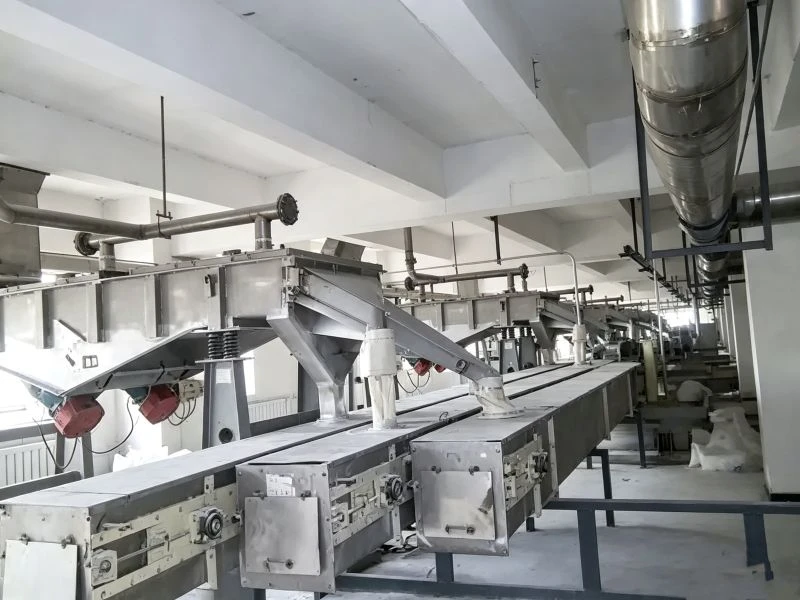
Important Considerations for Linear Vibrating Machine for Sand Screening
Linear vibrating screens are widely used in quartz sand production lines; their high screening capacity plays a decisive role in the quality and output of the produced crushed stone and sand. Several factors should be considered regarding the use of screening machines during the production process:
Coarse-to-Fine Screening
When screening proceeds from coarse to fine, the screen decks are arranged in order of decreasing aperture size, with the coarsest screen placed at the top to prevent premature wear or breakage. Increasing the machine’s excitation force allows fine particles to pass through all screen decks effectively, thereby minimizing the likelihood of fine particles becoming trapped within the coarse product.
Fine-to-Coarse Screening
In a fine-to-coarse screening setup, the arrangement facilitates material discharge and reduces the contamination of coarser fractions by fine particles. This sequence requires a larger machine structure, as all material must pass over the fine screen deck first, which accelerates wear on that specific deck.
Selection of Appropriate Screening Method
The choice between wet and dry screening depends on the mud content and moisture level of the material. Wet screening involves spraying water onto the material to reduce the viscosity of the mud and prevent screen apertures from clogging. Dry screening is typically employed when mud content or moisture levels are low.