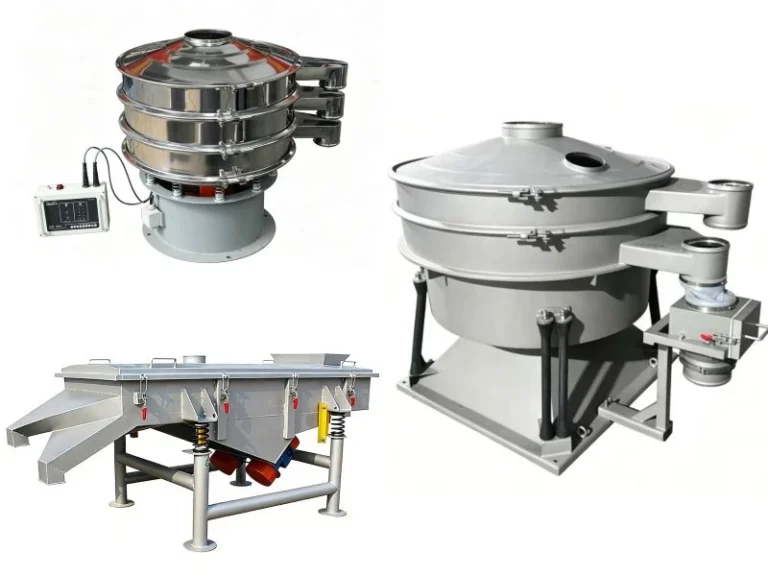
Gypsum Powder Sieve Clogging: Causes and Solutions
يؤدي انسداد غربال مسحوق الجبس إلى انخفاض الإنتاجية والتوقف المتكرر للتنظيف. أثناء غربلة مسحوق الجبس الجاف، يمكن أن تحدّ التكتلات الرطبة والجسيمات العالقة وتراكم المسحوق الناعم من تدفق المواد عبر الشبكة. وقد تؤدي التغذية غير المنتظمة إلى تفاقم المشكلة.
ابدأ بفحص المادة وسطح الغربال وأجهزة التنظيف. يشرح هذا الدليل كيفية تحديد السبب واستعادة تدفق المسحوق وتقرير ما إذا كانت هناك حاجة إلى نظام بالموجات فوق الصوتية أو ترقية المعدات.
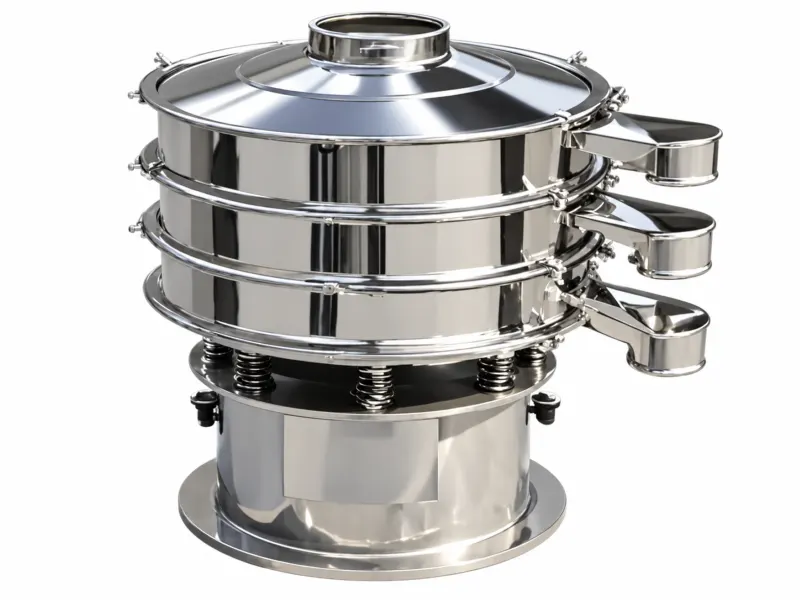
لماذا يسد مسحوق الجبس شبكة الغربال؟
يرتبط الانسداد ارتباطًا وثيقًا بدرجة نعومة المسحوق ورطوبته وميله إلى تكوين التكتلات. وقد يشمل الانسداد جسيمات عالقة في فتحات منفردة أو طبقة من المسحوق تغطي الشبكة. وتتطلب كل حالة معالجة مختلفة.
الجسيمات الدقيقة التي تسد فتحات الغربال
في التطبيقات التي تتطلب مسحوق جبس بمقياس 200–400 مش، بما في ذلك الدرجات الأدق التي تبلغ نحو 350–400 مش، قد يصعب إبقاء فتحات الغربال الصغيرة خالية من الانسداد. وقد تنحشر الجسيمات القريبة من حجم الفتحات في الشبكة، بينما يتجمع المسحوق الأدق على الأسلاك. ويؤدي كلاهما إلى تقليل تدفق المسحوق وقدرة الغربلة.
تتسبب الجسيمات العالقة في الفتحات المنفردة في انحشار الجسيمات. أما التصاق المسحوق بالفتحات أو تغطيتها فيتسبب في انسداد سطح الغربال. ويشرح دليلنا حول انسداد سطح الغربال وانحشار الجسيمات أنماط الانسداد هذه بمزيد من التفصيل.
الرطوبة والتكتلات التي تغطي الشبكة
قد يتعرض الجبس الصناعي، بما في ذلك جبس إزالة الكبريت من غاز المداخن (FGD) والجبس الفوسفاتي، للرطوبة ويكوّن تكتلات أثناء التخزين في الهواء الطلق. وأثناء الغربلة، قد يلتصق المسحوق الرطب بالأسلاك وينتشر فوق الفتحات.
يختلف سلوك الجبس الخام المطحون والجبس المكلّس والخلطات القائمة على الجبس. تحقّق من نوع المادة وحالة رطوبتها بدلًا من تطبيق حد رطوبة واحد على جميع مساحيق الجبس.
التصاق المسحوق وتراكم الكهرباء الساكنة
قد يلتصق مسحوق الجبس الناعم بالغربال، ولا سيما عندما تزيد الرطوبة أو مكونات الخليط من الالتصاق. وقد يولّد الاحتكاك أثناء النقل والغربلة كهرباء ساكنة، مما يتسبب في تجمع الجسيمات الدقيقة على الشبكة.
مع تراكم الرواسب، يقل عدد الفتحات التي تبقى مفتوحة. قد تكون الكهرباء الساكنة عاملًا مساهمًا، لكن لا ينبغي افتراض أنها تفسر كل حالات انسداد شبكة غربال الجبس.
الرمل والكتل الصلبة والشوائب الأخرى
قد تبقى الرمال وكتل الجبس المتصلبة وغيرها من الشوائب الخشنة على الشبكة. وقد تنحشر الجسيمات القريبة من حجم الفتحات في الشبكة، بينما تتراكم القطع الأكبر وتغطي جزءًا من سطح الغربلة.
يؤدي ذلك إلى تقليل المساحة المتاحة لمرور المسحوق الناعم. وقد تزيد التغذية المفرطة أو التنظيف غير الفعال من حدة التراكم.
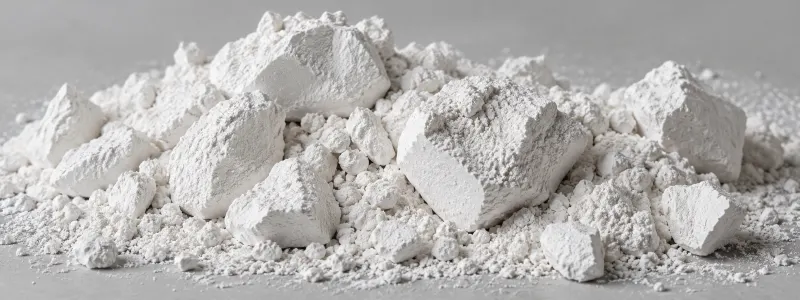
كيفية تشخيص انسداد غربال مسحوق الجبس
تحقق مما يسد الشبكة، وأين يتجمع المسحوق، ومدى سرعة انخفاض الإنتاج. قارن المسحوق الوارد بالمادة المتبقية على الشبكة. تساعد هذه الملاحظات في تضييق نطاق الأسباب المحتملة، لكن عرضًا واحدًا وحده قد لا يؤكد السبب.
قبل فتح الماكينة، أوقف تشغيلها وافصل مصدر الطاقة وفقًا لإجراءات تشغيل المعدات.
| ما تراه | السبب المحتمل | ما الذي يجب فحصه بعد ذلك |
|---|---|---|
| كتل أو طبقة على الشبكة | مسحوق رطب أو تكتلات أو بقايا من دفعة سابقة | قارن المادة الجديدة المغذاة بالبقايا الموجودة على الشبكة. تحقق من ظروف التخزين وسجلات التنظيف. |
| جسيمات منفردة عالقة في الفتحات | جسيمات قريبة من حجم الفتحات تسبب الانحشار | افحص الجسيمات العالقة وتحقق من مقاس فتحات الشبكة الفعلي. |
| تراكم المسحوق أسفل المدخل | معدل تغذية مفرط أو توزيع غير متساوٍ | قلل التغذية في ظروف خاضعة للضبط وراقب ما إذا كانت طبقة المسحوق تصبح أرق وأكثر تجانسًا. |
| يتحسن الإنتاج بعد التنظيف، ثم ينخفض مجددًا | لا يزال مصدر الانسداد قائمًا | سجل معدل التغذية ومدة التشغيل وحالة الشبكة. تحقق مما إذا كانت أجهزة التنظيف تعمل. |
| انخفاض الإنتاج رغم أن معظم الفتحات غير مسدودة | ضعف التغذية أو انسداد المخرج أو وجود مشكلة في المعدات | تحقق من إمداد المسحوق ومسارات التفريغ وتشغيل الماكينة. |
إذا ظلت الشبكة غير مسدودة ولكن الإنتاج منخفض، فاستخدم دليل استكشاف أعطال الغربال الاهتزازي وإصلاحها للتحقق من مشكلات المعدات والتدفق الأخرى.
كيفية معالجة انسداد غربال مسحوق الجبس
اختر طريقة التنظيف المناسبة للانسداد. تساعد أنظمة الموجات فوق الصوتية في معالجة تراكم المسحوق الناعم المستمر، بينما يمكن للكرات المرتدة إزاحة الجسيمات العالقة. وقد توفر نبضات الهواء تنظيفًا إضافيًا في المعدات المناسبة. وتعتمد الطرق الثلاث على ملاءمة ظروف التغذية وانتظام التحميل.
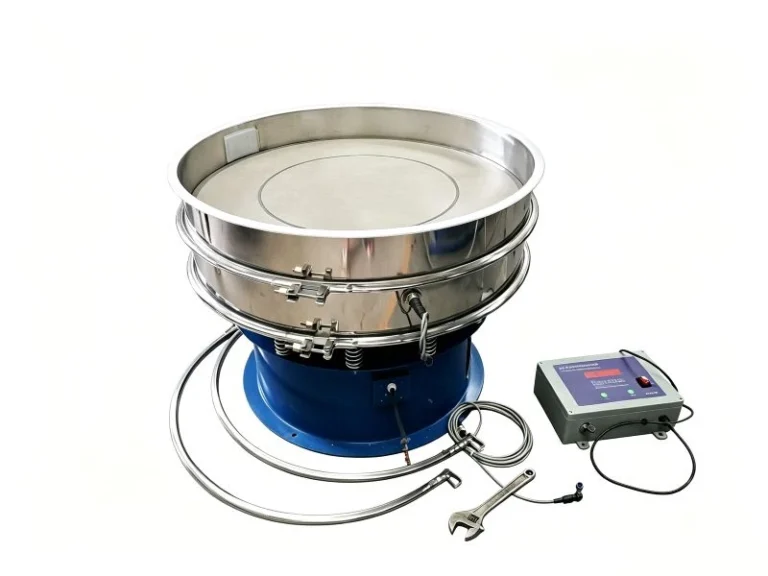
أضف نظامًا بالموجات فوق الصوتية لمسحوق الجبس الناعم
بالنسبة إلى المسحوق الناعم الذي يسد شبكة الغربال مرارًا، يجدر اختبار إزالة الانسداد بالموجات فوق الصوتية. تضيف هذه الطريقة اهتزازًا عالي التردد ومنخفض السعة مباشرةً إلى سطح الغربلة. فعلى سبيل المثال، يُنتج نظام يعمل بتردد 36 كيلوهرتز 36,000 دورة اهتزاز في الثانية، مما يساعد على تحرير المسحوق من الأسلاك وإبقاء الفتحات خالية. ويعتمد تردد التشغيل على النظام المركّب.
فكر في الغربال الاهتزازي بالموجات فوق الصوتية للتطبيقات التي تتطلب شبكة بمقاس 200 مش أو أدق، بما في ذلك الجبس المخصص للطلاء بمقاس 325–500 مش. استند في الاختيار إلى سلوك المسحوق ومعدل الإنتاج المطلوب، لا إلى عدد المش وحده.
تدعم بعض أنظمة الموجات فوق الصوتية فتحات غربلة تصل إلى نحو 20 ميكرومتر، وغالبًا ما تُدرج بما يعادل نحو 635 مش. تأكد من مقاس الفتحة ومعيار الشبكة لدى المورد. ولا تضمن هذه المواصفة أداء الفصل أو معدل الإنتاج نفسه لكل أنواع مسحوق الجبس.
يمكن للتنظيف بالموجات فوق الصوتية تقليل التراكم والتوقفات اللازمة للتنظيف. لكنه لا يجفف المادة المُغذّاة ولا يفتت الكتل المتصلبة بصورة موثوقة.
استخدم الكرات المرتدة لإزالة الجسيمات العالقة
توضع كرات من السيليكون أو المطاط أسفل سطح الغربلة وتضرب جانبه السفلي عند اهتزاز الماكينة. ويساعد ذلك على إزاحة الجسيمات العالقة في الفتحات، ويوفر خيارًا أساسيًا لتنظيف غرابيل مسحوق الجبس التقليدية.
اختر حجم الكرات ومادتها وعددها بما يناسب مجموعة الغربلة. تعتمد فعالية التنظيف على الارتداد ومدى الحركة المتاح وملامسة الشبكة، لا على مجرد استخدام كرات أصغر. استبدل الكرات المتآكلة وأزل الرواسب التي تعيق حركتها. وتحتاج الشبكات الدقيقة أيضًا إلى الحماية من الصدمات المفرطة.
Consider Air-Pulse Cleaning on Suitable Equipment
An air-pulse system uses compressed-air nozzles below the mesh to release trapped powder at set intervals. On equipment designed for this method, cleaning can take place during operation.
Use clean, dry air and confirm nozzle position, pressure and timing with the equipment supplier. The enclosure and dust extraction system must handle the added airflow. Air pulses can supplement other cleaning methods, but may not remove damp deposits or hard lumps.
Control Moisture, Impurities and Feeding
Cleaning devices work best when incoming powder is in a suitable condition.
- Control moisture: Check storage, transfer points and condensation. If drying is needed, select conditions for the specific gypsum type. Raw gypsum, calcined gypsum and blends should not share one drying temperature or moisture limit.
- Remove coarse impurities: Separate stones, hard lumps and other unwanted material before fine screening. Do not force them through the mesh.
- Feed steadily: Avoid dumping large quantities onto the screen at once. Maintain an even powder layer and check for buildup below the inlet.
- Check the screen and settings: Inspect mesh tension and damage. Adjust vibration within the manufacturer’s recommendations, and keep the aperture matched to the product specification.
- Check before adding a dispersant: Use an additive only if the formulation permits it and testing confirms that it does not affect setting behavior or final product properties.
After each adjustment, compare throughput using the same material batch and screen aperture. Record running time and cleaning frequency, and check both retained and passed material against the product specification. Change one factor at a time where practical.
When Should You Upgrade Your Gypsum Powder Sieving Machine?
Consider an upgrade when gypsum powder sieve clogging continues after moisture, feeding, mesh condition and cleaning devices have been checked. Frequent cleaning stops or output below production needs may justify a change. A screening test helps determine whether to adjust the machine, add ultrasonic cleaning or replace the equipment.
When a Rotary Vibrating Screen Is Suitable
A شاشة اهتزازية دوارة may suit dry, free-flowing gypsum powder when it meets the required separation and throughput. If blockage mainly comes from uneven feeding, worn cleaning balls or loose mesh, correcting these issues may restore performance without replacing the machine.
When to Consider an Ultrasonic Vibrating Sieve
Consider ultrasonic assistance when fine powder repeatedly coats the mesh and conventional cleaning cannot keep the openings clear. Test a representative sample to check throughput, separation quality and cleaning frequency. If the existing screen is compatible, adding an ultrasonic system may be enough.
للحصول على مقارنة أوسع، راجع دليلنا إلى ultrasonic vs traditional vibrating screens.
What Information Is Needed for a Screening Test?
Provide the gypsum type, moisture condition, target screen aperture and required hourly output. Include the current machine model, cleaning method and photos of the blocked mesh. Note whether clogging starts immediately or develops during operation.
Use a sample that reflects normal production conditions so the test addresses the problem on your line.
الخاتمة
Reducing gypsum powder sieve clogging starts with identifying whether particles are trapped in the openings, powder is coating the mesh or excessive feed is covering the screen. Correct material and feeding problems first, then select a cleaning method that suits the blockage. Judge the result by stable throughput, fewer cleaning stops and consistent product quality.
For a screening assessment, send Yuanjing Machinery a representative gypsum sample, target screen aperture, required hourly throughput and photos of the blocked mesh. Include how long the machine runs before clogging starts so the team can evaluate a suitable configuration.
الأسئلة الشائعة
Why Does My Gypsum Sieve Clog Again After Cleaning?
Cleaning removes trapped powder but may leave the cause unchanged. Damp feed, excessive loading, worn cleaning balls or fine particles sticking to the mesh can cause blockage to return. Check how soon output drops after restarting and whether buildup appears across the screen or mainly below the inlet.
Will a Coarser Mesh Solve Gypsum Powder Clogging?
A coarser mesh may let more material pass, but it also allows larger particles into the finished product. Change the aperture only if it still meets your gypsum powder specification. If the required cut size cannot change, focus on feeding, material condition and mesh cleaning.
Can Ultrasonic Sieving Handle Damp or Caked Gypsum Powder?
Ultrasonic sieving helps reduce fine-powder buildup on the mesh. It does not dry gypsum powder or reliably break hard lumps. Address the moisture source and assess suitable material preparation first. Then test whether ultrasonic cleaning improves screening under normal production conditions.
What Mesh Size Should Be Used for Gypsum Powder Screening?
Choose the mesh according to the required particle size and whether you are removing lumps or making a fine separation. A product specified at 200–400 mesh does not automatically require the same screen at every processing stage. Confirm the aperture in microns, mesh standard and required throughput.
Should I Use Bouncing Balls or Ultrasonic Screen Cleaning?
Bouncing balls can help dislodge particles trapped in screen openings. Ultrasonic cleaning is worth testing when fine gypsum powder repeatedly sticks to the wires despite conventional cleaning. Base the choice on the blockage pattern, screen construction and sample test results, rather than mesh count alone.
How Can I Increase Gypsum Screening Capacity Without Changing the Mesh?
Start with steady feeding and an even powder layer. Check for blocked openings, loose mesh and worn cleaning devices. If output remains too low, evaluate a larger screening area or ultrasonic assistance. Compare throughput while keeping the required separation quality unchanged.