石膏粉末ふるいの目詰まり:原因と解決策
石膏粉末の篩詰まりは処理能力を低下させ、頻繁な清掃停止を引き起こします。乾燥石膏粉末の篩分け中、湿った塊、詰まった粒子、微粉末の堆積がメッシュを通る流れを制限する可能性があります。不均一な供給は問題を悪化させることがあります。.
まず材料、スクリーン表面、清掃装置を確認してください。このガイドでは、原因の特定方法、粉末の流れの回復方法、超音波システムや設備のアップグレードが必要かどうかの判断方法を説明します。.
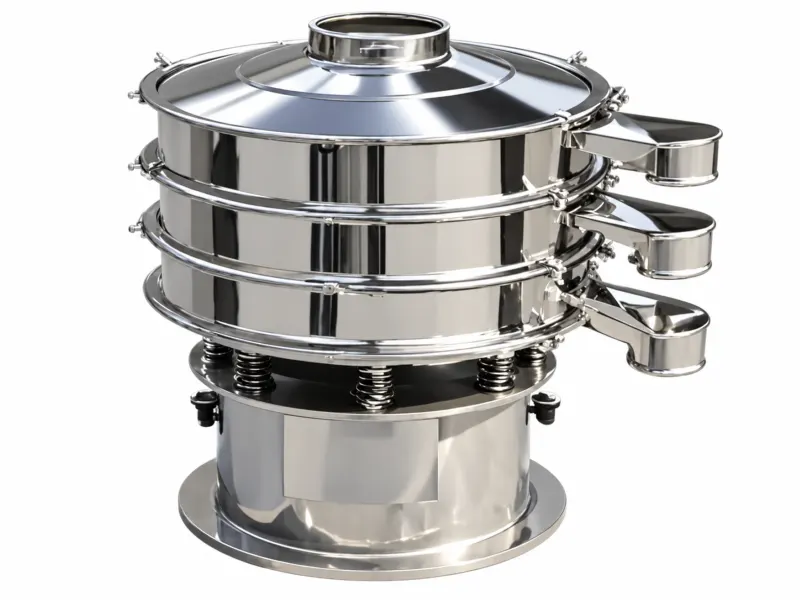
石膏粉末はなぜ篩メッシュを詰まらせるのか?
詰まりは粉末の細かさ、水分、塊を形成する傾向と密接に関連しています。閉塞は個々の開口部に詰まった粒子、またはメッシュを覆う粉末層に関係する場合があります。それぞれ異なる対応が必要です。.
スクリーン開口部を塞ぐ微粒子
200~400メッシュの石膏粉末、特に350~400メッシュ付近のより細かいグレードを必要とする用途では、小さなスクリーン開口部を清潔に保つことが困難な場合があります。開口サイズに近い粒子はメッシュに挟まり、より細かい粉末はワイヤー上に堆積します。どちらも粉末の流れと篩分能力を低下させます。.
個々の開口部に詰まった粒子はペギングを引き起こします。開口部を覆うまたはコーティングする粉末はブラインディングを引き起こします。以下のガイド スクリーンブラインディングとペギング でこれらの閉塞パターンをより詳しく説明しています。.
メッシュをコーティングする水分と塊
産業用石膏、特に排煙脱硫(FGD)石膏やリン石膏は、屋外保管中に湿気を帯びて塊を形成する可能性があります。篩分け中、湿った粉末がワイヤーに付着し、開口部全体に広がる場合があります。.
粉砕された原料石膏、焼成石膏、石膏ベースの配合物は異なる挙動を示します。すべての石膏粉末に一律の水分限界を適用するのではなく、材料の種類と水分状態を確認してください。.
粉末の付着と静電気の蓄積
微細な石膏粉末はスクリーンに付着する可能性があり、特に水分や混合物中の成分が付着性を高める場合に顕著です。搬送および篩分け中の摩擦も静電気を発生させ、微粒子がメッシュ上に集まる原因となる場合があります。.
堆積物が増えるにつれて、清潔な開口部が減少します。静電気は寄与因子の可能性がありますが、石膏篩メッシュブラインディングのすべてのケースを説明するものと仮定すべきではありません。.
砂、硬い塊、その他の不純物
砂、硬化した石膏の塊、その他の粗い不純物がスクリーン上に残る場合があります。開口サイズに近い粒子はメッシュに詰まり、より大きな破片は蓄積して篩分表面の一部を覆います。.
これにより微粉末が通過する面積が減少します。過剰な供給や効果のない清掃は堆積を悪化させる可能性があります。.
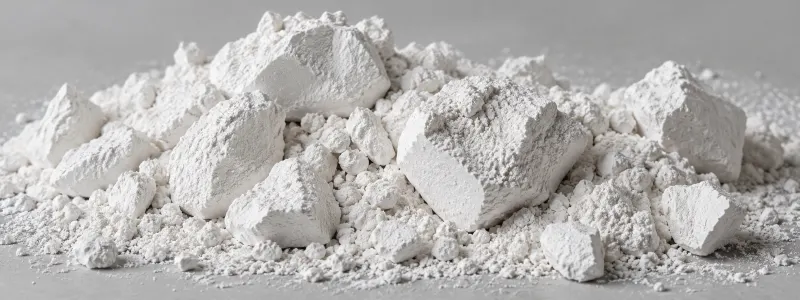
石膏粉末篩の詰まりを診断する方法
何がメッシュを塞いでいるか、粉末がどこに集まるか、出力がどのくらい急速に低下するかを確認してください。投入粉末とスクリーン上に残った材料を比較してください。これらの観察は原因の絞り込みに役立ちますが、症状だけでは確認できない場合があります。.
機械を開く前に、設備の操作手順に従ってシャットダウンし、電源を遮断してください。.
| 確認できること | 考えられる原因 | 次に確認すべきこと |
|---|---|---|
| メッシュ上の塊またはコーティング | 湿った粉末、凝集、または前バッチからの残留物 | 新規供給材料とスクリーン残留物を比較してください。保管条件と清掃記録を確認してください。. |
| 開口部に詰まった個々の粒子 | ペギングを引き起こす開口サイズに近い粒子 | 詰まった粒子を調べ、実際のスクリーン開口部を確認してください。. |
| 投入口の下に粉末が堆積 | 過剰な供給速度または不均一な分布 | 管理された条件下で供給を減らし、粉末層が薄く均一になるかどうかを観察してください。. |
| 清掃後に出力が改善し、その後再び低下する | 閉塞の原因が残っている | 供給速度、運転時間、メッシュの状態を記録してください。清掃装置が機能しているか確認してください。. |
| 開口部がほぼ清潔であるにもかかわらず出力が低い | 供給の制限、出口の閉塞、または設備の問題 | 粉末供給、排出経路、機械の動作を確認してください。. |
メッシュが清潔であるにもかかわらず出力が低い場合は、以下の 振動篩トラブルシューティングガイド を使用して、その他の設備および流れの問題を調査してください。.
石膏粉末篩の詰まりを解決する方法
清掃方法を閉塞に合わせてください。超音波システムは持続的な微粉末の堆積に役立ち、バウンドボールは詰まった粒子を除去できます。エアパルスは適切な設備で追加の清掃を提供する場合があります。3つすべては適切な供給条件と安定した負荷に依存します。.
微細石膏粉末用の超音波システムを追加する
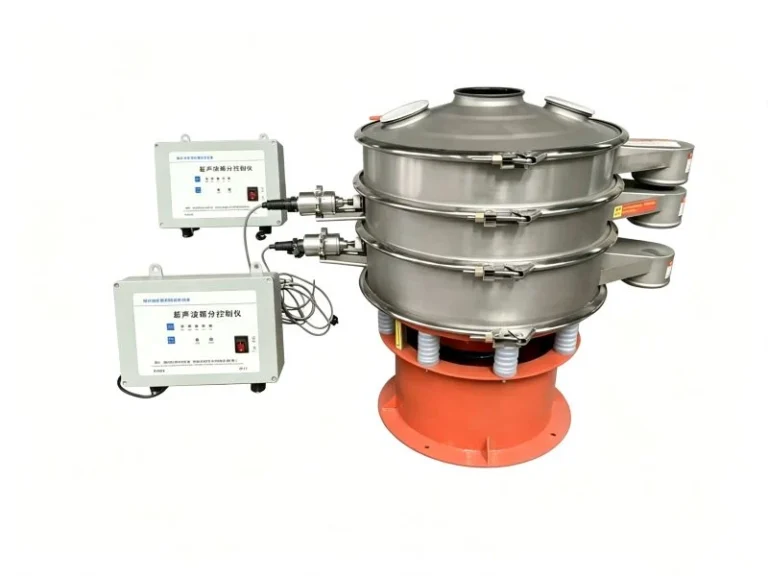
メッシュを繰り返しブラインディングする微粉末には、超音波デブラインディングが試す価値があります。スクリーンに直接高周波・低振幅の振動を加えます。例えば36 kHzで動作するシステムは、1秒間に36,000回の振動サイクルを生成し、ワイヤーから粉末を放出させ、開口部を清潔に保つのに役立ちます。動作周波数は設置されたシステムによって異なります。.
以下を検討してください は、微細粉体を従来の振動ふるいでスクリーニングするのが困難な場合に、より良い選択です。 for applications requiring 200 mesh or finer, including coating-grade gypsum specified at 325–500 mesh. Base the choice on powder behavior and required output, rather than mesh count alone.
一部の超音波システムは約20 μmまでのスクリーン開口部をサポートし、多くの場合約635メッシュとして記載されています。開口部とメッシュ標準をサプライヤーに確認してください。この仕様は、すべての石膏粉末に対して同じ分離性能や処理能力を保証するものではありません。.
超音波洗浄は堆積と清掃停止を減らすことができます。供給材料を乾燥させたり、硬化した塊を確実に破砕したりするものではありません。.
バウンドボールを使用して詰まった粒子を除去する
Silicone or rubber balls sit below the screen and strike its underside as the machine vibrates. This helps loosen particles lodged in the openings and provides a basic cleaning option for conventional gypsum powder screening.
Choose the ball size, material and quantity to suit the screen assembly. Cleaning depends on rebound, available movement and contact with the mesh—not simply on using smaller balls. Replace worn balls and remove deposits that restrict their movement. Fine screens also need protection from excessive impact.
Consider Air-Pulse Cleaning on Suitable Equipment
An air-pulse system uses compressed-air nozzles below the mesh to release trapped powder at set intervals. On equipment designed for this method, cleaning can take place during operation.
Use clean, dry air and confirm nozzle position, pressure and timing with the equipment supplier. The enclosure and dust extraction system must handle the added airflow. Air pulses can supplement other cleaning methods, but may not remove damp deposits or hard lumps.
Control Moisture, Impurities and Feeding
Cleaning devices work best when incoming powder is in a suitable condition.
- Control moisture: Check storage, transfer points and condensation. If drying is needed, select conditions for the specific gypsum type. Raw gypsum, calcined gypsum and blends should not share one drying temperature or moisture limit.
- Remove coarse impurities: Separate stones, hard lumps and other unwanted material before fine screening. Do not force them through the mesh.
- Feed steadily: Avoid dumping large quantities onto the screen at once. Maintain an even powder layer and check for buildup below the inlet.
- Check the screen and settings: Inspect mesh tension and damage. Adjust vibration within the manufacturer’s recommendations, and keep the aperture matched to the product specification.
- Check before adding a dispersant: Use an additive only if the formulation permits it and testing confirms that it does not affect setting behavior or final product properties.
After each adjustment, compare throughput using the same material batch and screen aperture. Record running time and cleaning frequency, and check both retained and passed material against the product specification. Change one factor at a time where practical.
When Should You Upgrade Your Gypsum Powder Sieving Machine?
Consider an upgrade when gypsum powder sieve clogging continues after moisture, feeding, mesh condition and cleaning devices have been checked. Frequent cleaning stops or output below production needs may justify a change. A screening test helps determine whether to adjust the machine, add ultrasonic cleaning or replace the equipment.
When a Rotary Vibrating Screen Is Suitable
A 回転振動スクリーン may suit dry, free-flowing gypsum powder when it meets the required separation and throughput. If blockage mainly comes from uneven feeding, worn cleaning balls or loose mesh, correcting these issues may restore performance without replacing the machine.
When to Consider an Ultrasonic Vibrating Sieve
Consider ultrasonic assistance when fine powder repeatedly coats the mesh and conventional cleaning cannot keep the openings clear. Test a representative sample to check throughput, separation quality and cleaning frequency. If the existing screen is compatible, adding an ultrasonic system may be enough.
より広範な比較については、以下のガイドをご覧ください 超音波式と従来型振動ふるいの比較.
What Information Is Needed for a Screening Test?
Provide the gypsum type, moisture condition, target screen aperture and required hourly output. Include the current machine model, cleaning method and photos of the blocked mesh. Note whether clogging starts immediately or develops during operation.
Use a sample that reflects normal production conditions so the test addresses the problem on your line.
結論
Reducing gypsum powder sieve clogging starts with identifying whether particles are trapped in the openings, powder is coating the mesh or excessive feed is covering the screen. Correct material and feeding problems first, then select a cleaning method that suits the blockage. Judge the result by stable throughput, fewer cleaning stops and consistent product quality.
For a screening assessment, send Yuanjing Machinery a representative gypsum sample, target screen aperture, required hourly throughput and photos of the blocked mesh. Include how long the machine runs before clogging starts so the team can evaluate a suitable configuration.
微細粉体に超音波振動ふるいが必要ですか?
Why Does My Gypsum Sieve Clog Again After Cleaning?
Cleaning removes trapped powder but may leave the cause unchanged. Damp feed, excessive loading, worn cleaning balls or fine particles sticking to the mesh can cause blockage to return. Check how soon output drops after restarting and whether buildup appears across the screen or mainly below the inlet.
Will a Coarser Mesh Solve Gypsum Powder Clogging?
A coarser mesh may let more material pass, but it also allows larger particles into the finished product. Change the aperture only if it still meets your gypsum powder specification. If the required cut size cannot change, focus on feeding, material condition and mesh cleaning.
Can Ultrasonic Sieving Handle Damp or Caked Gypsum Powder?
Ultrasonic sieving helps reduce fine-powder buildup on the mesh. It does not dry gypsum powder or reliably break hard lumps. Address the moisture source and assess suitable material preparation first. Then test whether ultrasonic cleaning improves screening under normal production conditions.
What Mesh Size Should Be Used for Gypsum Powder Screening?
Choose the mesh according to the required particle size and whether you are removing lumps or making a fine separation. A product specified at 200–400 mesh does not automatically require the same screen at every processing stage. Confirm the aperture in microns, mesh standard and required throughput.
Should I Use Bouncing Balls or Ultrasonic Screen Cleaning?
Bouncing balls can help dislodge particles trapped in screen openings. Ultrasonic cleaning is worth testing when fine gypsum powder repeatedly sticks to the wires despite conventional cleaning. Base the choice on the blockage pattern, screen construction and sample test results, rather than mesh count alone.
How Can I Increase Gypsum Screening Capacity Without Changing the Mesh?
Start with steady feeding and an even powder layer. Check for blocked openings, loose mesh and worn cleaning devices. If output remains too low, evaluate a larger screening area or ultrasonic assistance. Compare throughput while keeping the required separation quality unchanged.