Gypsum Powder Sieve Clogging: Causes and Solutions
Gypsum powder sieve clogging reduces throughput and causes frequent cleaning stops. During dry gypsum powder screening, damp lumps, trapped particles and fine powder buildup can restrict flow through the mesh. Uneven feeding can make the problem worse.
Start by checking the material, screen surface and cleaning devices. This guide explains how to identify the cause, restore powder flow and decide whether an ultrasonic system or equipment upgrade is needed.
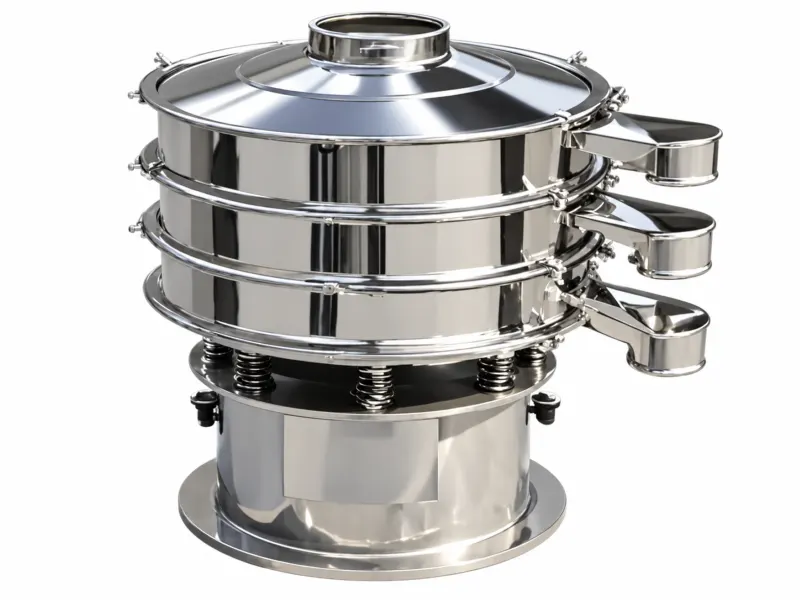
Why Does Gypsum Powder Clog the Sieve Mesh?
Clogging is closely linked to the powder’s fineness, moisture and tendency to form lumps. The blockage may involve particles trapped in individual openings or a layer of powder covering the mesh. Each requires a different response.
Fine Particles Blocking Screen Openings
In applications requiring 200–400 mesh gypsum powder, including finer grades around 350–400 mesh, small screen openings can be difficult to keep clear. Particles close to the opening size may become wedged in the mesh, while finer powder collects on the wires. Both reduce powder flow and screening capacity.
Particles lodged in individual openings cause pegging. Powder coating or covering the openings causes blinding. Our guide to screen blinding and pegging explains these blockage patterns in more detail.
Moisture and Lumps Coating the Mesh
Industrial gypsum, including flue gas desulfurization (FGD) gypsum and phosphogypsum, can become damp and form lumps during outdoor storage. During screening, damp powder may stick to the wires and spread across the openings.
Ground raw gypsum, calcined gypsum and gypsum-based blends behave differently. Check the material type and moisture condition rather than applying one moisture limit to every gypsum powder.
Powder Adhesion and Static Buildup
Fine gypsum powder can cling to the screen, particularly when moisture or ingredients in the mixture increase adhesion. Friction during conveying and screening may also generate static, causing fine particles to collect on the mesh.
As deposits grow, fewer openings remain clear. Static is a possible contributor, but it should not be assumed to explain every case of gypsum sieve mesh blinding.
Sand, Hard Lumps and Other Impurities
Sand, hardened gypsum lumps and other coarse impurities may remain on the screen. Particles close to the opening size can lodge in the mesh, while larger pieces accumulate and cover part of the screening surface.
This leaves less area for fine powder to pass through. Excessive feeding or ineffective cleaning can make the buildup worse.
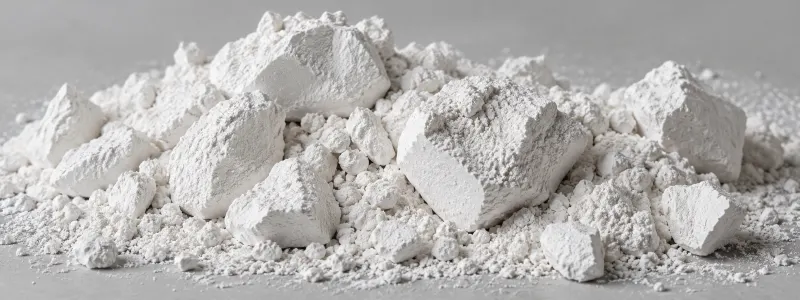
How to Diagnose Gypsum Powder Sieve Clogging
Check what is blocking the mesh, where powder collects and how quickly output drops. Compare incoming powder with material left on the screen. These observations help narrow down the cause, but one symptom alone may not confirm it.
Before opening the machine, shut it down and isolate power according to the equipment’s operating procedures.
| O que você vê | Causa possível | What to Check Next |
|---|---|---|
| Lumps or a coating on the mesh | Damp powder, agglomeration or residue from an earlier batch | Compare fresh feed with screen residue. Check storage conditions and cleaning records. |
| Individual particles lodged in openings | Near-size particles causing pegging | Examine the trapped particles and check the actual screen aperture. |
| Powder piling up below the inlet | Excessive feed rate or uneven distribution | Reduce feeding under controlled conditions and observe whether the powder layer becomes thinner and more even. |
| Output improves after cleaning, then drops again | The source of the blockage remains | Record feed rate, running time and mesh condition. Check whether cleaning devices are working. |
| Low output despite mostly clear openings | Restricted feeding, a blocked outlet or an equipment issue | Check powder supply, discharge paths and machine operation. |
If the mesh remains clear but output is low, use our vibratory sifter troubleshooting guide to investigate other equipment and flow problems.
How to Fix Gypsum Powder Sieve Clogging
Match the cleaning method to the blockage. Ultrasonic systems help with persistent fine-powder buildup, while bouncing balls can dislodge trapped particles. Air pulses may provide additional cleaning on suitable equipment. All three depend on suitable feed conditions and steady loading.
Add an Ultrasonic System for Fine Gypsum Powder
For fine powder that repeatedly blinds the mesh, ultrasonic deblinding is worth testing. It adds high-frequency, low-amplitude vibration directly to the screen. A system operating at 36 kHz, for example, produces 36,000 vibration cycles per second, helping release powder from the wires and keep openings clear. The operating frequency depends on the installed system.
Considere uma peneira vibratória ultrassônica for applications requiring 200 mesh or finer, including coating-grade gypsum specified at 325–500 mesh. Base the choice on powder behavior and required output, rather than mesh count alone.
Some ultrasonic systems support screen openings down to about 20 μm, often listed as approximately 635 mesh. Confirm the aperture and mesh standard with the supplier. This specification does not guarantee the same separation performance or throughput for every gypsum powder.
Ultrasonic cleaning can reduce buildup and cleaning stops. It does not dry the feed or reliably break hardened lumps.
Use Bouncing Balls to Clear Trapped Particles
Silicone or rubber balls sit below the screen and strike its underside as the machine vibrates. This helps loosen particles lodged in the openings and provides a basic cleaning option for conventional gypsum powder screening.
Choose the ball size, material and quantity to suit the screen assembly. Cleaning depends on rebound, available movement and contact with the mesh—not simply on using smaller balls. Replace worn balls and remove deposits that restrict their movement. Fine screens also need protection from excessive impact.
Consider Air-Pulse Cleaning on Suitable Equipment
An air-pulse system uses compressed-air nozzles below the mesh to release trapped powder at set intervals. On equipment designed for this method, cleaning can take place during operation.
Use clean, dry air and confirm nozzle position, pressure and timing with the equipment supplier. The enclosure and dust extraction system must handle the added airflow. Air pulses can supplement other cleaning methods, but may not remove damp deposits or hard lumps.
Control Moisture, Impurities and Feeding
Cleaning devices work best when incoming powder is in a suitable condition.
- Control moisture: Check storage, transfer points and condensation. If drying is needed, select conditions for the specific gypsum type. Raw gypsum, calcined gypsum and blends should not share one drying temperature or moisture limit.
- Remove coarse impurities: Separate stones, hard lumps and other unwanted material before fine screening. Do not force them through the mesh.
- Feed steadily: Avoid dumping large quantities onto the screen at once. Maintain an even powder layer and check for buildup below the inlet.
- Check the screen and settings: Inspect mesh tension and damage. Adjust vibration within the manufacturer’s recommendations, and keep the aperture matched to the product specification.
- Check before adding a dispersant: Use an additive only if the formulation permits it and testing confirms that it does not affect setting behavior or final product properties.
After each adjustment, compare throughput using the same material batch and screen aperture. Record running time and cleaning frequency, and check both retained and passed material against the product specification. Change one factor at a time where practical.
When Should You Upgrade Your Gypsum Powder Sieving Machine?
Consider an upgrade when gypsum powder sieve clogging continues after moisture, feeding, mesh condition and cleaning devices have been checked. Frequent cleaning stops or output below production needs may justify a change. A screening test helps determine whether to adjust the machine, add ultrasonic cleaning or replace the equipment.
When a Rotary Vibrating Screen Is Suitable
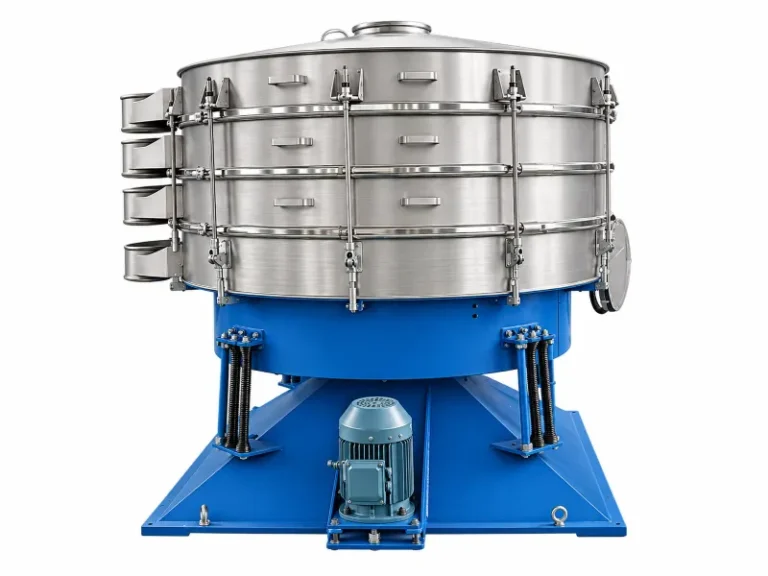
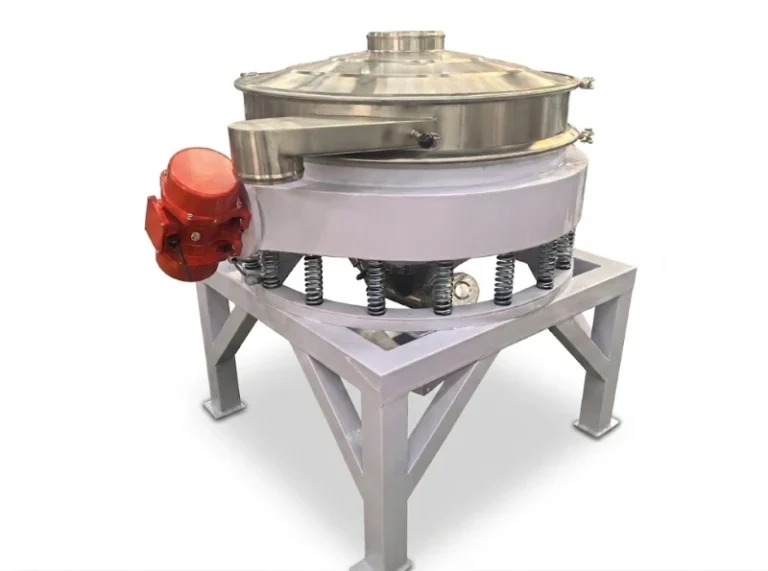
A rotary vibrating screen may suit dry, free-flowing gypsum powder when it meets the required separation and throughput. If blockage mainly comes from uneven feeding, worn cleaning balls or loose mesh, correcting these issues may restore performance without replacing the machine.
When to Consider an Ultrasonic Vibrating Sieve
Consider ultrasonic assistance when fine powder repeatedly coats the mesh and conventional cleaning cannot keep the openings clear. Test a representative sample to check throughput, separation quality and cleaning frequency. If the existing screen is compatible, adding an ultrasonic system may be enough.
Para uma comparação mais abrangente, consulte o nosso guia sobre peneiras vibratórias ultrassónicas vs. tradicionais.
What Information Is Needed for a Screening Test?
Provide the gypsum type, moisture condition, target screen aperture and required hourly output. Include the current machine model, cleaning method and photos of the blocked mesh. Note whether clogging starts immediately or develops during operation.
Use a sample that reflects normal production conditions so the test addresses the problem on your line.
Conclusion
Reducing gypsum powder sieve clogging starts with identifying whether particles are trapped in the openings, powder is coating the mesh or excessive feed is covering the screen. Correct material and feeding problems first, then select a cleaning method that suits the blockage. Judge the result by stable throughput, fewer cleaning stops and consistent product quality.
For a screening assessment, send Yuanjing Machinery a representative gypsum sample, target screen aperture, required hourly throughput and photos of the blocked mesh. Include how long the machine runs before clogging starts so the team can evaluate a suitable configuration.
Perguntas Frequentes
Why Does My Gypsum Sieve Clog Again After Cleaning?
Cleaning removes trapped powder but may leave the cause unchanged. Damp feed, excessive loading, worn cleaning balls or fine particles sticking to the mesh can cause blockage to return. Check how soon output drops after restarting and whether buildup appears across the screen or mainly below the inlet.
Will a Coarser Mesh Solve Gypsum Powder Clogging?
A coarser mesh may let more material pass, but it also allows larger particles into the finished product. Change the aperture only if it still meets your gypsum powder specification. If the required cut size cannot change, focus on feeding, material condition and mesh cleaning.
Can Ultrasonic Sieving Handle Damp or Caked Gypsum Powder?
Ultrasonic sieving helps reduce fine-powder buildup on the mesh. It does not dry gypsum powder or reliably break hard lumps. Address the moisture source and assess suitable material preparation first. Then test whether ultrasonic cleaning improves screening under normal production conditions.
What Mesh Size Should Be Used for Gypsum Powder Screening?
Choose the mesh according to the required particle size and whether you are removing lumps or making a fine separation. A product specified at 200–400 mesh does not automatically require the same screen at every processing stage. Confirm the aperture in microns, mesh standard and required throughput.
Should I Use Bouncing Balls or Ultrasonic Screen Cleaning?
Bouncing balls can help dislodge particles trapped in screen openings. Ultrasonic cleaning is worth testing when fine gypsum powder repeatedly sticks to the wires despite conventional cleaning. Base the choice on the blockage pattern, screen construction and sample test results, rather than mesh count alone.
How Can I Increase Gypsum Screening Capacity Without Changing the Mesh?
Start with steady feeding and an even powder layer. Check for blocked openings, loose mesh and worn cleaning devices. If output remains too low, evaluate a larger screening area or ultrasonic assistance. Compare throughput while keeping the required separation quality unchanged.