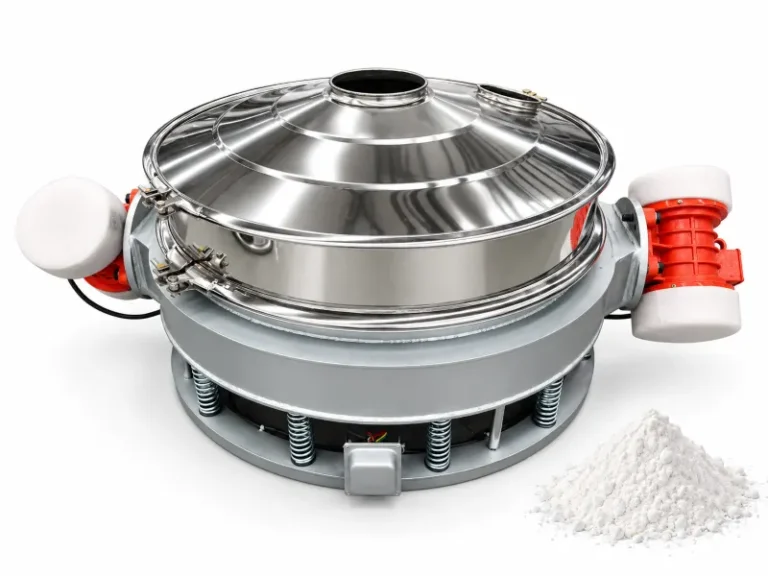
Gypsum Powder Sieve Clogging: Causes and Solutions
Sàng bột thạch cao bị tắc làm giảm năng suất và gây dừng vệ sinh thường xuyên. Trong quá trình sàng bột thạch cao khô, các cục ẩm, hạt bị giữ lại và bột mịn tích tụ có thể hạn chế dòng chảy qua lưới. Cấp liệu không đều có thể làm vấn đề trầm trọng hơn.
Bắt đầu bằng cách kiểm tra vật liệu, bề mặt sàng và thiết bị làm sạch. Hướng dẫn này giải thích cách xác định nguyên nhân, khôi phục dòng chảy bột và quyết định xem có cần hệ thống siêu âm hay nâng cấp thiết bị hay không.
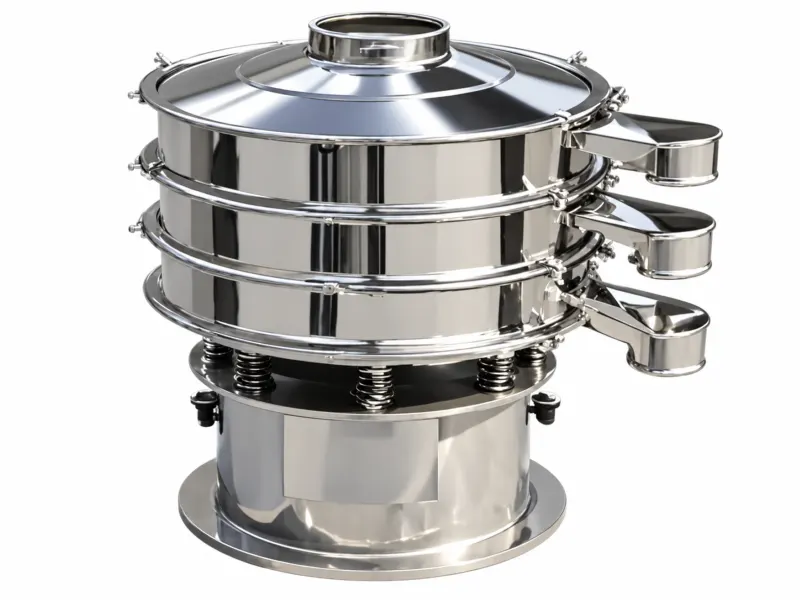
Tại sao bột thạch cao làm tắc lưới sàng?
Tắc nghẽn liên quan chặt chẽ đến độ mịn, độ ẩm và xu hướng tạo cục của bột. Sự tắc nghẽn có thể liên quan đến các hạt bị giữ trong từng lỗ riêng lẻ hoặc một lớp bột phủ trên lưới. Mỗi trường hợp cần phản ứng khác nhau.
Hạt mịn chặn các lỗ sàng
Trong các ứng dụng yêu cầu bột thạch cao 200–400 mesh, bao gồm các loại mịn hơn khoảng 350–400 mesh, các lỗ sàng nhỏ có thể khó giữ thông thoáng. Các hạt gần kích thước lỗ có thể bị kẹt trong lưới, trong khi bột mịn hơn tích tụ trên các dây lưới. Cả hai đều làm giảm dòng chảy bột và năng suất sàng.
Các hạt bị mắc kẹt trong từng lỗ riêng lẻ gây ra hiện tượng pegging. Bột phủ hoặc che các lỗ gây ra hiện tượng blinding. Hướng dẫn của chúng tôi về màn hình chói và chốt giải thích các dạng tắc nghẽn này chi tiết hơn.
Độ ẩm và cục bột phủ lưới
Thạch cao công nghiệp, bao gồm thạch cao khử lưu huỳnh khí thải (FGD) và phosphogypsum, có thể bị ẩm và tạo cục trong quá trình lưu trữ ngoài trời. Trong quá trình sàng, bột ẩm có thể dính vào dây lưới và lan rộng khắp các lỗ.
Thạch cao nguyên liệu đã nghiền, thạch cao đã nung và các hỗn hợp gốc thạch cao hoạt động khác nhau. Kiểm tra loại vật liệu và tình trạng độ ẩm thay vì áp dụng một giới hạn độ ẩm cho mọi loại bột thạch cao.
Bột dính và tích tụ tĩnh điện
Bột thạch cao mịn có thể bám vào sàng, đặc biệt khi độ ẩm hoặc các thành phần trong hỗn hợp làm tăng độ dính. Ma sát trong quá trình vận chuyển và sàng cũng có thể tạo ra tĩnh điện, khiến các hạt mịn tích tụ trên lưới.
Khi cặn tích tụ, ngày càng ít lỗ còn thông thoáng. Tĩnh điện là một yếu tố có thể góp phần, nhưng không nên cho rằng nó giải thích mọi trường hợp lưới sàng thạch cao bị blinding.
Cát, cục cứng và các tạp chất khác
Cát, cục thạch cao cứng và các tạp chất thô khác có thể còn lại trên sàng. Các hạt gần kích thước lỗ có thể mắc vào lưới, trong khi các mảnh lớn hơn tích tụ và che một phần bề mặt sàng.
Điều này để lại ít diện tích hơn cho bột mịn đi qua. Cấp liệu quá mức hoặc làm sạch không hiệu quả có thể làm tình trạng tích tụ trầm trọng hơn.
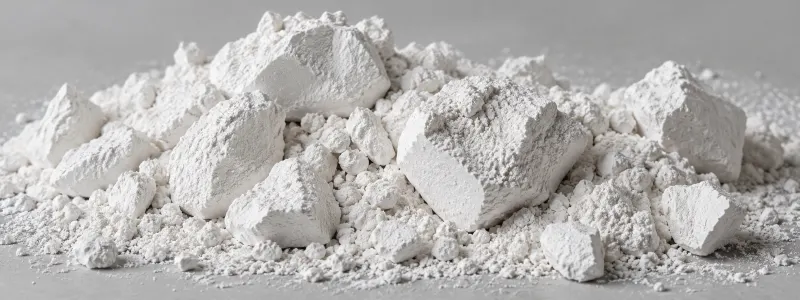
Cách chẩn đoán tắc sàng bột thạch cao
Kiểm tra xem cái gì đang chặn lưới, bột tích tụ ở đâu và sản lượng giảm nhanh như thế nào. So sánh bột đầu vào với vật liệu còn lại trên sàng. Những quan sát này giúp thu hẹp nguyên nhân, nhưng chỉ một triệu chứng có thể không đủ để xác nhận.
Trước khi mở máy, hãy tắt máy và cách ly nguồn điện theo quy trình vận hành của thiết bị.
| Những gì bạn thấy | Nguyên nhân có thể | Kiểm tra tiếp theo |
|---|---|---|
| Cục hoặc lớp phủ trên lưới | Bột ẩm, kết tụ hoặc cặn từ lô trước | So sánh nguyên liệu mới với cặn trên sàng. Kiểm tra điều kiện lưu trữ và hồ sơ vệ sinh. |
| Các hạt riêng lẻ mắc trong lỗ | Hạt gần kích thước gây ra pegging | Kiểm tra các hạt bị mắc kẹt và kiểm tra khẩu độ sàng thực tế. |
| Bột chất đống bên dưới cửa nạp | Tốc độ cấp liệu quá mức hoặc phân phối không đều | Giảm cấp liệu trong điều kiện được kiểm soát và quan sát xem lớp bột có trở nên mỏng hơn và đều hơn không. |
| Sản lượng cải thiện sau khi vệ sinh, rồi lại giảm | Nguồn gốc tắc nghẽn vẫn còn | Ghi lại tốc độ cấp liệu, thời gian chạy và tình trạng lưới. Kiểm tra xem thiết bị làm sạch có hoạt động không. |
| Sản lượng thấp mặc dù các lỗ phần lớn thông thoáng | Cấp liệu bị hạn chế, đầu ra bị tắc hoặc vấn đề thiết bị | Kiểm tra nguồn cung bột, đường xả và hoạt động của máy. |
Nếu lưới vẫn thông thoáng nhưng sản lượng thấp, hãy sử dụng hướng dẫn khắc phục sự cố sàng rung của chúng tôi để điều tra các vấn đề thiết bị và dòng chảy khác.
Cách khắc phục tắc sàng bột thạch cao
Kết hợp phương pháp làm sạch với tắc nghẽn. Hệ thống siêu âm giúp xử lý sự tích tụ bột mịn dai dẳng, trong khi bi nảy có thể làm bật các hạt bị mắc kẹt. Xung khí có thể cung cấp thêm khả năng làm sạch trên thiết bị phù hợp. Cả ba đều phụ thuộc vào điều kiện cấp liệu phù hợp và tải ổn định.
Thêm hệ thống siêu âm cho bột thạch cao mịn
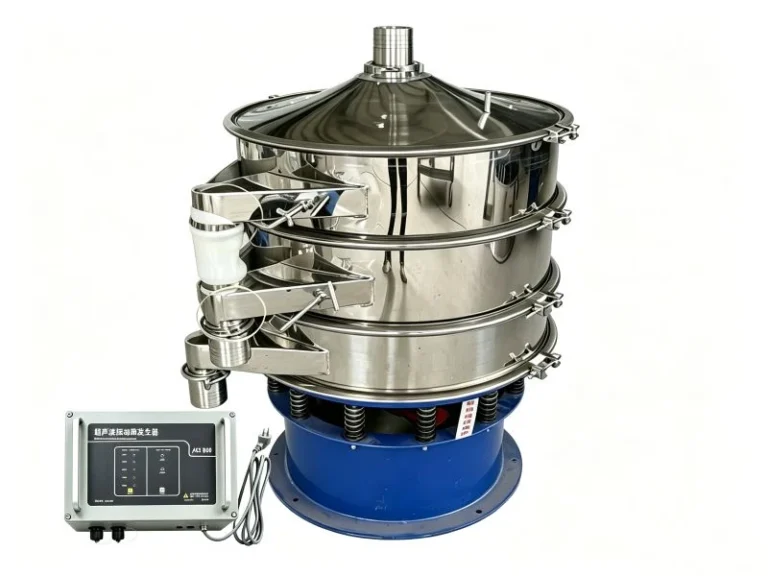
Đối với bột mịn liên tục làm blinding lưới, khử blinding bằng siêu âm đáng để thử nghiệm. Nó thêm rung động tần số cao, biên độ thấp trực tiếp vào sàng. Ví dụ, một hệ thống hoạt động ở 36 kHz tạo ra 36.000 chu kỳ rung mỗi giây, giúp giải phóng bột khỏi dây lưới và giữ các lỗ thông thoáng. Tần số hoạt động phụ thuộc vào hệ thống được lắp đặt.
Cân nhắc một sàng rung siêu âm cho các ứng dụng yêu cầu 200 mesh hoặc mịn hơn, bao gồm thạch cao cấp phủ được chỉ định ở 325–500 mesh. Cơ sở lựa chọn dựa trên hành vi của bột và sản lượng yêu cầu, thay vì chỉ số mesh.
Một số hệ thống siêu âm hỗ trợ các lỗ sàng xuống khoảng 20 μm, thường được liệt kê là khoảng 635 mesh. Xác nhận khẩu độ và tiêu chuẩn mesh với nhà cung cấp. Thông số kỹ thuật này không đảm bảo hiệu suất phân tách hoặc năng suất giống nhau cho mọi loại bột thạch cao.
Ultrasonic cleaning can reduce buildup and cleaning stops. It does not dry the feed or reliably break hardened lumps.
Use Bouncing Balls to Clear Trapped Particles
Silicone or rubber balls sit below the screen and strike its underside as the machine vibrates. This helps loosen particles lodged in the openings and provides a basic cleaning option for conventional gypsum powder screening.
Choose the ball size, material and quantity to suit the screen assembly. Cleaning depends on rebound, available movement and contact with the mesh—not simply on using smaller balls. Replace worn balls and remove deposits that restrict their movement. Fine screens also need protection from excessive impact.
Consider Air-Pulse Cleaning on Suitable Equipment
An air-pulse system uses compressed-air nozzles below the mesh to release trapped powder at set intervals. On equipment designed for this method, cleaning can take place during operation.
Use clean, dry air and confirm nozzle position, pressure and timing with the equipment supplier. The enclosure and dust extraction system must handle the added airflow. Air pulses can supplement other cleaning methods, but may not remove damp deposits or hard lumps.
Control Moisture, Impurities and Feeding
Cleaning devices work best when incoming powder is in a suitable condition.
- Control moisture: Check storage, transfer points and condensation. If drying is needed, select conditions for the specific gypsum type. Raw gypsum, calcined gypsum and blends should not share one drying temperature or moisture limit.
- Remove coarse impurities: Separate stones, hard lumps and other unwanted material before fine screening. Do not force them through the mesh.
- Feed steadily: Avoid dumping large quantities onto the screen at once. Maintain an even powder layer and check for buildup below the inlet.
- Check the screen and settings: Inspect mesh tension and damage. Adjust vibration within the manufacturer’s recommendations, and keep the aperture matched to the product specification.
- Check before adding a dispersant: Use an additive only if the formulation permits it and testing confirms that it does not affect setting behavior or final product properties.
After each adjustment, compare throughput using the same material batch and screen aperture. Record running time and cleaning frequency, and check both retained and passed material against the product specification. Change one factor at a time where practical.
When Should You Upgrade Your Gypsum Powder Sieving Machine?
Consider an upgrade when gypsum powder sieve clogging continues after moisture, feeding, mesh condition and cleaning devices have been checked. Frequent cleaning stops or output below production needs may justify a change. A screening test helps determine whether to adjust the machine, add ultrasonic cleaning or replace the equipment.
When a Rotary Vibrating Screen Is Suitable
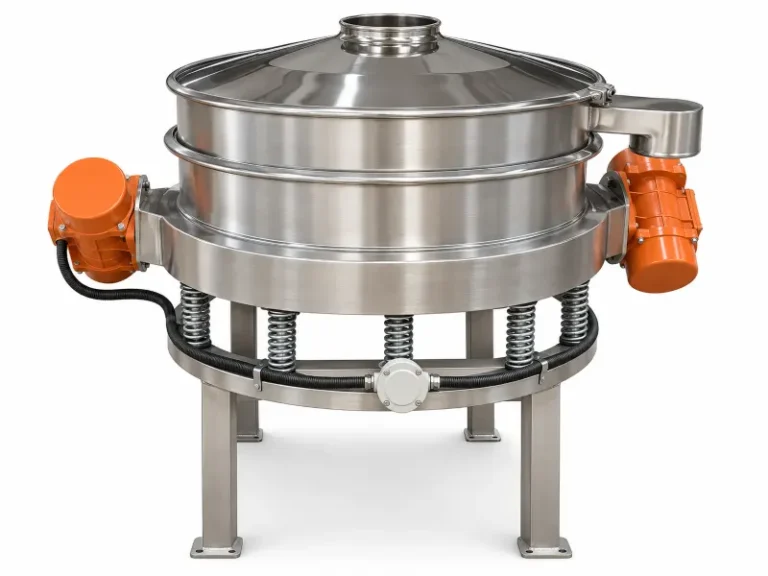
A rotary vibrating screen may suit dry, free-flowing gypsum powder when it meets the required separation and throughput. If blockage mainly comes from uneven feeding, worn cleaning balls or loose mesh, correcting these issues may restore performance without replacing the machine.
When to Consider an Ultrasonic Vibrating Sieve
Consider ultrasonic assistance when fine powder repeatedly coats the mesh and conventional cleaning cannot keep the openings clear. Test a representative sample to check throughput, separation quality and cleaning frequency. If the existing screen is compatible, adding an ultrasonic system may be enough.
Để so sánh rộng hơn, xem hướng dẫn của chúng tôi về sàng rung siêu âm so với sàng rung truyền thống.
What Information Is Needed for a Screening Test?
Provide the gypsum type, moisture condition, target screen aperture and required hourly output. Include the current machine model, cleaning method and photos of the blocked mesh. Note whether clogging starts immediately or develops during operation.
Use a sample that reflects normal production conditions so the test addresses the problem on your line.
Kết luận
Reducing gypsum powder sieve clogging starts with identifying whether particles are trapped in the openings, powder is coating the mesh or excessive feed is covering the screen. Correct material and feeding problems first, then select a cleaning method that suits the blockage. Judge the result by stable throughput, fewer cleaning stops and consistent product quality.
For a screening assessment, send Yuanjing Machinery a representative gypsum sample, target screen aperture, required hourly throughput and photos of the blocked mesh. Include how long the machine runs before clogging starts so the team can evaluate a suitable configuration.
Câu hỏi thường gặp
Why Does My Gypsum Sieve Clog Again After Cleaning?
Cleaning removes trapped powder but may leave the cause unchanged. Damp feed, excessive loading, worn cleaning balls or fine particles sticking to the mesh can cause blockage to return. Check how soon output drops after restarting and whether buildup appears across the screen or mainly below the inlet.
Will a Coarser Mesh Solve Gypsum Powder Clogging?
A coarser mesh may let more material pass, but it also allows larger particles into the finished product. Change the aperture only if it still meets your gypsum powder specification. If the required cut size cannot change, focus on feeding, material condition and mesh cleaning.
Can Ultrasonic Sieving Handle Damp or Caked Gypsum Powder?
Ultrasonic sieving helps reduce fine-powder buildup on the mesh. It does not dry gypsum powder or reliably break hard lumps. Address the moisture source and assess suitable material preparation first. Then test whether ultrasonic cleaning improves screening under normal production conditions.
What Mesh Size Should Be Used for Gypsum Powder Screening?
Choose the mesh according to the required particle size and whether you are removing lumps or making a fine separation. A product specified at 200–400 mesh does not automatically require the same screen at every processing stage. Confirm the aperture in microns, mesh standard and required throughput.
Should I Use Bouncing Balls or Ultrasonic Screen Cleaning?
Bouncing balls can help dislodge particles trapped in screen openings. Ultrasonic cleaning is worth testing when fine gypsum powder repeatedly sticks to the wires despite conventional cleaning. Base the choice on the blockage pattern, screen construction and sample test results, rather than mesh count alone.
How Can I Increase Gypsum Screening Capacity Without Changing the Mesh?
Start with steady feeding and an even powder layer. Check for blocked openings, loose mesh and worn cleaning devices. If output remains too low, evaluate a larger screening area or ultrasonic assistance. Compare throughput while keeping the required separation quality unchanged.