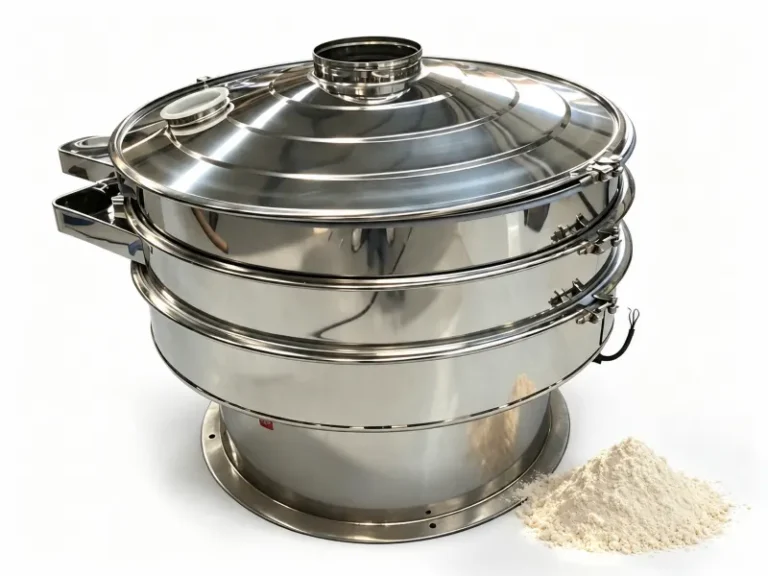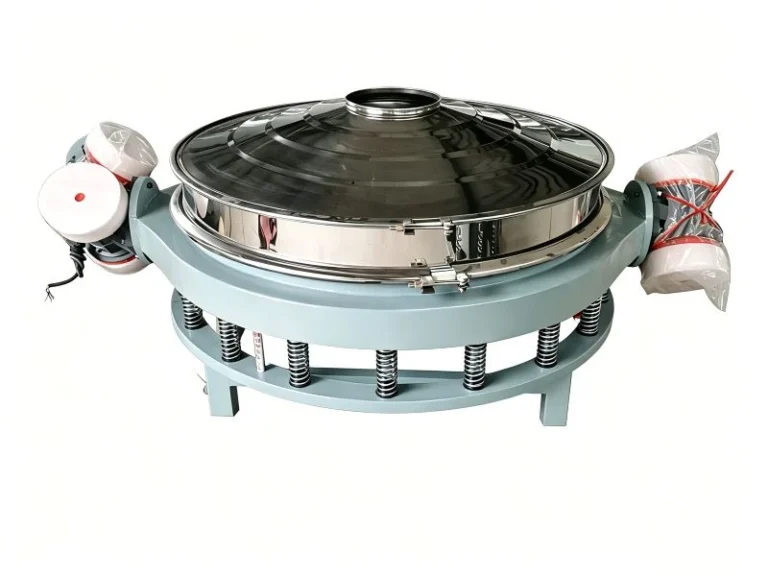
Wet Screening and Liquid Filtration: How to Select an Industrial Filter Sieve
Choosing an industrial filter sieve starts with the separation you need: which particles must be removed, and what should pass through? For liquids and slurries, the answer determines the screen opening. Viscosity, solids content and peak flow then determine whether the equipment can maintain that separation throughout production.
A sieve that works well with a thin liquid may struggle with a thicker batch at the same mesh size. Check the material under actual operating conditions before selecting a model.
What Does an Industrial Filter Sieve Do in Wet Processing?
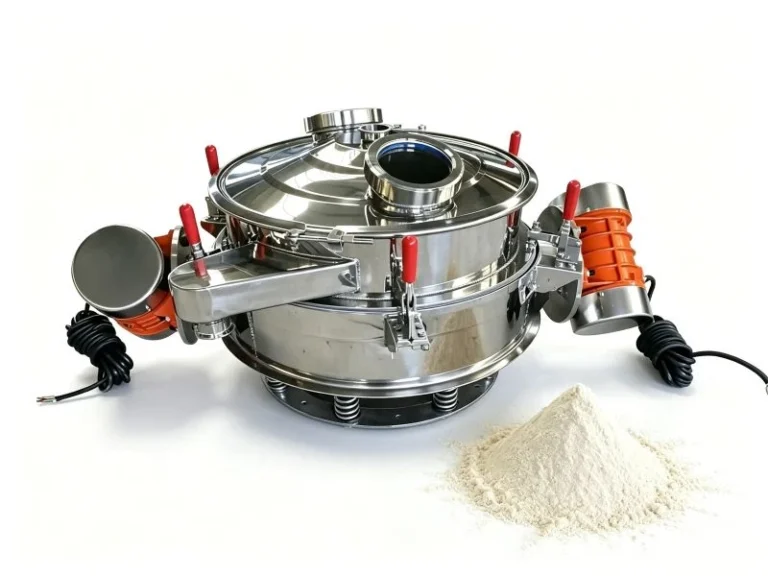
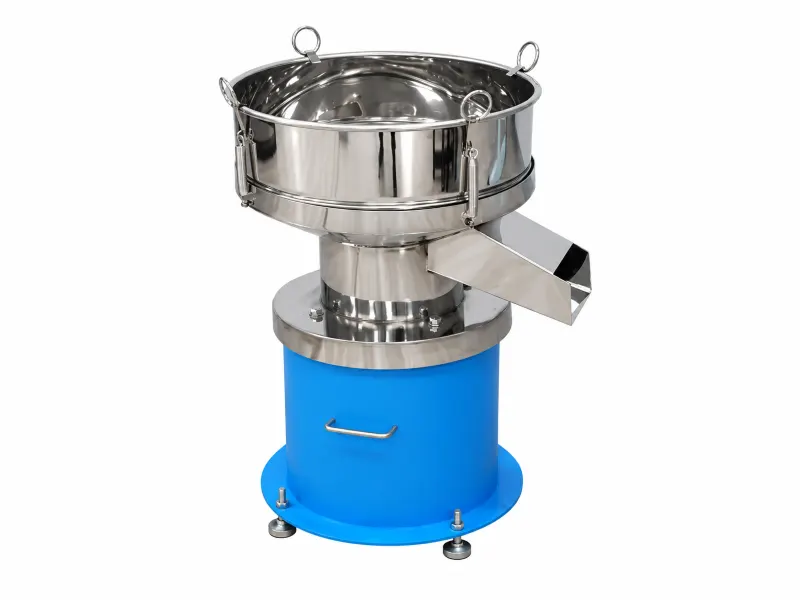
Un industrial filter sieve retains unwanted solids while allowing liquid and smaller particles to pass. Typical duties include removing lumps from coatings, separating coarse residue from food slurries and screening debris from process water.
Wet Screening vs. Liquid Filtration
Wet screening separates particles by size in a liquid medium. Liquid filtration focuses on removing solids from a liquid stream. The two overlap when a vibrating screen removes oversized particles from a slurry.
The useful product may contain solids that should remain. In juice processing, for example, removing seeds does not necessarily mean removing all pulp. In coatings, the aim may be to retain lumps while allowing the intended fine particles through.
Where Screening Has Its Limits
A sieve separates material through physical openings. It does not remove dissolved substances, and screening alone does not establish that wastewater is suitable for discharge or reuse.
Before discussing equipment, define the acceptable screened product and the material to reject. “Make the liquid cleaner” is not a precise enough specification.
How to Select an Industrial Filter Sieve for Your Process
Select an industrial filter sieve using the conditions at the screening point—not just a material name or a catalogue capacity. The following details have the greatest effect on the configuration.
Specify the Screen Opening in Microns
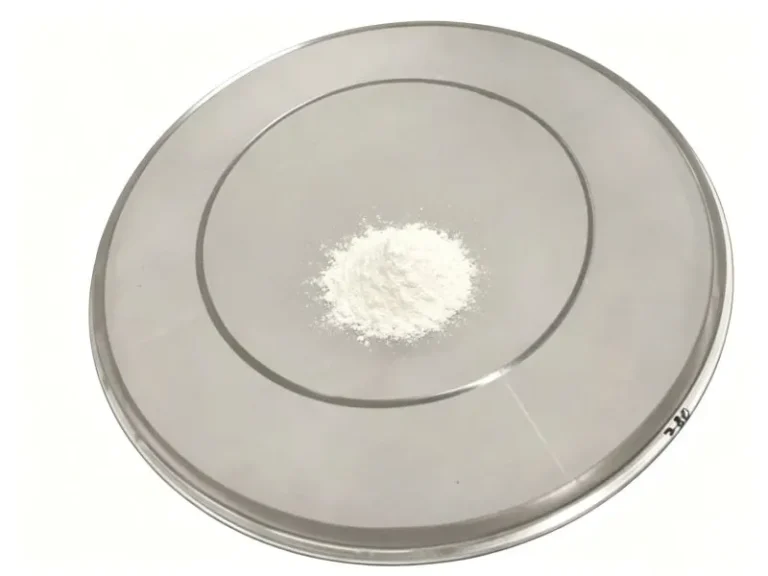
State the particle size you need to retain and specify the opening in microns. If your production specification uses mesh numbers, confirm the corresponding aperture, wire diameter and mesh standard.
An unnecessarily fine screen can retain useful ingredients, slow liquid passage and increase cleaning frequency. Fibers and soft lumps also behave differently from rigid particles, so critical separations should be checked with a sample.
Measure Viscosity and Solids Content at Operating Temperature
Provide viscosity at the temperature used during production. A sample tested at room temperature may not represent a heated process—or a batch that cools while waiting to be screened.
State solids content by weight or volume, and describe the solids themselves. Fine particles, coarse debris and sticky agglomerates place different demands on the mesh and discharge system. Include normal variations between batches.
Provide Normal and Peak Flow Rates
Specify normal and peak flow in L/h or m³/h, together with the feeding cycle. A tank emptied over a few minutes can overload a screen even when the total hourly volume looks manageable.
Industrial filter sieve capacity depends on the actual liquid, screen opening and available screening area. Do not use dry-powder or water-test capacity as a direct substitute for slurry performance.
Check Contact Materials and Cleaning Requirements
Select the screen, housing and seals against the liquid composition, operating temperature and cleaning chemicals. Neither 304 nor 316L stainless steel is suitable for every corrosive service.
For food liquids and products changed frequently between batches, check whether operators can reach the wetted surfaces, remove the screen and drain the machine thoroughly. Include cleaning time when comparing equipment.
Confirm the Feed and Discharge Layout
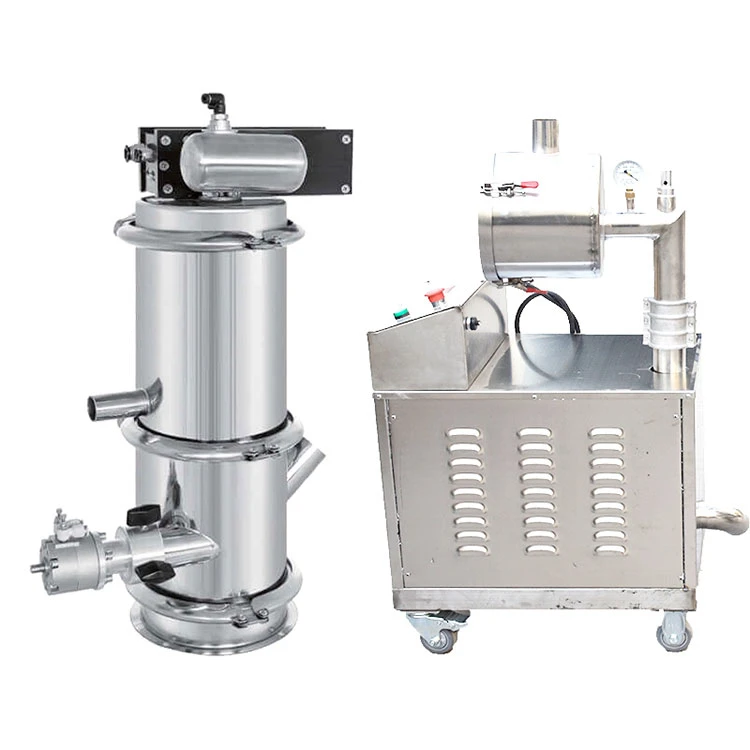
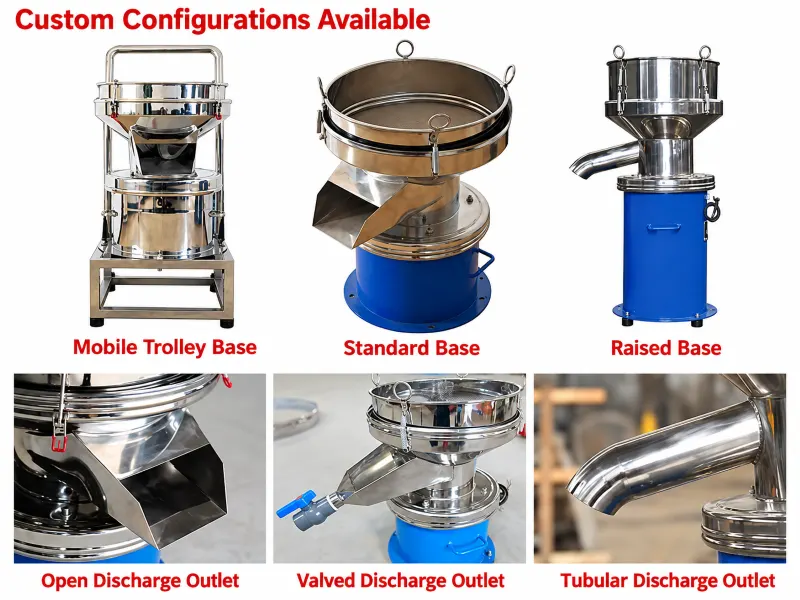
Provide inlet height, connection sizes, outlet positions and available maintenance space. Check where rejected solids will collect and whether they can be removed without interrupting production.
For an existing rotary machine, our rotary vibrating screen selection guide covers the broader equipment selection factors.
Which Filter Sieve Configuration Fits Your Application?
Match the industrial filter sieve configuration to the production task. Small-batch work, continuous screening and fine slurry separation place different demands on the equipment.
Compact Filter Sieves for Small Batches
A compact unit, such as a 450 filter sieve, is worth considering for smaller batches and limited floor space. Check that it fits beneath the feed vessel and leaves room for screen removal. Frequent product changes make cleaning access particularly important.
Rotary Vibrating Screens for Continuous Screening
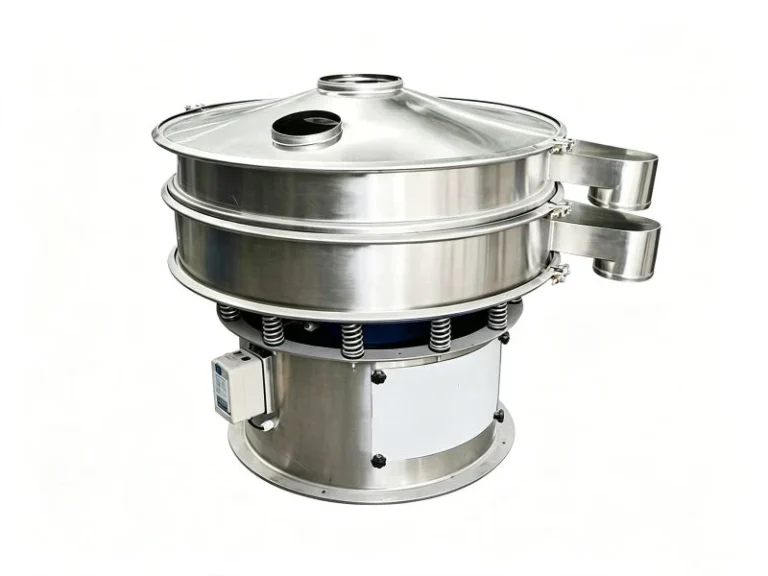
A tamis vibrant rotatif can be evaluated for continuous liquid screening. Confirm that both liquid and retained solids can leave the machine at the required rate. Adequate screening area will not solve a restricted outlet or an unsuitable solids discharge arrangement.
High-Frequency Screens for Fine Slurries
A high-frequency vibrating screen is another option for fine slurry screening. Compare its performance using the required opening and a representative sample. Check sustained flow and screen buildup, rather than judging only the first few minutes of operation.
When Another Filtration System May Be Needed
Thick adhesives, pressurized pipelines or finer filtration duties may require a different system. Depending on the material, mechanical self-cleaning filters, bag filters or cartridge filters may be worth evaluating. A vibrating sieve should not be selected simply because its nominal mesh size matches the specification.
Yuanjing Screening Data for Liquid Applications
The following figures come from Yuanjing’s application records. Mesh specifications and throughput units are retained as recorded.
| Matériau | Maille du tamis | Recorded Throughput |
|---|---|---|
| Spray coating material | 325 mesh | 1,200 L/h |
| Fruit juice | 40–80 mesh | 6–10 m³/h |
| Pomegranate juice—seed and juice separation | 100 mesh | 5 t/h |
| Coatings and paint | 450 mesh | 800 kg/h |
These are application-specific figures, not a capacity range for one model. The summary does not identify equipment models or full operating conditions; confirm expected output using your material and required screen opening.
How to Prevent Clogging, Overflow and Unstable Flow
When an industrial filter sieve loses throughput, check whether the restriction is at the mesh, feed system or outlet before changing machine settings.
Control Feed Surges
Introduce liquid steadily and distribute it across the usable screen area. Watch for short surges during pump startup or batch discharge. If liquid backs up despite a clean screen, inspect the outlet and downstream pipework.
Remove Deposits Before They Harden
Retained solids, sticky agglomerates and dried residue can progressively block the openings. Keep the solids discharge clear and clean the mesh before residues harden, using a method compatible with the product and screen.
Where large debris repeatedly overloads a fine screen, a coarse screening stage may reduce the load.
Check Seals and Upstream Conditions
Inspect mesh condition, screen seating, gaskets and clamps if oversized particles appear in the screened product. Unfiltered liquid may be bypassing the mesh through a damaged seal.
For fluctuating flow, also check temperature changes, solids concentration, pump delivery and valve position. See our vibratory sifter troubleshooting guide for broader mechanical and maintenance checks.
Conclusion
To assess an industrial filter sieve for your process, send Yuanjing your material name, target opening, viscosity at operating temperature, solids content, and normal and peak flow rates. Include an installation sketch and cleaning requirements if available.
Email the Yuanjing team with these details so we can review the configuration and whether a material trial is needed.