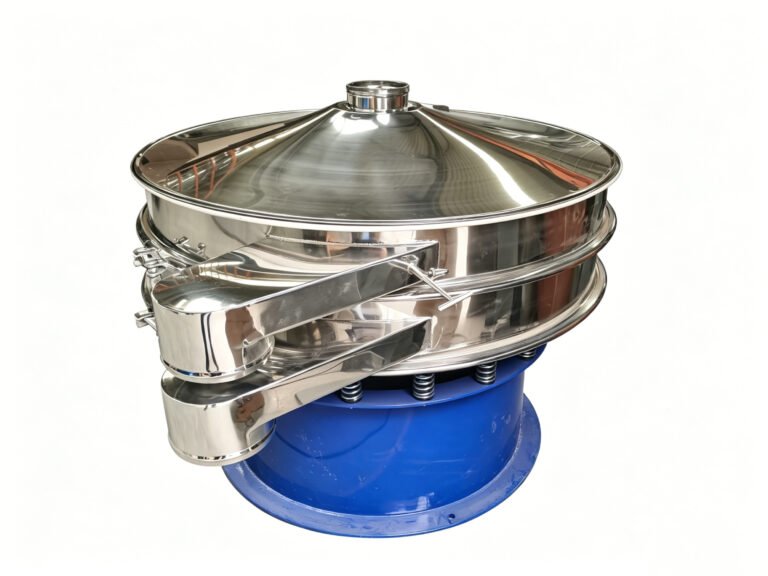
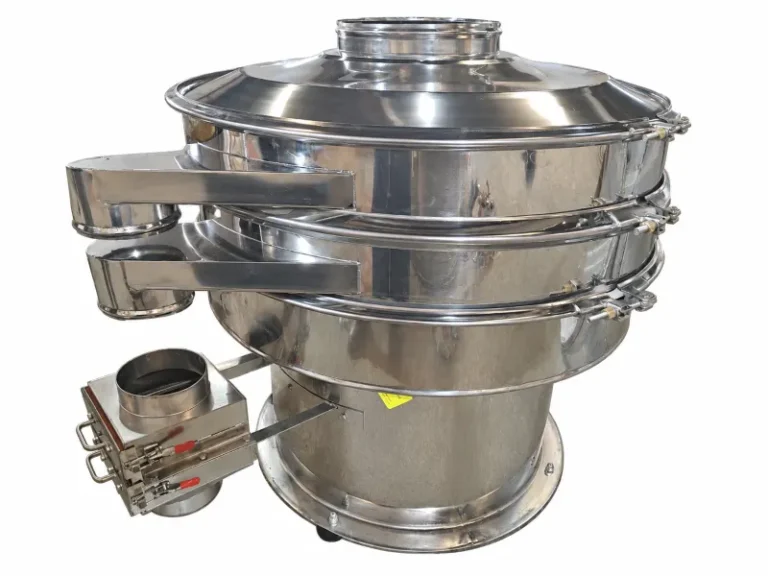
미세 분말에 초음파 진동 스크린이 필요한 경우는 언제인가요?
소개
미세 분말은 특히 미세한 체망을 사용할 때 체질하기 어려울 수 있습니다. 망 막힘, 정전기 축적, 낮은 처리량, 잦은 체 세척 등의 문제는 미세 분말의 체질 성능에 영향을 줄 수 있습니다.
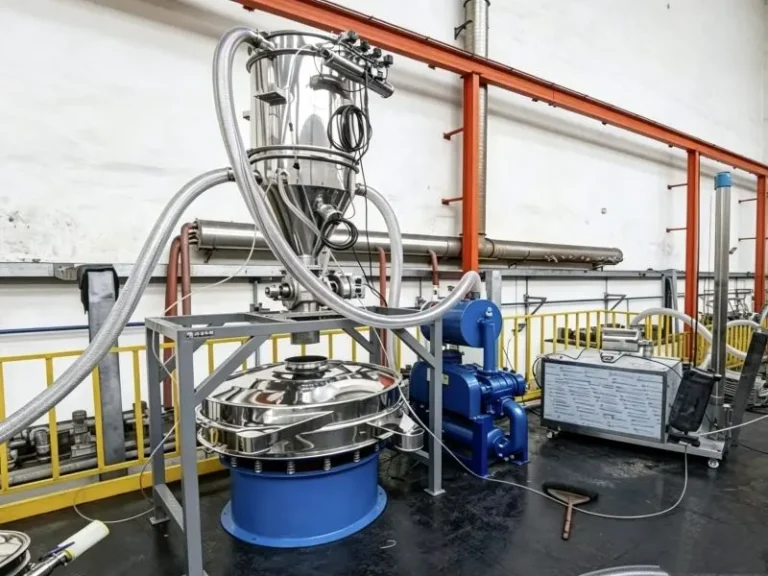
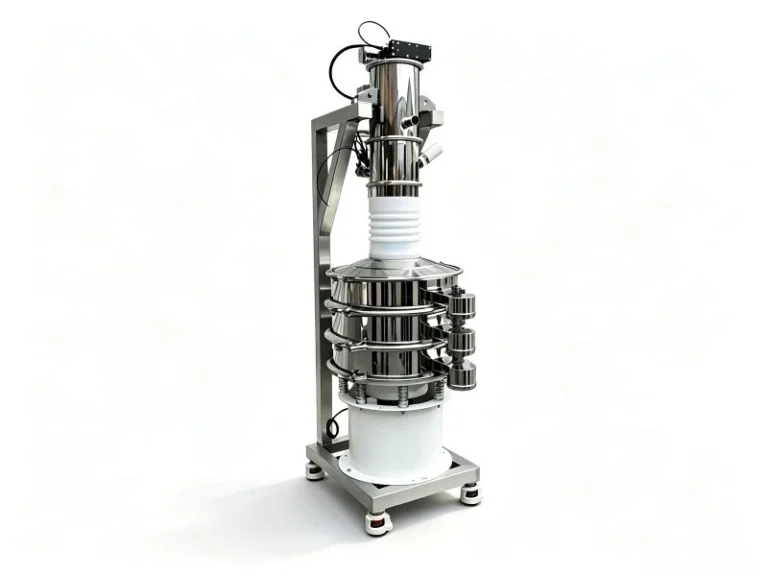
하지만 그렇다고 해서 초음파 진동 스크린 이 미세 분말에 필요할까요? 항상 그런 것은 아닙니다. 적절한 선택은 재료, 메쉬 크기, 체질 성능 및 생산 요구 사항에 따라 달라집니다.
이 가이드에서는 일반 진동체로 충분한 경우와 미세 분말 체질에 초음파 체질이 더 나은 선택일 수 있는 경우를 설명합니다.
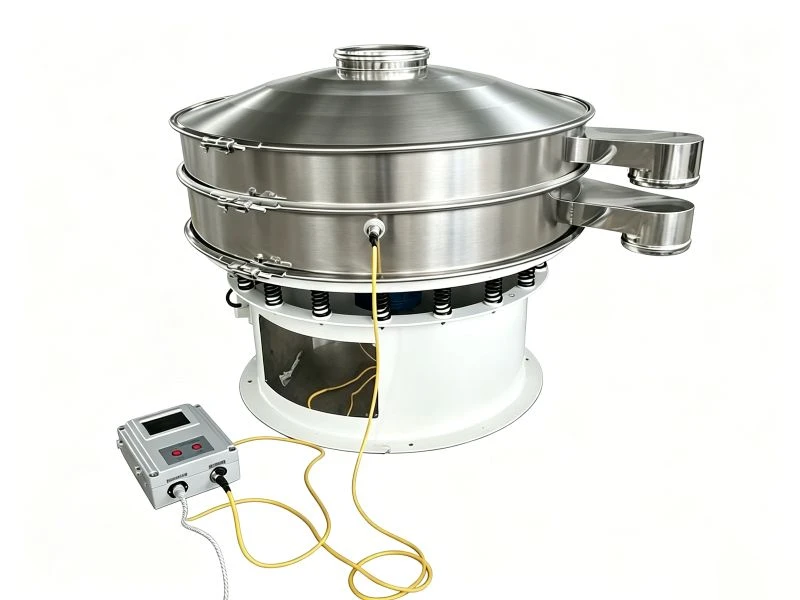
미세 분말에 항상 초음파 체질이 필요한 것은 아닙니다
재료의 유동성이 좋고 체망이 막히지 않는다면 일반 진동체로도 많은 미세 분말 체질 작업을 처리할 수 있습니다.
필요한 처리량을 달성하고 체망이 막히거나 자주 세척할 필요가 없다면 초음파 진동체가 필요하지 않을 수 있습니다.
미세 분말로 인해 망 막힘, 정전기 축적, 낮은 처리량 또는 기타 체질 문제가 반복적으로 발생할 때 초음파 체질이 더 유용해집니다.
분말에 초음파 체질이 필요할 수 있음을 나타내는 징후
일반 진동체로 안정적인 성능을 유지할 수 없다면 미세 분말 체질에 초음파 보조 기술이 필요할 수 있습니다.
미세 체망 체질
미세 체망, 특히 200메쉬 이상의 체망을 사용하면 분말이 체망을 통과하기가 더 어려워지는 경우가 많습니다. 메쉬 수가 증가함에 따라 처리량이 감소한다면 초음파 스크리닝 시스템 을 도입하면 입자의 통과를 개선하는 데 도움이 될 수 있습니다.
망 막힘
미세 입자는 체망의 구멍을 막는 경향이 있습니다. 초음파 체망 세척 시스템은 재료가 체망 위에서 계속 움직이도록 하여 체질 통과율을 높일 수 있습니다.
정전기로 인한 부착
건조한 미세 분말은 정전기가 쉽게 발생하여 체망에 달라붙습니다. 이는 미세 분말의 체질 효율을 떨어뜨릴 뿐만 아니라 체망에 더 많은 재료가 쌓이게 합니다.
정전기가 심하거나 비중이 높거나 흡착성이 강한 재료에는 초음파 진동 스크린 설치를 적극 권장합니다. 이를 통해 즉각적인 메쉬 막힘을 방지할 수 있습니다..
끈적이거나 응집되는 분말
끈적이거나 쉽게 응집되는 미세 분말은 선별 속도를 저하시키고 메쉬를 막을 수 있습니다. 수분 함량이 3%를 초과하는 초미세 분말은 수막을 형성하여 스크린 표면을 끈적하게 만드는 경향이 있으며, 초음파 선별은 이러한 문제를 해결하는 데 도움이 될 수 있습니다.
낮은 선별 처리량
200메쉬보다 미세한 초미세 분말의 경우, 초음파 진동 스크린은 일반 진동 스크린에 비해 선별 정밀도가 10%–70% 높고 처리량은 1–10배 더 많습니다.
잦은 스크린 청소
작업자가 막힌 스크린을 청소하거나 교체하기 위해 기계를 자주 멈춰야 하는 경우, 초음파 보조 기술을 도입하면 메쉬를 자동으로 청소할 수 있어 잦은 가동 중단을 줄일 수 있습니다.
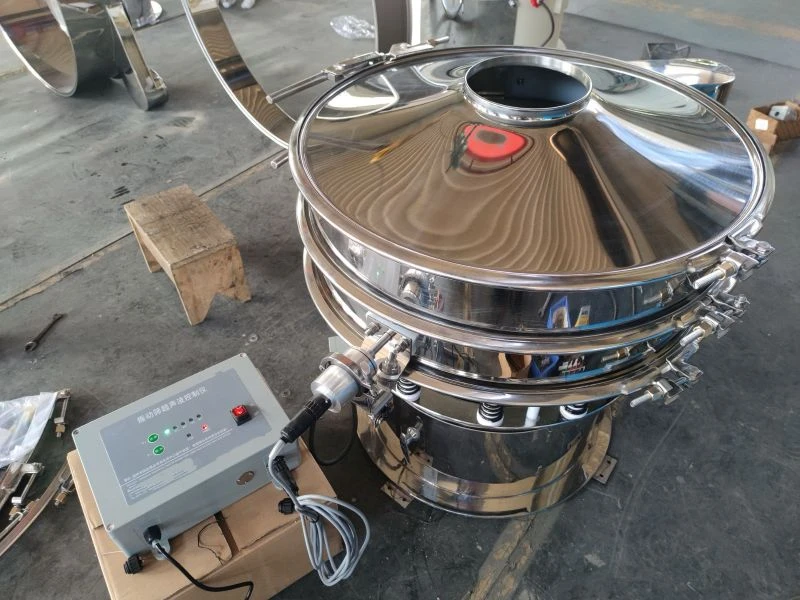

메쉬 크기에 따라 초음파 체질의 필요성이 결정될까요?
메쉬 크기는 미세 분말 선별에서 중요한 요소이지만, 초음파 체질이 필요한지 여부를 결정하지는 않습니다.
약 100–200메쉬에서는 유동성이 좋은 많은 분말을 일반 진동 스크린으로도 효과적으로 선별할 수 있습니다. 재료가 메쉬를 잘 통과하고 스크린이 막히지 않는다면 초음파 선별이 필요하지 않을 수 있습니다.
약 300메쉬 이하로 입자가 미세해지면 선별이 더 어려워질 수 있습니다. 메쉬별 비교는 다음 가이드를 참조하세요: 200, 300, 400 및 500메쉬 분말 선별.미세 입자는 메쉬에 달라붙거나 구멍을 막거나 선별 처리량을 저하시킬 가능성이 더 높습니다. 이러한 경우 초음파 진동은 재료가 더 원활하게 통과하도록 유지하는 데 도움이 될 수 있습니다.
500메쉬 이하로 입자가 미세한 경우, 선별 공정은 일반적으로 재료의 특성과 작동 조건에 더 민감합니다. 초음파 체질은 미세 분말로 인해 메쉬가 자주 막히거나 정전기가 축적되거나 처리량이 낮아지거나 스크린을 반복적으로 청소해야 하는 경우 고려할 수 있습니다.
중요한 점은 메시 크기를 분말 특성 및 생산 요구사항과 함께 고려해야 한다는 것입니다. 유동성이 좋은 300메시 분말은 일반 장비로도 잘 선별될 수 있지만, 정전기가 심하게 발생하거나 체망 막힘이 심한 더 굵은 분말은 추가적인 선별 보조 장치가 필요할 수 있습니다.
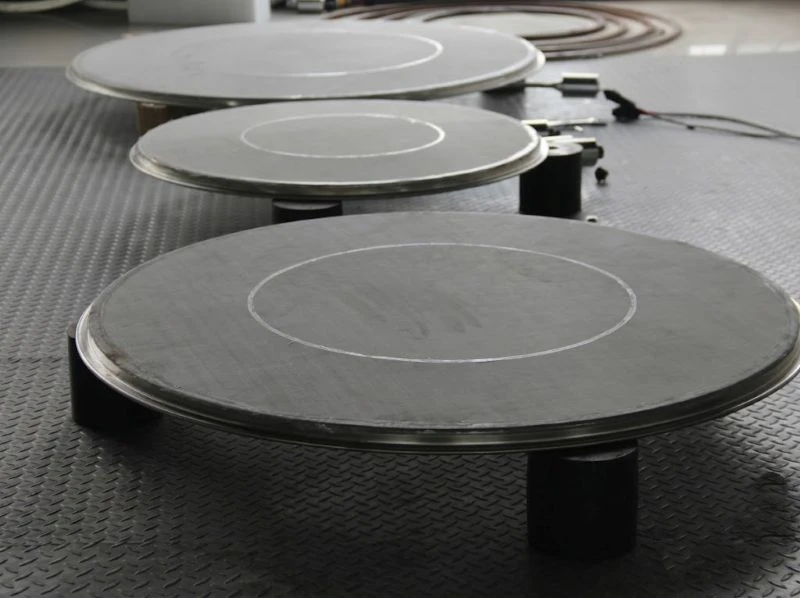

언제 일반 진동체만으로 충분할까요?
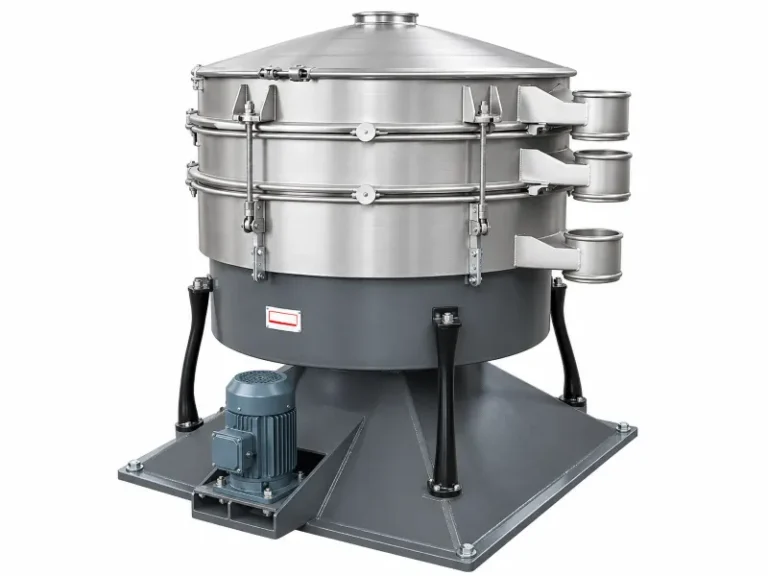
A 일반 진동체 는 분말의 유동성이 좋고 선별 공정이 안정적으로 유지된다면 대체로 충분합니다.
다음과 같은 경우에 적합합니다:
- 체망이 자주 막히지 않으면서 필요한 메시 크기를 사용할 수 있습니다.
- 미세 분말이 요구되는 속도로 체망을 통과합니다.
- 정전기 축적으로 인해 원료가 심하게 달라붙지 않습니다.
- 요구되는 선별 정확도와 처리량을 달성할 수 있습니다.
- 생산 중 체망을 자주 청소할 필요가 없습니다.
예를 들어, 구형 니켈, 합금 및 기타 금속 분말과 같은 유동성이 좋은 많은 분말은 필요한 생산 속도와 선별 품질을 충족한다면 초음파 보조 없이도 100–200메시로 선별할 수 있습니다. 이러한 경우 초음파 시스템을 설치하더라도 반드시 큰 이점이 생기는 것은 아닙니다.
이러한 조건이 더 이상 충족되지 않을 때, 특히 더 고운 체망 사용, 체망 막힘, 정전기 축적 또는 낮은 처리량이 반복적인 생산 문제가 될 때는 초음파 선별을 고려해야 합니다.
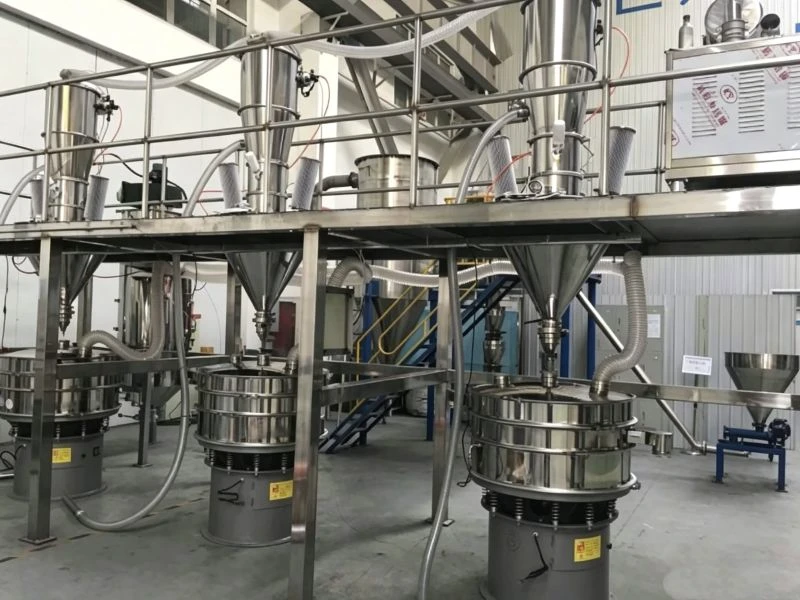

When Is an Ultrasonic Vibrating Screen a Better Choice?
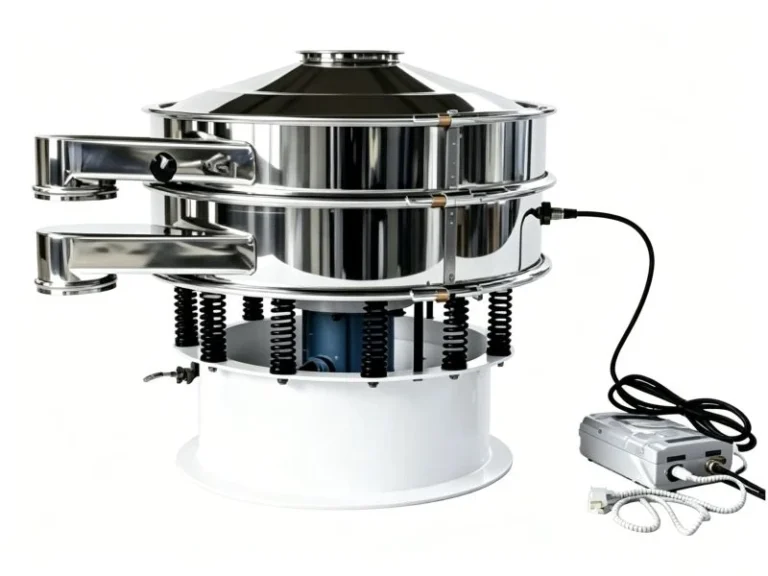
하나의 초음파 진동 체 is a better choice when fine powder is difficult to screen with a conventional vibrating screen.
It is worth considering when:
- Fine particle size and high static electricity: Powders with a particle size of ≤50μm exhibit strong adsorption; particles tend to clump together, making screening difficult.
- Prone to agglomeration: As material vibrates on the screen surface, dispersed particles re-aggregate—a phenomenon known as “secondary agglomeration”—trapping acceptable fine powder inside and preventing it from passing through.
- Mesh clogging: Particles become lodged in the apertures, or agglomerated fines block the mesh openings. Increasing the amplitude on traditional vibrating screens often packs the powder even tighter, necessitating machine shutdowns for manual mesh cleaning.
- Material damage: Ultrasonic screening systems utilize high-frequency, low-amplitude vibration that minimizes damage to materials, especially crystals and fibers, thereby preserving their original properties.
- High precision requirements: Screening accuracy exceeds 95%, making it suitable for ultra-fine powders ranging from 200 to 2000 mesh, such as electronic-grade powders and pharmaceutical raw materials.
However, ultrasonic vibration is not a solution for every fine powder screening problem. If poor screening is mainly caused by high moisture, large agglomerates, or unsuitable feeding conditions, these problems should be addressed first.
Ultrasonic vs Conventional: A Simple Decision Guide
| Your Situation | Recommended Direction |
|---|---|
| Free-flowing powder with stable screening | Conventional vibrating screen |
| Fine powder with occasional mesh blockage | Check material and operating conditions |
| Frequent mesh blinding | Consider ultrasonic vibrating screen |
| Static powder sticking to the mesh | Consider ultrasonic screening |
| Throughput drops with finer mesh | Evaluate ultrasonic screening |
| Severe moisture or large agglomerates | Address material condition first |
If the conventional vibrating screen can meet your required capacity and screening result, ultrasonic may not be necessary. If fine powder causes repeated mesh blinding, static buildup, or low throughput, ultrasonic screening is worth considering.
Not Sure Whether You Need Ultrasonic Sieving?
Send us your material type, particle size, required mesh size, capacity, and current fine powder screening problems. If you are experiencing mesh blinding, static buildup, low throughput, or frequent screen cleaning, let us know.
Our team can review your screening requirements and help you determine whether a conventional vibrating screen or an 초음파 진동 스크린 is more suitable for your application.
자주 묻는 질문
1. Do I need an ultrasonic vibrating screen for fine powder?
Not always. A conventional vibrating screen may be enough if the powder flows well and does not cause mesh blinding or low throughput. Ultrasonic screening is more suitable for difficult fine powder applications.
2. What mesh size requires an ultrasonic vibrating screen?
There is no fixed mesh size. Many free-flowing powders can be screened at 100–200 mesh with a conventional screen. At 300 mesh and finer, ultrasonic screening may be considered if mesh blinding or low throughput occurs.
3. Can ultrasonic screening prevent mesh blinding?
Ultrasonic vibration can help reduce mesh blinding by improving fine particle movement through the screen mesh, especially with dry fine powders.
4. Is an ultrasonic vibrating screen suitable for static powder?
Yes, it can be suitable for dry fine powders that tend to stick to the mesh because of static electricity. Material and mesh conditions should also be considered.
5. Can ultrasonic screening increase fine powder screening capacity?
It can improve throughput when fine particles have difficulty passing through the mesh or frequent mesh blockage limits production. Actual capacity depends on the material, mesh size, and feed rate.
6. When should I choose ultrasonic sieving over a conventional screen?
Consider ultrasonic sieving when fine powder causes frequent mesh blinding, static buildup, low throughput, or repeated screen cleaning. If a conventional screen already meets your requirements, ultrasonic may not be necessary.