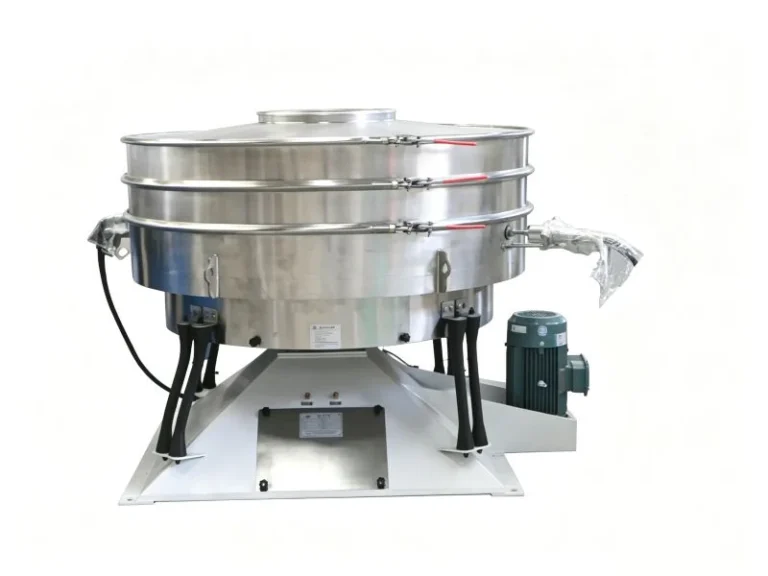
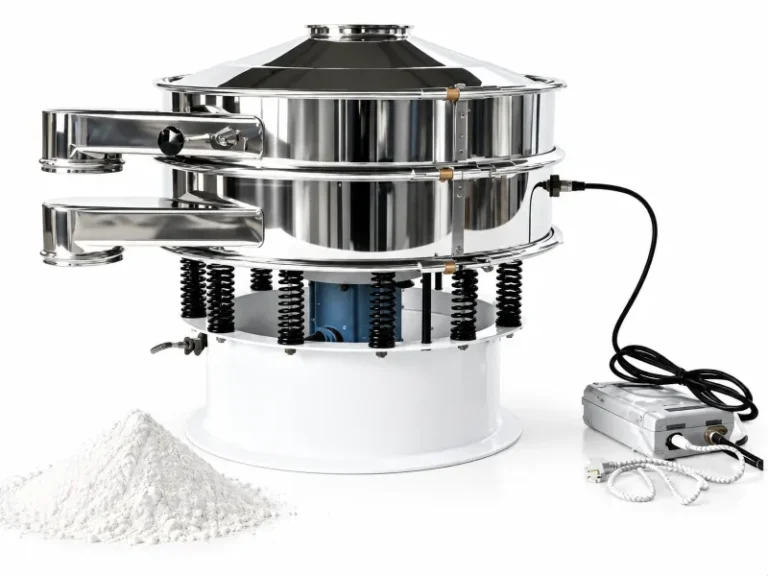
사료 펠릿용 선형 진동 스크린: 미분 및 과대 펠릿 제거
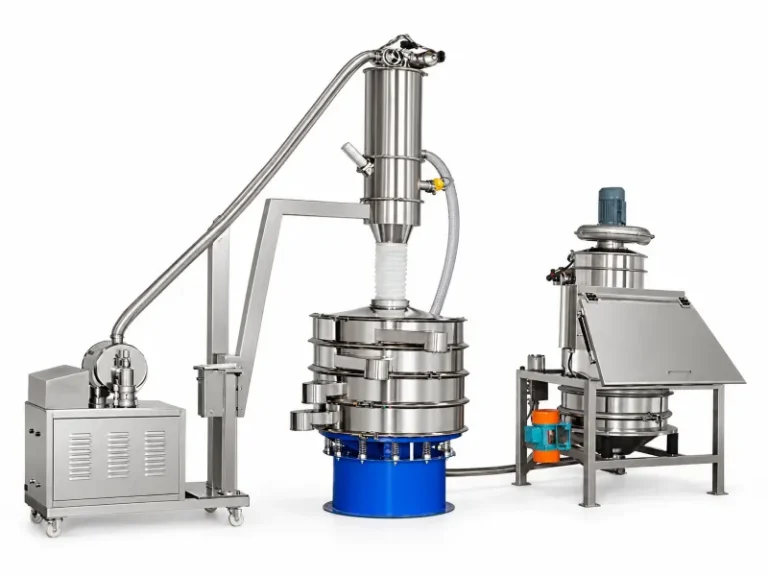
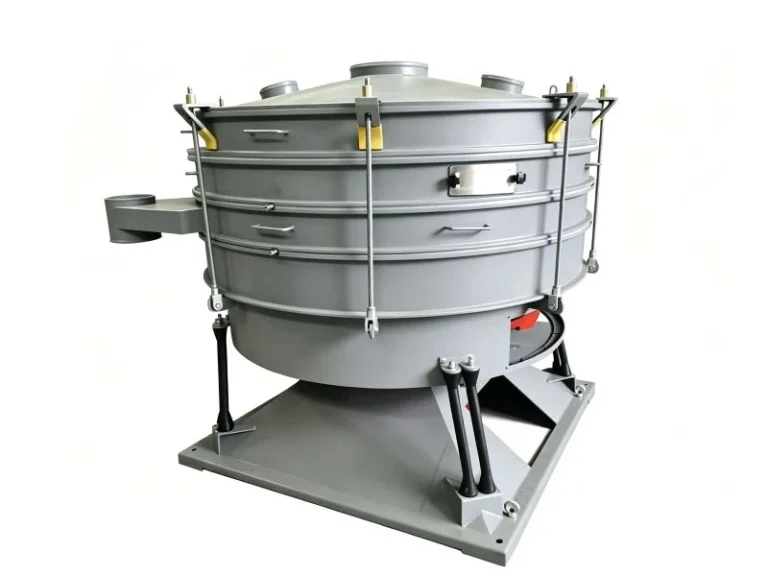
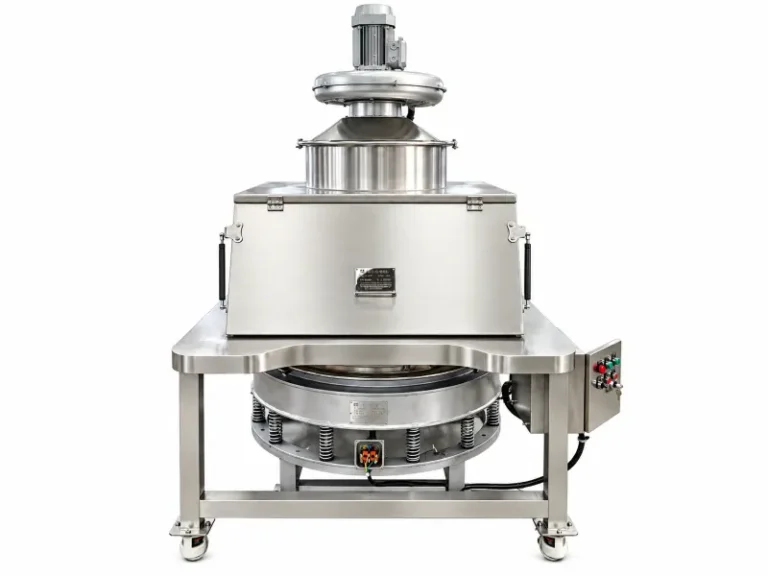
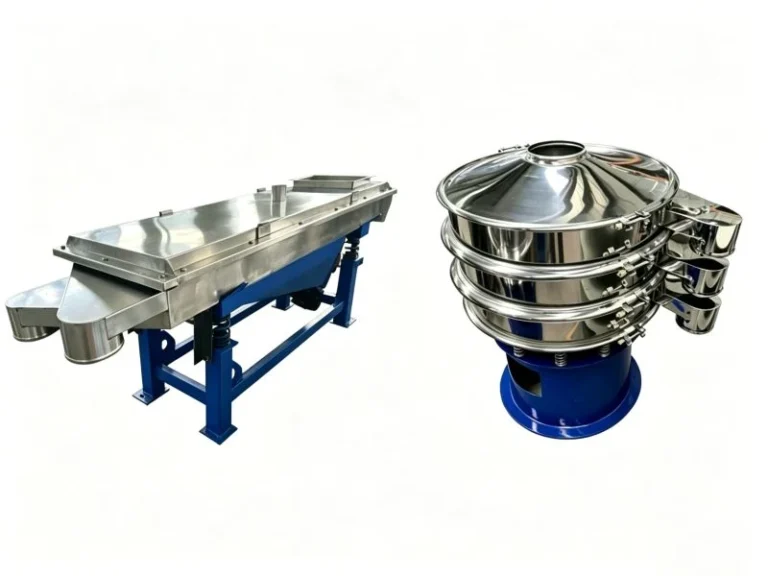
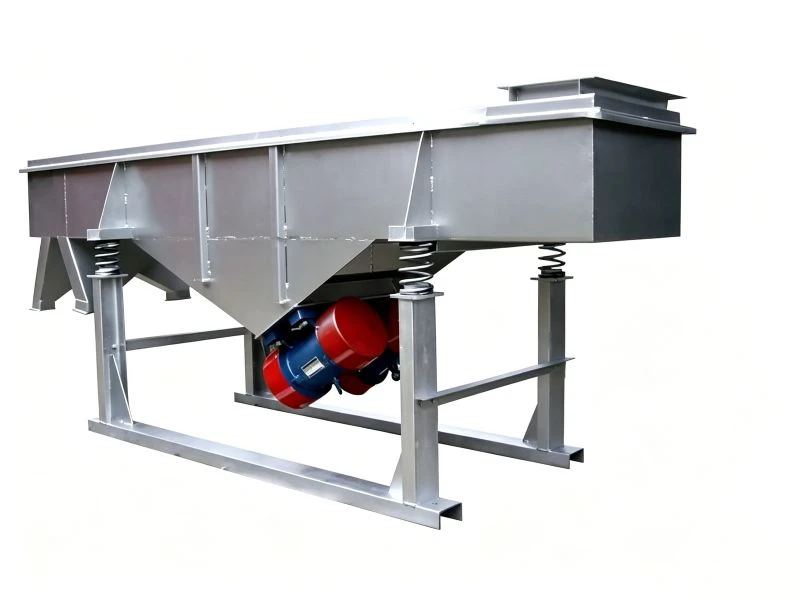
사료 펠릿용 선형 진동 스크린은 냉각 후 또는 포장 전에 유리된 미분, 작은 조각, 규격보다 큰 입자를 제거합니다. 사료 펠릿에서 미분만 제거할 경우 스크린 한 단으로 충분할 수 있습니다. 스크린 두 단을 사용하면 미분, 규격에 맞는 펠릿, 규격보다 큰 물질을 세 개의 배출구로 분리합니다. 구성은 펠릿의 크기와 형태, 수분, 생산 라인의 생산량에 따라 달라집니다. 공급 속도도 중요합니다. 스크린은 펠릿이 불필요하게 파손되지 않도록 하면서 생산량을 처리할 수 있어야 합니다.

보관 또는 포장 전에 사료 펠릿을 선별하는 이유는 무엇일까요?
원료와 완제품 사료에는 서로 다른 선별 기준이 필요합니다. 가공 전에는 거친 입자와 큰 불순물을 제거해야 합니다. 포장 전에는 완제품에 미분, 규격보다 작은 조각, 덩어리가 들어가지 않도록 해야 합니다.
사료 원료: 거친 입자와 불순물 제거
쌀겨 분말, 곡물, 대두박, 골분, 칼슘 분말 및 기타 미네랄 첨가제는 선형 진동 스크린으로 선별할 수 있습니다. 적용 사례에는 10~80메시 스크린과 다음 처리량이 포함됩니다: 500~1,000kg, 소재와 필요한 분리 수준에 따라 달라집니다.
곡물 원료는 조질 및 탈피 전에 선별한 다음, 분쇄 후 남아 있는 거친 물질을 제거하기 위해 다시 선별할 수 있습니다.
냉각 후 및 포장 전 사료 펠릿 선별
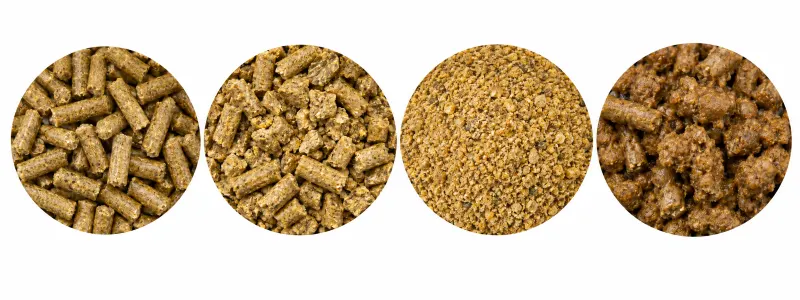
냉각 후 사료 펠릿용 선형 진동 스크린은 제품에서 유리된 분말과 작은 조각을 분리합니다. 규격보다 큰 입자와 덩어리를 제거하려면 추가 선별 단계가 필요합니다. 펠릿 사료, 크럼블 사료, 압출 사료는 각각 요구되는 크기 범위에 맞는 스크린 구멍이 필요합니다.
적용 사례에 기재된 스크린 규격은 5mm부터 60메시까지 이며 처리량은 2~20톤입니다. 이는 모든 라인에 적용되는 하나의 구성이 아니라 다양한 사료 제품과 기계 구성을 포괄하는 수치입니다.
위 처리량에는 시간 기준이 명시되어 있지 않습니다. 장비 선정에 사용하기 전에 시간당 처리량인지 배치당 처리량인지 확인하세요.
펠릿 사료와 파쇄 사료에 서로 다른 크기 기준 설정
펠릿 사료에서 제거되는 조각이 파쇄 사료에서는 허용될 수 있습니다. 파쇄 사료를 선별할 때는 필요한 작은 입자는 유지하면서 규정된 범위보다 크거나 작은 물질을 제거해야 합니다.
체 구멍을 선택하기 전에 생산할 제품이 가금류, 가축 또는 수산 사료인지에 따라 크기 기준을 설정하십시오.
사료 펠릿 선별기는 미분과 기준 초과 조각을 어떻게 분리할까요?
A 사료 펠릿용 선형 진동 스크린 재료를 체 표면을 따라 이동시킵니다. 구멍을 통과할 수 있는 입자는 아래로 떨어지고, 체에 남은 재료는 별도의 배출구로 이동합니다.
사료 펠릿의 미분 제거를 위한 단층 선별
미분과 작은 조각은 체를 통과합니다. 펠릿은 위에 남아 배출구 쪽으로 이동합니다.
기준을 초과하는 조각도 체에 남습니다. 따라서 단층 체로는 이를 적합한 펠릿과 별도로 수거할 수 없습니다.
이중층 사료 펠릿 선별기: 세 개의 분리된 배출구
상층 체는 구멍이 더 커서 기준 초과 조각과 덩어리를 걸러냅니다. 상층 체를 통과한 재료는 하층 체에 도달하며, 여기서 미분은 아래로 떨어지고 적합한 펠릿은 체에 남습니다.
| 선별 위치 | 분리된 재료 | 배출구 |
|---|---|---|
| 상층 체에 남은 재료 | 기준 초과 조각과 덩어리 | 기준 초과물 |
| 하층 체에 남은 재료 | 적합한 펠릿 | 제품 |
| 하층 체를 통과한 재료 | 미분과 기준 미달 조각 | 미세물 |
선별로 지나치게 긴 사료 펠릿을 제거할 수 있을까요?
길고 가는 펠릿은 끝부분부터 구멍을 통과할 수 있습니다. 구멍의 모양뿐 아니라 펠릿의 직경, 길이, 방향도 통과 여부에 영향을 미칩니다. 펠릿 길이가 엄격한 품질 요건이라면 대표 샘플을 시험하여 선별로 해당 요건을 충족할 수 있는지 확인하십시오.
사료 펠릿용 체 구멍과 처리 용량을 선택하는 방법
사료 펠릿용 직선 진동 선별기의 크기를 정하려면 필요한 분리 크기와 선별기에 유입되는 최대 유량부터 확인하십시오. 체 구멍은 어떤 입자가 통과할지를 결정합니다. 체 면적은 기계가 처리할 수 있는 재료의 양에 영향을 미칩니다. 두 가지 모두 실제 사료 샘플로 확인해야 합니다.
펠릿 크기와 선별 목표 정의
펠릿의 직경 및 길이 범위, 허용 가능한 제품 크기, 미분과 과대 입자의 비율을 제시합니다.
아래 범위는 초기 참고값입니다. 스크린을 주문하기 전에 원료와 완제품 요구 사항에 맞는지 확인하세요.
| 신청 | 참고 메시 범위 | 스크리닝 목적 |
|---|---|---|
| 원료 정선: 옥수수 및 대두박 | 10~30메시 | Remove oversized impurities, such as stones and lumps, where their size allows separation |
| Powdered feed grading | 60–120 mesh | Control powder fineness |
| Finished feed pellet grading | 8–40 mesh | Separate size fractions and remove fines |
| Fine grading and feed additives | 120 mesh and finer | Meet finer particle-size requirements |
Specify Screen Openings in Millimeters
A higher mesh count generally means smaller openings, but wire diameter and the mesh standard also affect the opening size. Specify the openings in millimeters and state whether they are square, round, or slotted.
A finer screen is not always a better choice. Smaller openings can reduce throughput and block more easily. With cylindrical pellets, check length and orientation as well as diameter.
For suitable feed products, openings within the 1.5–6 mm range can be evaluated. The final choice still depends on the required separation.
Size the Screener for Peak Feed Mill Output
Size the screen for the highest expected feed rate, including surges from upstream equipment. Account for fines content, moisture, and feed distribution across the deck. If the material forms a deep bed, fines may leave with the product before reaching the openings.
State capacity requirements in kg/h or t/h. A general machine rating does not guarantee the same throughput with feed pellets.
Check Fines Removal with a Material Trial
When testing a linear vibrating screen for feed pellets, run representative material at the required feed rate and sample every outlet.
| Test Item | 확인할 사항 |
|---|---|
| Residual fines in the product | Does the remaining fines content meet the product requirement? |
| Acceptable pellets in the fines outlet | How much usable product is being lost? |
| Material in the oversize outlet | Are oversized pieces being removed without excessive rejection of acceptable pellets? |
| Actual throughput and operating stability | Can the screen handle the required production flow consistently? |
| Pellet breakage before and after screening | Are screening or transfer conditions causing additional damage? |
Use these results to confirm the openings, number of decks, screen area, and operating settings. For a broader comparison of machine types and selection factors, see our screening equipment selection guide.
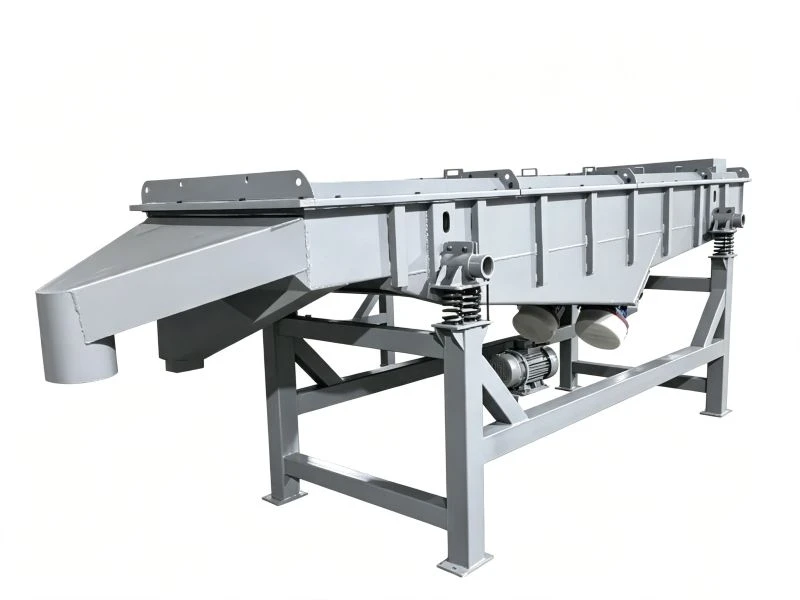
How to Reduce Pellet Breakage and Screen Blockage
Check moisture, oil content, and bulk density alongside throughput and separation requirements when choosing the screen area, contact materials, and vibration settings. During operation, watch how the feed spreads and moves across the deck.
Keep Feeding Even and Limit Transfer Drops
Spread feed across the screen width rather than letting it pile up at the inlet. Keep transfer drops short where practical to reduce impact damage.
For feed pellet screening before bagging, check the discharge chutes as well. Rough handling after the screen can create fresh fines just before packaging.
Send acceptable pellets to packaging and collect fines and oversized material separately. Before returning rejected material for reprocessing, check its condition and follow the plant’s rework procedure.
Adjust Vibration to Pellet Strength
On a linear vibrating screen for feed pellets, adjust vibration so pellets move steadily and fines have time to reach the openings. Too much vibration can increase breakage; too little material movement can cause buildup.
When adjusting the machine, sample each outlet. Look for additional fragments and acceptable pellets being discharged with the rejected material.
What Causes Feed Pellet Screen Blockage?
Moist or oily feed can coat the screen surface. Particles close to the opening size can become lodged in individual holes. These problems need different responses.
A compatible bouncing-ball cleaning system may dislodge trapped particles, but it may not clear sticky oil deposits. High-moisture or high-fat feeds may require changes to material conditioning and cleaning routines. Our guide to screen blockage causes and prevention covers further checks.
Keep the Screen Accessible for Maintenance
Consider 304 스테인리스 스틸 for material-contact parts, with surfaces and joints that can be cleaned easily. Material grade alone does not establish compliance with feed hygiene requirements.
Leave access to the decks and outlets for inspection. Confirm enclosure and dust extraction connections where needed.
Record the following in a maintenance log:
- Daily checks: Loose mounting bolts, unusual noise, material buildup, and damaged seals.
- Screen condition: Tension, wear, and tears that could let material bypass the intended separation.
- Motor and bearings: Lubrication and inspections carried out according to the motor manufacturer’s instructions, including the specified grease type and service intervals.
- Operating current: Readings taken under comparable conditions. Investigate changes alongside feed load, vibration, and bearing temperature.
Screening separates material by size. Foreign objects that pass through the same openings as acceptable feed may remain in the product, so other contamination controls are still needed.
Need a linear vibrating screen for feed pellets? 필요한 선별 조건을 알려주세요 with us and provide your feed type, pellet dimensions, required throughput, and the sizes you need to remove.
자주 묻는 질문
1. Can One Feed Pellet Screener Remove Both Fines and Oversized Pellets?
Yes. A double-deck feed pellet screener can separate material into three streams. The upper deck retains oversized pieces and lumps. The lower deck retains acceptable pellets while fines pass through. A single-deck screen used for fines removal cannot collect oversized pieces separately from the product.
2. What Screen Opening Should I Use for Feed Pellet Fines Removal?
Choose the opening according to the smallest acceptable particle size, then check it with actual feed samples. Pellet diameter, length, and shape affect passage. Specify the opening in millimeters and include the hole shape. Although 1.5–6 mm openings can be evaluated for suitable products, this range is not a recommendation for every feed.
3. Where Should a Feed Pellet Screen Be Installed: After Cooling or Before Bagging?
After cooling is a common position for removing fines and lumps from pelleted feed. Screening before bagging can help remove fragments generated during later handling. Choose the location based on where unwanted material appears, and keep transfers after screening short and gentle to avoid creating fresh fines.
4. Can the Same Screener Handle Whole Pellets and Crumbled Feed?
Yes, provided the screen openings and operating settings suit each product. Crumbled feed screening must retain smaller particles that might be rejected from whole-pellet feed. When changing products, review the required size range, replace screens where needed, and check samples from each outlet for product loss and remaining fines.
5. How Do I Choose Feed Pellet Screener Capacity for My Production Line?
Specify the peak feed rate in kg/h or t/h, including surges from upstream equipment. Fines content, moisture, bulk density, screen openings, and usable screen area all affect throughput. Confirm capacity with representative material while checking separation quality. A machine’s general capacity rating alone is not enough to select a model.
6. Why Are Fines Still Present After Feed Pellet Screening?
Check for uneven feeding, a deep material bed, blocked openings, or damaged screens. Fines may leave with the pellets if they cannot reach the openings before discharge. Compare samples at the screen outlet and bagging point as well: if fines increase between them, downstream handling may be breaking the pellets.