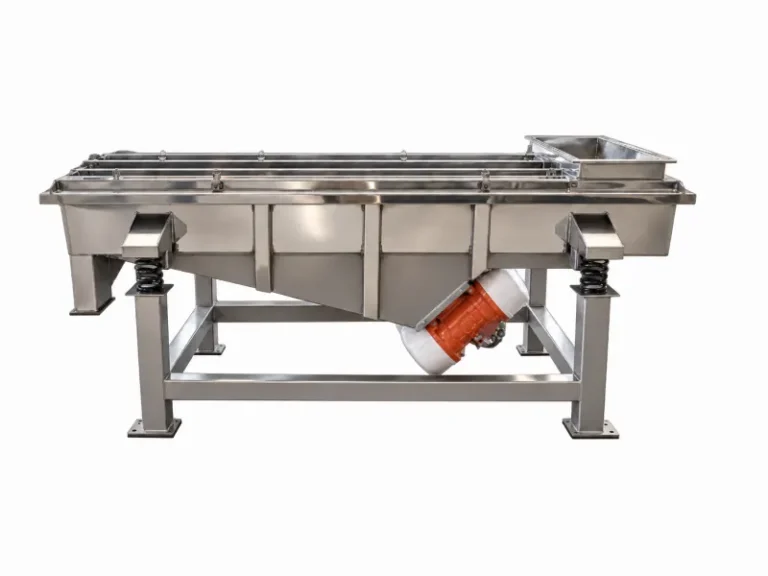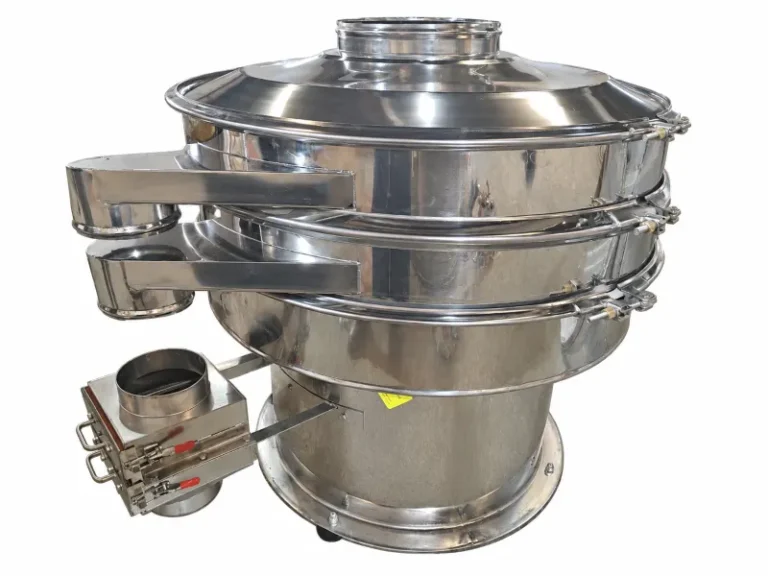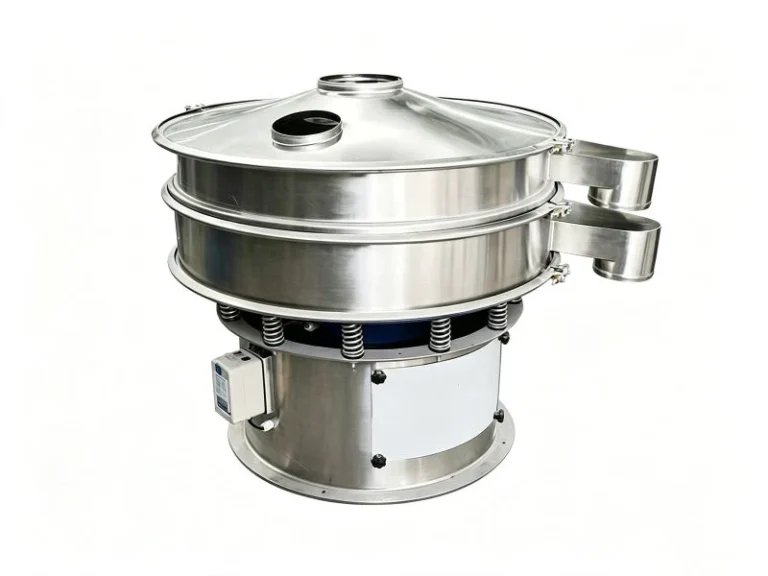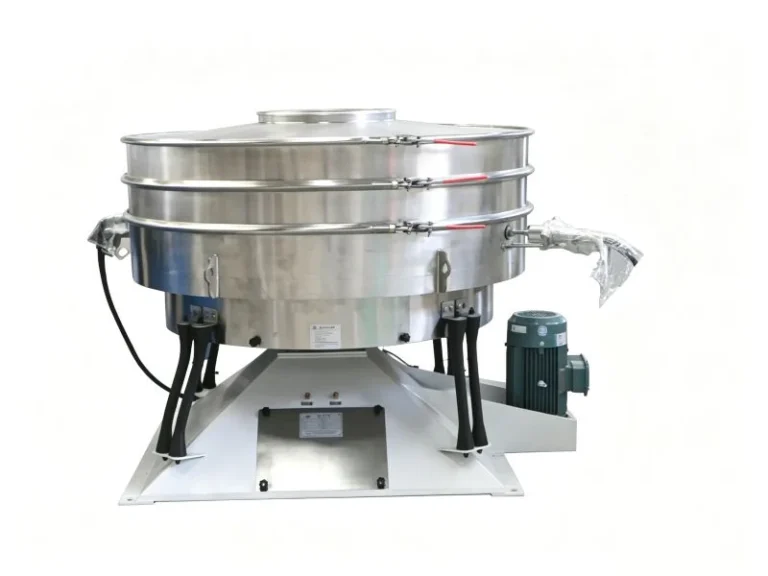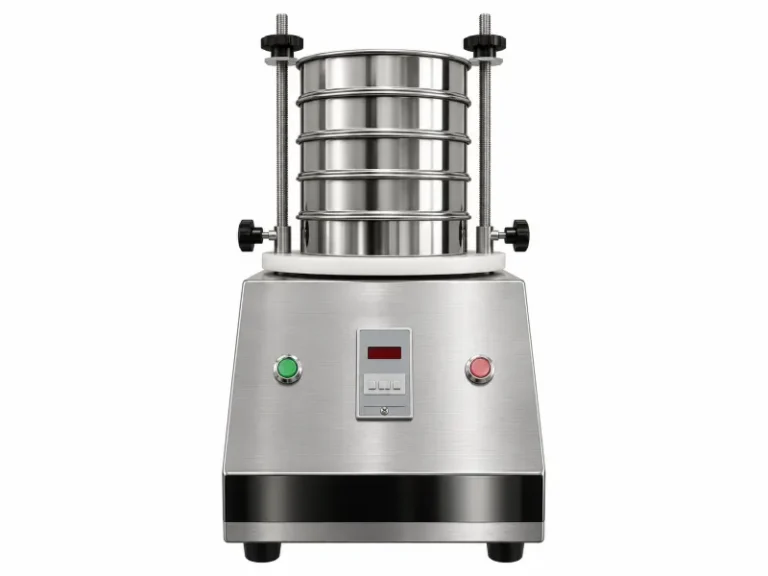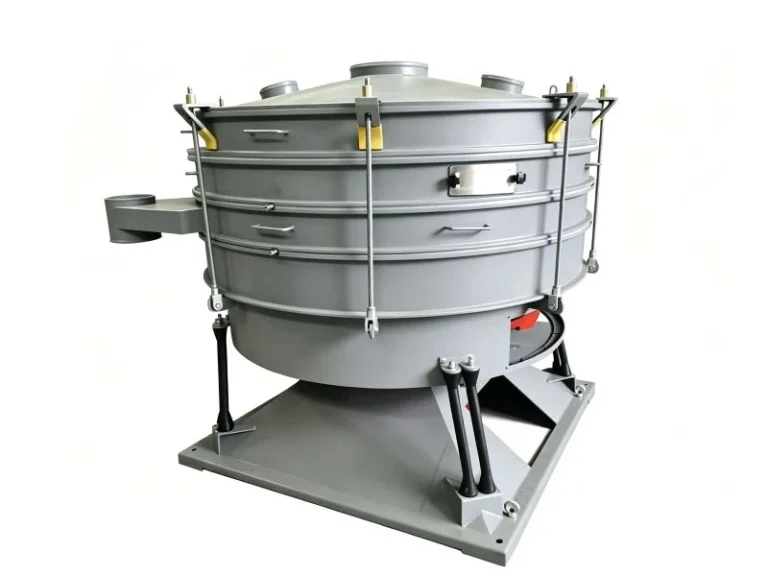
초음파 진동체의 미세 분말 스크리닝 응용
정밀도가 가장 중요한 산업에서 초음파 진동 스크린 기술은 획기적인 솔루션을 제공합니다. 이 글에서는 미세 스크리닝 분야에서 초음파 진동 스크린의 응용 분야를 살펴보겠습니다:
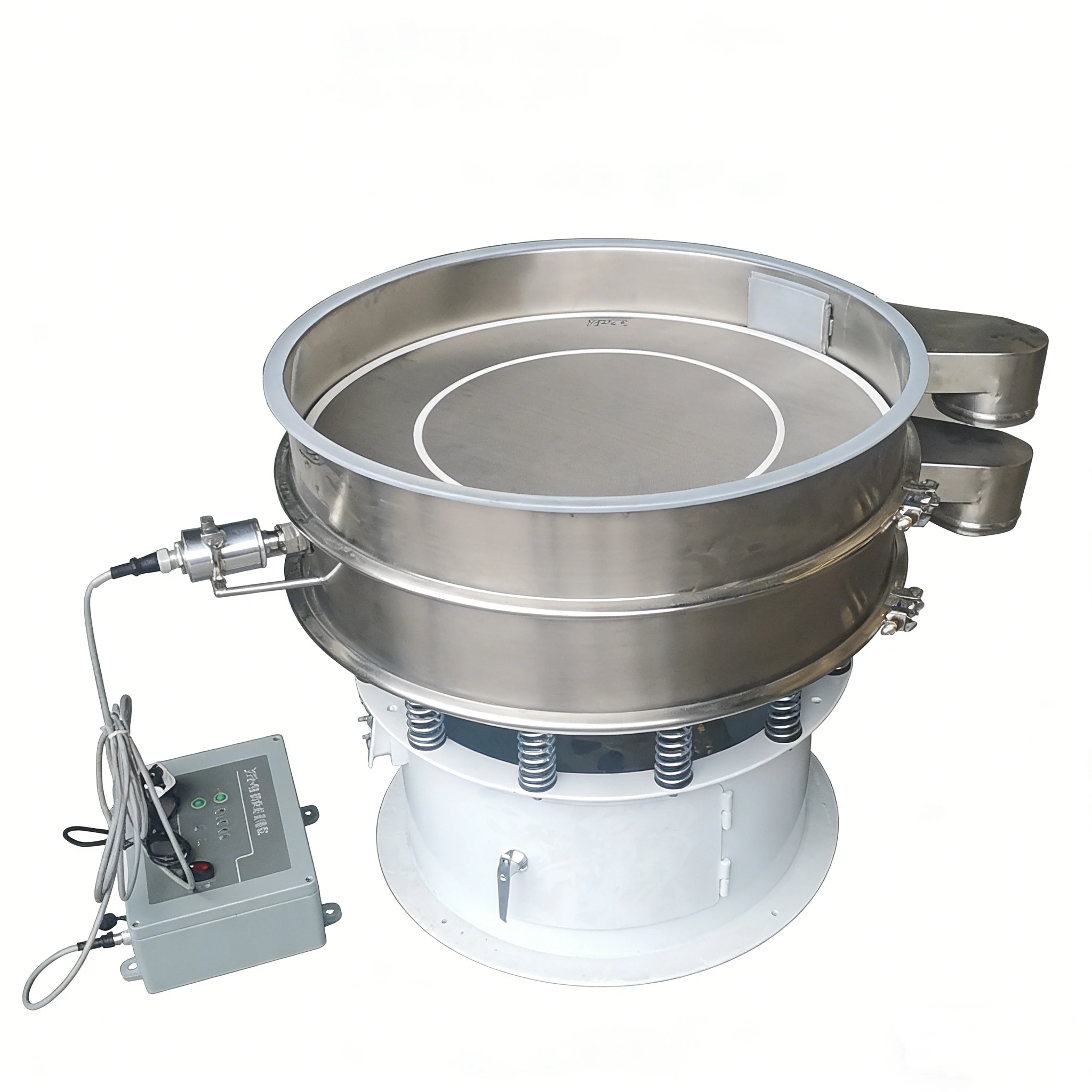
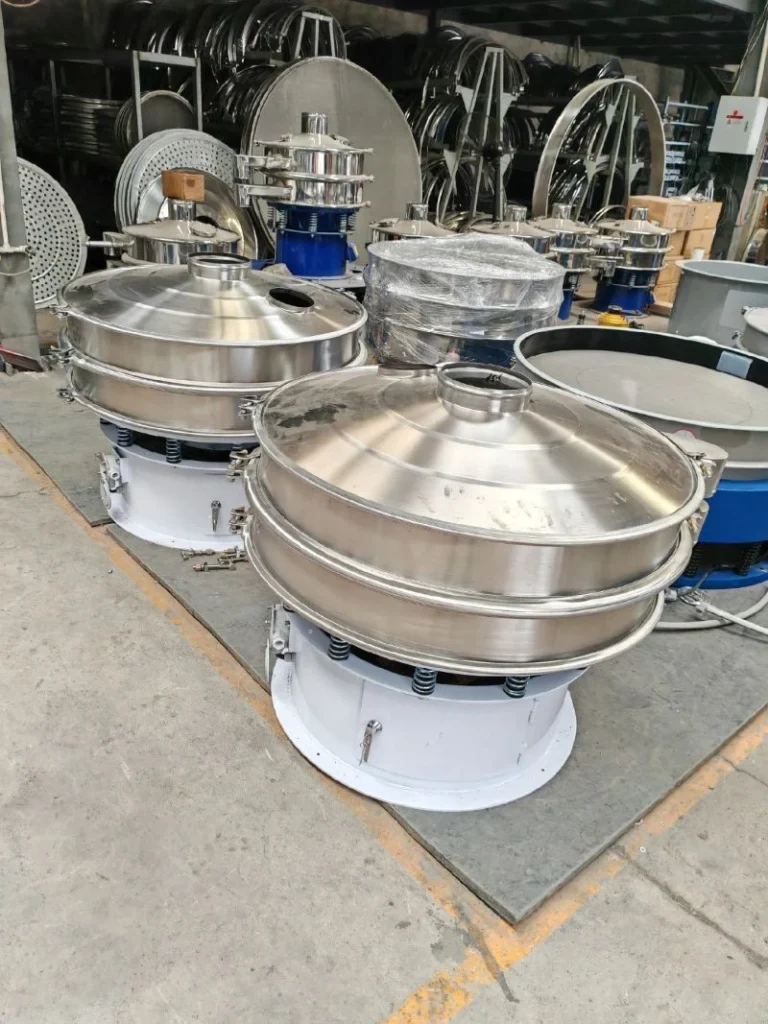
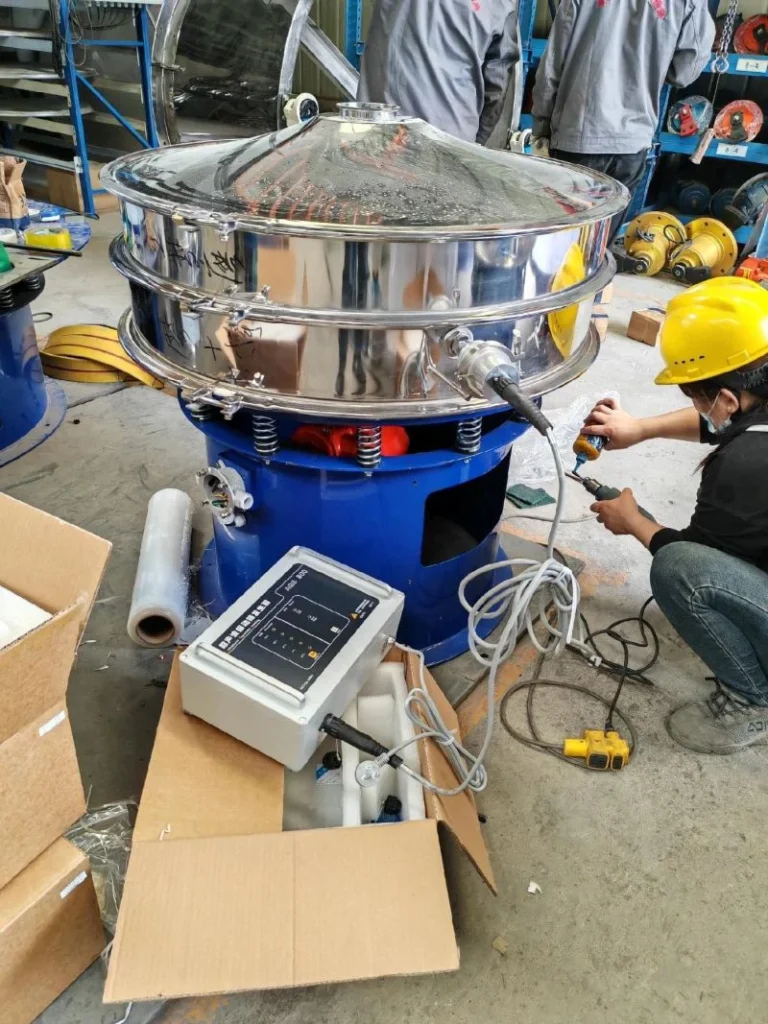
하나의 초음파 진동 체 기존 진동 스크린에 고주파 초음파 에너지를 중첩하는 스크리닝 장치입니다. 주로 미세 및 초미세 분말을 스크리닝할 때 스크린 막힘 및 효율 저하와 같은 문제를 해결하는 데 사용됩니다. 화학, 식품, 제약 및 신소재 산업에서 이 장비는 일반적으로 스크리닝 안정성과 처리량을 향상시키는 데 사용됩니다. 높은 정밀도와 연속 생산이 요구되는 응용 분야에 적합합니다.
작동 초음파 진동 체 원리
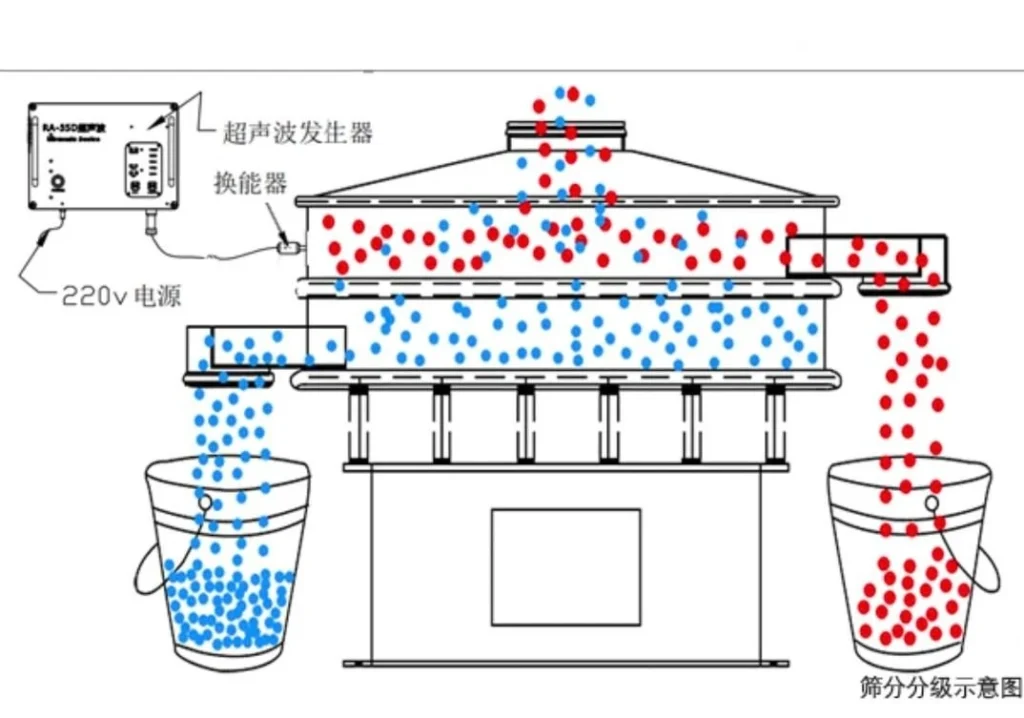
기본 진동
진동 모터에 의해 구동되는 편심 블록은 기존의 원형/선형 진동을 발생시켜 재료가 스크린 표면에 균일하게 분산되도록 합니다.
초음파 진동
전기 에너지는 초음파 발생기에 의해 고주파 진동(보통 20-40KHz)으로 변환된 후 변환기를 통해 스크린에 전달되어 스크린이 미크론 수준의 고주파 진동을 발생시키도록 합니다.
막힘 방지 스크리닝 로직
초당 최대 36,000회의 고주파 진동 속도로 이 시스템은 재료 덩어리를 신속하게 분해하는 동시에 스크린 개구부의 입자를 “부유” 상태로 유지합니다. 이는 정전기 또는 부착으로 인해 미세 분말이 스크린 개구부에 갇히는 것을 방지하여 재료가 스크린을 통해 효율적으로 통과하도록 보장합니다.
왜 미세 분말 체질 이 산업 생산에서 그렇게 어려운가요?
미크론 규모의 입자는 강한 응집력, 정전기 및 뭉침을 나타내는 경향이 있어 종종 유동성이 좋지 않고 스크리닝 성능이 불안정해집니다. 결과적으로, 메쉬 막힘 및 처리량 감소는 전통적인 체질 시스템에서 흔한 문제입니다.
미세 입자로 인한 스크린 막힘
미세 분말은 입자 크기가 작고 비표면적이 크기 때문에 메쉬 개구부에 쉽게 갇히거나 스크린 표면에 축적되어 막힘을 유발하고 재료 흐름을 제한할 수 있습니다. 메쉬 막힘이 반복적으로 발생하면 미세 분말 스크린 블라인딩의 원인 및 예방 방법에 대해 자세히 알아보세요.
정전기 및 입자 부착
미세 분말은 정전기를 발생시키기 쉬워 입자가 서로 또는 스크린 메쉬에 부착됩니다. 이는 뭉침을 초래하고 스크리닝 효율을 저하시킬 수 있습니다.
낮은 처리량 및 불안정한 출력
미세 분말은 일반적으로 유동성이 좋지 않고 체질 속도가 느립니다. 또한 스크리닝 성능은 수분 함량과 입자 크기 분포에 쉽게 영향을 받아 처리량이 낮고 출력이 불안정해집니다.
이러한 한계를 극복하기 위해, 초음파 진동 체 기술은 고정밀 미세 분말 스크리닝을 위한 효과적인 솔루션으로 부상했습니다.
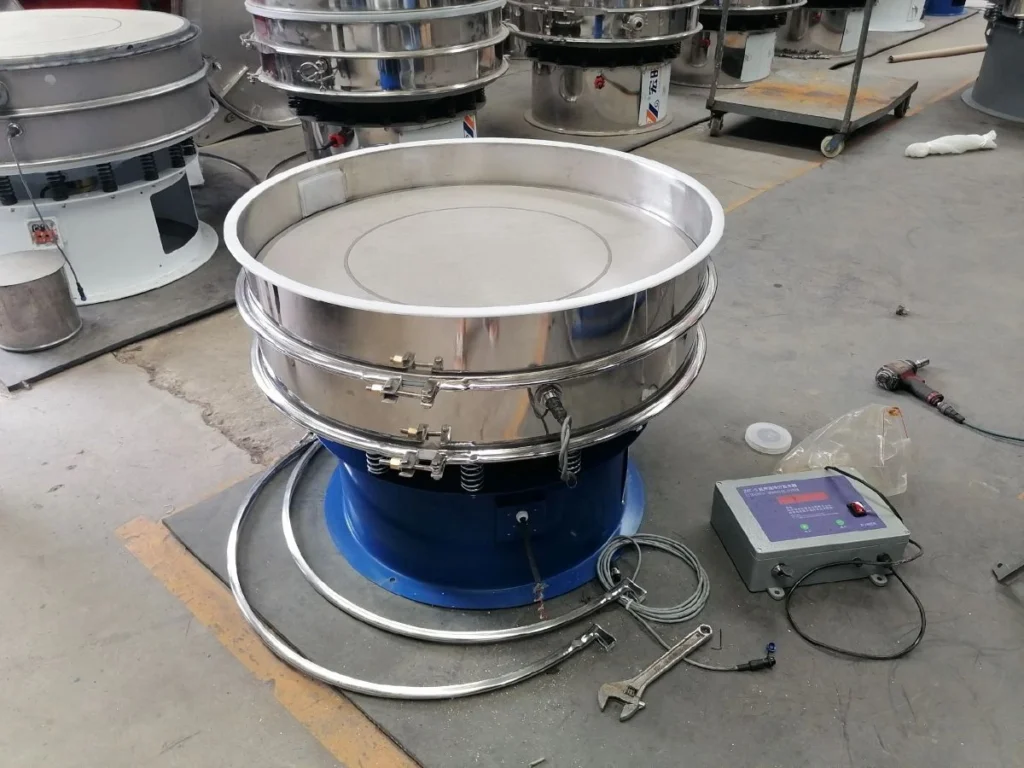
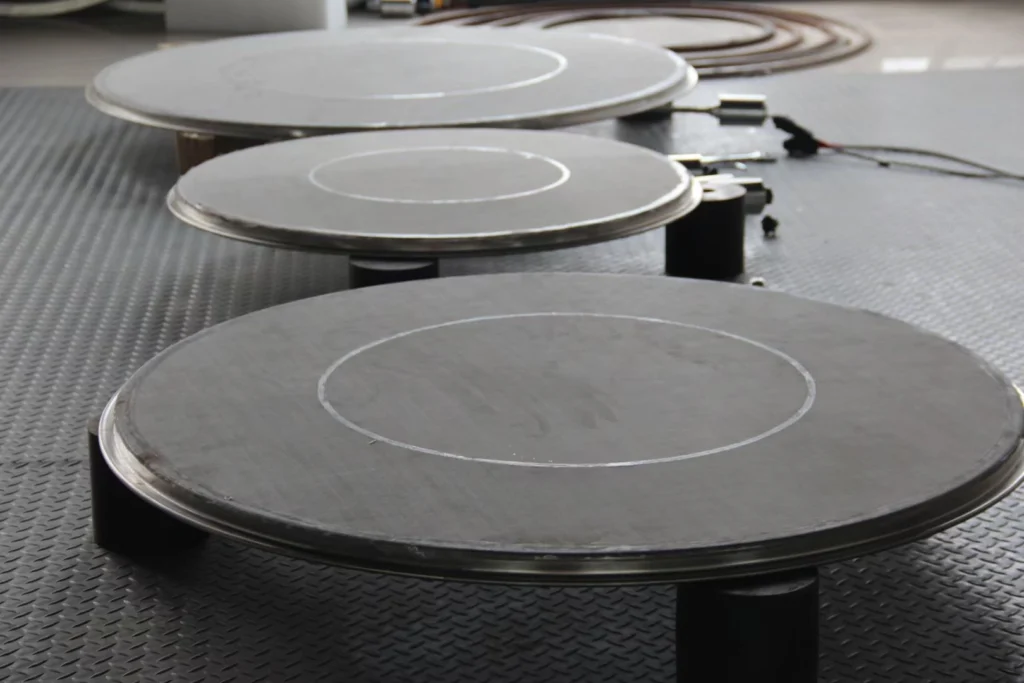
초음파 진동 체 장점 미세 분말 스크리닝
미세 분말 스크리닝 응용 분야에서 입자 크기가 작고 비표면적이 큰 재료는 뭉침, 부착 및 스크린 막힘이 발생하기 쉬워 스크리닝 효율과 안정성에 직접적인 영향을 미칩니다. 초음파 진동 스크린은 스크린 표면에 고주파 진동을 도입하여 재료 분산을 효과적으로 개선하고 미세 분말 스크리닝 공정을 더욱 제어 가능하게 만듭니다. 정밀도와 높은 처리량을 모두 요구하는 생산 시나리오에 적합합니다.
높은 스크리닝 효율로 동일한 처리량에 필요한 장비 수를 줄여 전반적인 용량 활용도를 향상시킬 수 있습니다.
스크린 막힘 및 청소 빈도를 효과적으로 줄이고 미세 분말 부착을 최소화하며 통과율을 높여 연속적이고 안정적인 운영을 보장합니다.
입자 뭉침을 억제하고 재료 분산을 개선하여 스크리닝 공정을 더 원활하고 제어 가능하게 만듭니다.
높은 메쉬 스크리닝 조건에서도 안정적인 정밀도를 유지하여 일관된 제품 품질을 보장합니다.
재료가 외부 환경에 노출되어 발생하는 2차 오염 위험을 줄여 생산 공정의 청결도를 향상시킵니다.
초경량 분말 및 정전기가 발생하기 쉬운 재료에 대한 탁월한 적응성을 제공하여 전통적인 스크리닝 방법과 관련된 문제를 해결합니다. 자원 재사용.
다양한 미세 분말 재료에 대한 응용
다양한 미세 분말, 의 스크리닝 중 입자 크기 분포, 유동성, 수분 함량 및 정전기 특성과 같은 재료 특성의 상당한 차이가 모두 스크리닝 성능에 영향을 미칠 수 있습니다. 초음파 진동 스크린은 스크린 표면에서 입자의 움직임을 개선하여 다양한 복잡한 운영 조건에서 안정적인 스크리닝 성능을 보장합니다. 여러 산업 분야에서 미세 분말 분류 및 불순물 제거에 적합합니다.
화학 분말
수지 분말 및 촉매와 같이 뭉침이 발생하기 쉬운 재료의 미세 분류에 적합합니다.
식품 분말
전분 및 분당과 같은 재료의 스크리닝에 사용할 수 있어 케이킹이 처리량에 미치는 영향을 줄입니다.
For dry starch applications, our corn starch screening guide covers feeding conditions, mesh inspection, and trials to assess whether ultrasonic cleaning is needed.
제약 분말
입자 크기 균일성 및 불순물 제어에 대한 요구가 높은 응용 분야의 스크리닝 요구 사항을 충족합니다.
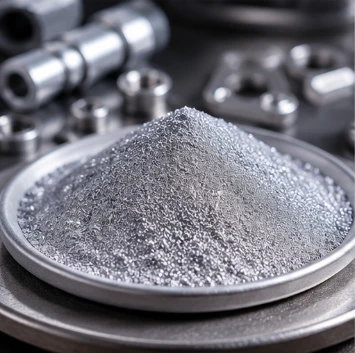
금속 분말
In the screening of ultrafine metal powders, it helps reduce interference caused by static electricity and agglomeration.
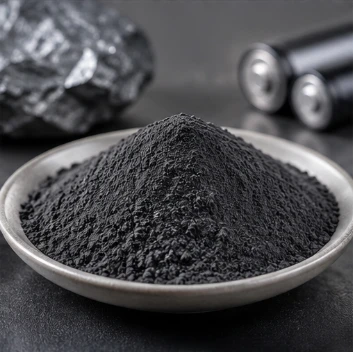
New Materials Powders
Suitable for applications requiring high screening precision, such as graphite and lithium-ion battery materials.
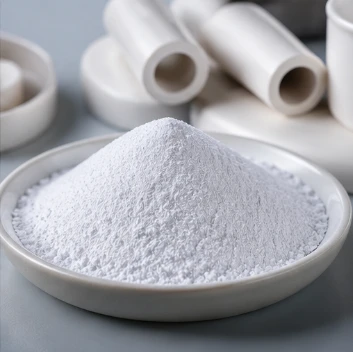
Ceramic Powders
Suitable for the high-precision screening of alumina, silica, and other fine ceramic materials, improving particle size consistency and reducing oversized impurities.
Working with aluminum oxide? Our guide to ultrasonic sieving of alumina powder covers oversize removal, loose agglomerates, and the screening problems that may justify ultrasonic assistance.
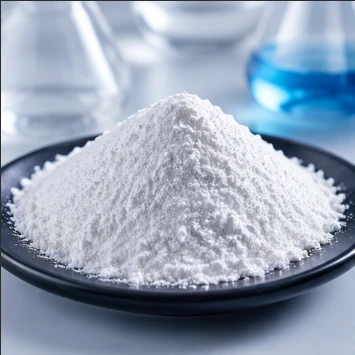

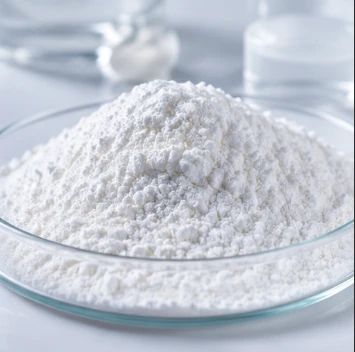
올바른 선택 방법 초음파 진동 체
During the selection process, the suitability of an ultrasonic vibratory separator directly affects screening efficiency, stability, and operating costs. When purchasing, it is important to evaluate the following factors to avoid reduced efficiency caused by mismatched specifications.
Material Properties
Determine whether an ultrasonic system is required and its power configuration based on particle size range, viscosity, moisture content, and electrostatic properties.
Screening Precision
Select the appropriate mesh size and screening structure based on target particle size requirements.
If laboratory sieve analysis is part of your equipment assessment, start by choosing laboratory sieve apertures for fine powders. The guide also explains why blocked apertures and agglomerates can affect the retained fraction, and what to record when ultrasonic assistance is used.
Throughput Requirements
Determine the equipment diameter, number of layers, and power configuration based on production line capacity.
Equipment Materials
Select the appropriate stainless steel grade and surface treatment method based on industry standards (e.g., food, pharmaceutical).
On-site Conditions
Consider the actual operating environment, including spatial layout, power supply conditions, and explosion-proof or sealing requirements.
Maintenance and Costs
Evaluate the replacement cycles of wear parts, energy consumption levels, and overall operating costs.
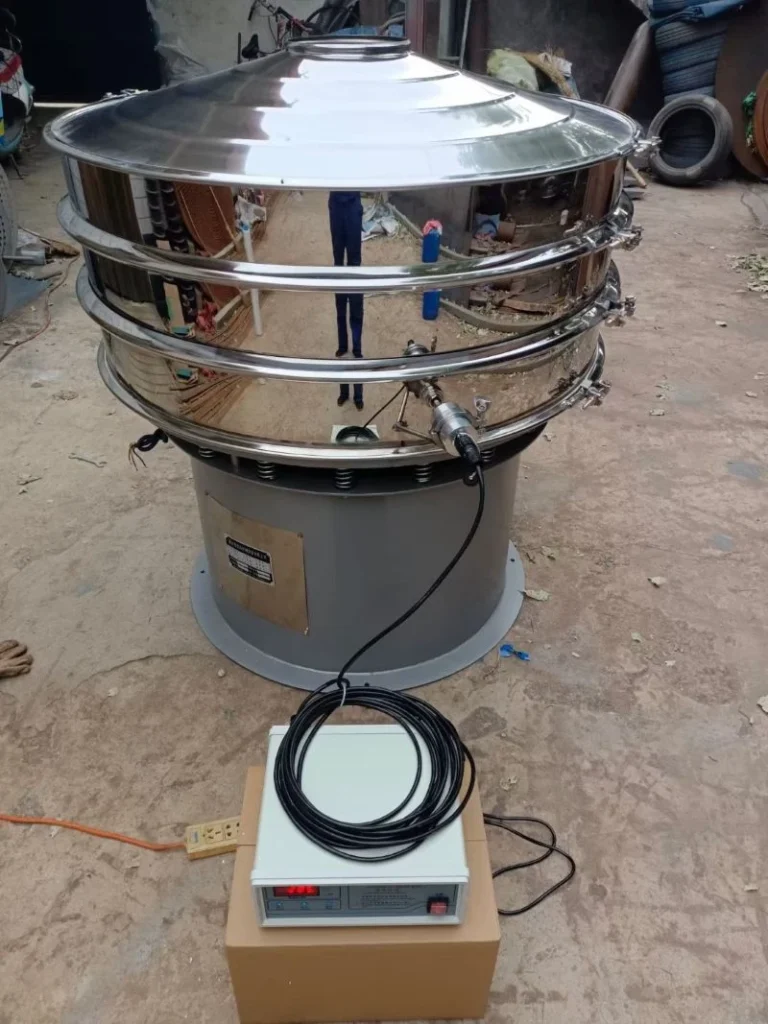
The following are reference data on the application of ultrasonic vibrating screens in various industries (compiled based on common operating conditions), provided for comparison purposes:
| Industry / Material | 메시 크기 | 처리 용량 (kg/h) | Pass Rate (Before) | Pass Rate (After) | Blinding Reduction | Notes |
| Chemical (Resin Powder) | 200 메시 | 300–500 | 70%–80% | 90%–95% | Significant | Agglomeration reduced |
| Food (Starch) | 120메시 | 500–800 | 75%–85% | 92%–97% | Nearly eliminated | Slight moisture |
| Pharmaceutical (Herbal Powder) | 300 mesh | 100–200 | 65%–75% | 88%–93% | Significant | High precision required |
| Metal (Nickel Powder) | 325 메시 | 80–150 | 60%–70% | 85%–90% | Reduced | Static tendency |
| New Materials (Graphite) | 400 메시 | 50–120 | 55%–65% | 80%–88% | Reduced | Ultra-fine powder |
결론
In the field of fine powder screening, ultrasonic vibrating screens are primarily used to address issues such as screen clogging, agglomeration, and inconsistent throughput—problems that are difficult to resolve in traditional screening processes. By incorporating high-frequency vibration, these screens deliver more stable performance during high-mesh screening and under complex powder processing conditions. They are ideal for industries with strict requirements for particle size distribution, product quality, and continuous production. If you are looking to optimize your screening process or are facing challenges with difficult-to-screen powders, please contact us immediately. Our team is ready to help you find the most efficient and cost-effective screening solution.