화장품 파우더 체질: 과대 입자와 색상 이월을 줄이는 방법
화장품 파우더 체질은 루스 파우더, 블러시 및 아이섀도 포뮬레이션에서 원하지 않는 조대 입자와 덩어리를 제거합니다. 적절한 스크린 개구부와 일정한 공급은 사용 가능한 파우더의 손실을 제한하는 데 도움이 됩니다. 색상 이월은 다른 관리가 필요합니다: 다음 색조가 장비에 들어가기 전에 이전 배치 잔류물을 제거하는 것입니다. 이 가이드는 두 문제 모두에 대한 스크리닝 조정, 세척 점검 및 원료 시험을 다룹니다.
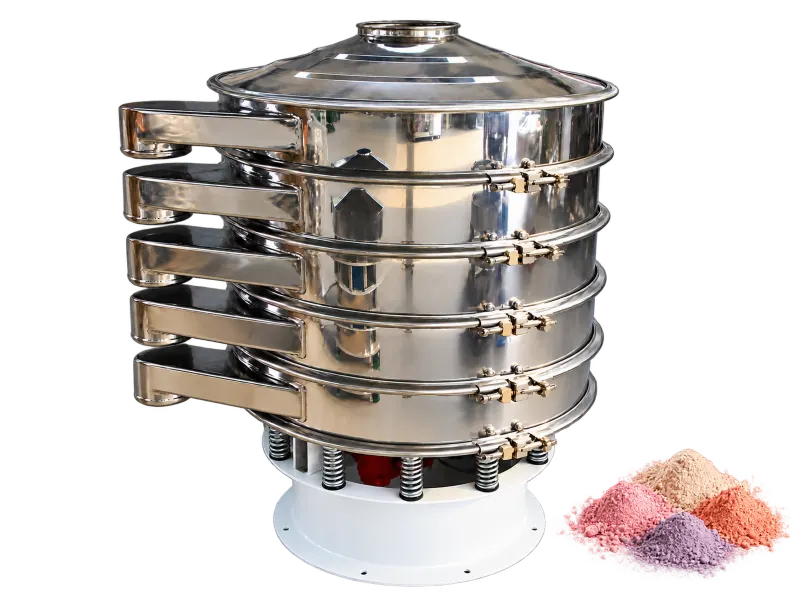
화장품 파우더에서 과대 입자와 색상 이월의 원인은 무엇인가?
조대 입자는 원료와 함께 유입되거나 보관 및 취급 중 파우더가 응집될 때 형성될 수 있습니다. 색상 이월은 이전 배치의 잔류물이 다음 배치에 들어갈 때 발생합니다. 원인을 파악하면 스크린이나 포뮬레이션에 불필요한 변경을 피하는 데 도움이 됩니다.
과대 입자, 연성 응집체 및 경성 덩어리
체에 잔류하는 물질에는 다음이 포함될 수 있습니다:
- 과대 입자: 선택된 스크린 개구부보다 큰 개별 입자.
- 연성 응집체: 느슨하게 결합된 미세 입자로, 일부는 체질 중 분리될 수 있습니다.
- 경성 덩어리: 일반적인 체질로는 분리되지 않을 수 있는 압축되거나 강하게 결합된 물질.
이러한 물질을 모두 폐기물로 처리하거나 자동으로 생산에 반환해서는 안 됩니다. 그 상태에 따라 추가 체질 또는 다른 공정이 적절한지 결정됩니다.
이전 배치 잔류물인가, 불량한 안료 분산인가?
기계를 비우는 것만으로는 조인트와 접촉 부품에 갇힌 파우더가 제거되지 않습니다. 어두운 블러시나 아이섀도에서 밝은 색조로 전환할 때 작은 잔류물도 눈에 띌 수 있습니다.
색상 반점은 현재 포뮬레이션의 불균일한 안료 분산에서도 발생할 수 있습니다. 체질 전후의 파우더를 비교하여 원인을 좁히십시오.
| 관찰되는 현상 | 가능한 원인 | 첫 번째 점검 |
|---|---|---|
| 메시에 잔류하는 경성 입자 | 조대 원료 또는 경화된 덩어리 | 유입 파우더 및 잔류 물질 |
| 스크린에 축적되는 미세 파우더 | 막힌 개구부 또는 과도한 공급 | 메시 상태 및 공급 속도 |
| 색조 변경 후 변색 반점 | 이전 배치 잔류물 | 장비 세척 및 배치 기록 |
| 체질 전에 이미 존재하는 색상 반점 | 불량한 안료 분산 또는 안료 응집체 | 유입 블렌드 및 혼합 기록 |
이러한 관찰은 조사를 안내하지만, 그 자체로 원인을 확인하지는 않습니다.

화장품 파우더 체질 중 과대 입자를 줄이는 방법
필요한 분리 크기부터 시작한 다음 공급 및 스크린 조건을 조정하십시오. 목표는 적합한 성분이 통과하도록 하면서 원하지 않는 조대 물질을 제거하는 것입니다.
스크린 개구부를 제품에 맞추기
파우더의 입자 크기 분포와 완제품 요구 사항에 따라 개구부를 선택하십시오. 실제 개구부를 마이크론(μm) 단위로 기록하고, 메시 수와 스크린 사양도 함께 기록하십시오.
더 미세한 스크린은 생산량을 줄이고 사용 가능한 성분을 잔류시킬 수 있습니다. 예를 들어 펄 효과 아이섀도에서는 더 큰 운모 또는 효과 입자가 의도적일 수 있습니다. 최종 개구부를 선택하기 전에 체질된 파우더와 잔류 분획 모두를 확인하십시오.
공급을 일정하게 유지하고 바이패스 확인
파우더를 스크린 전체에 고르게 펼치십시오. 대량 배치를 한 영역에 쏟으면 깊은 층이 생겨 메시와의 입자 접촉이 줄어듭니다.
체질 직후 조대 입자가 나타나면 스크린의 찢어짐, 느슨한 장착 및 씰 주변의 틈을 점검하십시오. 손상된 메시를 통과하는 물질과 스크린 가장자리에서 바이패스하는 파우더는 서로 다른 수리가 필요합니다. 진동을 높여도 어느 결함도 해결되지 않습니다.
재처리 전 잔류 파우더 점검
잔류 물질의 샘플을 채취하십시오. 사용 가능한 미세 파우더가 포함되어 있으면 막힌 개구부, 과도한 공급 또는 불충분한 체질 시간을 확인하십시오.
경성 덩어리, 이물질 및 변색 입자를 분리하여 평가하십시오. 정체성과 품질이 배치 요구 사항을 충족할 때만 물질을 생산에 반환하십시오.
지속적인 블라인딩에 초음파 보조 고려
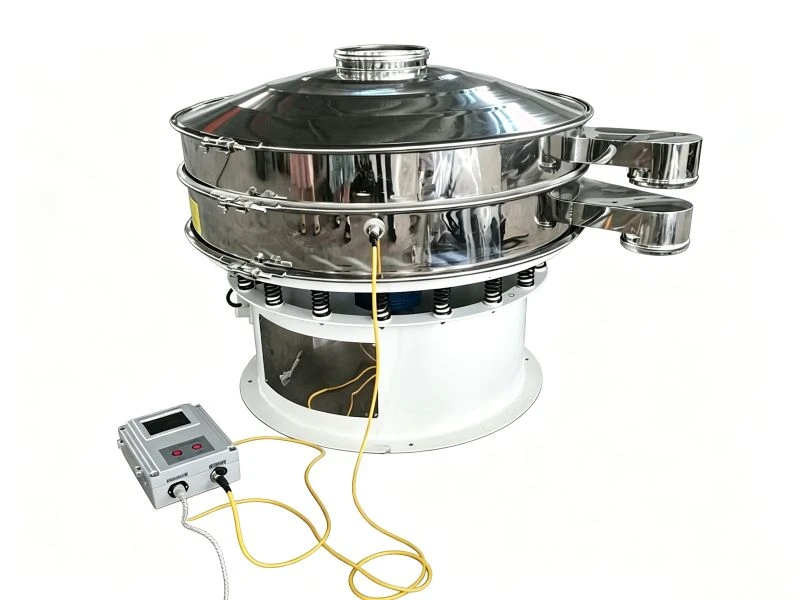
하나의 초음파 체가름 기계 미세 파우더가 반복적으로 메시에 달라붙어 생산량을 낮추거나 잦은 세척 중단을 유발할 때 시험해 볼 가치가 있습니다. 메시에 가해지는 고주파 진동은 개구부를 깨끗하게 유지하는 데 도움이 되며 느슨한 응집체의 분리를 도울 수 있습니다.
더 광범위한 진단은 다음 가이드를 참조하십시오 미세 분말 스크린 블라인딩. 초음파 디블라인딩은 체질 중에 작동하며, 색상 간 세척을 대체하지 않습니다.
화장품 파우더 배치 간 색상 이월을 줄이는 방법
효과적인 색상 전환은 공급 장비와 수집 용기를 포함한 전체 파우더 경로를 다룹니다. 눈에 보이는 스크린 표면만 세척하면 시스템의 다른 곳에 잔류물이 남을 수 있습니다.
색조 변경 및 전용 부품 계획
포뮬레이션과 일정이 허용하는 경우, 어두운 색조보다 밝은 색조를 먼저 처리하면 전환이 더 쉬워질 수 있습니다. 배치 간 세척은 여전히 필요합니다.
For strongly colored powders or frequent shade changes, consider dedicated screens, seals or containers. Label these parts and store them clean and covered.
Clean and Inspect Powder-Contact Areas
Stop and isolate the equipment before dismantling it according to the manufacturer’s instructions. Choose a cleaning method compatible with the formulation and contact materials. After wet cleaning, remove cleaning residues and dry parts fully before reassembly.
Use the following checklist to cover common retention points:
| Area | 확인할 사항 |
|---|---|
| Mesh and screen edges | Adhering powder, trapped residue and damage |
| Seal grooves and frame joints | Powder deposits, wear and cracks |
| Discharge outlets and flexible connections | Residue in corners, folds and joints |
| Feeding equipment, containers and tools | Remaining powder, incorrect labels or mixed-use items |
Replace damaged parts that cannot be cleaned properly or that allow powder to bypass the screen.
Verify Cleaning Before Restarting
Inspect defined locations using visual checks, wipe checks or other suitable methods under the site’s cleaning procedure. Record the results against established acceptance limits.
Check the first portion of the next batch for off-color particles or shade differences before release. Running the sieve empty does not demonstrate that the equipment is clean.
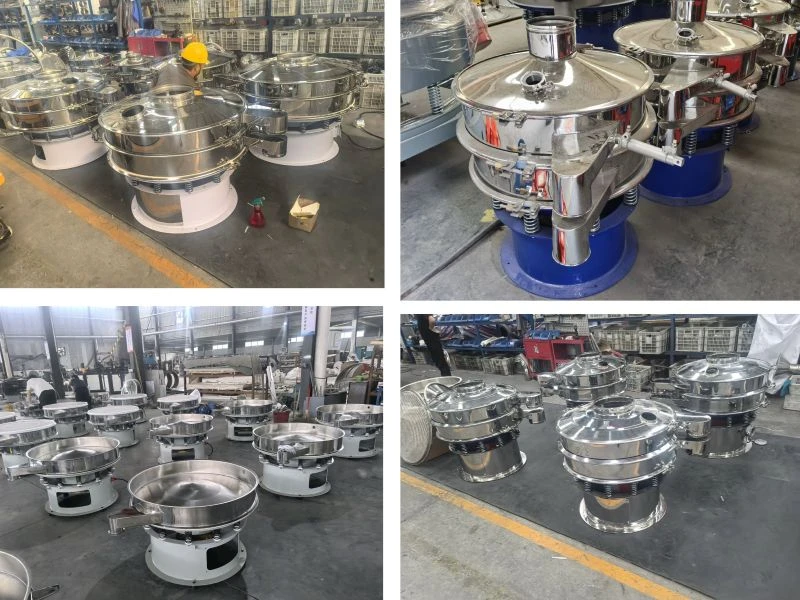
How to Specify and Test a Cosmetic Powder Sieving Machine
Equipment selection should account for powder behavior, required output and changeover frequency. A setup that works for loose face powder may need different settings for an oil-containing blush or mica-based eyeshadow.
Check Cleaning Access Alongside Screening Performance
During equipment evaluation, check how easily operators can remove the screen, inspect seals and reach the outlet. Include dismantling, cleaning and reassembly in the trial.
Test representative formulations separately. For blends containing pearl pigments or other effect particles, confirm that screening preserves the intended composition and appearance.
Cosmetic Raw Material Screening Examples
The following application examples illustrate different screening duties. Reported results relate to those examples and should not be treated as guaranteed performance for other formulations.
Succinic acid powder: 80-mesh preliminary screening
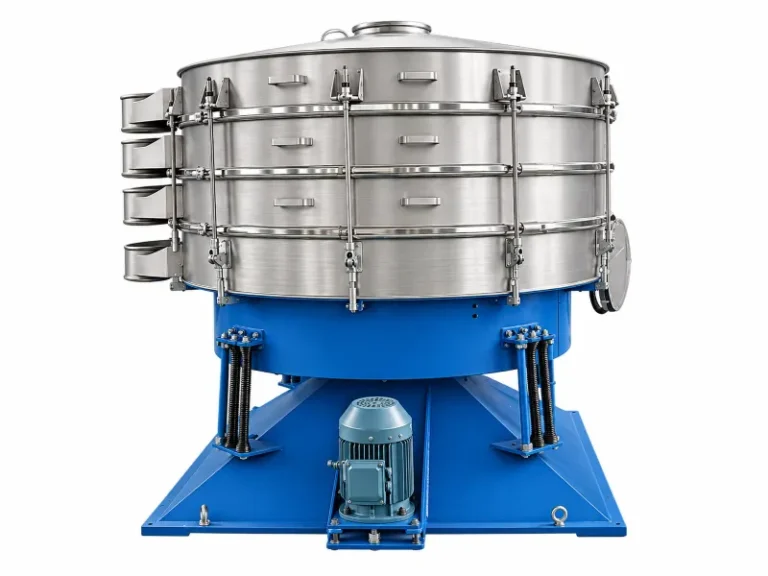
A producer used a three-dimensional vibrating sieve with an 80-mesh screen during raw-material pretreatment to remove coarse material. Final screening used different screen specifications according to customer requirements. The enclosed system reportedly reduced airborne dust during processing.
This example shows why preliminary screening and final product screening may require different apertures. It does not establish 80 mesh as a standard for cosmetic powders.
Talc powder: ultrasonic screening at 38 kHz
A cosmetic powder application used an ultrasonic vibrating sieve operating at 38 kHz to screen talc. The case reported a 50% improvement in screening efficiency and improved powder fineness.
The comparison conditions and definition of efficiency were not specified. A production trial should therefore measure actual throughput and powder quality before adopting the same configuration.
Mica powder: anti-static screening with ultrasonic assistance
A mica powder application combined an anti-static screen with ultrasonic vibration to address difficult screening behavior. The case reported 98% particle-size uniformity.
Because the measurement method was not specified, this figure should not be read as 98% screening accuracy. Define the target particle-size range and test method before comparison. Static control and ultrasonic de-blinding also need separate assessment.
Record Results Under Comparable Conditions
When comparing equipment or settings, keep the powder, aperture and feed conditions consistent.
| Trial Item | What to Record |
|---|---|
| 처리량 | Actual kg/h at the selected aperture and feed rate |
| Retained material | Percentage retained and whether it contains lumps, contaminants or usable ingredients |
| Product quality | Particle-size results, visible coarse particles and relevant appearance checks |
| Changeover time | Time to dismantle, clean, inspect and reassemble the equipment |
A higher output is useful only if the screened powder still meets the product specification.
결론
Controlling oversize depends on the screen aperture, feeding conditions and equipment integrity. Reducing color carryover depends on thorough cleaning and verification across the powder path. Material trials bring these requirements together before equipment selection.
For help selecting a 화장품 분말 체질 기계, send Yuanjing your powder type, target screen opening, required output in kg/h, batch size and color-change frequency. Include your current screening problem so we can discuss a configuration suited to your production needs.
자주 묻는 질문
Can Sieving Remove Pigment Contamination from Another Color?
A sieve separates particles by size, not color. Fine pigment from a previous batch can pass through with the intended powder. If contamination has already occurred, hold the affected material for quality assessment rather than relying on another screening pass.
What Mesh Size Is Suitable for Cosmetic Powder Sieving?
There is no single mesh size for loose powder, blush and eyeshadow. Choose the aperture around the required separation and intended ingredients, then verify it with a representative sample. The 80-mesh succinic acid example above applies to that preliminary screening duty only.
Why Can Coarse Particles Appear After a Successful Screening Check?
Powder may form new agglomerates during transfer or storage. Compare samples taken directly at the sieve outlet with samples collected downstream. If the problem appears later, investigate handling and storage conditions as well as the screening equipment.
Is Ultrasonic Sieving Necessary for Every Cosmetic Powder?
No. A conventional vibrating sieve may be sufficient when powder flows freely and the mesh remains open. Evaluate ultrasonic assistance when repeated adhesion or blockage prevents the required output, using a controlled comparison with the actual formulation.
Does Ultrasonic De-blinding Clean the Sieve Between Colors?
No. It helps keep mesh openings clear during operation but does not remove all powder from seals, frame joints or outlets. Color changeovers still require a suitable cleaning procedure and checks before the next batch starts.
What Information Is Needed to Select a Cosmetic Powder Sieving Machine?
Provide the powder type, target aperture, required kg/h, batch size and shade-change frequency. Describe current problems such as lumps, sticking or excessive rejects. A representative sample helps establish suitable equipment and realistic operating conditions.