How to Choose a Salt Tumbler Screen for Coarse and Fine Salt Grading
Bir tuz tamburlu eleği, sert topakları ve iri boyutlu malzemeleri ayırırken tuzu tutarlı tane boyutlarına göre sınıflandırır. Eleğin yumuşak dairesel hareketi, bir üreticinin farklı boyut sınıflarında tuz satması ve kristallerin görünümünü koruması gerektiğinde özellikle yararlıdır. Kullanım alanları arasında gıda tipi, endüstriyel ve özel amaçlı tuzlar bulunur.
Seçim yaparken sorulacak ilk soru, hattınızdaki tuzun nasıl davrandığıdır. Nemli tuz bir vardiyanın ortasında elek telini kaplıyorsa, önemli ölçüt eleğin temizlik duruşları arasında ne kadar süre çalıştığıdır. İri taneli üründe sürekli ince taneler görülüyorsa, öncelik her çıkıştaki tuzun ne kadarının nihai ürün sınıfı şartnamesini karşıladığıdır.
Tamburlu Elek İri ve İnce Tuzları Nasıl Ayırır?
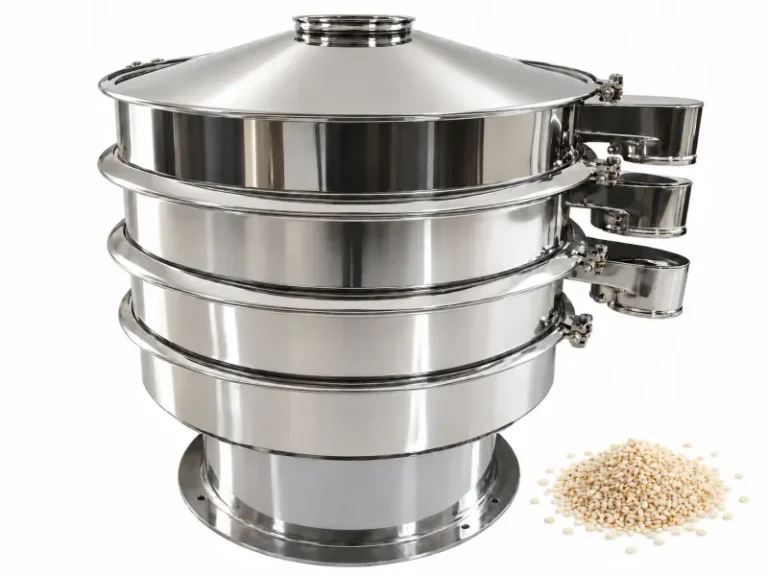
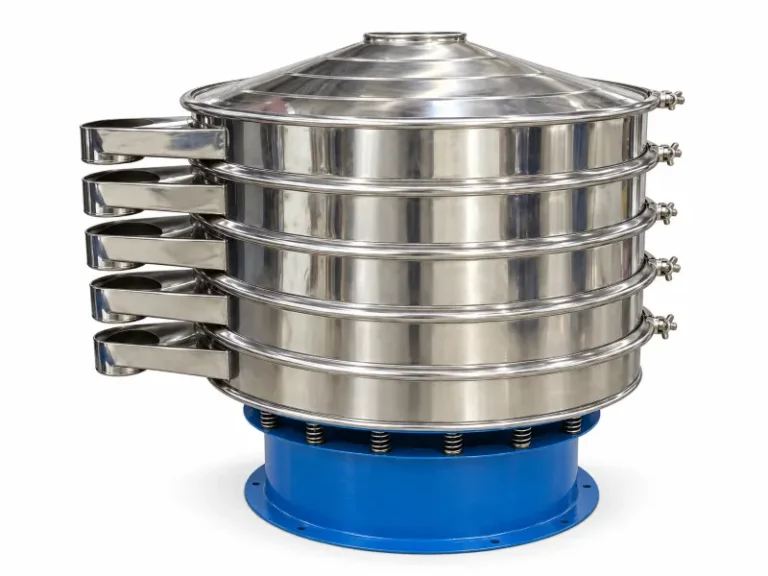
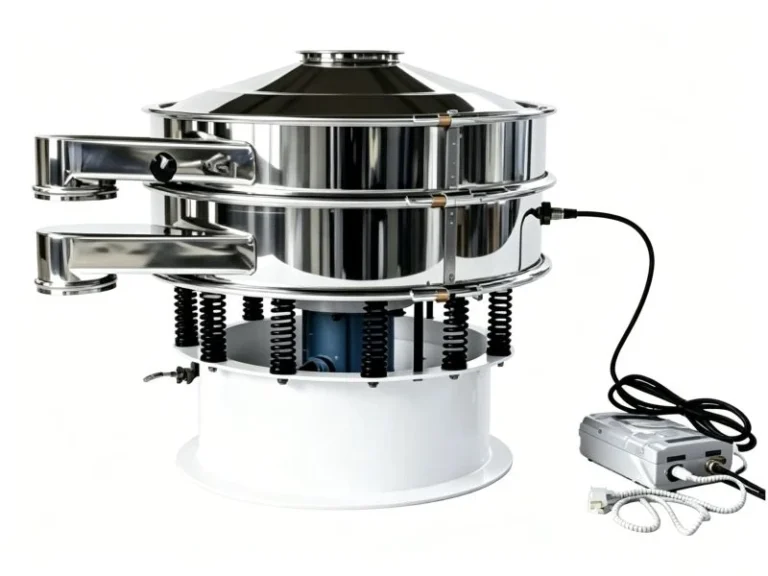
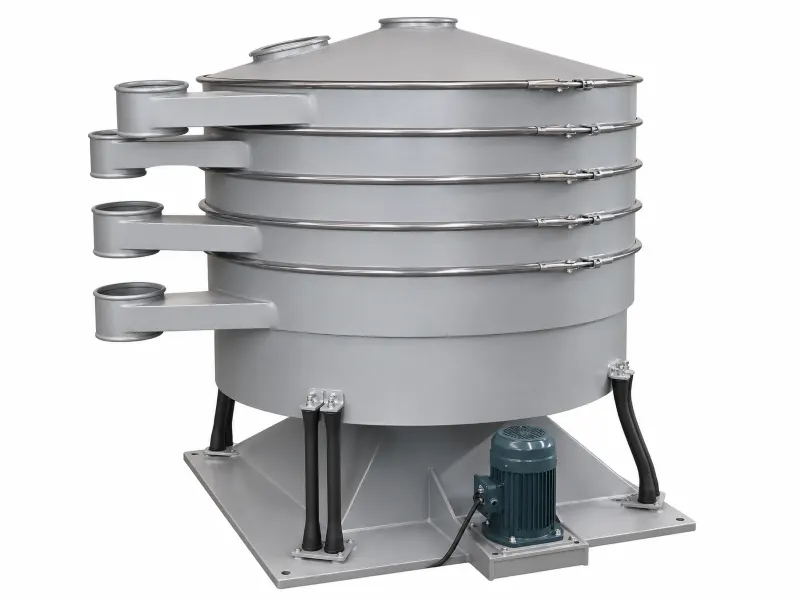
Bir circular tumbler screen, eksantrik bir tahrik, elek gövdesini hafifçe yukarı kaldırarak yatay bir yörüngede hareket ettirir. Tuz merkeze düşer, elek teli üzerine yayılır ve yavaş yavaş kenara doğru ilerler. Daha küçük taneler açıklıklardan geçer. Daha büyük kristaller elek üstü çıkışına doğru ilerler. Farklı açıklıklara sahip elek katlarının üst üste yerleştirilmesi, tek bir besleme akışından iri, orta ve ince tuz elde edilmesini sağlar.
Makinenin tasarımına bağlı olarak eksantrik ofset 25 ila 40 mm. arasında olabilir. Eksantrik açısı ve çalışma hızı, tuzun elek katı boyunca ne kadar hızlı ilerlediğini ve bir açıklıktan geçmek için ne kadar süreye sahip olduğunu etkiler.
Makineyi ayarlarken beslemeden ve her çıkıştan ayrı ayrı numune almanızı öneririm. İri fraksiyonda ince taneler olup olmadığına bakın, ardından elemenin ilave toz oluşturup oluşturmadığını kontrol edin. Bu, özellikle güneş tuzunda yararlıdır; çünkü bir parti boyut şartnamesini karşılasa da müşterinin değer verdiği kristal görünümünü kısmen kaybedebilir.
Tuzu Sınıflandırmak İçin Kaç Elek Katına İhtiyacınız Var?
Satmayı planladığınız ürünlerden başlayın. Üç boyut sınıfında tuz üreten bir hattın çıkış düzeni, paketleme öncesinde yalnızca topakları ayıran bir hattınkinden farklıdır. Döner veya doğrusal elekleri de değerlendiriyorsanız, Yuanjing'in titreşimli eleklerle tuz sınıflandırma rehberi sofra tuzu, deniz tuzu ve ince tuz için örnekler sunar.
| Screening stage | Eleğin yapması gereken işlem | Deneme sırasında ölçülecekler |
|---|---|---|
| Kurutma veya kırma sonrası sınıflandırma | Bir partiyi satış için iri, orta ve ince tuz olarak ayırmak | Her çıkıştaki tane boyutu ve satılabilir her sınıfın saatlik verimi |
| Santrifüjleme sonrası nemli tuzun elenmesi | Topaklanan ve elek telini zamanla tıkayan tuzu işlemek | Tıkanmanın başlamasına kadar geçen süre ve bunun sonucunda işleme kapasitesindeki düşüş |
| Güneş tuzunun sınıflandırılması | Kristalleri görünümlerini koruyarak boyutlarına göre ayırmak | Eleme öncesinde ve sonrasında kristallerin durumu ve ince malzeme miktarı |
| Paketleme öncesi son eleme | Sert topakları, iri boyutlu taneleri ve daha büyük yabancı maddeleri ayırmak | Elek üzerinde kalan malzeme ve nihai tuzdaki en büyük taneler |
Birden fazla sınıfta ürün elde edilen uygulamalarda genellikle iki ila beş elek katı kullanılır. Elek katı sayısını seçmeden önce kendi çıkışına ihtiyaç duyan her fraksiyonu listeleyin. Örneğin, iri, orta ve ince tuz satan bir tesisin sert topakları da ayrı olarak toplaması gerekebilir. Bu ret akışının kendine ait bir tahliye yolu olmalıdır.
Şu miktarda üretim yapan bir hat için günde 5–30 metrik ton, günlük hedefi fiili eleme için kullanılabilecek saat sayısına bölün. Elek değişimleri, yıkama ve tıkanmış elek gözlerini açmak için verilen duruşlar için süre ayırın. Böylece makinenin mevcut taban alanı içinde sürekli olarak karşılaması gereken saatlik besleme hızını bulursunuz.
Nemli veya İnce Tuzda Elek Gözlerinin Tıkanmasını Nasıl Önlersiniz?
Sıradan granül tuz için, elek telinin altında yumuşak silikon temizleme toplarını test ederek başlayın. Yaklaşık top doluluk oranı denemeye başlamak için bir seçenektir. Topları eşit şekilde dağıtın ve bir çalışma döngüsünden sonra elek katını inceleyin. Bir bölgede toplanan toplar sürekli aynı noktaya vururken diğer yerlerdeki elek gözleri tıkalı kalır.
Yaklaşık 140 mesh, ultrasonik elek temizliğini de denemeye dahil edin. Nemi kolayca emen ve topaklanan tuz için, iki yöntemi şu değerden biraz daha ince boyutlarda karşılaştırmak gerekebilir: 100 mesh. Elek gözlerini yavaş tıkayan daha kuru tuzda, temizleme toplarını şu değer civarında denemek yine de yararlı olabilir: 180 meş.
Her iki denemede de aynı tuz partisini ve besleme hızını kullanın. Elek gözlerinin ne zaman tıkanmaya başladığını, elek telini temizlemenin ne kadar sürdüğünü ve makinenin yeniden başlatıldıktan sonra ne kadar süre çalıştığını kaydedin. İlk birkaç dakikada iyi performans gösteren bir elek, vardiyanın ortasında oldukça farklı görünebilir.
Bir Tuz Eleme Makinesinde Hangi Paslanmaz Çelik Parçaları İncelemelisiniz?
Çerçeve birleşim noktalarından, her tahliye çıkışının içinden ve contaların çevresindeki alanlardan başlayın. Görünen elek katı temiz göründükten sonra bile bu üç yerin tamamında tuz kalabilir. İnceleme sırasında, bir elek değişimini ve yıkama işlemini görmeyi isteyin; böylece bir operatörün bu noktalara ne kadar kolay ulaşabileceğini değerlendirebilirsiniz. stainless steel circular tumbler screen , ekipman konfigürasyonunu görüşürken bir referans sağlar.
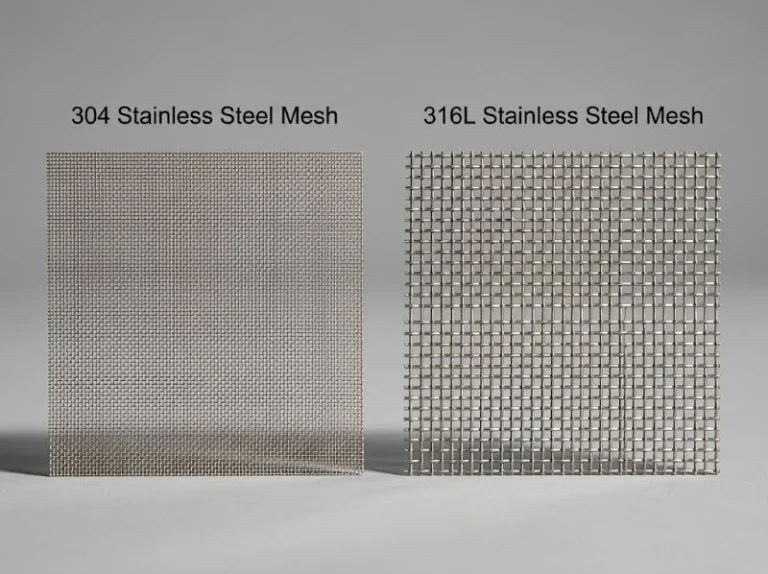
Ürünle temas eden parçalarda şu malzemeler kullanılabilir: 304 veya 316 serisi paslanmaz çelik, çalışma koşullarına bağlı olarak. Ortam sıcaklığındaki kuru tuz için bir konfigürasyonda şu malzemeler kullanılır: 316L ürünle temas eden parçalar ve yaklaşık şu kalınlıkta elek çerçevesi sacı: 3 mm. Side-plate thickness depends on the machine design.
If the plant uses warm wash water or salt slurry collects at low points, tell the manufacturer the wash temperature and show where liquid remains. Check whether welds are smooth, whether salt collects in corners, and whether the machine drains fully after washing. Where dust containment matters, also inspect the cover seal, frame joints, and discharge connections.
When Is a Tumbler Screen a Good Fit for a Salt Processing Line?
A tumbler screen is worth evaluating when salt leaves the centrifuge damp enough to coat the mesh within half a shift, or when a plant needs several saleable grades from one feed stream. A rectangular multi-deck screener is another option for producing two or three grades in one pass.
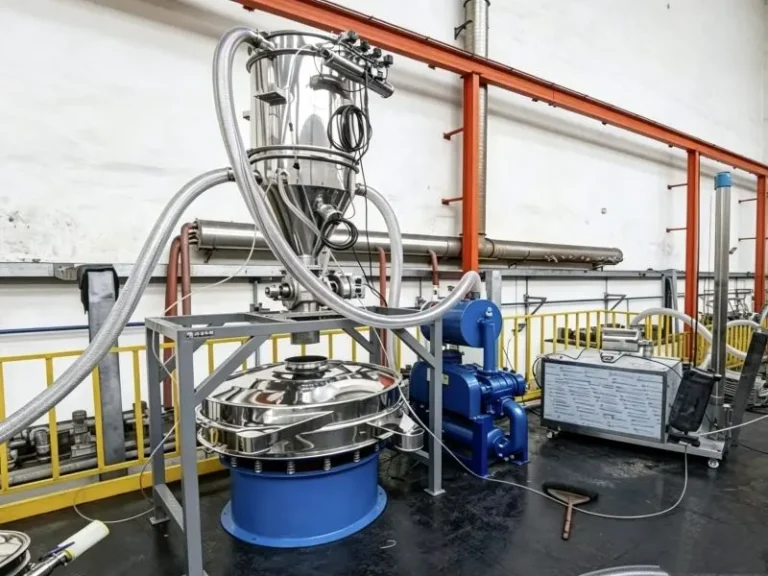
An enclosed stainless steel machine can help a plant contain dust while giving operators access for washdown. On a line producing günde 5–30 metrik ton, the practical question is how much in-spec salt the equipment can deliver within the existing floor space. For plants handling several products, Yuanjing’s industrial salt sifter specifications also cover food-grade, chemical, and de-icing salt applications.
What Changed on Two Salt Lines After Switching to Tumbler Screening?
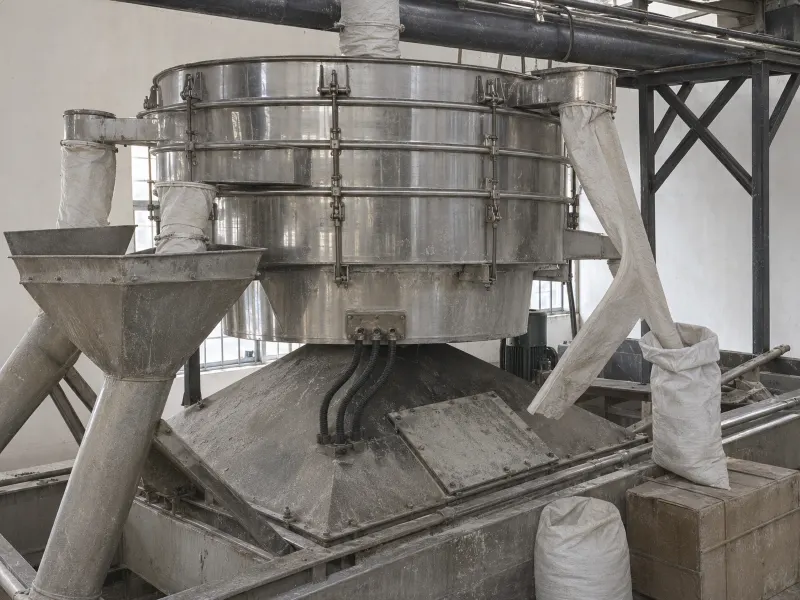
Line 1 increased throughput from 2.2 to 3.2–3.5 metric tons per hour
Before the plant installed a multi-deck tumbler screen, throughput fluctuated around 2.2 metric tons per hour. After the change, it stabilized at 3.2–3.5 metric tons per hour. Using 2.2 as the baseline, the increase was approximately 45–59%.
The plant recorded particle-size uniformity of about 85% before the change and reported that the upgraded line met its finished-product requirement. Operators also observed the removal of stones, sand, and sediment. The production record gives no final percentage for either uniformity or impurity removal.
Line 2 ran for more than eight hours between cleaning stops
The second plant focused on downtime caused by mesh blinding. After the upgrade, the screen ran continuously for more than eight hours. Screen changes and cleaning took about one-third of the previous time. The plant recovered approximately 30% of the output it had previously lost to cleaning stops.
Other applications report 90–95% screening efficiency, and some report several times the throughput of a conventional circular vibrating screen with the same screening area. Those comparisons depend on salt moisture, aperture size, feed rate, and how efficiency was calculated. For a purchasing decision, measure the hourly output that meets your specification and count the cleaning stops over a full shift.
What Salt Sample Should You Bring to a Screening Trial?
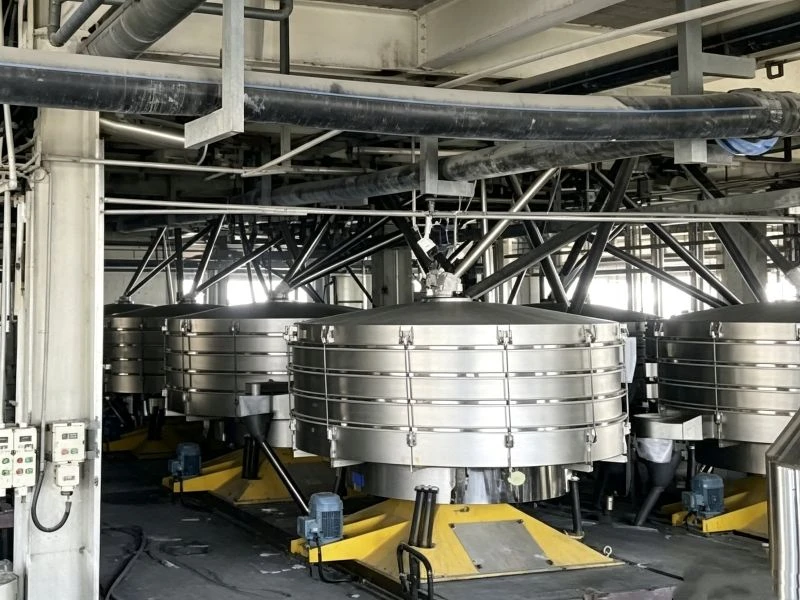
Choose a batch that regularly causes trouble. If freshly centrifuged salt blinds the mesh, test it while it still has its usual moisture content. If coarse and fine salt are difficult to separate, bring the size limits for each finished grade. The current screen opening, hourly feed rate, and cleaning frequency give the trial a baseline.
For a grading trial, collect samples from every outlet. For a blinding trial, maintain the normal production feed rate and record when throughput starts to fall and how long cleaning takes. These results give you a practical basis for selecting the aperture, deck count, and cleaning method.
Sonuç
A good salt grading setup produces the required amount of each saleable grade, preserves the crystals your customers value, and runs long enough between cleaning stops to meet the daily target. The most useful starting point is often a sample from the batch your current screen struggles with.
If you are selecting a new salt tumbler screen or replacing an existing sifter, send your salt type, moisture condition, target capacity, and required particle sizes. If the current machine blinds halfway through a shift or leaves fines in the coarse product, mention that too. Those details help the team assess the deck arrangement, mesh openings, and cleaning options for your line. Contact Yuanjing Machinery to discuss your salt screening requirements or request a quote.
SSS
1. What mesh size should I use for coarse and fine salt?
Use the particle-size limits in your finished-product specification to select the screen openings. For grading, collect samples from each outlet and check that each fraction meets its limits. For a final check before packaging, select the opening according to the largest acceptable grain and inspect both the retained lumps and the finished salt.
2. Can one salt grading machine produce coarse, medium, and fine salt in one pass?
Yes. Two screen decks with different openings can produce three fractions. The top deck retains the coarsest salt, the lower deck retains the middle grade, and the finest salt passes through both. If hard lumps must leave through a separate reject outlet, include that extra separation when specifying the machine.
3. Can a salt tumbler screen handle damp salt straight from a centrifuge?
It can be evaluated for this duty. Bring freshly centrifuged salt to the trial and run it at the intended feed rate. Record how long it takes for the mesh to blind, how much throughput falls, and how long cleaning takes. A dry sample misses the condition most likely to limit output on this type of line.
4. When is ultrasonic screen cleaning worth testing for fine salt?
Around 140 mesh is a practical starting point for a comparison with cleaning balls. If salt absorbs moisture and clumps readily, compare the two methods at sizes just finer than 100 mesh. Run each configuration long enough to see how often it needs cleaning at your normal feed rate.
5. How do I size a salt screening machine for 20 metric tons per day?
Divide the daily tonnage by effective screening hours. For example, 20 metric tons over eight effective hours requires 2.5 metric tons per hour. If an eight-hour shift includes one hour of cleaning and screen changes, the screen has seven effective hours and must handle approximately 2.86 metric tons per hour. If the 20-ton target refers to saleable salt, also account for the fraction discharged as rejects.
6. What information does a supplier need to quote a salt tumbler screen?
Provide the salt type, its condition at the screen inlet, the target hourly rate, and the particle-size limits for each finished grade. Specify whether the job includes removing hard lumps, separating several saleable grades, or both. For a replacement machine, include the existing mesh size, cleaning frequency, available floor space, and any washdown or dust-containment requirements.