غربال اهتزازي بالموجات فوق الصوتية لمسحوق الألومنيوم: حالة غربلة 325 و400 شبكة
نظرة عامة على المشروع
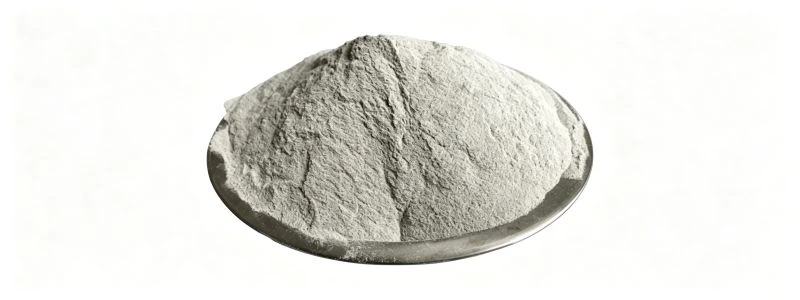
احتاج أحد العملاء إلى حل فرز موثوق لمسحوق الألومنيوم بحجمين مستهدفين: 325 شبكة و400 شبكة.
لم يكن الهدف مجرد فرز المسحوق إلى حجم ناعم. أراد العميل فصل أحجام الجسيمات المختلفة دون إتلاف المادة أو إعادة المسحوق المطابق إلى عملية الطحن.
خلال مناقشاتنا، اتضح بسرعة أمران: دقة الفرز ونقاء المنتج، بالإضافة إلى كفاءة الإنتاج المستقرة.
قد يكون من الصعب فرز مسحوق الألومنيوم الناعم. إذا انسدت الشبكة، تنخفض كفاءة الفرز. وإذا بقي المسحوق المطابق وقتًا طويلاً على الغربال أو خضع لإعادة معالجة غير ضرورية، فقد تزداد تكاليف الإنتاج أيضًا.
لذلك، بدلاً من اختيار آلة بناءً على حجم الشبكة المطلوب فقط، نظرنا إلى العملية الكاملة: تصنيف الجسيمات، وفرز المسحوق الناعم، ونقاء المادة، والتحكم في الغبار، والحماية من الانفجار، والإنتاج المستمر.
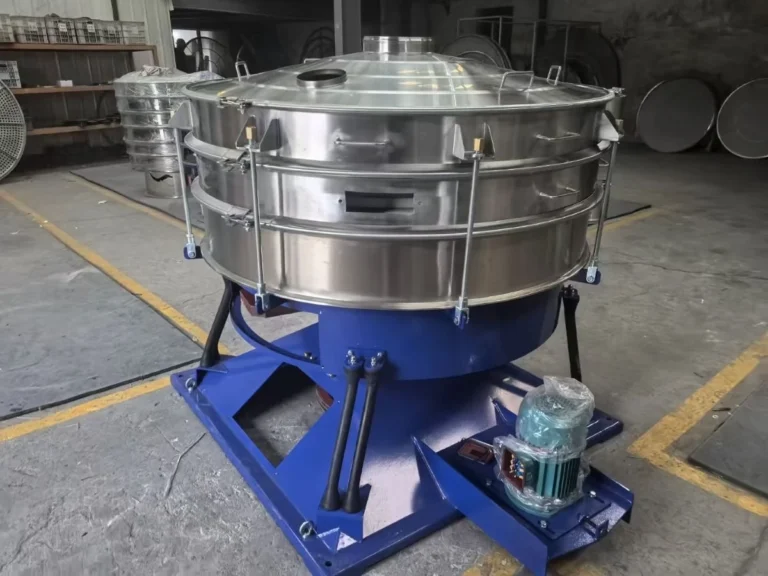
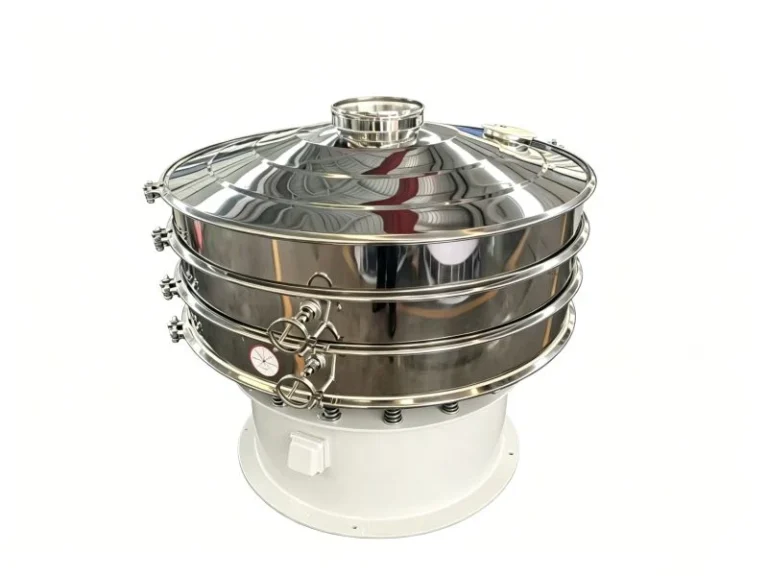
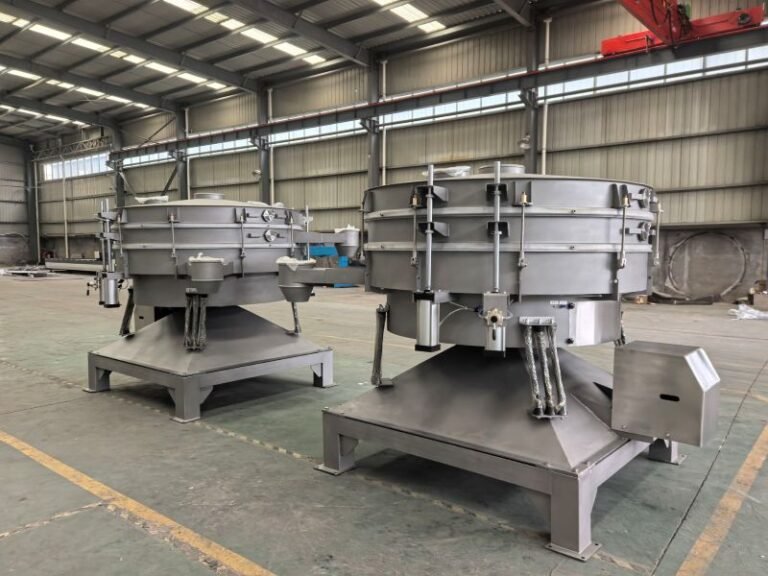
بعد مراجعة هذه المتطلبات مع العميل، أوصينا بغربال اهتزازي بالموجات فوق الصوتية لمسحوق الألومنيوم بطبقتين من الغرابيل.
تستخدم الآلة طبقتين من الغرابيل للتصنيف المستمر للجسيمات. تشترك كلتا الطبقتين في مولد موجات فوق صوتية واحد من خلال نظام موجات فوق صوتية بمولد واحد لطبقتين، مما يساعد العميل على التحكم في حجم المعدات وتكوينها مع تلبية متطلبات الفرز عند 325 و400 شبكة.

متطلبات العميل
في بداية المشروع، بدا طلب العميل بسيطًا: فرز مسحوق الألومنيوم عند 325 شبكة و400 شبكة.
بعد مزيد من التواصل، ظهرت عدة متطلبات عملية.
فصل أحجام الجسيمات المختلفة دون طحن زائد
أراد العميل الحصول على مسحوق ألومنيوم بأحجام جسيمات مختلفة من خلال الفرز والتصنيف بدلاً من الطحن المستمر.
بمجرد وصول المسحوق إلى حجم الجسيمات المطلوب، فإن إعادته إلى عملية الطحن يمكن أن تخلق استهلاكًا غير ضروري للطاقة وتؤثر على اتساق درجات المسحوق المختلفة.
لذلك أراد العميل فصل الجسيمات المطابقة في أقرب وقت ممكن من خلال فرز المسحوق الناعم.
الحفاظ على نظافة مسحوق الألومنيوم
كان نقاء المادة مصدر قلق رئيسي آخر.
نظرًا لأن المسحوق يتلامس مباشرة مع معدات الفرز، فقد طلب العميل أن تكون الأجزاء الملامسة للمادة مصنوعة من الفولاذ المقاوم للصدأ.
يعني ذلك أن اختيار المعدات كان عليه أن يأخذ في الاعتبار ليس فقط أداء الفرز، بل أيضًا مواد البناء المستخدمة في منطقة ملامسة المنتج.
التعامل مع المسحوق الناعم عند 325 و400 شبكة
يتطلب 325 شبكة و400 شبكة فرزًا ناعمًا نسبيًا.
أثناء فرز المسحوق الناعم, ، يمكن أن تواجه الغرابيل الاهتزازية التقليدية مشاكل مثل انسداد الشبكة وعدم استقرار كفاءة الفرز.
لذلك أراد العميل حلاً يمكنه الحفاظ على أداء فرز مستقر مع تقليل انسداد الشبكة.
We used the same two mesh sizes in our recommendation for a double-deck talc powder sieve, with the 325-mesh screen above the 400-mesh screen.
تحسين سلامة الإنتاج
كانت الآلة ستُستخدم في الإنتاج الفعلي وليس فقط للاختبار المعملي.
نظرًا لأن المادة هي مسحوق ألومنيوم، فقد طلب العميل أيضًا:
- فرز محاط بالحماية
- التحكم في الغبار
- محرك مقاوم للانفجار
- سهولة مراقبة عملية الفرز
قادتنا هذه المتطلبات نحو حل فرز بالموجات فوق الصوتية بدلاً من غربال اهتزازي قياسي.
حلنا: غربال اهتزازي بالموجات فوق الصوتية بطبقتين
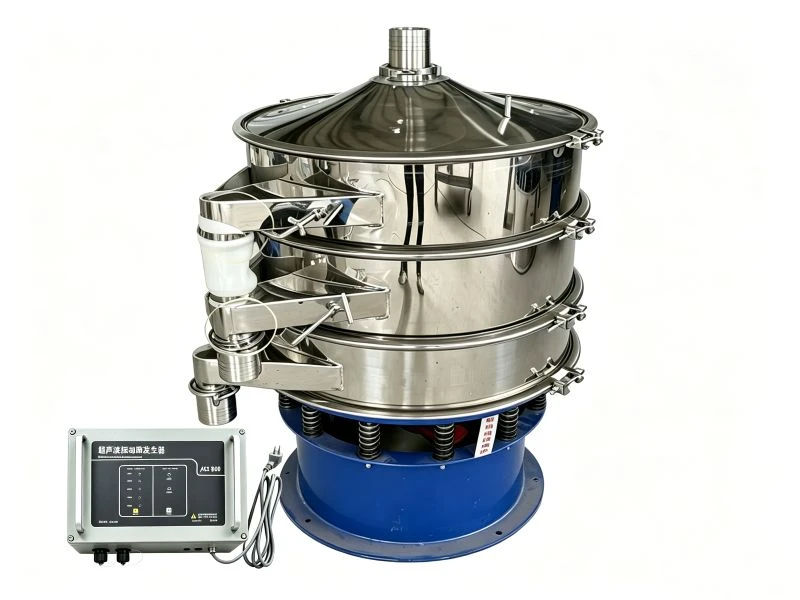
بناءً على خصائص المادة وأحجام الشبكة المستهدفة ومتطلبات الإنتاج، أوصينا بغربال اهتزازي بالموجات فوق الصوتية بطبقتين لـ مسحوق الألومنيوم.
تسمح طبقتا الغرابيل بفصل أحجام الجسيمات المختلفة داخل آلة واحدة.
في الوقت نفسه، يتم تركيب نظام فرز بالموجات فوق الصوتية على شبكة الغربال.
بدلاً من الاعتماد فقط على الاهتزاز الميكانيكي التقليدي، تعمل الموجات فوق الصوتية مباشرة على سطح الغربال. يساعد ذلك الجسيمات الناعمة على المرور عبر الشبكة بسلاسة أكبر ويقلل من خطر تراكم المسحوق وانسداد الشبكة.
مولد موجات فوق صوتية واحد لطبقتين من الغرابيل
من السمات المهمة في هذا المشروع تصميم مولد واحد لطبقتين.
تشترك كلتا طبقتَي الغرابيل في مولد موجات فوق صوتية واحد.
اخترنا هذا التكوين بعد النظر في متطلبات الإنتاج الفعلية للعميل:
- تعمل طبقتا الغرابيل في الوقت نفسه.
- يدعم مولد موجات فوق صوتية واحد كلتا الطبقتين.
- يتم الحفاظ على تكوين المعدات مدمجًا.
- يتم تقليل مساحة التركيب.
- النظام الكلي أبسط.
- يمكن التعامل مع متطلبات الفرز عند 325 شبكة و400 شبكة في آلة واحدة.
هذا التكوين مناسب بشكل خاص لخطوط الإنتاج التي تحتاج إلى تصنيف متعدد المراحل للمسحوق الناعم دون إضافة معدات غير ضرورية.

Enclosed and Explosion-Proof Design for Aluminum Powder
For aluminum powder screening, screening performance is only part of the equipment selection.
Dust control and safe operation also need to be considered.
Enclosed Screening
ال شاشة اهتزازية بالموجات فوق الصوتية is designed with an enclosed structure to reduce powder escaping into the surrounding production area.
The customer can also choose a dust cover and inspection window.
The dust cover improves sealing, while the inspection window allows operators to monitor the screening process without frequently opening the machine.
This makes it easier to monitor production while maintaining the enclosed structure.
Explosion-Proof Motor
The machine is equipped with an explosion-proof motor to meet the customer’s safety requirements for aluminum powder processing.
For fine metal powder applications, safety configuration needs to be considered together with screening performance rather than treated as an afterthought.
معلمات المعدات
The main configuration for this aluminum powder screening project includes:
- Equipment: Two-deck ultrasonic vibrating screen
- Material: Aluminum powder
- Target mesh sizes: 325 mesh and 400 mesh
- Screen decks: 2
- نظام الموجات فوق الصوتية: One generator for two screen decks
- Ultrasonic generator: 1 set
- Material-contact parts: Stainless steel
- Motor: Explosion-proof motor
- Machine structure: Enclosed design
- Optional: Dust cover and inspection window
- Customization: Screen deck number, discharge outlet direction, and material-contact construction can be customized
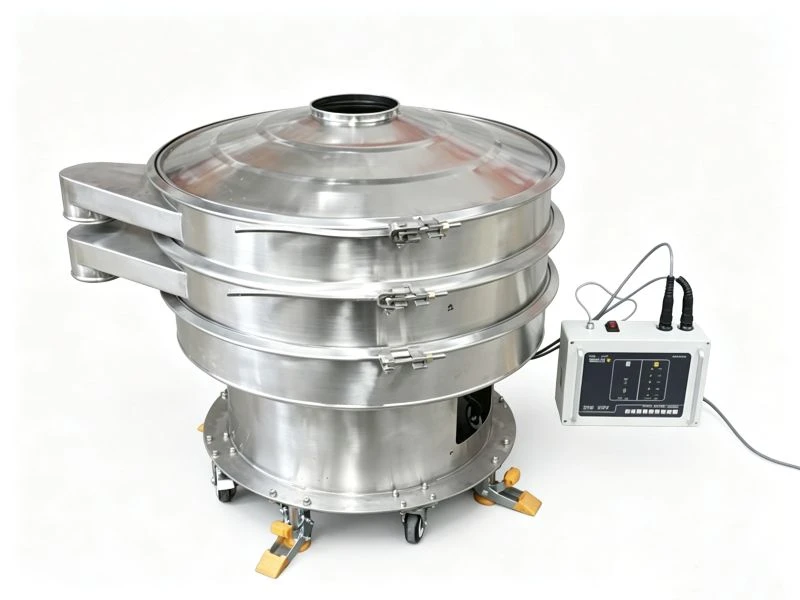
The final machine size, model, and capacity should be determined after confirming the powder characteristics, feed rate, required throughput, installation space, and screening conditions. Mesh size alone is not enough to select the right machine.
Why This Ultrasonic Screening Solution Fits Aluminum Powder
1. Better Control for Fine Powder Screening
325 mesh and 400 mesh require fine particle separation.
Ultrasonic vibration helps fine particles move through the mesh and can reduce the risk of mesh blockage, helping maintain stable screening performance.
2. Two-Deck Screening for Different Particle Sizes
The customer needed different grades of aluminum powder.
With two screen decks, the machine can classify the powder into different particle-size ranges within one screening process.
This reduces the need for additional screening equipment and makes the process more compact.
Beyond the number of collected fractions, screening performance also depends on whether each fraction meets its size specification. Read more about metal powder classification and usable powder recovery, including checks on accepted powder and material retained above the screen.
3. Stainless Steel Contact Parts
All parts that directly contact the aluminum powder are made of stainless steel.
This helps reduce the risk of contamination from the equipment and supports the customer’s requirement for clean aluminum powder production.
4. Reduce Unnecessary Re-Grinding
The purpose of screening is not simply to remove oversized particles.
It also allows qualified powder to be separated at the right point in the process.
By classifying the powder according to particle size, the customer can reduce unnecessary return to the grinding process and avoid over-processing material that already meets the target size.
5. Enclosed Screening for Better Dust Control
The enclosed structure helps reduce powder escaping during screening.
The optional dust cover and inspection window also make it easier to monitor the machine while keeping the screening process enclosed.
6. Customized for the Production Line
This was not a standard machine selected directly from a catalog.
The number of screen decks, discharge outlet direction, and material-contact materials can be adjusted according to the customer’s process and installation conditions.
This is useful when the screening machine needs to connect with existing upstream and downstream equipment.
From “Can It Screen?” to “Can It Run Reliably?”
During the project discussion, we found that the customer was not simply looking for a machine that could pass a 325- or 400-mesh test.
The real requirement was a screening system that could work reliably in daily production.
So we looked at the complete process:
Aluminum powder classification → avoid unnecessary re-grinding → 325/400 mesh fine screening → product purity → screening efficiency → dust control → explosion protection.
Once these requirements were confirmed, the two-deck ultrasonic vibrating screen became a practical fit for the application.
The one-generator-for-two-decks design was also an important part of the solution. It allowed both screen decks to use one ultrasonic generator while keeping the system relatively compact and simple.
ملاحظات العملاء
With the two-deck ultrasonic vibrating screen, the customer can classify aluminum powder at 325 mesh and 400 mesh according to the production requirements.
Instead of relying only on grinding to control particle size, the screening stage separates qualified powder at the appropriate point in the process.
The solution helps the customer:
- Produce different grades of aluminum powder
- Reduce unnecessary re-grinding
- Avoid over-processing qualified powder
- Improve fine powder screening stability
- Balance product purity with production efficiency
- Reduce dust escaping during screening
- Meet the required enclosed and explosion-proof configuration
The customer’s feedback focused on practical production needs: the machine should not only meet the required mesh sizes, but also provide stable screening, convenient operation and maintenance, and consistent product quality.
الخاتمة
For fine powders such as aluminum powder, metal powder, battery materials, and chemical powders, choosing a screening machine based only on mesh size is not enough.
The material characteristics, target particle size, feed rate, required capacity, screen deck configuration, screen material, ultrasonic system, sealing structure, and safety requirements all affect the final screening performance.
If you are looking for an ultrasonic vibrating screen for aluminum powder, especially for 325 mesh, 400 mesh, or other fine powder classification applications, our technical team can help evaluate the complete screening process.
Send us your material name, target particle size, required capacity, and production conditions.
Our engineers can then recommend a suitable ultrasonic screening solution based on your actual application and help you build a screening system that fits your production line.