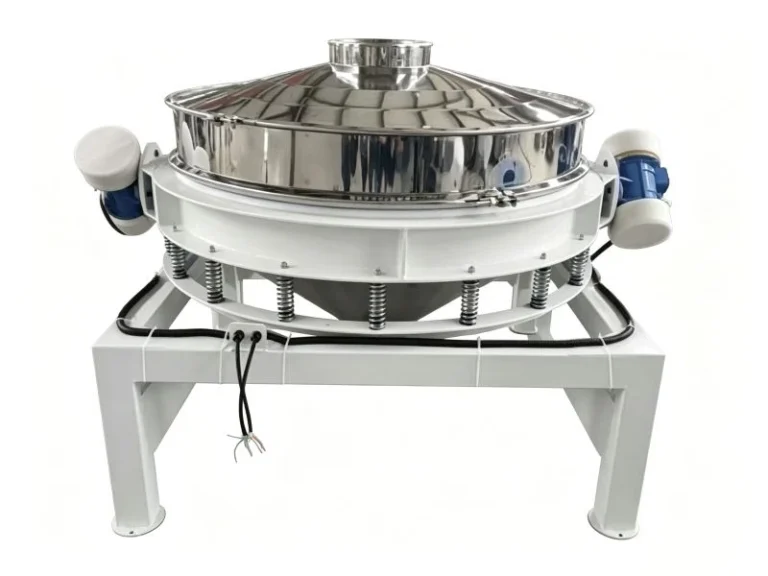
كيفية إعداد وضبط غربال اهتزازي بالموجات فوق الصوتية لغر
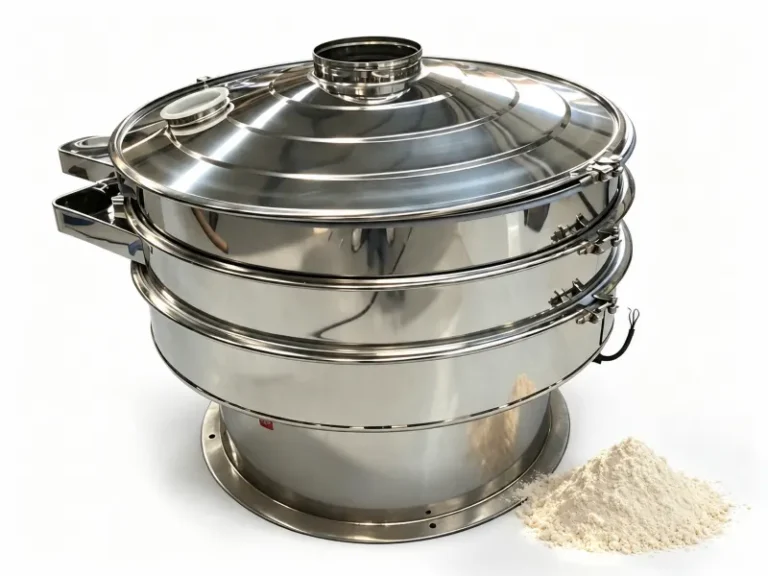
قد يكون من الصعب غربلة المسحوق الناعم عندما تلتصق الجزيئات بالشبكة أو تسبب انسدادًا متكررًا للشبكة. تضيف الغربال الاهتزازي بالموجات فوق الصوتية اهتزازًا عالي التردد إلى شبكة الغربال لمساعدة الجزيئات الناعمة على المرور عبر الفتحات وتقليل التراكم على الشبكة.
ومع ذلك، تعتمد نتائج الغربلة الجيدة على أكثر من مجرد نظام الموجات فوق الصوتية. يحتاج شد شبكة الغربال، ومعدل التغذية، وسعة الاهتزاز، وإعدادات الموجات فوق الصوتية، وتدفق المواد إلى الضبط المناسب. يشرح هذا الدليل كيفية إعداد وضبط الغربال الاهتزازي بالموجات فوق الصوتية لغربلة المسحوق الناعم، مع نصائح عملية لمسحوق البطاريات، والمسحوق الصيدلاني، والمسحوق الكيميائي، والمسحوق المعدني، والمواد الناعمة الأخرى.
لماذا يُعد الإعداد الصحيح مهمًا لغربلة المسحوق الناعم
تتطلب غربلة المسحوق الناعم إعدادات ثابتة للآلة. يمكن للجزيئات الصغيرة أن تلتصق بالشبكة، أو تتراكم على سطح الغربال، أو تسد فتحات الشبكة. عندما لا تكون إعدادات شد الشبكة، أو معدل التغذية، أو الاهتزاز، أو الموجات فوق الصوتية صحيحة، يمكن أن تنخفض كفاءة الغربلة. إذا حدث انسداد الشبكة بشكل متكرر، راجع دليلنا إلى انسداد المنخل بالمسحوق الناعم لتحديد الأسباب الشائعة وطرق الوقاية المناسبة.
يساعد التركيب والضبط الصحيحان على تحرك المادة بالتساوي عبر الغربال، وتقليل انسداد الشبكة، والحفاظ على أداء غربلة مستقر.
لماذا يصعب غربلة المسحوق الناعم
المساحيق الناعمة غالبًا ما تكون ذات سيولة ضعيفة وقد تتكتل أو تحمل شحنات كهربائية ساكنة. أثناء الغربلة، يمكن لهذه الجزيئات أن تبقى على الشبكة وتسد الفتحات. هذا شائع عند غربلة مسحوق البطاريات، ومسحوق الجرافيت، والمكونات الصيدلانية، والمسحوق الكيميائي، والمسحوق المعدني، والمواد الناعمة الأخرى.
تصبح المشكلة أكثر وضوحًا عند استخدام شبكات ناعمة أو عالية الفتحات. إذا كانت طبقة المادة سميكة جدًا أو كان معدل التغذية مرتفعًا جدًا، يمكن لجزيئات أقل أن تلامس فتحات الشبكة، مما قد يقلل بشكل أكبر من كفاءة الغربلة.
كيف يساعد الاهتزاز بالموجات فوق الصوتية في منع انسداد الشبكة
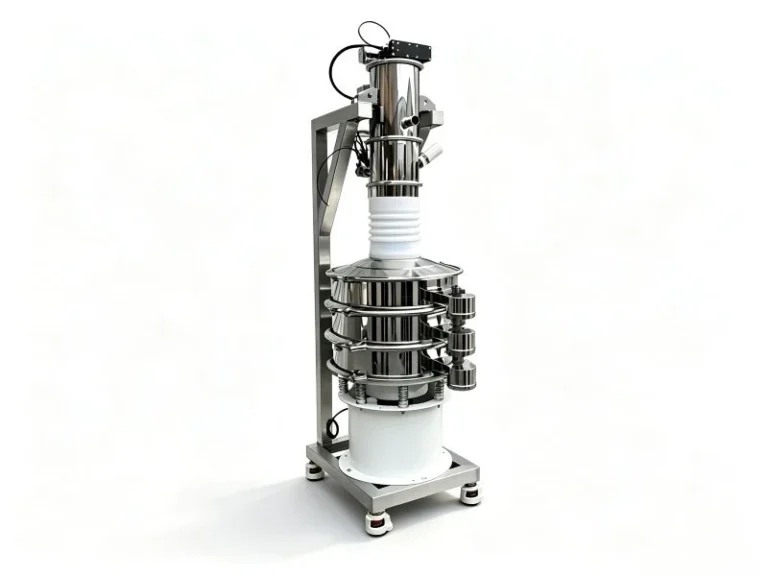
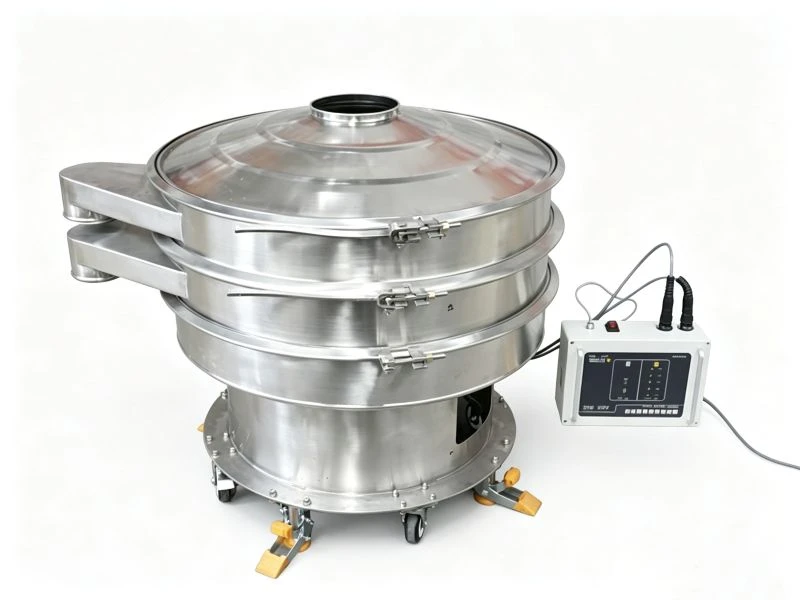
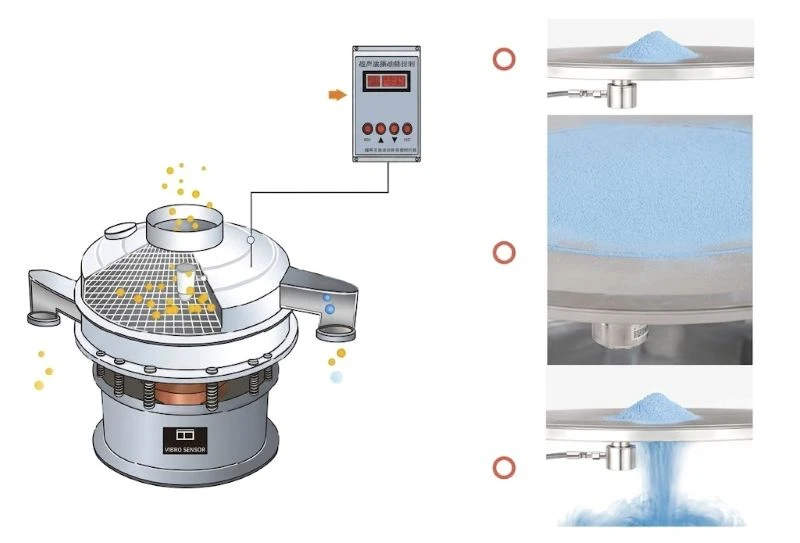
إن غربال اهتزازي بالموجات فوق الصوتية يجمع بين الاهتزاز الميكانيكي العادي والاهتزاز عالي التردد على شبكة الغربال. يحرك الاهتزاز الرئيسي المادة عبر الغربال، بينما ينشئ نظام الموجات فوق الصوتية اهتزازًا عالي التردد على سطح الشبكة.
يساعد هذا الاهتزاز في تقليل التصاق الجزيئات ويحافظ على حركة الجزيئات الناعمة عبر فتحات الشبكة. وهو مفيد بشكل خاص لغربلة المسحوق الناعم حيث قد يواجه الغربال الاهتزازي التقليدي مشاكل في انسداد الشبكة أو انخفاض كفاءة الغربلة.
لا يحل نظام الموجات فوق الصوتية محل نظام الاهتزاز الرئيسي. يحتاج كلا النظامين إلى العمل معًا مع الشبكة الصحيحة، ومعدل التغذية، وإعدادات الآلة.
متى يجب استخدام الغربال الاهتزازي بالموجات فوق الصوتية؟
يُعد الغربال الاهتزازي بالموجات فوق الصوتية خيارًا مناسبًا عندما تواجه الغربلة التقليدية مشاكل في انسداد الشبكة، أو انخفاض الإنتاج، أو غربلة غير مستقرة للمسحوق الناعم.
يُستخدم بشكل شائع للمساحيق الناعمة والتطبيقات عالية الفتحات، بما في ذلك مواد البطاريات، ومسحوق الجرافيت، والمسحوق الصيدلاني، والمسحوق الكيميائي، والمسحوق المعدني، ومسحوق السيراميك، والمواد الأخرى التي يصعب غربلتها بغربال اهتزازي قياسي.
كيفية إعداد الغربال الاهتزازي بالموجات فوق الصوتية
الإعداد الصحيح هو الخطوة الأولى لغربلة مستقرة للمسحوق الناعم. قبل تشغيل الآلة، تحقق من ظروف التركيب، وشبكة الغربال، ونظام الموجات فوق الصوتية، ومصدر الطاقة للتأكد من توصيل جميع الأجزاء بشكل صحيح.
الخطوة 1: تجهيز منطقة التركيب وإجراء التوصيلات
يجب أن تلبي منطقة التركيب ظروف التشغيل المطلوبة. بالنسبة للمعدات المشمولة في هذا الدليل، درجة الحرارة المحيطة الموصى بها هي 0°C إلى 55°C, ، مع رطوبة نسبية من 30% إلى 90% بدون تكاثف.
اترك على الأقل 50 سم من المساحة حول الآلة للتشغيل والصيانة. استخدم مصدر طاقة AC 220 فولت موثوق مع تأريض مناسب.
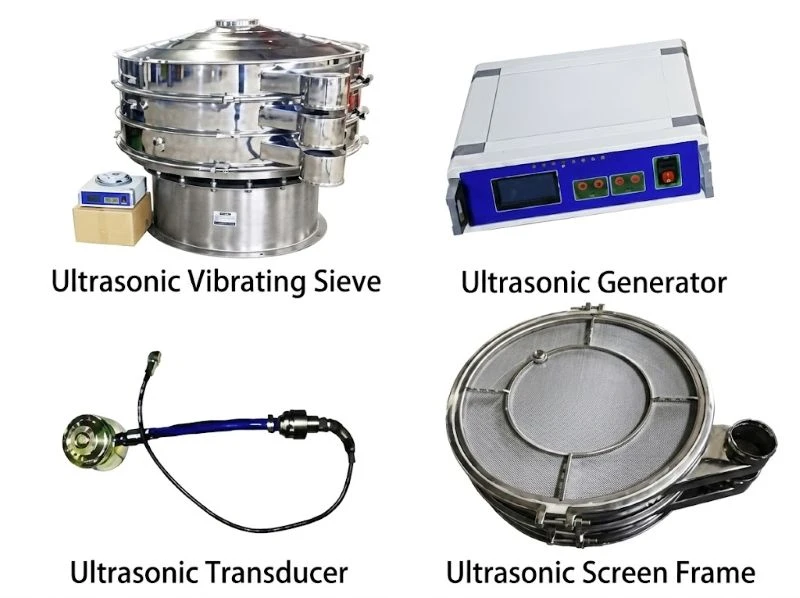
قم بتوصيل مولد الموجات فوق الصوتية بواجهة الموجات فوق الصوتية للغربال الاهتزازي وفقًا لملصقات الكابل. تأكد من إدخال الموصلات بالكامل وربطها. يجب أيضًا أن يكون الاتصال بين محول الموجات فوق الصوتية ونظام الغربال آمنًا.
الخطوة 2: تشغيل المعدات والتحقق من حالة التشغيل
قبل تشغيل مولد الموجات فوق الصوتية، أطفئ الطاقة واضبط مقبض الضبط الدقيق على وضع منخفض. ثم شغّل المولد وتحقق من معاملات التشغيل.
بالنسبة للمعدات في هذا الإعداد، يجب أن يكون تيار العمل الطبيعي أقل من 200 مللي أمبير. تحقق أيضًا من وجود ضوضاء غير طبيعية، أو اهتزاز غير عادي، أو إشارات تحذير، أو علامات أخرى على التشغيل غير السليم.
لا تبدأ الإنتاج المستمر حتى تعمل الآلة ونظام الموجات فوق الصوتية بشكل طبيعي.
الخطوة 3: ضبط الغربال الاهتزازي وإعدادات الموجات فوق الصوتية
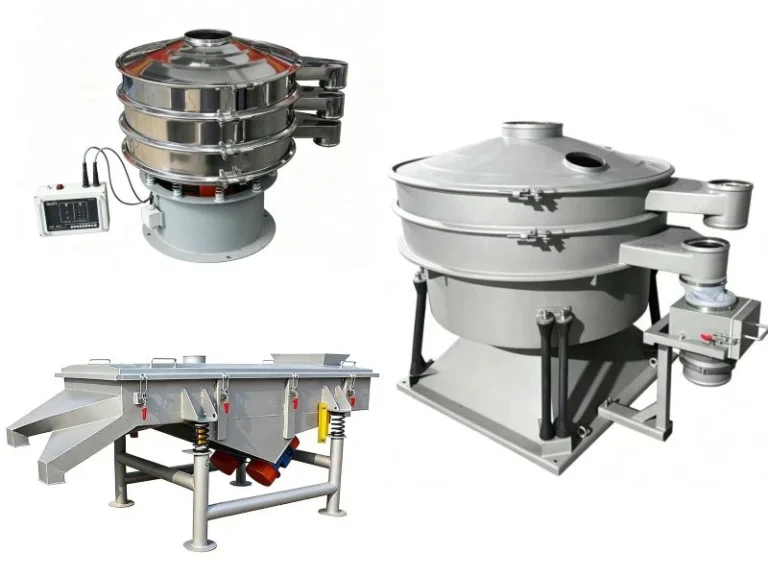
أولاً، اضبط الغربال الاهتزازي ثلاثي الأبعاد بحيث تتبع المادة نمط حركة مناسبًا على الغربال. ثم اضبط تردد الاهتزاز، والسعة، ووضع التحكم وفقًا للمادة ومتطلبات الغربلة.
ابدأ تشغيل الغربال بكمية صغيرة من المادة. اضبط مولد الموجات فوق الصوتية ببطء وراقب كيفية تحرك المادة عبر الشبكة. يجب أن يبقى تيار التشغيل أقل من 200 مللي أمبير أثناء الضبط.
التغييرات الصغيرة أفضل من التعديلات الكبيرة. قم بإجراء تعديل واحد في كل مرة وتحقق من نتيجة الغربلة قبل إجراء تغيير آخر.
الخطوة 4: اختبار الآلة قبل التغذية العادية
بعد أن تصبح حالة الغربلة مستقرة، قم بزيادة معدل التغذية تدريجيًا. تحقق مما إذا كانت المادة موزعة بالتساوي، وما إذا كانت الجزيئات الناعمة تمر عبر الشبكة، وما إذا كان انسداد الشبكة يحدث.
إذا لزم الأمر، قم بإجراء تعديلات صغيرة على تردد الموجات فوق الصوتية، أو سعة الاهتزاز، أو معدل التغذية. بمجرد أن تعمل الآلة بثبات، قم بإجراء اختبار مستمر وتحقق من شبكة الشاشة, ، ومحول الموجات فوق الصوتية، والأجزاء الرئيسية الأخرى قبل بدء الإنتاج العادي.
كيفية ضبط الغربال الاهتزازي بالموجات فوق الصوتية
يجب أن يعتمد ضبط الغربال الاهتزازي بالموجات فوق الصوتية على المادة، وشبكة الغربال، ومعدل التغذية، ونتيجة الغربلة المطلوبة. تشمل الإعدادات الرئيسية سعة الاهتزاز، وتردد الموجات فوق الصوتية، وزاوية الغربال، ومعدل التغذية، ووقت بقاء المادة.
ضبط سعة الاهتزاز
يمكن ضبط سعة الاهتزاز بعدة طرق حسب تصميم الآلة.
بالنسبة لنظام الموجات فوق الصوتية، يمكن أن يؤدي تغيير طاقة الخرج لمولد الموجات فوق الصوتية إلى تغيير سعة الاهتزاز فوق الصوتي. أدر مقبض ضبط الطاقة تدريجيًا وراقب نتيجة الغربلة. تجنب زيادة الطاقة بسرعة كبيرة.
The mechanical vibration amplitude can also be adjusted by changing the counterweight of the vibration motor. The lower weight mainly affects the vertical vibration, while the upper weight mainly affects the horizontal movement of the material.
The position and weight of the counterweights affect the material movement and vibration strength. When making adjustments, mark the original position first and make small changes, such as 15° to 30° at a time, then check the machine response.
For regular operation, a counterweight angle of around 60° to 90° is generally recommended for the equipment described here. Avoid keeping the weights locked at 0° for long periods, as this may increase the load on the bearings.
Replacing the ultrasonic transducer is another way to change the vibration characteristics, but this is normally considered only when the existing transducer does not match the application.
Optimize the Vibration Frequency
The vibration frequency affects how quickly the material moves across the screen. A suitable frequency helps the powder spread evenly and gives fine particles enough opportunity to pass through the mesh.
Do not simply use the highest frequency. Start with the recommended setting for the equipment and material, then make small adjustments while checking the screening efficiency and mesh condition.
The best setting depends on the material properties, screen mesh, feed rate, and required capacity.
Adjust the Screen Angle
The screen angle affects material flow speed and screening time. A suitable angle allows the material to move steadily across the screen without leaving the screen too quickly.
For the equipment and application described here, a screen angle of around 15° can be used as a reference. For some circular vibrating screen designs, 16° to 20° may be suitable.
If the angle is too low, material may move slowly or roll backward on the screen. If it is too high, the material may move too quickly and have less time to pass through the mesh.
The actual angle should be adjusted according to the material, screen size, particle size, and required output.
Control the Feeding Rate
Feeding rate has a direct effect on fine powder screening efficiency. If too much material enters the screen at once, the material layer becomes too thick and fewer particles can reach the mesh openings.
Use a steady and even feeding rate instead of feeding a large amount of material at once. This helps prevent material buildup and reduces the risk of mesh clogging.
Improve Material Distribution
The material should be spread as evenly as possible across the screen surface. A distributor or guide plate can be used when needed to prevent material from collecting in one area.
Uneven feeding means that part of the screen may be overloaded while another part is not fully used. Better material distribution helps make full use of the available screening area.
Increase Screening Time When Needed
Some difficult-to-screen materials need more time on the screen to reach the required separation accuracy. If the material moves too quickly, some fine particles may leave the screen before passing through the mesh.
For certain applications, a gate can be installed near the discharge outlet to increase the material residence time. This should be done carefully because excessive residence time can reduce production capacity.
Common Ultrasonic Vibrating Screen Problems and Solutions
An ultrasonic vibrating screen usually relies on three key systems for fine powder screening: the vibration motor, ultrasonic screening system, and screen mesh. When screening efficiency decreases, these parts should be checked first.
Vibration Motor Problems
The vibration motor provides the main driving force for the screen. If the motor’s excitation force changes because of wear, loose parts, or other operating problems, the material movement can become unstable and affect screening efficiency.
Regular inspection and maintenance of the vibration motor can help keep the machine running properly. Check for abnormal noise, excessive vibration, loose fasteners, and other signs of motor problems.
Ultrasonic Transducer Problems
The ultrasonic transducer is a key part of the ultrasonic screening system. It converts electrical energy from the generator into high-frequency vibration that is transferred to the screen mesh.
Common problems include moisture, damaged ceramic components, overheating, or bonding failure.
If moisture is suspected, the transducer can be checked with a megohmmeter. For the equipment described here, the insulation resistance should normally be above 5 MΩ. If the value is too low, the transducer may need to be dried in a suitable oven or with controlled warm air until the insulation resistance returns to the required range.
If the ceramic component is cracked or the transducer is damaged, the faulty unit should be replaced or repaired by qualified personnel. A damaged transducer should not be forced to operate.
If the transducer bonding has failed after long-term use, it may be possible to re-bond it depending on the transducer design and manufacturer requirements.
Screen Mesh Problems
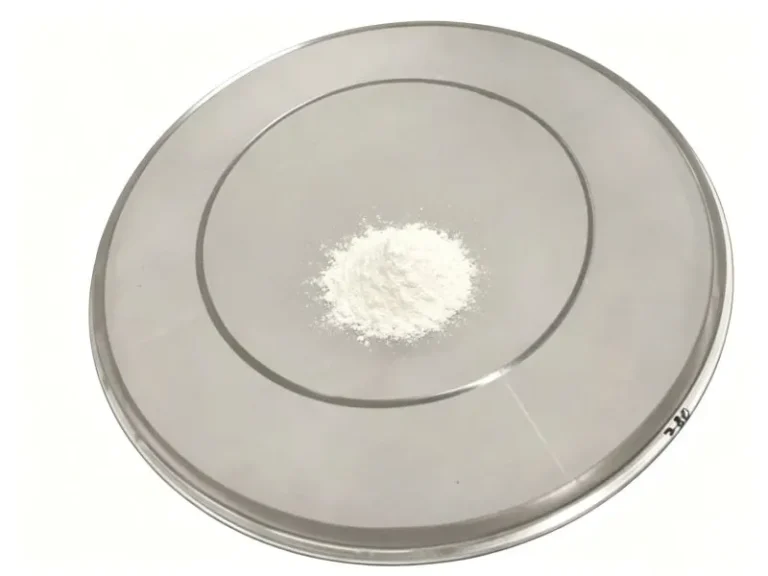
The screen mesh is another common cause of low screening efficiency. Loose tension, incorrect installation, excessive material loading, unsuitable mesh specifications, or damaged mesh can all affect screening accuracy.
Fine powder applications often use fine or high-mesh screens, so mesh quality and installation are especially important. Select the correct mesh opening and material for the application, check the mesh tension regularly, and replace damaged or worn mesh in time.

How to Maintain an Ultrasonic Vibrating Screen
Regular maintenance helps keep the ultrasonic vibrating screen stable and extends the service life of key components.
Check and Lubricate the Bearings
The bearings carry the operating load of the vibrating screen and vibration motor. Proper lubrication is important for bearing life and machine performance. Check the bearing condition regularly and use the correct lubricant according to the equipment manufacturer’s requirements.
Check for Abnormal Noise and Vibration
During operation, pay attention to unusual noise, excessive vibration, or changes in material movement. These may indicate problems with the vibration motor, bearings, screen frame, or other components.
Inspect Wear Parts Regularly
Check the screen mesh, sealing parts, fasteners, transducer, and other wear parts during regular maintenance. Replace damaged or worn components before they affect screening performance.
Keep the Ultrasonic Transducer Clean
Check the surface of the ultrasonic transducer and remove any powder or material buildup. A clean transducer helps maintain stable vibration transfer.
Do not apply excessive pressure to the transducer and keep it away from water and unnecessary impact.
Keep the Ultrasonic Generator Well Ventilated
Place the ultrasonic generator in a clean and well-ventilated area. Good airflow helps remove heat during operation and can extend the service life of the generator.
الخاتمة
A good ultrasonic vibrating screen setup starts with the correct screen mesh and proper installation. During operation, the vibration amplitude, ultrasonic frequency, feeding rate, screen angle, and material residence time should be adjusted according to the actual screening condition.
For fine powder applications such as battery powder, pharmaceutical powder, graphite powder,and aluminum powder, do not rely on ultrasonic vibration alone. Keep the mesh properly tensioned, feed the material evenly, check the vibration system regularly, and keep the ultrasonic transducer and generator in good condition.
With the right setup and regular maintenance, an ultrasonic vibrating screen can reduce mesh clogging, improve fine powder screening efficiency, and provide more stable screening performance.