리튬 배터리 소재 스크리닝에 PTFE 코팅 초음파 진동 스크린을 사용하는 이유는 무엇입니까?
소개
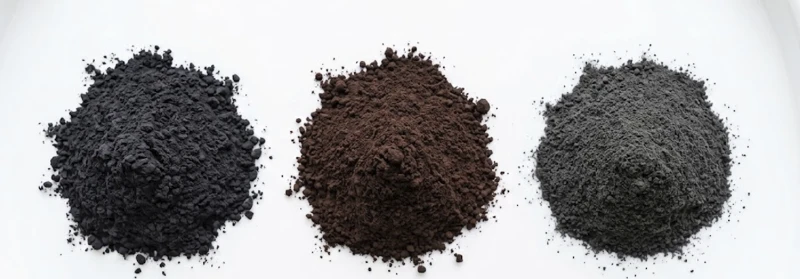
흑연 분말, 폴리실리콘, 전구체 소재와 같은 리튬 배터리 소재는 금속 오염에 매우 민감합니다. 구리나 아연과 같은 금속과 접촉하면 산화 반응이 발생하여 소재의 순도와 배터리 성능이 저하될 수 있습니다. 또한, 미세 분말 흑연, 탄산리튬, 전극 소재와 같은 물질은 스크린 망에 쉽게 달라붙어 망이 막히고 선별 효율이 저하됩니다.
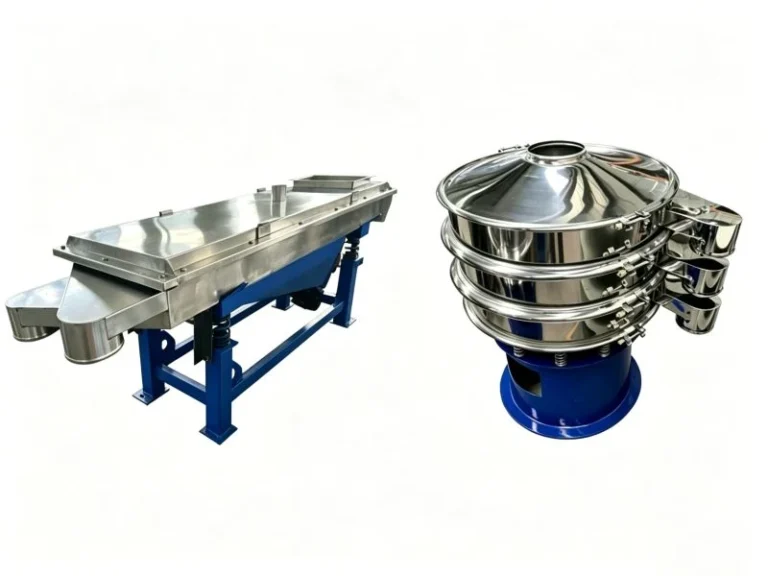
PTFE 코팅된 초음파 진동 스크린 초음파 진동 기술과 마찰이 적은 PTFE 표면을 결합하여 분말 분리를 개선하고 소재의 부착을 줄이며 다음을 방지합니다 스크린 막힘. 이는 리튬 배터리 소재 선별을 위한 신뢰할 수 있는 솔루션을 제공하며 미세 분말 가공의 엄격한 요구 사항을 충족합니다.
리튬 배터리 소재 선별의 과제
엄격한 소재 보호 요구 사항
리튬 배터리 소재는 선별 과정에서 금속 및 기타 물질과의 접촉을 피해야 합니다. 소량의 금속 오염도 소재의 특성과 배터리 성능에 영향을 미칠 수 있습니다.
PTFE 코팅된 초음파 진동 분리기 PTFE 코팅된 스크린 프레임과 망을 사용하여 소재 오염을 방지하고 선별 중 리튬 배터리 소재의 원래 특성을 보호합니다.
높은 선별 정확도 요구 사항
리튬 배터리 소재의 경우 선별 정확도는 가장 중요한 요구 사항 중 하나입니다. 양극재와 음극재와 같은 대부분의 배터리 분말은 일반적으로 약 325메시의 미세 선별이 필요합니다. 기존 진동 스크린은 요구되는 정밀도를 충족하지 못하는 경우가 많습니다.
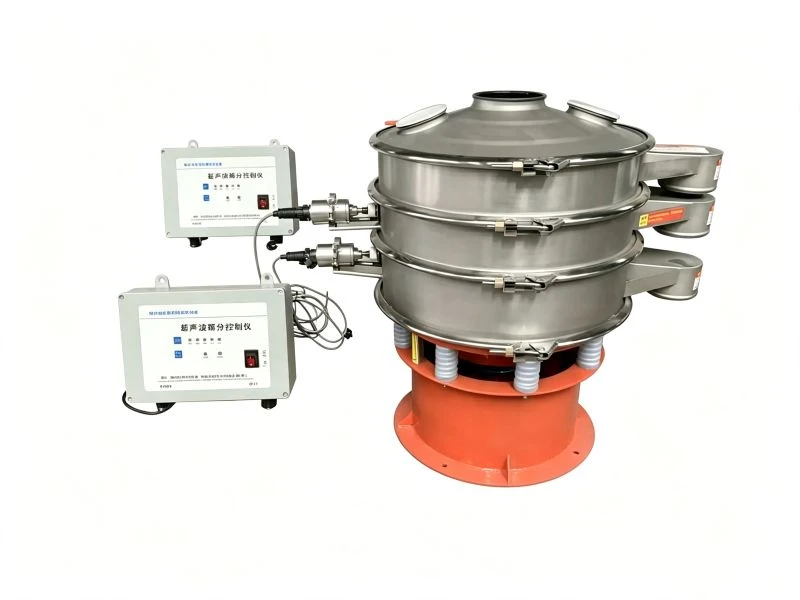
리튬 배터리 소재용 초음파 진동 스크린은 다음을 사용합니다 초음파 스크리닝 시스템. 작동 중 스크린 망은 고주파·저진폭 초음파를 받으면서 3차원 진동을 수행합니다. 미세 분말이 스크린 표면 위에 약간 부유한 상태로 유지되어 선별 효율이 향상되고 망 막힘이 효과적으로 방지됩니다.
높은 생산 능력 요구 사항
높은 정확도도 중요하지만, 특히 연속식 배터리 소재 생산 라인에서는 생산 능력 또한 핵심 요소입니다.
리튬 배터리 분말은 대개 정전기를 띠므로 기존 진동 스크린으로는 스크린 망을 효과적으로 청소하기 어렵습니다. 배터리 소재 선별 장비의 초음파 세척 시스템은 분말로 인한 막힘을 지속적으로 제거하고 안정적인 선별 성능을 유지합니다.
초음파 진동 스크린은 기존 진동 스크린보다 훨씬 높은 처리량을 달성할 수 있으며, 적합한 용도에서는 생산 효율을 최대 5~10배까지 높일 수 있습니다.
진동 스크린에 PTFE 코팅을 추가하는 이유는 무엇인가요?
뛰어난 내식성
PTFE 코팅은 내식성이 뛰어나며 대부분의 용제에 거의 영향을 받지 않습니다. 산, 알칼리 및 기타 부식성 물질로 인한 손상을 효과적으로 방지할 수 있습니다.
화학 처리, 제약 및 리튬 배터리 제조와 같은 산업에서는 소재에 부식성 성분이 포함될 수 있어 장비에 높은 내구성이 요구됩니다. PTFE 코팅 진동 스크린은 선별 장비를 부식으로부터 보호하고 수명을 연장하며 안정적인 생산을 보장합니다.
높은 내마모성
선별 과정에서 소재가 스크린 망과 지속적으로 마찰하고 충돌하므로 시간이 지나면 마모와 변형이 발생할 수 있습니다.
PTFE 코팅의 매끄럽고 내구성 있는 표면은 소재와 스크린 망 사이의 마찰을 줄여줍니다. 이는 스크린 마모를 최소화하고 안정적인 선별 성능을 유지하며 장비의 수명을 연장하는 데 도움이 됩니다. 해당 장비는 초음파 진동 스크린입니다.
뛰어난 내열성
PTFE 코팅은 고온에서도 안정적인 물리적·화학적 특성을 유지할 수 있습니다.
리튬 배터리 소재 생산 중에는 일부 공정에서 고온 작업이 필요합니다. PTFE 코팅 초음파 진동체는 고온 환경에서도 체망의 안정성을 유지하여 변형과 손상을 방지하고 연속 생산을 보장할 수 있습니다.
비점착 표면과 간편한 세척
PTFE 코팅은 비점착성이 뛰어나 미세 분말이 체 표면에 쉽게 달라붙지 않습니다.
이 특성은 미세 분말 선별 시 소재의 축적과 체망 막힘을 줄여 선별 효율을 높이고 세척 빈도와 가동 중단 시간을 줄입니다. 또한 내유성 및 내수성 표면은 소재 오염을 방지하고 제품 품질을 보장하는 데 도움이 됩니다.
향상된 선별 효율
PTFE 코팅의 낮은 마찰력과 자체 윤활 특성으로 소재가 선별 과정에서 더 원활하게 이동합니다.
초음파 진동 기술과 결합된 PTFE 코팅 초음파 진동체는 미세 분말을 효율적이고 정확하게 선별하여 처리 능력과 선별 품질을 향상시킵니다. 특히 리튬 배터리 소재 선별과 같이 까다로운 작업에 적합합니다.
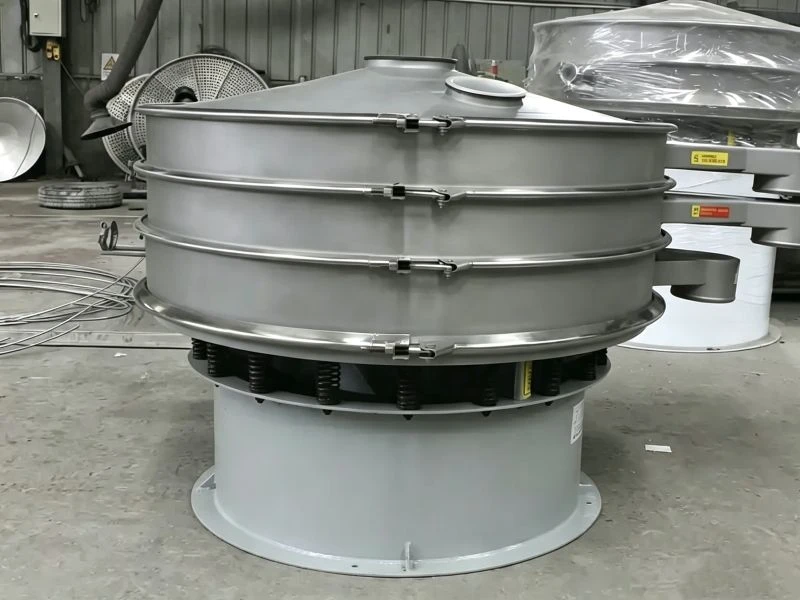
PTFE 코팅 초음파 진동체의 작동 원리
3차원 진동 선별
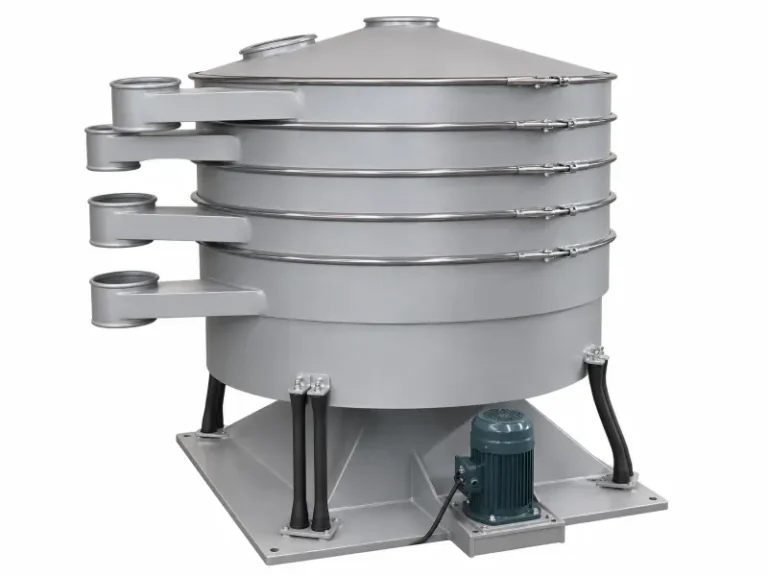
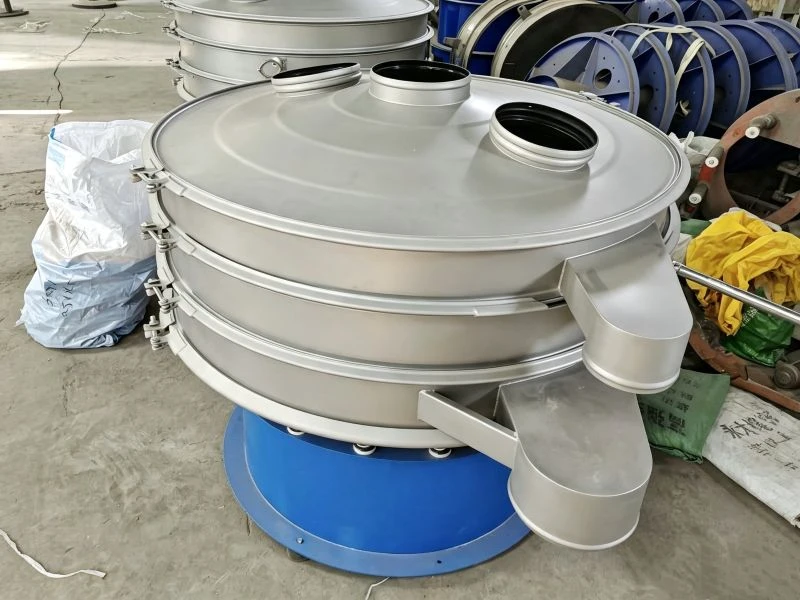
수직 진동 모터가 3차원 진동력을 발생시켜 소재가 체 표면을 따라 나선형으로 이동하게 합니다. 연속적인 이동을 통해 입자 크기별로 분리되며, 이는 기존 회전식 진동체의 작동 원리와 유사합니다.
이러한 기본 진동 운동을 통해 PTFE 코팅 초음파 진동체는 다양한 소재의 입자를 효율적으로 분급할 수 있습니다.
초음파 체망 세척 시스템
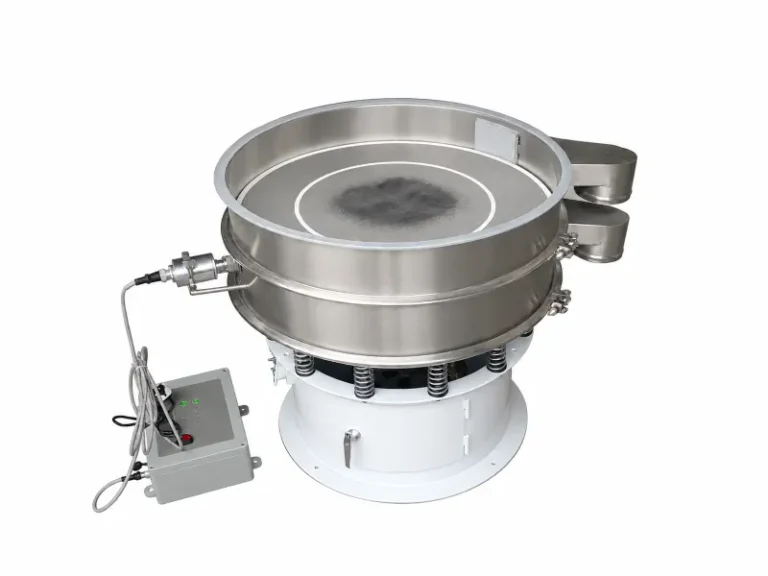
독립형 초음파 발생기는 고주파 신호(20–40 kHz)를 생성하며, 이 신호는 초음파 변환기를 통해 기계적 진동으로 변환되어 체망에 직접 전달됩니다.
미세 분말을 선별하는 동안 고주파 진동이 분말의 응집을 분해하고 입자가 체망 구멍을 막는 것을 방지하여 선별 성능을 향상시킵니다. 이 초음파 막힘 방지 시스템은 리튬 배터리 분말과 같이 처리하기 어려운 재료의 안정적인 선별 효율을 유지하는 데 도움이 됩니다.
재료 호환성 설계
스크린 메시
체망은 PTFE 코팅 또는 스테인리스강 소재로 제작할 수 있어 내마모성과 비점착성을 모두 제공합니다. PTFE 표면은 재료의 부착을 줄이고 선별 안정성을 높이는 데 도움이 됩니다.
기계 구조
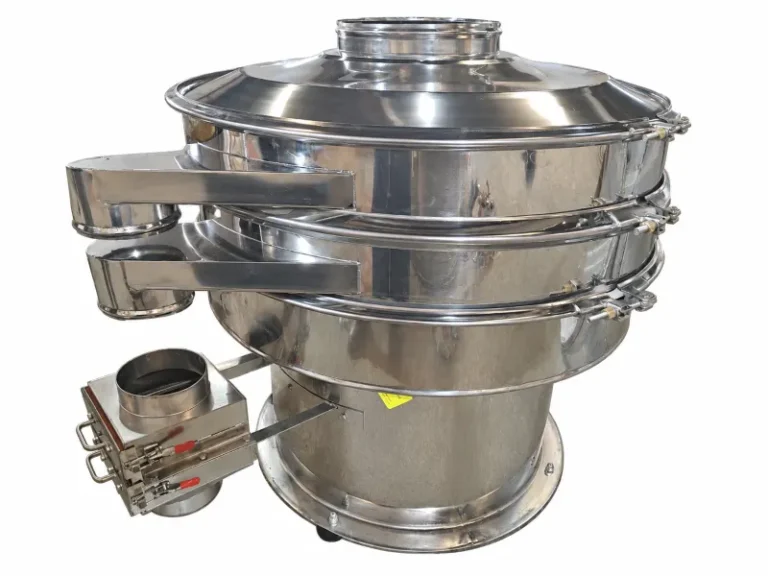
본체는 304 스테인리스강으로 제작되며, 주요 부위는 PTFE로 코팅되어 리튬 배터리 재료 선별을 포함한 화학 공정 및 신에너지 산업의 요구사항을 충족합니다.
밀봉 설계
제약 및 식품 분야에 사용할 수 있는 식품 등급 실리콘 밀봉 링이 제공됩니다. 안전하고 청결한 작업을 위해 배터리 재료 생산 환경에 적합한 방폭 설계도 제공할 수 있습니다.
관련 동영상
리튬 배터리 재료용 PTFE 코팅 초음파 진동 스크린의 장점
1. Prevent Material Contamination: PTFE Coating Avoids Metal Contact
Lithium battery materials, such as graphite powder, polysilicon, and precursor materials, are highly sensitive to metal contamination. Contact with metals like copper and zinc may cause oxidation reactions, affecting material purity and reducing battery performance.
The PTFE coated ultrasonic vibrating screen applies a PTFE layer on the screen frame and bottom cover, creating a protective barrier between the material and metal surfaces. This design prevents direct contact with steel components and helps maintain the purity of battery materials during screening.
2. High Precision Screening: Accurate Particle Size Control
Lithium battery production requires strict particle size control. For example, cathode materials often need to be controlled within a specific particle size range to ensure battery performance.
The ultrasonic vibrating screen for lithium battery materials uses high-frequency vibration (18–38 kHz) to create three-dimensional material movement. Combined with the self-cleaning performance of the PTFE coated screen mesh, it can achieve precise screening for fine powders, with improved accuracy compared with traditional vibrating screens.
This high precision screening technology helps improve product consistency and supports stable battery material production.
3. Anti-Clogging Performance: High-Frequency Vibration Prevents Mesh Blocking
Lithium battery materials, such as lithium cobalt oxide and lithium manganese oxide, are often difficult to screen due to static electricity, strong adhesion, and powder agglomeration.
The ultrasonic anti-clogging vibrating screen adds high-frequency ultrasonic vibration to the screen mesh, providing additional energy to separate fine particles and reduce material buildup. This helps prevent powder adhesion, keeps the mesh open, and maintains stable screening performance even during fine powder screening applications.


Applications of PTFE Ultrasonic Vibrating Screens in Battery Industry
1. Cathode Material Screening
Cathode active materials, such as lithium cobalt oxide (LCO), lithium iron phosphate (LFP), and ternary materials (NMC), often form lumps after high-temperature sintering. They need to be crushed, separated, and classified through a vibrating screening process.
PTFE 코팅된 초음파 진동 스크린 helps prevent hard materials from damaging the screen mesh while reducing the risk of metal contamination. This ensures stable material quality and supports consistent battery performance.
2. Anode Material Processing
Anode materials, including natural graphite and synthetic graphite, can easily cause dust pollution during screening.
The lithium battery material screening equipment adopts a closed structure with a negative pressure dust collection system to reduce powder leakage and maintain a cleaner working environment. At the same time, the PTFE coating reduces material adhesion on the screen mesh, improving graphite powder screening efficiency and production stability.
3. Precursor Material Classification
Precursor materials, such as nickel cobalt manganese hydroxide (NCM precursor), require strict particle size control and uniform distribution.
The ultrasonic vibrating screen for battery materials uses high-frequency vibration to achieve accurate particle classification. It helps ensure that precursor particle size distribution meets battery manufacturing requirements and improves battery consistency.

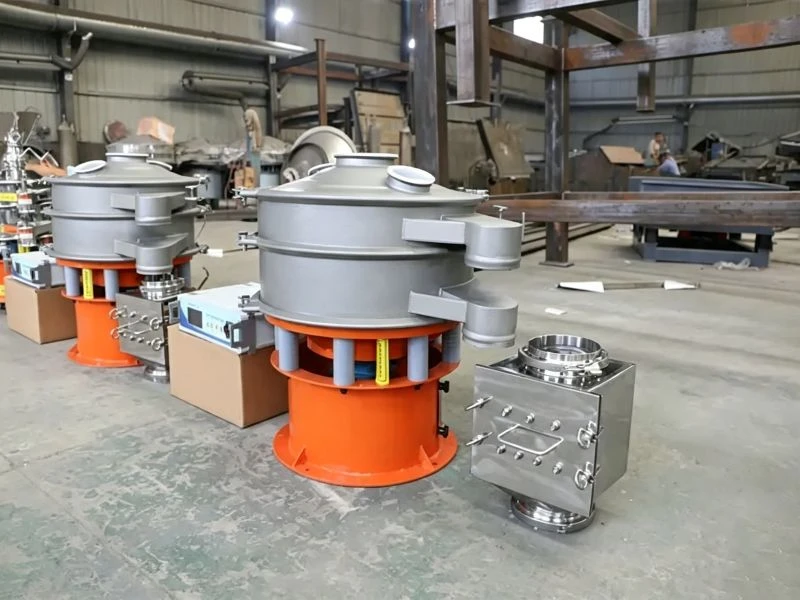
Operation and Maintenance of Teflon-Coated Ultrasonic Vibrating Screens
1. Pre-start Checks
Ensure the Teflon coating is intact and the screen mesh is securely installed.
Check the grounding protection of the ultrasonic generator’s power supply to prevent electrical leakage risks.
Clear debris from the feed hopper to prevent clogging at the discharge outlet.
2. Operating Parameter Adjustment
Upon startup, set the ultrasonic intensity to maximum and run for 2–3 minutes before starting the vibrating screen motor.
Adjust vibration frequency and amplitude based on material characteristics; for instance, highly adsorbent materials require higher frequencies.
3. Routine Maintenance
Regularly inspect the screen mesh for wear; the lifespan of a 500-mesh screen can be 3–5 times that of a standard screen.
Avoid using hard tools to scrape the Teflon coating during cleaning to prevent the coating from peeling off.
During continuous operation, check the transducer temperature every 8 hours to ensure stable equipment performance.
결론
PTFE coated ultrasonic vibrating screens provide an effective solution for the strict screening requirements of lithium battery materials. By combining PTFE non-stick coating with ultrasonic vibration technology, the equipment helps prevent metal contamination, reduce powder adhesion, and maintain stable screening performance for fine powders such as graphite, cathode materials, and precursor materials.
Looking for a reliable screening solution for lithium battery materials? Contact us to discuss your material characteristics and get a customized PTFE coated ultrasonic vibrating screen solution for your production needs.