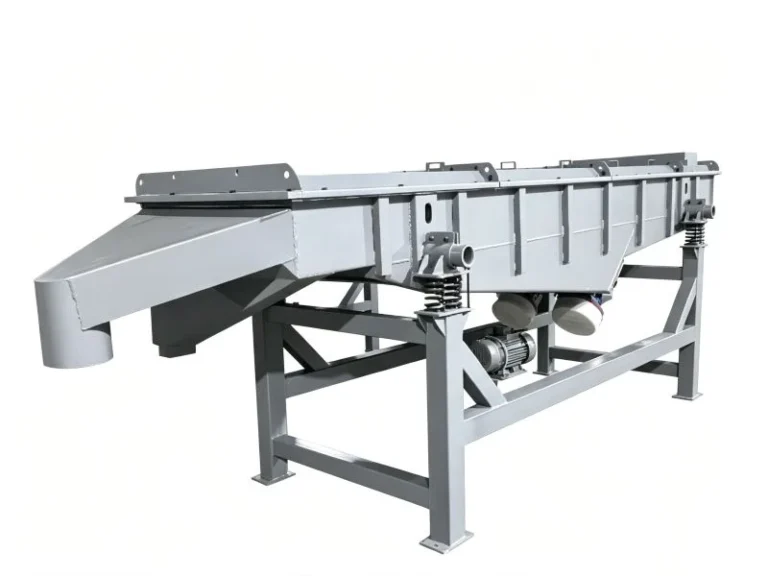
Как настроить и отрегулировать ультразвуковой вибрационный грохот для просеивания мелкого порошка
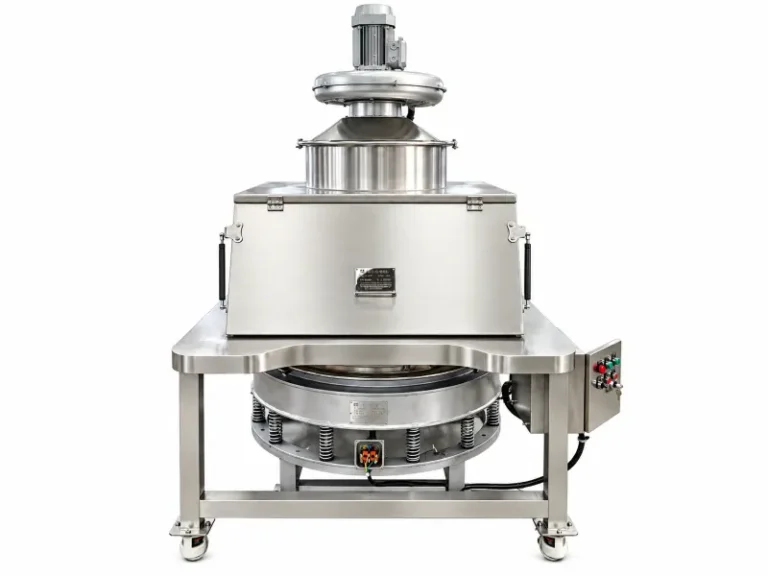
Мелкодисперсный порошок бывает трудно просеивать, когда частицы прилипают к сетке или часто забивают её отверстия. Ультразвуковое вибрационное сито создаёт высокочастотные колебания сетки, помогая мелким частицам проходить через отверстия и уменьшая скопление материала на сетке.
Однако хорошие результаты просеивания зависят не только от ультразвуковой системы. Натяжение сетки, скорость подачи, амплитуда вибрации, настройки ультразвука и движение материала также должны быть правильно отрегулированы. В этом руководстве объясняется, как установить и настроить ультразвуковое вибрационное сито для просеивания мелкодисперсных порошков, а также приведены практические советы по работе с порошками для аккумуляторов, фармацевтическими, химическими, металлическими порошками и другими мелкодисперсными материалами.
Почему правильная настройка важна для просеивания мелкодисперсных порошков
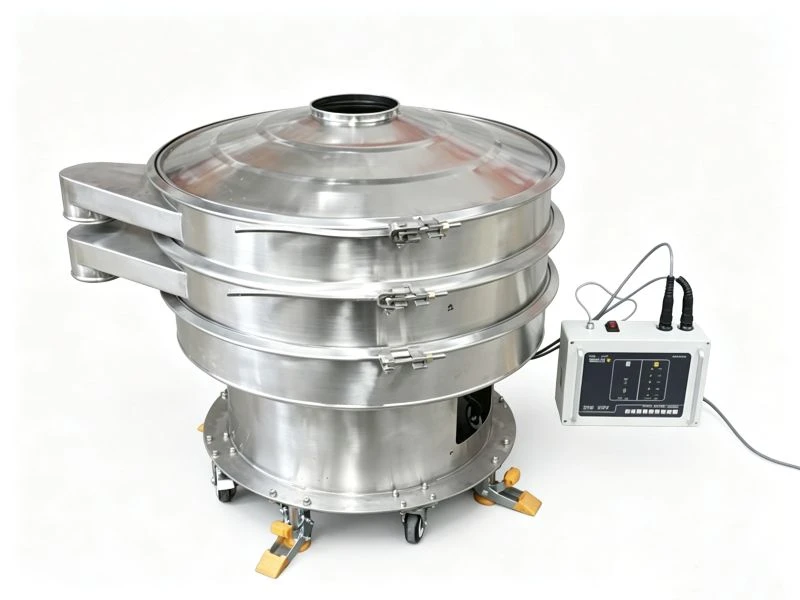
Просеивание мелкодисперсных порошков требует стабильных настроек оборудования. Мелкие частицы могут прилипать к сетке, скапливаться на её поверхности или забивать отверстия. При неправильном натяжении сетки, скорости подачи, настройках вибрации или ультразвука эффективность просеивания может снизиться.Если сетка регулярно забивается, ознакомьтесь с нашим руководством по залипание сита при просеивании тонкого порошка чтобы определить распространённые причины и подходящие способы предотвращения.
Правильная установка и настройка помогают материалу равномерно перемещаться по ситу, уменьшают засорение сетки и обеспечивают стабильную эффективность просеивания.
Почему мелкодисперсный порошок трудно просеивать
Мелкодисперсные порошки часто обладают плохой сыпучестью, могут слипаться или накапливать статический заряд. Во время просеивания эти частицы могут оставаться на сетке и забивать отверстия. Это распространённая проблема при просеивании порошков для аккумуляторов, графитового порошка, фармацевтических ингредиентов, химических и металлических порошков и других мелкодисперсных материалов.
Проблема становится заметнее при использовании сеток с мелкими ячейками или высоким числом меш. Если слой материала слишком толстый или скорость подачи слишком высока, меньше частиц соприкасается с отверстиями сетки, что может ещё больше снизить эффективность просеивания.
Как ультразвуковая вибрация помогает предотвратить засорение сетки
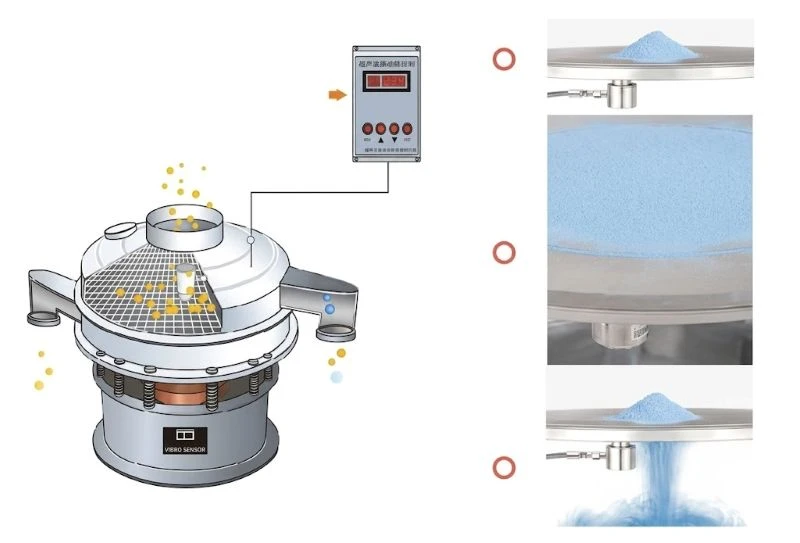
An ультразвуковое вибрационное сито сочетает обычную механическую вибрацию с высокочастотной вибрацией ситовой сетки. Основная вибрация перемещает материал по ситу, а ультразвуковая система создаёт высокочастотную вибрацию на поверхности сетки.
Эта вибрация помогает уменьшить прилипание частиц и обеспечивает прохождение мелких частиц через ячейки сетки. Она особенно полезна при просеивании мелкодисперсных порошков, когда обычное вибросито может забиваться или работать с низкой эффективностью.
Ультразвуковая система не заменяет основную вибрационную систему. Обе системы должны работать совместно при правильно подобранной сетке, скорости подачи и настройках оборудования.
Когда следует использовать ультразвуковое вибросито?
Ультразвуковое вибросито подходит для случаев, когда при обычном просеивании возникают проблемы с забиванием сетки, низкой производительностью или нестабильным просеиванием мелкодисперсных порошков.
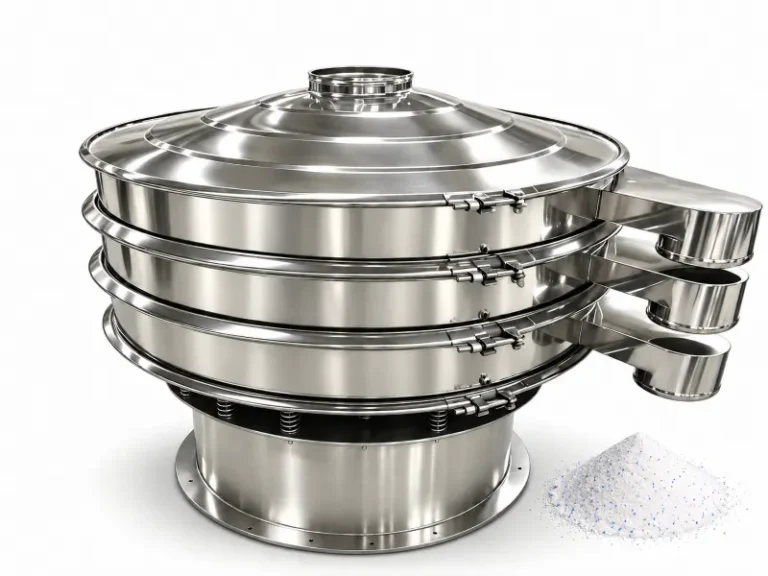
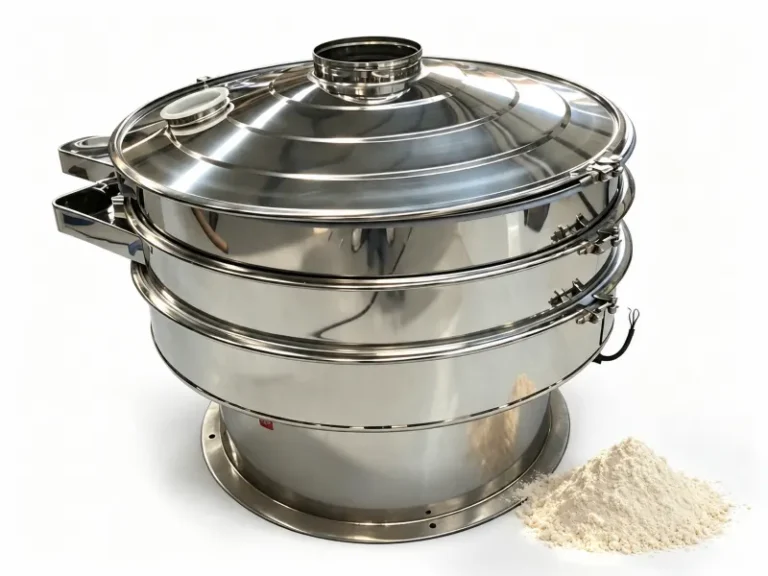
Оно широко применяется для просеивания мелкодисперсных порошков через сита с высоким числом ячеек, в том числе материалов для аккумуляторов, графитовых, фармацевтических, химических, металлических и керамических порошков, а также других материалов, которые трудно просеивать на обычном вибросите.
Как настроить ультразвуковое вибросито
Правильная настройка — первый шаг к стабильному просеиванию мелкодисперсных порошков. Перед запуском машины проверьте условия установки, ситовую сетку, ультразвуковую систему и электропитание, чтобы убедиться в правильности всех соединений.
Шаг 1: Подготовьте место установки и выполните подключения
Место установки должно соответствовать необходимым условиям эксплуатации. Для оборудования, рассматриваемого в этом руководстве, рекомендуемая температура окружающей среды составляет от 0°C до 55°C, при относительной влажности от 30% до 90% без образования конденсата.
Оставьте не менее 50 см свободного пространства вокруг машины для эксплуатации и технического обслуживания. Используйте надёжный источник питания переменного тока 220 В с надлежащим заземлением.
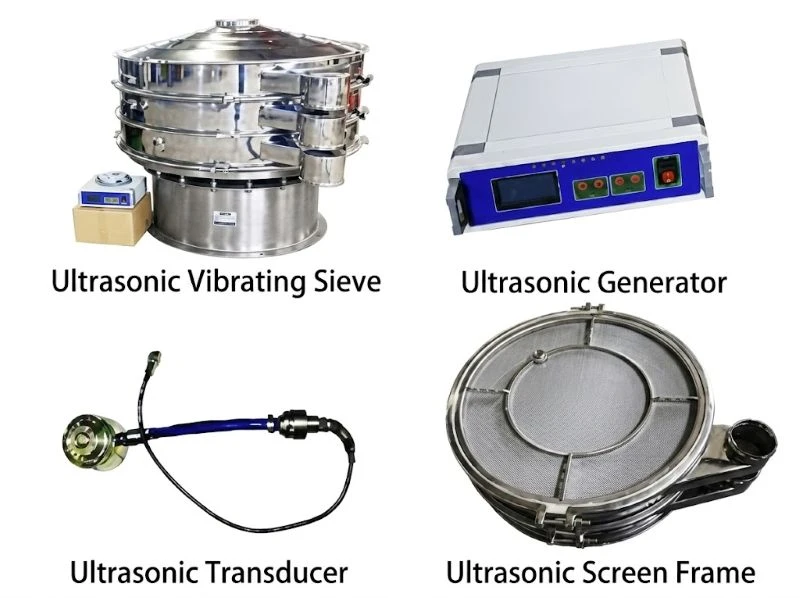
Подключите ультразвуковой генератор к разъёму ультразвуковой системы вибросита в соответствии с маркировкой кабелей. Убедитесь, что разъёмы полностью вставлены и зафиксированы. Соединение ультразвукового преобразователя с системой просеивания также должно быть надёжным.
Шаг 2: Запустите оборудование и проверьте его рабочее состояние
Перед запуском ультразвукового генератора отключите питание и установите ручку точной регулировки в низкое положение. Затем включите генератор и проверьте рабочие параметры.
Для оборудования в данной конфигурации нормальный рабочий ток должен составлять менее 200 мА. Также проверьте наличие постороннего шума, необычной вибрации, предупреждающих сигналов или других признаков неправильной работы.
Не начинайте непрерывное производство, пока машина и ультразвуковая система не будут работать нормально.
Шаг 3: Отрегулируйте вибросито и параметры ультразвуковой системы
Сначала отрегулируйте трёхмерное вибросито так, чтобы материал двигался по ситу должным образом. Затем настройте частоту и амплитуду вибрации, а также режим управления в соответствии с материалом и требованиями к просеиванию.
Запустите вибросито с небольшим количеством материала. Медленно регулируйте ультразвуковой генератор и наблюдайте, как материал проходит через сетку. Рабочий ток должен оставаться менее 200 мА во время регулировки.
Лучше вносить небольшие изменения, чем выполнять масштабную регулировку. Меняйте по одному параметру за раз и проверяйте результат просеивания, прежде чем вносить следующее изменение.
Шаг 4: Проверьте машину перед подачей материала в обычном режиме
После стабилизации процесса просеивания постепенно увеличивайте скорость подачи. Проверяйте, равномерно ли распределяется материал, проходят ли мелкие частицы через сетку и не забивается ли она.
При необходимости немного измените частоту ультразвука, амплитуду вибрации или скорость подачи. Когда машина заработает устойчиво, проведите непрерывное испытание и проверьте сетку сита, ультразвуковой преобразователь и другие основные компоненты перед началом обычного производства.
Как отрегулировать ультразвуковое вибросито
Регулировка ультразвукового вибрационного сита должна выполняться с учётом материала, ситовой сетки, скорости подачи и требуемого результата просеивания. Основные параметры включают амплитуду вибрации, частоту ультразвука, угол наклона сита, скорость подачи и время пребывания материала на сите.
Adjust the Vibration Amplitude
The vibration amplitude can be adjusted in several ways depending on the machine design.
For the ultrasonic system, changing the output power of the ultrasonic generator can change the ultrasonic vibration amplitude. Turn the power adjustment knob gradually and observe the screening result. Avoid increasing the power too quickly.
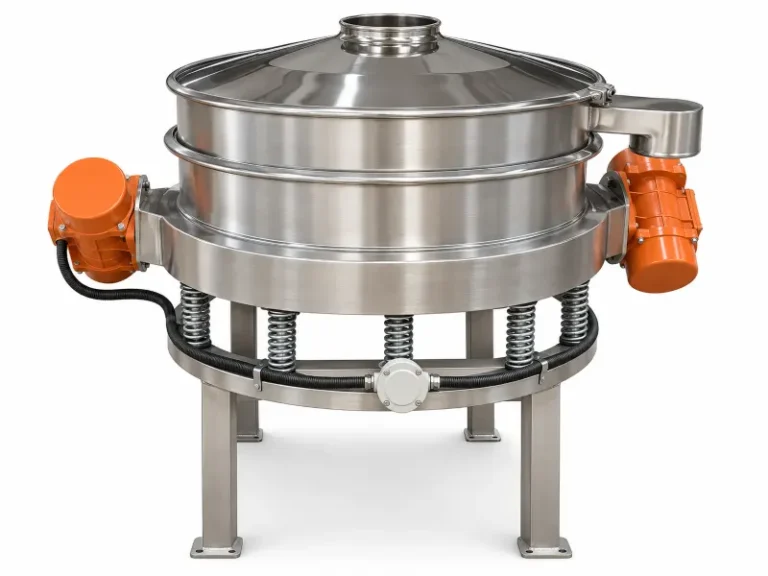
The mechanical vibration amplitude can also be adjusted by changing the counterweight of the vibration motor. The lower weight mainly affects the vertical vibration, while the upper weight mainly affects the horizontal movement of the material.
The position and weight of the counterweights affect the material movement and vibration strength. When making adjustments, mark the original position first and make small changes, such as 15° to 30° at a time, then check the machine response.
For regular operation, a counterweight angle of around 60° to 90° is generally recommended for the equipment described here. Avoid keeping the weights locked at 0° for long periods, as this may increase the load on the bearings.
Replacing the ultrasonic transducer is another way to change the vibration characteristics, but this is normally considered only when the existing transducer does not match the application.
Optimize the Vibration Frequency
The vibration frequency affects how quickly the material moves across the screen. A suitable frequency helps the powder spread evenly and gives fine particles enough opportunity to pass through the mesh.
Do not simply use the highest frequency. Start with the recommended setting for the equipment and material, then make small adjustments while checking the screening efficiency and mesh condition.
The best setting depends on the material properties, screen mesh, feed rate, and required capacity.
Adjust the Screen Angle
The screen angle affects material flow speed and screening time. A suitable angle allows the material to move steadily across the screen without leaving the screen too quickly.
For the equipment and application described here, a screen angle of around 15° can be used as a reference. For some circular vibrating screen designs, 16° to 20° may be suitable.
If the angle is too low, material may move slowly or roll backward on the screen. If it is too high, the material may move too quickly and have less time to pass through the mesh.
The actual angle should be adjusted according to the material, screen size, particle size, and required output.
Control the Feeding Rate
Feeding rate has a direct effect on fine powder screening efficiency. If too much material enters the screen at once, the material layer becomes too thick and fewer particles can reach the mesh openings.
Use a steady and even feeding rate instead of feeding a large amount of material at once. This helps prevent material buildup and reduces the risk of mesh clogging.
Improve Material Distribution
The material should be spread as evenly as possible across the screen surface. A distributor or guide plate can be used when needed to prevent material from collecting in one area.
Uneven feeding means that part of the screen may be overloaded while another part is not fully used. Better material distribution helps make full use of the available screening area.
Increase Screening Time When Needed
Some difficult-to-screen materials need more time on the screen to reach the required separation accuracy. If the material moves too quickly, some fine particles may leave the screen before passing through the mesh.
For certain applications, a gate can be installed near the discharge outlet to increase the material residence time. This should be done carefully because excessive residence time can reduce production capacity.
Common Ultrasonic Vibrating Screen Problems and Solutions
An ultrasonic vibrating screen usually relies on three key systems for fine powder screening: the vibration motor, ultrasonic screening system, and screen mesh. When screening efficiency decreases, these parts should be checked first.
Vibration Motor Problems
The vibration motor provides the main driving force for the screen. If the motor’s excitation force changes because of wear, loose parts, or other operating problems, the material movement can become unstable and affect screening efficiency.
Regular inspection and maintenance of the vibration motor can help keep the machine running properly. Check for abnormal noise, excessive vibration, loose fasteners, and other signs of motor problems.
Ultrasonic Transducer Problems
The ultrasonic transducer is a key part of the ultrasonic screening system. It converts electrical energy from the generator into high-frequency vibration that is transferred to the screen mesh.
Common problems include moisture, damaged ceramic components, overheating, or bonding failure.
If moisture is suspected, the transducer can be checked with a megohmmeter. For the equipment described here, the insulation resistance should normally be above 5 MΩ. If the value is too low, the transducer may need to be dried in a suitable oven or with controlled warm air until the insulation resistance returns to the required range.
If the ceramic component is cracked or the transducer is damaged, the faulty unit should be replaced or repaired by qualified personnel. A damaged transducer should not be forced to operate.
If the transducer bonding has failed after long-term use, it may be possible to re-bond it depending on the transducer design and manufacturer requirements.
Screen Mesh Problems
The screen mesh is another common cause of low screening efficiency. Loose tension, incorrect installation, excessive material loading, unsuitable mesh specifications, or damaged mesh can all affect screening accuracy.
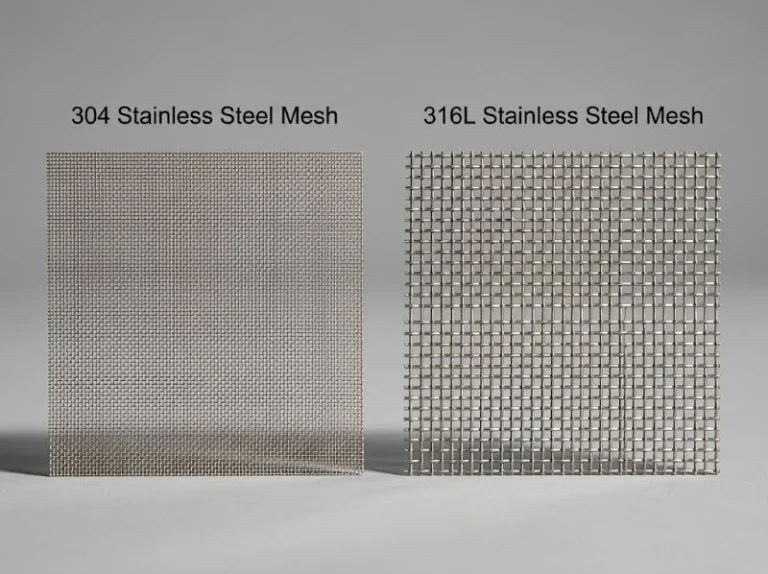
Fine powder applications often use fine or high-mesh screens, so mesh quality and installation are especially important. Select the correct mesh opening and material for the application, check the mesh tension regularly, and replace damaged or worn mesh in time.

How to Maintain an Ultrasonic Vibrating Screen
Regular maintenance helps keep the ultrasonic vibrating screen stable and extends the service life of key components.
Check and Lubricate the Bearings
The bearings carry the operating load of the vibrating screen and vibration motor. Proper lubrication is important for bearing life and machine performance. Check the bearing condition regularly and use the correct lubricant according to the equipment manufacturer’s requirements.
Check for Abnormal Noise and Vibration
During operation, pay attention to unusual noise, excessive vibration, or changes in material movement. These may indicate problems with the vibration motor, bearings, screen frame, or other components.
Inspect Wear Parts Regularly
Check the screen mesh, sealing parts, fasteners, transducer, and other wear parts during regular maintenance. Replace damaged or worn components before they affect screening performance.
Keep the Ultrasonic Transducer Clean
Check the surface of the ultrasonic transducer and remove any powder or material buildup. A clean transducer helps maintain stable vibration transfer.
Do not apply excessive pressure to the transducer and keep it away from water and unnecessary impact.
Access depends on where the transducer is mounted. Check the cleaning and maintenance differences between internal and external designs when planning the dismantling steps for your machine.
Keep the Ultrasonic Generator Well Ventilated
Place the ultrasonic generator in a clean and well-ventilated area. Good airflow helps remove heat during operation and can extend the service life of the generator.
Заключение
A good ultrasonic vibrating screen setup starts with the correct screen mesh and proper installation. During operation, the vibration amplitude, ultrasonic frequency, feeding rate, screen angle, and material residence time should be adjusted according to the actual screening condition.
For fine powder applications such as battery powder, pharmaceutical powder, графитовый порошок,and алюминиевого порошка, do not rely on ultrasonic vibration alone. Keep the mesh properly tensioned, feed the material evenly, check the vibration system regularly, and keep the ultrasonic transducer and generator in good condition.
With the right setup and regular maintenance, an ultrasonic vibrating screen can reduce mesh clogging, improve fine powder screening efficiency, and provide more stable screening performance.