Как выбрать взрывозащищённый вакуумный конвейер: полное руководство по покупке
Обращение с горючими порошками требует большей осторожности, чем обычное перемещение материалов. На химических предприятиях, заводах по производству литиевых аккумуляторов и в фармацевтическом производстве скопление пыли и статическое электричество могут создавать серьёзные угрозы безопасности.
При работе с такими материалами, как алюминиевый порошок, технический углерод, некоторые материалы для литиевых аккумуляторов и химические пигменты, может образовываться горючая пыль. Если такая пыль вступит в контакт с источником воспламенения, может произойти взрыв.
An Взрывозащищённый вакуумный конвейер помогает снизить эти риски, перемещая порошок по закрытым трубам под действием разрежения. Это ограничивает выброс пыли, сокращает объём ручных операций и обеспечивает защиту при работе с опасными материалами.
Однако не каждая машина с маркировкой “взрывозащищённая” подойдёт для вашего цеха. Конструкция оборудования, его компоненты и уровни защиты могут существенно различаться.
Перед покупкой проверьте, понимает ли Производитель вакуумных конвейеров особенности вашего материала и условий работы. Подходящее оборудование должно соответствовать свойствам вашего порошка, требованиям к опасной зоне и производственной мощности, а не просто иметь самую высокую цену или наибольшее количество защитных функций.
Что такое взрывозащищённый вакуумный конвейер?
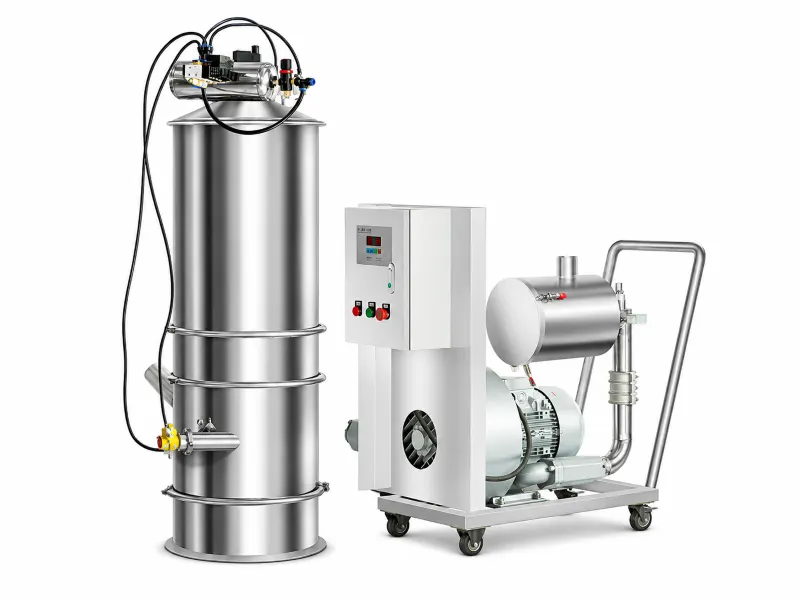
Взрывозащищённый вакуумный конвейер — это закрытая система транспортировки порошков, предназначенная для применения в условиях, где могут присутствовать горючая пыль или взрывоопасная атмосфера.
Для создания разрежения в ней используется вакуумный насос или сжатый воздух. Порошок перемещается по закрытому трубопроводу в приёмный бункер, а затем выгружается для следующего этапа процесса.
Это уменьшает выброс пыли в цех и сокращает объём ручного перемещения порошка. Подробнее об основном принципе работы можно узнать на нашей система вакуумного конвейерного питателя page.
Однако, закрытая система не обязательно является взрывозащищённой.
При движении порошка по трубам трение может вызывать образование статического электричества. Если заряды накапливаются и разряжаются, они могут воспламенить горючую пыль.
Стандартные вакуумные питатели могут не иметь двигателей, шлангов, фильтров или электрических компонентов, подходящих для опасных зон. Взрывозащищённой системе необходимы надлежащая электрическая защита, заземление, герметизация и другие меры безопасности.
При выборе необходимо учитывать всю систему транспортировки, а не только двигатель.
Проверьте свойства материала и требования к взрывозащите
Перед выбором взрывозащищённого вакуумного конвейера необходимо чётко ответить на два вопроса: Какой материал вы транспортируете и где будет работать оборудование?
Определите риск взрыва вашего порошка
К распространённым материалам, которым может потребоваться специальная защита, относятся:
- Материалы для литиевых аккумуляторов: Некоторые виды сырья для аккумуляторов и горючие металлические порошки.
- Химические порошки: Технический углерод, некоторые пигменты, красители и органические химические вещества.
- Металлические порошки: Алюминиевый порошок и другие горючие металлические порошки.
- Пищевые и фармацевтические порошки: Некоторые виды крахмала, сахарная пудра и органические ингредиенты.
Даже один и тот же материал может обладать разными взрывоопасными свойствами в зависимости от размера частиц, влажности и состава.
Предоставьте поставщику паспорт безопасности вещества (SDS) и имеющиеся данные испытаний на взрывоопасность пыли. К важным показателям относятся минимальная взрывоопасная концентрация, минимальная энергия зажигания и интенсивность взрыва пыли.
Другие свойства также имеют значение. Для липких или влажных порошков могут потребоваться другие конструкции фильтров и труб, а для абразивных материалов — более износостойкие компоненты.
Подберите оборудование с учетом класса взрывоопасной зоны
Классификация взрывоопасной зоны вашего цеха определяет, какие меры взрывозащиты необходимы.
Проверьте маркировку взрывозащиты оборудования, его сертификацию и предусмотренные условия эксплуатации. Если для вашего проекта требуется оборудование, соответствующее ATEX, соответствующие компоненты и конструкция системы должны отвечать применимым требованиям.
Помните, что горючая пыль также может образовывать взрывоопасную среду внутри транспортных труб или приемного бункера.
Выбор самого высокого уровня защиты не всегда необходим. Правильное решение зависит от материала, зоны установки и оценки рисков. Ни в коем случае нельзя отказываться от необходимых средств безопасности только ради снижения цены.
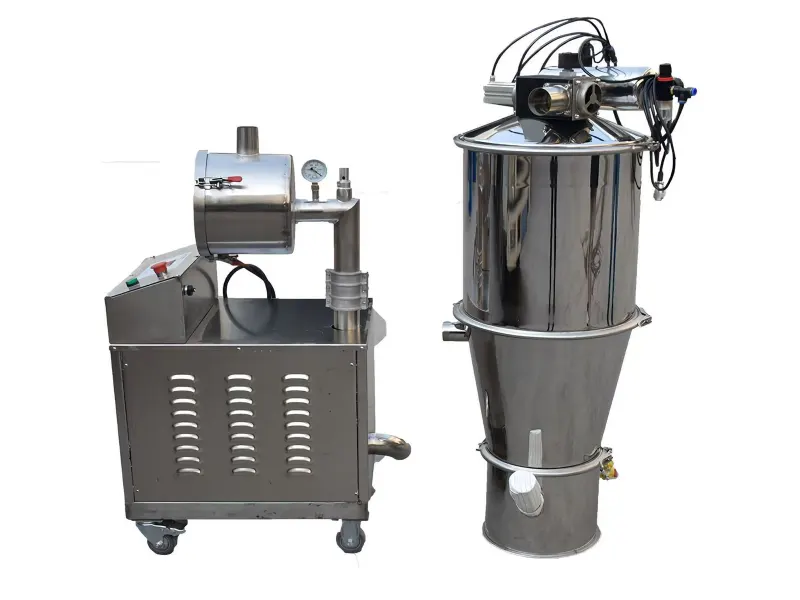
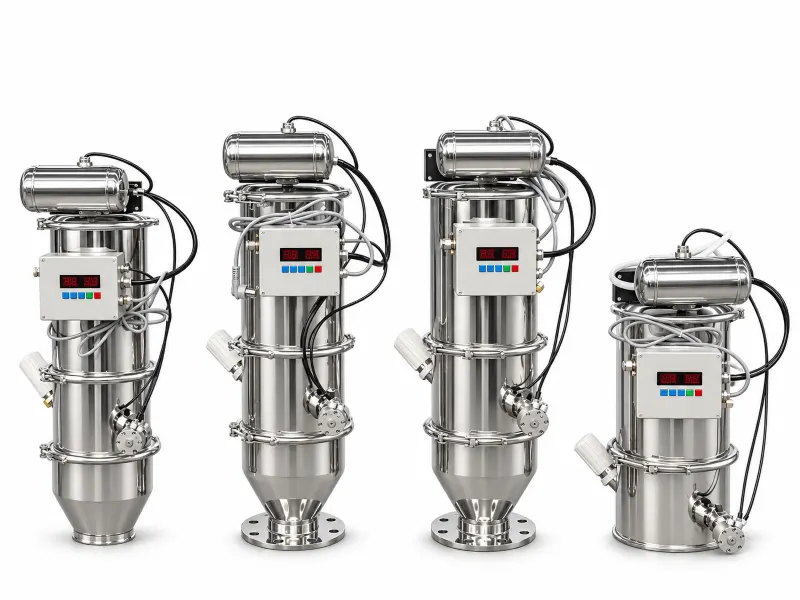
Пневматические и электрические взрывозащищенные вакуумные конвейеры
Два распространенных варианта — пневматические вакуумные конвейеры и электрические системы со взрывозащищенными двигателями.
Оба варианта можно использовать при подходящих условиях, но источники энергии и требования к их эксплуатации различаются.
Пневматический вакуумный конвейер
Пневматический вакуумный конвейер использует сжатый воздух и вакуумный генератор для создания всасывания.
Вакуумный генератор не имеет электрического приводного двигателя, что исключает этот двигатель как возможный электрический источник воспламенения. Это может быть полезно в цехах со строгими ограничениями на использование электрооборудования или на предприятиях, где уже имеется стабильная подача сжатого воздуха.
Наше pneumatic vacuum feeding conveyor На странице объясняется, как работает этот тип оборудования.
Однако пневматическое оборудование не полностью защищено от риска взрыва. Статическое электричество, скопление пыли, механическое трение и другие возможные источники воспламенения по-прежнему требуют внимания.
Расход сжатого воздуха также влияет на эксплуатационные расходы. Убедитесь, что ваш компрессор может обеспечить достаточное давление и расход воздуха для требуемой производительности транспортировки.
Электрический взрывозащищенный вакуумный конвейер
Электрическая система использует вакуумный насос с приводом от двигателя для создания разрежения.
Ее можно настроить для разных расстояний транспортировки, производительности и продолжительности работы. Для более длинных маршрутов транспортировки или частой эксплуатации стоит рассмотреть электрическую систему.
Двигатель — не единственный компонент, которому необходима защита. Вакуумные насосы, панели управления, датчики и другие электрические компоненты, установленные во взрывоопасных зонах, также должны соответствовать применимым требованиям.
Which Type Should You Choose?
| Позиция | Pneumatic Type | Electric Type |
|---|---|---|
| Power source | Compressed air | Electric vacuum pump |
| Main feature | No drive motor in the vacuum generator | Motor-driven vacuum generation |
| Site requirements | Stable compressed air supply | Suitable electrical supply |
| Вместимость | Depends on air supply and vacuum generator | Depends on pump and system design |
| Main considerations | Air consumption, pressure, safety | Electrical protection, capacity, energy use |
Neither option is always better.
A Производитель вакуумных конвейеров should consider your material, hazardous area, conveying distance, and available utilities before recommending a system.
Key Features to Check Before Buying
The performance and safety of an explosion-proof vacuum conveyor depend on more than its vacuum source. Pay attention to the following components.
Explosion-Proof Electrical Components
For an electric system, check the motor, vacuum pump, control panel, and sensors.
Ask the supplier whether these components are suitable for your hazardous area and whether the required certificates and technical documents are available.
A certified explosion-proof motor does not automatically make the entire conveyor suitable for hazardous environments.
Equipment Materials and Sealing
Material-contact parts are commonly made from 304 or 316L stainless steel.
304 stainless steel works for many general powder applications. For more corrosive materials or stricter cleanliness requirements, 316L may be a better option.
Sealing is equally important. Poorly sealed joints, discharge valves, and pipe connections may allow dust to escape.
For food, pharmaceutical, or multi-product production lines, choose equipment that is easy to open and clean to reduce material residue and cross-contamination.
Anti-Static Pipes and Hoses
Powder moving through pipelines can generate static electricity.
Use suitable conductive or anti-static pipes and flexible hoses based on the material. Metal hoppers, pipelines, and other conductive components should be properly bonded and grounded.
Pipe layout also matters. Too many bends or sudden diameter changes can increase conveying resistance, wear, and powder buildup.
Filters and Pulse-Jet Cleaning
Filters separate powder from the conveying air and help prevent material from entering the vacuum source.
For combustible powders, suitable anti-static or conductive filters may be required.
As powder builds up on the filter surface, suction can decrease and conveying cycles may become longer.
Many systems use pulse-jet filter cleaning to remove collected powder and maintain airflow. The cleaning method and gas supply must also be suitable for the material being handled.
Conveying Performance and Production Line Integration
Even a well-protected explosion-proof vacuum conveyor must deliver the required capacity without frequent blockages.
Material Properties and Conveying Capacity
Particle size, bulk density, moisture, stickiness, and flowability all affect conveying performance.
Dry, free-flowing powders are often easier to handle. Moist or sticky materials may need different suction settings, pipelines, or discharge designs.
The same conveyor can achieve different capacities when handling different powders.
For difficult materials, a conveying test before purchase can help confirm performance.
Conveying Distance and Lifting Height
When requesting a quotation, provide the horizontal conveying distance, vertical lifting height, number of bends, and required capacity in kg/h or t/h.
Longer routes and higher lifts increase resistance, so the vacuum source and pipe diameter must match the actual layout.
For batch conveying systems, remember that suction and discharge take place in separate parts of the cycle. Both affect the average hourly capacity.
Connecting with Other Equipment
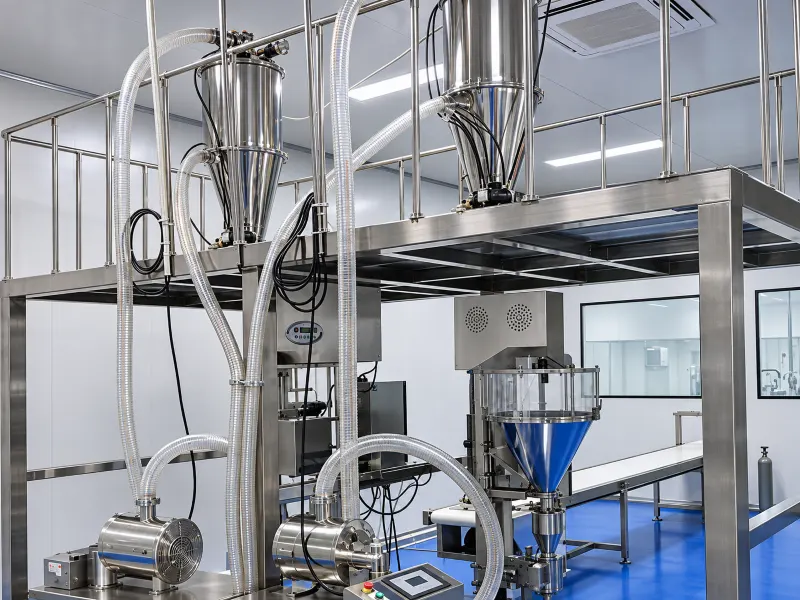
Vacuum conveyors often work with bag dump stations, bulk bag unloaders, vibrating screens, storage hoppers, and mixers.
For example, a беспылевую станцию загрузки мешков can feed powder into a closed conveying line, reducing manual handling and dust around the loading area.
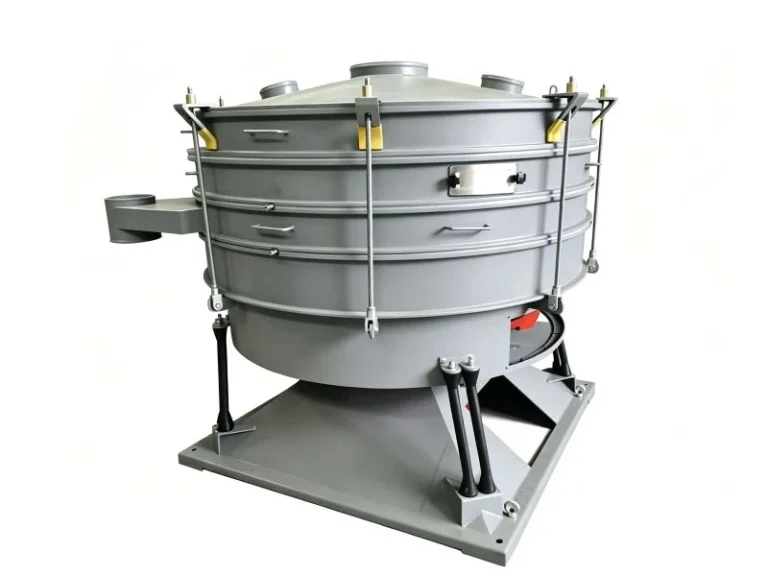
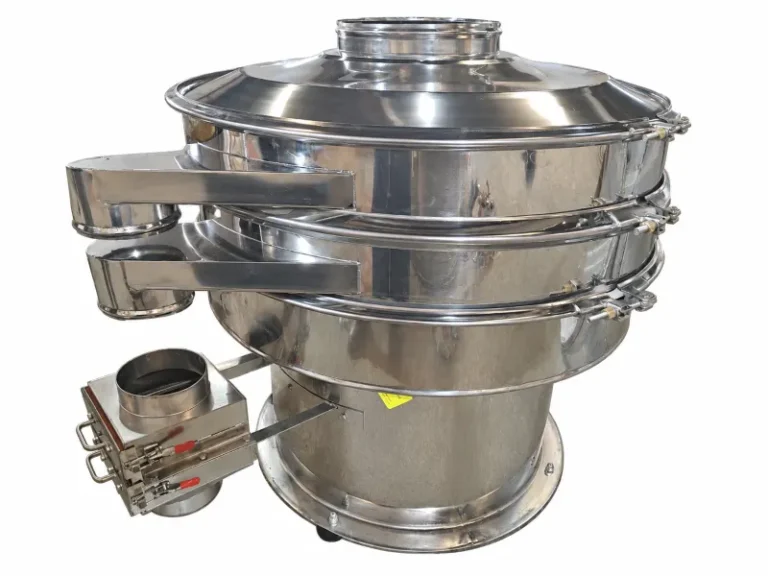
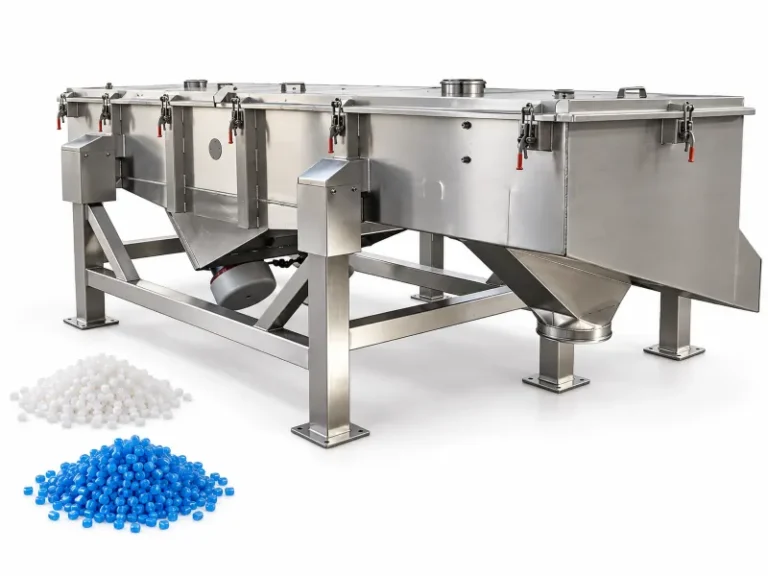
If your process also requires screening, see our guide to connecting a vacuum conveyor and vibro sifter.
The entire production line needs to be assessed for dust hazards, not just the conveyor.
A Производитель вакуумных конвейеров with system design experience can help plan the pipe route, equipment connections, and maintenance space while reducing areas where powder may collect.
How to Choose a Vacuum Conveyor Manufacturer
Explosion-proof equipment often costs more than standard powder feeders. But two machines that look similar may have very different safety components and performance.
Check Certifications
Some equipment sold as explosion-proof may only be a standard conveyor with a few modified parts.
Ask the Производитель вакуумных конвейеров for the relevant certificates, technical drawings, and component list.
Check the equipment model, explosion protection marking, certification scope, and applicable conditions. Where possible, verify the documents through the issuing organization’s official records.
For projects that require safety inspection or approval, confirm the necessary documents before placing an order.
Compare Equipment Configurations
Do not compare quotations based on price alone.
Check the motor, electrical controls, stainless steel grade, filters, sealing parts, and safety features.
Once the equipment meets your safety and production requirements, compare its purchase price, energy consumption, maintenance needs, and spare parts costs.
Check After-Sales Support
Filters may become blocked, seals can wear out, and pipes may eventually need replacement.
Before buying, ask about installation guidance, commissioning, warranty, spare parts, and technical support.
Components that affect explosion protection should not be replaced with ordinary parts without a proper technical assessment.
Information Needed for Equipment Selection
To receive an accurate recommendation, provide the Производитель вакуумных конвейеров with the following information:
| Информация | What to Provide |
|---|---|
| Материал | Name, particle size, bulk density, moisture, flowability, and explosion properties |
| Hazardous area | Area classification, applicable standards, and available test data |
| Conveying route | Horizontal distance, vertical lift, and number of bends |
| Вместимость | Required kg/h or t/h and operating cycle |
| Site conditions | Electrical supply, compressed air, and installation space |
| Equipment connections | Feeding point and receiving equipment |
| Special requirements | Material grade, cleaning, automation, and custom features |
These details help the engineering team choose the right vacuum source, filters, pipelines, and protection measures.
For complex factory layouts, a site review may also help before the final design is confirmed.
Заключение
Choosing the right Взрывозащищённый вакуумный конвейер starts with understanding your powder, hazardous area, and conveying requirements. The equipment should be safe, reliable, and easy to maintain.
Looking for a reliable Производитель вакуумных конвейеров? Свяжитесь с Yuanjing Machinery and share your material, conveying distance, required capacity, and explosion-proof requirements.
Our team can help you choose a suitable powder conveying solution for your production line.
FAQ
Q1: Is a Pneumatic Vacuum Conveyor Safer Than an Electric Model?
Not always. A pneumatic vacuum generator has no electric drive motor, but static electricity, mechanical friction, and dust buildup can still create risks.
An electric system can also be suitable when correctly designed and protected. Safety depends on the complete system, not just the power source.
Q2: Can I Convert a Standard Vacuum Conveyor into an Explosion-Proof Model?
Replacing the motor alone is not enough.
Electrical components, filters, hoses, static control, and other parts may also need changes. A qualified specialist should assess the equipment and confirm the required protection before it is used in a hazardous area.
Q3: Can a Closed Vacuum Conveyor Prevent All Dust Leakage?
Closed vacuum conveying greatly reduces dust release, but zero leakage cannot be guaranteed under every condition.
Sealing, filter performance, feeding methods, and maintenance all affect dust control. For cleaner operation, the system can be combined with a dust-free feeding station and suitable dust collection equipment.
Q4: Does an Explosion-Proof Certificate Guarantee That the Machine Will Pass a Safety Inspection?
No. A certificate covers only the equipment or components within its stated scope.
The complete installation must also meet the relevant requirements for hazardous area classification, electrical protection, grounding, and other safety measures.
Q5: Can an Explosion-Proof Vacuum Conveyor Handle Aluminum Powder, Carbon Black, or Lithium Battery Materials?
A system can be designed for certain grades of these materials, but not every model is suitable.
Aluminum powder and some battery materials can present serious dust explosion risks. The supplier should review the material properties, static control requirements, conveying distance, and capacity.
Additional safety assessments or conveying tests may be needed.
Q6: How Often Should the Filter Be Replaced?
There is no fixed replacement schedule.
Filter life depends on the powder, dust load, operating hours, and cleaning performance. If suction remains weak after cleaning, inspect the filter for blockage or damage.
Use replacement filters that meet the original filtration and anti-static requirements.