Malzemeniz için Doğru Döner Titreşimli Eleği Nasıl Seçersiniz
Selecting the wrong döner titreşimli elek can lead to more than just poor performance—it often results in low screening efficiency, frequent clogging, unnecessary downtime, and higher operational costs. Many buyers focus only on price or basic specifications, only to find the equipment doesn’t match their actual material or production needs.
In this guide, we’ll help you quickly identify the right rotary vibrating screen for your application. By understanding key factors such as material characteristics, mesh size, capacity, and industry requirements, you can make a more informed decision and avoid costly mistakes.
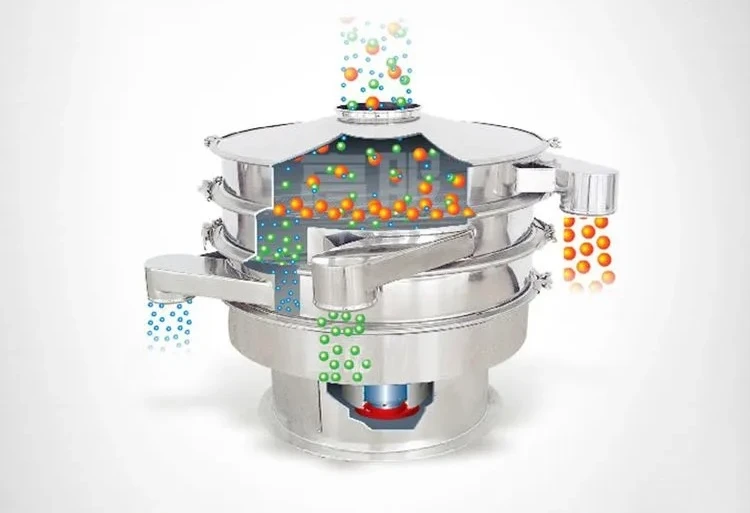
Why Choosing the Right Döner Titreşimli Elek Matters?
Selecting a suitable rotary vibrating screen is a key step in ensuring stable and efficient production. The machine must match the material characteristics and processing requirements; otherwise, performance issues and hidden costs will quickly appear during operation.
Screening Efficiency
An unmatched configuration reduces throughput and increases the risk of blinding or material buildup.
Product Quality
Improper mesh selection or unstable motion leads to inconsistent particle separation.
Equipment Lifespan
Handling materials beyond the machine’s design range accelerates wear on screens and key components.
Production Costs
Inefficiencies, maintenance, and material loss collectively raise overall operating costs.
Factors to Consider When Selecting a Döner Titreşimli Elek
1. Material Name and State
Powder/granules/slurry? Dry or moist? Is it oily, hygroscopic, or prone to caking?
2. Particle Size Range and Target Cut-off Point
For example, “Incoming material is below 80 mesh; we want to separate out fine powder above 100 mesh”—the cut-off point determines the mesh size and number of layers, and also determines whether you can consistently meet the specifications.
For a practical example, see how we configured rotary vibrating screens for 60 and 80 mesh abrasive screening, considering contact materials, screen arrangements, and production line connections.
3. Material Properties (The more specific, the better)
Bulk density/true density (affects capacity and stack height); viscosity, sugar/oil content, fiber content (affects screen clogging); static electricity, flammability/explosiveness, corrosiveness (affects material selection and sealing); temperature (affects the lifespan of seals and screen frames)
4. Processing Capacity
What is the required hourly processing capacity? Is continuous production required?
5. Material of Construction
SUS304, SUS316: Suitable for food and pharmaceutical applications; Carbon steel: Suitable for general industrial applications.
6. Special Requirements
Explosion Protection (ATEX), Dust Control, Sealing Performance
7. Number of Screening Layers
Single Layer: Suitable for simple separation tasks
Multiple Layers: Used for precise grading into two or more size fractions in a single operation, improving efficiency and reducing the need for additional equipment.
8. Hygiene and Compliance Requirements
The food and pharmaceutical industries typically have specific requirements regarding materials, dead corners, and cleaning methods; the chemical and mining industries, on the other hand, place greater emphasis on wear resistance, corrosion resistance, sealing, and dust prevention.
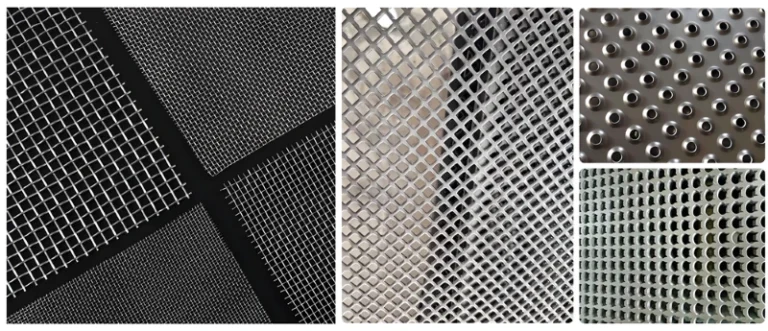
This information determines: how to select the screen mesh, how to select the material, how to select the sealing method, and whether to incorporate ultrasonic or anti-clogging solutions; it also determines whether the vibrating screen “can operate stably.”
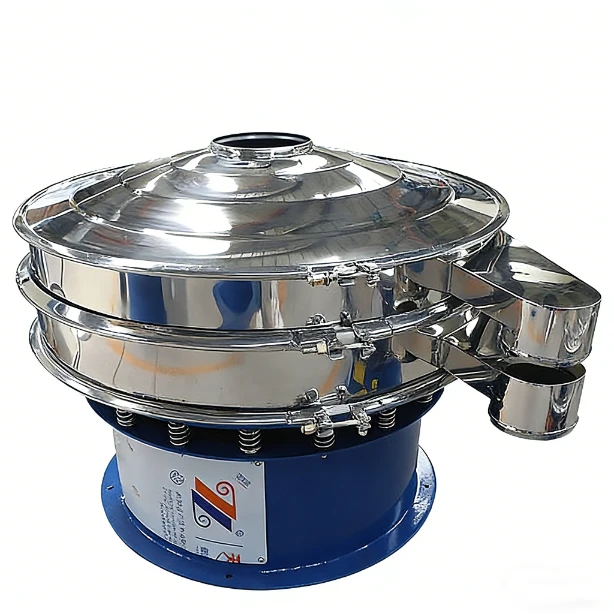 1 layer
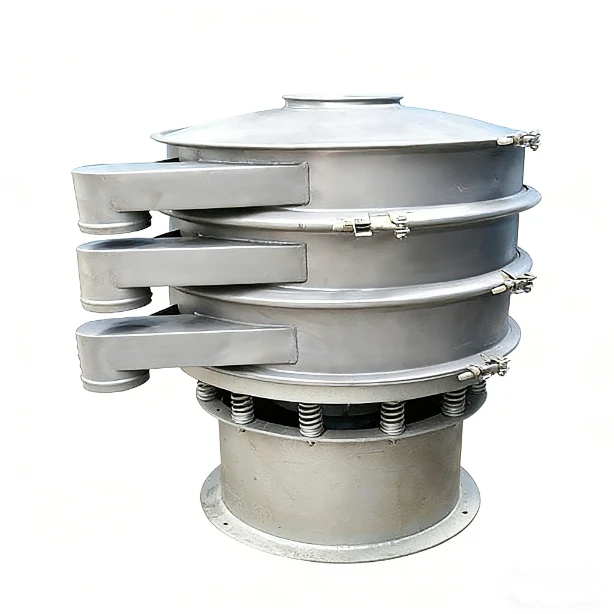 2 layers
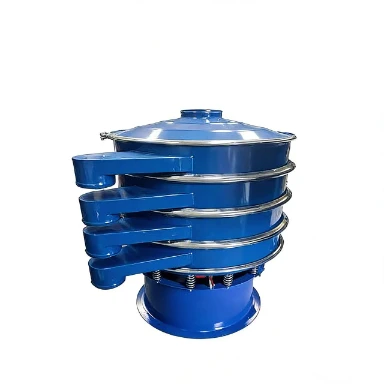 All carbon steel
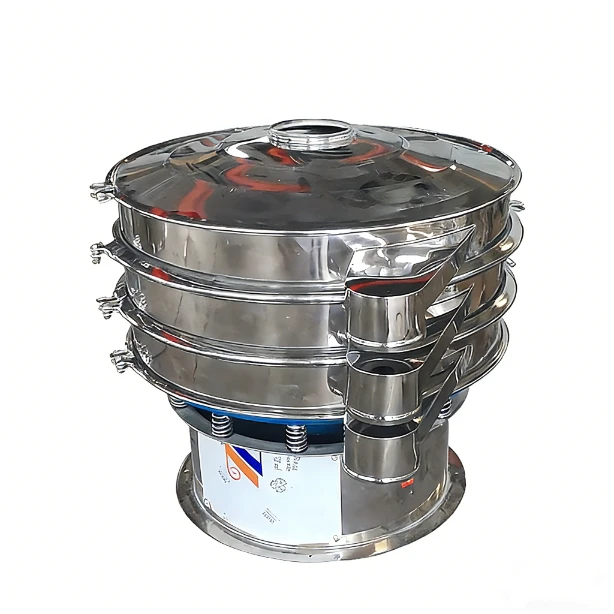 All stainless steel
Döner Titreşimli Elek Selection by Industry
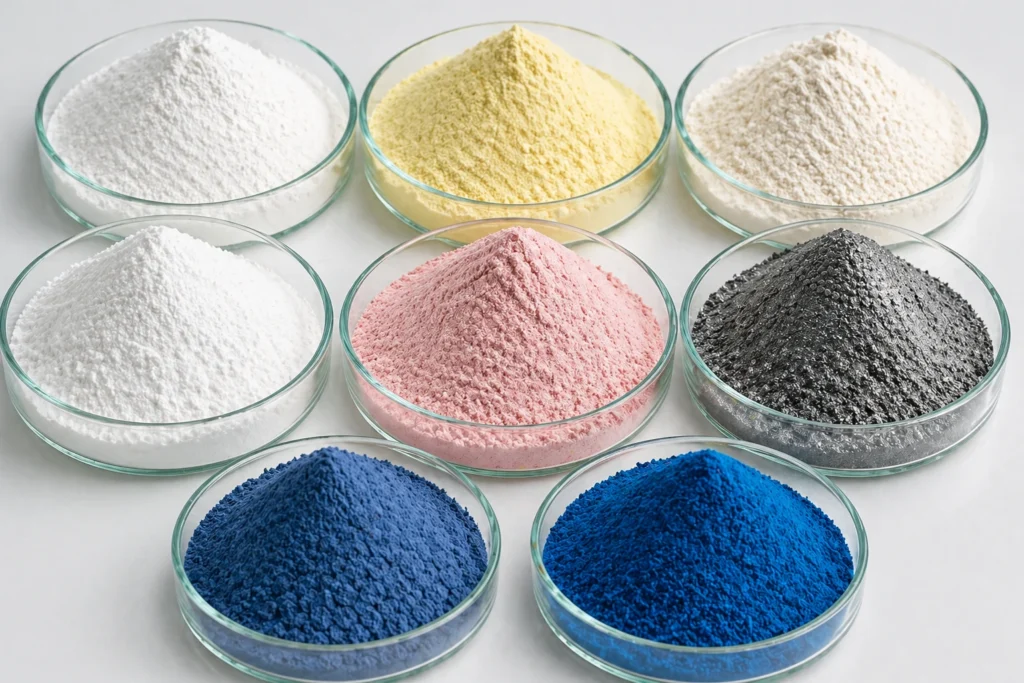
Fine Powder Classification
Multi-stage screening of fine powders, including pharmaceutical intermediates, food additives, metal powders, and pigments.
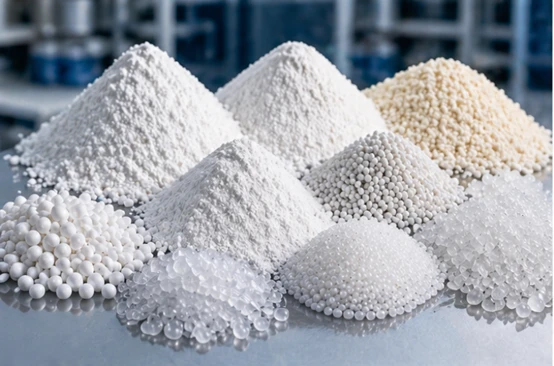
Chemical Material Processing
Removal of impurities and classification of chemical raw materials, fillers, and additives to meet anti-corrosion and leak-proof requirements.
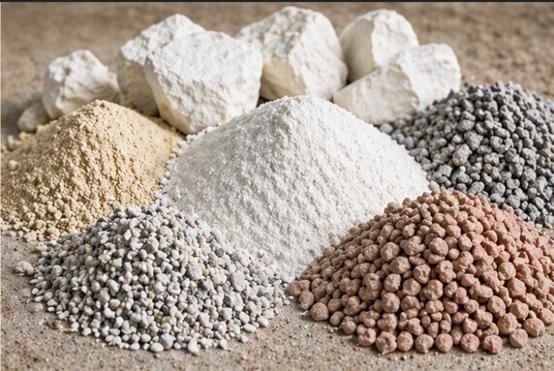
Mining and Construction Materials
Particle size classification and impurity removal for non-metallic minerals such as quartz sand, calcium carbonate, and kaolin.
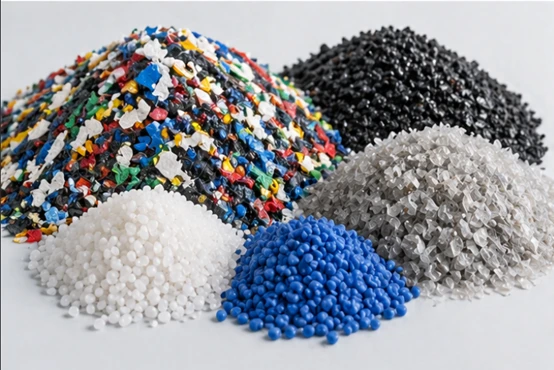
Environmental Protection and Recycling
Atık plastiklerin ve metal hurdalarının taranması ve geri dönüştürülmesi, kaynak yeniden kullanımını kolaylaştırmak için.
Döner Titreşimli Elek Seçim: Performans ve Spesifikasyon Faktörleri
Performans verileri ve teknik spesifikasyonlar, doğru modeli seçmek için sağlam bir temel sağlar.
Tarama Doğruluğu ve Verim
Döner Titreşimli Elek: veya daha yüksek tarama doğruluğu, 0,1–20 t/s verim (modele ve malzemeye bağlı olarak), 20 μm ila 10 mm arası parçacık boyutları için uygundur.
Çok Katlı Titreşimli Elekler: Aynı anda 2–6 parçacık boyutu aralığını ayırma kapasitesine sahip, özellikle çok aşamalı sınıflandırma gerektiren hassas üretim için uygundur.
Kimyasal Titreşimli Elekler: Doğruluğu sağlarken, bu elekler malzeme kirlenmesini ve toz sızıntısını önlemek için gelişmiş korozyon direnci ve sızdırmazlık özelliğine sahiptir.
Yaygın Modeller ve Malzemeler
Standart çaplar: Φ600 mm, Φ800 mm, Φ1000 mm, Φ1200 mm, Φ1500 mm; üretim kapasitesine göre seçin.
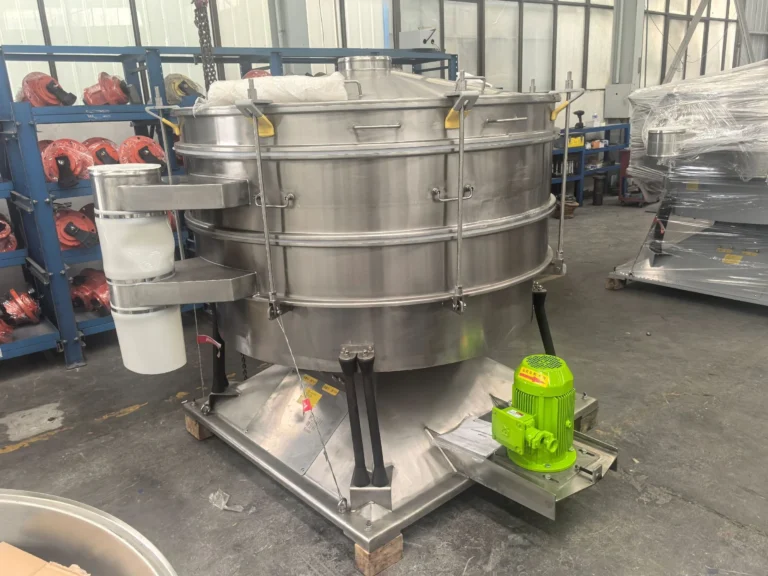
Malzemeler: Malzemeyle temas eden parçalar, gıda, ilaç ve kimya endüstrilerindeki temiz ve korozif ortamların gereksinimlerini karşılamak için 304/316L paslanmaz çelikten yapılabilir; genel uygulamalar için karbon çelik mevcuttur.
Tahrik ve Kontrol
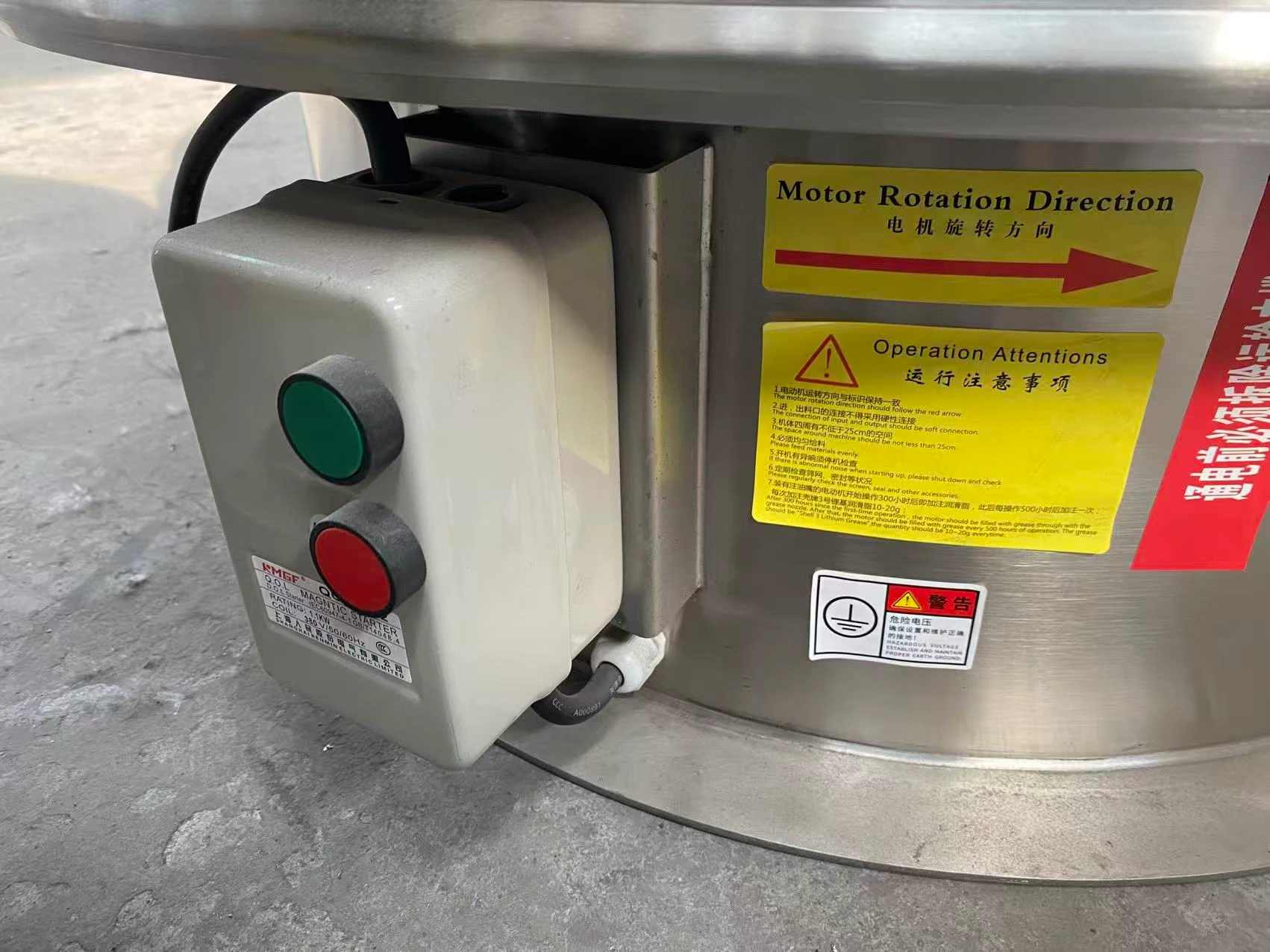
Ayarlanabilir uyarma kuvvetine sahip dikey titreşim motoruyla tahrik edilen tarama etkisi, malzeme özelliklerine göre optimize edilebilir.
Bazı modeller, farklı malzemelerin tarama gereksinimlerine uyum sağlamak için daha fazla esneklik sunan değişken frekans kontrolünü destekler.
| Ekran Çapı | İnce Toz (≤100 mesh) | Orta Toz (20–100 mesh) | Granül Malzeme (>20 mesh) | Tipik Uygulamalar |
| Φ600 mm | 0,1 – 0,5 t/s | 0,3 – 1 t/s | 0,5 – 1,5 t/s | Gıda katkı maddeleri, ilaç tozu |
| Φ800 mm | 0,3 – 1 t/s | 0,8 – 2,5 t/s | 1 – 3 t/s | Kimyasal toz, metal tozu |
| Φ1000 mm | 0,5 – 2 t/s | 1,5 – 4 t/s | 2 – 6 t/s | Fertilizer, plastic granules |
| Φ1200 mm | 1 – 3 t/s | 2,5 – 6 t/s | 3 – 8 t/s | Madencilik tozu, kuvars kumu |
| Φ1500 mm | 2 – 5 t/s | 4 – 10 t/s | 5 – 15 t/s | Büyük ölçekli endüstriyel tarama |
Yapısal Parametreler Nasıl Seçilir
Titreşimli elekle yüksek hassasiyet hedeflenirken, genellikle her bir ünite üzerindeki yükü azaltmak gerekir, böylece malzeme elek yüzeyine eşit şekilde yayılır. Hem yüksek hassasiyet hem de yüksek verim gerekiyorsa, yaygın yaklaşım basitçe genliği artırmak değil, bunun yerine: elek çapını artırmak, paralel olarak daha fazla ünite eklemek ve kararlı bir besleme hızı sağlamak için yukarı akış beslemesini (vidalı veya titreşimli besleyiciler gibi) optimize etmektir.
Elek Çapı (Yaygın olarak 400/600/800/1000 vb. olarak adlandırılır)
Daha büyük bir çap, daha büyük bir tarama alanı ve daha yüksek teorik kapasite sağlar; ancak mevcut saha alanına, kat yüksekliğine ve bakım erişim yollarına uygun olmalıdır. İnce tarama için, daha büyük çaptan elde edilen avantajlar genellikle “körü körüne genliği artırmaktan” daha fazla kararlılık sağlar.”
2.Motor/Titreşim Yöntemi ve Genlik
Daha büyük genlik mutlaka daha iyi değildir. Yüksek genlik malzeme geçişini ve taşınmasını kolaylaştırsa da, toz, gürültü ve ince elekler üzerinde etkiye yol açabilir; ince elekler “kararlı, tekdüze ve kesintisiz” bir çalışma durumu gerektirir. Hedef parçacık boyutunuz ne kadar inceyse, titreşim kararlılığına ve elek yüzeyi boyunca eşit malzeme dağılımına öncelik vermek o kadar kritiktir.
3. Malzemeler ve Temas Yüzeyleri
Gıda ve ilaç endüstrileri genellikle temas yüzeyi malzemeleri, parlatma, sızdırmazlıklar ve hızlı açılır yapılar için gereksinimlere sahiptir; kimya ve madencilik uygulamaları korozyon direnci, aşınma direnci ve sızdırmazlık güvenilirliğine öncelik vermelidir. Farklı malzemeler ayrıca elek teli malzemeleri ve çerçeve konfigürasyonları konusunda belirli tercihlere sahiptir.
Sızdırmazlık ve Toz Kontrolü
Many instances of “on-site dissatisfaction” stem not from the inability to screen, but from poor dust control, difficult cleaning, and high risks of cross-contamination. Incorporating sealing methods, interfaces, and dust extraction port locations into the selection process will save significant effort later on.
5. Screen Cleaning/Anti-Clogging Configuration
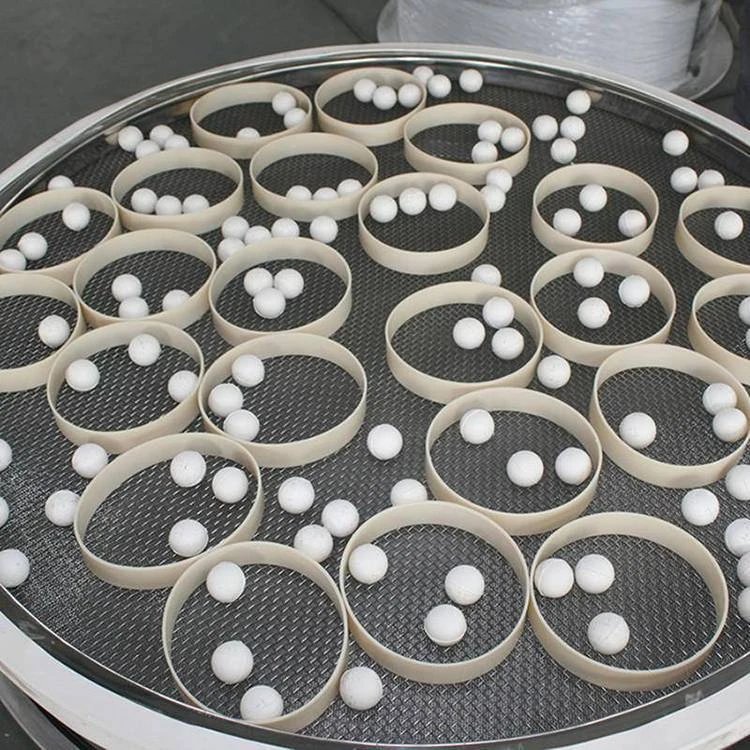
For applications involving fine powders, materials prone to agglomeration, or those with high adhesion, it is recommended to assess in advance whether ultrasonic assistance, bouncing balls, screen brushes, or other cleaning solutions are needed. Proper anti-clogging measures often significantly improve stability and reduce downtime.
When Do You Need a Custom Döner Titreşimli Elek?
Standard models cover most general screening tasks, but certain processes require adjustments to match specific materials, layouts, or operating conditions. In these cases, a custom design is often more practical than modifying a standard machine on-site.
Non-standard Dimensions
Limited installation space or existing line constraints may require a customized diameter or height.
Special Inlet/Outlet Design
Production lines with fixed layouts often need tailored inlet and discharge positions.
Difficult Materials
Materials that are sticky, ultra-fine, or prone to clogging may require specific anti-blinding or surface treatments.
High Temperature or Corrosive Conditions
Elevated temperatures or aggressive materials call for upgraded materials and sealing solutions.
Integration with Automated Systems
Automated lines may require compatibility with feeders, conveyors, or control systems.
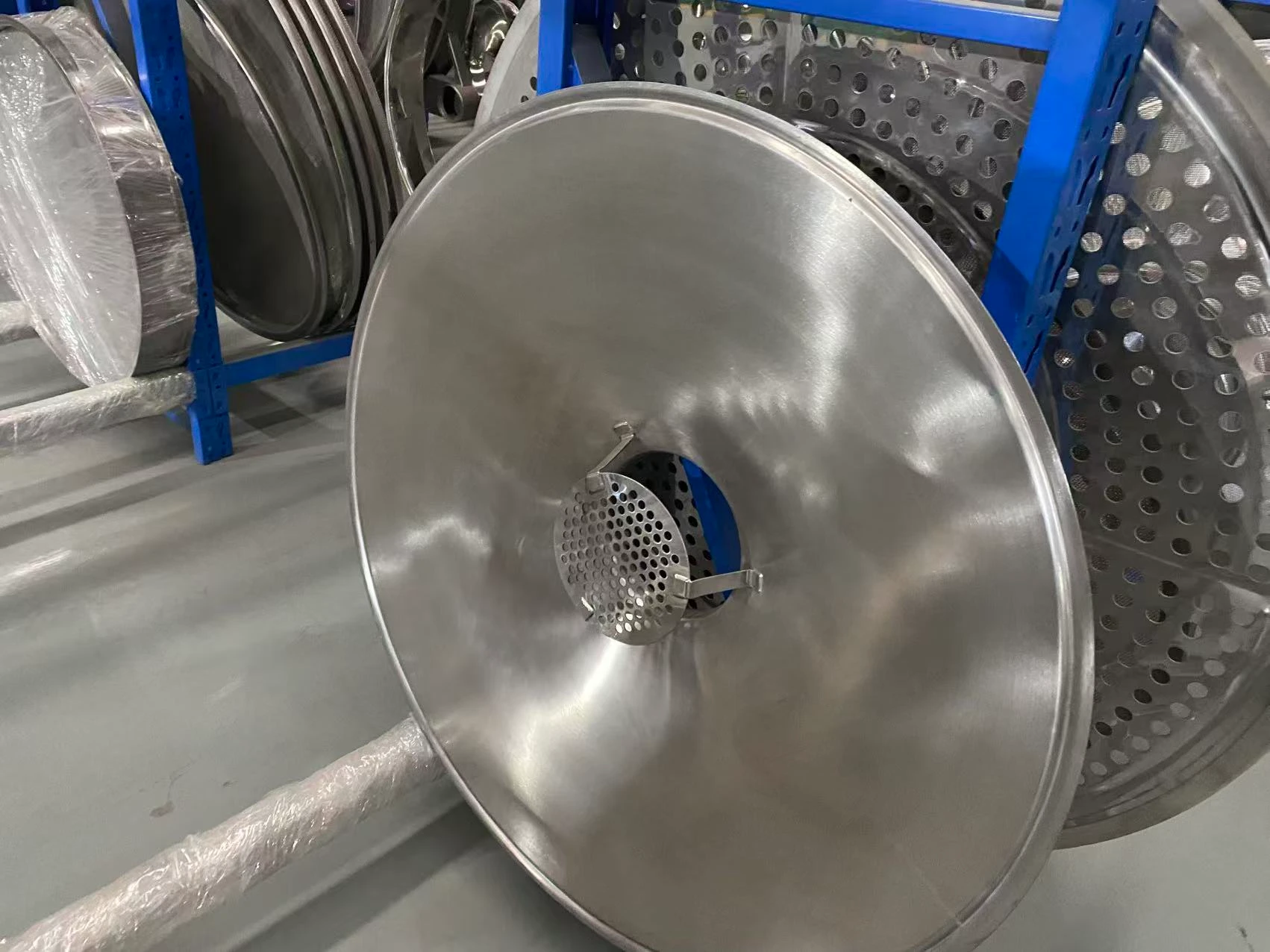
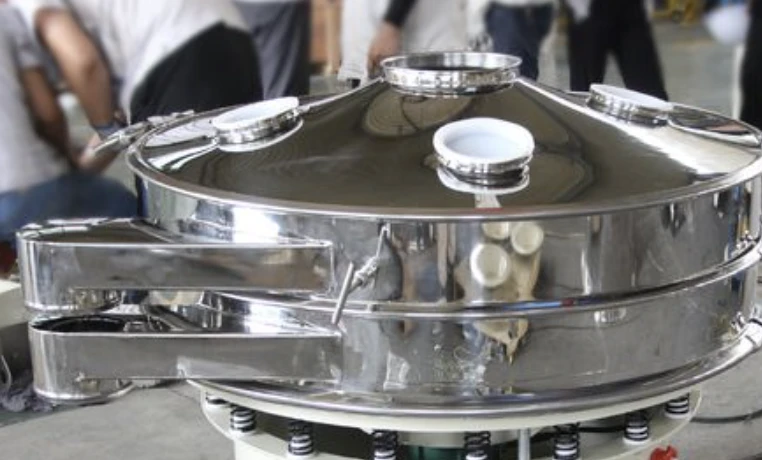
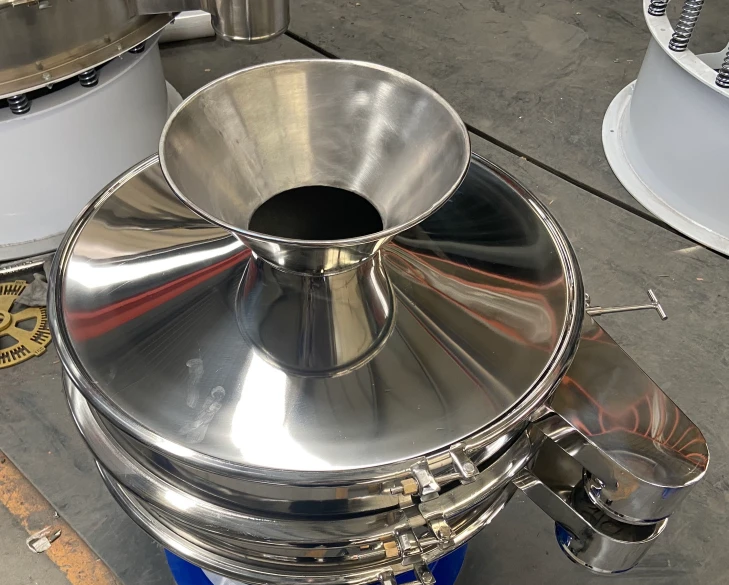
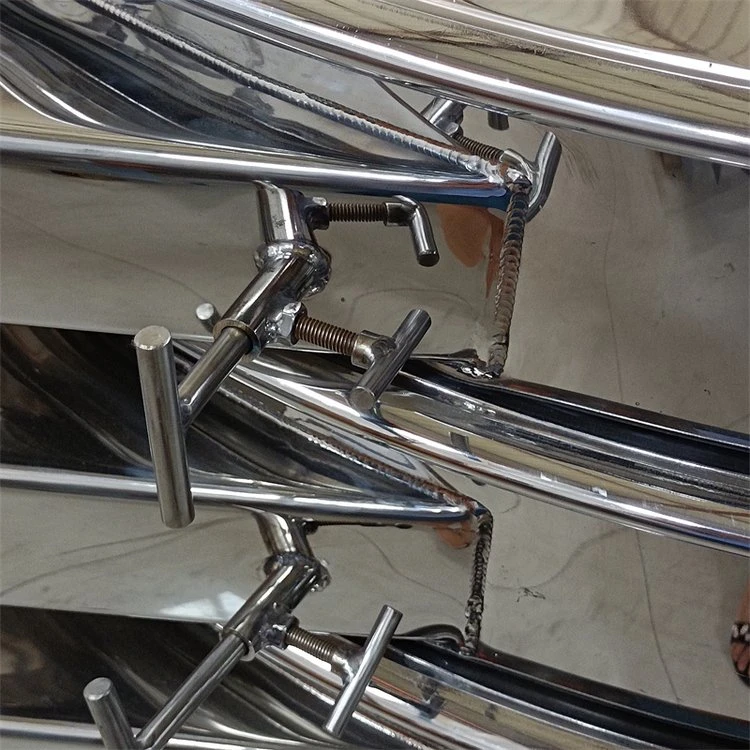
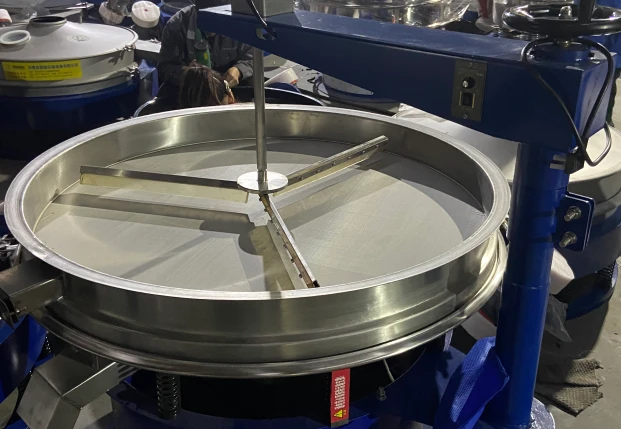
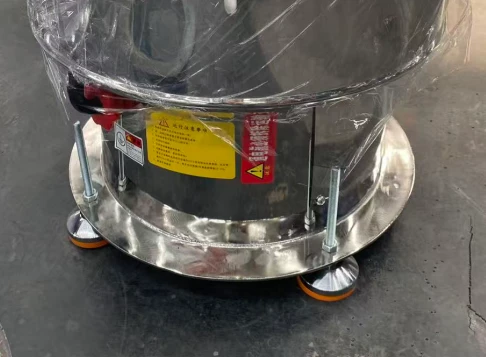
Döner Titreşimli Elek Selection Guide
The reason why rotary vibrating screens are widely used in fine screening applications is straightforward:
Controllable screening precision
By matching mesh size, amplitude, frequency, and material conditions, the screen can reliably ensure that “what should pass through does, and what should be retained stays.”
Flexible processing options
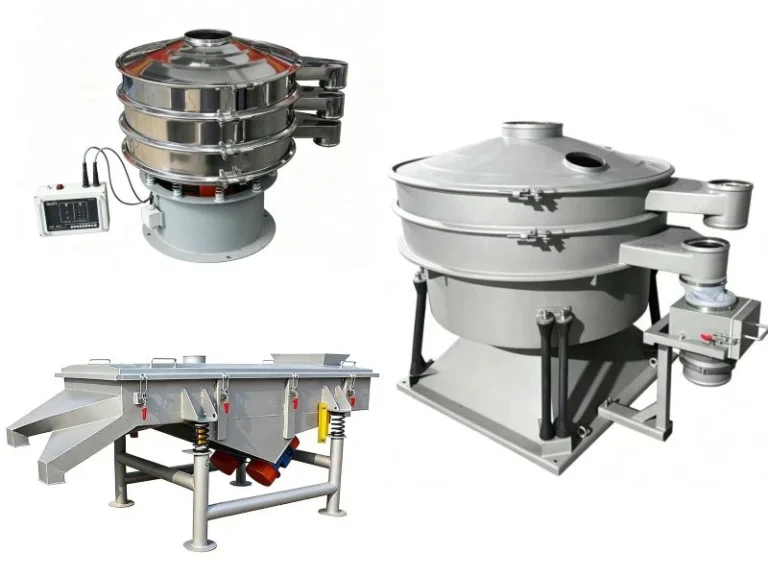
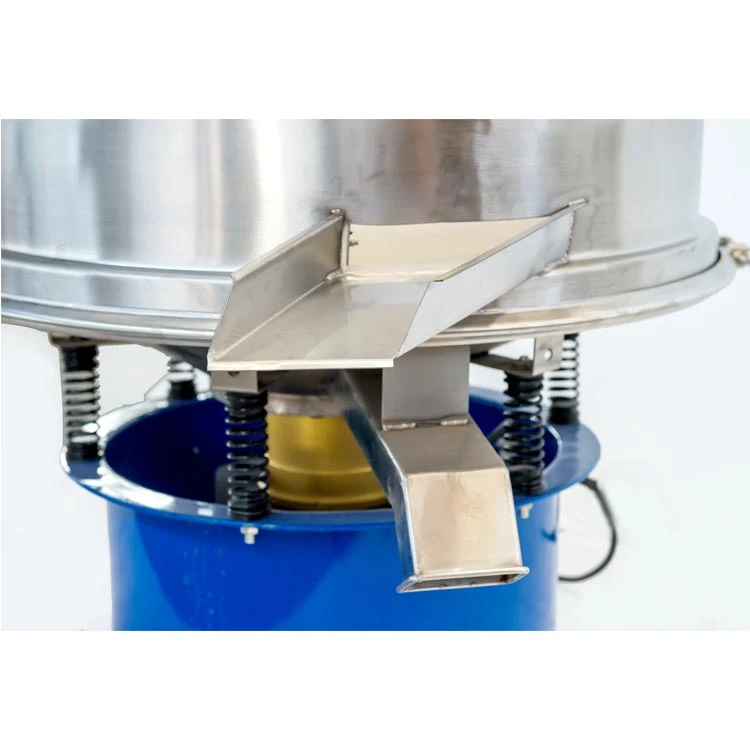
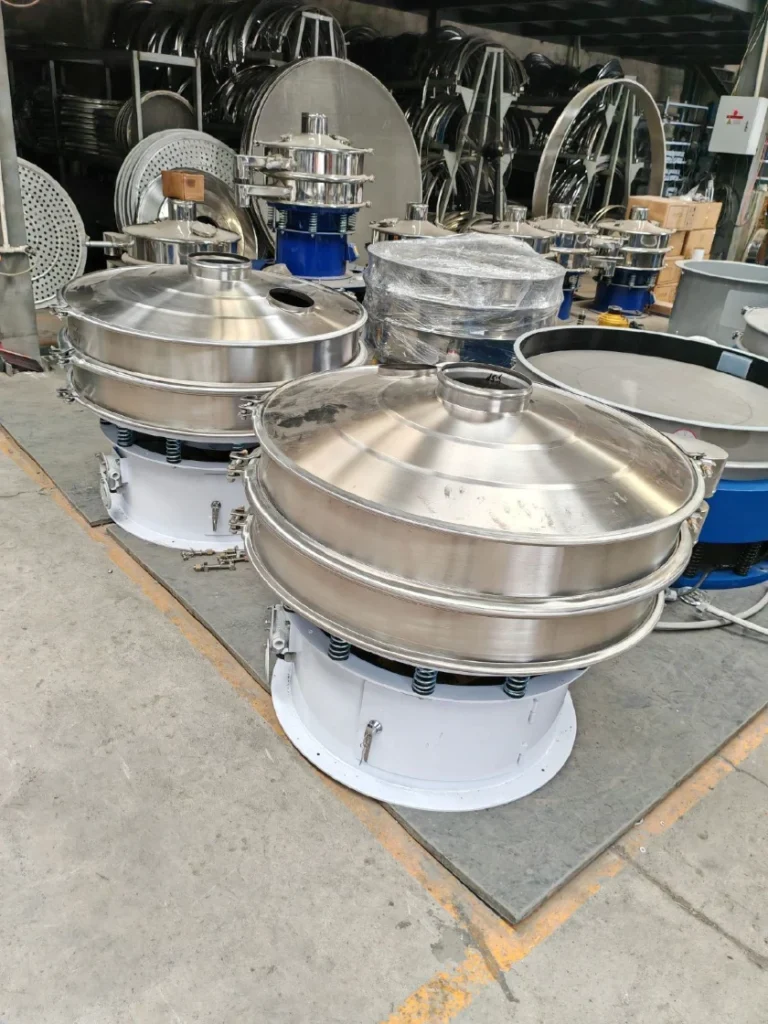
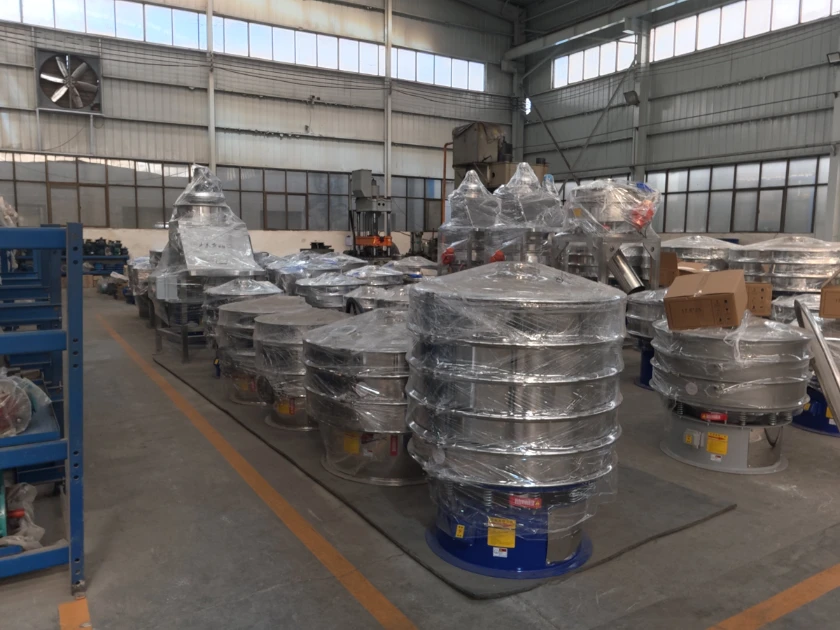
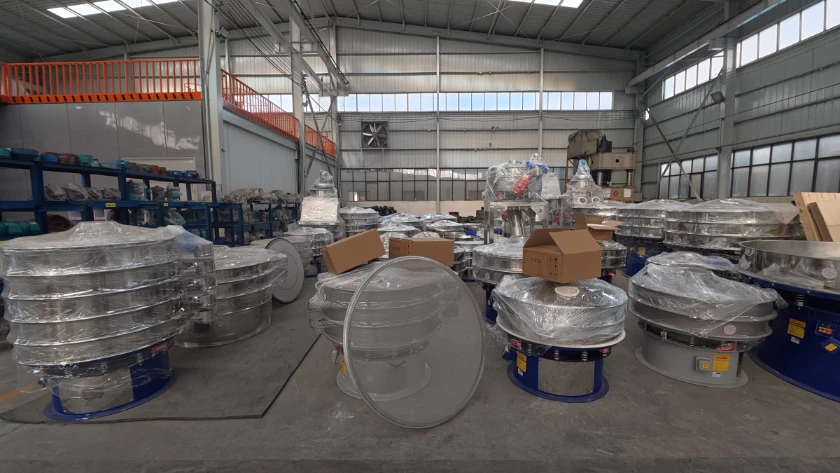
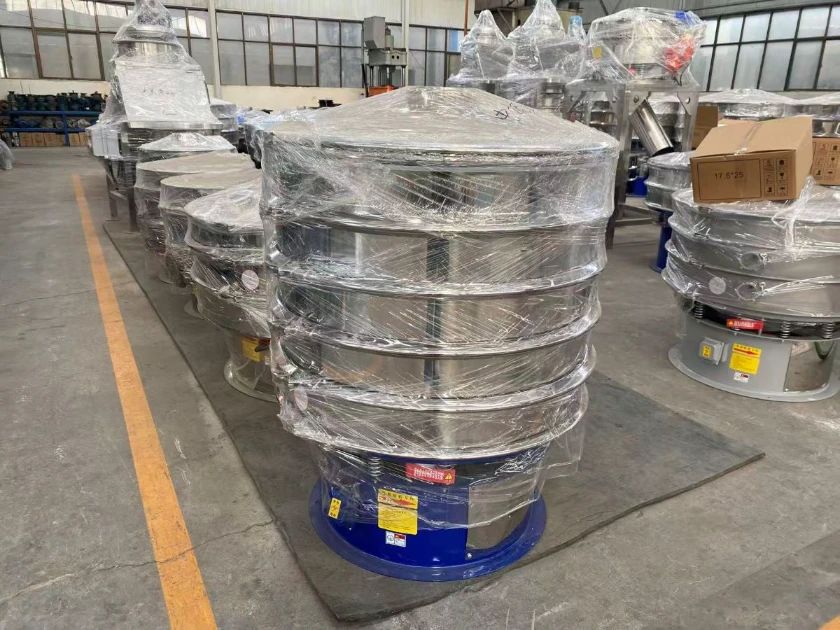
They can be configured as single-layer coarse screens, double-layer classification systems, or multi-layer continuous classification systems, and can also be integrated into process combinations such as impurity removal, screening, and filtration.
Relatively compact design
They have a small footprint and are easy to integrate with feeding, conveying, packaging, or dust collection systems.
Wide range of adjustments
By replacing screens, adjusting vibration parameters, and modifying discharge port configurations, the equipment can adapt to different material batches and operational fluctuations
However, rotary vibrating screens are not “universal screens.” When materials are too sticky, too wet, prone to agglomeration, or prone to static electricity, or when extremely high-capacity continuous screening is required, the process route may need to incorporate ultrasonic screening, airflow assistance, dehumidification, pre-screening, or the use of other screen types.
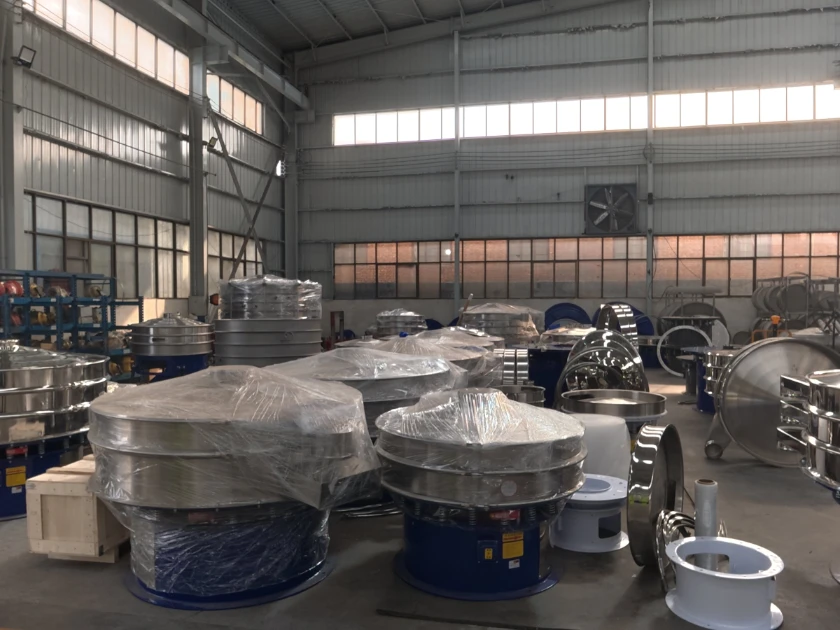
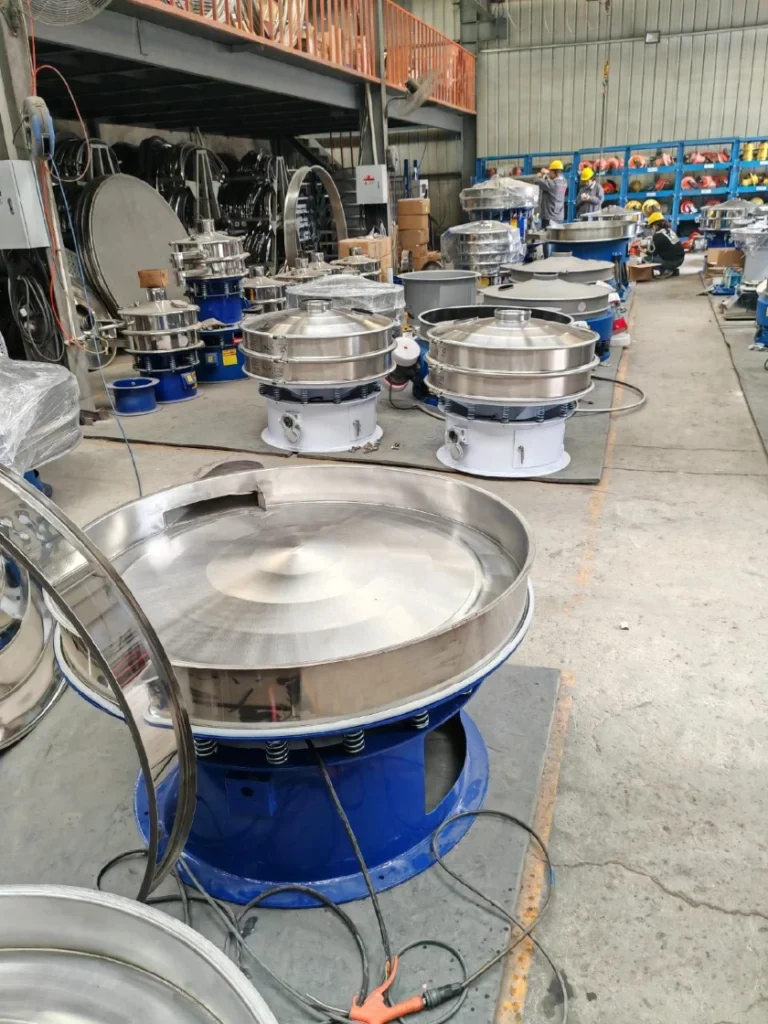
Sonuç
Selecting the right rotary vibrating screen requires ensuring that the machine aligns with the material characteristics and production requirements. Factors such as particle size, moisture content, processing capacity, and screening accuracy play a crucial role in ensuring optimal performance and cost-effectiveness. If you are unsure which configuration is best suited for your application, please contact us immediately and provide details about your materials and processing needs. Our team will recommend a customized solution to help you achieve reliable and efficient screening results.