
Ultrasonic Vibrating Screen for High-Precision Fine Powder Screening
The Ultrasonic Vibrating Screen is designed to improve screening accuracy for ultra-fine powders and difficult-to-screen materials. By introducing high-frequency ultrasonic vibration, it effectively prevents mesh clogging, increases throughput, and delivers consistent particle separation. It is widely used in pharmaceuticals, food processing, chemicals, battery materials, metal powders, and additive manufacturing industries.
What Is an Ultrasonic Vibrating Screen?
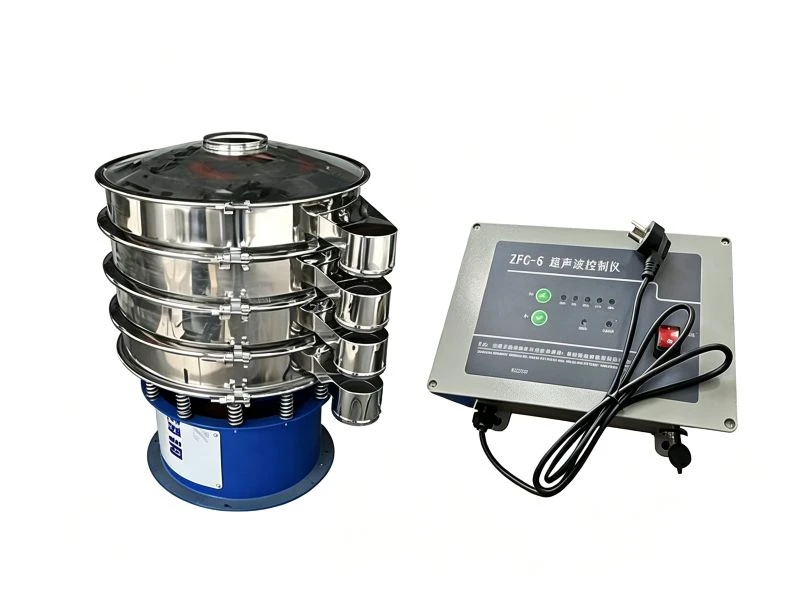
The ultrasonic vibrating screen is a type of vibrating screen that incorporates an ultrasonic system into the standard rotary vibrating screen design. This system introduces a low-amplitude, high-frequency mechanical wave to the screen mesh; the resulting high-speed action keeps the material on the screen surface in a suspended state, thereby preventing mesh clogging caused by factors such as adhesion, friction, settling, and wedging.
¿Cómo funciona un tamiz vibratorio ultrasónico?
Un criba vibratoria ultrasónica introduces a low-amplitude, high-frequency ultrasonic vibration wave onto the screen mesh. It converts standard electrical power (220V/50Hz or 110V/60Hz) into 18kHz high-frequency electrical energy and feeds it into an ultrasonic transducer, which transforms it into 18kHz mechanical vibration. Driven by the ultrasonic generator, this vibration causes the screen frame to resonate and transmits the energy to the screen surface, inducing high-frequency vibration that enables rapid screening and prevents mesh blinding.
Características
The criba vibratoria ultrasónica mitigates issues such as the “flat-fall” effect (where powder makes only light contact with the mesh openings) and sliding effects associated with low-density powders during gravity settling; it prevents high-density metal particles from becoming trapped or wedged in the mesh and reduces the adhesion of electrostatically charged powders, thereby enhancing both screening efficiency and quality.
1. Eliminates the need for anti-clogging devices like bouncing balls, extending the service life of the screen mesh.
2. Increases screening intensity by 1–70% and boosts throughput by up to 10 times.
3. Solves screening challenges associated with materials such as ultrafine powders, difficult-to-screen granules, and flocculent substances.
4. Prevents powder contamination caused by auxiliary components like bouncing balls.
5. Maintains consistent mesh aperture size, ensuring stable screening precision.
6. Breaks down agglomerated or adhered material, reduces the volume of oversize material (oversize residue), and minimizes the number of screening passes required.
Structure of the Tamiz vibratorio ultrasónico
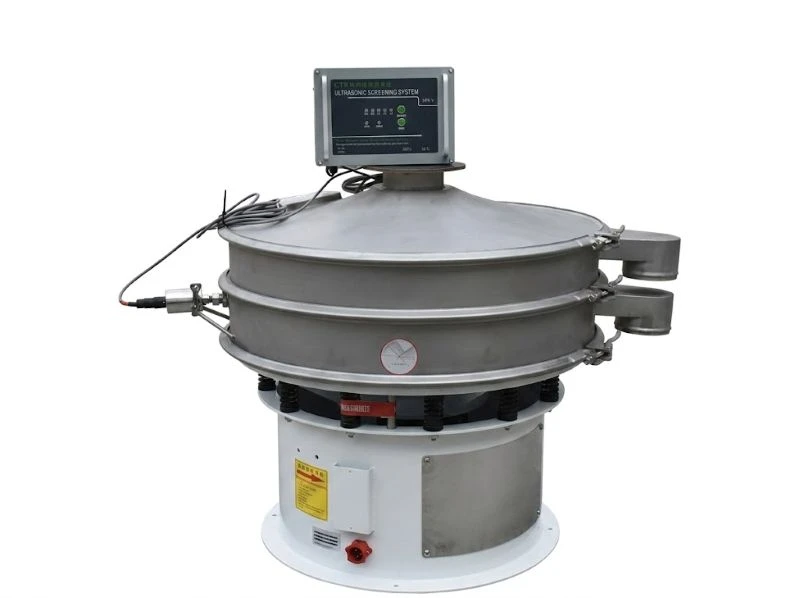
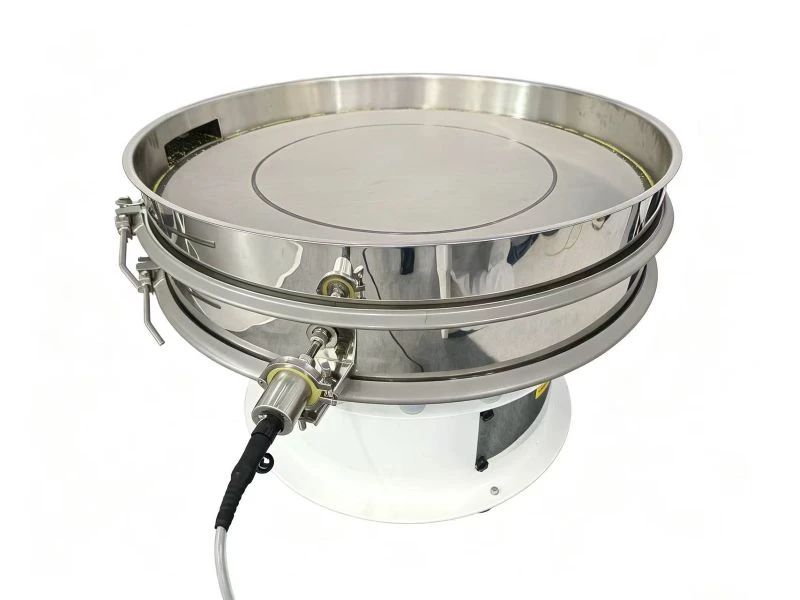
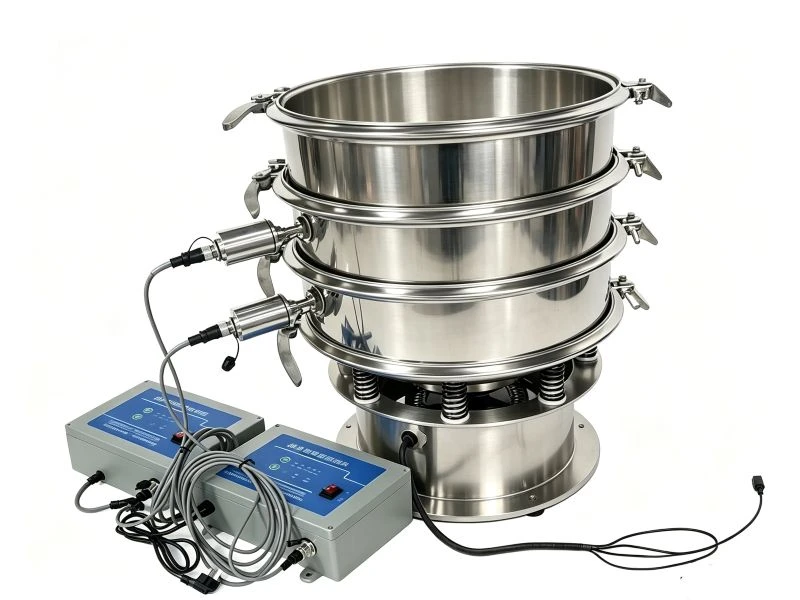
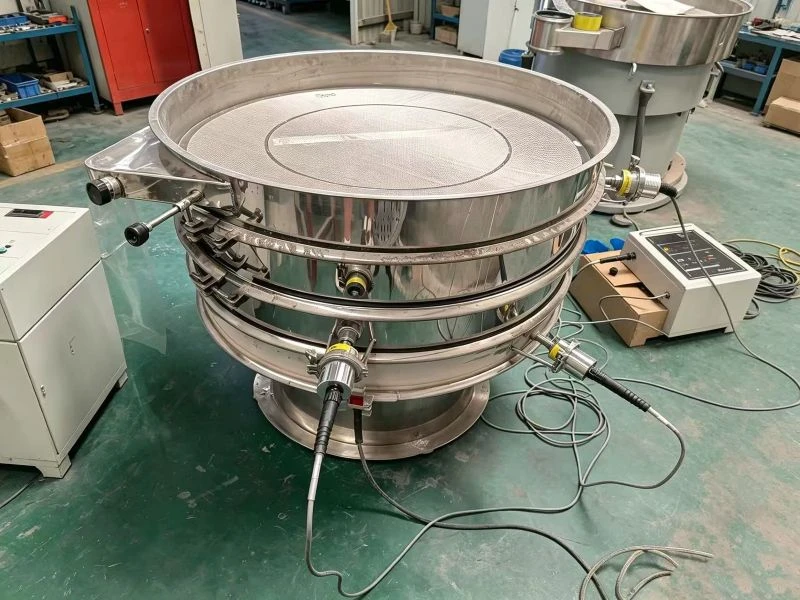
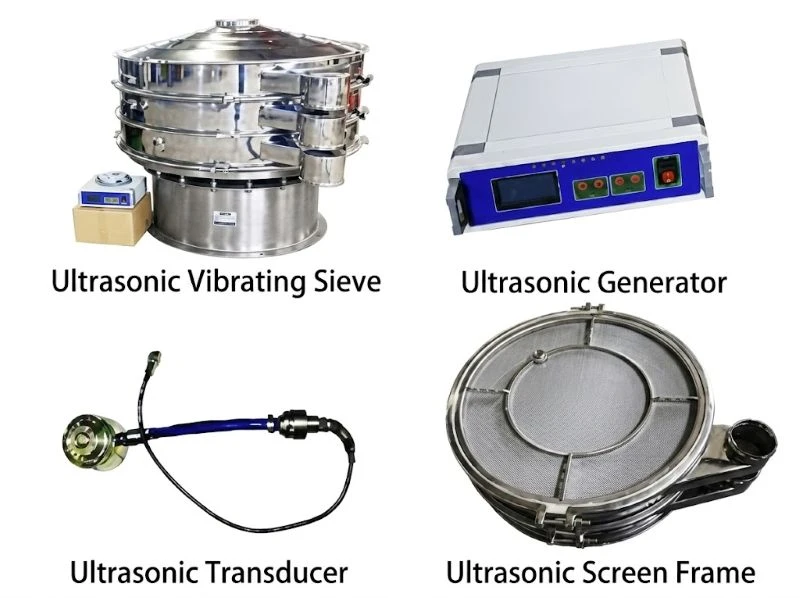
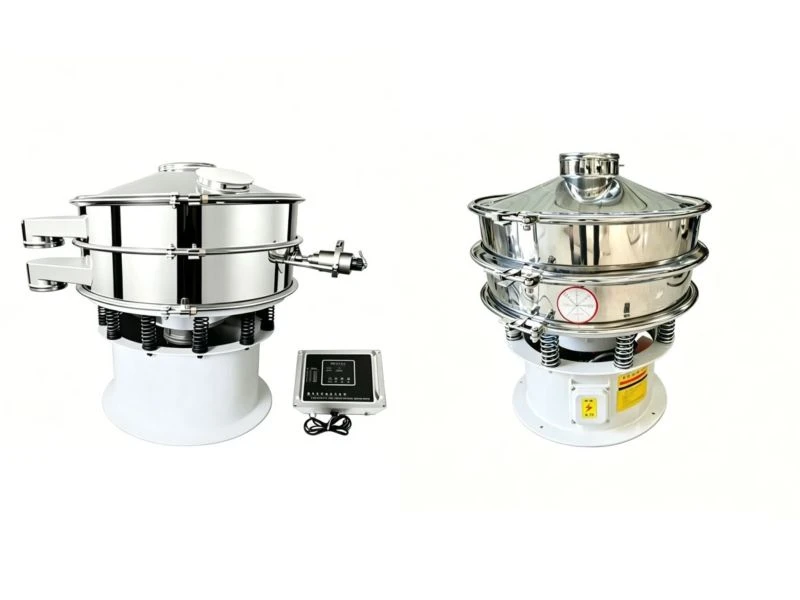
The separador vibratorio ultrasónico features a compact and rational design, primarily consisting of an ultrasonic generator, a transducer, an ultrasonic screen frame, a vibration motor, and a base.
Ultrasonic generator
Converts electrical energy into high-frequency electrical signals.
Ultrasonic transducer
Converts the high-frequency electrical signals from the generator into high-frequency mechanical vibrations.
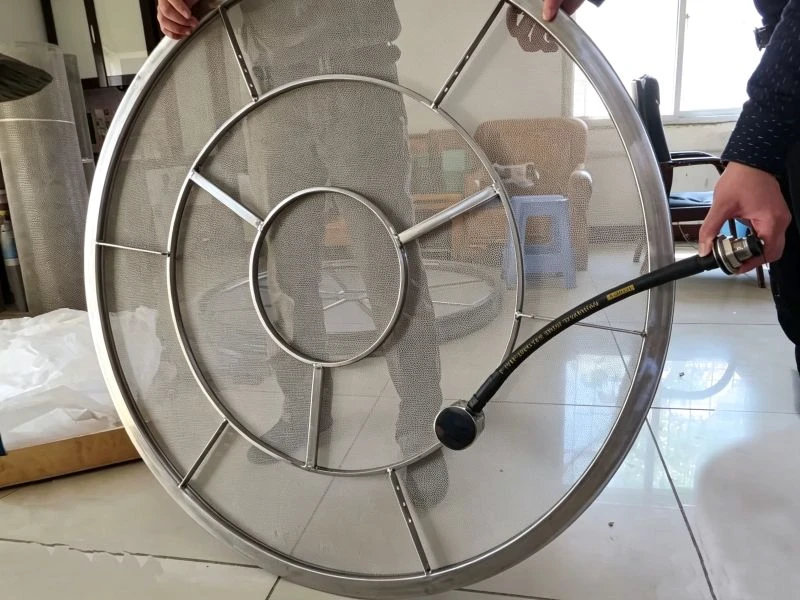
Ultrasonic screen frame
Can be configured as a single-layer or multi-layer unit depending on classification requirements; options include stainless steel woven mesh, polyurethane screens, and more.
Especificaciones técnicas
| Model | Diameter (mm) | (mm) | Decks | Potencia (kW) | Accuracy (%) | Capacidad (kg/h) |
| YJ-400 | 400 | 340 | 1-5 | 0.25 | ≥95% | 50-200 |
| YJ-600 | 600 | 530 | 1-5 | 0.55 | ≥95% | 100-500 |
| YJ-800 | 800 | 720 | 1-5 | 0.75 | ≥95% | 200-800 |
| YJ-1000 | 1000 | 900 | 1-5 | 1.1 | ≥95% | 500-1200 |
| YJ-1200 | 1200 | 1100 | 1-5 | 1.5 | ≥95% | 800-2000 |
| YJ-1500 | 1500 | 1400 | 1-5 | 2.2 | ≥95% | 1000-3500 |
| YJ-1800 | 1800 | 1700 | 1-5 | 3 | ≥95% | 1500-5000 |
Videos relacionados
Aplicaciones
Nuestra los tamices vibratorios ultrasónicos are specifically designed for screening ultra-fine, lightweight, and difficult-to-separate powders.
| Industria | Typical Materials |
| Battery Materials | Lithium Carbonate, Lithium Hydroxide, Polvo de grafito, LFP Powder |
| Polvos Metálicos | Stainless Steel Powder, Titanium Powder, Copper Powder, Aluminum Powder |
| Pharmaceutical | API Powder, Lactose, Starch, Herbal Extract Powder |
| Food Processing | Flour, Milk Powder, Starch, Cocoa Powder,Polvo de polen |
| Chemical Materials | Calcium Carbonate, Silica Powder, Resin Powder, Activated Carbon |
Custom Tamiz vibratorio ultrasónico
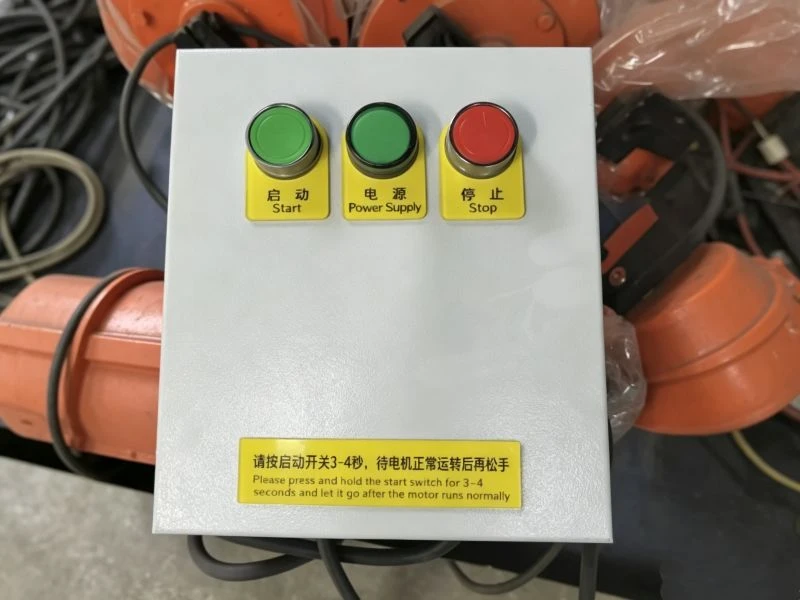
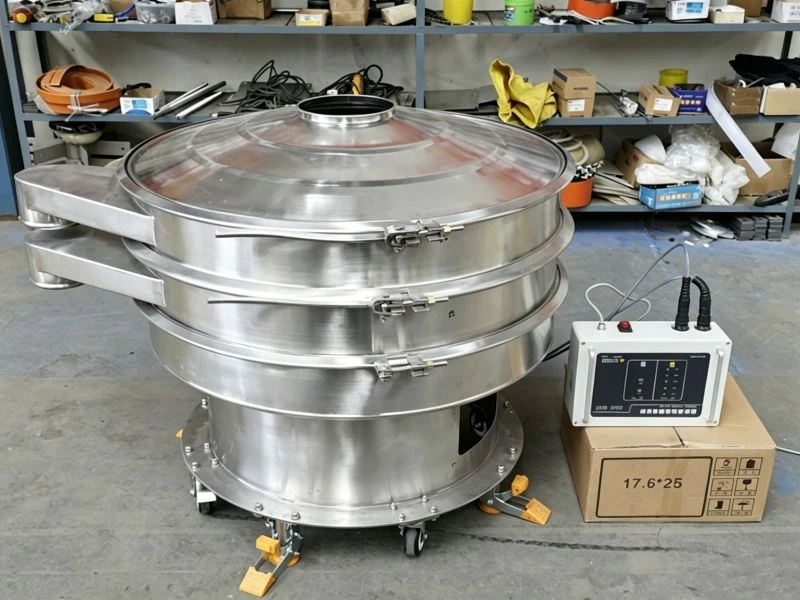
To meet the requirements of different industries and production environments, our los tamices vibratorios ultrasónicos offer a wide range of customizable options, including 304/316L stainless steel or carbon steel construction, explosion-proof motors, mobile wheels, dust covers, PLC control systems, and food-grade surface polishing.
 Space frame
 Control box
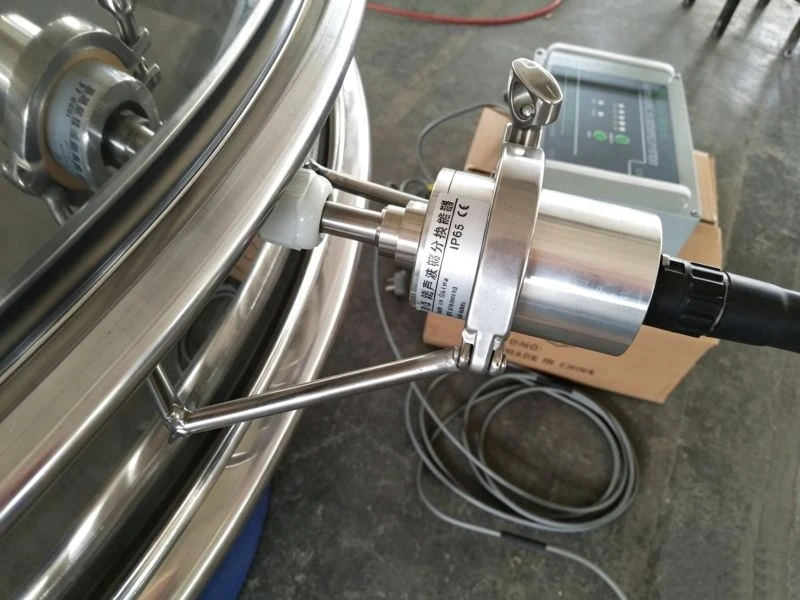 Transducer
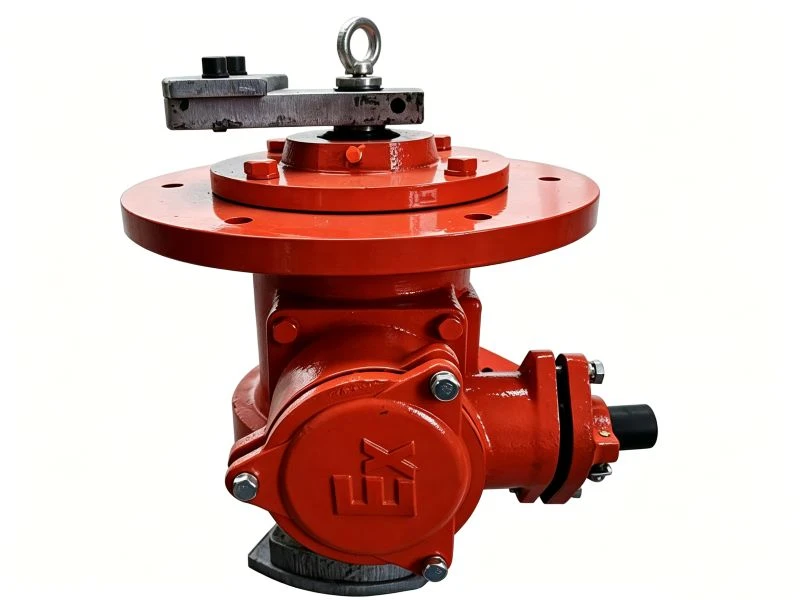 Motor a prueba de explosiones
Ultrasonic Vibrating Screen vs Rotary Vibrating Screen
Supports various non-standard customizations to meet diverse operating conditions.
1. Differences
The standard rotary vibrating sieve is a general-purpose circular vibrating screen that relies solely on motor vibration and rubber cleaning balls; it is suitable for materials with coarse to medium mesh sizes.
The ultrasonic rotary vibrating sieve is an upgraded version of the standard model; it incorporates a high-frequency ultrasonic vibration system specifically designed to overcome the challenges associated with screening ultra-fine powders.
2. Selection Recommendations
For materials <200 mesh that are free of static electricity, do not easily stick to the mesh, and when the budget is limited: choose the standard rotary vibrating sieve.
For materials ≥200 mesh—such as ultra-fine powders, metal powders, graphite, lithium battery raw materials, powders prone to agglomeration or static, or for high-capacity continuous production: the ultrasonic rotary vibrating sieve is the necessary choice.
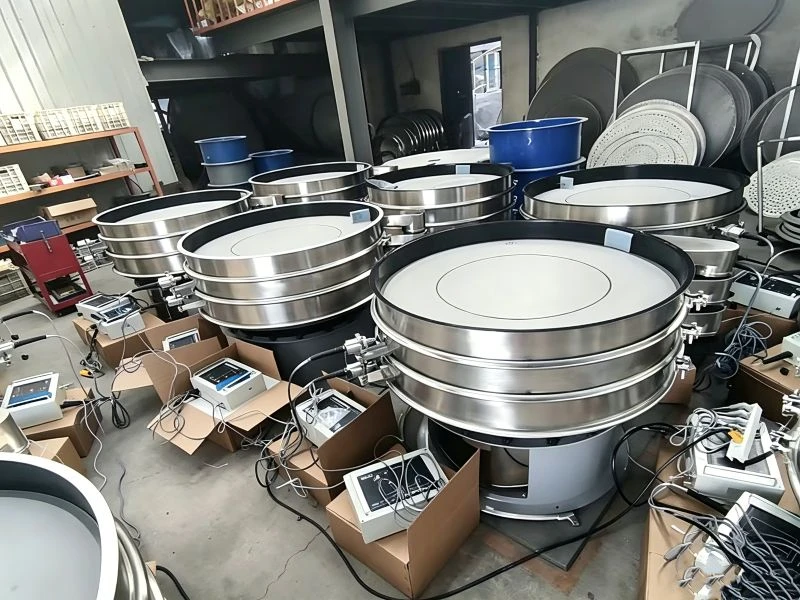
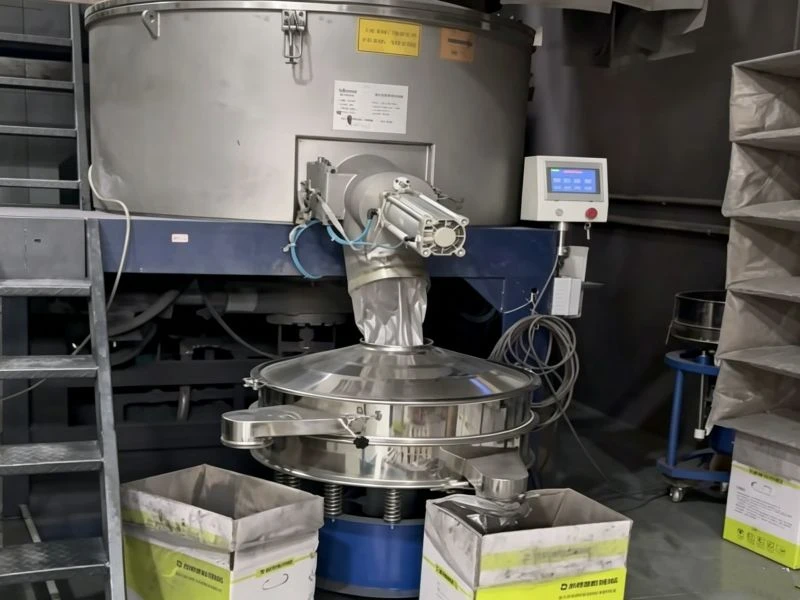
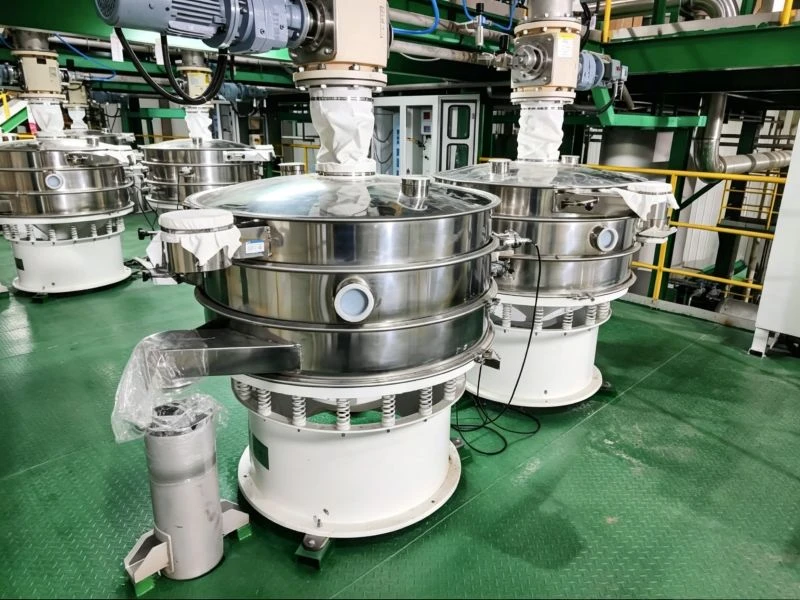
Nuestros casos
How to Choose the Right Ultrasonic Vibrating Screen
When selecting a suitable ultrasonic vibrating screen, the following points should generally be considered:
Material Characteristics
Consider particle shape, density, flowability, abrasiveness, and whether the material is prone to agglomeration or static buildup.
Particle Size & Mesh Requirement
Determine the target particle size distribution and the required mesh size to ensure the desired screening accuracy.
Capacidad de producción
Select the appropriate screen diameter, deck configuration, and motor power based on your hourly processing capacity.
Industry Requirements
Choose suitable construction materials and surface finishes, such as 304 or 316L stainless steel, to comply with food, pharmaceutical, chemical, or battery industry standards.
Productos relacionados
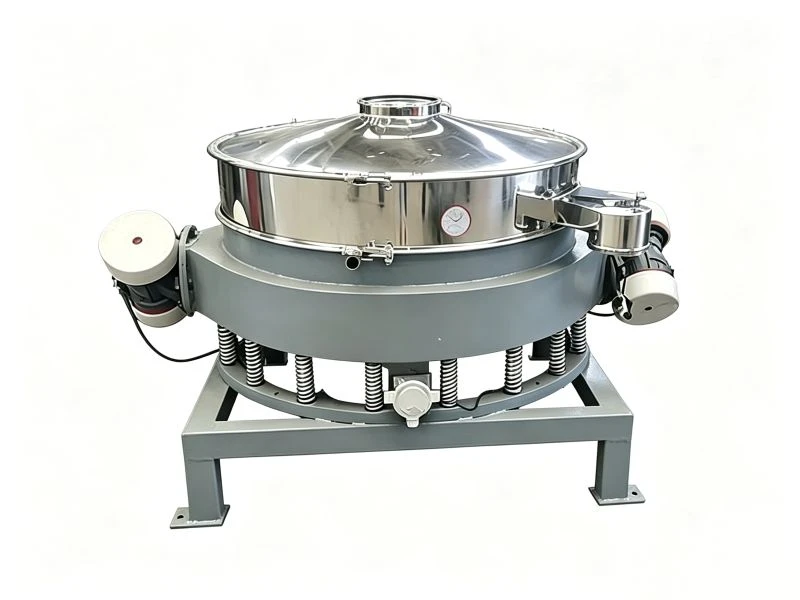
Tamiz vibratorio rotatorio
Tamiz vibratorio rotatorio | Tamizador vibratorio El tamiz vibratorio rotatorio está diseñado para la separación eficiente de polvos, gránulos y líquidos. Ofrece un rendimiento estable, alta precisión de cribado y operación confiable en producción continua. Ofrecemos configuraciones flexibles, incluidos diseños de múltiples pisos, sistemas ultrasónicos y materiales de grado alimentario para satisfacer diferentes requisitos de procesamiento. YuanJing proporciona soluciones prácticas de cribado…Tamiz vibratorio en línea
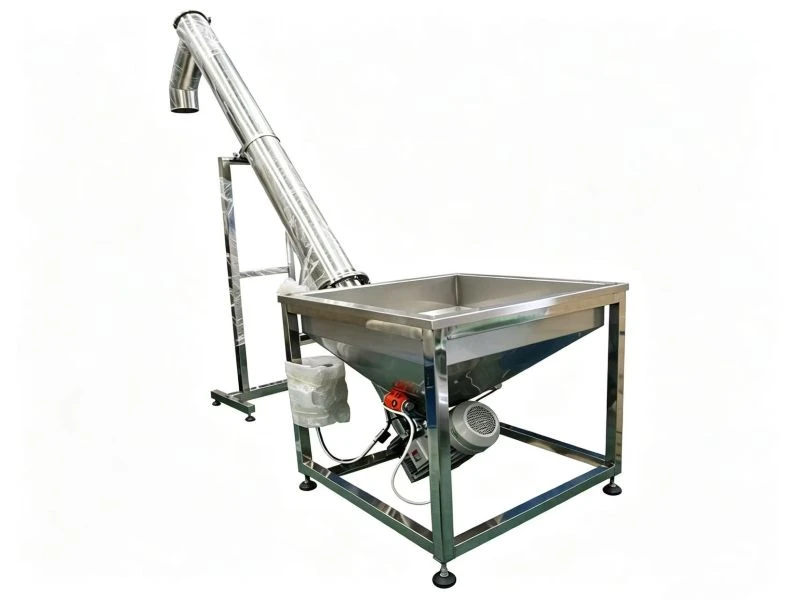
Tamiz vibratorio en línea para líneas de producción continua Los tamices vibratorios en línea están diseñados para líneas de producción continua, permitiendo que polvos y líquidos se criben directamente en la tubería. El diseño compacto ahorra espacio mientras mantiene un rendimiento de separación estable y preciso. Se utilizan ampliamente en el procesamiento de alimentos, farmacéutico y químico. ¿Qué es un tamiz vibratorio en línea?…Transportador de tornillo
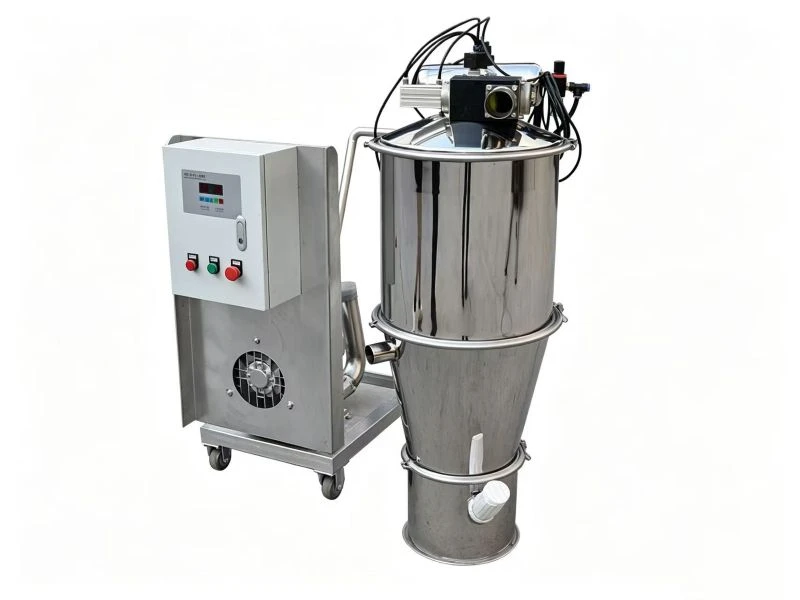
Sistemas industriales de transportadores de tornillo para el manejo de materiales a granel Los transportadores de tornillo industriales están diseñados para el manejo continuo y eficiente de materiales a granel como polvos, gránulos y semisólidos. Con una estructura compacta y un diseño cerrado, garantizan un rendimiento de transporte estable, reducción de emisiones de polvo y bajo mantenimiento en diversas aplicaciones industriales. YuanJing proporciona soluciones personalizadas de transportadores de tornillo basadas en…Sistema alimentador de transporte por vacío
Soluciones de sistemas industriales de transportadores de vacío para polvos y materiales a granel Los sistemas de transportadores de vacío transfieren automáticamente diversos materiales a las tolvas de máquinas envasadoras, máquinas de moldeo por inyección y trituradoras. También pueden alimentar materiales mezclados directamente en mezcladores (como mezcladores tipo V, 2D y 3D), reduciendo significativamente la mano de obra manual y eliminando el derrame de polvo durante la alimentación. Como…
Fabricante y proveedor de tamices vibratorios y máquinas transportadoras
Diseñados para cribado de precisión, rendimiento confiable y aplicaciones industriales flexibles,
los tamices vibratorios rotatorios Yuanjing son confiados por clientes de todo el mundo.

Experiencia en proyectos globales
Los productos de Yuanjing se exportan a más de 50 países y regiones y abastecen a industrias como la alimentaria, la química, la farmacéutica, la minera y la de nuevas energías.
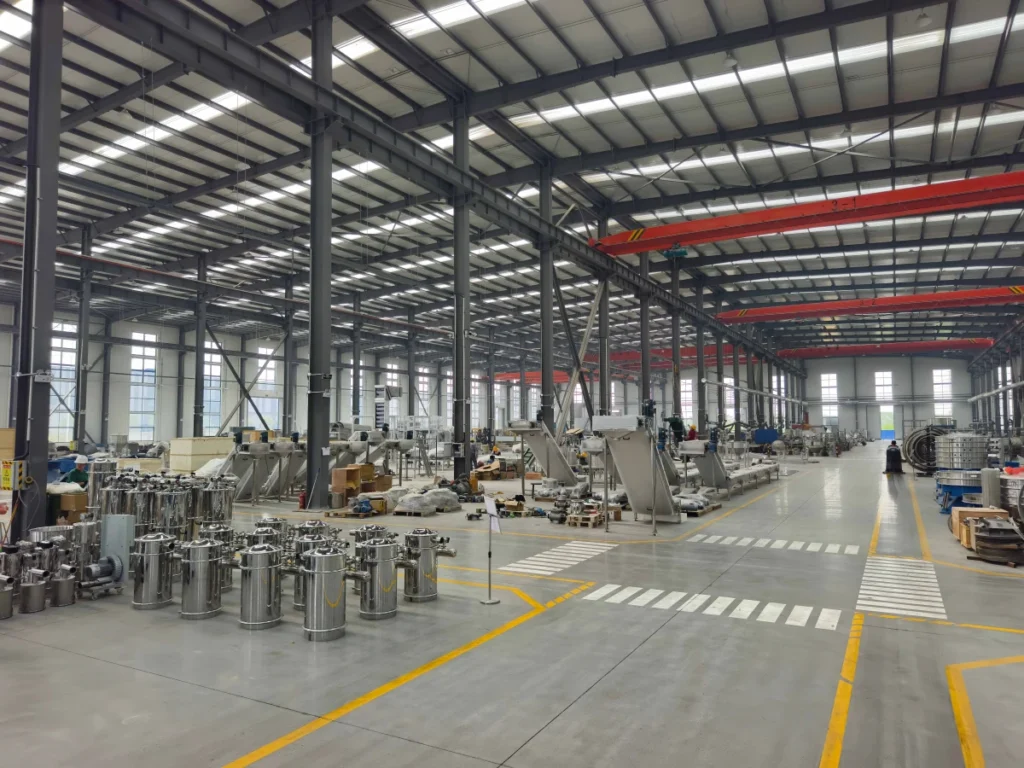
Gran capacidad de fabricación
Las líneas de producción avanzadas con corte láser, mecanizado CNC, soldadura automática y estrictas inspecciones de calidad garantizan una calidad constante del producto.

Separación precisa y estable
Optimized vibration design delivers even material flow, high screening accuracy, and stable long-term operation.
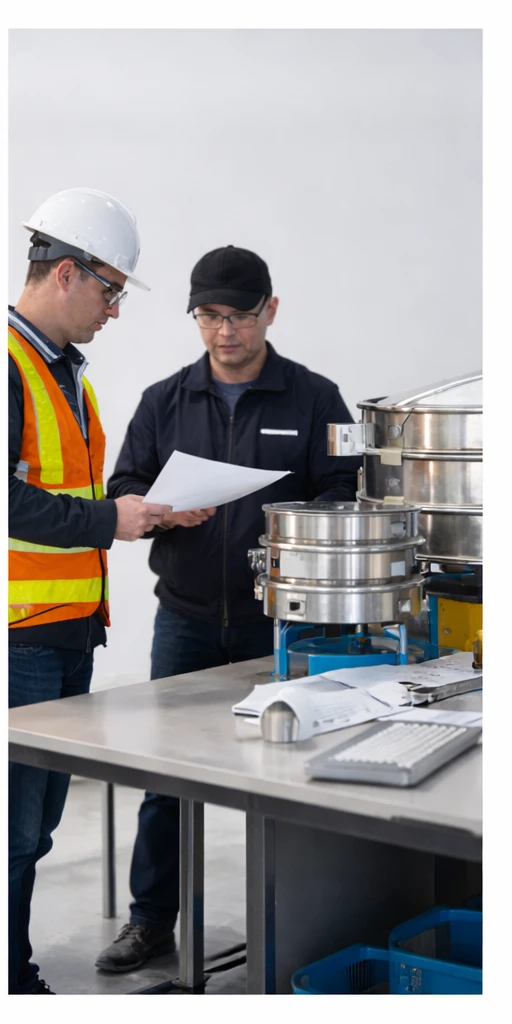
Soluciones de cribado personalizadas
Yuanjing offers flexible configurations in diameter, mesh size, deck layers, and material options to fit your exact process requirements.
FAQs
Obtener Solución Personalizada
Podemos proporcionar soluciones personalizadas de equipos de cribado y transporte adaptadas a diferentes materiales y requisitos de producción.
Envíenos sus requisitos y nuestro equipo proporcionará la solución adecuada y una cotización rápida en 24 horas.