
Ultrasonic Vibrating Screen for High-Precision Fine Powder Screening
The Ultrasonic Vibrating Screen is designed to improve screening accuracy for ultra-fine powders and difficult-to-screen materials. By introducing high-frequency ultrasonic vibration, it effectively prevents mesh clogging, increases throughput, and delivers consistent particle separation. It is widely used in pharmaceuticals, food processing, chemicals, battery materials, metal powders, and additive manufacturing industries.
What Is an Ultrasonic Vibrating Screen?
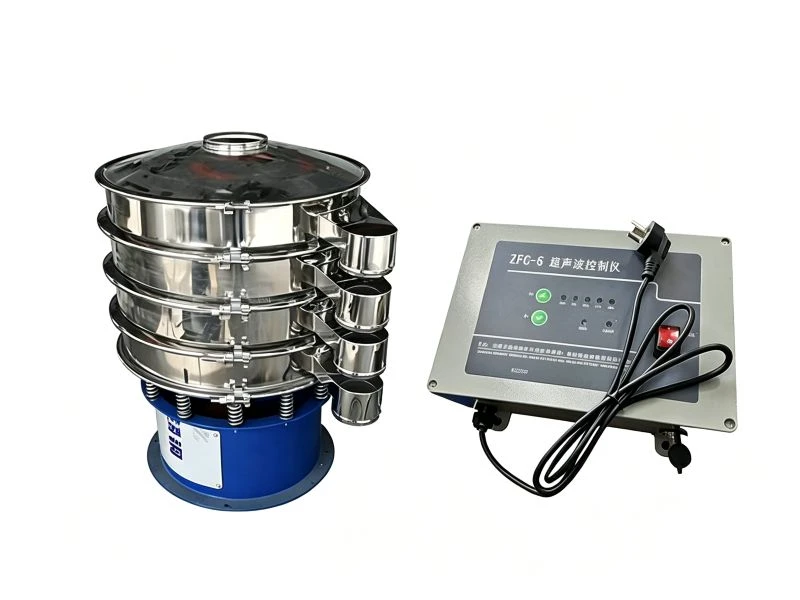
The ultrasonic vibrating screen is a type of vibrating screen that incorporates an ultrasonic system into the standard rotary vibrating screen design. This system introduces a low-amplitude, high-frequency mechanical wave to the screen mesh; the resulting high-speed action keeps the material on the screen surface in a suspended state, thereby preventing mesh clogging caused by factors such as adhesion, friction, settling, and wedging.
How Does an Ultrasonic Vibrating Screen Work?
An ultrasonic vibrating screen introduces a low-amplitude, high-frequency ultrasonic vibration wave onto the screen mesh. It converts standard electrical power (220V/50Hz or 110V/60Hz) into 18kHz high-frequency electrical energy and feeds it into an ultrasonic transducer, which transforms it into 18kHz mechanical vibration. Driven by the ultrasonic generator, this vibration causes the screen frame to resonate and transmits the energy to the screen surface, inducing high-frequency vibration that enables rapid screening and prevents mesh blinding.
Features
The ultrasonic vibrating screen mitigates issues such as the “flat-fall” effect (where powder makes only light contact with the mesh openings) and sliding effects associated with low-density powders during gravity settling; it prevents high-density metal particles from becoming trapped or wedged in the mesh and reduces the adhesion of electrostatically charged powders, thereby enhancing both screening efficiency and quality.
1. Eliminates the need for anti-clogging devices like bouncing balls, extending the service life of the screen mesh.
2. Increases screening intensity by 1–70% and boosts throughput by up to 10 times.
3. Solves screening challenges associated with materials such as ultrafine powders, difficult-to-screen granules, and flocculent substances.
4. Prevents powder contamination caused by auxiliary components like bouncing balls.
5. Maintains consistent mesh aperture size, ensuring stable screening precision.
6. Breaks down agglomerated or adhered material, reduces the volume of oversize material (oversize residue), and minimizes the number of screening passes required.
Structure of the Ultrasonic Vibrating Screen
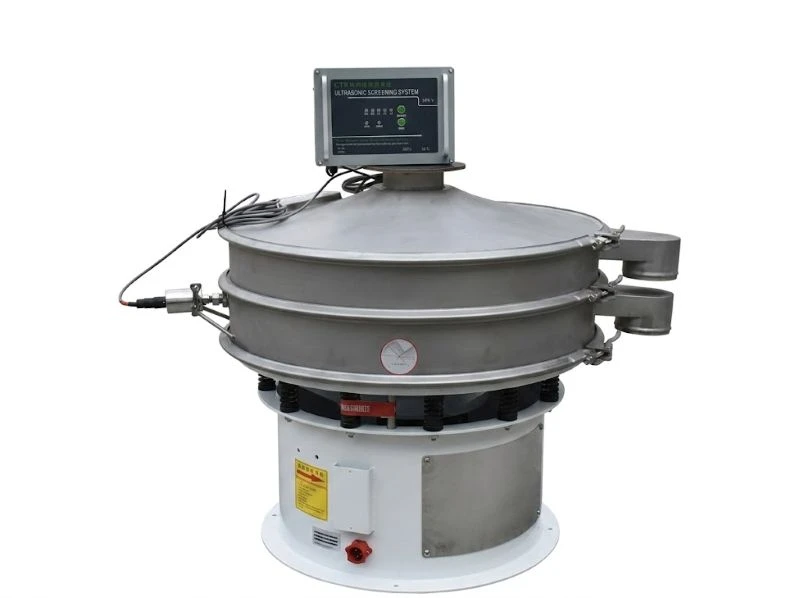
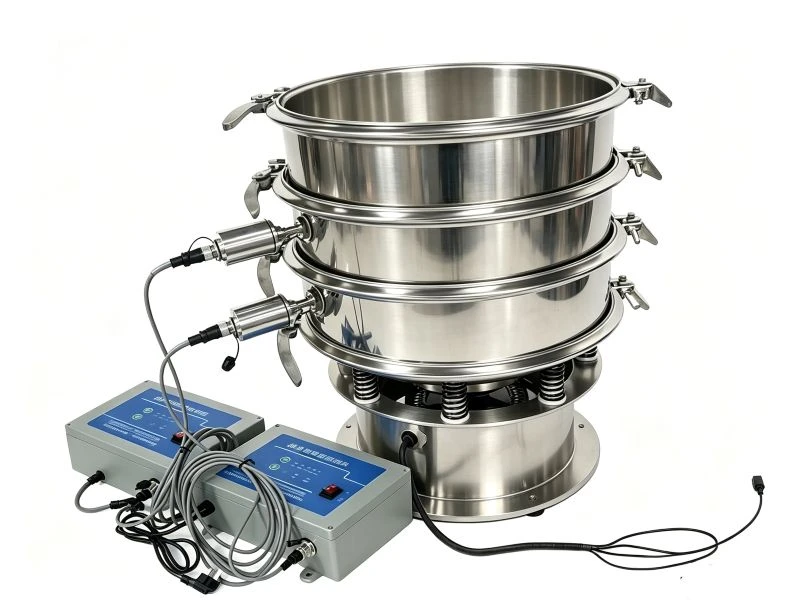
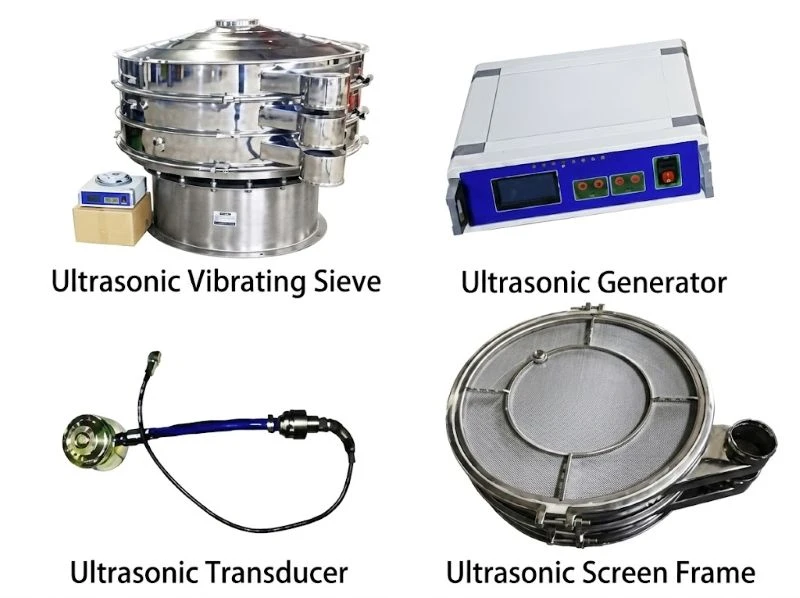
The ultrasonic vibrating separator features a compact and rational design, primarily consisting of an ultrasonic generator, a transducer, an ultrasonic screen frame, a vibration motor, and a base.
Ultrasonic generator
Converts electrical energy into high-frequency electrical signals.
Ultrasonic transducer
Converts the high-frequency electrical signals from the generator into high-frequency mechanical vibrations.
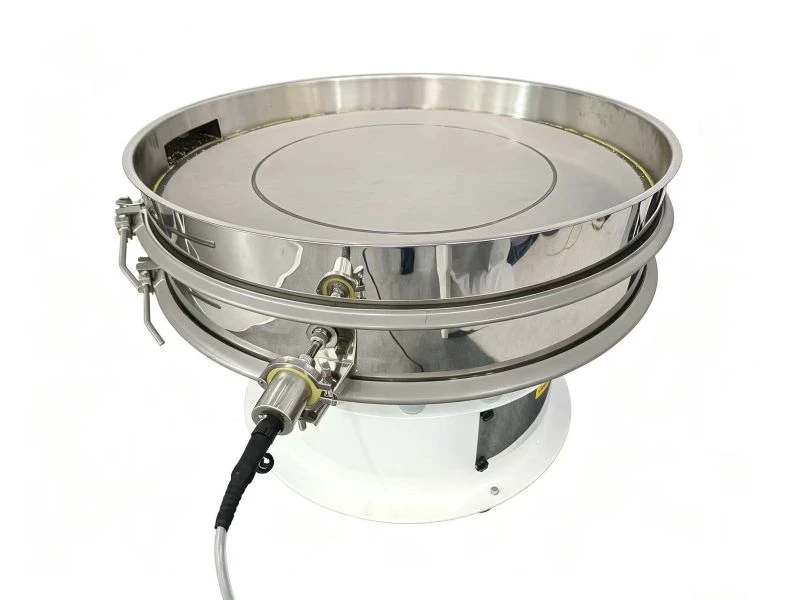
Ultrasonic screen frame
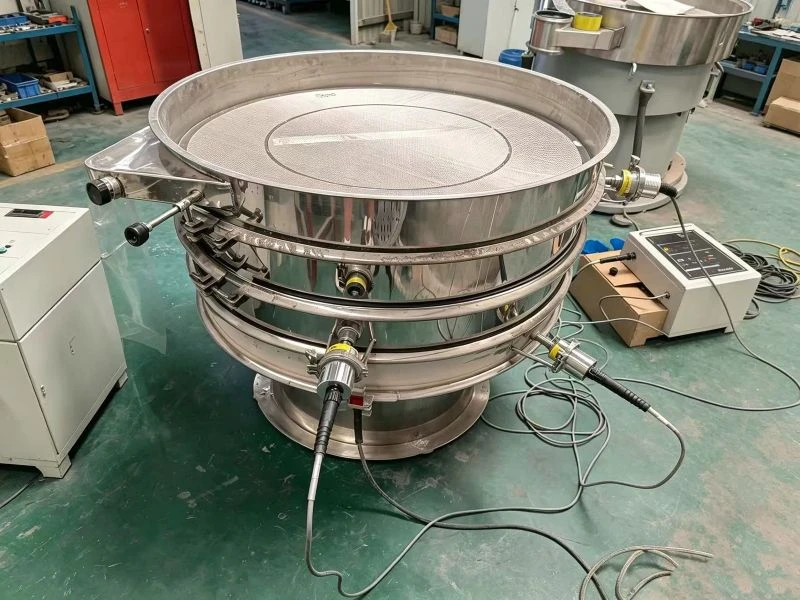
Can be configured as a single-layer or multi-layer unit depending on classification requirements; options include stainless steel woven mesh, polyurethane screens, and more.
Technical Specifications
| Model | Diameter (mm) | (mm) | Decks | Power (kW) | Accuracy (%) | Capacity (kg/h) |
| YJ-400 | 400 | 340 | 1-5 | 0.25 | ≥95% | 50-200 |
| YJ-600 | 600 | 530 | 1-5 | 0.55 | ≥95% | 100-500 |
| YJ-800 | 800 | 720 | 1-5 | 0.75 | ≥95% | 200-800 |
| YJ-1000 | 1000 | 900 | 1-5 | 1.1 | ≥95% | 500-1200 |
| YJ-1200 | 1200 | 1100 | 1-5 | 1.5 | ≥95% | 800-2000 |
| YJ-1500 | 1500 | 1400 | 1-5 | 2.2 | ≥95% | 1000-3500 |
| YJ-1800 | 1800 | 1700 | 1-5 | 3 | ≥95% | 1500-5000 |
Related videos
Applications
Our ultrasonic vibrating screens are specifically designed for screening ultra-fine, lightweight, and difficult-to-separate powders.
| Industry | Typical Materials |
| Battery Materials | Lithium Carbonate, Lithium Hydroxide, Graphite Powder, LFP Powder |
| Metal Powders | Stainless Steel Powder, Titanium Powder, Copper Powder, Aluminum Powder |
| Pharmaceutical | API Powder, Lactose, Starch, Herbal Extract Powder |
| Food Processing | Flour, Milk Powder, Starch, Cocoa Powder,Pollen Powder |
| Chemical Materials | Calcium Carbonate, Silica Powder, Resin Powder, Activated Carbon |
Custom Ultrasonic Vibrating Screen
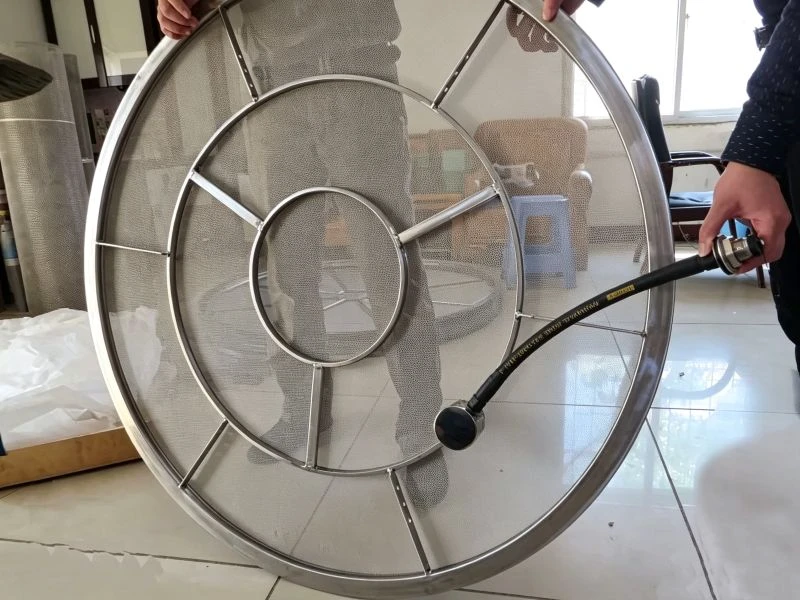
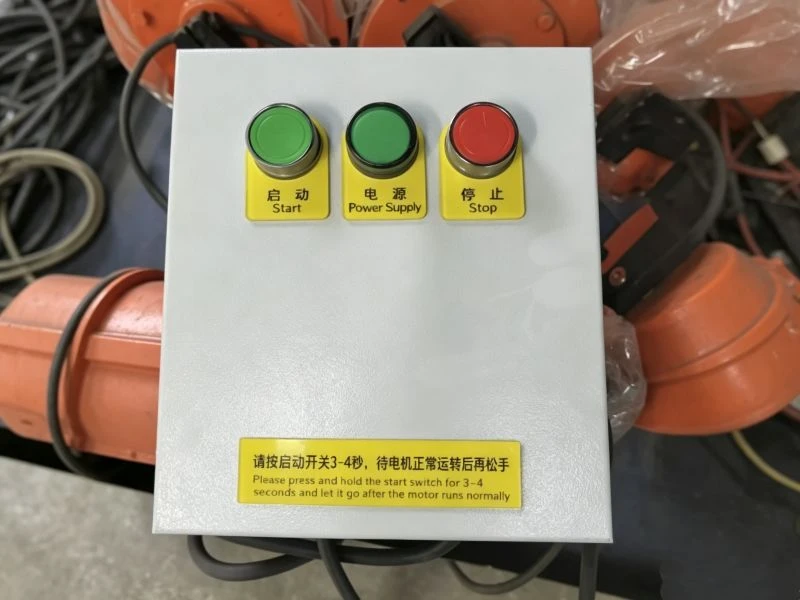
To meet the requirements of different industries and production environments, our ultrasonic vibrating screens offer a wide range of customizable options, including 304/316L stainless steel or carbon steel construction, explosion-proof motors, mobile wheels, dust covers, PLC control systems, and food-grade surface polishing.
 Space frame
 Control box
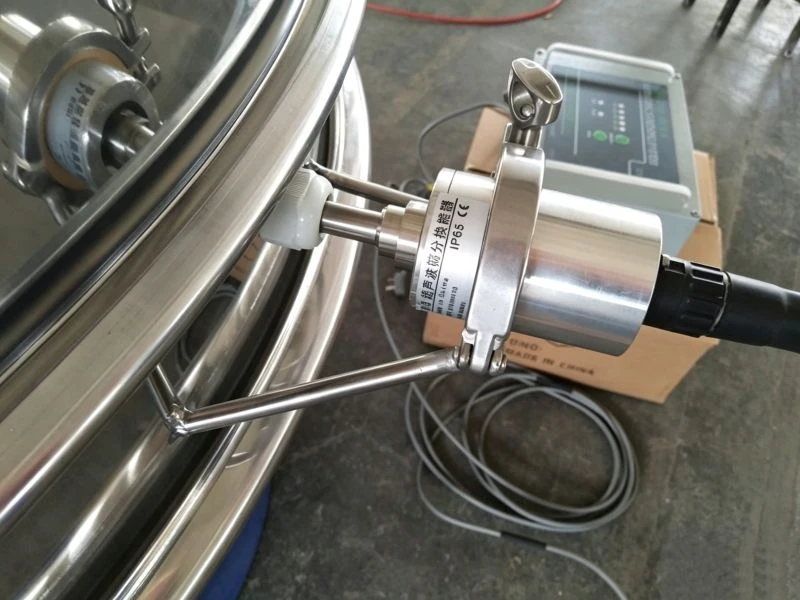 Transducer
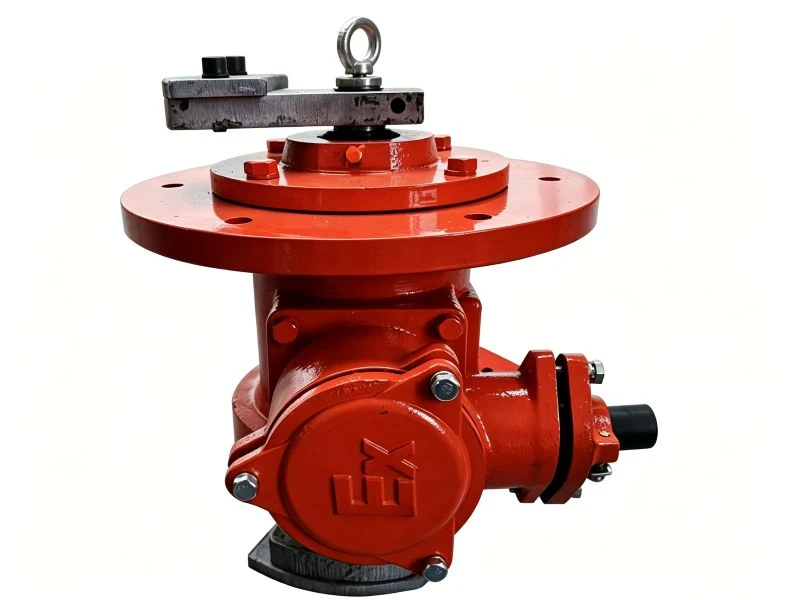 Explosion-proof motor
Ultrasonic Vibrating Screen vs Rotary Vibrating Screen
Supports various non-standard customizations to meet diverse operating conditions.
1. Differences
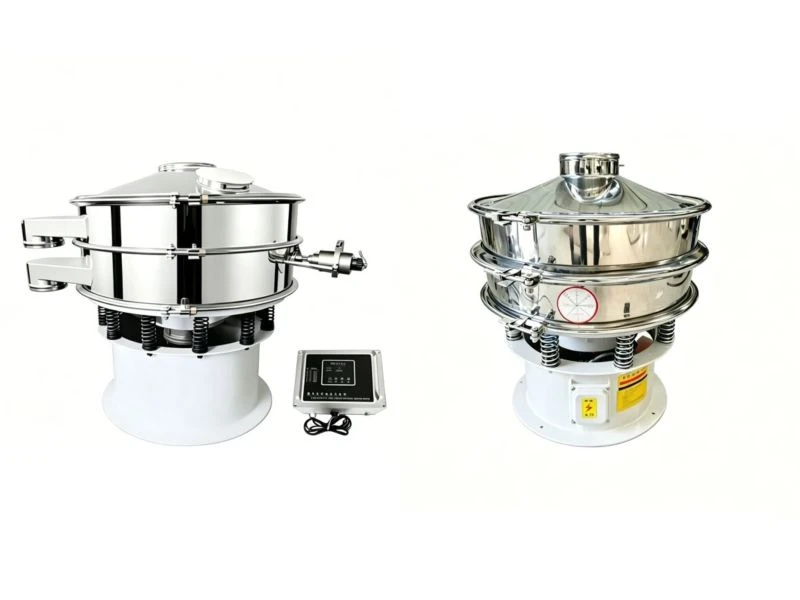
The standard rotary vibrating sieve is a general-purpose circular vibrating screen that relies solely on motor vibration and rubber cleaning balls; it is suitable for materials with coarse to medium mesh sizes.
The ultrasonic rotary vibrating sieve is an upgraded version of the standard model; it incorporates a high-frequency ultrasonic vibration system specifically designed to overcome the challenges associated with screening ultra-fine powders.
2. Selection Recommendations
For materials <200 mesh that are free of static electricity, do not easily stick to the mesh, and when the budget is limited: choose the standard rotary vibrating sieve.
For materials ≥200 mesh—such as ultra-fine powders, metal powders, graphite, lithium battery raw materials, powders prone to agglomeration or static, or for high-capacity continuous production: the ultrasonic rotary vibrating sieve is the necessary choice.
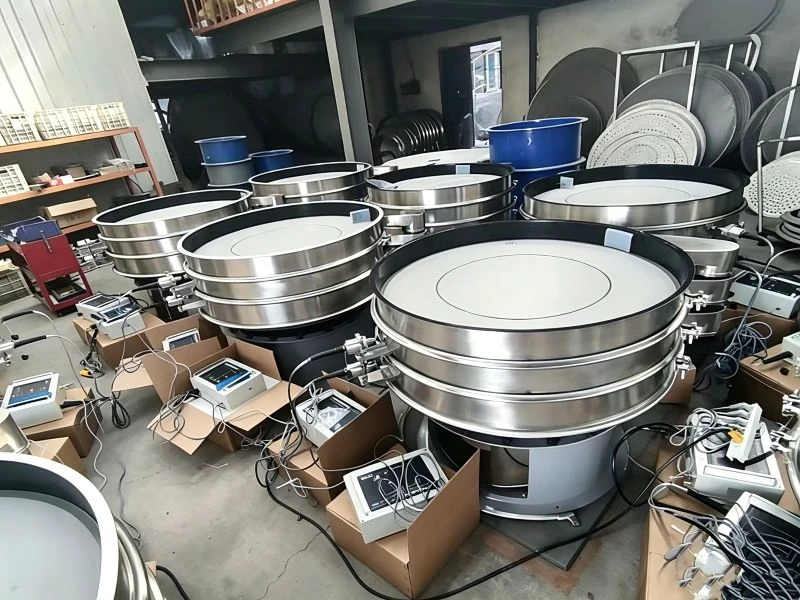
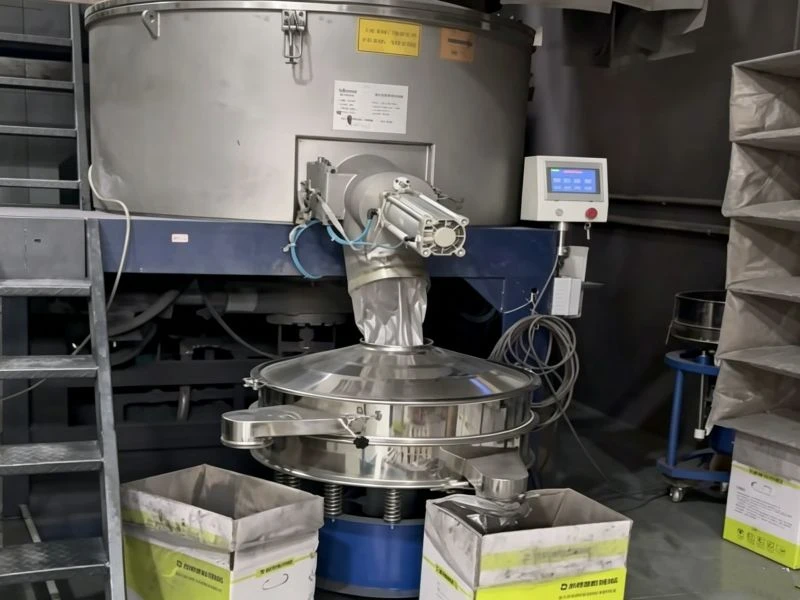
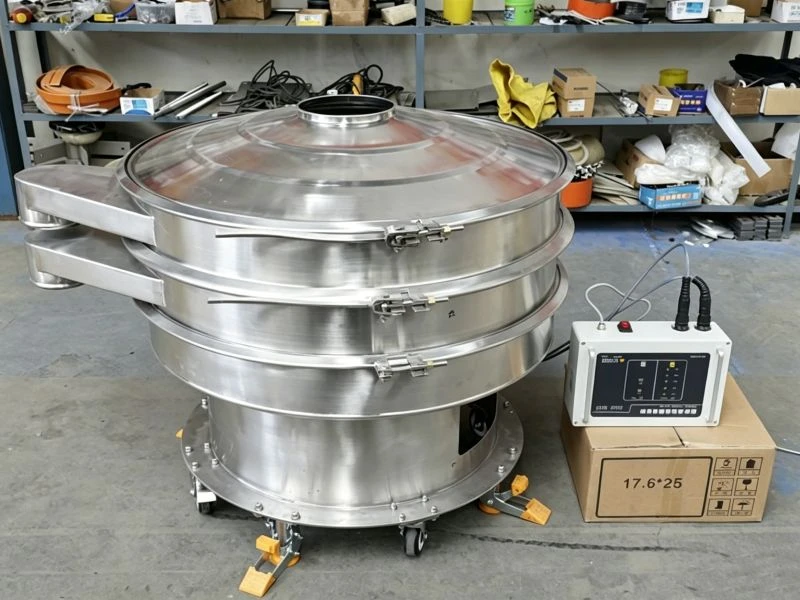
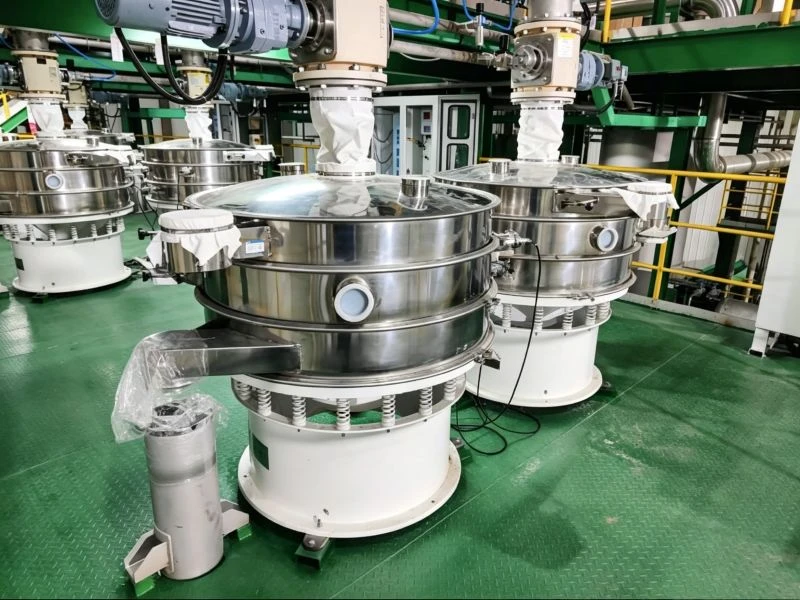
Our Cases
How to Choose the Right Ultrasonic Vibrating Screen
When selecting a suitable ultrasonic vibrating screen, the following points should generally be considered:
Material Characteristics
Consider particle shape, density, flowability, abrasiveness, and whether the material is prone to agglomeration or static buildup.
Particle Size & Mesh Requirement
Determine the target particle size distribution and the required mesh size to ensure the desired screening accuracy.
Production Capacity
Select the appropriate screen diameter, deck configuration, and motor power based on your hourly processing capacity.
Industry Requirements
Choose suitable construction materials and surface finishes, such as 304 or 316L stainless steel, to comply with food, pharmaceutical, chemical, or battery industry standards.
Related Products
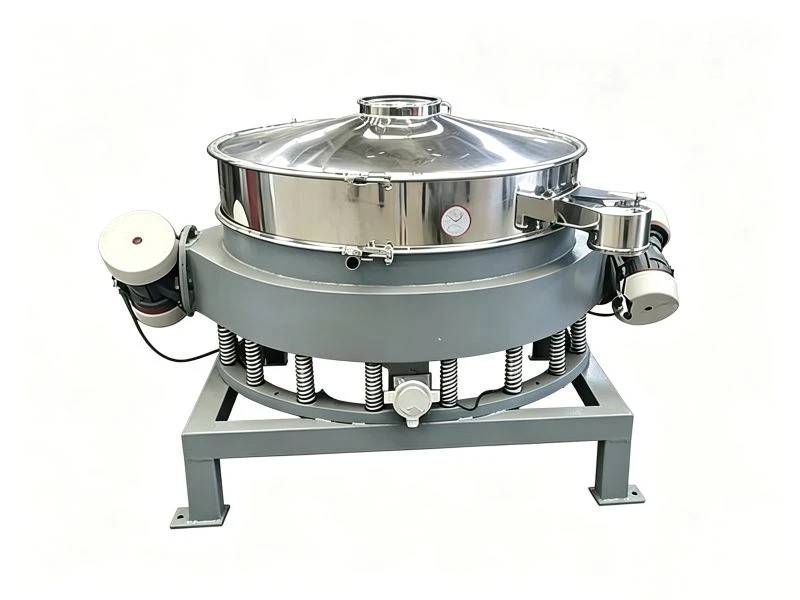
Rotary Vibrating Screen
Rotary Vibrating Screen | Vibro Sifter The rotary vibrating screen is designed for efficient separation of powders, granules, and liquids. It delivers stable performance, high screening accuracy, and reliable operation in continuous production. We offer flexible configurations, including multi-deck designs, ultrasonic systems, and food-grade materials to meet different processing requirements. YuanJing provides practical screening solutions…Inline Vibratory Screen
Inline Vibratory Screen for Continuous Production Lines Inline vibratory screens are built for continuous production lines, allowing powders and liquids to be screened directly in the pipeline. The compact design saves space while maintaining stable and accurate separation performance. They are widely used in food, pharmaceutical, and chemical processing. What is an inline vibratory screen?…Screw Conveyor
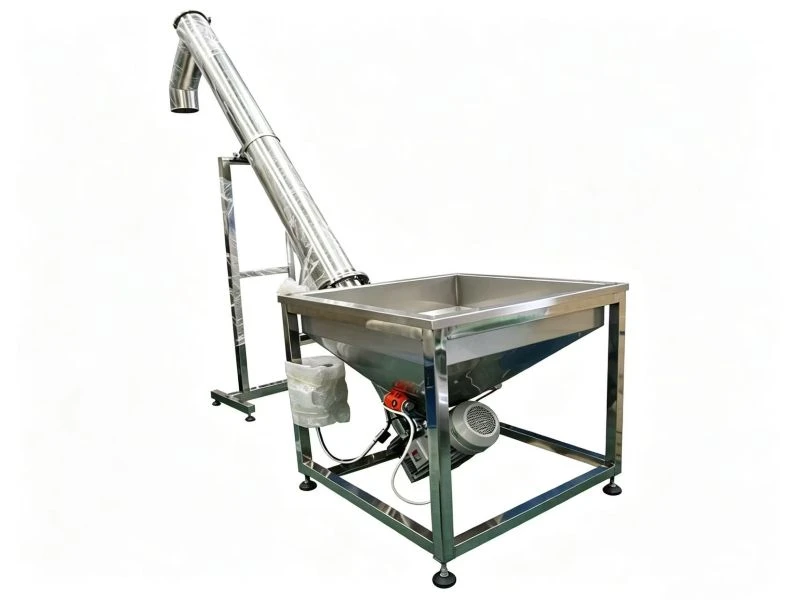
Industrial Screw Conveyor Systems for Bulk Material Handling Industrial screw conveyors are designed for continuous, efficient handling of bulk materials such as powders, granules, and semi-solids. With a compact structure and enclosed design, they ensure stable conveying performance, reduced dust emission, and low maintenance in various industrial applications. YuanJing provides customised screw conveyor solutions based…Vacuum Conveyor Feeder System
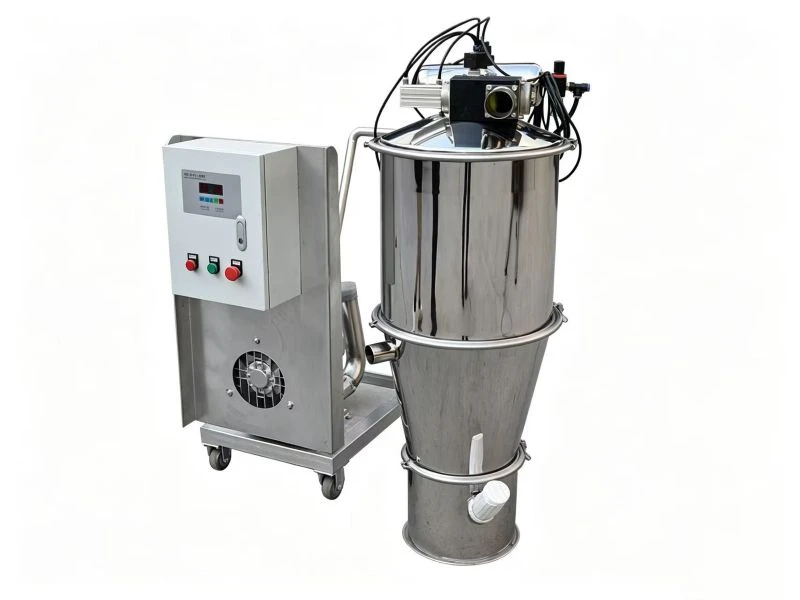
Industrial Vacuum Conveyor System Solutions for Powder & Bulk Materials Vacuum conveyor systems automatically transfer various materials into the hoppers of packaging machines, injection molding machines, and crushers. They can also feed mixed materials directly into mixers (such as V-type, 2D, and 3D mixers), significantly reducing manual labor and eliminating dust spillage during feeding. As…
Vibrating Screen and Conveyor Machine Manufacturer & Supplier
Built for precision screening, reliable performance, and flexible industrial applications,
Yuanjing rotary vibrating screens are trusted by customers worldwide.

Global Project Experience
Yuanjing products are exported to 50+ countries and regions, serving industries including food, chemicals, pharmaceuticals, mining, and new energy.
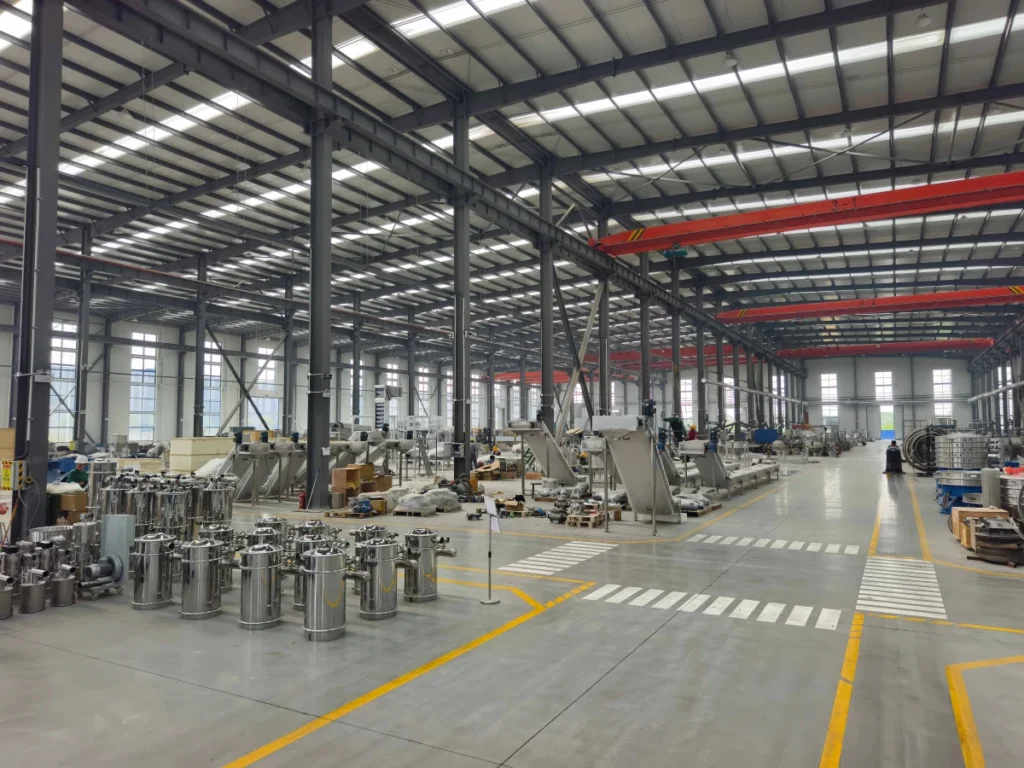
Strong Manufacturing Capability
Advanced production lines with laser cutting, CNC machining, automatic welding, and strict quality inspection ensure consistent product quality.
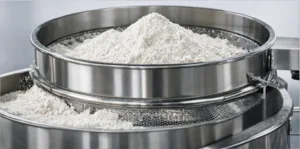
Accurate & Stable Separation
Optimized vibration design delivers even material flow, high screening accuracy, and stable long-term operation.
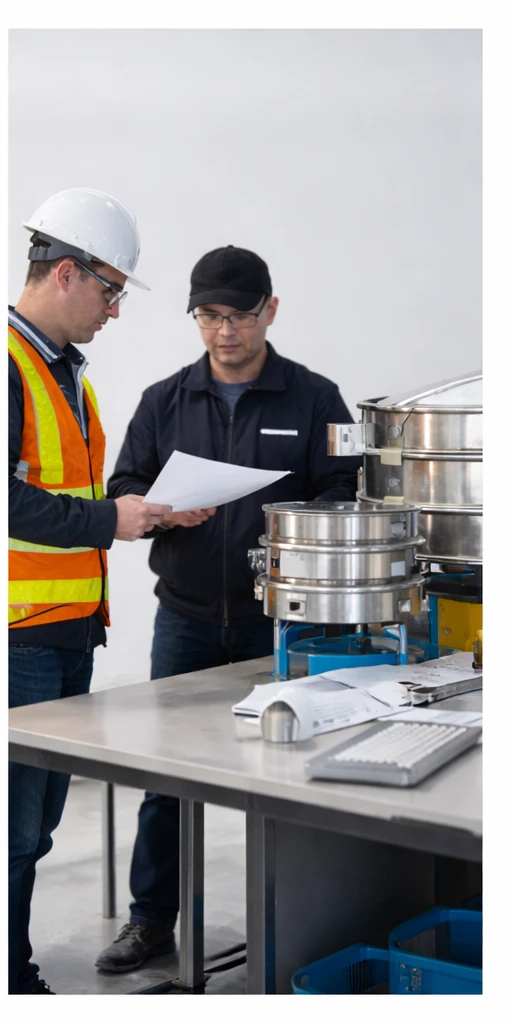
Customized Screening Solutions
Yuanjing offers flexible configurations in diameter, mesh size, deck layers, and material options to fit your exact process requirements.
FAQs
Get Custom Solution
We can provide customised screening and conveying equipment solutions tailored to different materials and production requirements.
Send us your requirements, and our team will provide the right solution and a fast quotation within 24 hours.