450 Filter Sieve Machine
Choosing the right 450 filter sieve directly impacts your production efficiency, product quality, and long-term operating costs. Whether you’re filtering liquids, separating fine particles, or removing impurities in industries such as food processing, chemicals, or pharmaceuticals, this article guides you in evaluating key factors such as material type, mesh size, throughput, and machine configuration to help you select a 450 filter screen suitable for your specific application.
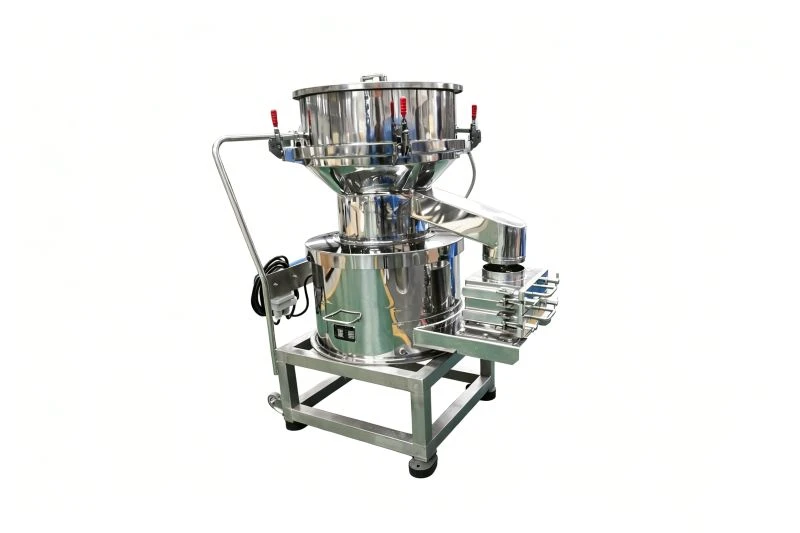
What is 450 Filter Sieve Machine?
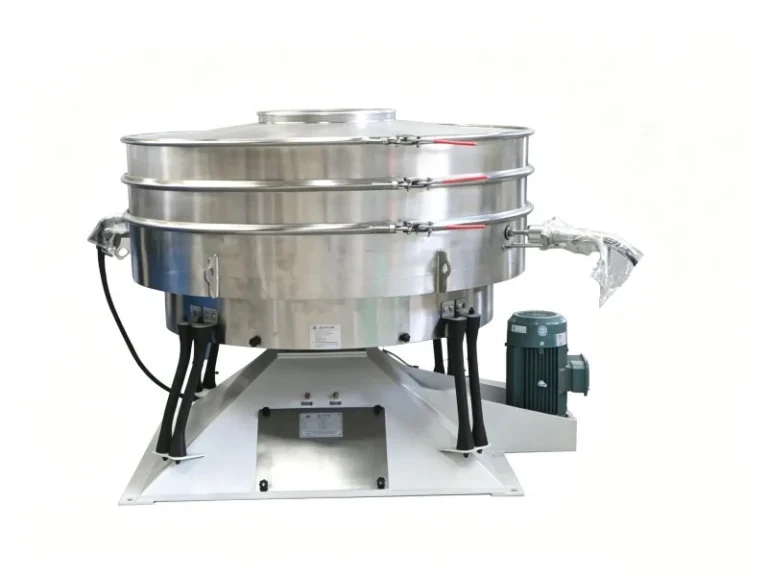
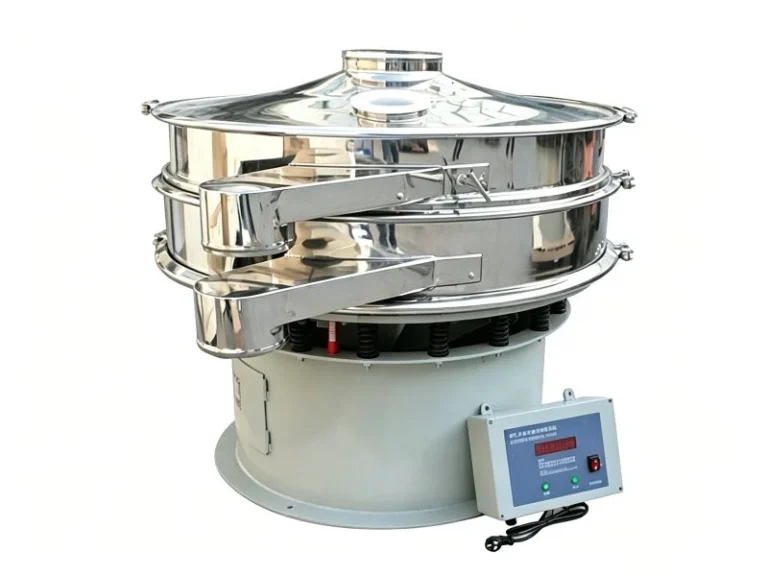
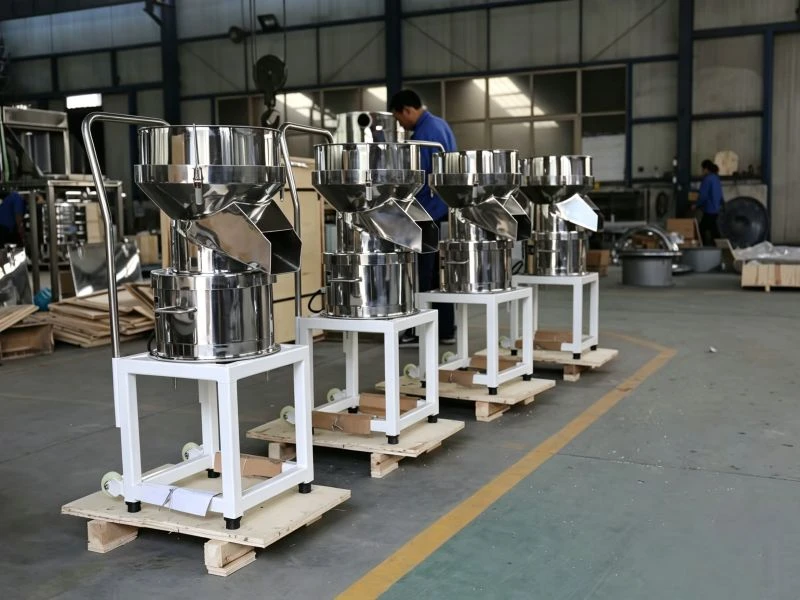
A 450 filter screen is a compact vibrating filtration device designed for separating solids from liquids or grading fine materials, widely used in industries such as food processing, chemicals, and pharmaceuticals due to its stable operation, small footprint, and precise filtration capability.
Working Principle
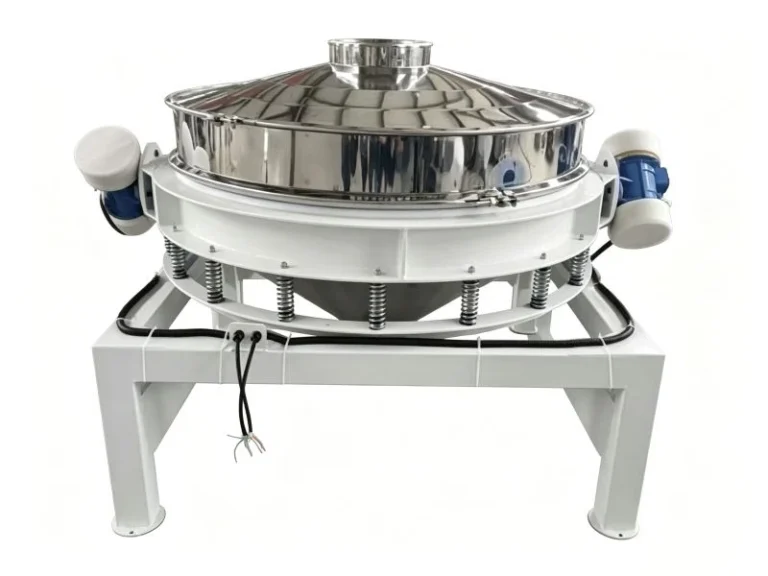
The upper and lower eccentric weights of the vertical vibration motor generate three-dimensional vibration (horizontal, vertical, and inclined).
Material enters from the top and is dispersed across the screen surface by the vibration; fine particles or slurry pass through the mesh, while coarse residue is automatically discharged through the side outlet.
Adjusting the phase angle of the eccentric weights alters the material’s movement pattern, thereby enhancing filtration efficiency.
Structure
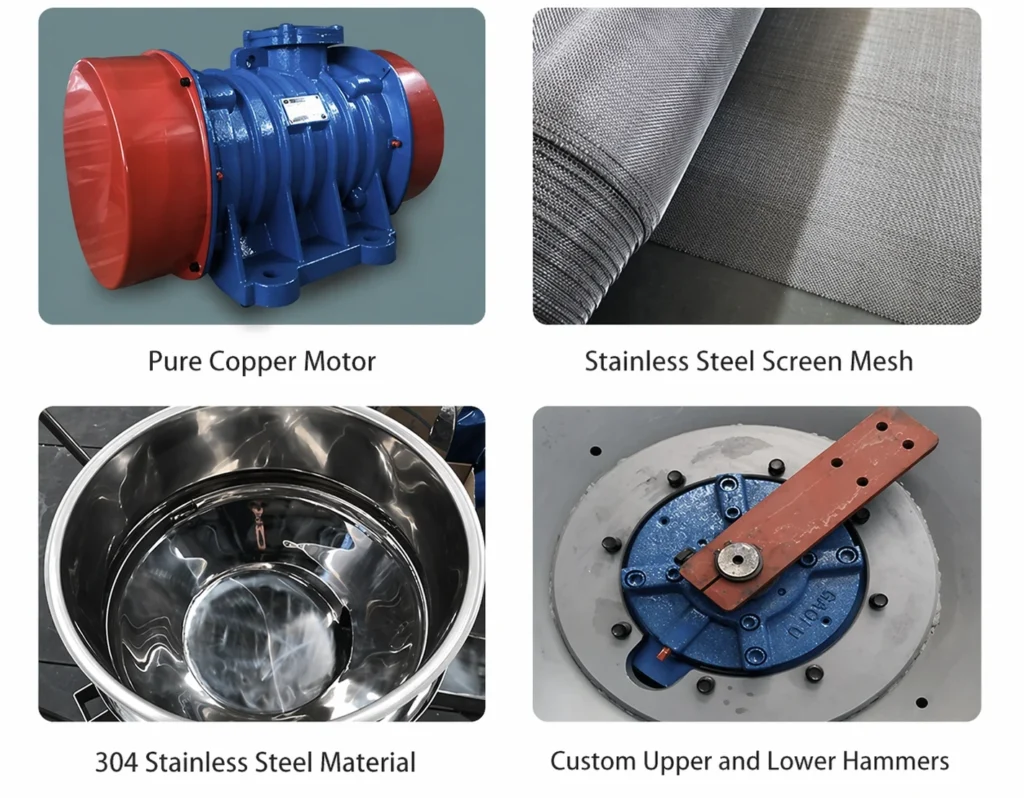
The Model 450 filter screen consists of a screen mesh, drive unit, vibration unit, and base. The screen mesh is the core component of the Model 450 filter screen; it is typically made of high-strength stainless steel and offers exceptional screening accuracy and durability.
How to Choose the Right 450 Filter Sieve for Your Application
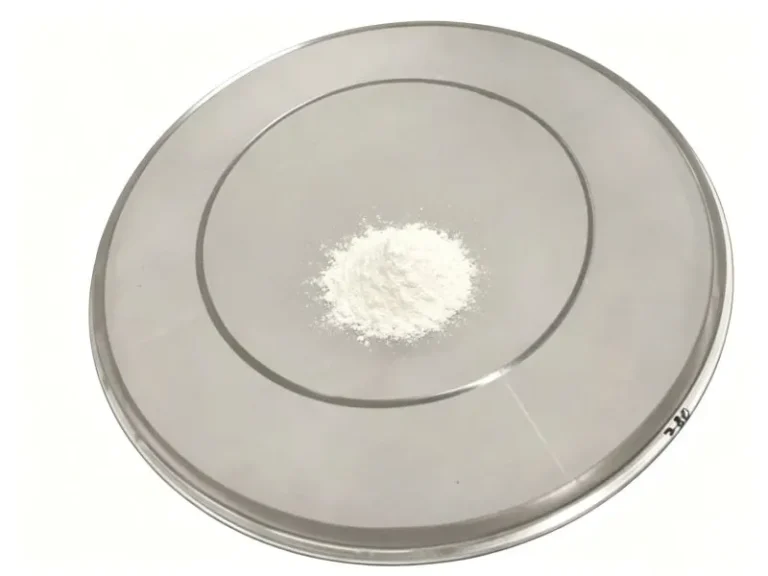
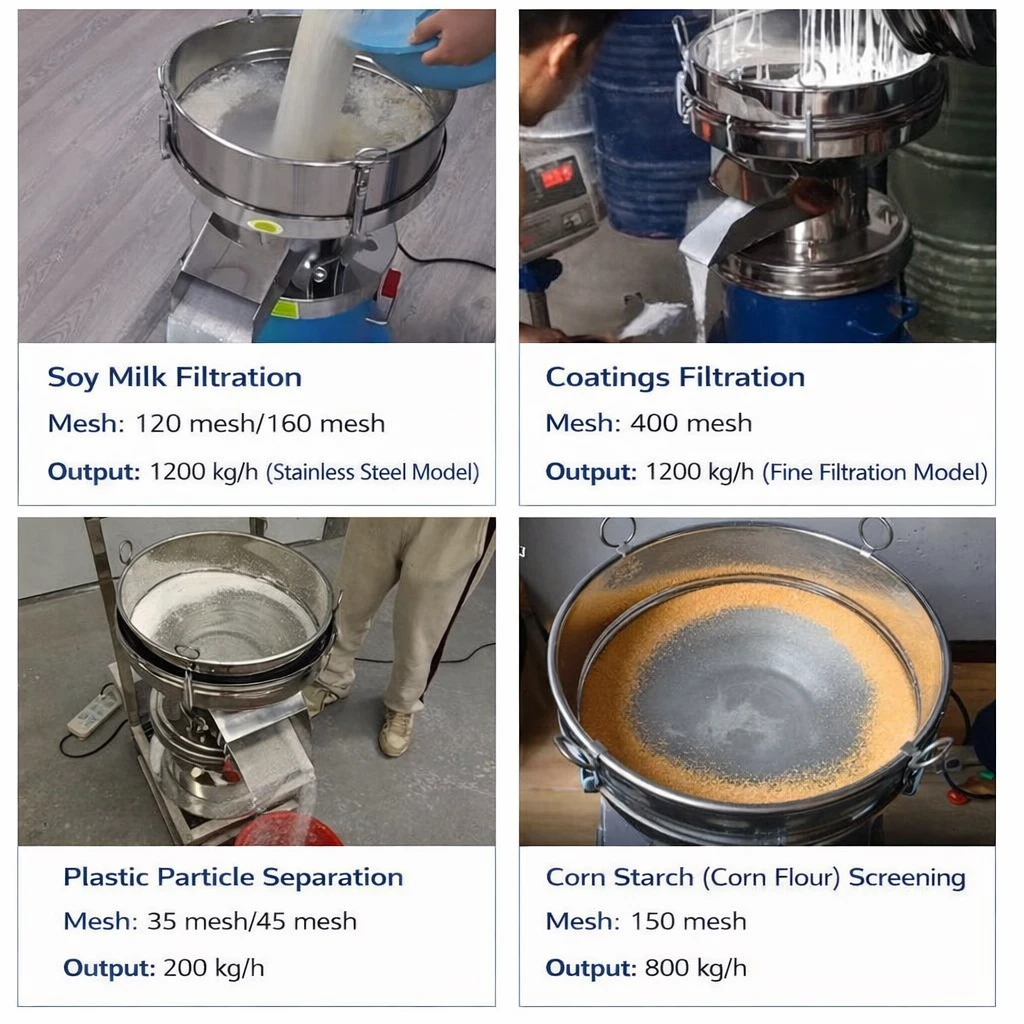
In the food industry, 450-mesh screens are used for the powder sieving grading of food ingredients to improve product quality and texture.
In the chemical industry, they are used for the fine separation of chemical raw materials to enhance reaction efficiency and product quality.
In the pharmaceutical industry, they are used for the fine screening of drug components to ensure product quality and safety.
Why Choosing the Right 450 filter sieve Matters
Selecting the appropriate Model 450 filter screen directly impacts production output, product consistency, and operating costs. In actual production environments, using the wrong model often leads to inconsistent quality or unnecessary downtime, which in turn causes financial losses for the business.
Impact on Production Efficiency
A properly matched Model 450 filter screen can increase filtration throughput by 20–40%
Customer Case Study
A U.S. juice processing plant increased output from 800 liters per hour to 1,100 liters per hour after optimizing mesh size and motor power.
The Cost of Incorrect Selection
Equipment that is undersized or mismatched increases maintenance frequency and labor costs
Customer Case Study
A Vietnamese coating plant experienced a reduction in filter replacement intervals from every two weeks to every three days due to incorrect mesh selection.
Quality Control and Compliance
In industries such as pharmaceuticals and food processing, improper filtration can lead to contamination risks.
Customer Case Study
A Canadian dairy plant successfully met hygiene standards and passed FDA audits after switching from 304 to 316L stainless steel.
Factors to Consider When Buying a 450 Filter Sieve Machine
Selecting a 450 filter screen requires balancing material characteristics, filtration precision, and production objectives; decisions made at this stage will determine whether the equipment can operate stably.
Material type (liquid, slurry, powder)
The viscosity and solids content of the material determine whether the standard configuration is sufficient or whether anti-clogging and enhanced vibration functions are required.
Mesh Selection
The mesh size should match the target particle size, as a finer mesh improves purity but reduces throughput and increases the risk of clogging.
Throughput Capacity
The throughput capacity must align with actual production requirements. Typically, depending on material characteristics and mesh configuration, the capacity ranges from 300 to 1,200 liters per hour.
Machine Material
304 is suitable for general industrial applications, while 316L is better suited for corrosive environments or applications with high hygiene requirements, such as the food and pharmaceutical industries. Customization Options: Voltage, discharge direction, seal design, and explosion-proof features can typically be adjusted to meet specific plant conditions.
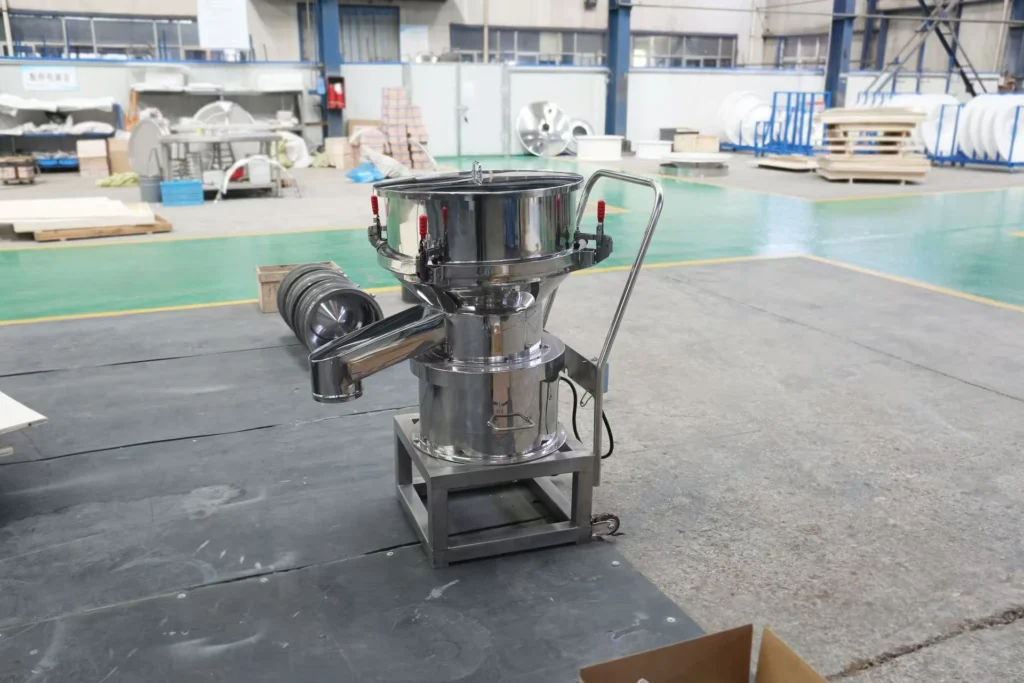
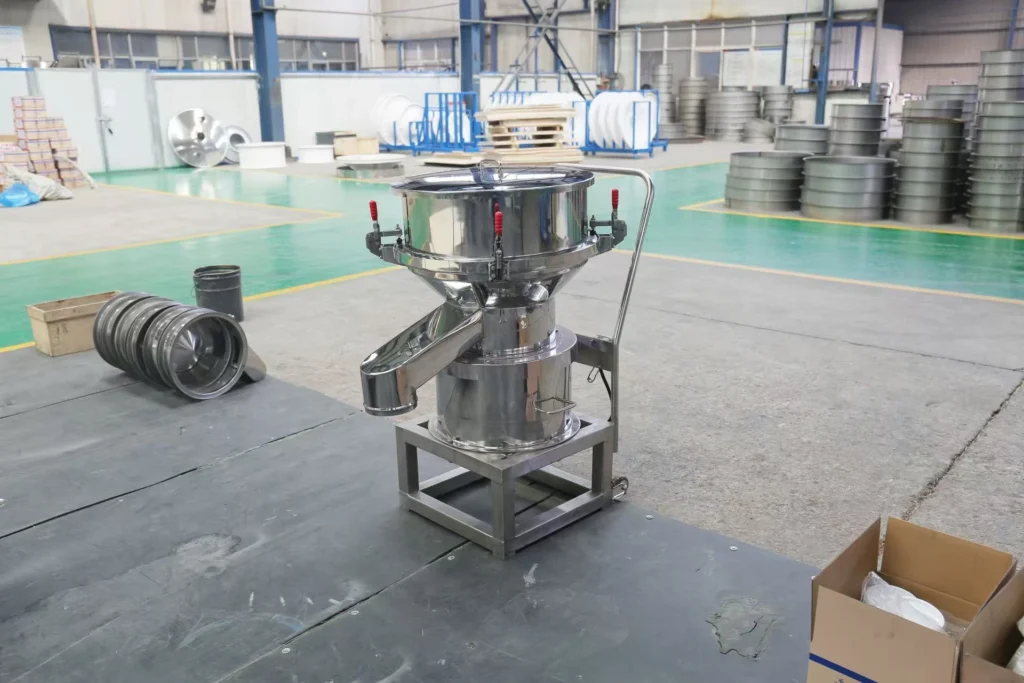
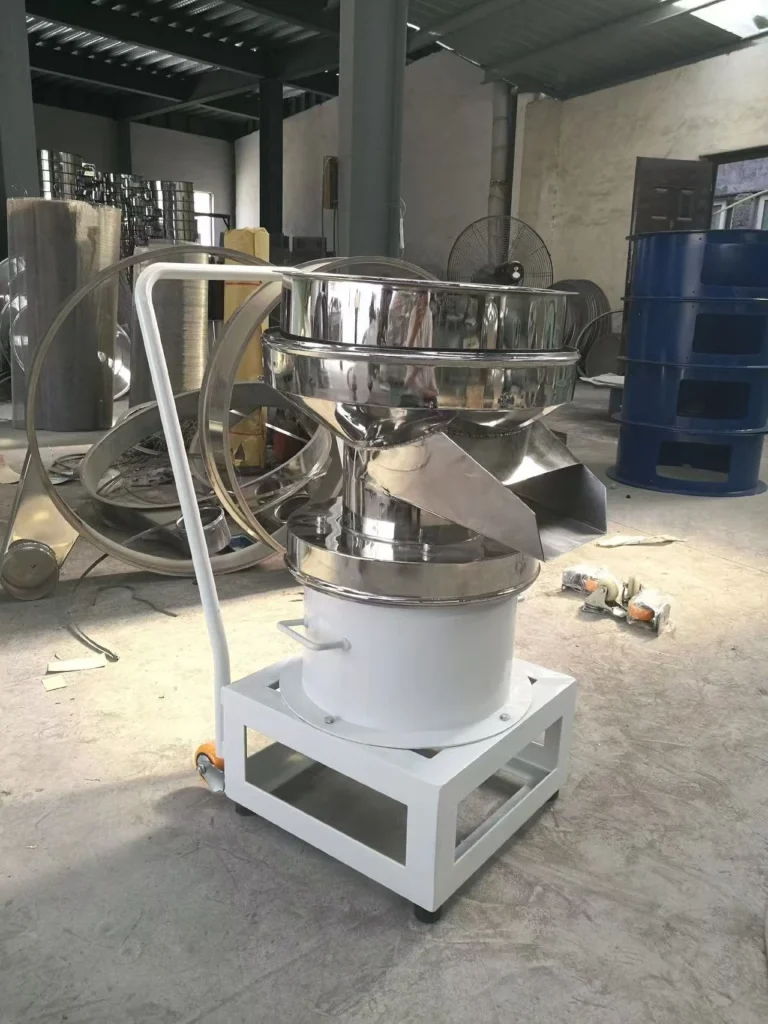
450 Filter Sieve Machine Specification
A 450 filter screen is typically selected based on standard technical parameters that define its operating range
| Depends on the material and configuration | Typical Range / Value | Notes (Industry Practice) |
| Diameter | 450 mm | Standard size for compact filtration units |
| Mesh Range | Depends on the material and configuration | 80–200 mesh commonly used for liquid filtration |
| Capacity | 300–1,200 L/h | Water-like liquids: ~1,000 L/h; viscous slurry: 300–600 L/h |
| Motor Power | 0.18–0.25 kW | 0.18 kW sufficient for most light-duty applications |
| Voltage | 220V / 380V / 460V | Adjusted based on regional industrial standards |
| Material | SUS304 / SUS316L | 316L used in food, pharma, and corrosive materials |
| Screen Layers | 1–2 layers | Single layer for filtration; double layer for grading + filtration |
| Discharge Type | Upper outlet / bottom outlet | Bottom outlet preferred for continuous liquid discharge |
| Machine Weight | 40–60 kg | Depends on material and configuration |
| Footprint | ~600 × 600 mm | Suitable for small production lines or mobile use |
450 Filter Sieve Price
The price of a 450 filter sieve machine varies depending on material configuration, application requirements, and customization level. In general, the price range is influenced by both standard specifications and optional features required by different industries.
Price Range
A standard 450 vibrating filter sieve typically ranges from USD 450 to USD 950 per set.
Basic models with standard stainless steel and single-layer mesh are more cost-effective, while advanced models with anti-clogging design or food-grade polishing will be higher in price.
Factors Affecting Price
Material of construction
Stainless steel 304 is standard, while stainless steel 316L increases cost due to corrosion resistance and hygiene requirements.
Motor type and power
Explosion-proof motors or variable-frequency motors will increase pricing.
Mesh configuration
Higher mesh precision (e.g., 200–400 mesh) requires finer manufacturing accuracy.
Structure design
Multi-layer or ultrasonic-assisted systems are more expensive than basic single-layer designs.
Application requirements
Food-grade, pharmaceutical-grade, or chemical-resistant customization affects total cost.
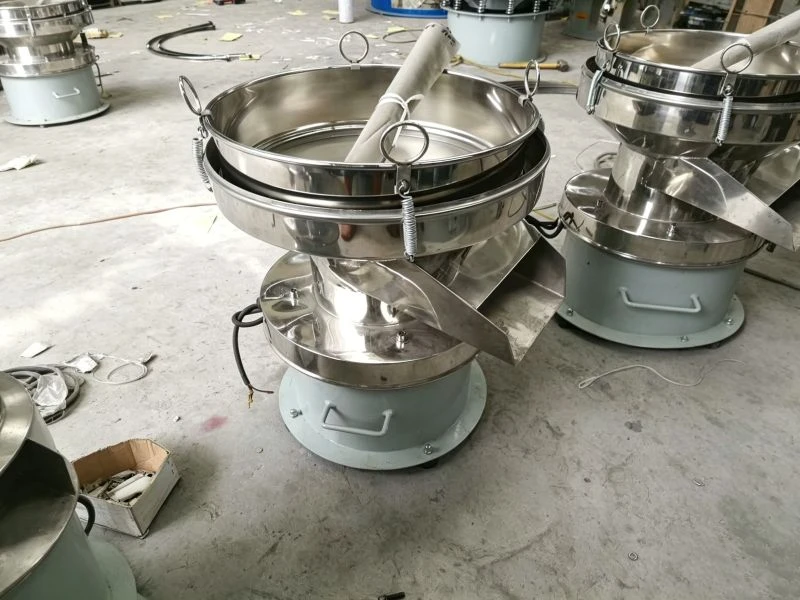
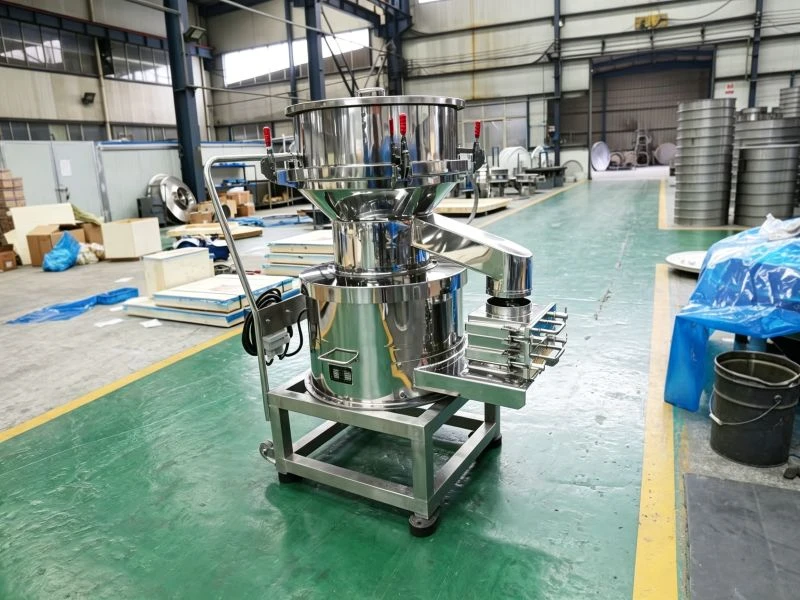
Advantages
- Highly Effective Anti-Clogging Screening
Features a specialized anti-clogging screen structure that prevents material jamming and blinding, ensuring consistent screening accuracy and throughput. - High-Reliability Industrial Protection
Equipped with an IP54-rated motor (dust and water-resistant) to seal out contaminants; ensures stable, long-term operation in both dry and wet conditions with a low failure rate. - Low Cost and Easy Maintenance
Modular, quick-release design eliminates cleaning blind spots; allows for rapid cleaning and parts replacement by a single operator, minimizing downtime losses. - Flexible Application Across Scenarios
Optional mobile frame with locking swivel casters allows for easy relocation, making it suitable for diverse operational needs ranging from production lines to small-scale sample testing.
450 Filter Screen for Different Industries
A 450 filter screen is used across multiple industries, but configuration varies depending on material properties, hygiene standards, and processing goals; selecting by application ensures stable operation.
| High-density, abrasive particles | Typical Application | Material Characteristics | Recommended Configuration |
| Food Processing | Juice, milk, starch filtration | Low viscosity, hygiene-sensitive | 100–150 mesh, SUS316L, single layer, bottom outlet, 0.18 kW motor |
| Chemical Industry | Resin, paint, coating filtration | Medium viscosity, possible corrosion | 80–120 mesh, SUS304 or 316L, single layer, sealed design, 0.18–0.25 kW |
| Pharmaceutical | Liquid medicine, intermediate slurry | High hygiene requirement, fine solids | 150–200 mesh, SUS316L, mirror polish, single layer, gasket sealing |
| Ceramic / Slurry | Ceramic slurry, glaze filtration | High density, abrasive particles | 60–100 mesh, SUS304, reinforced mesh, 0.25 kW motor, bottom outlet |
| Water Treatment | Wastewater, Slurry Dewatering | Large particles, high flow rate | High-density, abrasive particles |
How to Choose a Reliable Supplier
When selecting a reliable supplier of 450-mesh filter screens, it is essential to consider not only price but also manufacturing consistency, delivery reliability, and long-term support; in fact, a supplier’s capabilities often determine whether equipment can operate stably over the long term.
- Certification Compliance: Suppliers with ISO and CE certifications can provide more predictable quality control.
- Manufacturing Experience: Experienced suppliers are better equipped to handle the specific requirements of particular applications; Yuanjing Machinery has extensive project experience in the food, chemical, and slurry filtration sectors.
- Quality Control: Consistent performance depends on machining precision and assembly standards; Yuanjing Machinery employs standardized production and inspection processes.
- Customization Capabilities: Suppliers with in-house engineering support can more efficiently meet non-standard requirements such as voltage, outlet positioning, and sealing.
- After-Sales Support: Prompt technical response and spare parts availability minimize downtime; Yuanjing Machinery provides ongoing support for installation, troubleshooting, and maintenance.
Conclusion
When selecting the right 450 Filter Screen, the decision should not be based solely on price and specifications, but must also take into account actual production conditions, material characteristics, capacity requirements, and hygiene standards. As a manufacturer with extensive practical experience in food, chemical, and slurry filtration projects, Yuanjing Machinery offers support for non-standard model selection, customization, and technical guidance. If you are evaluating a 450 Filter Screen for your production line, please share your material and capacity requirements so that we can provide you with more accurate recommendations.