Powder Sieving Machine Price
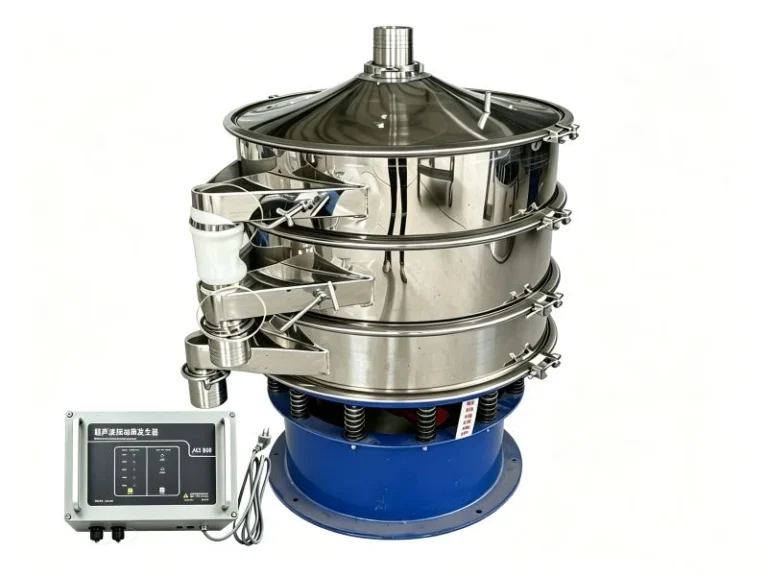
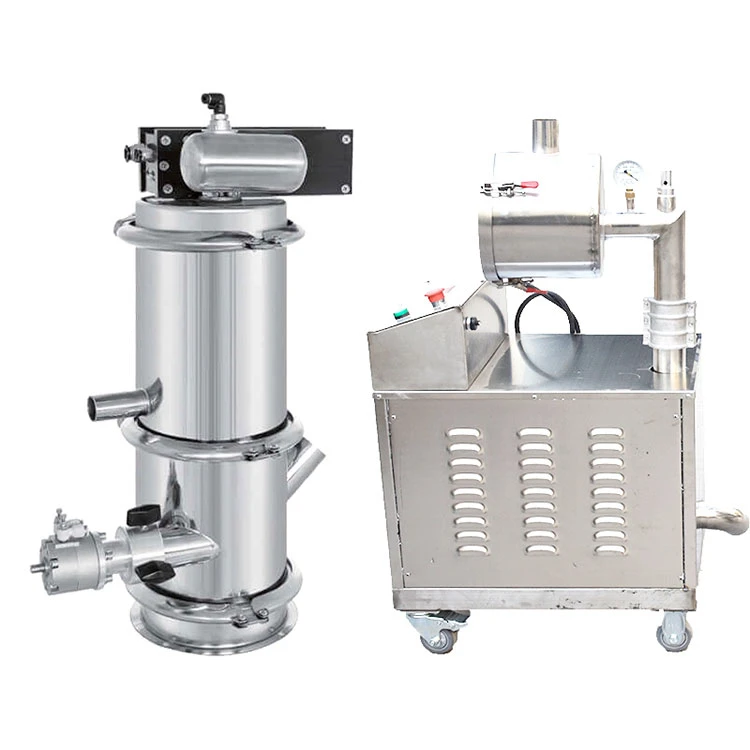
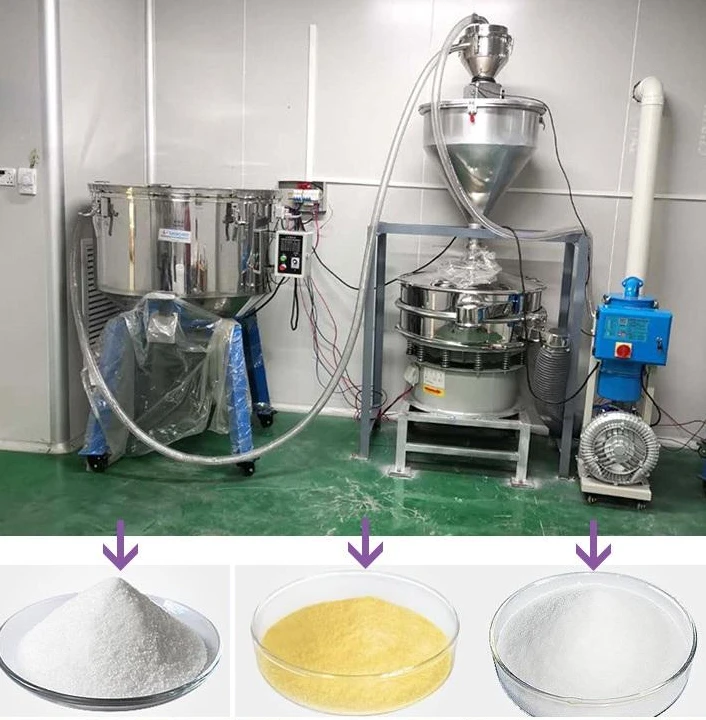
The Powder Sieving Machine is a professional industrial sieve for particle size separation and classification.In modern production lines, it is often integrated with feed conveyor systems and vacuum pneumatic conveying system to achieve fully automated powder handling from feeding to final screening. It is applicable to diverse powdered materials such as flour, sugar, spices, metal powders, ceramic powders and pharmaceutical raw materials. Featuring a processing capacity of 100 kg/h to 6,500 kg/h and an adjustable mesh size ranging from 20 mesh to 500 mesh, the equipment can accommodate varying screening precision demands. Depending on these technical specifications and customization requirements, the powder sieving machine price varies to suit different budget ranges.
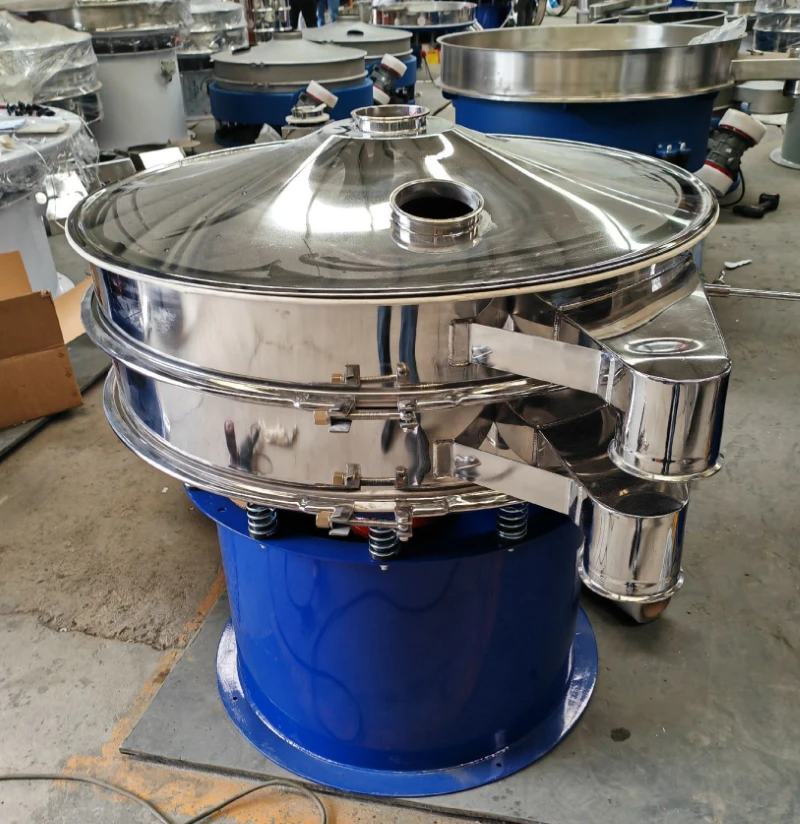
The powder sieving machine price varies significantly based on machine type, body material, production capacity and functional configurations. For rational procurement, buyers shall evaluate actual production demands and material properties, and take long-term operational and maintenance costs into consideration to strike an optimal balance between equipment performance and investment expenditure.
Working Principle of the Powder Sieving Machine
The Powder Sieving Machine emulates the principles of manual screening, combining horizontal circular screening motion with upward parabolic shaking.In some advanced systems, liquid sifter machine technology is also used for slurry-type materials to achieve efficient solid-liquid separation. By adjusting the angle of the screen mesh, it optimizes the screening process, making it suitable for high-throughput screening, filtering, and grading of materials prone to screen clogging. Its overall precision, efficiency, and screen mesh lifespan can reach 5 to 10 times that of conventional circular screens.
The equipment guides materials to move in a spiral involute path along the screen surface, extending the screening travel and dwell time of the materials. This fully utilizes the effective screening area, significantly improving screening accuracy and production capacity. During the screening process, fine materials pass through the mesh to become undersize products, while larger particles are smoothly discharged through the discharge port via tumbling conveyance. High-end models are equipped with ultrasonic anti-clogging technology, ensuring highly efficient and precise screening. The machine features a high degree of automation, which not only reduces labor requirements but also ensures consistent and stable screening quality.
Advantages of the Powder Sieving Machine
1. Compact and lightweight, the unit is easy to move; the discharge outlet direction can be freely adjusted, and coarse and fine materials are discharged automatically. The screening machine can be operated by a single person.
2. It offers high screening precision and efficiency, making it suitable for use with any type of powder, granule, or liquid slurry.
3. The screen remains unclogged, and no dust is generated during operation; screening precision can reach as fine as 500 mesh (28 microns), while filtration precision can reach as fine as 5 microns.
4. Featuring a unique screen frame design (a “parent-child” structure), the screen offers a long service life and is easy to replace—taking only 3 to 5 minutes. Operation is simple, and cleaning is convenient.
5. It accommodates a wide variety of screen materials, including stainless steel, nylon, specialized synthetic fibers, and PP mesh.
6. The unit involves no mechanical moving parts, requires minimal maintenance, and can be configured for single-layer or multi-layer operation.Can be combined with advanced automation systems including tumbler screening machine and tumbler sieve machine for improved fine powder processing accuracy.
Factors That Affect Powder Sieving Machine Prices
Machine Type
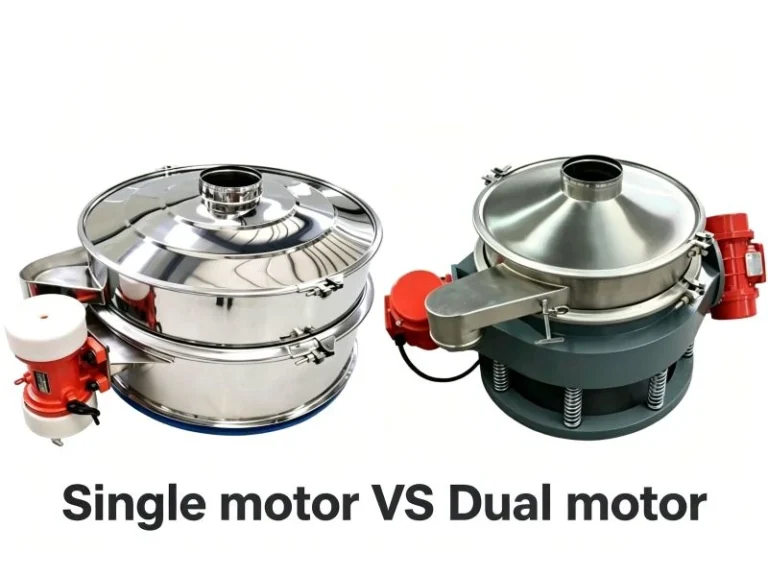
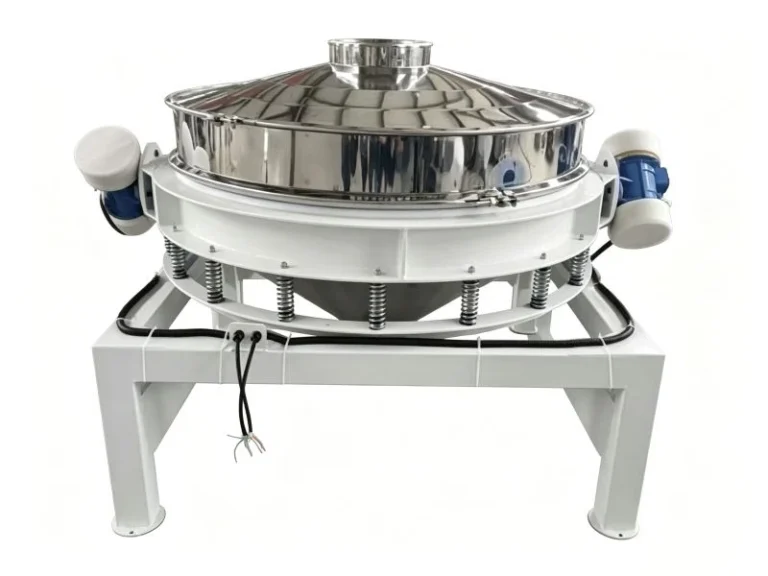
Different machine types serve different screening needs. Vibrating and rotary sieves are common for medium to large-scale production, while tumbler and three-dimensional screens offer high precision for delicate or sensitive powders. The complexity of the mechanism directly impacts the powder sieving machine price, with more precise and automated models costing significantly more.
Material and Build Quality (304/316 Stainless Steel)
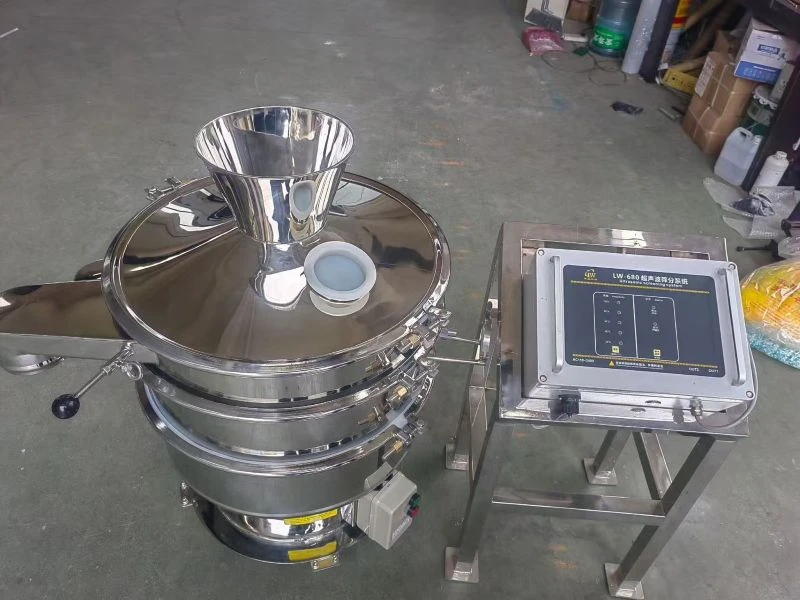
Material selection influences both cost and suitability. 304 stainless steel is suitable for general-purpose screening, while 316 stainless steel is essential for food and pharmaceutical applications due to its corrosion resistance. High-grade materials extend machine life but directly impact the final powder sieving machine price, raising the initial investment for buyers.
Production Capacity and Precision
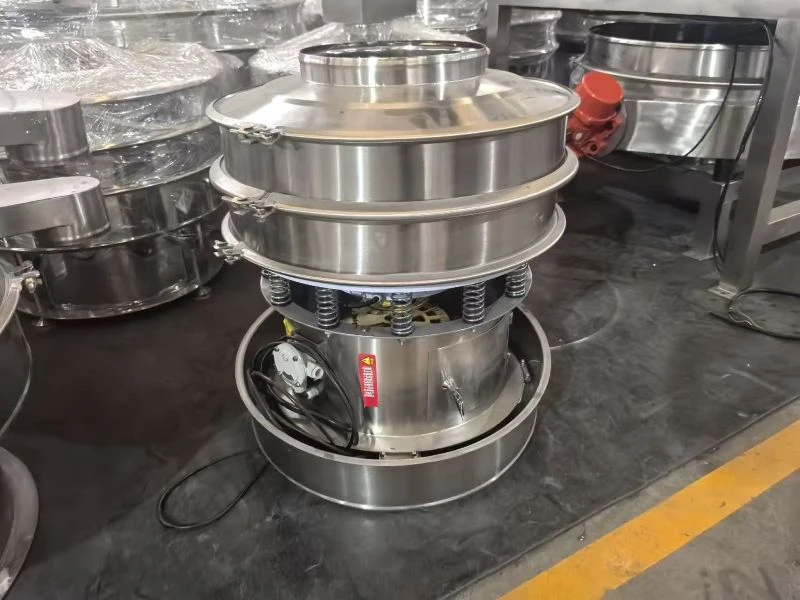
Throughput and mesh capabilities are key factors that determine the powder sieving machine price. High-capacity models ensure faster screening without compromising accuracy, making them suitable for industrial-scale operations. Precision affects product quality, especially in pharmaceuticals and chemical industries, justifying the extra investment for premium equipment.
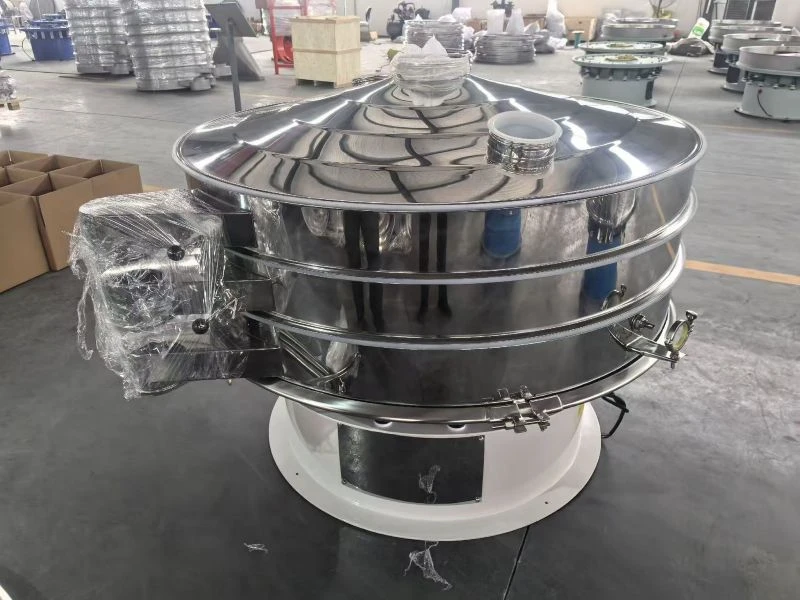
Application and Industry Impact on Price
Food & Pharmaceutical Use
Food and pharmaceutical industries require machines with sanitary design and high precision. Equipment is often connected with a dust free bag dump station to ensure contamination-free feeding. For sugar and salt processing industries, machines like sugar sifter shaker and industrial salt sifter are widely used to achieve uniform particle size and stable quality control. These machines often have multi-layer screening and dust-free operation, making the final powder sieving machine price higher than that of general-purpose models.
Chemical & Mineral Processing
In chemical and mineral applications, durability and throughput are prioritized. Machines must handle abrasive powders, high temperatures, or corrosive materials. The robust construction and larger capacity drive up the powder sieving machine price, but they reduce downtime and long-term maintenance costs.
Special Requirements: Explosion-Proof, Wet Powder, Dust-Free
Certain powders pose safety or handling challenges. Explosion-proof, wet powder, or dust-free designs require additional engineering and certifications. Although custom equipment increases the powder sieving machine price, it ensures safe, compliant, and efficient operation.
Price Range for Powder Sieving Machines
The price of powder sieving machines is influenced by factors such as production capacity, material (stainless steel or carbon steel), and customization requirements. They are typically categorized into the following grades:
Small-scale equipment
With a production capacity of up to 500 kg per hour, prices range from approximately $750 to $2,500. These machines are usually made of carbon steel, feature a compact design, and are suitable for laboratory or small-scale production. With 1–3 screening layers, these units are suitable for fine powder screening in industries such as chemical processing and metallurgical testing.
Medium-sized equipment
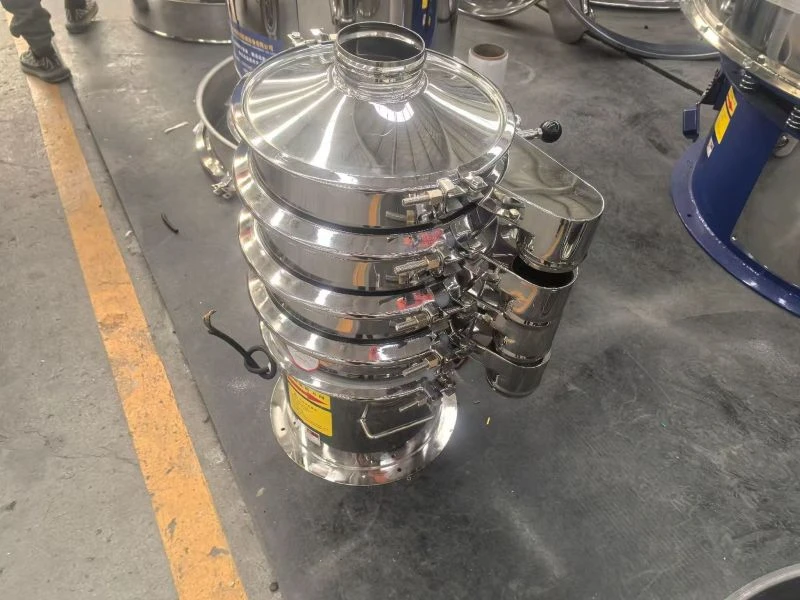
With a capacity of 500–3,000 kg/h, prices range from $2,500 to $6,000. Materials include 304 stainless steel or carbon steel. Screening precision ranges from 20 to 500 mesh, and some models feature dust collection ports, making them suitable for industries such as food and pharmaceuticals.
Large-scale equipment
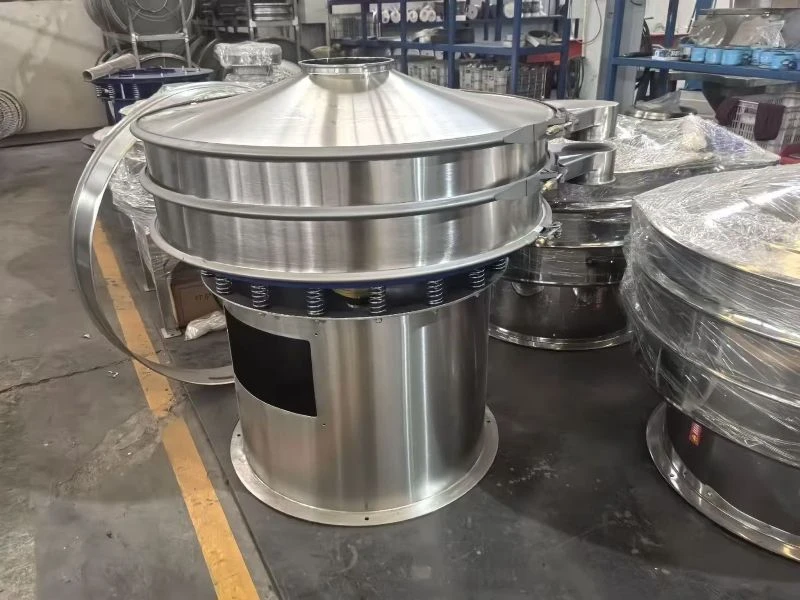
With a production capacity of 3,000–6,500 kg/h and a price range of $6,000–$10,000 or more, these units are manufactured from high-temperature and corrosion-resistant 316 stainless steel. They support multi-stage screening (4–6 layers). When processing highly viscous or prone-to-caking materials, ultrasonic cleaning technology can be employed to increase screening efficiency by over 35%.
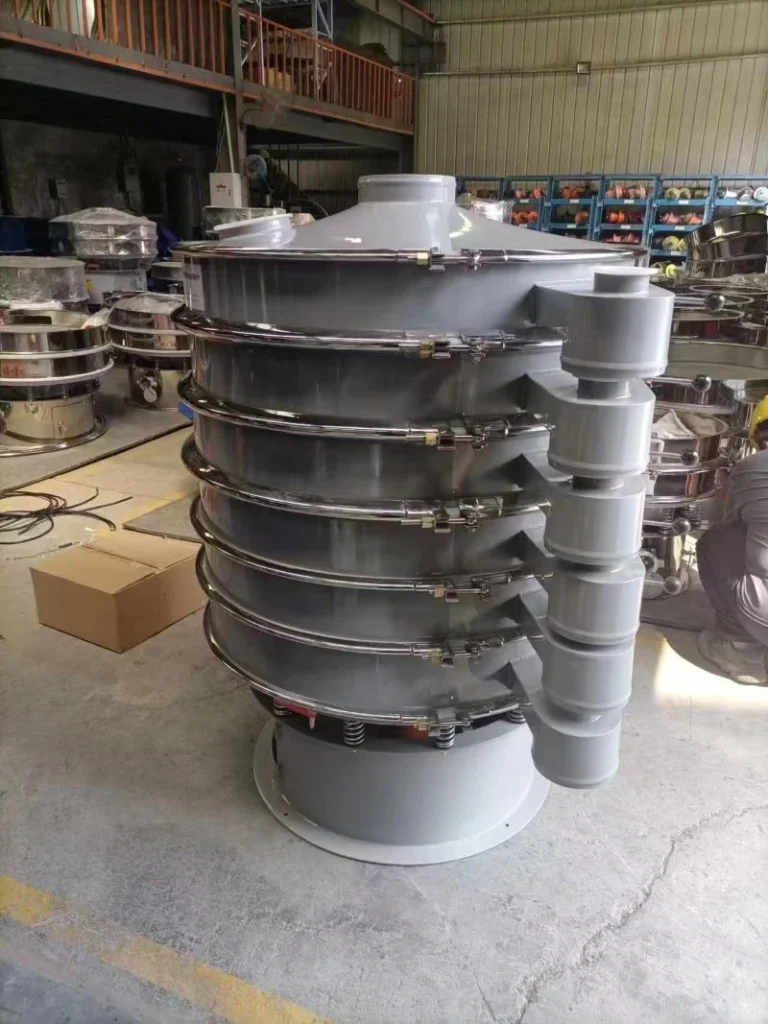
High-End Customization: For requirements involving special screen materials (e.g., titanium alloy), explosion-proof design, or ultra-high-frequency vibration (3,000–6,000 cycles per minute), prices typically exceed $15,000. Key parameters also include screen diameter (400–1,800 mm), noise level (<75 dB), and energy efficiency.
After-sales Support and Maintenance Costs
The after-sales support and maintenance costs associated with a Powder Sieving Machine are critical factors influencing the overall return on investment. Generally speaking, even if the initial purchase price is reasonable, high maintenance costs or inadequate after-sales service can significantly inflate the total cost of ownership over the long term.
First and foremost, the cost of replacement parts and consumables constitutes a major expense. Components such as sieves, motors, springs, and seals require periodic replacement during extended operation. While high-quality parts may carry a slightly higher price tag, their extended service life and superior stability help minimize downtime and reduce the frequency of repairs, thereby lowering overall costs. Secondly, maintenance cycles and operational complexity are key considerations. Equipment that is easy to operate and features a simple structural design typically incurs lower maintenance costs, whereas more complex models may require the expertise of professional technicians for servicing, thereby increasing labor costs.
Furthermore, installation, commissioning, and training services directly impact the equipment’s operational efficiency and safety. Some manufacturers offer comprehensive installation and operational training, facilitating a quick start-up and minimizing operational errors and unplanned downtime. Conversely, in the absence of professional support, the initial investment may appear low; however, the subsequent costs incurred due to wear and tear—or downtime—resulting from improper operation can ultimately drive up the total expenditure.
When evaluating a Powder Sieving Machine, it is essential to take a holistic view that encompasses the cost of consumables, maintenance cycles, and the availability of installation, commissioning, and training services. This comprehensive approach ensures the optimal balance between performance and long-term costs, thereby maximizing the return on investment.
Conclusion
Evaluate your production scale, powder type, and industry requirements. Prioritize precision, durability, and safety features. Balance initial investment with operational efficiency to select a machine that maximizes ROI while meeting production needs.