What Affects Vibrating Screen Mesh Service Life?
Factors Affecting the Service Life of Vibrating Screen Mesh
Vibrating Screen Mesh Service Life directly affects production efficiency in systems such as metal powder sieving machine and chili powder sieve machine, where mesh durability plays a critical role in powder sieving machine price control. Factors such as mesh material, installation quality, operating conditions, and maintenance practices play a crucial role in durability. Understanding these factors helps industries select the right mesh, prevent premTature wear, and reduce downtime, ensuring long-term operational efficiency.
Material and Mesh Type
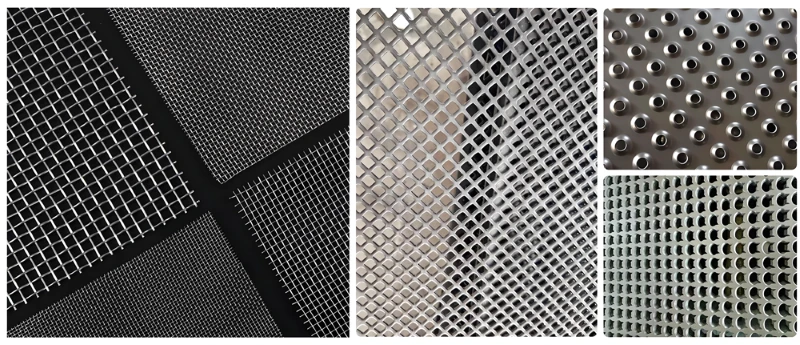
The material and type of vibrating screen mesh are crucial for its service life. Selecting the right mesh reduces wear, minimizes downtime, and extends durability.
Stainless steel vs. alloy
Stainless steel is ideal for food, chemical, and pharmaceutical applications due to corrosion resistance and ease of cleaning. Alloy meshes, such as nickel-chromium, offer higher wear resistance for abrasive materials but cost more.
Wire diameter and mesh size
Thicker wires and larger mesh sizes handle heavier loads and impacts, while finer wires provide higher screening accuracy but wear faster.
Coatings and treatments
Nickel plating, zinc coating, or polymer treatments protect against corrosion and chemical damage, especially in wet or harsh environments.
Choosing the right combination of material, wire diameter, and coating ensures both durability and screening precision.
In high-precision industries such as cosmetics powder sieving machine production, fine mesh selection is especially important to maintain product consistency.
Installation and Tensionin
Proper installation and tensioning are critical to maximize vibrating screen mesh service life. Correct tension ensures even load distribution, reduces vibration damage, and prevents premature wire breakage.In advanced screening systems such as high-frequency vibrating screen setups, proper tensioning is even more critical due to higher vibration intensity.
Frame alignment and support
The mesh must be properly seated and aligned within the frame. Misalignment or uneven support can cause localized stress, accelerating wear and reducing lifespan.
Avoiding loose or over-tightening
Over-tightening can deform the mesh and cause cracks, while loose installation leads to slippage, uneven vibration, and accelerated wear. Industry best practice is to apply uniform tension across the mesh and periodically inspect it during operation.
Different materials possess distinct characteristics; for instance, metal filtration screens are woven from high-strength metal wires, offering excellent resistance to abrasion and corrosion, as well as a long service life. Polyurethane screens, conversely, exhibit lower tensile strength but possess high toughness; typically exceeding two centimeters in thickness, they are capable of withstanding the impact force of stones falling onto the screen, thereby significantly extending the screen’s operational lifespan.
For a practical example, see our glass and paper scrap screening case study, where stainless steel woven mesh is riveted to a metal frame to form an integrated screen assembly.
Operating Conditions
The Industrial vibro sifter for powder sieving mesh service life is significantly influenced by operating conditions. The following are several common vibratory sifter issues:
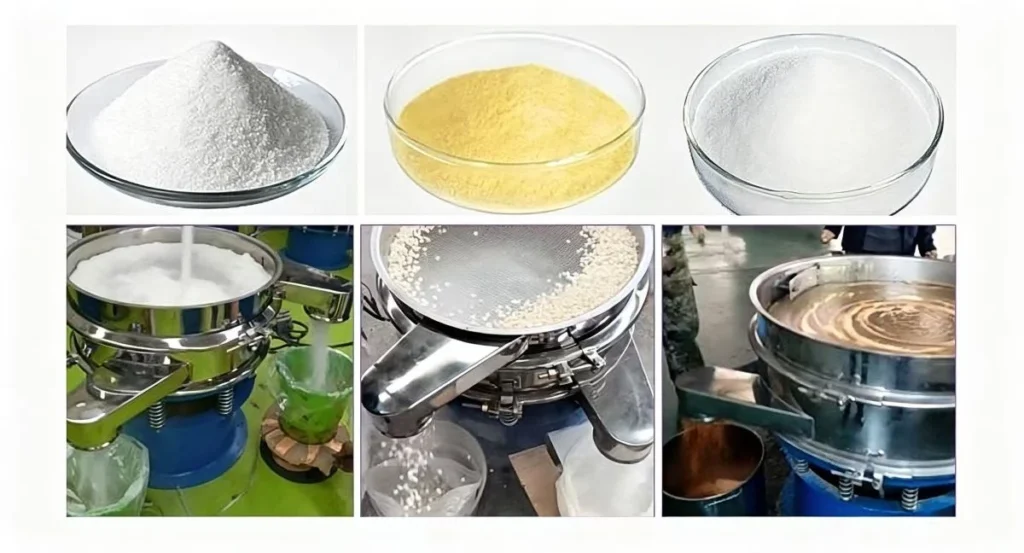
1. Improper Screen Cleaning Methods:
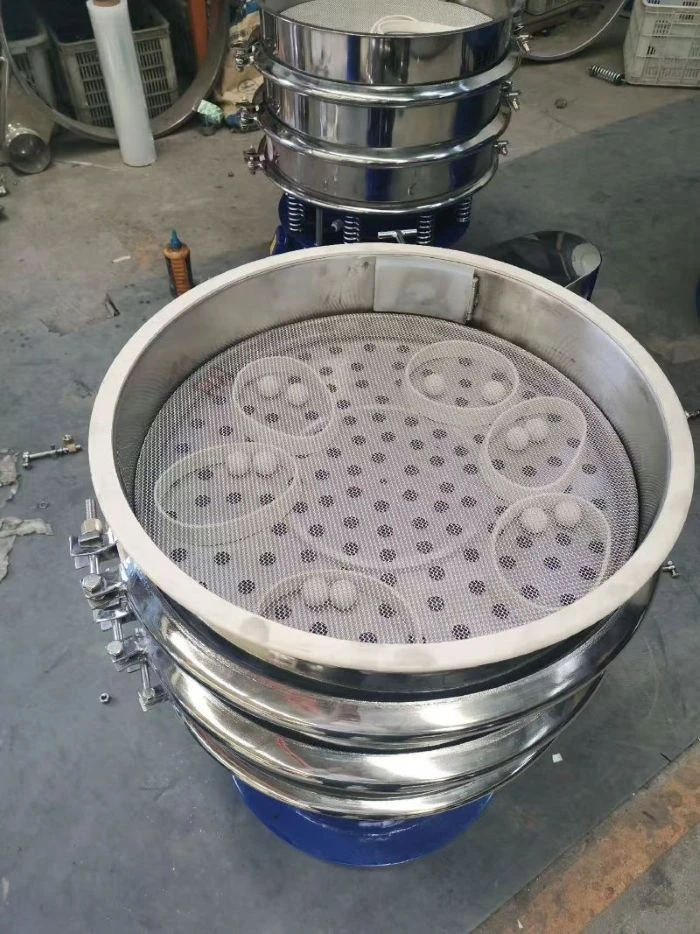
In the case of common bouncing-ball cleaning systems, if the hardness of the balls is unsuitable, high-frequency impacts can cause localized surface wear, mesh deformation, or even tearing at the edges of the screen. Furthermore, if the hardness of the cleaning balls exceeds that of the screen material (e.g., using metal balls with a nylon screen), the resulting damage will be significantly exacerbated.
2. Excessive and Concentrated Feed Impact:
When material falls directly onto the screen surface from a height—particularly in the absence of a buffer or material distribution device at the feed inlet—the continuous impact creates concentrated stress points on the screen. This leads to the formation of localized “fatigue points,” resulting in premature fracture or tearing. This phenomenon, often referred to as “screen battering,” is particularly pronounced when processing hard, heavy granular materials.This issue is particularly common in chili powder sieve machine production lines where fine powders are fed continuously at high speed.
3. Material Retention and Flow Obstruction:
Depressions or irregularities in the screen surface can cause material to become trapped, thereby impeding the forward movement of the material layer and ultimately compromising the vibrating screen’s throughput and productivity.In integrated systems such as 450 vibrating filter screen units, improper flow control can significantly reduce mesh lifespan
4. Environmental Factors:
Exposure to humid environments, extreme temperatures, or corrosive chemical substances will accelerate the aging process of the screen material.
Maintenance and Cleaning
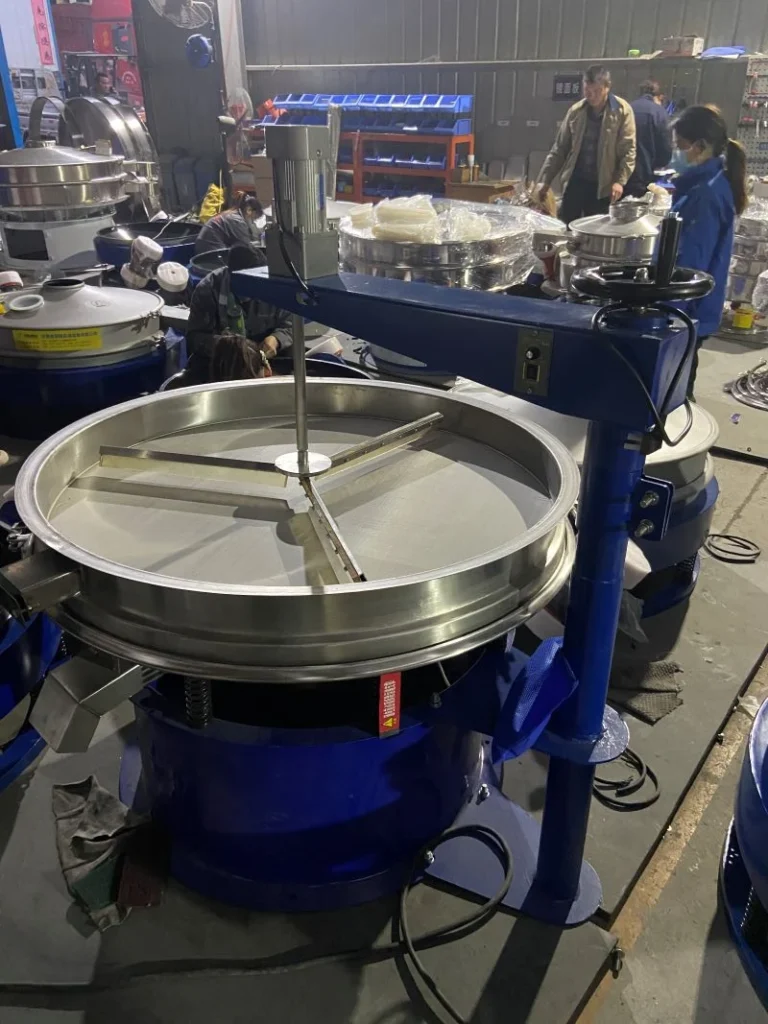
Regular maintenance is key to prolonging vibrating screen mesh service life. Inspect and replace worn or damaged mesh promptly to prevent further damage. Use proper cleaning techniques to remove debris without deforming wires. Prevent clogging by monitoring material flow and avoiding overload, which reduces wear and maintains screening efficiency. Consistent maintenance ensures stable operation and maximizes mesh longevity.For industrial applications like metal powder sieving machine, scheduled cleaning becomes even more important to maintain stable screening performance.
Tips to Extend Mesh Service Life
Extending the vibrating screen mesh service life requires a combination of proper material selection, correct installation, and consistent maintenance.especially in precision industries such as cosmetics powder sieving machine, where mesh condition directly affects product quality.
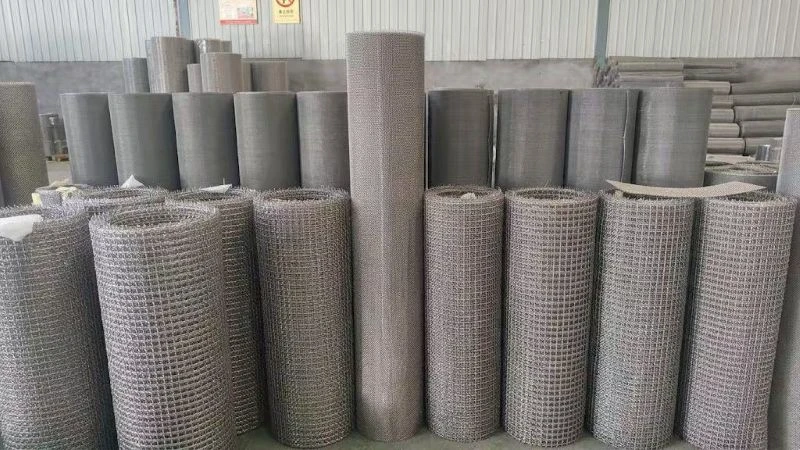
Choosing the right mesh material
Select materials based on the type of powder or aggregate being processed. Stainless steel is suitable for general applications, while high-strength alloys or coated meshes are better for abrasive or corrosive materials. The right material reduces wear and prevents premature failure.
Correct installation and operating practices
Ensure proper tension, alignment, and support when installing the mesh. Avoid over-tightening or loose fitting, and operate within recommended load and vibration parameters to prevent excessive stress and localized damage.
Scheduled maintenance and monitoring
Regularly inspect for wear, replace damaged mesh promptly, and clean using recommended methods. Monitor operating conditions to prevent clogging, corrosion, or excessive impact. A proactive maintenance schedule maximizes efficiency and extends overall mesh lifespan.