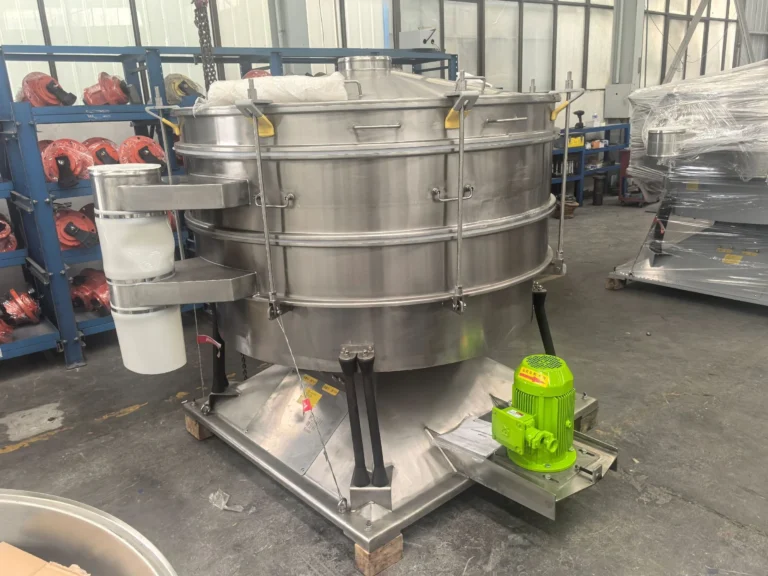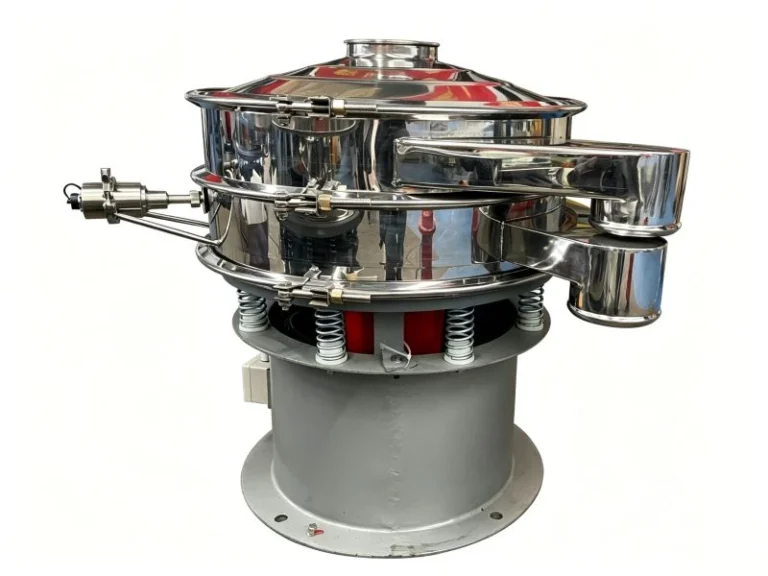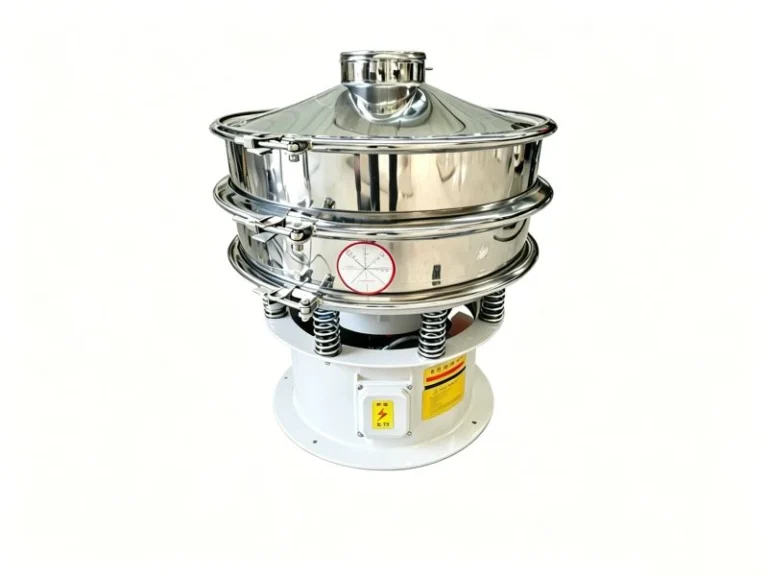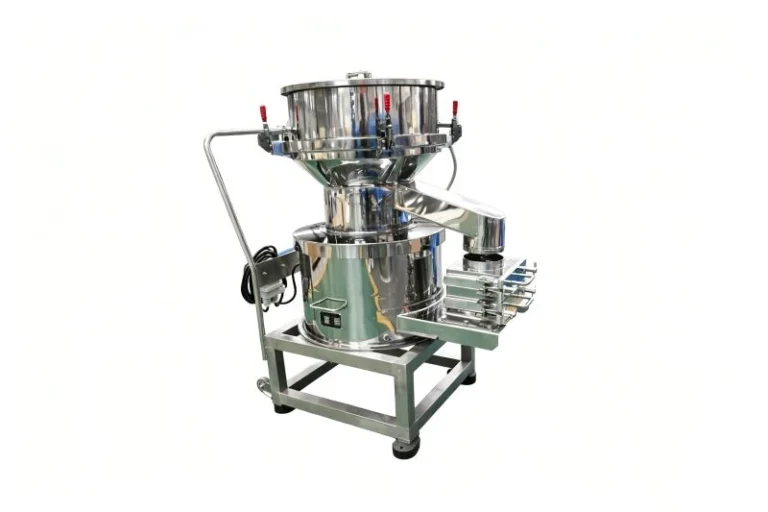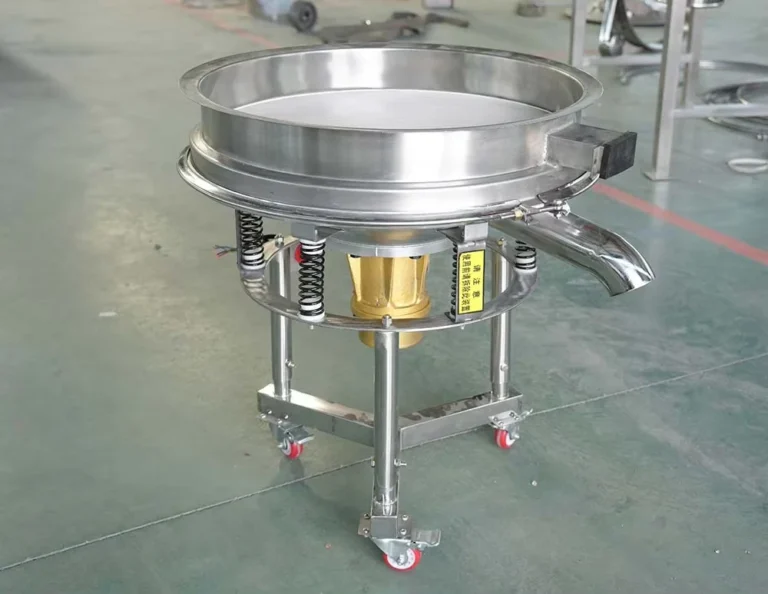
미세 분말 스크리닝을 위한 초음파 진동 스크린을 설정하고 조정하는 방법
미세 분말은 입자가 메쉬에 달라붙거나 잦은 메쉬 막힘을 유발할 때 스크리닝하기 어려울 수 있습니다. 초음파 진동 스크린은 스크린 메쉬에 고주파 진동을 추가하여 미세 입자가 구멍을 통과하도록 돕고 메쉬에 쌓이는 것을 줄입니다.
그러나 좋은 스크리닝 결과는 다음에만 달려 있지 않습니다 초음파 시스템. 스크린 메쉬 장력, 공급 속도, 진동 진폭, 초음파 설정 및 재료 흐름은 모두 적절하게 조정되어야 합니다. 이 가이드는 배터리 분말, 제약 분말, 화학 분말, 금속 분말 및 기타 미세 재료에 대한 실용적인 팁과 함께 미세 분말 스크리닝을 위한 초음파 진동 스크린을 설정하고 조정하는 방법을 설명합니다.
미세 분말 스크리닝에 적절한 설정이 중요한 이유
Fine powder screening requires stable machine settings. Small particles can stick to the mesh, build up on the screen surface, or block the mesh openings. When the screen tension, feeding rate, vibration, or ultrasonic settings are not correct, screening efficiency can decrease.If mesh blockage occurs repeatedly, see our guide to 미세 분말 스크린 블라인딩 to identify the common causes and suitable prevention methods.
적절한 설치와 조정은 재료가 스크린 전체에 고르게 이동하도록 돕고, 메쉬 막힘을 줄이며, 안정적인 스크리닝 성능을 유지합니다.
미세 분말이 스크리닝하기 어려운 이유
미세 분말은 종종 유동성이 좋지 않고 서로 달라붙거나 정전기를 띨 수 있습니다. 스크리닝 중에 이러한 입자는 메쉬에 남아 구멍을 막을 수 있습니다. 이는 배터리 분말, 흑연 분말, 제약 성분, 화학 분말, 금속 분말 및 기타 미세 재료를 스크리닝할 때 흔히 발생합니다.
이 문제는 미세하거나 높은 메쉬의 스크린을 사용할 때 더 두드러집니다. 재료 층이 너무 두껍거나 공급 속도가 너무 높으면 메쉬 구멍에 접촉하는 입자가 줄어들어 스크리닝 효율이 더욱 감소할 수 있습니다.
초음파 진동이 메쉬 막힘을 방지하는 방법
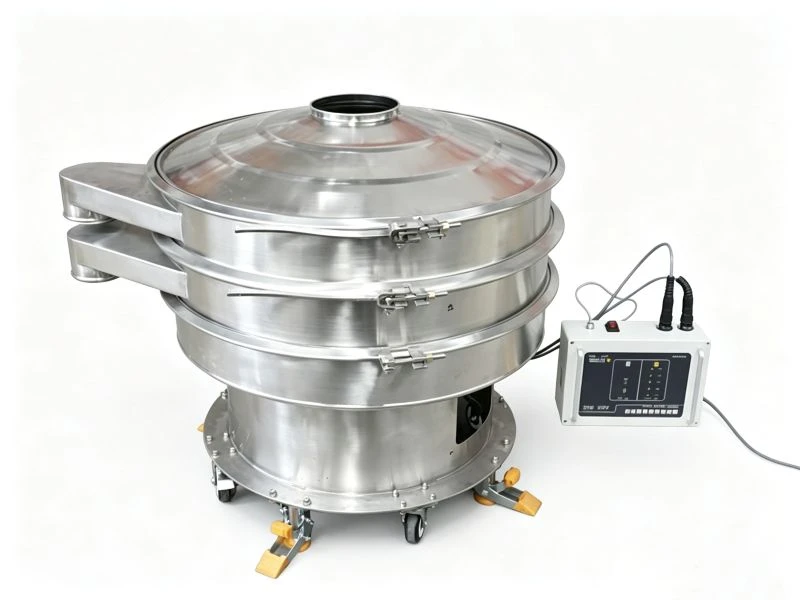
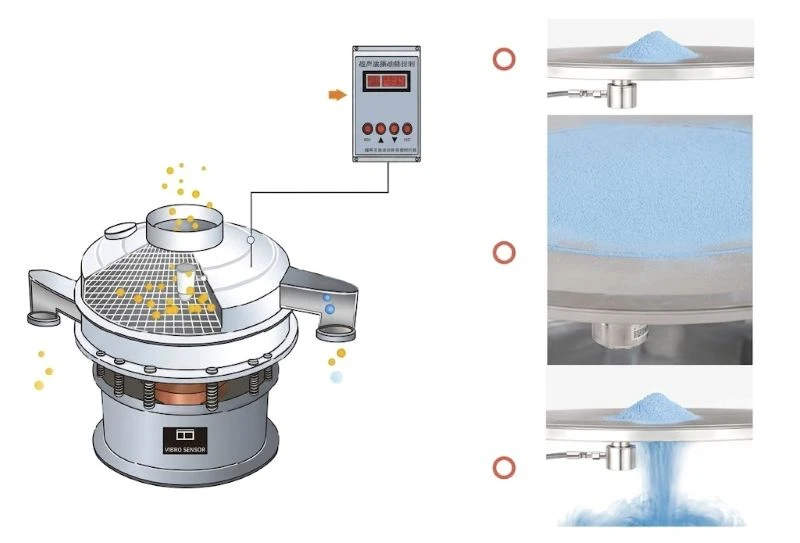
하나의 초음파 진동 체 는 일반 기계적 진동과 스크린 메쉬의 고주파 진동을 결합합니다. 주 진동은 재료를 스크린 전체로 이동시키고, 초음파 시스템은 메쉬 표면에 고주파 진동을 생성합니다.
이 진동은 입자 부착을 줄이고 미세 입자가 메쉬 구멍을 통해 계속 이동하도록 돕습니다. 이는 기존 진동 스크린이 메쉬 막힘 또는 낮은 스크리닝 효율 문제를 겪을 수 있는 미세 분말 스크리닝에 특히 유용합니다.
초음파 시스템은 주 진동 시스템을 대체하지 않습니다. 두 시스템 모두 올바른 메쉬, 공급 속도 및 기계 설정과 함께 작동해야 합니다.
초음파 진동 스크린을 언제 사용해야 합니까?
초음파 진동 스크린은 기존 스크리닝에 메쉬 막힘, 낮은 출력 또는 불안정한 미세 분말 스크리닝 문제가 있을 때 적합한 선택입니다.
이는 배터리 재료, 흑연 분말, 제약 분말, 화학 분말, 금속 분말, 세라믹 분말 및 표준 진동 스크린으로 스크리닝하기 어려운 기타 재료를 포함한 미세 분말 및 높은 메쉬 응용 분야에 일반적으로 사용됩니다.
초음파 진동 스크린 설정 방법
적절한 설정은 안정적인 미세 분말 스크리닝을 위한 첫 번째 단계입니다. 기계를 시작하기 전에 설치 조건, 스크린 메쉬, 초음파 시스템 및 전원 공급 장치를 확인하여 모든 부품이 올바르게 연결되었는지 확인하십시오.
1단계: 설치 영역 준비 및 연결
설치 영역은 필요한 작동 조건을 충족해야 합니다. 이 가이드에서 다루는 장비의 경우 권장 주변 온도는 0°C ~ 55°C, 이며, 상대 습도는 결로 없이 30% ~ 90%.
입니다. 최소 50cm의 공간 을 기계 주변에 두어 작동 및 유지보수를 위한 공간을 확보하십시오. 적절한 접지가 된 안정적인 AC 220V 전원 공급 장치.
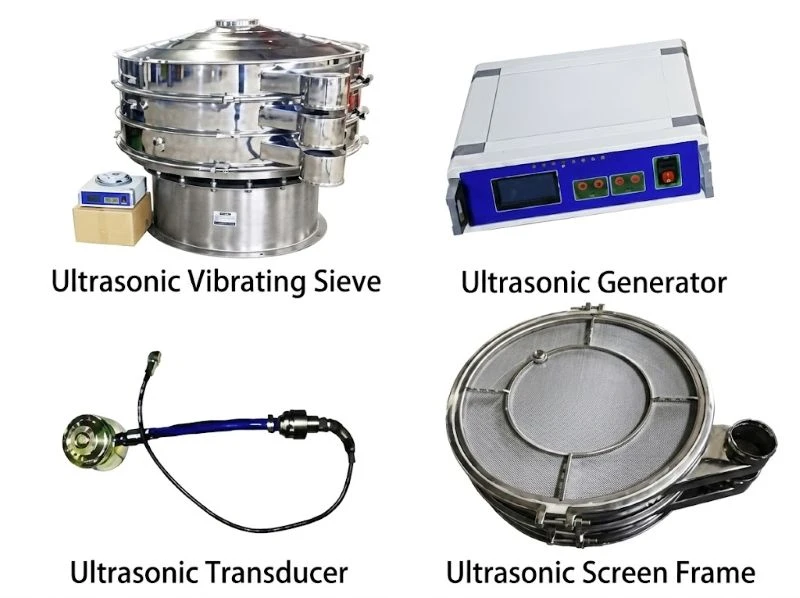
를 사용하십시오. 케이블 라벨에 따라 초음파 발생기를 진동 스크린의 초음파 인터페이스에 연결하십시오. 커넥터가 완전히 삽입되고 잠겼는지 확인하십시오. 초음파 변환기와 스크린 시스템 간의 연결도 안전해야 합니다.
2단계: 장비 시작 및 작동 상태 확인
초음파 발생기를 시작하기 전에 전원을 끄고 미세 조정 노브를 낮은 위치로 설정하십시오. 그런 다음 발생기를 켜고 작동 매개변수를 확인하십시오.
이 설정의 장비에서 정상 작동 전류는 200mA 미만. 이어야 합니다. 또한 비정상적인 소음, 비정상적인 진동, 경고 신호 또는 기타 부적절한 작동 징후가 있는지 확인하십시오.
기계와 초음파 시스템이 정상적으로 작동할 때까지 연속 생산을 시작하지 마십시오.
3단계: 진동 스크린 및 초음파 설정 조정
먼저 3차원 진동 스크린을 조정하여 재료가 스크린에서 적절한 이동 패턴을 따르도록 하십시오. 그런 다음 재료 및 스크리닝 요구 사항에 따라 진동 주파수, 진폭 및 제어 모드를 조정하십시오.
소량의 재료로 스크린을 시작하십시오. 초음파 발생기를 천천히 조정하고 재료가 메쉬를 통해 어떻게 이동하는지 관찰하십시오. 작동 전류는 200mA 미만 조정 중에도 유지되어야 합니다.
큰 조정보다 작은 변경이 더 좋습니다. 한 번에 하나씩 조정하고 다른 변경을 하기 전에 스크리닝 결과를 확인하십시오.
4단계: 정상 공급 전 기계 테스트
스크리닝 조건이 안정되면 공급 속도를 점차 높이십시오. 재료가 고르게 분포되어 있는지, 미세 입자가 메쉬를 통과하는지, 메쉬 막힘이 발생하는지 확인하십시오.
필요한 경우 초음파 주파수, 진동 진폭 또는 공급 속도를 약간 조정하십시오. 기계가 안정적으로 작동하면 연속 테스트를 수행하고 스크린 메쉬, 초음파 변환기 및 기타 주요 부품을 정상 생산 시작 전에 확인하십시오.
How to Adjust an Ultrasonic Vibrating Screen
Ultrasonic vibrating screen adjustment should be based on the material, screen mesh, feed rate, and required screening result. The main settings include vibration amplitude, ultrasonic frequency, screen angle, feeding rate, and material residence time.
Adjust the Vibration Amplitude
The vibration amplitude can be adjusted in several ways depending on the machine design.
For the ultrasonic system, changing the output power of the ultrasonic generator can change the ultrasonic vibration amplitude. Turn the power adjustment knob gradually and observe the screening result. Avoid increasing the power too quickly.
The mechanical vibration amplitude can also be adjusted by changing the counterweight of the vibration motor. The lower weight mainly affects the vertical vibration, while the upper weight mainly affects the horizontal movement of the material.
The position and weight of the counterweights affect the material movement and vibration strength. When making adjustments, mark the original position first and make small changes, such as 15° to 30° at a time, then check the machine response.
For regular operation, a counterweight angle of around 60° to 90° is generally recommended for the equipment described here. Avoid keeping the weights locked at 0° for long periods, as this may increase the load on the bearings.
Replacing the ultrasonic transducer is another way to change the vibration characteristics, but this is normally considered only when the existing transducer does not match the application.
Optimize the Vibration Frequency
The vibration frequency affects how quickly the material moves across the screen. A suitable frequency helps the powder spread evenly and gives fine particles enough opportunity to pass through the mesh.
Do not simply use the highest frequency. Start with the recommended setting for the equipment and material, then make small adjustments while checking the screening efficiency and mesh condition.
The best setting depends on the material properties, screen mesh, feed rate, and required capacity.
Adjust the Screen Angle
The screen angle affects material flow speed and screening time. A suitable angle allows the material to move steadily across the screen without leaving the screen too quickly.
For the equipment and application described here, a screen angle of around 15° can be used as a reference. For some circular vibrating screen designs, 16° to 20° may be suitable.
If the angle is too low, material may move slowly or roll backward on the screen. If it is too high, the material may move too quickly and have less time to pass through the mesh.
The actual angle should be adjusted according to the material, screen size, particle size, and required output.
Control the Feeding Rate
Feeding rate has a direct effect on fine powder screening efficiency. If too much material enters the screen at once, the material layer becomes too thick and fewer particles can reach the mesh openings.
Use a steady and even feeding rate instead of feeding a large amount of material at once. This helps prevent material buildup and reduces the risk of mesh clogging.
Improve Material Distribution
The material should be spread as evenly as possible across the screen surface. A distributor or guide plate can be used when needed to prevent material from collecting in one area.
Uneven feeding means that part of the screen may be overloaded while another part is not fully used. Better material distribution helps make full use of the available screening area.
Increase Screening Time When Needed
Some difficult-to-screen materials need more time on the screen to reach the required separation accuracy. If the material moves too quickly, some fine particles may leave the screen before passing through the mesh.
For certain applications, a gate can be installed near the discharge outlet to increase the material residence time. This should be done carefully because excessive residence time can reduce production capacity.
Common Ultrasonic Vibrating Screen Problems and Solutions
An ultrasonic vibrating screen usually relies on three key systems for fine powder screening: the vibration motor, ultrasonic screening system, and screen mesh. When screening efficiency decreases, these parts should be checked first.
Vibration Motor Problems
The vibration motor provides the main driving force for the screen. If the motor’s excitation force changes because of wear, loose parts, or other operating problems, the material movement can become unstable and affect screening efficiency.
Regular inspection and maintenance of the vibration motor can help keep the machine running properly. Check for abnormal noise, excessive vibration, loose fasteners, and other signs of motor problems.
Ultrasonic Transducer Problems
The ultrasonic transducer is a key part of the ultrasonic screening system. It converts electrical energy from the generator into high-frequency vibration that is transferred to the screen mesh.
Common problems include moisture, damaged ceramic components, overheating, or bonding failure.
If moisture is suspected, the transducer can be checked with a megohmmeter. For the equipment described here, the insulation resistance should normally be above 5 MΩ. If the value is too low, the transducer may need to be dried in a suitable oven or with controlled warm air until the insulation resistance returns to the required range.
If the ceramic component is cracked or the transducer is damaged, the faulty unit should be replaced or repaired by qualified personnel. A damaged transducer should not be forced to operate.
If the transducer bonding has failed after long-term use, it may be possible to re-bond it depending on the transducer design and manufacturer requirements.
Screen Mesh Problems
The screen mesh is another common cause of low screening efficiency. Loose tension, incorrect installation, excessive material loading, unsuitable mesh specifications, or damaged mesh can all affect screening accuracy.
Fine powder applications often use fine or high-mesh screens, so mesh quality and installation are especially important. Select the correct mesh opening and material for the application, check the mesh tension regularly, and replace damaged or worn mesh in time.

How to Maintain an Ultrasonic Vibrating Screen
Regular maintenance helps keep the ultrasonic vibrating screen stable and extends the service life of key components.
Check and Lubricate the Bearings
The bearings carry the operating load of the vibrating screen and vibration motor. Proper lubrication is important for bearing life and machine performance. Check the bearing condition regularly and use the correct lubricant according to the equipment manufacturer’s requirements.
Check for Abnormal Noise and Vibration
During operation, pay attention to unusual noise, excessive vibration, or changes in material movement. These may indicate problems with the vibration motor, bearings, screen frame, or other components.
Inspect Wear Parts Regularly
Check the screen mesh, sealing parts, fasteners, transducer, and other wear parts during regular maintenance. Replace damaged or worn components before they affect screening performance.
Keep the Ultrasonic Transducer Clean
Check the surface of the ultrasonic transducer and remove any powder or material buildup. A clean transducer helps maintain stable vibration transfer.
Do not apply excessive pressure to the transducer and keep it away from water and unnecessary impact.
Keep the Ultrasonic Generator Well Ventilated
Place the ultrasonic generator in a clean and well-ventilated area. Good airflow helps remove heat during operation and can extend the service life of the generator.
결론
A good ultrasonic vibrating screen setup starts with the correct screen mesh and proper installation. During operation, the vibration amplitude, ultrasonic frequency, feeding rate, screen angle, and material residence time should be adjusted according to the actual screening condition.
For fine powder applications such as battery powder, pharmaceutical powder, graphite powder,and 알루미늄 분말, do not rely on ultrasonic vibration alone. Keep the mesh properly tensioned, feed the material evenly, check the vibration system regularly, and keep the ultrasonic transducer and generator in good condition.
With the right setup and regular maintenance, an ultrasonic vibrating screen can reduce mesh clogging, improve fine powder screening efficiency, and provide more stable screening performance.