
Ultrasonic Tumbler Screen for High Precision Powder Separation
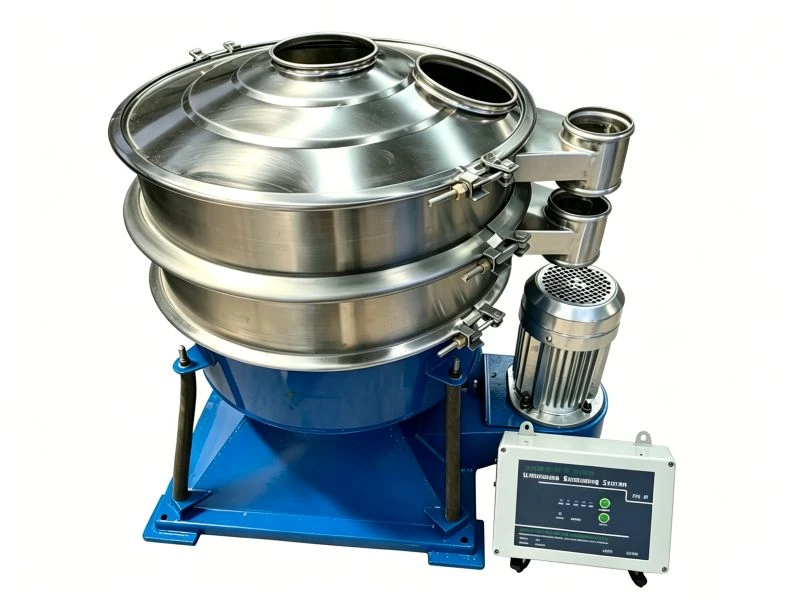
By combining three-dimensional gyratory motion with high-frequency ultrasonic vibration, the Ultrasonic Tumbler Screen effectively prevents mesh blinding and ensures uniform particle distribution across the screening surface. Compared to traditional screening equipment, it offers advantages such as high throughput, superior separation precision, and reduced downtime.
What is an Ultrasonic Tumbler Screen?
The ultrasonic tumbler screen is a swing vibrating screen equipped with an ultrasonic screening system, specifically designed to overcome screening challenges associated with ultra-fine powders and materials that are prone to agglomeration, mesh blinding, adsorption, or high static electricity. It enhances throughput by increasing the material passage rate and reducing the risk of mesh blinding.
Ultrasonic Tumbler Screen Structure
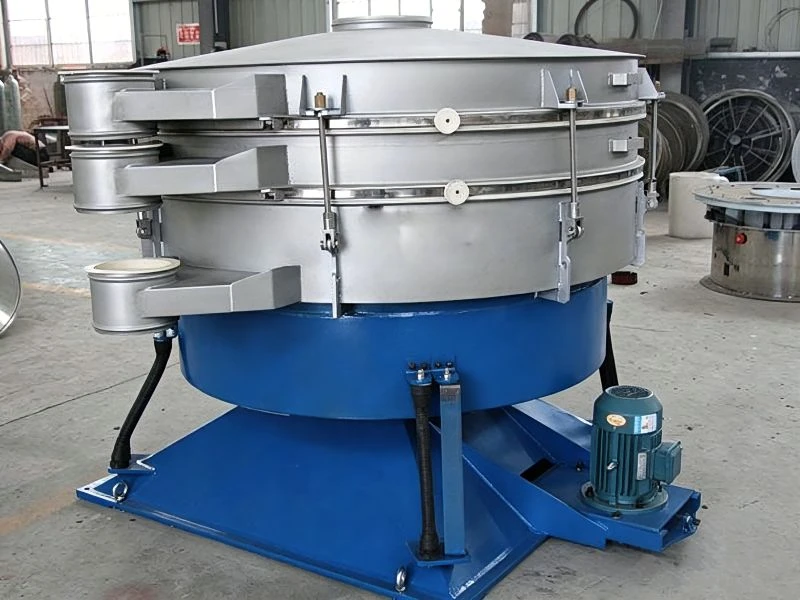
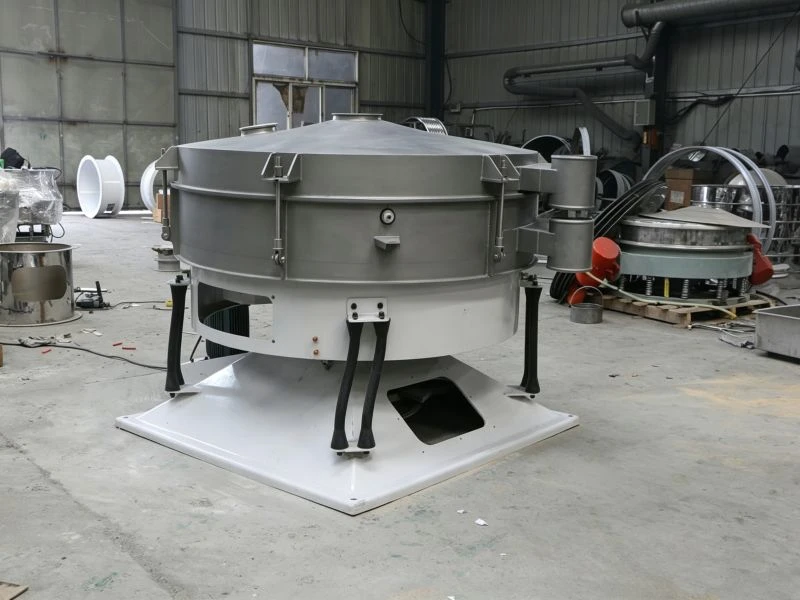
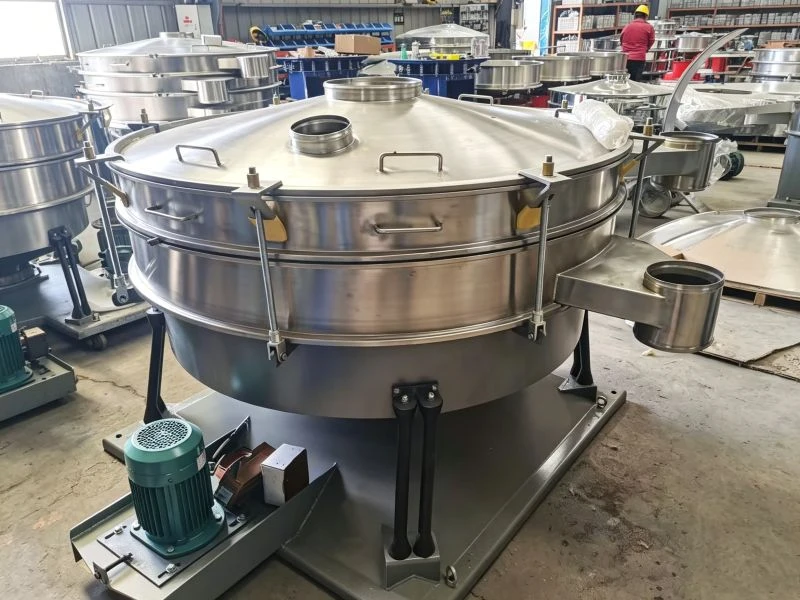
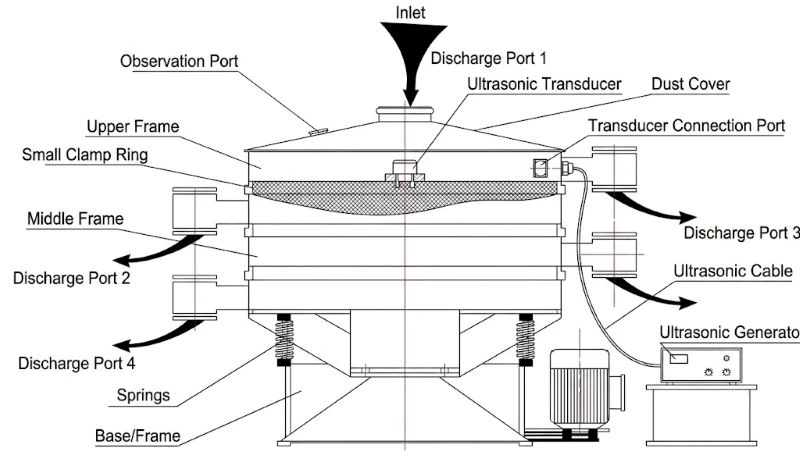
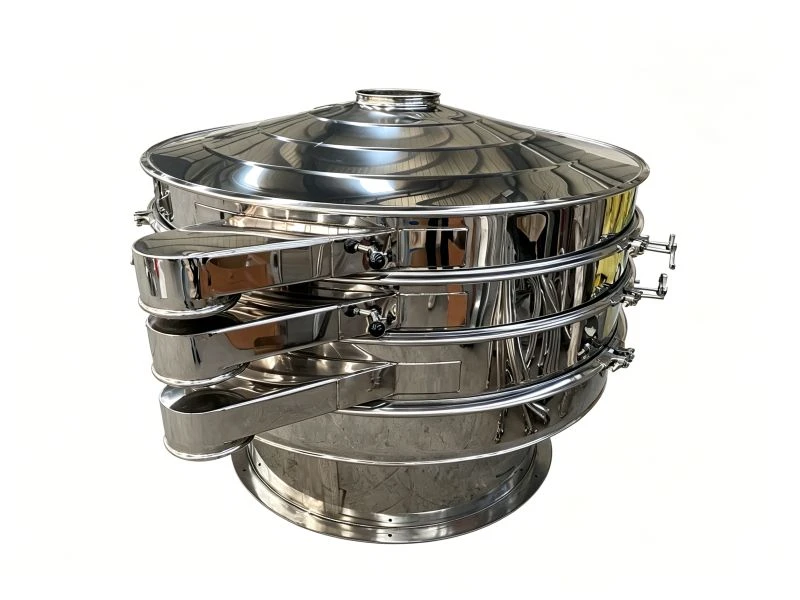
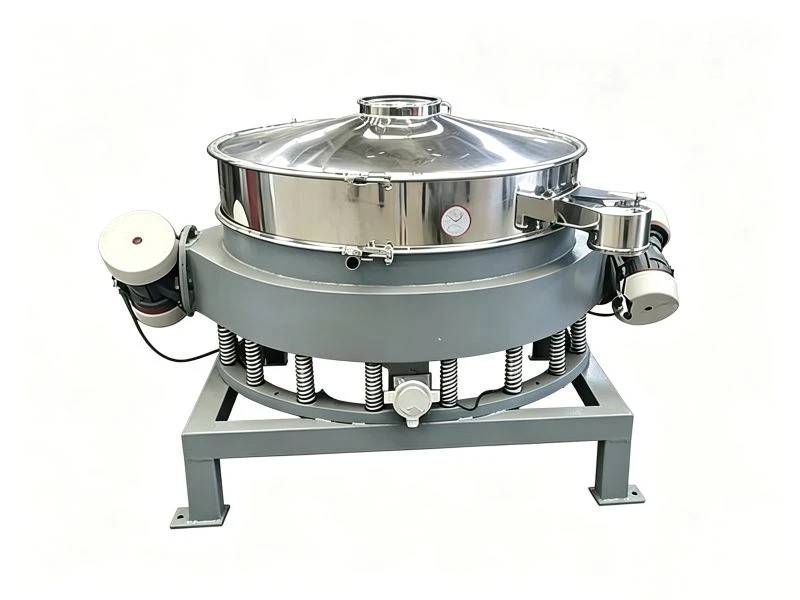
The ultrasonic tumbler screen is primarily composed of a screen mesh, an ultrasonic system, a vibrator (excitation unit), a base, and a drive mechanism. The screen mesh is the critical component for material separation, with its aperture size determining the particle size of the screened material; the ultrasonic system serves to prevent mesh clogging and enhance screening efficiency. The vibrator generates the excitation force required to induce the necessary vibratory motion in the screen body; the base supports the entire screening unit; and the drive mechanism provides the power to operate the vibrator.
Working Principle
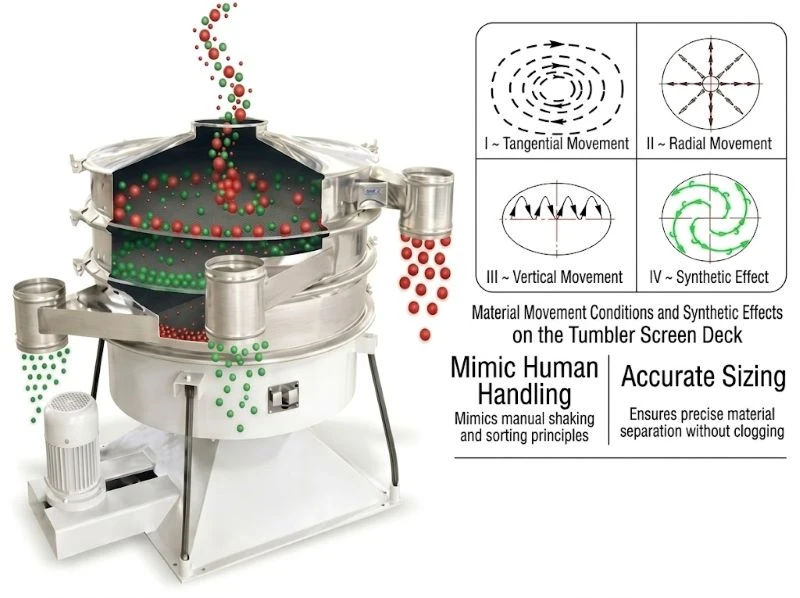
The operating principle of the ultrasonic tumbler screen relies primarily on its unique vibration motion, which combines spiral motion with three-dimensional tumbling.
Three-Dimensional Spiral Motion
Through an exciter that adjusts the eccentricity, the ultrasonic tumbler screen generates nonlinear three-dimensional motion. This motion causes the material to move in a spiral pattern across the screen surface, which helps distribute the material evenly and promotes the passage of fine particles through the screen openings.
Material Distribution and Screening
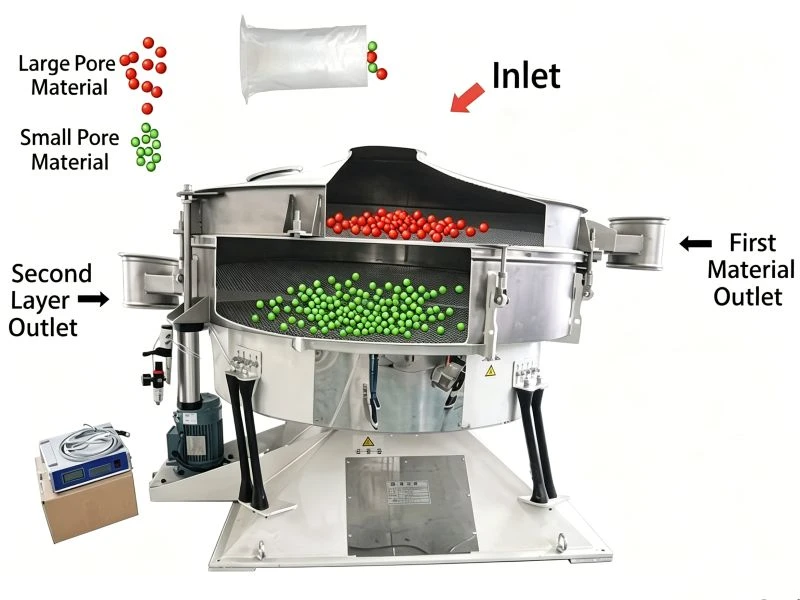
Once the material enters the screen surface, it is evenly distributed across the surface under the combined effects of centrifugal force and the screen’s motion. Material smaller than the screen aperture size falls through the apertures, while material larger than the aperture size remains on the screen surface, thereby achieving material separation and classification.
Screen Cleaning Device
To prevent screen aperture blockage, the ultrasonic tumbler screen is equipped with an ultrasonic screen cleaning device. This ensures unobstructed screen apertures and improves screening efficiency.
Screening Precision Adjustment
By adjusting parameters such as amplitude, frequency, and inclination angle, the movement of the material on the screen surface can be controlled to achieve the desired screening precision.
Features
1. Mimicking manual screening, the material undergoes translational movement on the screen platform. Material contact time with the screen typically exceeds 85%, and screening efficiency can reach over 95%.
2. The machine is available in sizes ranging from 1,200 mm to 2,600 mm in diameter, with a throughput 5 to 10 times that of a standard vibrating screen.
3. It can be equipped with up to five screening decks, enabling the separation of 2 to 6 different particle sizes.
4. The moving parts oscillate side-to-side rather than up-and-down like a vibrating screen, thereby reducing noise levels and minimizing damage to the screened material.
Technical Specifications
| Model | YBS-1200 | YBS-1500 | YBS-1600 | YBS-1800 | YBS-2000 | YBS-2600 |
| Screening Area (m²) | 1.10 | 1.60 | 1.80 | 2.40 | 2.90 | 5.30 |
| Number of Layers (n) | 1-5 | 1-5 | 1-5 | 1-5 | 1-5 | 1-5 |
| Occupied Area (A / m²) | ≥1.57 | ≥1.70 | ≥1.80 | ≥3.20 | ≥3.24 | ≥6.76 |
| Driving Power (P / KW) | 2.2 | 3.0 | 3.0 | 4.0 | 4.0 | 7.5 |
| Cleaning Method | 1.2.3 | 1.2.3 | 1.2.3 | 1.2.3 | 1.2.3 | 1.2.3 |
| Screening Efficiency (h / %) | ≥95 | ≥95 | ≥95 | ≥95 | ≥95 | ≥95 |
| Reference Weight (WT / KG) | 485 | 780 | 890 | 1100 | 1250 | 1660 |
Applications
Ultrasonic tumbler screen is widely used for high-precision separation of fine and difficult-to-sieve powders across multiple industries, ensuring stable performance and consistent particle size control.
Chemical & Materials Industry
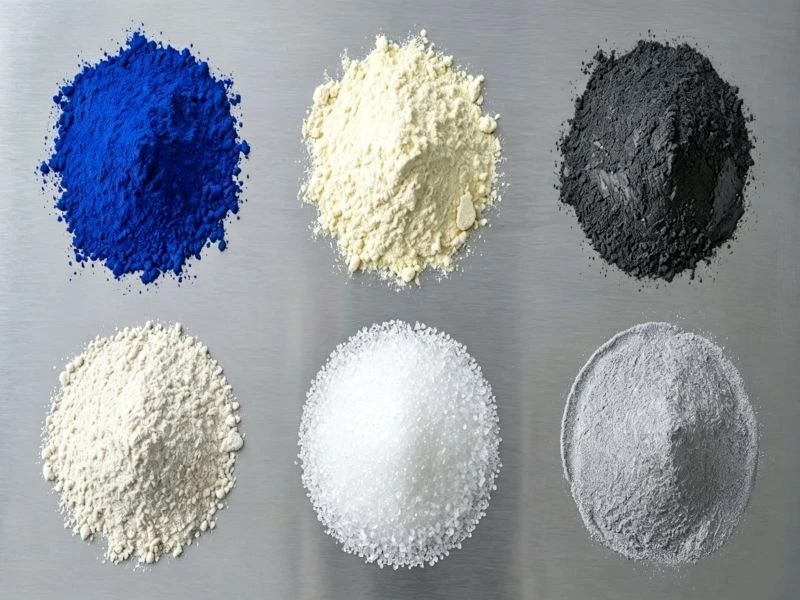
Used for pigments, resins, coatings, and additives, effectively preventing mesh clogging and improving classification efficiency.
Food Industry
Suitable for milk powder, sugar, starch, and seasoning powders, meeting hygiene standards while ensuring uniform sieving results.
Pharmaceutical Industry
Applied in API powders and herbal materials, supporting high-precision separation with low contamination risk.
New Energy Materials
Used for lithium battery materials, graphite, and metal powders, ensuring stable and continuous fine powder processing.
Ultrasonic Tumbler Screen vs Standard Tumbler Screen
Tumbler screens are widely used for fine powder classification in industries such as chemical, food, pharmaceutical, and new energy. However, when processing ultra-fine, sticky, or electrostatic materials, standard systems often suffer from mesh clogging and reduced efficiency. If you want to balance reliable screening effect and favorable powder sieving machine price, the ultrasonic tumbler screen is an upgraded solution that integrates ultrasonic anti-blinding technology into the conventional tumbler screening system to improve screening stability and performance.
| Feature | Ultrasonic Tumbler Screen | Standard Tumbler Screen |
| Anti-clogging performance | High-frequency ultrasonic vibration effectively prevents mesh blinding and particle adhesion | Relies on mechanical tumbling only; prone to mesh clogging with fine powders |
| Screening precision | High precision, suitable for micron-level fine powder classification | Suitable for general particle sizing with limited fine powder capability |
| Material applicability | Ideal for cohesive, electrostatic, and sticky fine powders | Best for free-flowing dry powders and granules |
| Operational stability | Stable continuous operation with reduced downtime and cleaning frequency | May experience reduced efficiency during fine powder processing |
| System structure & cost | More complex structure with higher initial cost, but higher overall efficiency | Simple structure with lower investment cost |
Case Study
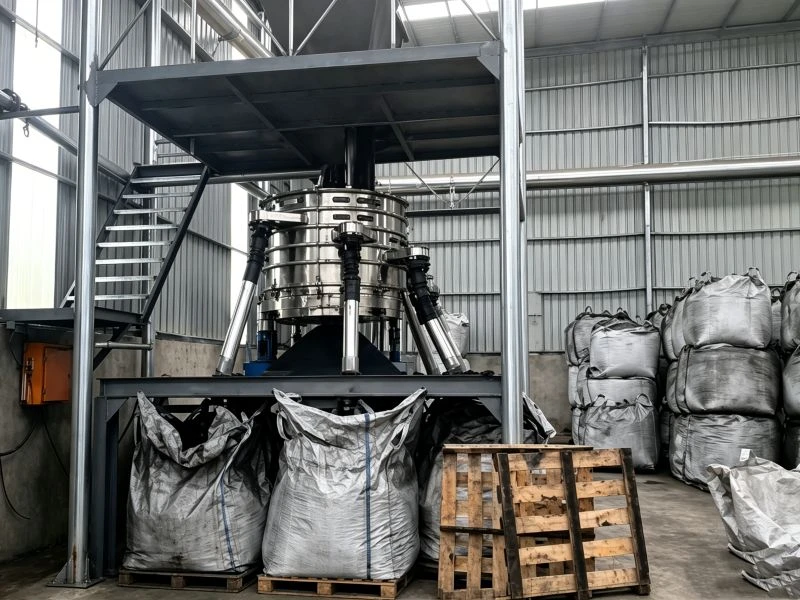
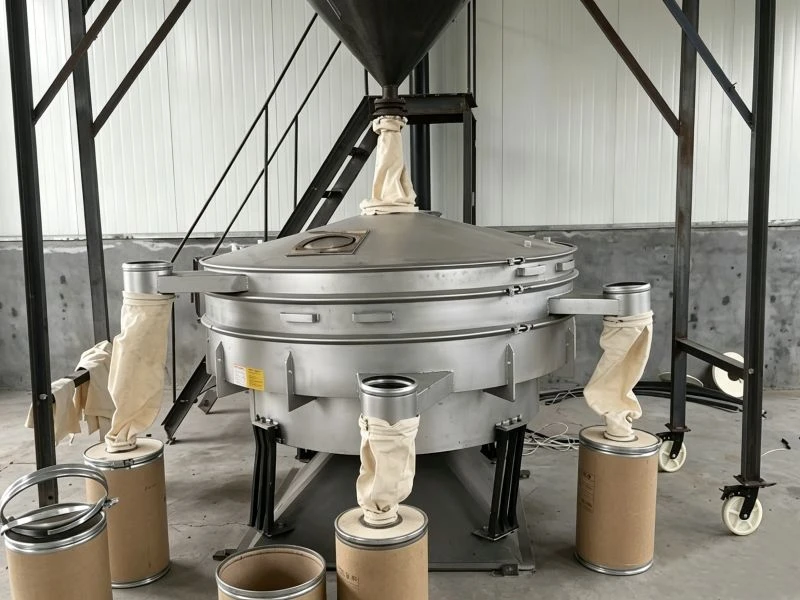
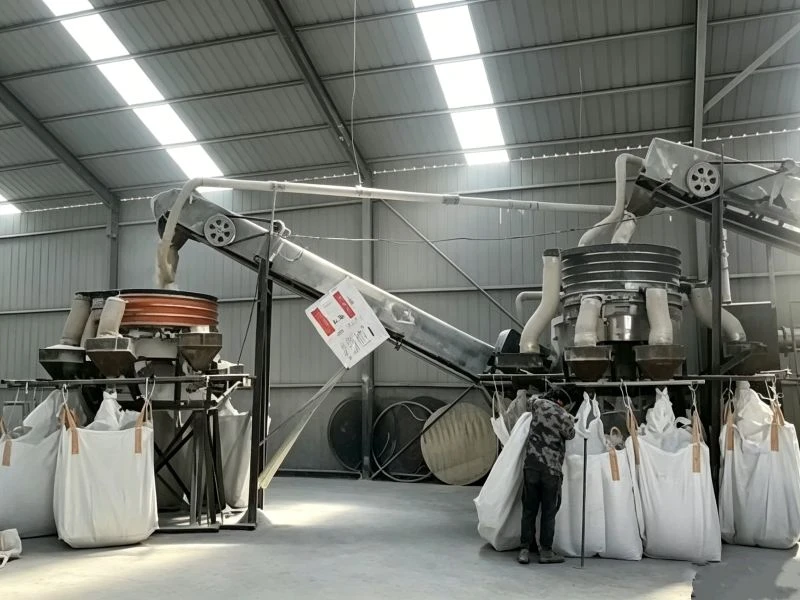
The Ultrasonic Tumbler Screen can be integrated with feeders or conveyors to form an integrated production line.
| Material | Mesh | Capacity (kg/h) | Model |
| Graphene | 300 / 500 | 2000 | YBS-2000-2S |
| Iron Oxide | 100 | 1000 | YBS-1000-1S |
| Limestone | 200 | 4500 | YBS-2600-1S |
| API Powder (Original Drug) | 325 | 600 | YBS-1000-1S |
| Cocoa Powder | 300 | 800 | YBS-1200-1S |
Related Products
Rotary Vibrating Screen
Rotary Vibrating Screen | Vibro Sifter The rotary vibrating screen is designed for efficient separation of powders, granules, and liquids. It delivers stable performance, high screening accuracy, and reliable operation in continuous production. We offer flexible configurations, including multi-deck designs, ultrasonic systems, and food-grade materials to meet different processing requirements. YuanJing provides practical screening solutions…Inline Vibratory Screen
Inline Vibratory Screen for Continuous Production Lines Inline vibratory screens are built for continuous production lines, allowing powders and liquids to be screened directly in the pipeline. The compact design saves space while maintaining stable and accurate separation performance. They are widely used in food, pharmaceutical, and chemical processing. What is an inline vibratory screen?…Screw Conveyor
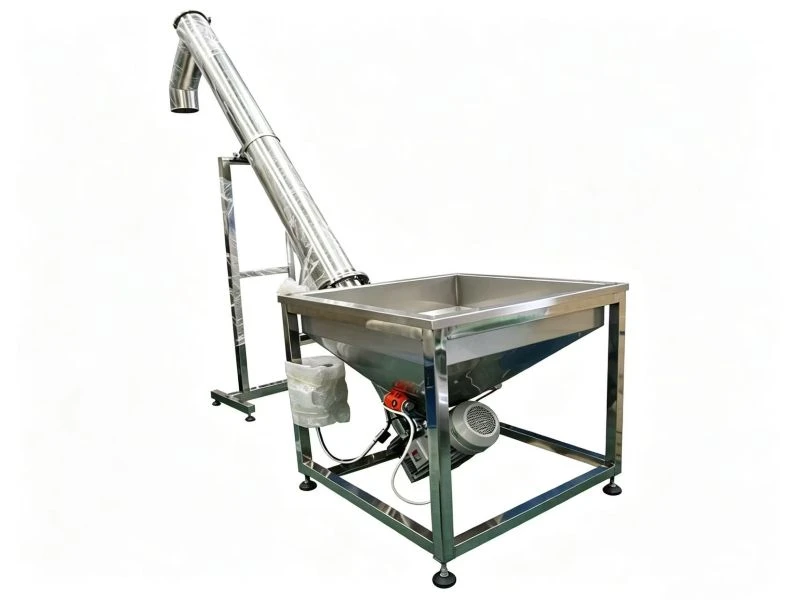
Industrial Screw Conveyor Systems for Bulk Material Handling Industrial screw conveyors are designed for continuous, efficient handling of bulk materials such as powders, granules, and semi-solids. With a compact structure and enclosed design, they ensure stable conveying performance, reduced dust emission, and low maintenance in various industrial applications. YuanJing provides customised screw conveyor solutions based…Vacuum Conveyor Feeder System
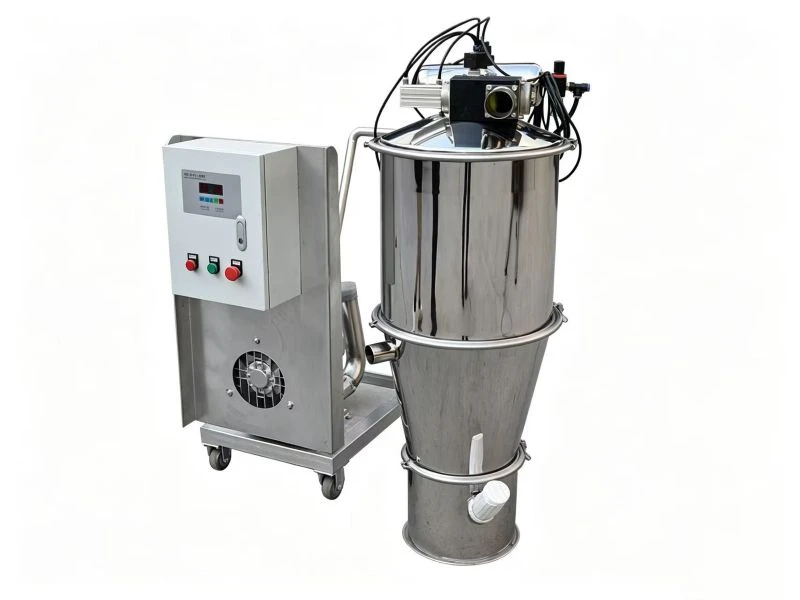
Industrial Vacuum Conveyor System Solutions for Powder & Bulk Materials Vacuum conveyor systems automatically transfer various materials into the hoppers of packaging machines, injection molding machines, and crushers. They can also feed mixed materials directly into mixers (such as V-type, 2D, and 3D mixers), significantly reducing manual labor and eliminating dust spillage during feeding. As…
Vibrating Screen and Conveyor Machine Manufacturer & Supplier
Built for precision screening, reliable performance, and flexible industrial applications,
Yuanjing rotary vibrating screens are trusted by customers worldwide.

Global Project Experience
Yuanjing products are exported to 50+ countries and regions, serving industries including food, chemicals, pharmaceuticals, mining, and new energy.
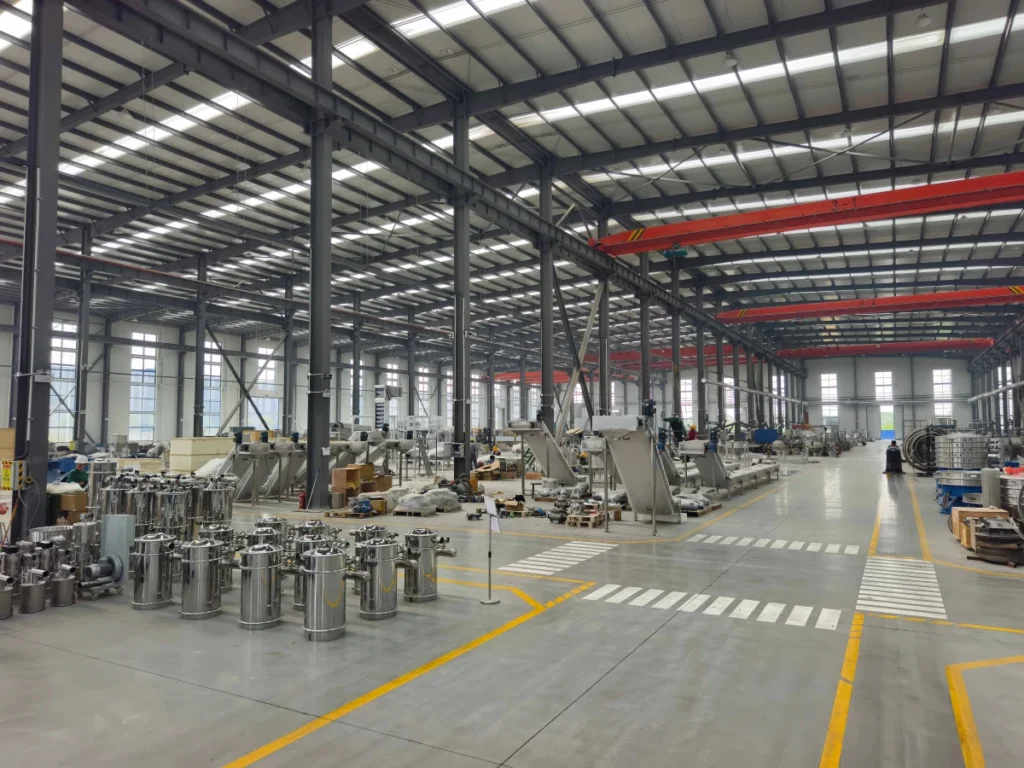
Strong Manufacturing Capability
Advanced production lines with laser cutting, CNC machining, automatic welding, and strict quality inspection ensure consistent product quality.
Accurate & Stable Separation
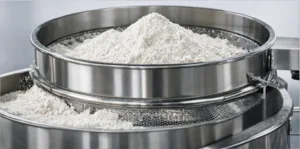
Optimized vibration design delivers even material flow, high screening accuracy, and stable long-term operation.
Customized Screening Solutions
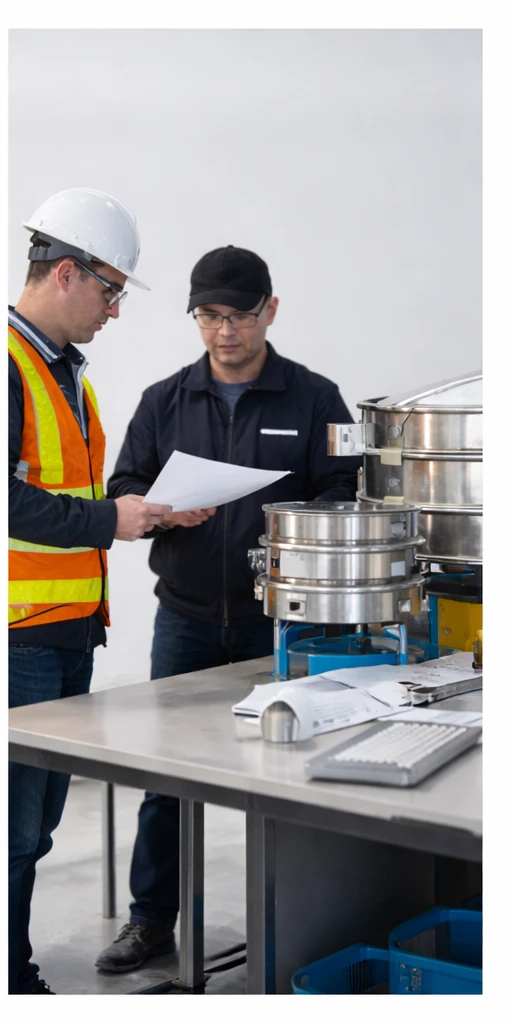
Yuanjing offers flexible configurations in diameter, mesh size, deck layers, and material options to fit your exact process requirements.
FAQs
Get Custom Solution
We can provide customised screening and conveying equipment solutions tailored to different materials and production requirements.
Send us your requirements, and our team will provide the right solution and a fast quotation within 24 hours.