
Vibratory Separation Equipment for Accurate Screening and Classification
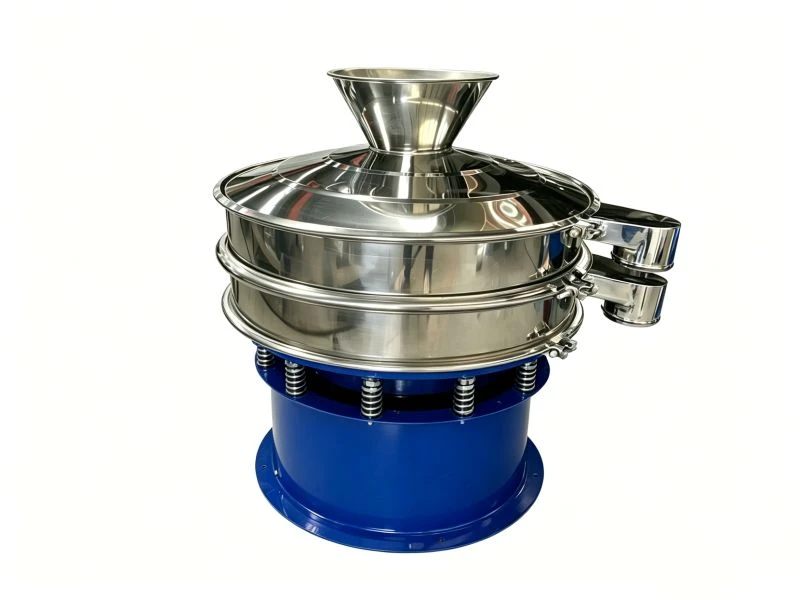
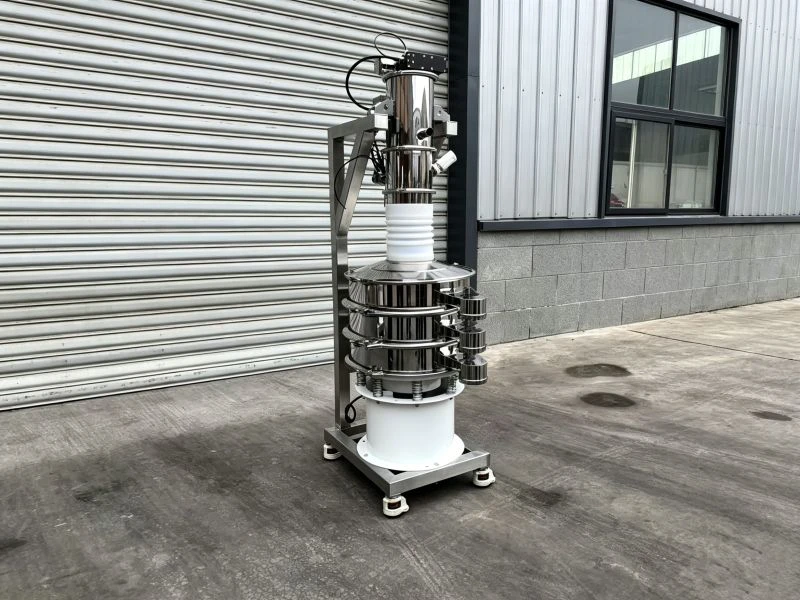
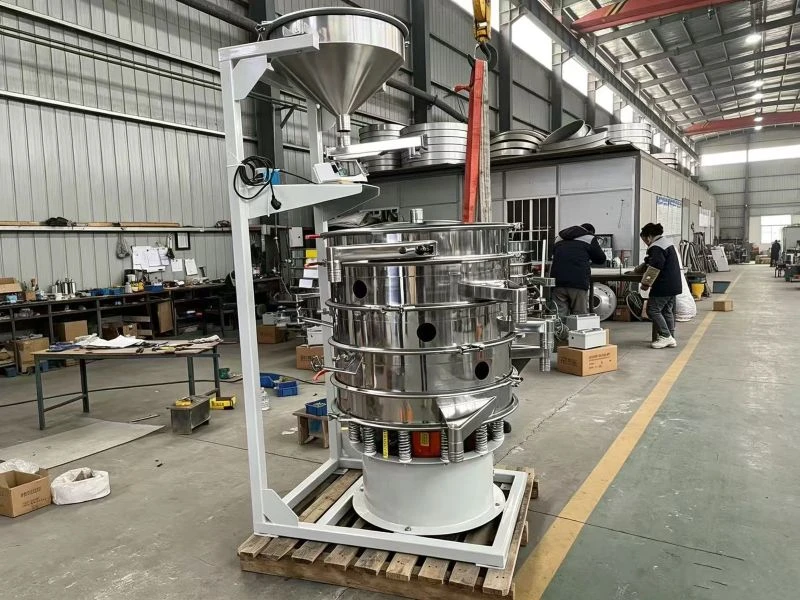
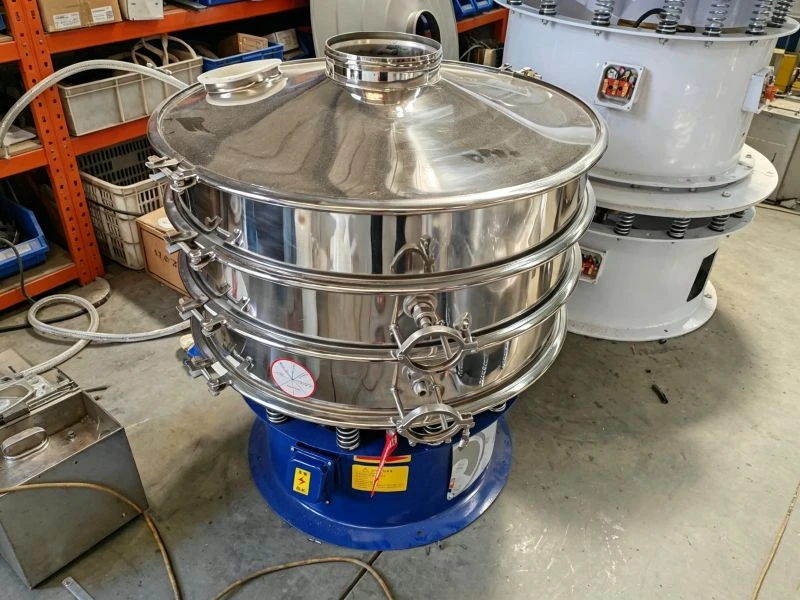
Our vibration separation equipment is designed for precision material handling, enabling powder separation, particle classification, impurity removal, and particle size sorting. It maintains operational stability and high screening accuracy even under continuous production conditions.
Efficient separation of fine and ultra-fine materials
Precise particle classification to ensure consistent product quality
Effective impurity removal to enhance material purity
Accurate particle size sorting to meet multi-stage processing requirements
Price:$750.00-4,000.00/Set
What Is Vibratory Separation Equipment?
Vibratory separation equipment is suitable for a wide range of materials, capable of screening down to 500 mesh (0.028 mm). It is ideal for screening all types of powders and viscous liquids and finds extensive application in industries such as chemicals, food processing, pharmaceuticals, non-ferrous metals, metallurgy, papermaking, and wastewater treatment.
How Does Vibratory Separation Equipment Work?
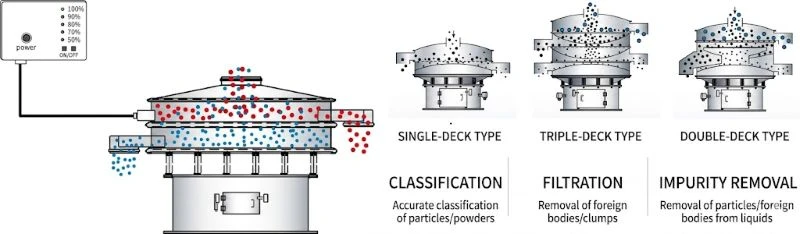
Vibratory separation equipment utilizes a vertical motor as its power source, with counterweights mounted on both ends of the motor shaft. By adjusting the weight and phase angle of these counterweights, the motor’s rotational motion is converted into a three-dimensional movement—comprising vertical, horizontal, and inclined components—which is transmitted via springs to the screen frame, causing the material on the screen to move in a bouncing pattern. Larger particles are unable to pass through the mesh and are discharged along the movement path, while smaller particles pass through the mesh to the next level, thereby achieving separation.
Structure of Vibratory Separation Equipment
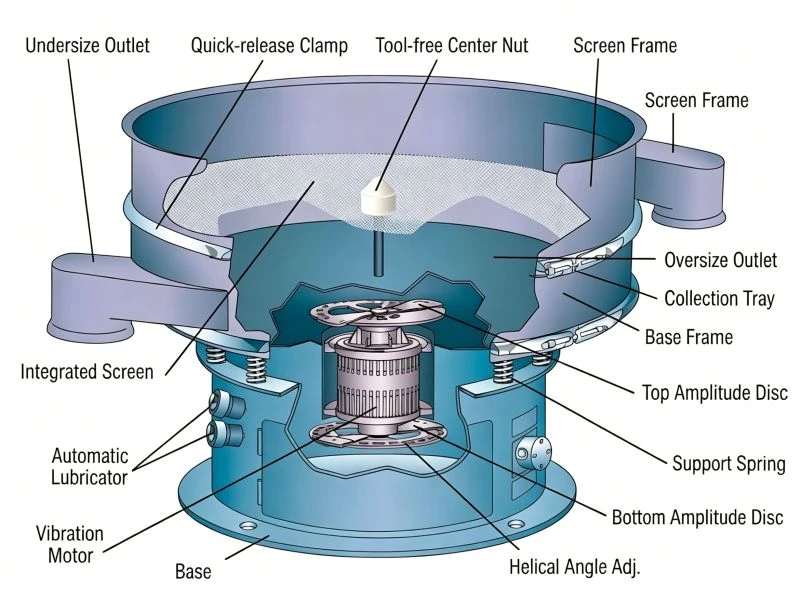
Vibratory separation equipment primarily consists of a dust cover, inlet, screen frame, screen mesh, screen support, clamping ring, outlet, vibrating motor, vibration-transmitting body, upper and lower weights, vibration-isolating springs, spring washers, and a base.
1. Vibration Motor – The Power Source
The vibration motor provides the primary power for the vibrating screening machine to operate, serving as the source of the exciting force.
2. Upper and Lower Eccentric Weights – Key to Operation
The exciting force generated by the vibration motor causes the material to disperse evenly across the screen mesh, undergo multi-layer screening, and finally discharge through the outlet.
3. Spring Assembly – Cushioning Function
Since the force generated by the vibration motor can damage the screening machine, a spring assembly is incorporated to cushion this force; this prevents the screen frame from cracking due to vibration and extends the machine’s service life.
4. Screen Frame, Support Frame, Screen Mesh, and Clamp Ring – Core Screening Components
The screen mesh rests on the support frame structure, with cleaning balls placed in between; these balls not only reduce material-induced damage to the mesh but also keep the mesh apertures clear. The clamp ring secures the various screen frame layers, enabling the rotary vibrating screen to grade materials across multiple levels.
Types of Vibratory Separation Equipment
Stainless Steel Vibrating Sieve
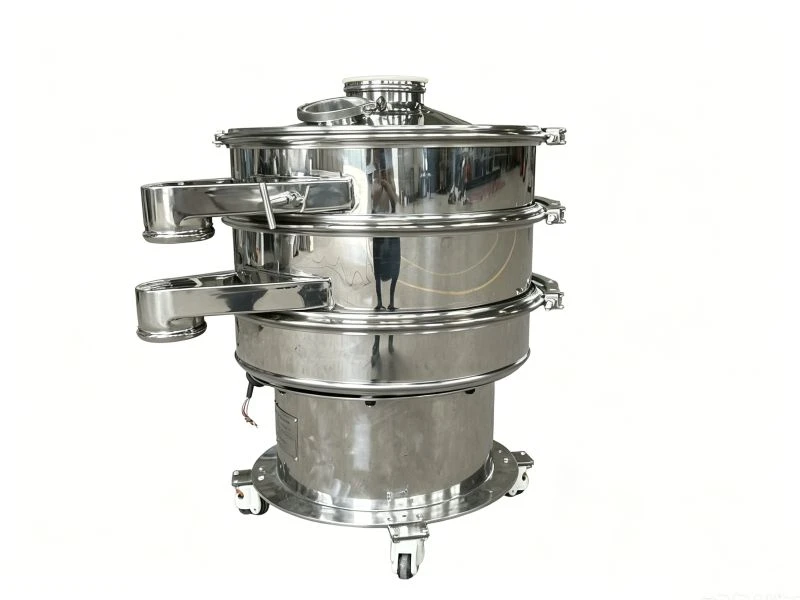
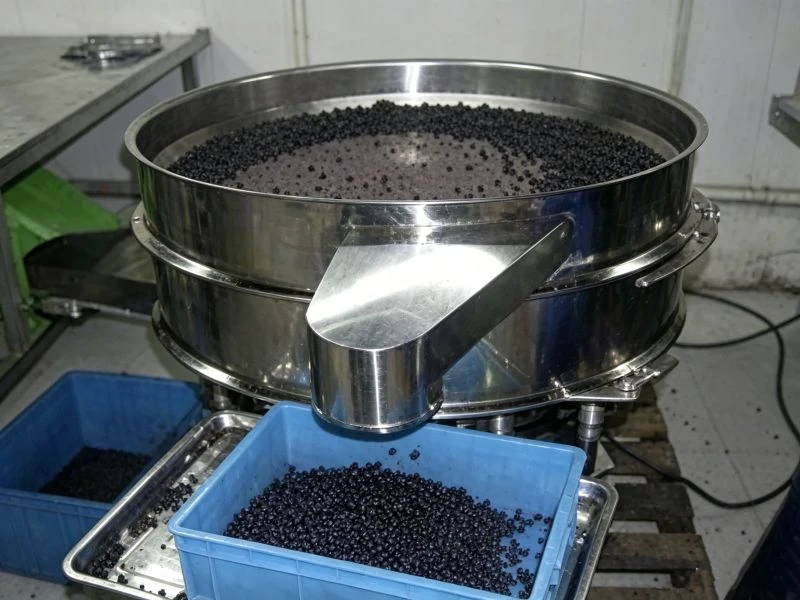
The entire unit is constructed from polished 304/316 stainless steel, offering corrosion resistance and a hygienic design free of dead zones; it is easy to clean and disinfect, and features a fully enclosed structure that prevents dust leakage. It is suitable for screening materials in the food, pharmaceutical, and chemical industries and supports continuous, automated operation.
Ultrasonic Vibrating Sieve
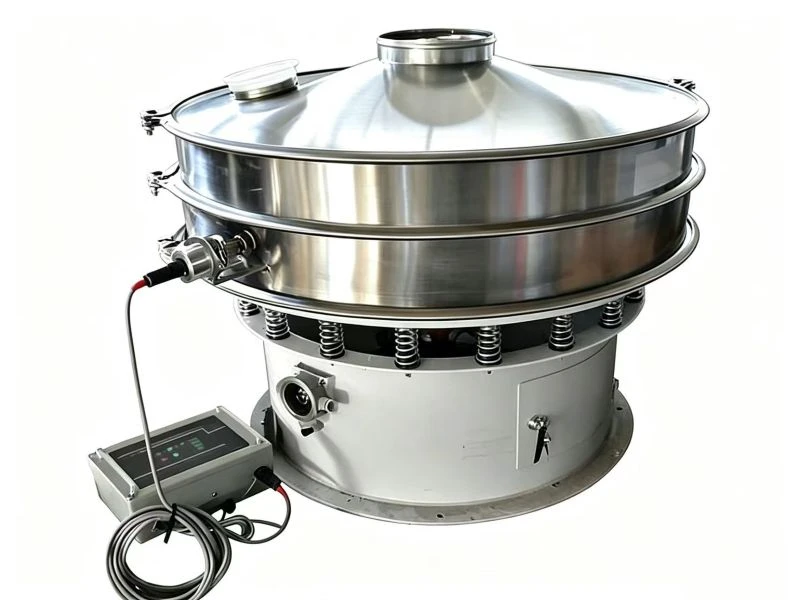
Equipped with an ultrasonic mesh cleaning system, it resolves the challenge of mesh clogging with ultra-fine powders and delivers higher screening efficiency. Featuring a fully enclosed design that prevents dust emissions and allowing for easy disassembly and mesh replacement, it is ideal for the precision screening of various ultra-fine powder materials.
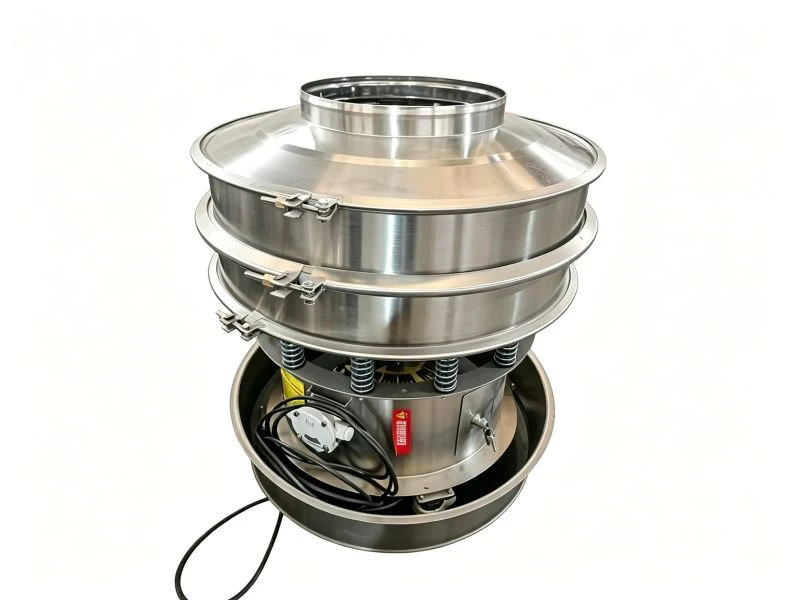
Liquid Sifter Machine
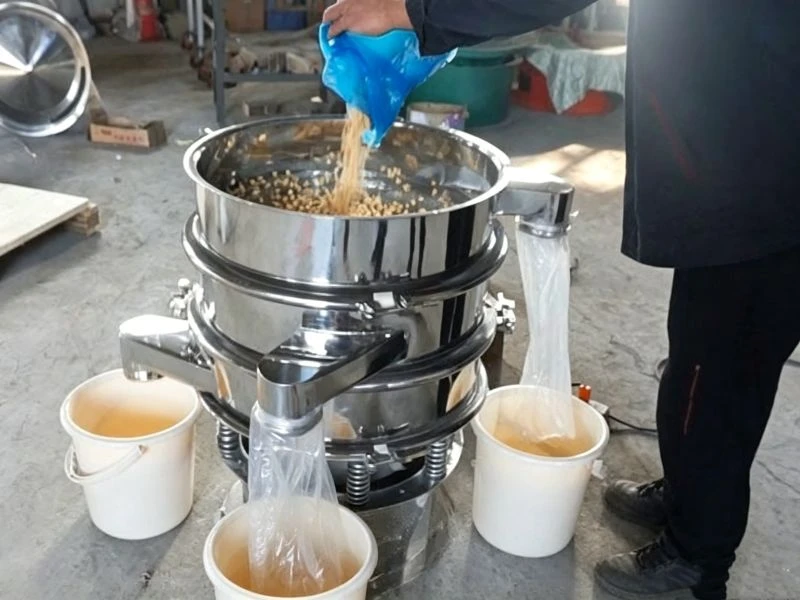
Compact in size with smooth material discharge; inlet and outlet ports can be customized to match production lines. It offers rapid solid-liquid separation and excellent impurity filtration. The unit prevents liquid splashing and material leakage, and is easy to wash down. It supports continuous filtration and allows for convenient disassembly and cleaning.
Features
Efficient, Cost-Effective Multi-Level Grading
Supports customization with 1 to 5 screening decks, enabling simultaneous grading of multiple material types; one machine serves multiple purposes, boosting production capacity by over 25% compared to traditional screeners.
Fully Enclosed, Dust-Free, and Low-Loss
Features an enclosed housing with a 99.9% dust capture rate; prevents dust leakage and material loss, ensuring a clean, eco-friendly production environment.
Versatile Materials and Easy Cleaning
Standardized with food-grade 304 stainless steel (316 stainless steel optional for resistance to acid/alkali corrosion and high-hygiene requirements); smooth interior walls prevent residue buildup; suitable for screening dry/wet materials and slurries; easy to clean and maintain.
Wide Range of Screening Precision
Screen mesh sizes up to 500 mesh (0.028 mm) accommodate fine screening of powders and liquids; optional ultrasonic systems (supporting up to 600 mesh) and explosion-proof motors are available for fine materials prone to static clumping, enhancing operational safety.
Stable Operation and Low Maintenance Costs
Low operating noise and low failure rates ensure stability during prolonged, continuous operation, significantly reducing labor and maintenance expenses.
User-Friendly, Compact, and Capable of Continuous Discharge
Compact and portable design supports quick screen changes; automatically discharges coarse particles and impurities, making it ideal for uninterrupted assembly-line operations.
Technical Specifications of Vibratory Separator
| Model | 400 | 600 | 800 | 1000 | 1200 | 1500 | 1800 |
| Screen Diameter (mm) | Φ380 | Φ580 | Φ780 | Φ970 | Φ1170 | Φ1470 | Φ1770 |
| Effective Screening Area (m²) | 0.1 | 0.23 | 0.41 | 0.65 | 0.99 | 1.58 | 2.32 |
| Mesh Specification (Mesh) | 2—400 | 2—400 | 2—400 | 2—400 | 2—400 | 2—400 | 2—400 |
| Number of Layers | 1-3 | 1-3 | 1-3 | 1-3 | 1-3 | 1-3 | 1-3 |
| Vibration Motor (kW) | 0.25 | 0.55 | 0.75 | 1.1 | 1.5 | 2.2 | 3 |
Applications
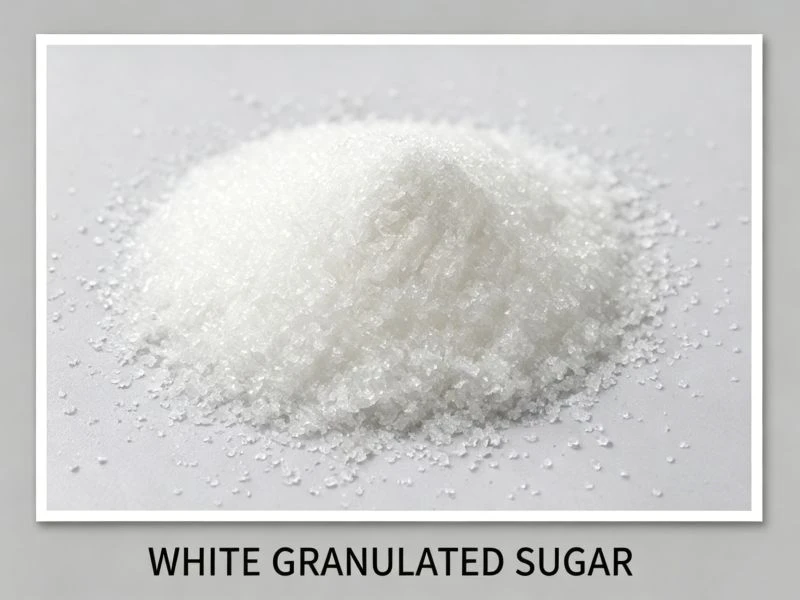
Food industry
White granulated sugar, edible salt, Cassava Starch, milk powder, starch, yeast, fruit juice, soy sauce, vinegar, mixed grain flour
Pharmaceutical industry
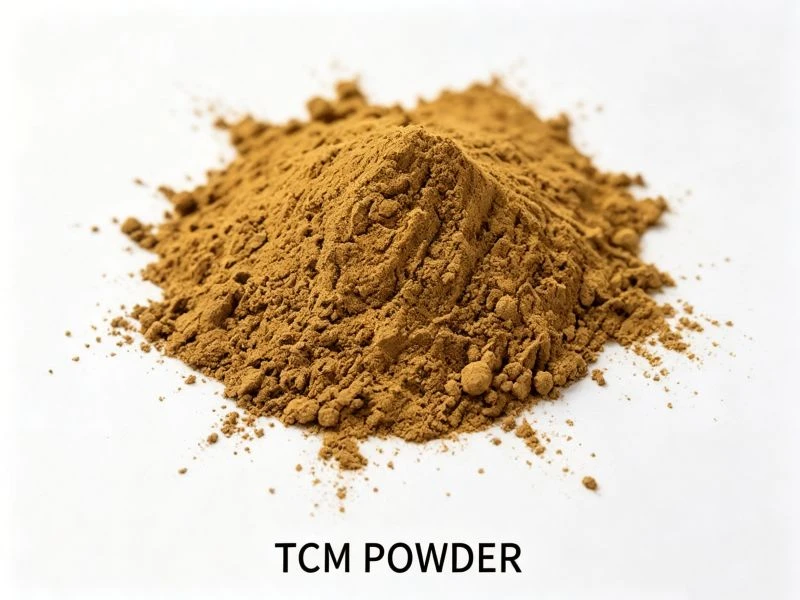
Traditional Chinese Medicine (TCM) powder, Western medicine powders, pharmaceutical granules, TCM liquid extracts, Western medicine liquid formulations, pharmaceutical excipient powders
Chemical industry
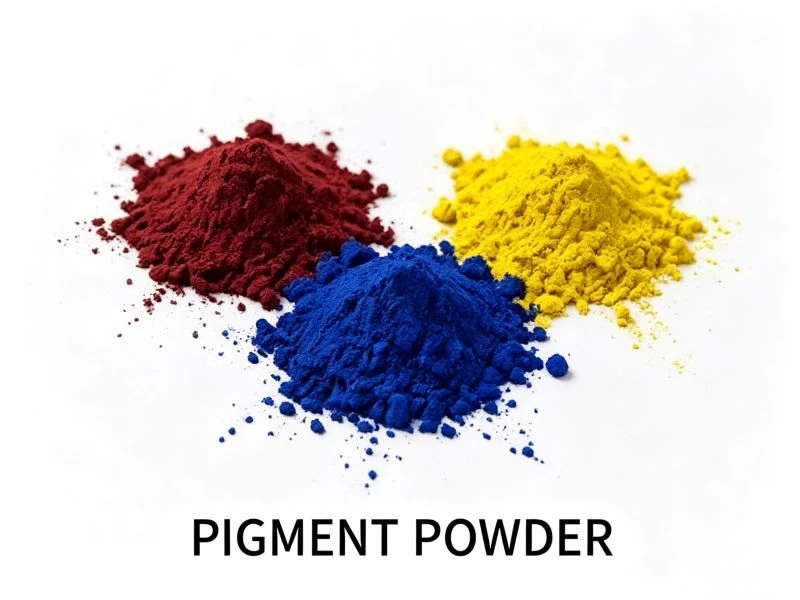
Resin powder, pigments, soda ash, citric acid powder, coatings, rubber powder, aluminum chloride solution, quartz powder
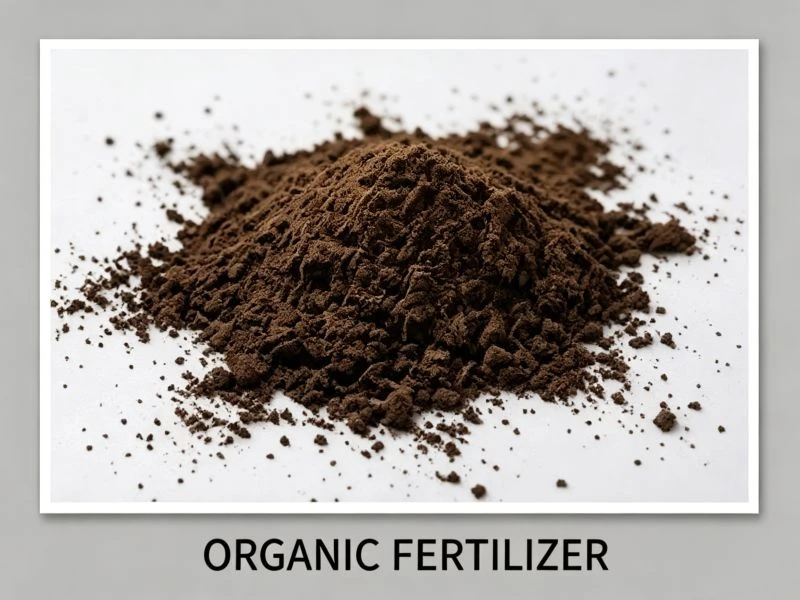
Agricultural fertilizers
Urea granules, compound fertilizer powder, phosphate fertilizer, potash fertilizer, water-soluble fertilizer, organic fertilizer powder
Lithium battery industry
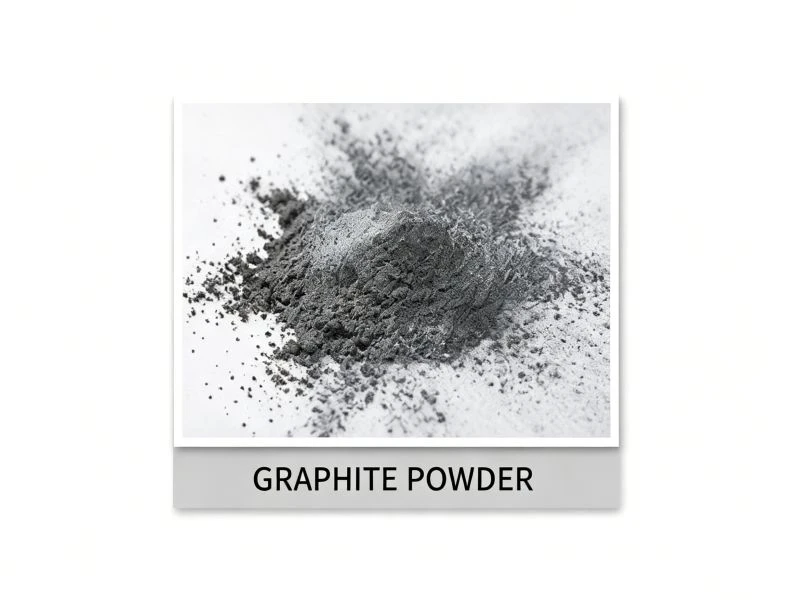
Ternary materials, lithium iron phosphate (LFP), graphite powder, conductive agents, battery slurry, lithium carbonate powder
Metallurgical industry
Metal powders, titanium oxide, zinc oxide, electromagnetic materials, welding electrode powder, metallurgical mineral powder
How to Choose the Right Vibratory Separation Equipment
Selecting the right vibrating screen equipment depends on your material and production requirements.
1. Material type
Identify whether the material is powder, granule, slurry, or mixed bulk solid, as this determines the screen and machine type.
2. Particle size distribution
Define the feed size and target separation size to ensure accurate particle classification and avoid mis-separation.
3. Processing capacity
Select equipment based on required throughput (kg/h or ton/h) to maintain stable and continuous production.
4. Separation accuracy requirement
Higher precision screening is needed for industries with strict quality standards, such as food and pharmaceuticals.
5. Screening layers configuration
Choose single-deck or multi-deck design depending on how many size fractions need to be separated in one process.
6. Material characteristics
Consider flowability, moisture content, density, and stickiness, as these directly affect screening efficiency and clogging risk.
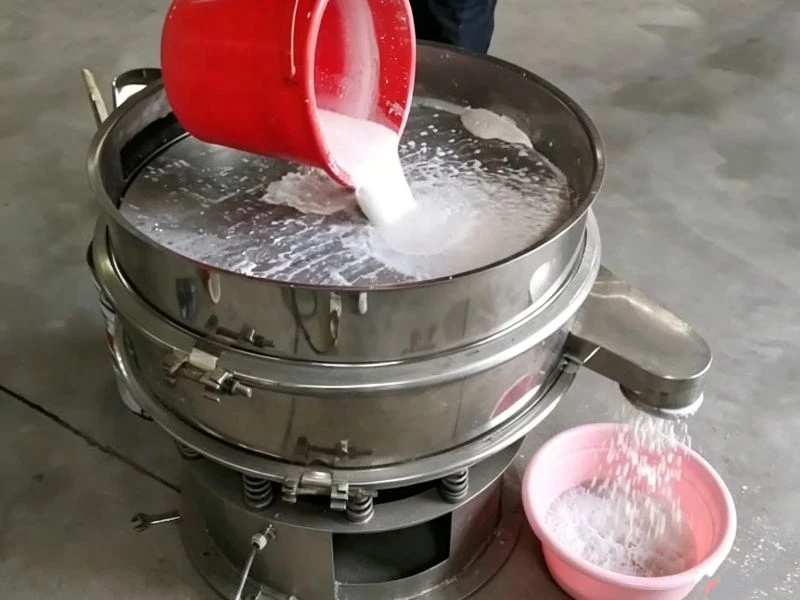
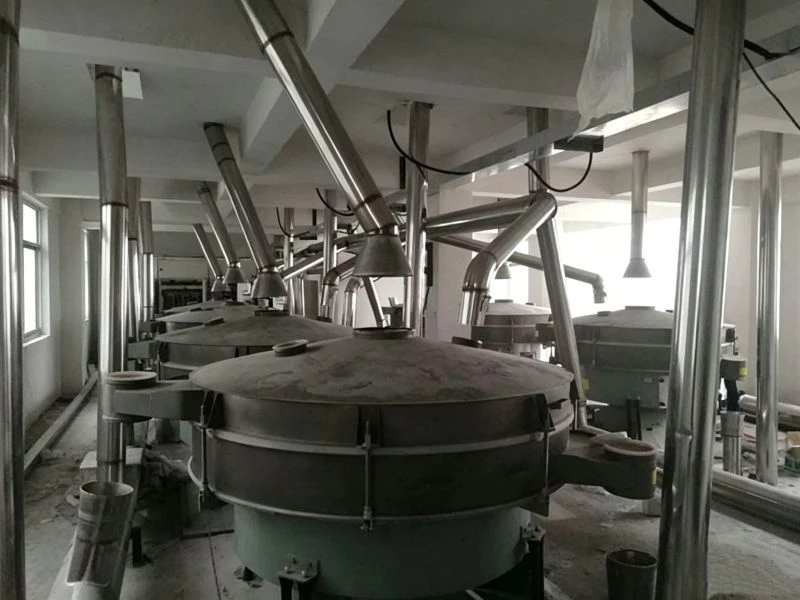
Our Cases
Rich practical cases show our customized screening solutions for different material demands.
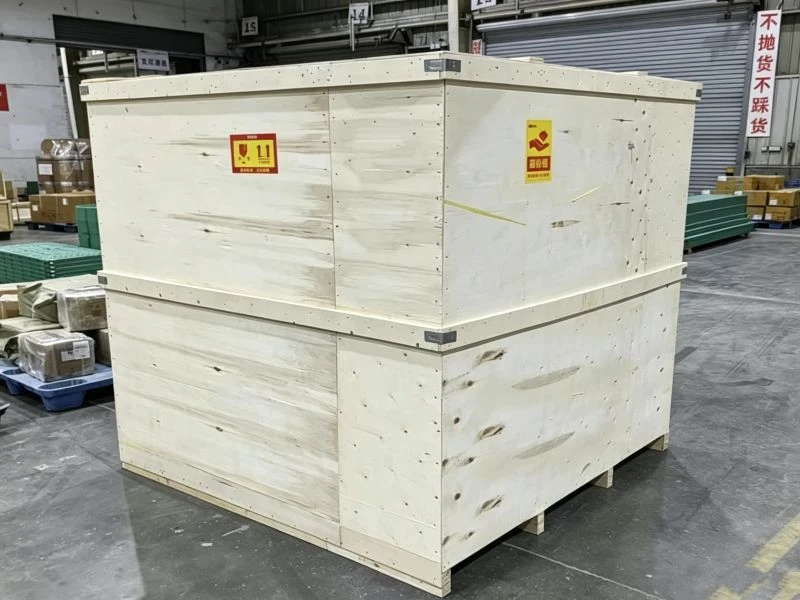
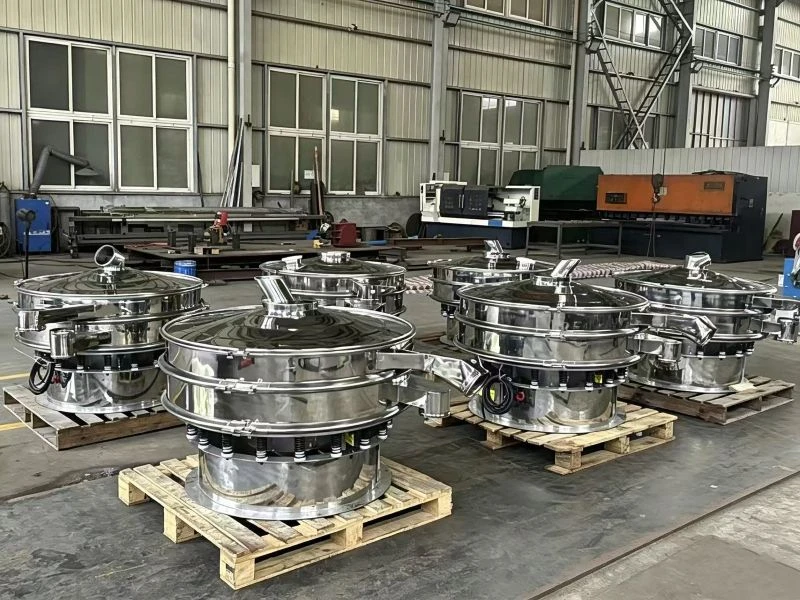
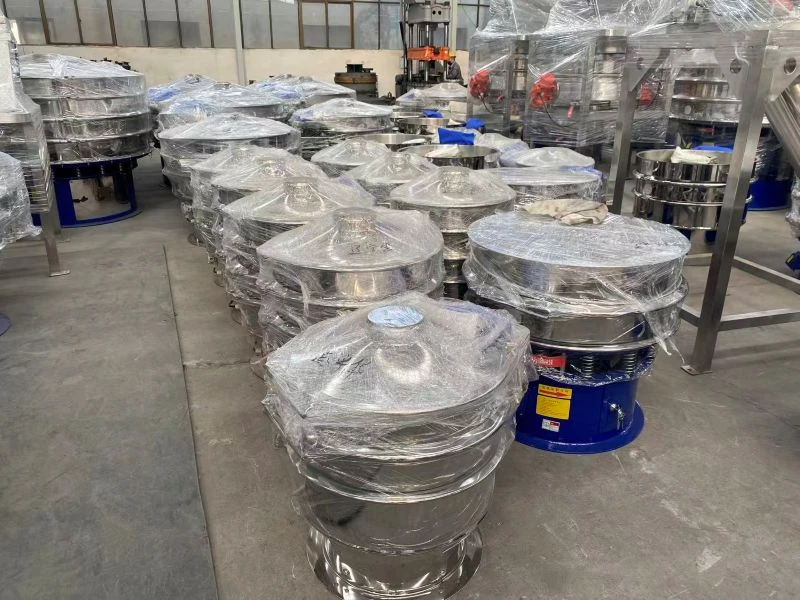
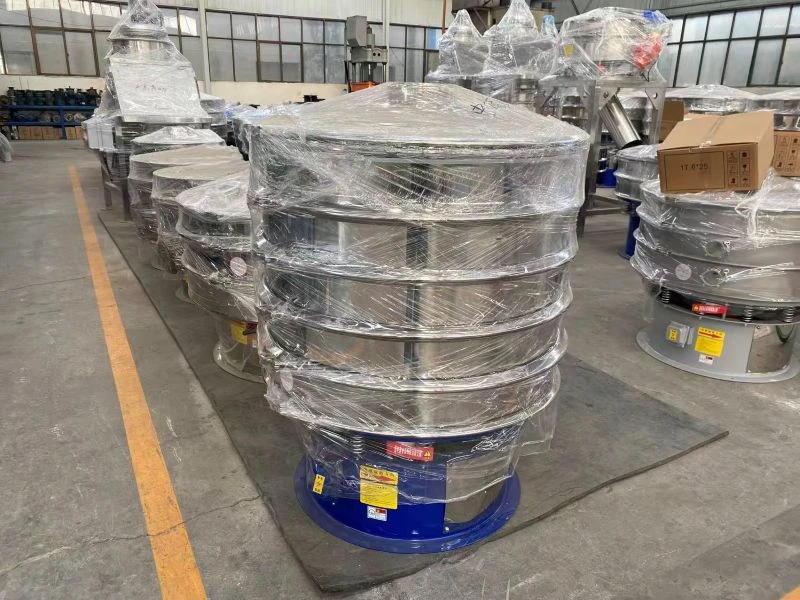
Packaging & Shipping
We offer customized packing solutions and flexible delivery methods to meet your shipment timeline.
Related Products
Rotary Vibrating Screen
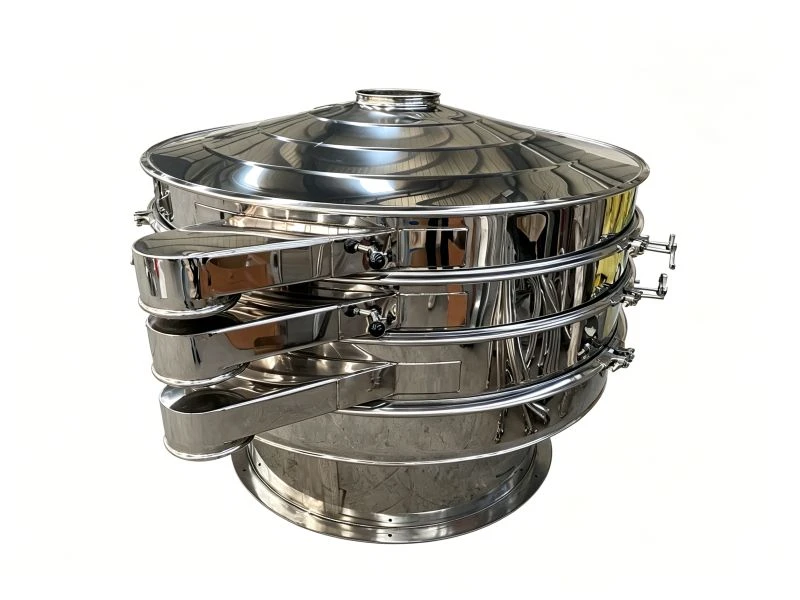
Rotary Vibrating Screen | Vibro Sifter The rotary vibrating screen is designed for efficient separation of powders, granules, and liquids. It delivers stable performance, high screening accuracy, and reliable operation in continuous production. We offer flexible configurations, including multi-deck designs, ultrasonic systems, and food-grade materials to meet different processing requirements. YuanJing provides practical screening solutions…Inline Vibratory Screen
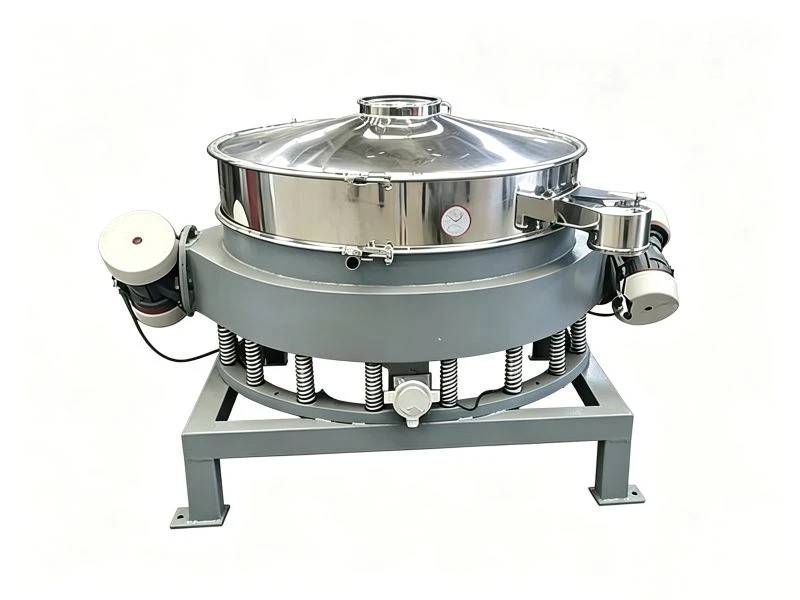
Inline Vibratory Screen for Continuous Production Lines Inline vibratory screens are built for continuous production lines, allowing powders and liquids to be screened directly in the pipeline. The compact design saves space while maintaining stable and accurate separation performance. They are widely used in food, pharmaceutical, and chemical processing. What is an inline vibratory screen?…Screw Conveyor
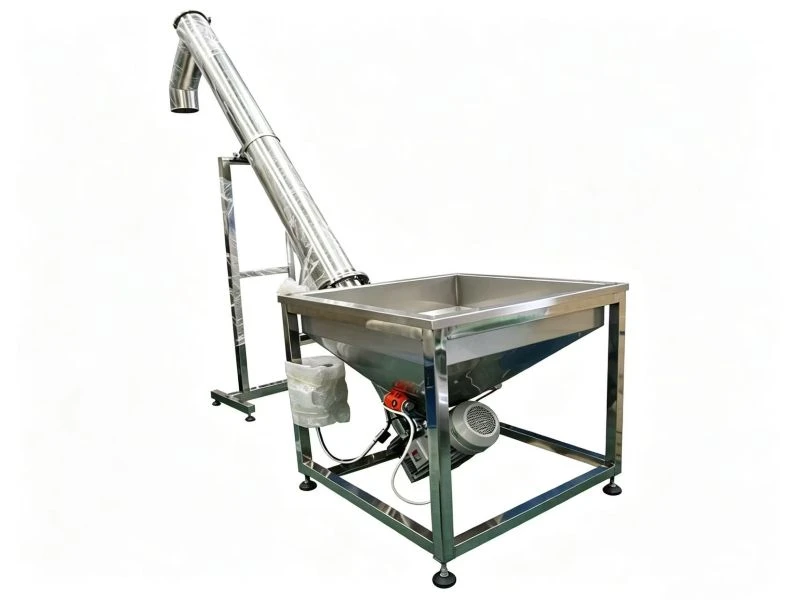
Industrial Screw Conveyor Systems for Bulk Material Handling Industrial screw conveyors are designed for continuous, efficient handling of bulk materials such as powders, granules, and semi-solids. With a compact structure and enclosed design, they ensure stable conveying performance, reduced dust emission, and low maintenance in various industrial applications. YuanJing provides customised screw conveyor solutions based…Vacuum Conveyor Feeder System
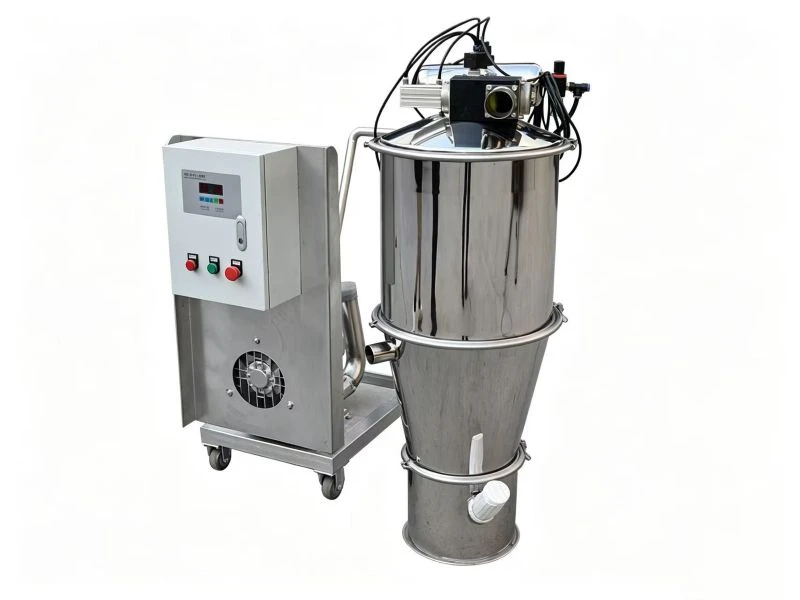
Industrial Vacuum Conveyor System Solutions for Powder & Bulk Materials Vacuum conveyor systems automatically transfer various materials into the hoppers of packaging machines, injection molding machines, and crushers. They can also feed mixed materials directly into mixers (such as V-type, 2D, and 3D mixers), significantly reducing manual labor and eliminating dust spillage during feeding. As…
Vibrating Screen and Conveyor Machine Manufacturer & Supplier
Built for precision screening, reliable performance, and flexible industrial applications,
Yuanjing rotary vibrating screens are trusted by customers worldwide.

Global Project Experience
Yuanjing products are exported to 50+ countries and regions, serving industries including food, chemicals, pharmaceuticals, mining, and new energy.
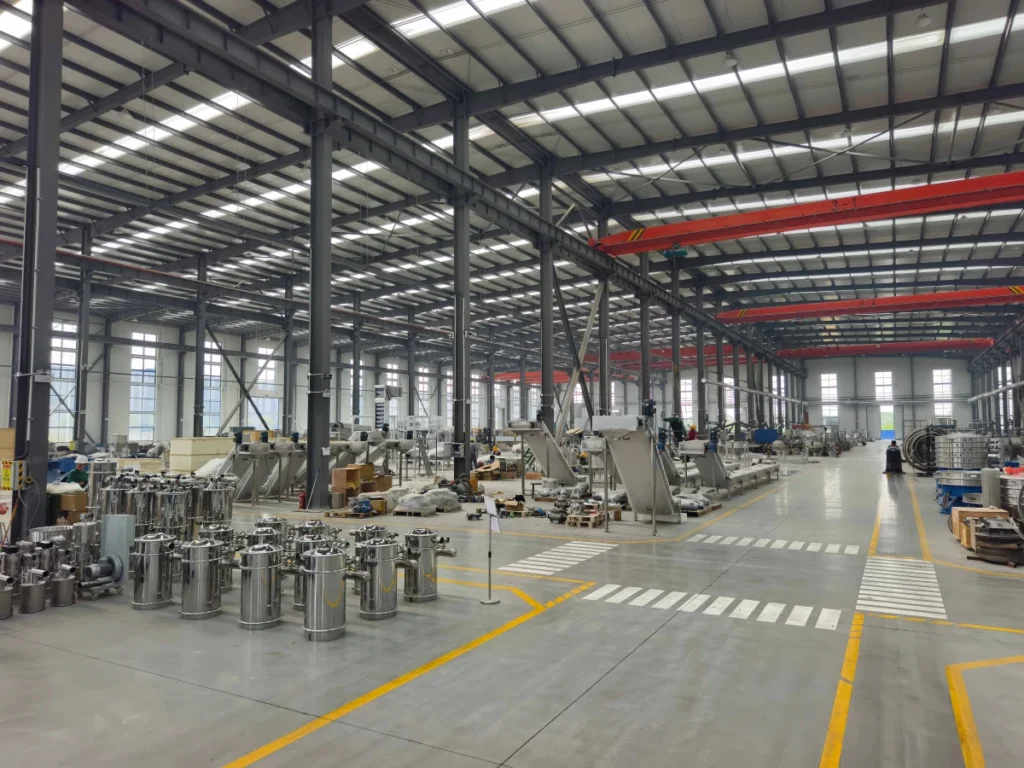
Strong Manufacturing Capability
Advanced production lines with laser cutting, CNC machining, automatic welding, and strict quality inspection ensure consistent product quality.
Accurate & Stable Separation
Optimized vibration design delivers even material flow, high screening accuracy, and stable long-term operation.
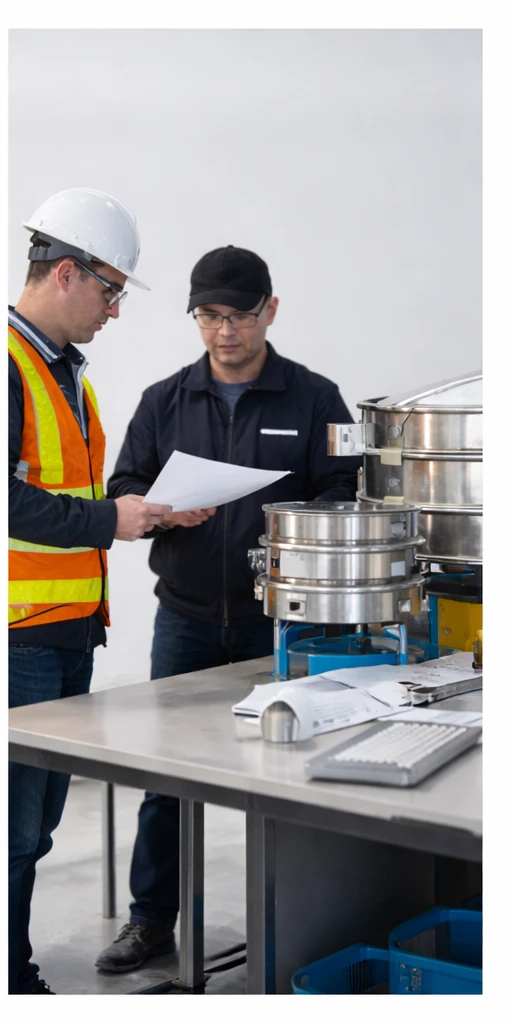
Customized Screening Solutions
Yuanjing offers flexible configurations in diameter, mesh size, deck layers, and material options to fit your exact process requirements.
FAQs
Get Custom Solution
We can provide customised screening and conveying equipment solutions tailored to different materials and production requirements.
Send us your requirements, and our team will provide the right solution and a fast quotation within 24 hours.