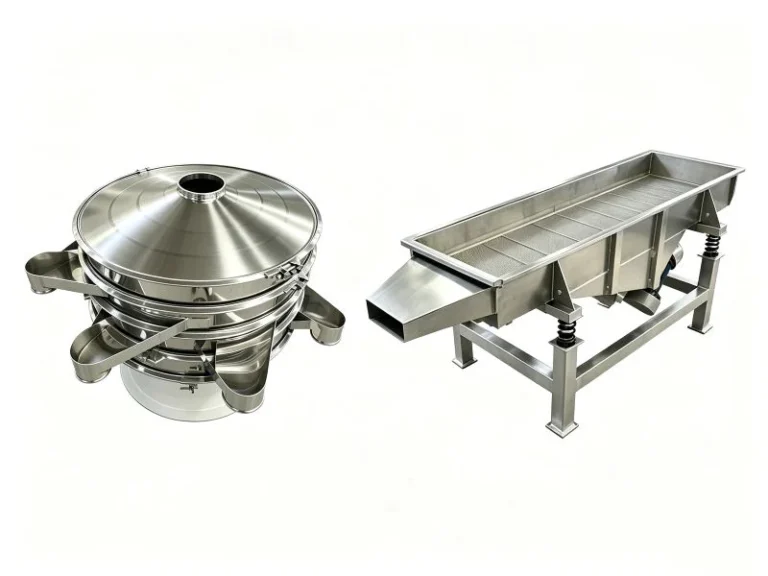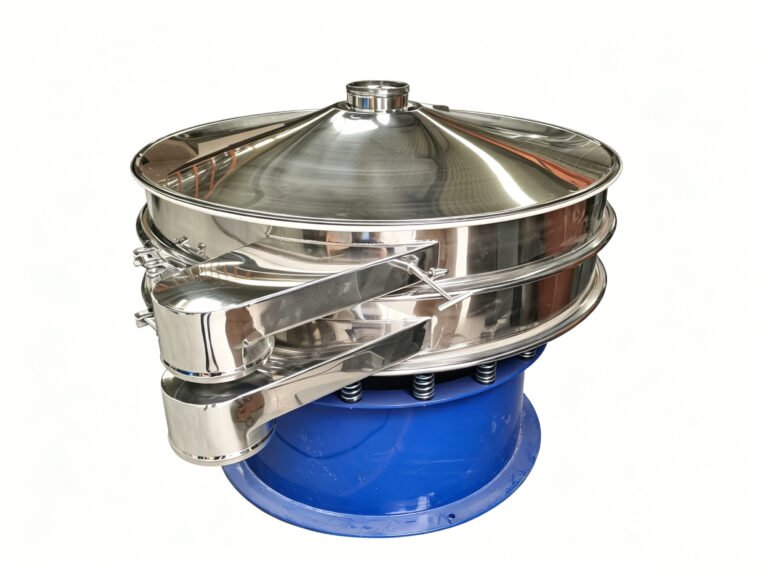
Tumbler Screen for Fine Powder: Why It Is Better Than Traditional Sieving
The Tumbler screen utilizes gentle rotation to precisely separate fine and ultrafine powders, improving screening accuracy while minimizing clogging, dust, and material damage. Compared to traditional screening machines, tumbler screens are more suitable for industries with high precision requirements.
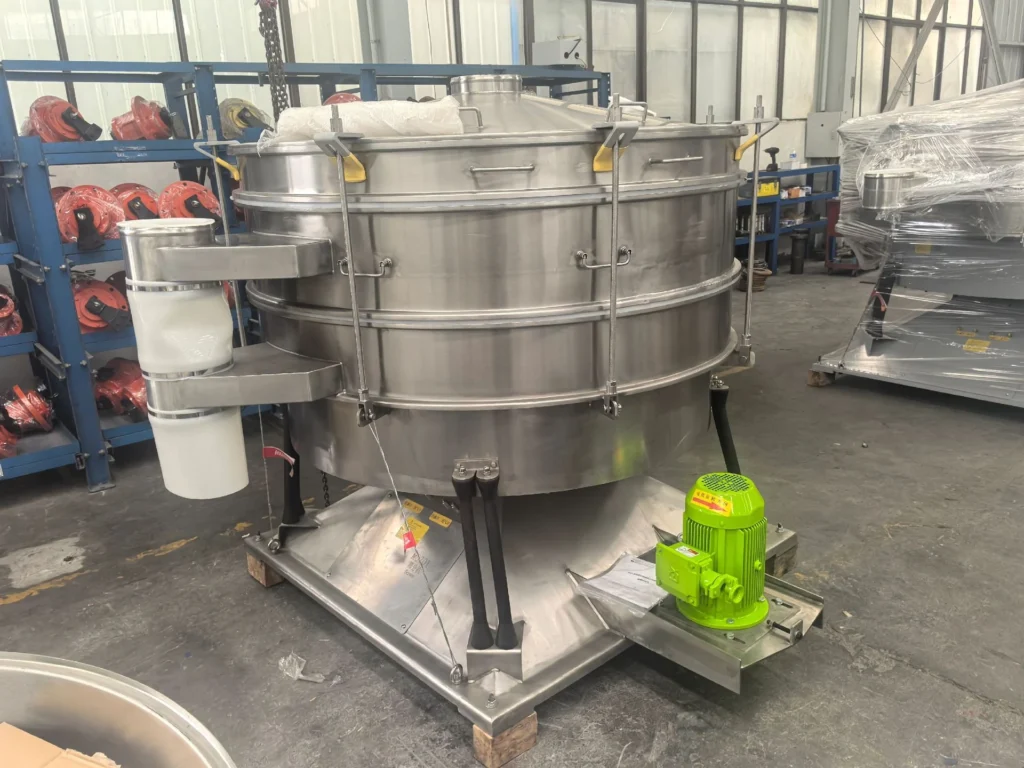
What Is a Tumbler Screen and How Does It Work?
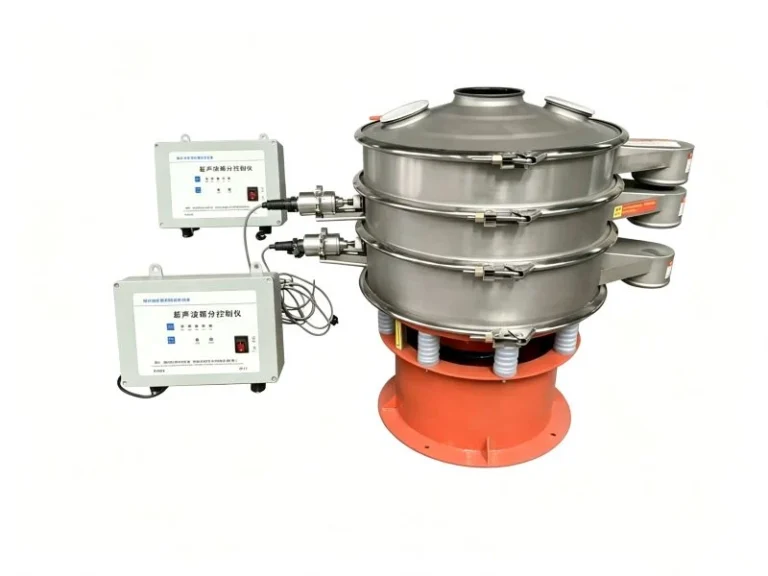
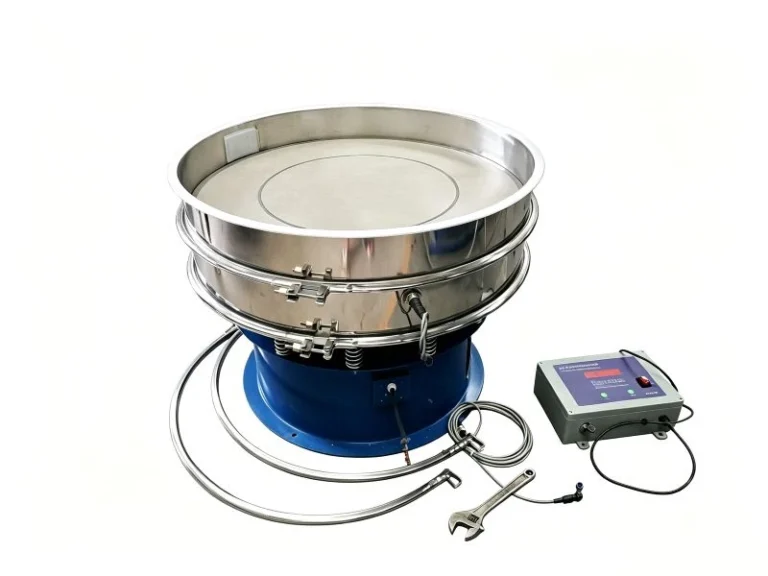
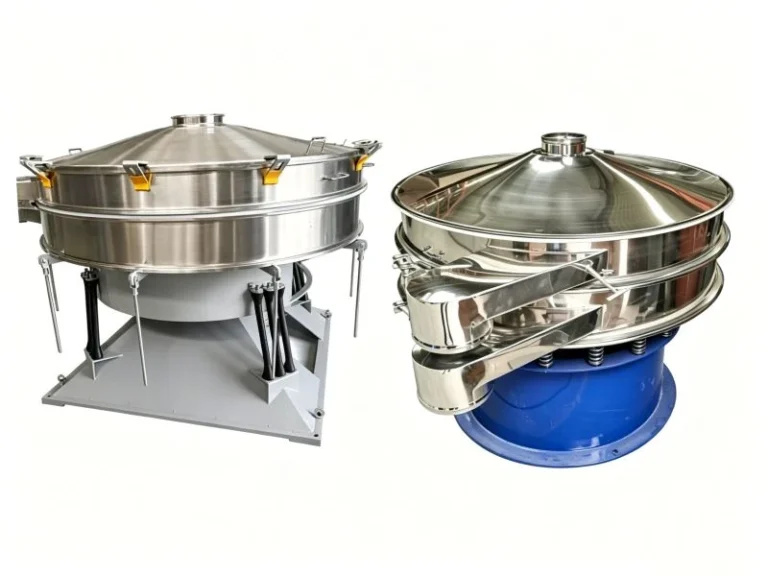
A tumbler screen is a screening device that simulates manual sieving through low-speed rotation, allowing fine powder to move evenly across the screen mesh, thereby improving separation accuracy while reducing clogging and material loss.
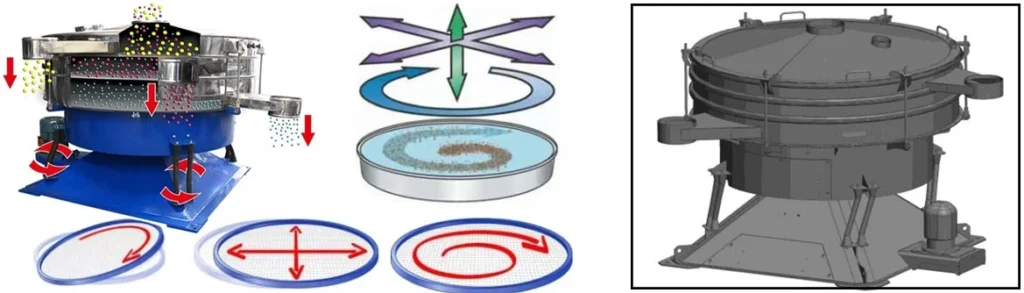
Motion Method
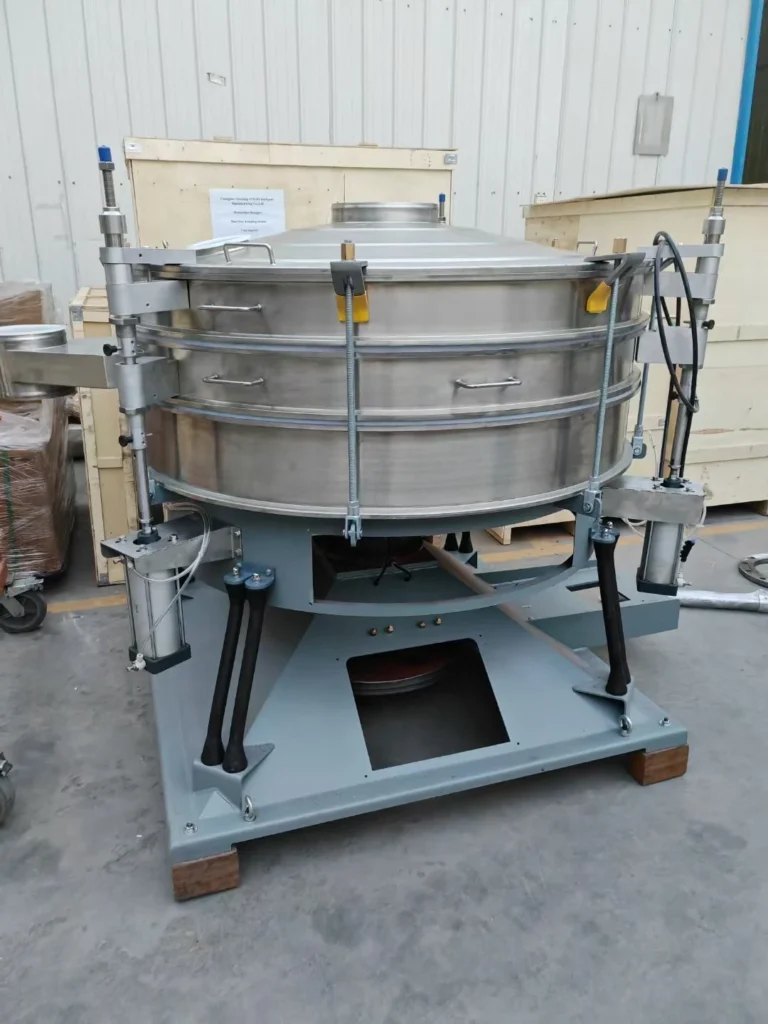
The circular tumbler sieve employs three-dimensional elliptical motion, ensuring the material is evenly spread across the screen mesh.
Motion Trajectory
The material moves from the center to the edge along a controlled spiral path, gradually separating into layers.
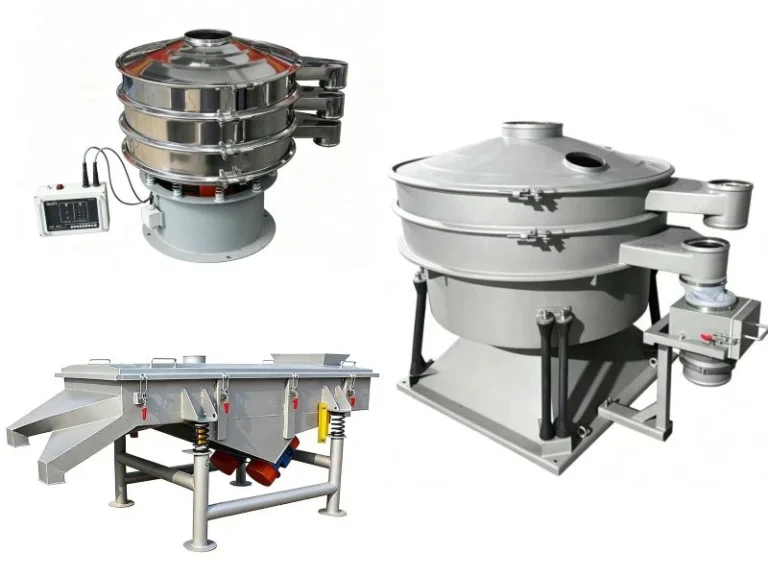
Difference from Traditional Vibrating Screens
Unlike vibrating screens, drum screens use low-frequency motion to avoid strong vertical impacts.
Sieving Process
Fine particles pass through the screen layer by layer, while excessively large particles are discharged from the outlet.
Reasons for suitability for Fine Powders
The gentle motion prolongs the contact time between particles and the screen mesh, thus enhancing the separation effect of fine particles.
Why the Tumbler Screen Performs Better for Fine Powder?
For fine powder screening, tumbler screen offers a more stable and controlled separation process than traditional sieving, improving product quality and process consistency while reducing common operational issues.
Higher screening accuracy
Uniform material distribution on the mesh improves separation consistency for fine particles.
Not easy to block the network
Low-speed rolling motion reduces particle accumulation and mesh blockage.
More gentle on materials
Minimal mechanical impact helps maintain particle shape and prevents degradation.
More stable operation
Steady movement ensures consistent performance without sudden fluctuations.
More efficient handling of fine particles
Extended residence time on the screen increases the probability of fine particle passage through the mesh.
Applicable industries
Food Industry
Flour, starch, milk powder, powdered sugar, cocoa powder, flavoring powder. Chemical Industry: Resin powder, pigment, coating powder, additives, catalysts
Pharmaceutical Industry
Active pharmaceutical ingredients (APIs), intermediate powders, excipient powders
Mining/Metallurgy
Quartz powder, calcium carbonate, alumina powder, metal powders.
Ceramics/Building Materials
Ceramic powder, glaze powder, kaolin, talc powder
Battery Materials Industry
Lithium powder, graphite powder, cathode materials, anode materials, conductive powders
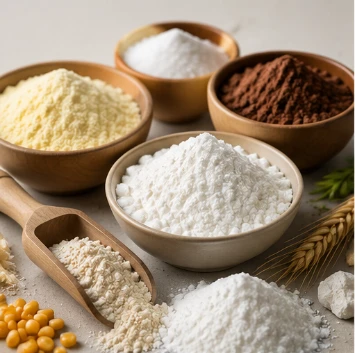 Food Industry
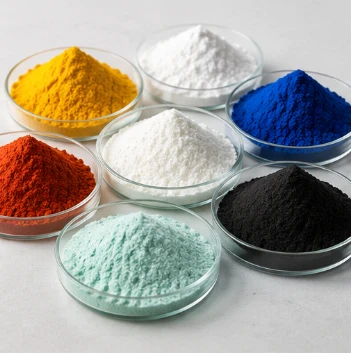 Chemical Industry
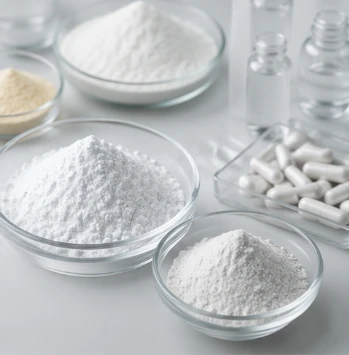 Pharmaceutical Industry
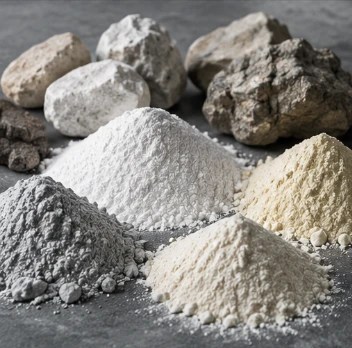 Mining&Metallurgy
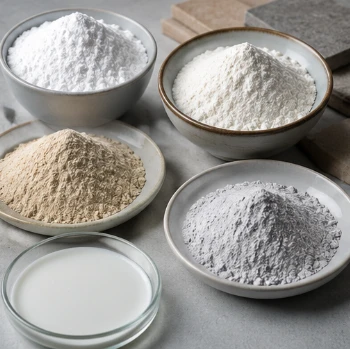 Ceramics&Building Materials
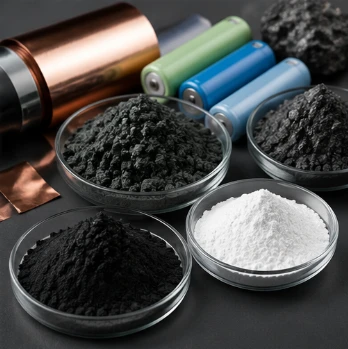 Battery Materials Industry
Tumbler Screen vs Traditional Vibrating Screen
This table traditional vibrating screen compares screening data for different materials to help you assess which solution is more suitable for fine powder processing.
| Material | Particle Size | Traditional Vibrating Screen | Tumbler Screen | Field Difference |
| Milk powder | 200–500 μm | Prone to lumping and clogging, efficiency ~70–80% | Stable screening, efficiency 90–95% | Frequent shutdown needed for cleaning in vibrating screen |
| Wheat flour | 100–300 μm | Dust emission and uneven separation | More uniform layering and stable performance | Vibrating screen often causes dust leakage |
| Titanium dioxide agglomerates | 0.3–1 mm | Severe mesh clogging, requires cleaning aid | Continuous stable operation | Vibrating screen often runs intermittently |
| Resin powder | 80–200 μm | Electrostatic adsorption causes fluctuation | Stable operation with clear classification | Unstable grading in vibrating system |
| API pharmaceutical powder | 50–150 μm | Particle breakage rate around 3–8% | Breakage rate below 1% | Vibration impact affects product consistency |
| Calcium carbonate powder | 10–50 μm | Fine particles easily block mesh | Stable continuous screening | Frequent cleaning required in vibrating screen |
| Talc powder | <10 μm | Unstable or nearly impossible to screen | Stable classification achievable | Very low efficiency with vibrating screen |
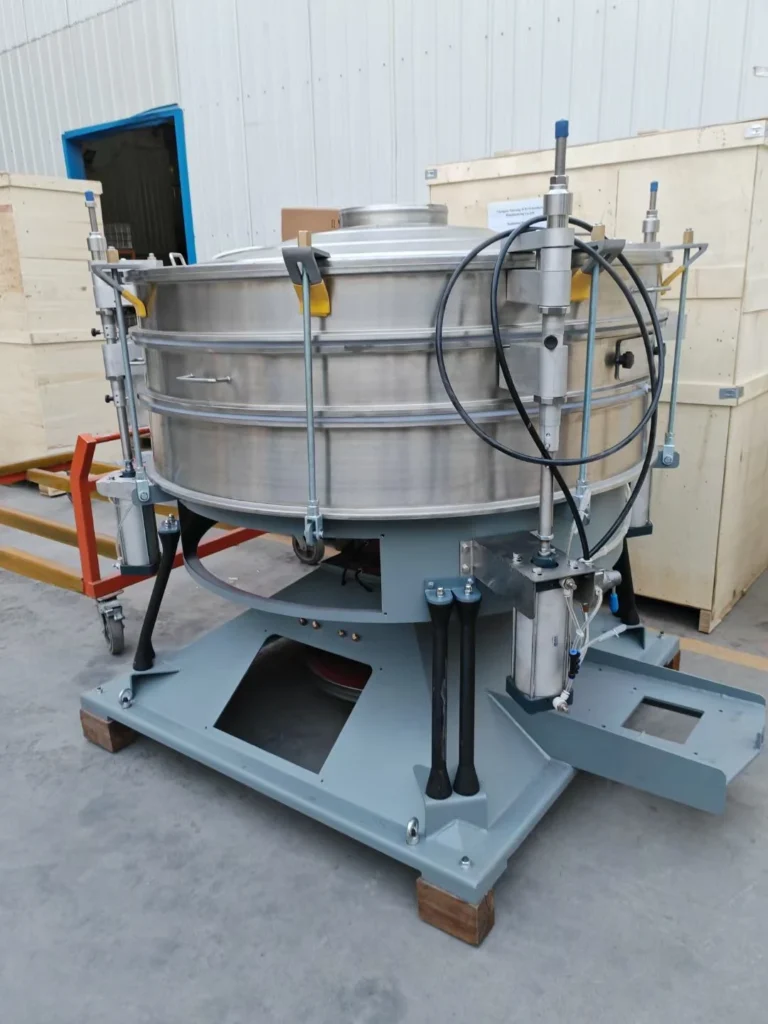
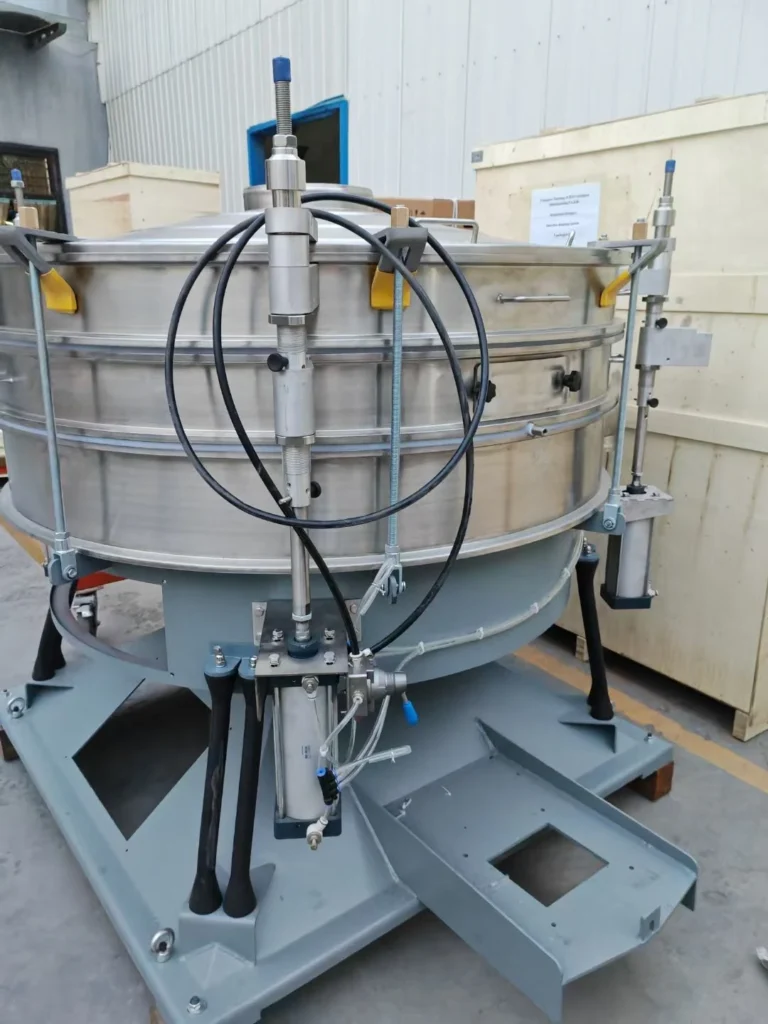
How to Choose the Right Tumbler Screen for Fine Powder
Selecting a rotary drum screen for fine powder requires matching equipment parameters with material properties and production objectives.
Screen mesh size selection
The mesh size should match the target particle range to ensure accurate separation.
Processing capacity matching
Equipment capacity needs to be aligned with actual throughput to avoid overload or underuse.
Material characteristic assessment
Particle size distribution, moisture, and flowability directly affect screening performance.
Equipment material selection
Material contact parts should meet industry standards, such as food or pharmaceutical grade.
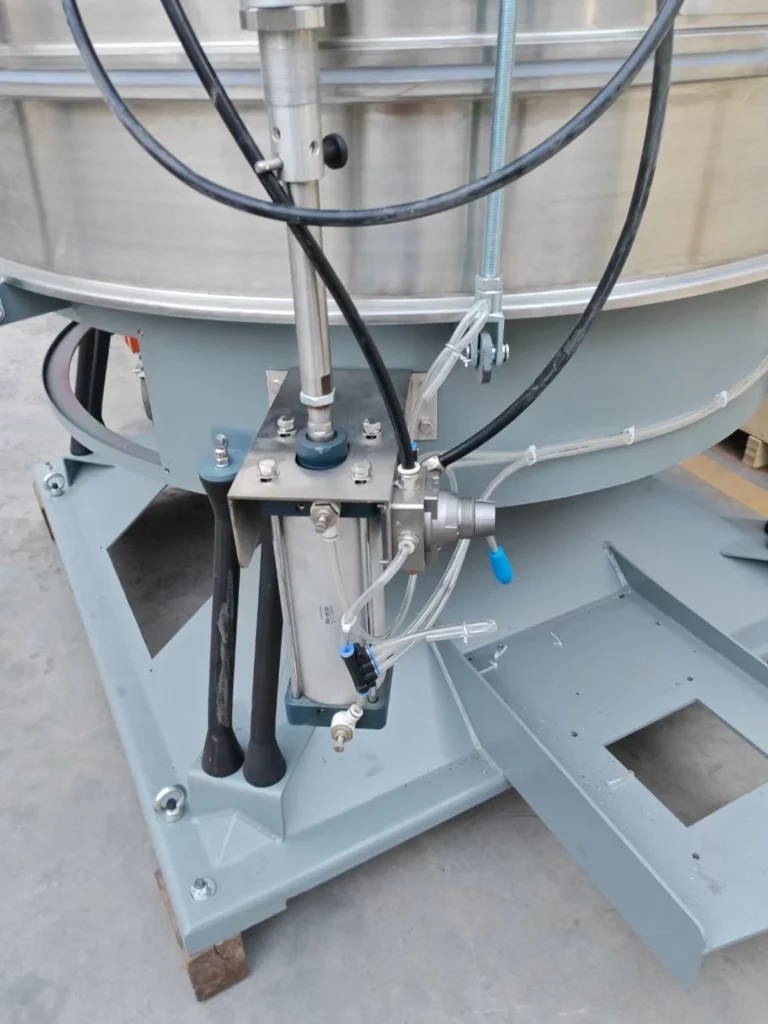
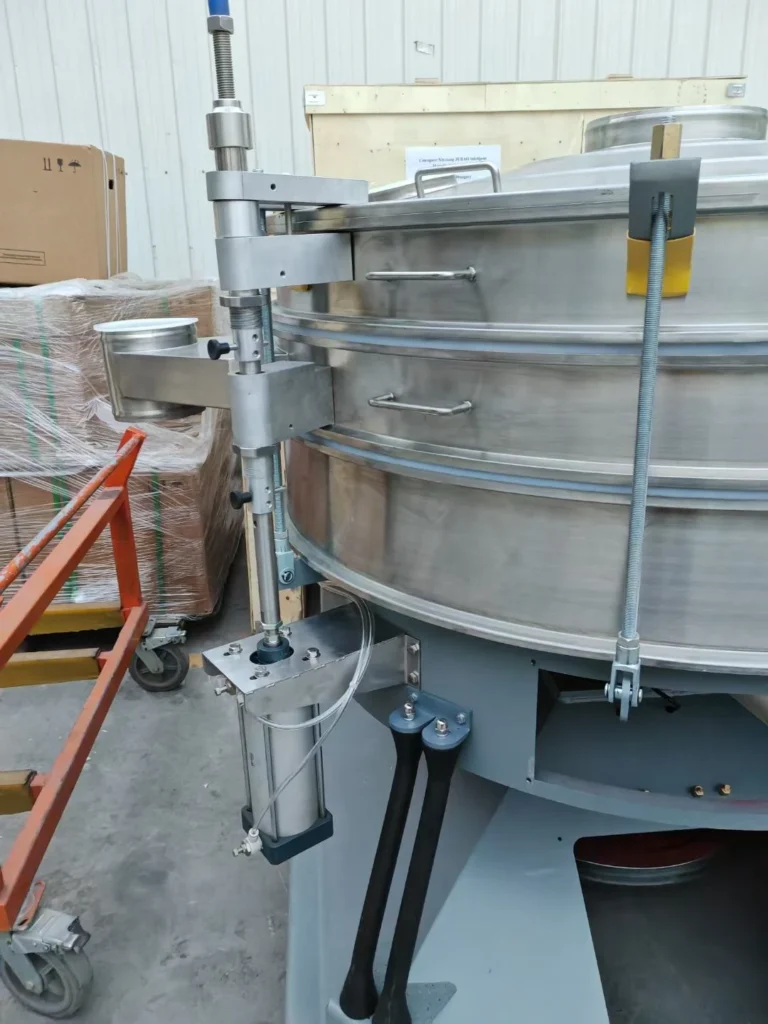
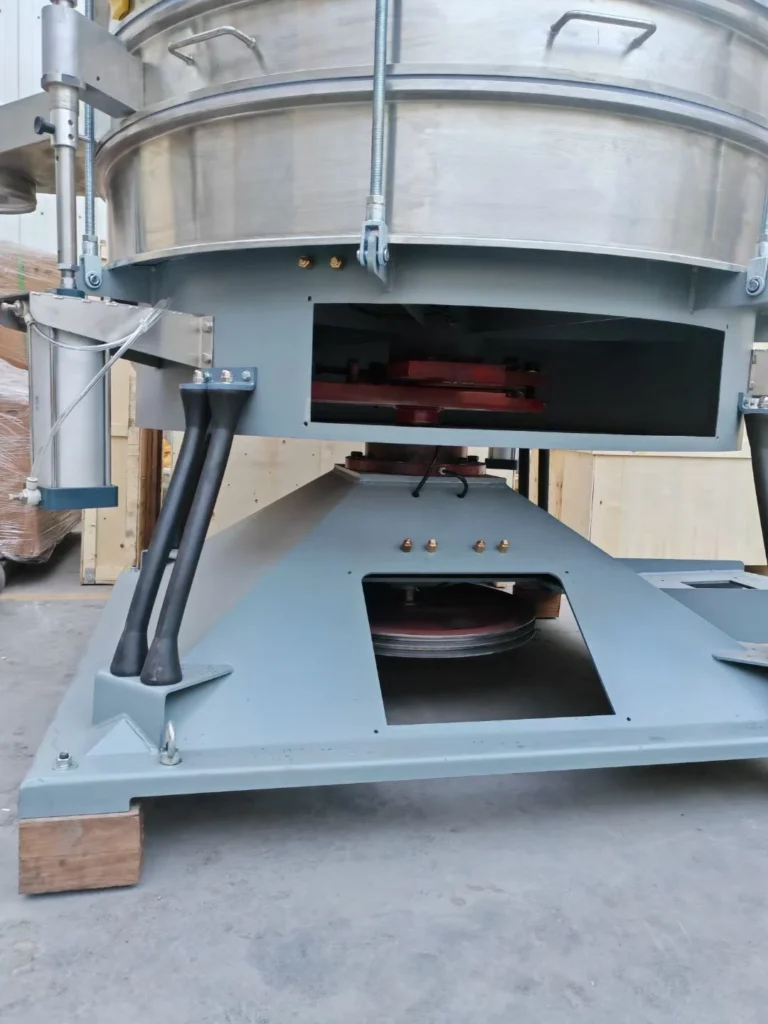
Screen deck number and structure configuration
The number and structure of screen decks should be set based on the required grading levels. Inlet and outlet design: Inlet and outlet configurations should fit the production line layout for smooth material flow
Cost vs Benefit Analysis of Tumbler Screen
The value of a tumbler screen is not determined by initial cost alone, but by its impact on screening accuracy, material yield, and long-term operating stability in fine powder processing.
Initial Investment
Due to its complex structure, the initial investment is typically higher than that of a standard vibrating screen.
Screening Benefits
Higher screening accuracy reduces the amount of non-conforming material and improves overall product yield.
Operating Costs
Lower wear and stable operation help reduce ongoing maintenance and downtime costs.
Production Efficiency
Consistent screening performance ensures stable output and minimizes production interruptions.
Long-Term Returns
Higher product quality and lower material loss contribute to more substantial returns over time.
Conclusion
For fine powder processing, a tumbler screen is a practical choice when high precision, high stability, and low clogging risk are required. It is especially suitable for industries that need continuous operation, reduced downtime, and lower maintenance frequency. If you currently experience issues such as screen clogging, inconsistent particle size distribution, or material loss, Yuanjing Machinery supports specific configurations; you can request a quote or technical consultation.