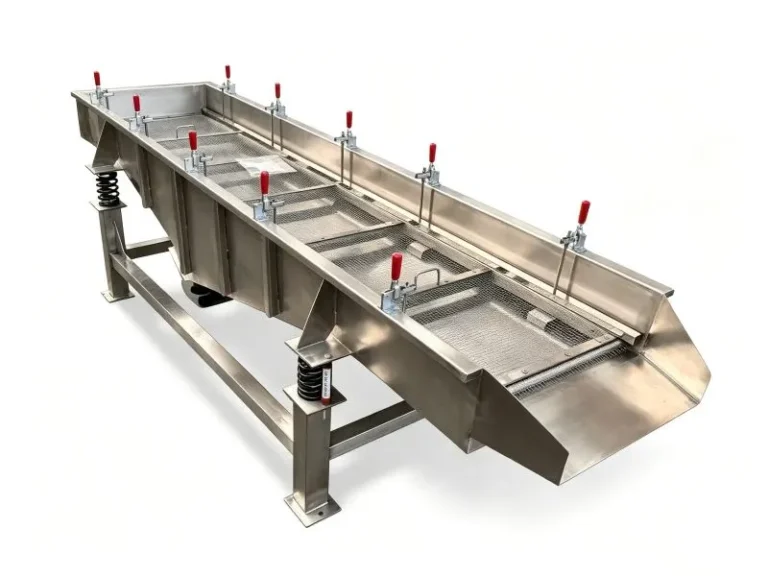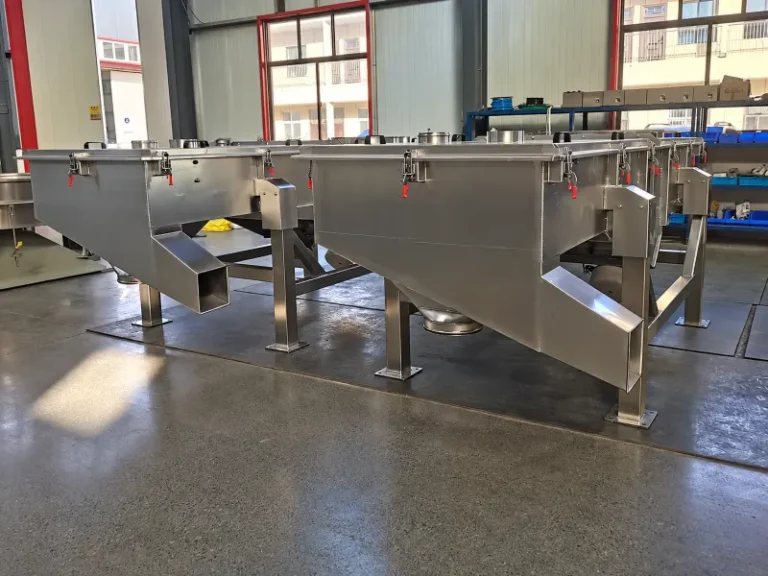
Sesame Screening Case Study: Vibrating Sieve Machine for Cleaning & Grading
Introduction
A food processing company required a sesame screening solution for multi-stage separation during production. Due to the high impurity content and material load, the original sieving machine frequently experienced screen damage, reduced screening efficiency, and increased downtime caused by screen replacement.
Problem Section for Sesame Screening
During discussions with the customer, several practical production challenges were highlighted:
- Concentrated material impact on the screen mesh caused severe localized stress.
- Sesame contained a large amount of dust and impurities that tended to accumulate during screening.
- The service life of the existing screen mesh was short, with frequent breakage issues.
- The customer preferred retaining the original standard rotary vibrating screen structure to minimize additional modification costs.
- Stable operation and more uniform screening performance were required.
The customer specifically mentioned that they had previously tried different screen mesh materials, but the improvements were limited. The main issue was not simply the screen mesh itself but also the feeding method and material movement pattern.
Sesame Screening Analysis
We focused on analyzing the material feeding condition and the operating trajectory of the equipment.
After detailed communication, we found that the customer was using a direct centralized feeding method, causing high impact force when the sesame entered the screen surface. Aside from screen damage issues, sesame seeds carry various impurities that compromise oil pressing and processing quality, failing to meet strict food safety standards. Under long-term continuous operation, the center area of the screen mesh was especially prone to fatigue damage.
At the same time, the vibration motor excitation trajectory had not been specifically optimized, resulting in uneven material distribution on the screen surface and excessive loading in localized areas, which further worsened impurity separation efficiency.
Sesame Screening Solution
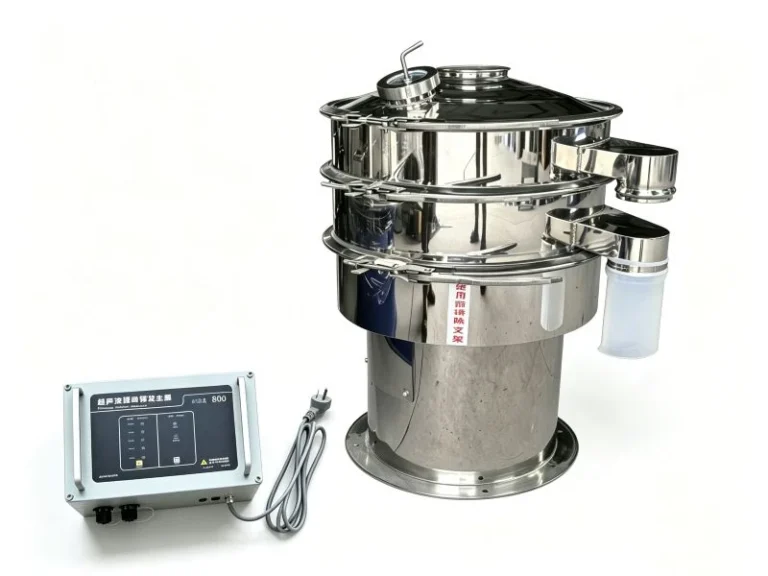
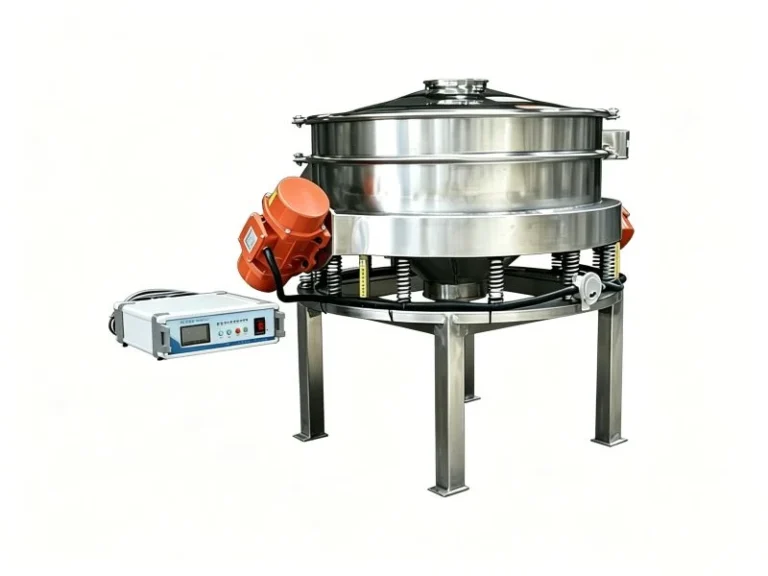
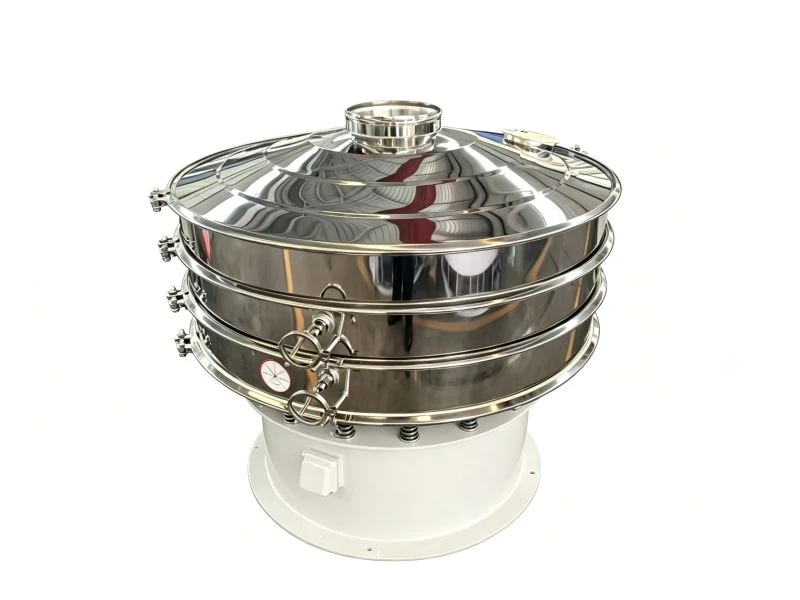
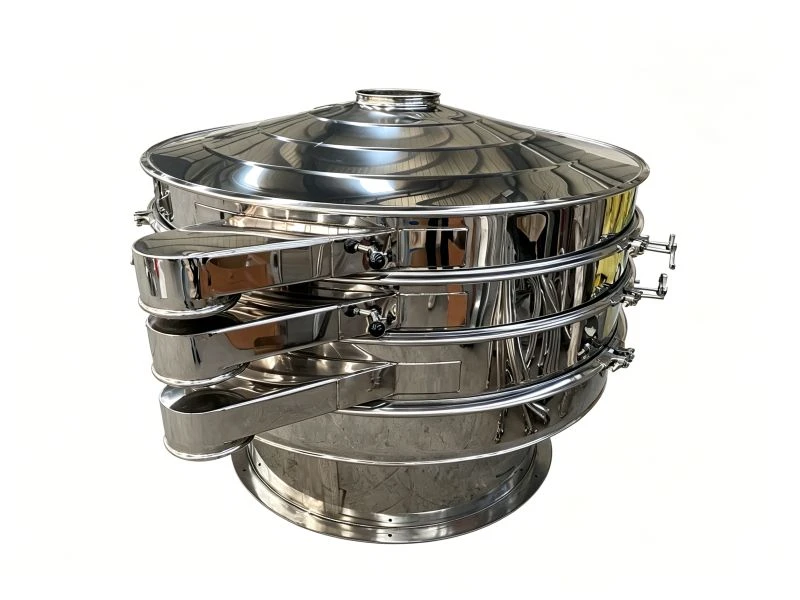
We customized a rotary vibrating screen for the customer and implemented two major improvements while maintaining the standard structure.
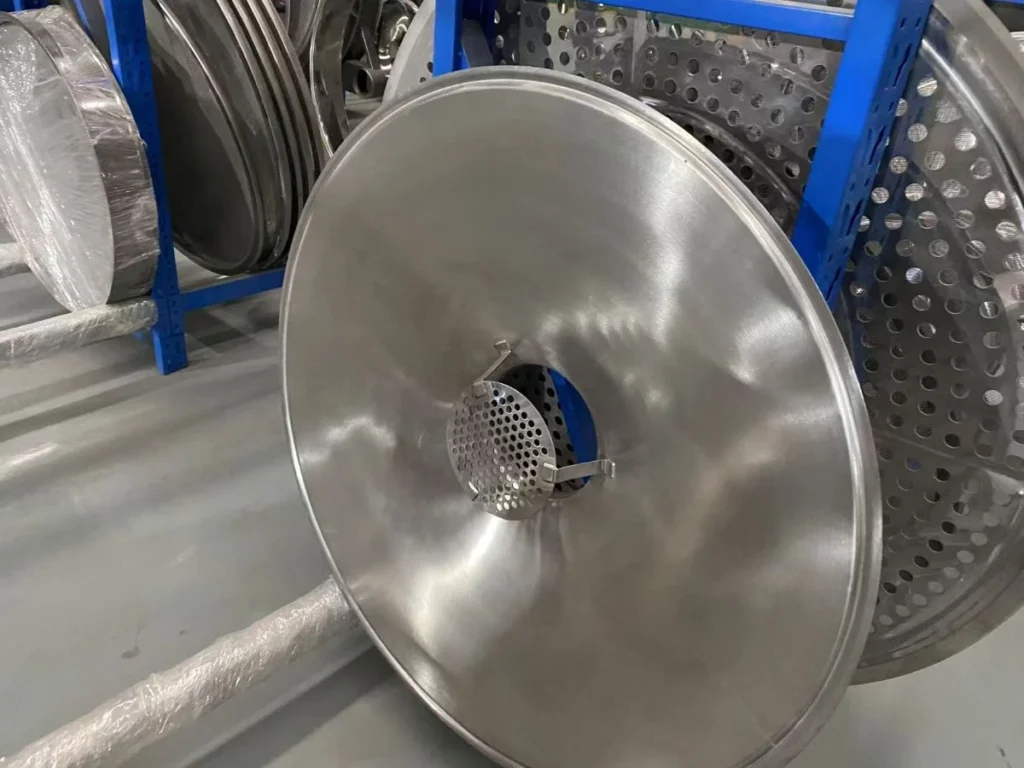
1. Customized Feeding Hopper Mesh Cover
A specially designed feeding hopper mesh cover was added to the top of the equipment to buffer and distribute the incoming material flow, allowing the material to enter the screen surface more evenly.
After implementation, the material no longer directly impacted the center area of the screen mesh, significantly reducing instantaneous impact force and effectively protecting the screen mesh.
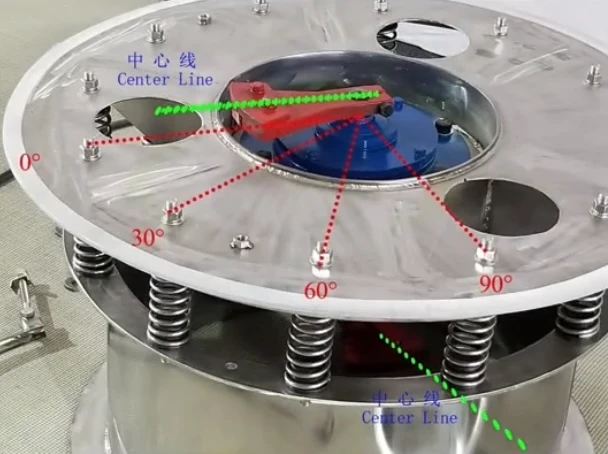
2. Adjustment of Motor Weight Block Angle
Based on the characteristics of sesame materials, we adjusted the upper and lower weight block angles of the vibration motor to create a more evenly distributed material movement trajectory across the screen surface.
After adjustment:
- Material distribution became more uniform
- Screening movement became more stable
- Localized material accumulation was reduced
- Stress on the screen mesh became more balanced
Furthermore, through the continuous optimization of feeding methods and vibration parameters, the equipment demonstrates enhanced stability during long-term operation, while simultaneously achieving significant reductions in energy consumption and manual maintenance costs.
Results
After the equipment was put into operation, the customer reported that the most noticeable improvement was a significant reduction in screen damage frequency.
Previously, localized cracks often appeared on the screen mesh, requiring frequent production shutdowns for replacement. After optimization, the screen mesh lifespan was considerably extended, and equipment operation became more stable.
In addition, material distribution on the screen surface became more uniform, and screening efficiency also became more consistent than before.
The customer later continued using the same screening solution for newly added production lines.
Video
Applications
This equipment is primarily suited for the following three types of operations in the sesame industry:
Sesame oil production lines
Used for cleaning and grading sesame seeds prior to pressing, thereby increasing oil yield and purity.
Food processing plants
Used for raw material pre-treatment and impurity removal to ensure food safety and processing stability.
Small-scale oil mills
Suitable for low-to-medium capacity operations, enabling cost-effective and efficient sesame screening and cleaning.
Conclusion
In food screening processes, factors affecting equipment stability often extend beyond the screen mesh itself. Feeding methods, material movement trajectories, and equipment parameter matching are equally important.
Optimizing screening solutions according to different material characteristics can effectively improve screening efficiency, reduce consumable losses, and lower long-term operating costs.
If you are also experiencing problems such as screen damage, uneven screening performance, or material accumulation, feel free to contact our technical team. We can provide customized screening solutions based on your material characteristics and operating conditions to help improve production efficiency and stability.