Linear Vibrating Screen Applications in Different Industries
Introduction
In modern industrial production, material screening plays a critical role in ensuring product quality, consistency, and overall processing efficiency. When exploring linear vibrating screen applications, you will find this equipment acts as a highly efficient and continuous separation solution widely adopted across multiple industries, including food processing, pharmaceuticals, chemicals, and mining. Its stable linear motion trajectory and high throughput capacity make it especially suitable for handling powders and granular materials with varying particle sizes, moisture levels, and flow characteristics.
Due to the significant differences in material properties across industries, screening requirements also vary greatly in terms of precision, hygiene standards, and production scale. This article dives deep into linear vibrating screen applications across different industrial sectors, helping users better understand where and how this equipment delivers optimal performance and supporting more informed equipment selection decisions.
What Is a Linear Vibrating Screen
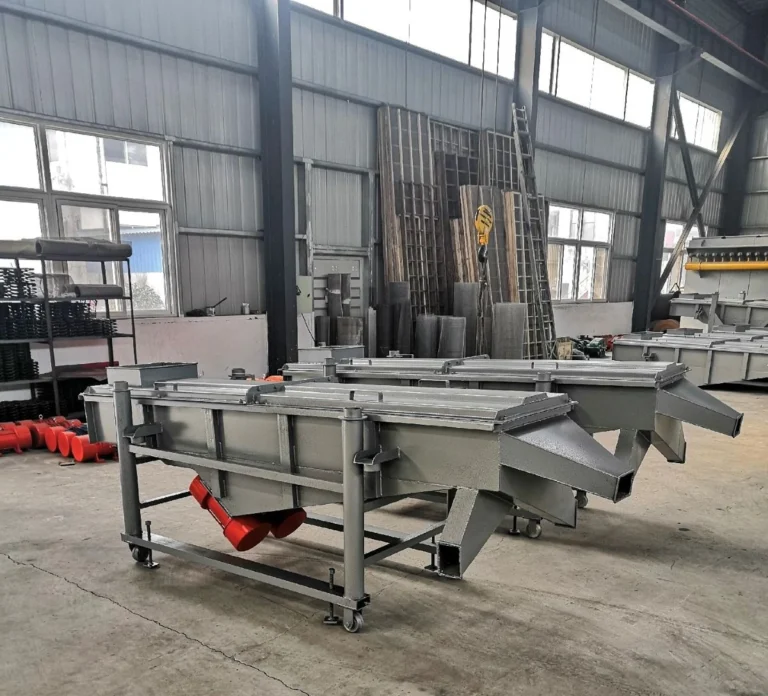
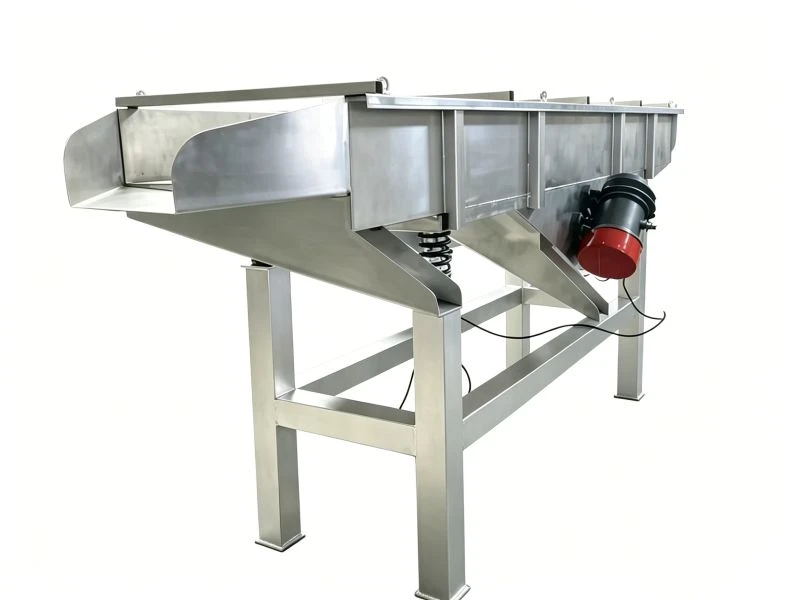
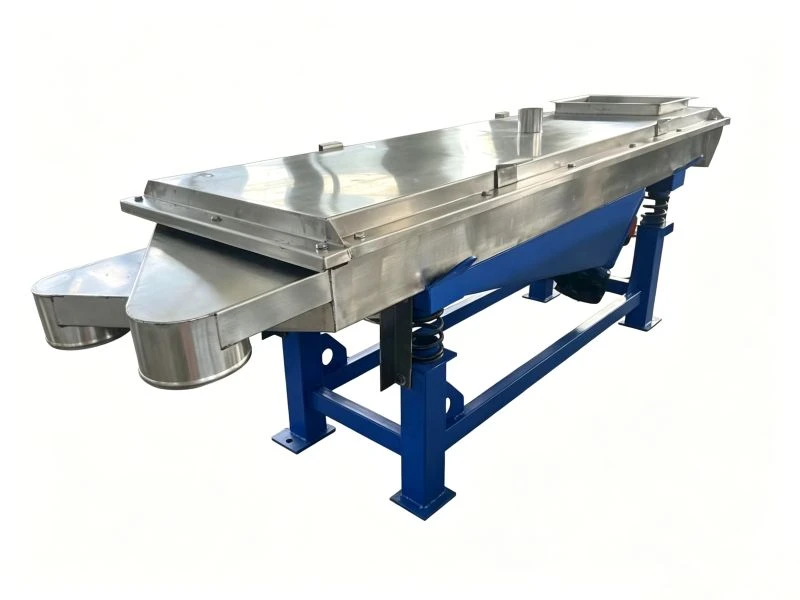
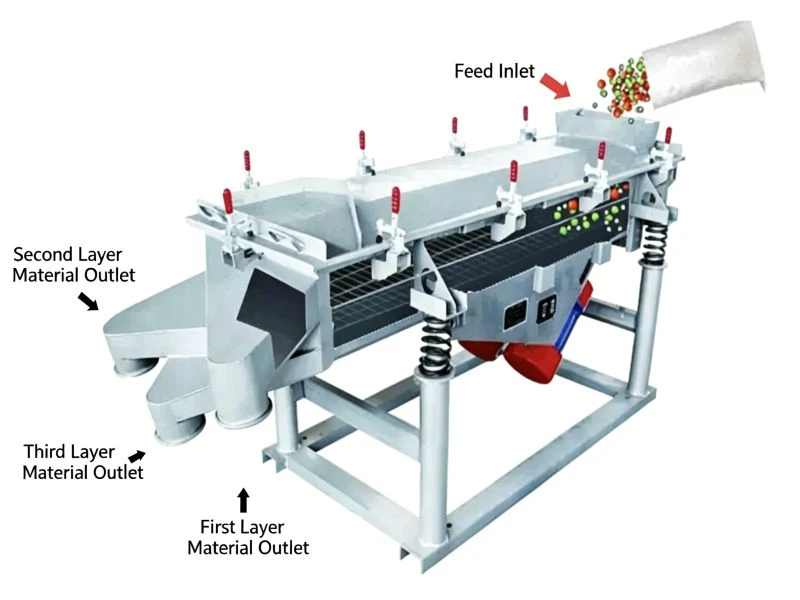
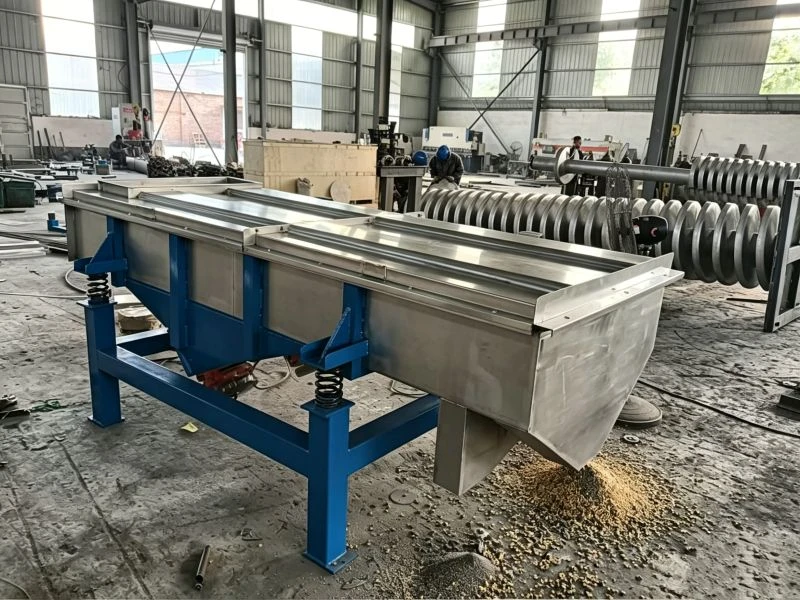
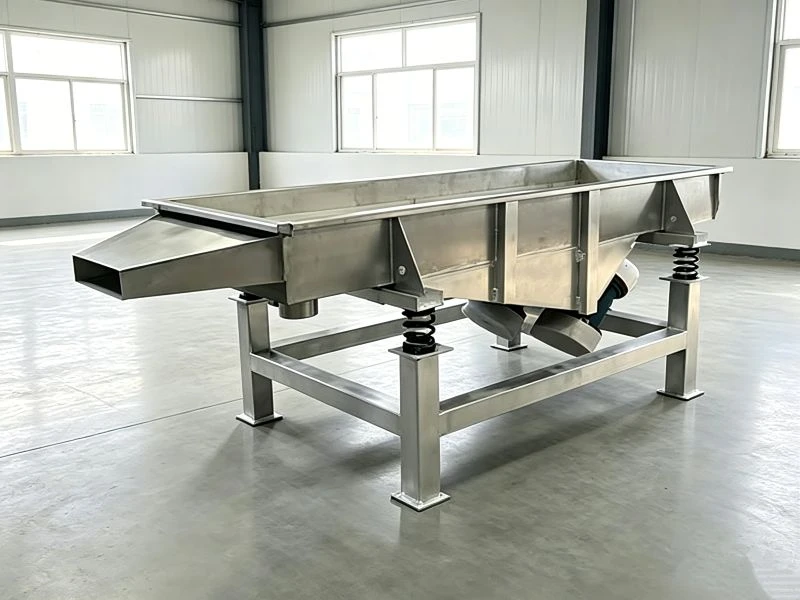
The linear vibrating screen is a screening device widely used across various industries. Its primary functions include grading, filtering, and impurity removal. It is characterized by low energy consumption, high throughput, a simple structure, ease of maintenance, and a fully enclosed design that prevents dust leakage and enables automatic material discharge. Due to these performance attributes, it is ideally suited for assembly-line operations.
Working Principle
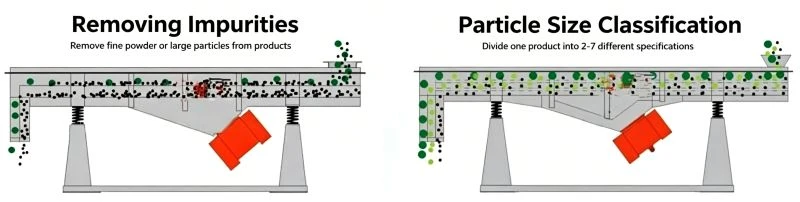
The linear vibrating screen utilizes two counter-rotating motors operating at the same frequency to propel material forward in a linear, bouncing motion across the screen surface. Particles smaller than the screen apertures pass through the mesh to the layer below, effectively separating the otherwise unsorted particles—stratifying them by size so that finer particles settle at the bottom and coarser ones remain at the top—thereby achieving the objective of material screening and grading.
Why Linear Vibrating Screens Are Widely Used in Industrial Screening
The widespread application of linear vibrating screens—driven by their robust adaptability, stable performance, and high processing capacity—is primarily attributable to several key performance advantages that make them ideally suited for continuous, large-scale material handling operations.
1. Exceptional impurity removal capability
It efficiently removes impurities and classifies non-sticky, dry powders and granules (up to 400 mesh), achieving a screening efficiency of over 96%.
2. High processing capacity
Driven by dual motors that generate strong excitation force, it handles up to approximately 10 tons of material per hour, meeting the demands of large-scale production.
3. High screening precision
Utilizing multi-layer screens, it can simultaneously separate materials into 2–7 different particle sizes, satisfying various precision requirements.
4. Low energy consumption
Compared to similar equipment, it reduces energy consumption by approximately 30%, effectively lowering energy costs.
5. Versatile material compatibility
Suitable for a wide range of materials, including fine powders, granules, and mixed granular products. It maintains stable screening performance for both dry, free-flowing materials and substances with slight stickiness.
6.Easy integration
The linear vibrating screen integrates seamlessly into automated conveying and processing systems. Its continuous operation capability meets the needs of uninterrupted, high-efficiency production workflows.
Video
Linear Vibrating Screen in Food Industry
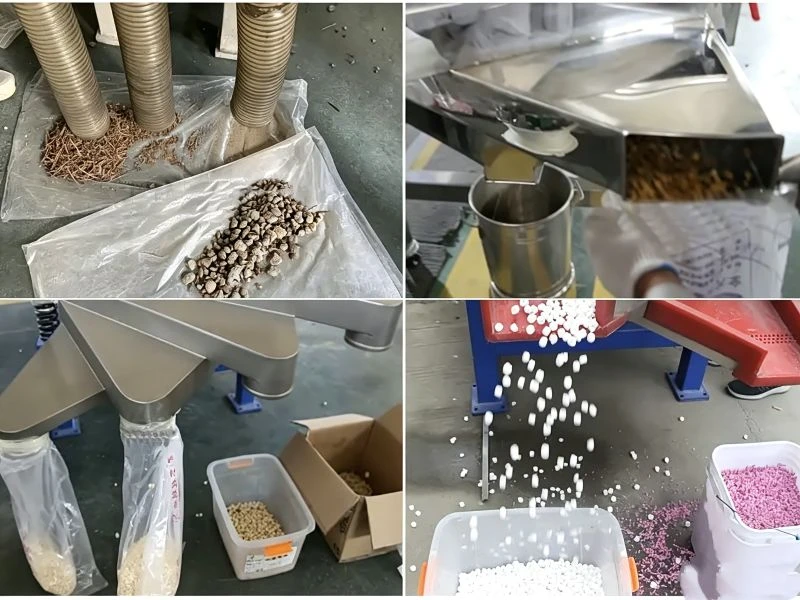
The food industry requires strict hygiene standards and consistent particle size control. Linear vibrating screens are widely used in food production due to their sanitary design and stable screening performance.
Materials
Flour, sugar, starch, milk powder, spices
Advantages
Food-grade stainless steel (304/316), hygienic design, easy cleaning, no contamination risk
Linear Vibrating Screen in Pharmaceutical Industry
Pharmaceutical manufacturing requires extremely high precision and compliance with GMP standards. Linear vibrating screens play a critical role in ensuring uniform particle size distribution in pharmaceutical production.
Materials
API powders, granules, herbal extracts, lactose
Advantages
GMP-compliant design, high-precision particle sizing, low dust emission
Linear Vibrating Screen in Chemical Industry
The chemical industry deals with a wide range of materials, including corrosive and abrasive substances. Linear vibrating screens are designed to handle such challenging conditions.
Materials
Resin powders, pigments, additives, plastic granules
Advantages
Corrosion-resistant materials, stable continuous operation, suitable for abrasive materials
Linear Vibrating Screen in Mining & Metallurgy
Mining and metallurgy industries require heavy-duty equipment capable of handling large particle sizes and high loads. Linear vibrating screens are widely used in these sectors due to their robustness.
Materials
Sand, ore powder, coal powder, metal particles
Advantages
Heavy-duty structure, high throughput capacity, excellent durability under harsh conditions
How to Choose the Right Linear Vibrating Screen for Your Industry
Selecting the right linear vibrating screen is essential to ensure stable production performance, accurate particle separation, and long-term operational efficiency. Different industries have distinct processing requirements, so equipment selection should be based on material characteristics and production needs.
According to requirements
Material characteristics: sticky, dry, or abrasive materials require different screen configurations
Capacity requirement: select based on required throughput (kg/h or t/h)
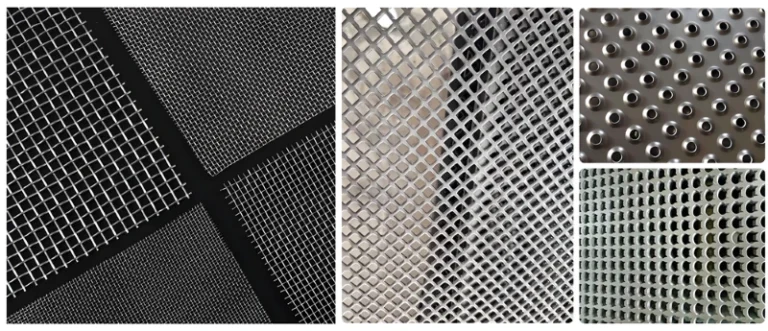
Mesh size: determines screening precision and final product quality
Contact material: options include SS304, SS316, or carbon steel depending on application
By industry
Food industry: prioritize hygiene, use food-grade stainless steel and easy-clean design
Pharmaceutical industry: focus on precision screening and GMP-compliant structure
Mining industry: emphasize durability, wear resistance, and high-capacity performance
Advantages of Using Linear Vibrating Screen Across Industries
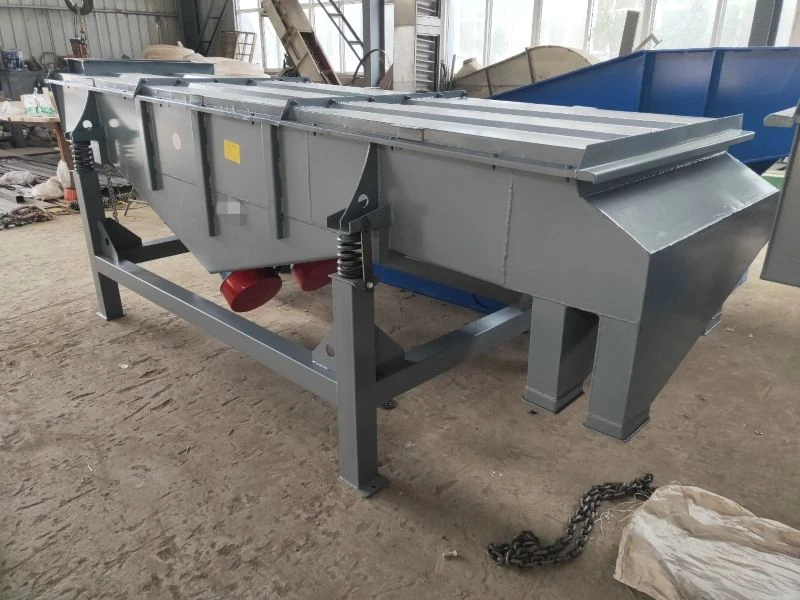
Linear vibrating screens are widely used in industrial production due to their stable performance and strong adaptability across different materials and processes. They provide a reliable and efficient screening solution for continuous production environments.
High efficiency screening
Fast and accurate separation of materials by particle size
Low maintenance cost
Simple structure with reduced downtime and servicing needs
Stable continuous operation
Suitable for long-term, uninterrupted production lines
Customizable design
Can be tailored for different industries and material requirements
Energy saving
Optimized vibration system reduces overall power consumption
Overall, linear vibrating screens deliver a cost-effective and stable solution for modern industrial screening applications.
Common Problems and Solutions
Screen Clogging
Cause: high moisture or sticky materials
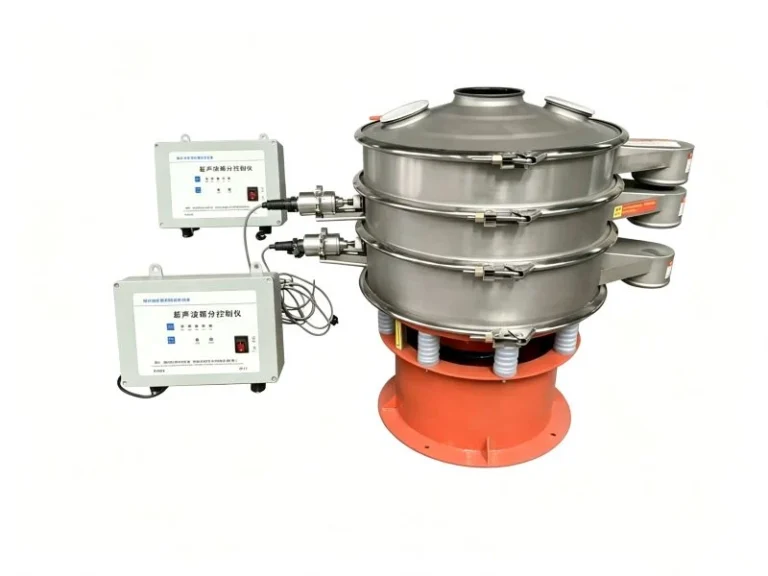
Solution: ultrasonic system or anti-blocking mesh
Low Screening Efficiency
Cause: incorrect mesh size or vibration settings
Solution: optimize parameters
Excessive Noise or Vibration
Cause: improper installation or imbalance
Solution: adjust motor alignment and damping system
Uneven Material Distribution
Cause: improper feeding system
Solution: add distributor or feeder optimization
Conclusion
Linear vibrating screens feature high efficiency, stable operation and broad material adaptability, serving continuous precise screening across food, pharmaceutical, chemical and mining sectors for both fine powders and granular bulk solids. Yet customized designs in material, screening accuracy and throughput are necessary to match diverse working scenarios and guarantee optimal, long-term stable performance.
If you are looking for a linear vibrating screen solution tailored to your production line, feel free to contact us for technical consultation and equipment recommendation. Our engineering team can help you select the right model based on your material characteristics and process requirements.