Common Vibratory Sifter Troubleshooting & Solutions
Introduction
Why Your Vibratory Sifter Is Not Working Efficiently?
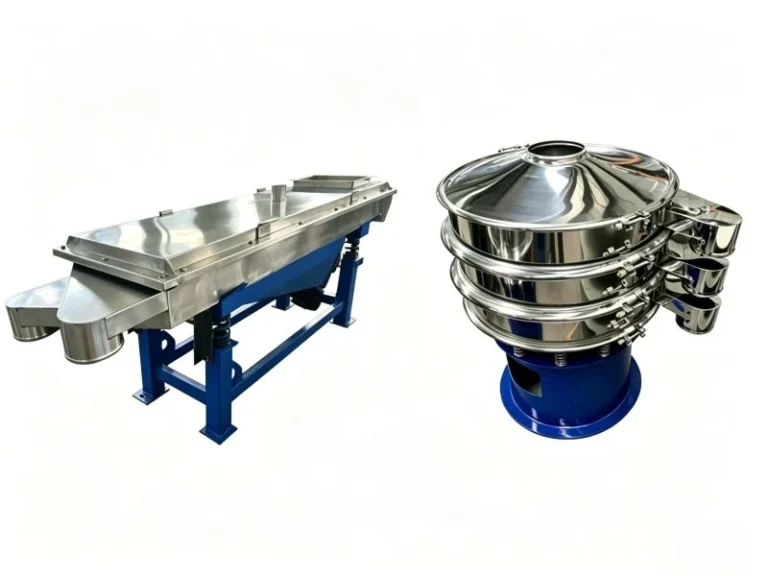
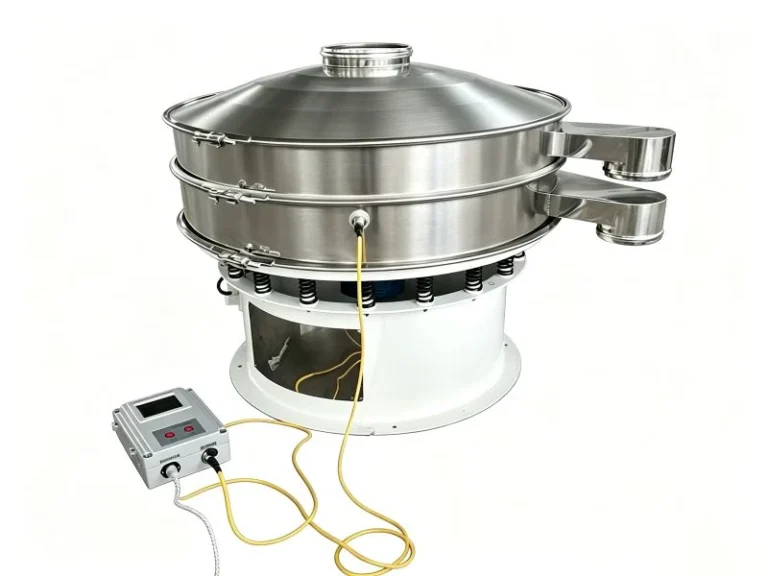
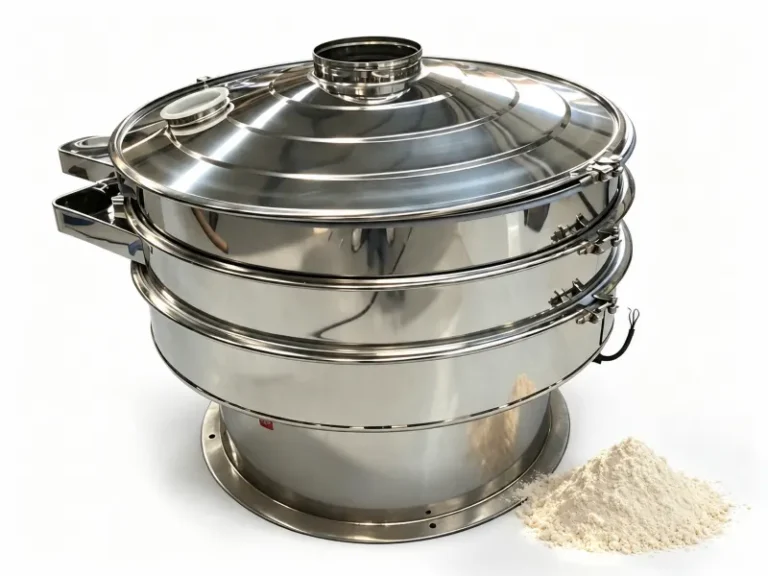
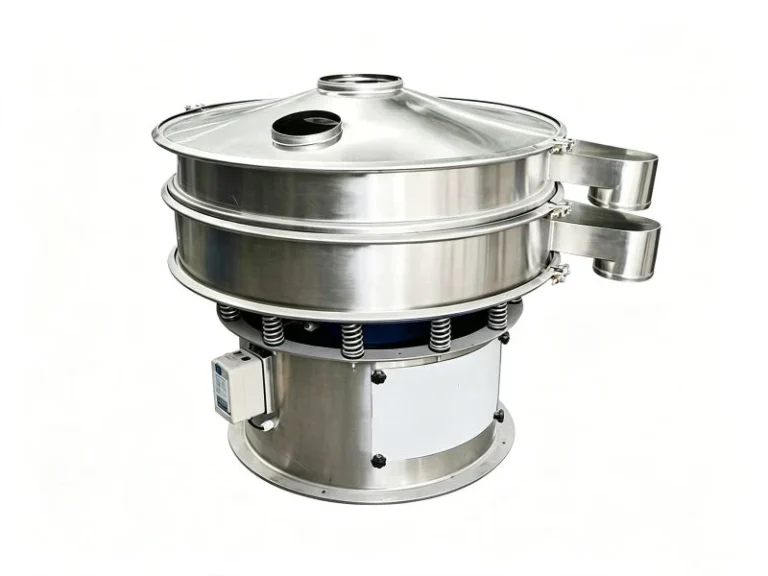
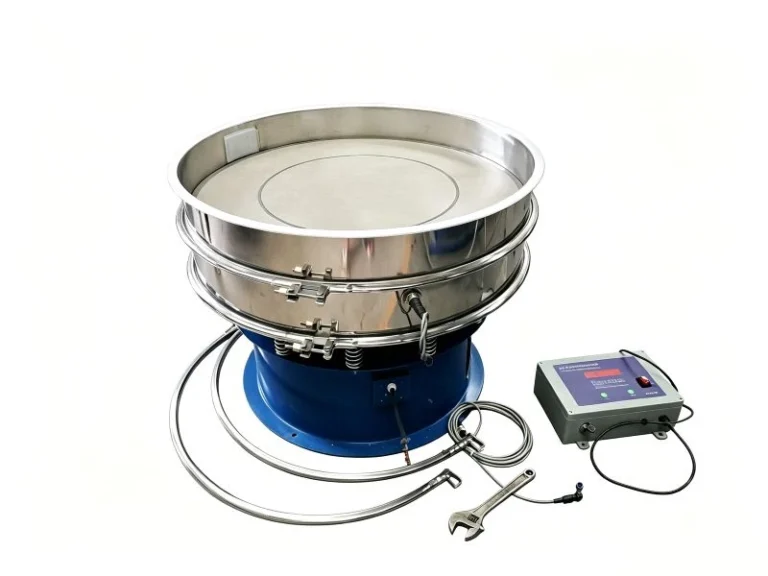
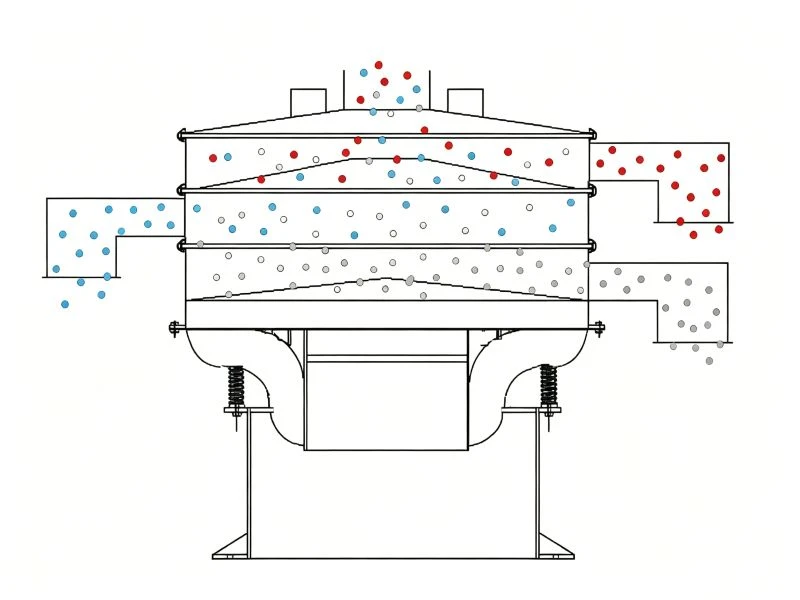
A industrial vibro sifter is widely used for powder separation, particle classification, and impurity removal across industries such as food processing, chemical, pharmaceutical, and mining. It helps improve product quality by achieving accurate and efficient screening performance.
However, during operation, problems such as low screening efficiency, abnormal vibration, screen blockage, and material leakage may occur, leading to reduced productivity, increased maintenance costs, and unstable separation results.
This guide covers common vibratory sifter problems, their possible causes, and practical solutions to help you quickly identify issues, improve equipment performance, and maintain reliable operation.
Common Vibratory Sifter Problems and Troubleshooting Solutions
Many factors affect screening performance, including feed characteristics, equipment-related factors, and operational factors. Causes of poor screening quality include clogged or severely worn screen apertures, uneven feeding, an excessively thick material bed on the screen, and an insufficient screen inclination angle.
| Problem | Possible Cause | Solution |
| Low screening efficiency | Incorrect vibration setting, overloaded material | Adjust vibration parameters and feeding rate |
| Screen blockage | Sticky or wet materials | Use ultrasonic cleaning or improve material flow |
| Excessive vibration noise | Loose components or damaged parts | Check bolts, springs, and vibration motor |
| Material leakage | Damaged screen mesh or poor sealing | Replace mesh and inspect sealing system |
| Uneven material distribution | Improper feeding | Optimize feeding method |
Vibratory Sifter Has Low Screening Efficiency: Causes & Fixes
1. Clogging of screen apertures
High clay or moisture content in the feed can cause material to stick to and clog the screen apertures. In this case, the apertures should first be cleared, followed by appropriate adjustments to the spray water volume and the screen surface inclination angle.For a more detailed explanation of moisture, fine particles, static electricity, mesh selection, and operating conditions, see our guide to vibrating screen clogging causes and prevention.
2. Insufficient screen inclination angle
For circular vibrating screens, poor screening performance is most commonly caused by an insufficient inclination angle; raising the rear support mount can rectify this. In practice, an inclination angle of 20° is ideal, with a typical range of 16° to 20°. If the angle falls below 16°, material flow across the screen may be impeded, or material may roll upwards instead of moving forward.
3. Uneven feeding
If the feed chute is too narrow, material cannot be distributed evenly across the entire screen surface, resulting in inefficient use of the screen area and compromised screening performance. The width of the feed chute should be adjusted to ensure uniform feeding.
4. Excessive material bed thickness
An excessively thick layer of material on the screen may result from increased feed rates, clogged apertures, or an insufficient screen inclination angle. Adjustments should be made based on the specific circumstances.
5. Severe wear of screen apertures
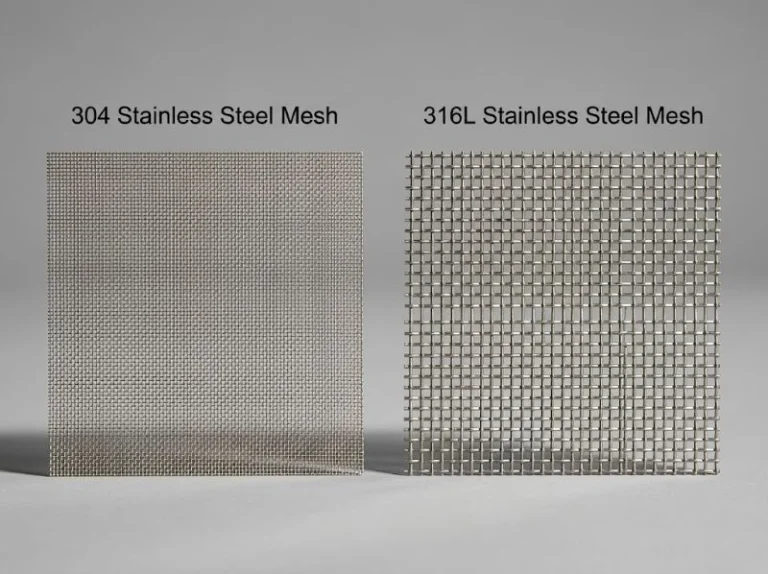
Prolonged use of the screen mesh leads to severe wear of the apertures, significantly impairing screening efficiency. Worn apertures should be repaired; if the wear is severe, replacing the vibro sifter mesh should be considered.
6. Improper vibration amplitude
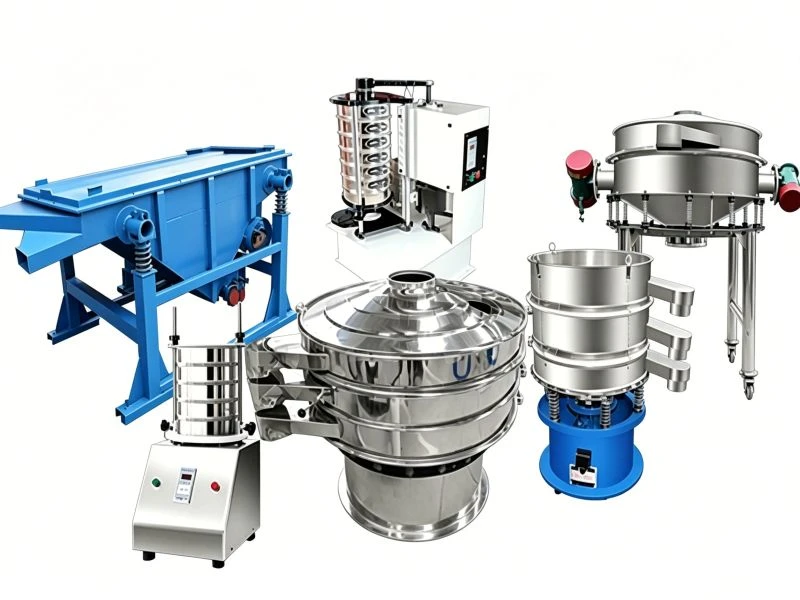
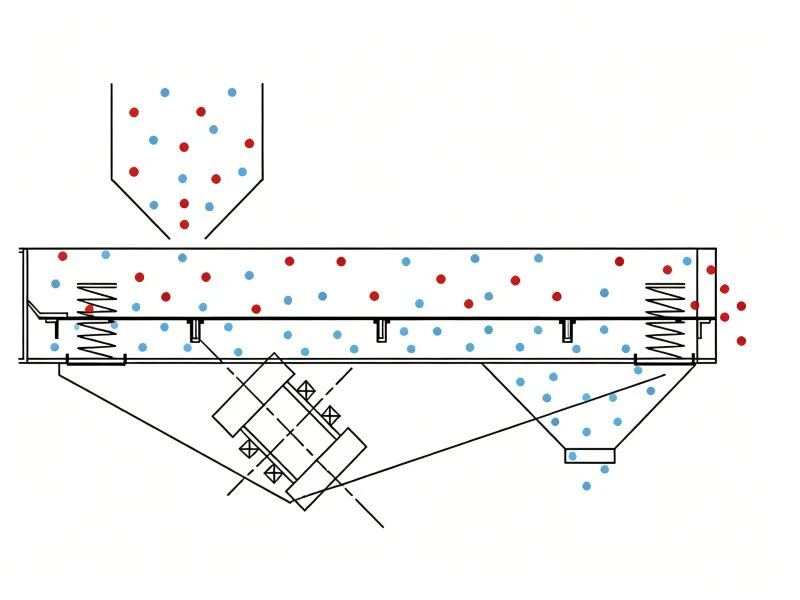
For linear vibrating screens and high-frequency vibrating screens, poor screening quality may be linked to the direction of movement of the eccentric blocks. These screens require two sets of eccentric blocks of equal mass rotating in opposite directions (self-synchronization) to generate—at any given instant—a single exciting force acting at a fixed angle to the horizontal, thereby driving the screen box in a reciprocating linear motion. If the blocks are out of phase, the direction of the exciting force will not align with the intended direction of vibration, preventing efficient screening.
Vibratory Sifter Maintenance Tips to Prevent Failures
Standardizing routine cleaning, lubrication, inspection, and operation can significantly reduce downtime caused by malfunctions, extend equipment service life, effectively lower production and maintenance costs, and ensure the efficient and stable operation of the production line.
Daily Checks (Required Daily)
1. Check Bolts
Inspect the machine body’s fastening bolts daily to prevent loosening caused by prolonged vibration, which could lead to uneven vibration, abnormal noise, or even structural cracking. Particular attention should be paid to re-checking these during the initial operation period of a new machine.
2. Check Motor and Electrical Circuits
Listen to the motor’s operating sound and monitor for normal temperature rise. Bearing temperature must not exceed the ambient temperature by more than 40°C. Additionally, inspect power cables for wear, ensure there is no risk of single-phasing (loss of a phase), and eliminate the risk of motor burnout.
3. Clean the Screen Mesh
Clear residual material from the screen surface after every shutdown to prevent accumulation, caking, and mesh clogging. Check the screen tension; replace it immediately if any damage or slackness is detected.
Periodic Maintenance (Scheduled Servicing)
1. Timely Lubrication
Replenish lithium-based grease in the vibrating motor every two weeks to ensure smooth bearing operation and minimize mechanical wear.
2. Regular Overhaul
Minor maintenance is recommended every 3 months, with a comprehensive overhaul every 6–12 months. After 1,500 hours of cumulative operation, prioritize inspecting bearings and oil seals; replace them promptly if significant wear is found.
3. Re-inspection After Prolonged Shutdown
Before restarting the equipment after a long period of inactivity, measure the insulation resistance using a megohmmeter. The reading must exceed 0.5 MΩ before startup to prevent electrical leakage and motor burnout.
Standard Operating Procedures
Perform a no-load test run before startup to observe vibration stability and check for abnormal noises; confirm the correct motor rotation direction before feeding material at a steady rate.
Avoid dumping large quantities of material at once; ensure material is spread evenly across the screen surface to prevent localized piling and mesh overload due to excessive weight.
If abnormal noise, rapid temperature rise, or reduced screening efficiency is detected during operation, shut down the machine immediately for inspection; do not continue operation while a fault exists.
How to Improve Vibratory Sifter Performance?
A stable vibratory sifter operation depends on correct setup, suitable screen selection, and regular maintenance. Proper optimization can improve screening accuracy, increase capacity, and reduce downtime.
Choose the Right Screen Mesh
The correct mesh size helps improve separation efficiency and prevents vibratory sifter not screening properly issues. Select the screen according to particle size, material properties, and processing requirements.
Control Feeding Rate
Overfeeding can cause material accumulation and reduce vibrating sieve screening efficiency. Maintain a uniform feeding speed to ensure smooth material flow.
Check Vibration Settings
Incorrect vibration force may lead to poor separation or unstable operation. Regularly inspect the vibration motor and adjust parameters when needed.
Regular Maintenance
Routine checks of screen mesh, sealing parts, clamps, and motors help prevent common vibratory sifter troubleshooting problems and extend equipment life.
Video
When Should You Replace or Upgrade Your Vibratory Sifter?
Replacing or upgrading your vibratory sifter may be necessary when the equipment has frequent screen damage, low screening capacity, unstable separation results, or increasing maintenance costs. Common vibratory sifter problems such as reduced efficiency, material leakage, and frequent screen blockage can affect production performance. Upgrading to a suitable vibrating sieve solution helps improve vibratory sifter screening efficiency, reduce downtime, and achieve more reliable particle separation.
Conclusion
Proper troubleshooting helps reduce downtime, extend screen service life, and maintain stable separation performance. Regular inspection, correct vibration adjustment, and suitable screen selection are essential for reliable operation. If you are facing issues such as vibratory sifter not working efficiently, screen blockage, or unstable screening results, choosing the right vibratory sifter solution can improve production efficiency and reduce maintenance costs. Contact us for a customized screening solution based on your material and processing requirements.