
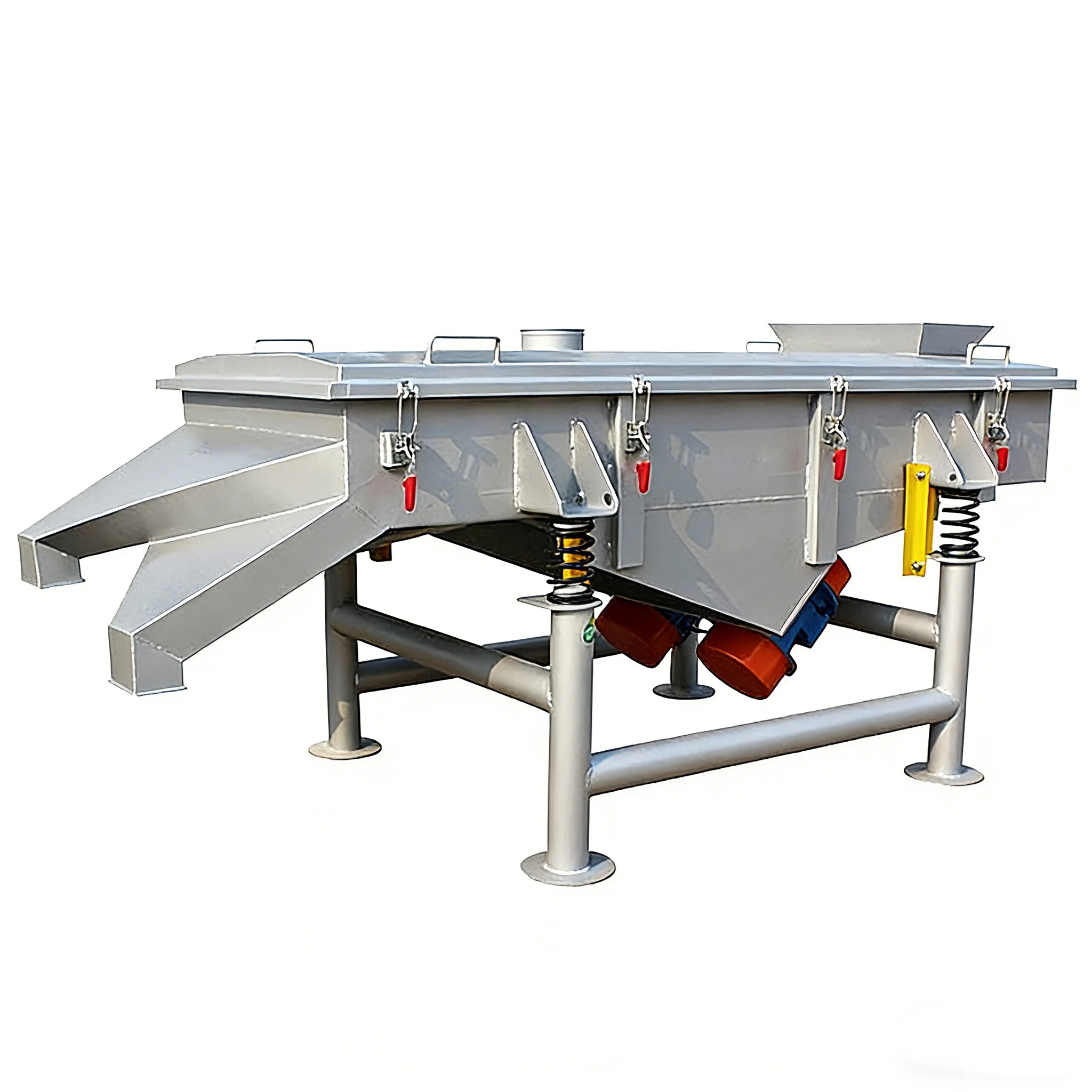
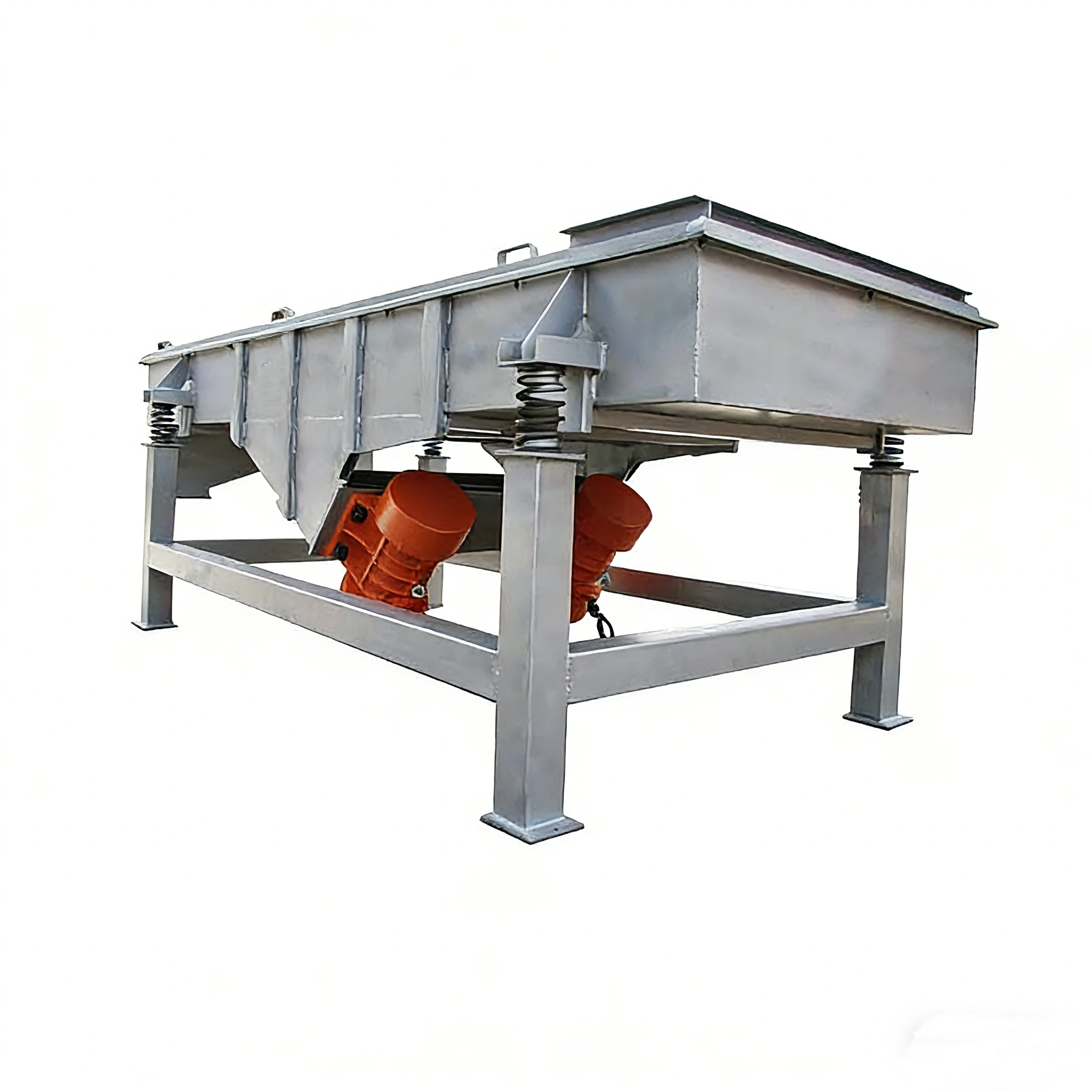
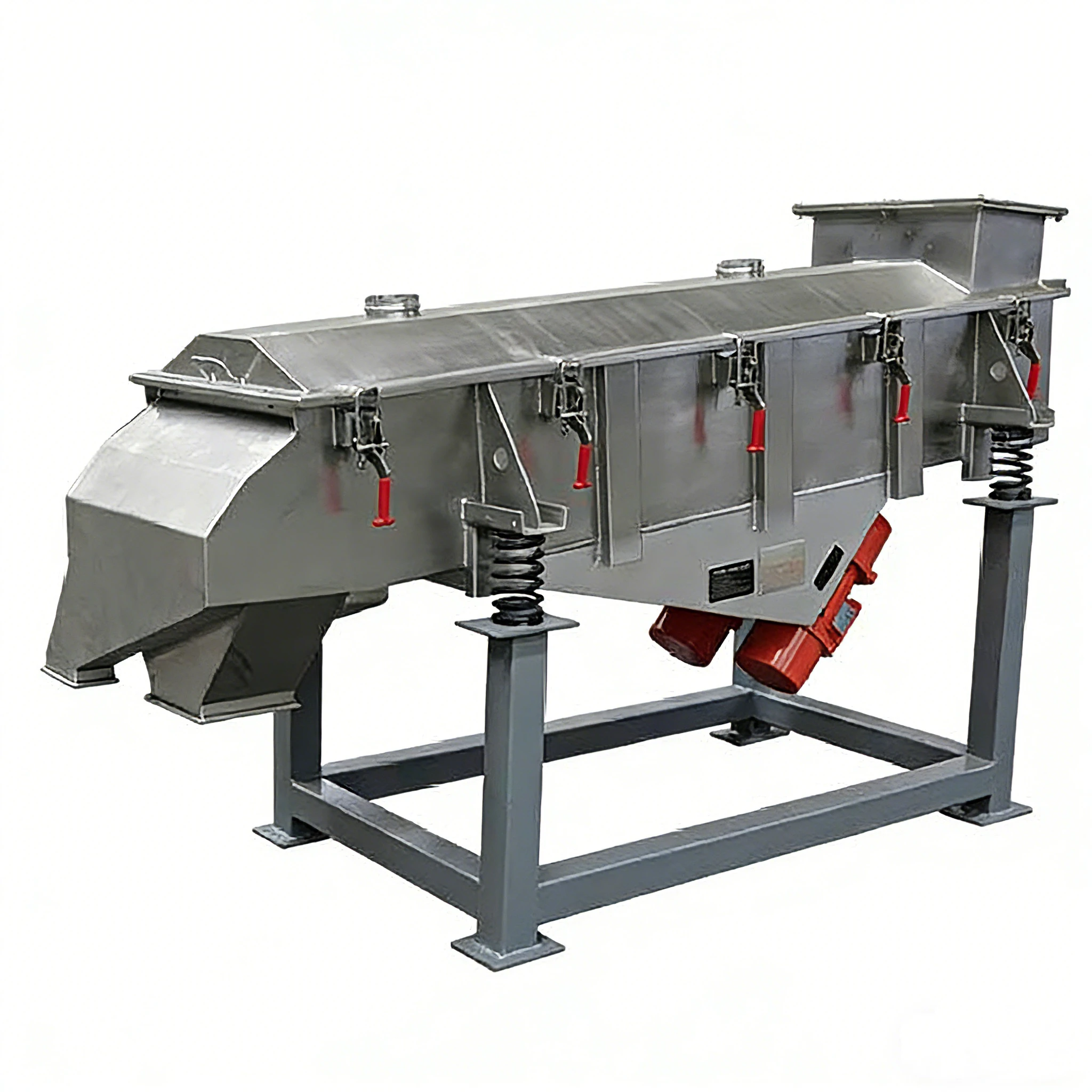
Linear Vibrating Sieve for Powder and Granule Screening
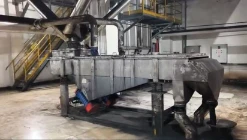
The linear vibrating sieve utilises a dual-motor drive system to generate a stable linear motion trajectory, thereby enabling high-throughput screening of powder and granular materials.
YuanJing offers customised solutions designed to perfectly align with your specific process workflows and production capacity requirements.
What is a linear vibrating sieve?
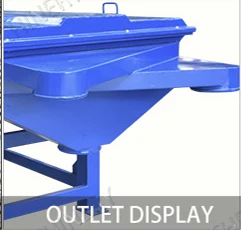
A linear vibrating sieve uses a vibrating motor as the vibration source, causing the material being screened on the screen to move forward in a straight line while being thrown up. The material enters the screen’s feed inlet evenly from the feeder, and through multiple layers of screens, it produces several grades of oversize and undersize materials, which are discharged from their respective outlets. Linear vibrating screens are designed for high-volume production and are suitable for the safe screening, grading, and dust removal of powders and granules.
Linear Vibrating Screen can be configured with 1–6 layers and can complete 7 different grading processes in a single operation. Linear vibrating sieves feature high output, low energy consumption, simple structure, easy maintenance, a fully enclosed structure, no dust spillage, and automatic discharge, making them ideal for assembly line operations.
Working Principle
The vibration source is available in single-motor and dual-motor configurations. A vibrating motor utilises two sets of eccentric weights (unbalanced weights) located at the upper and lower ends of its shaft to convert the motor’s rotational motion into a superposition of horizontal, vertical, and inclined forces, as well as centrifugal forces. These forces are then transmitted to the screen surface to achieve the screening process. By adjusting the phase angle and weight of the upper and lower eccentric weights, the magnitude of the excitation force and the movement trajectory of the material can be altered.
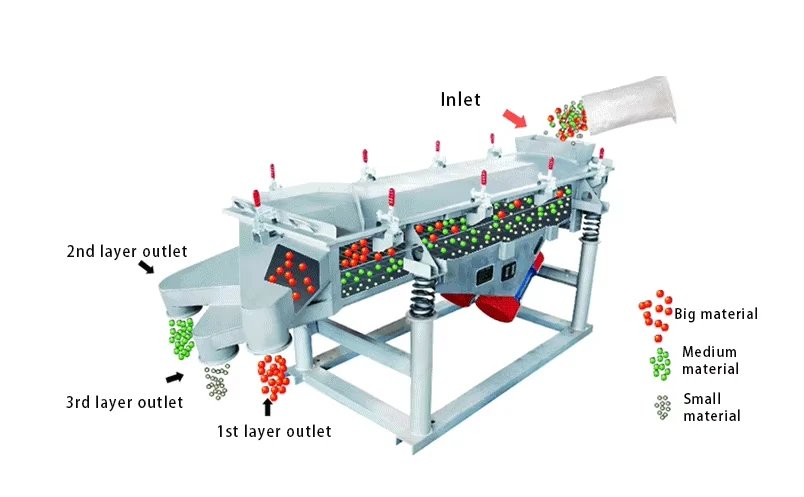
Parts of a linear vibrating sieve
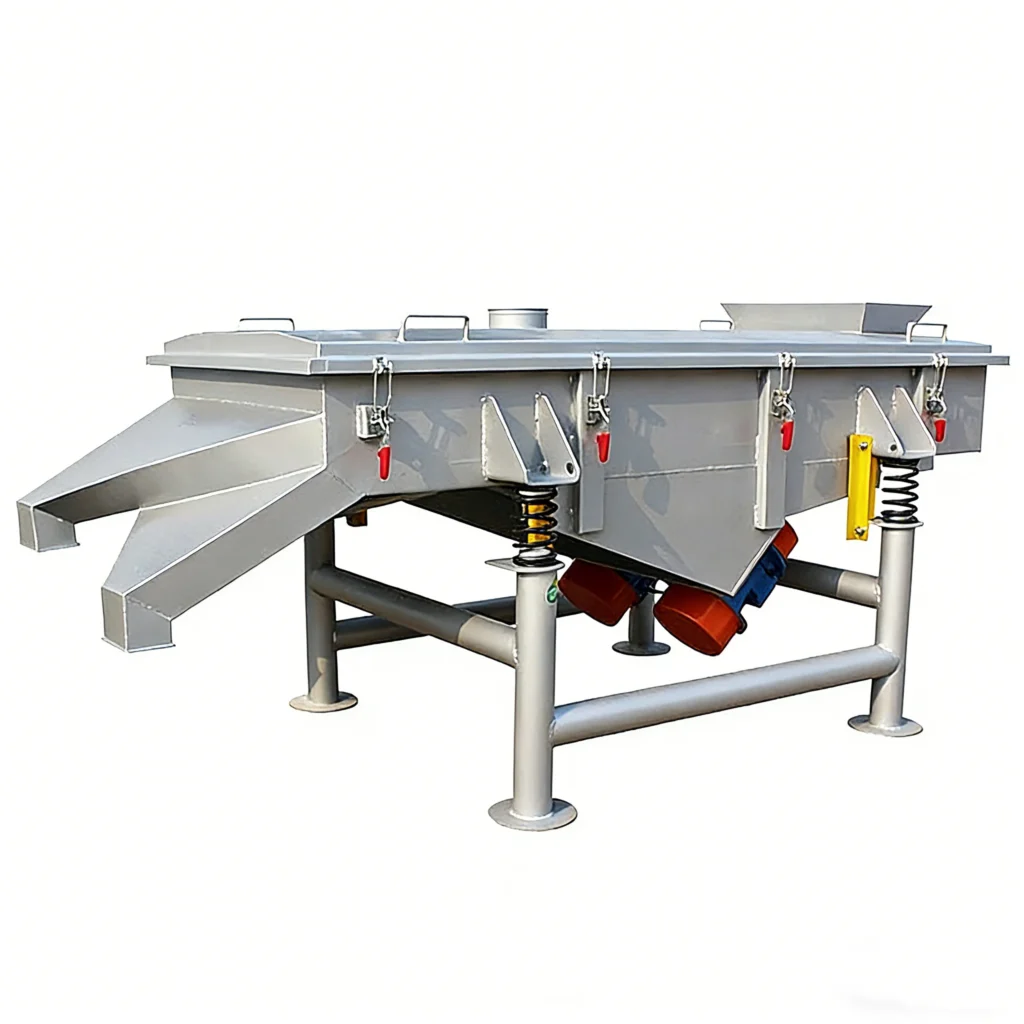
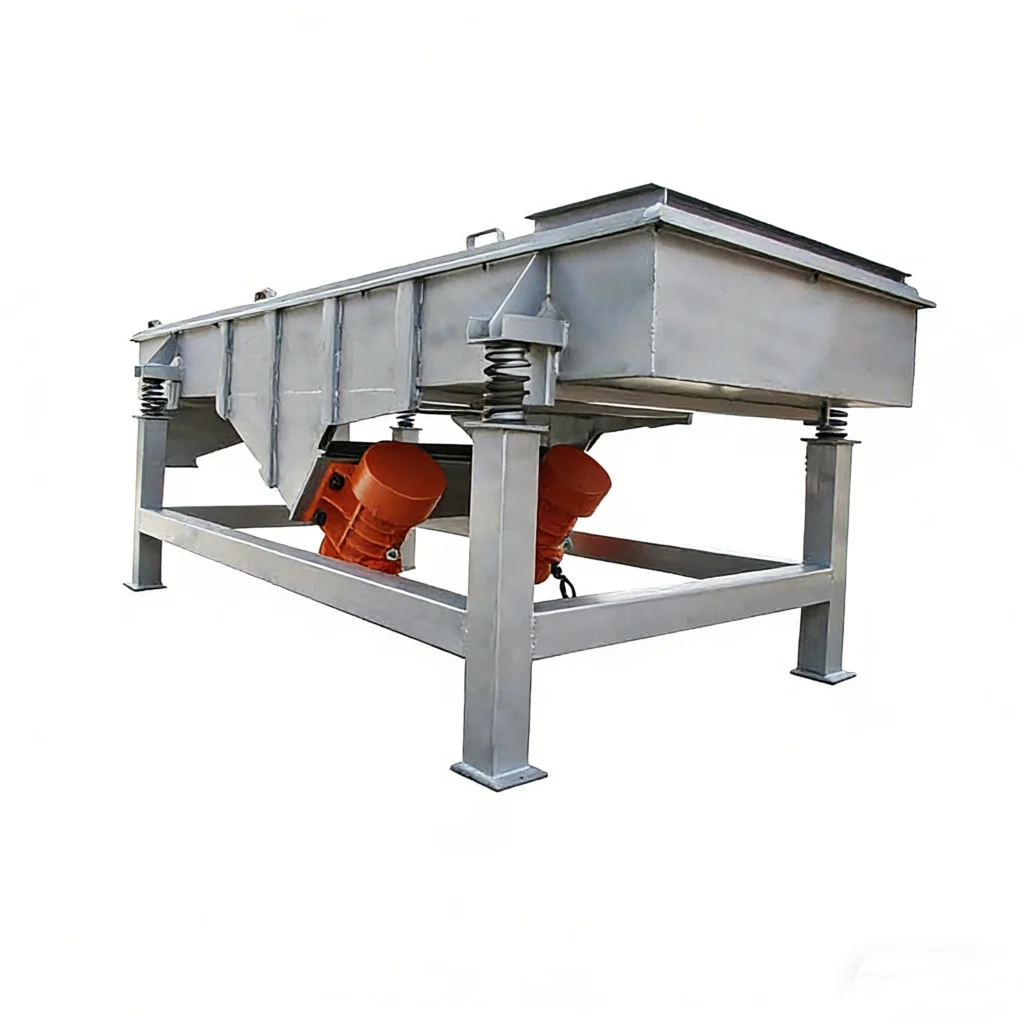
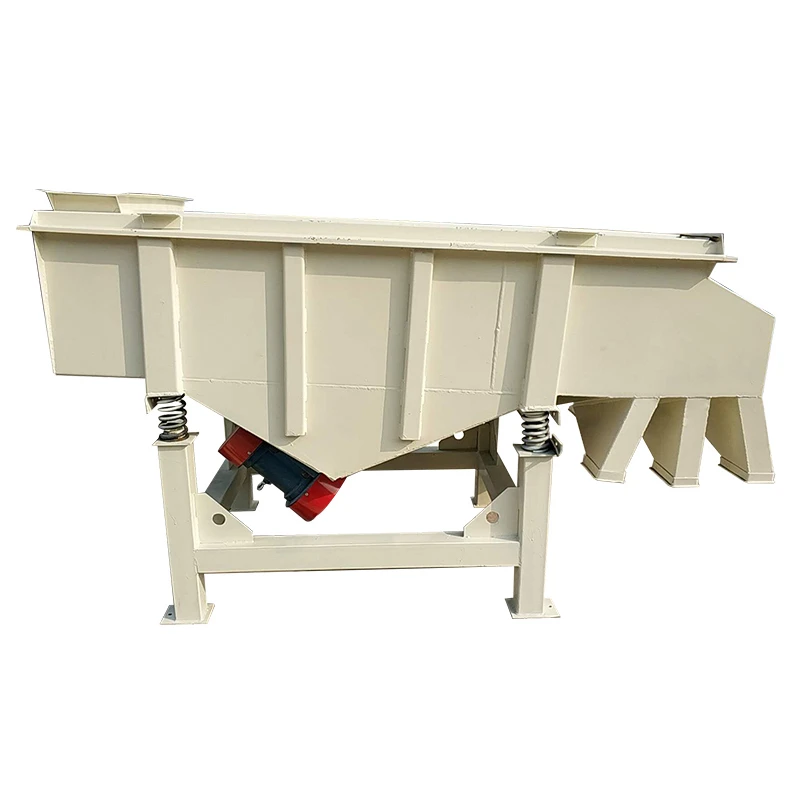
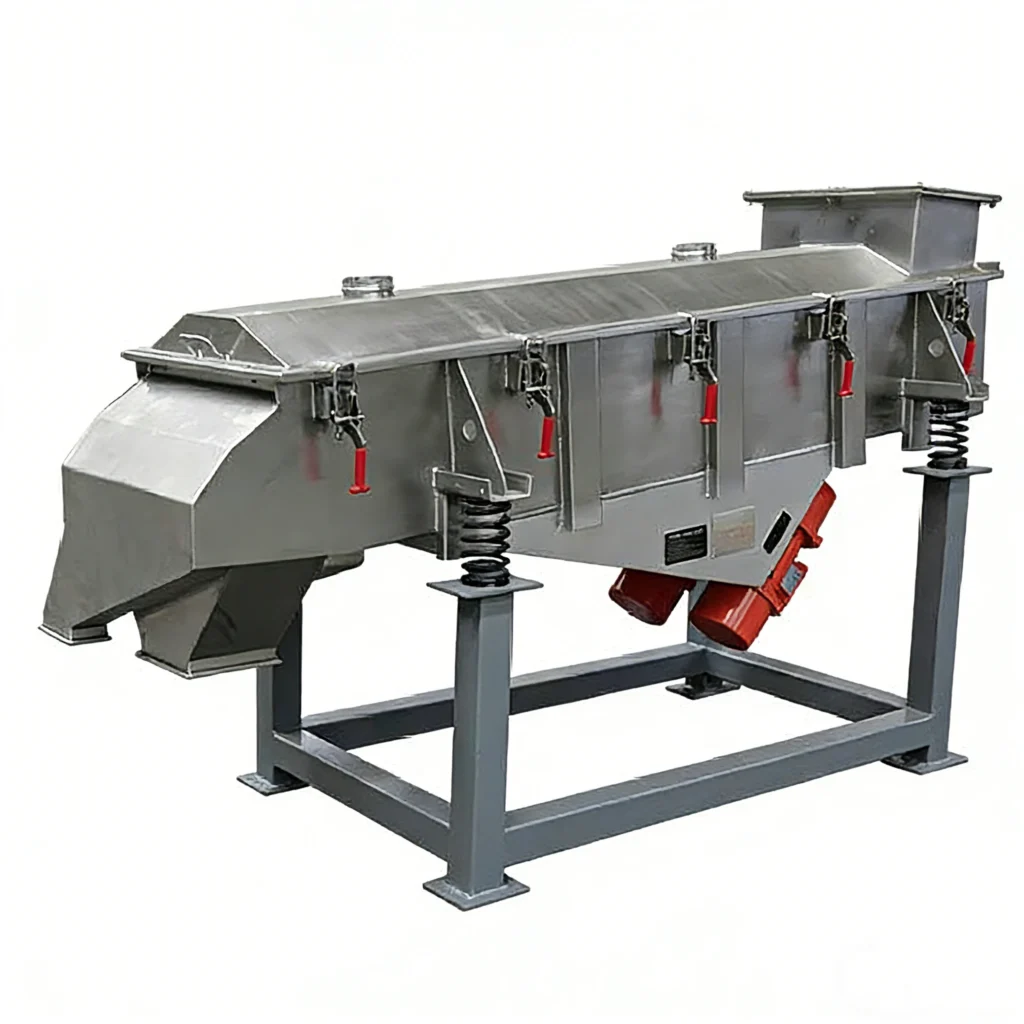
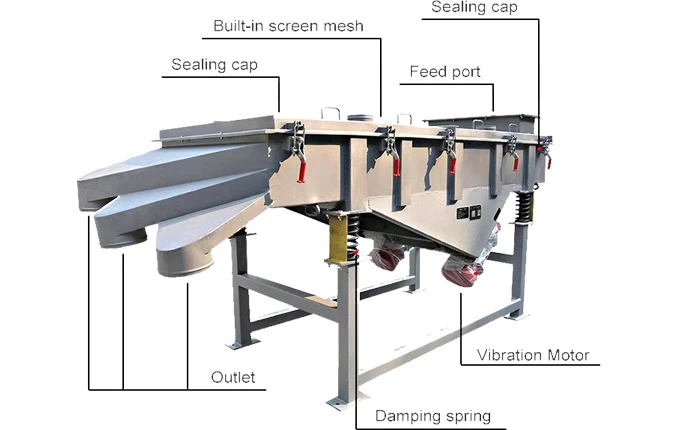
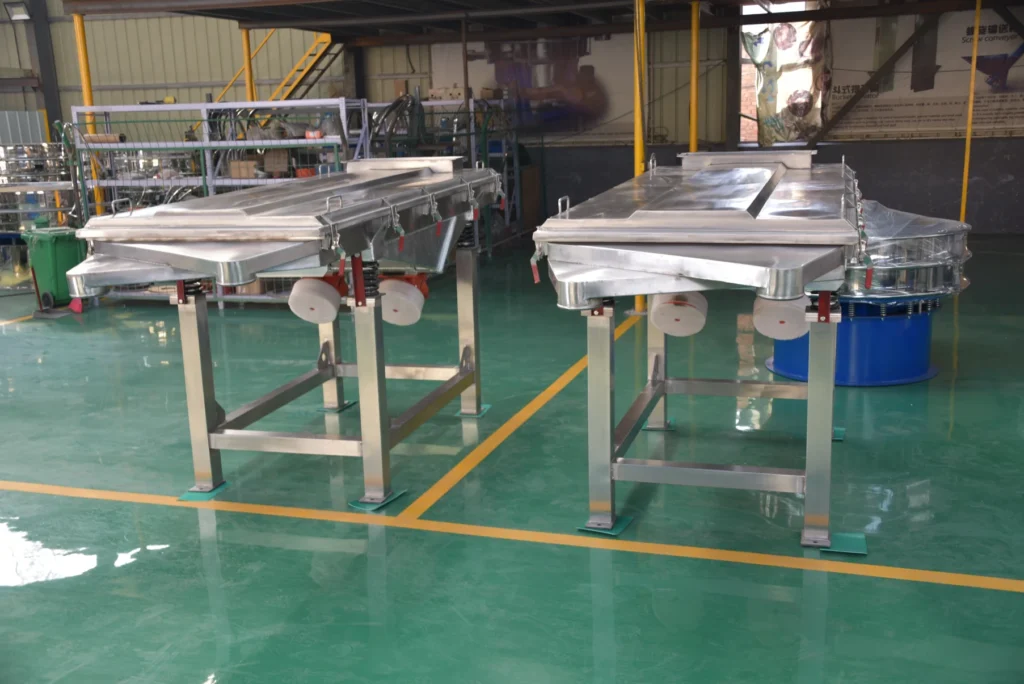
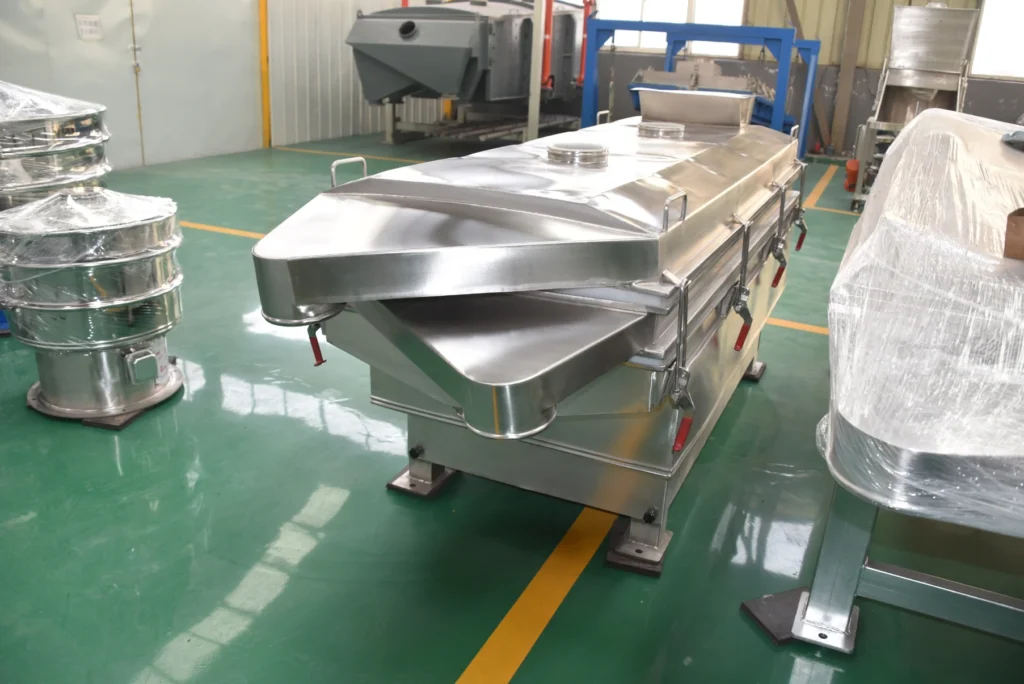
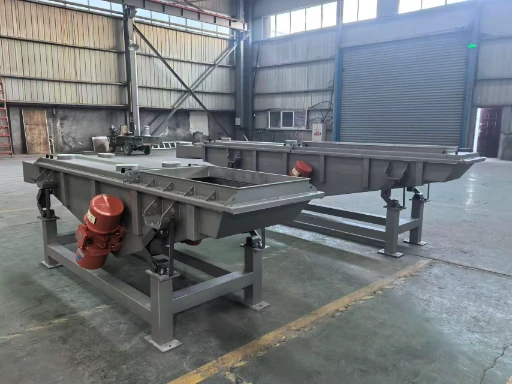
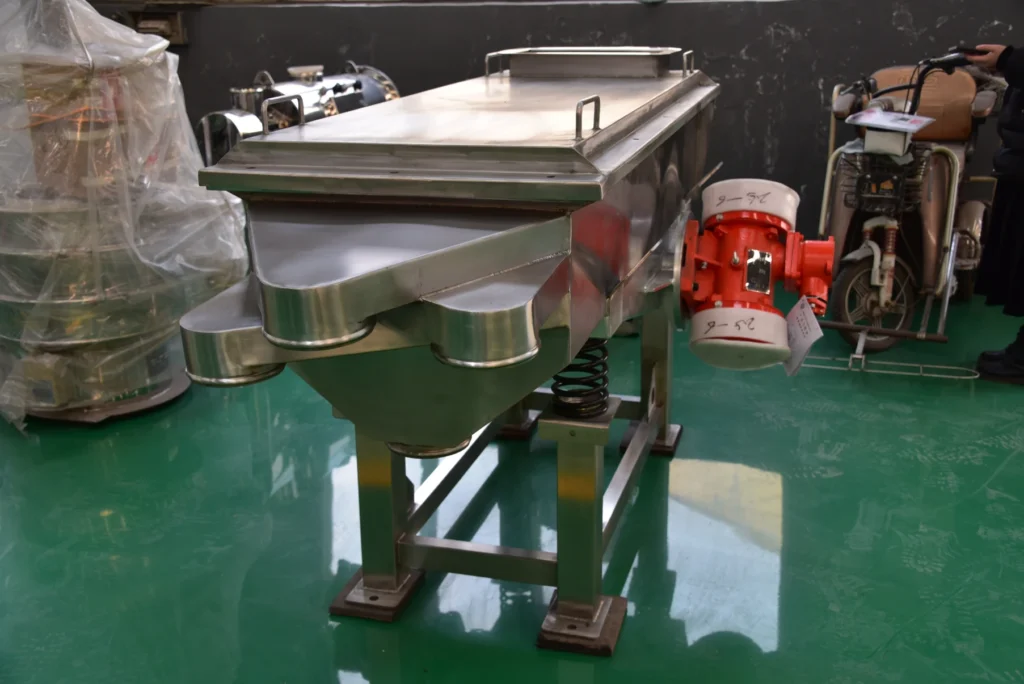
A linear vibrating sieve mainly consists of a screen box, screen frame, screen mesh, vibrating motor, motor base, damping springs, and support frame.
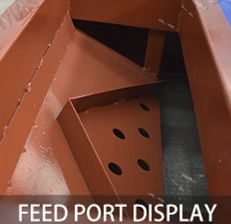
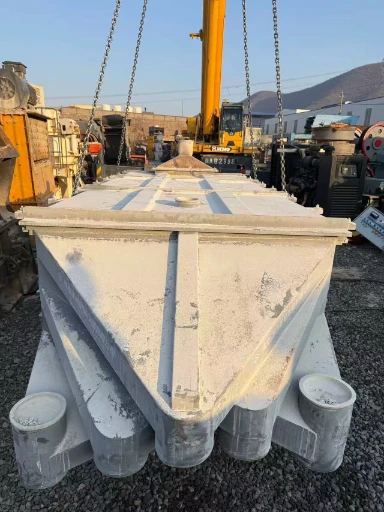
- Screen Box: Welded from several steel plates of different thicknesses, it possesses a certain strength and rigidity and is the main component of the screening machine.
- 2. Screen Frame: Made of pine or wood with minimal deformation, it primarily maintains the flatness of the screen mesh for proper screening.
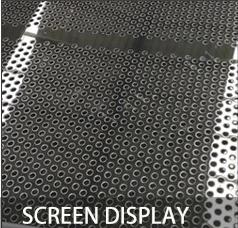
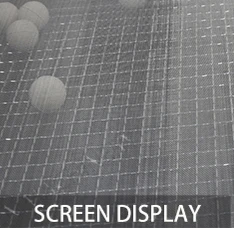
- 3. Screen Mesh: Available in several types, including low-carbon steel, brass, bronze, and stainless steel wire.
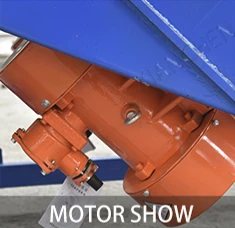
- 4. Vibrating Motor: Driven by dual vibrating motors.
- 5. Motor Base: The base mounts the vibrating motor. Before use, the connecting screws must be tightened, especially during the first three days of trial use of a new vibro sifter machine; these screws must be repeatedly tightened to prevent loosening and potential accidents.
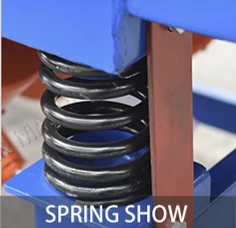
- 6. Damping Springs: These prevent vibration from being transmitted to the ground and support the entire weight of the screen box. During installation, the springs must be perpendicular to the ground.
- 7. Support Frame: Composed of four pillars and two channel steel sections, it supports the screen box. During installation, the pillars must be perpendicular to the ground, and the channel steel sections beneath the two pillars should be parallel to each other.
Features of a linear vibrating sieve
Designed for large-scale industrial screening, linear vibrating sieve system delivers high throughput, precise multi-grade separation, and stable, dust-controlled operation.
1. High-Output Dual-Motor Drive
Dual-motor vibration system delivers 3–6× higher capacity, exceeding 20 tons per hour throughput.
2. Multi-Deck Classification Capability
Supports up to six screen decks, enabling separation into seven precise particle size grades.
3. High-Efficiency Screening Design
Steep inclination angle (30°–60°) and large apertures achieve screening efficiency up to 96%.
4. Uniform Feeding with Material Distributor
Integrated distributor ensures even material spread while reducing impact and protecting screen mesh.
5. Dust-Controlled & Scalable System
Enclosed design connects to dust collection systems, supporting multi-unit configurations for large production lines.
6.Easy to maintain
The modular design facilitates quick assembly and disassembly, enabling rapid maintenance.
Technical Specifications
Custom sizes and configurations are available upon request.
| Model | Screen Size (mm) | Deck | Capacity (t/h) | Power (kW) |
| YJZ-520 | 500×2000 | 1-2 | 1–5 | 2×0.4 |
| YJZ-525 | 500×2500 | 1-2 | 2–6 | 2×0.4 |
| YJZ-1020 | 1000×2000 | 1-3 | 5–15 | 2×0.75 |
| YJZ-1030 | 1000×3000 | 1-3 | 10–20 | 2×1.1 |
| YJZ-1530 | 1500×3000 | 1-4 | 20–50 | 2×2.2 |
Applications
The following are applications of linear vibrating screens for screening different materials
Food Industry
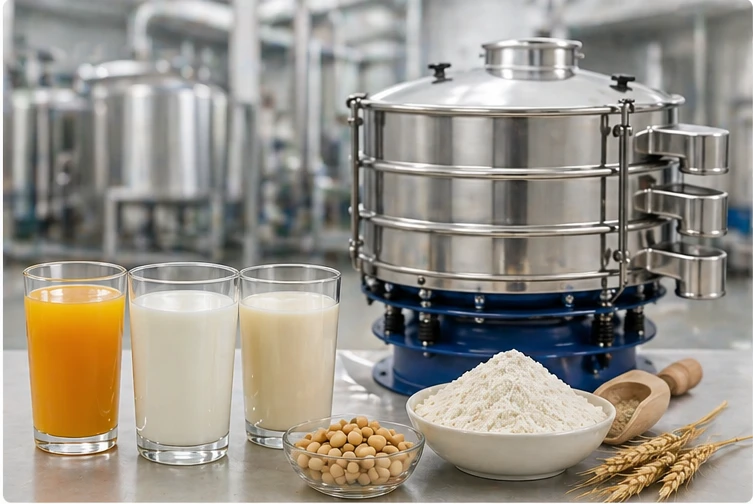
corn, coconut meat,wheat, cumin seed, table salt, sesame seeds,sugar( sugar sifter shaker),wheat bran, etc.
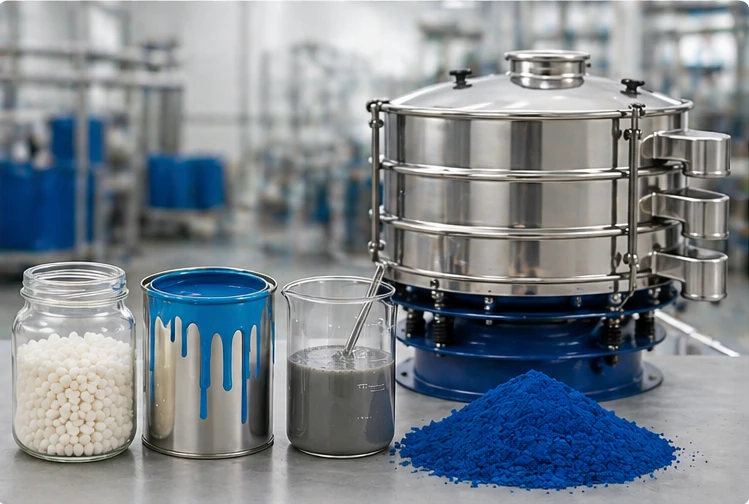
Chemical Industry
plastic pellets, resins, industrial chemicals, cosmetics, etc.

Pharmaceutical Industry
Pharmaceutical powders, traditional Chinese medicine powders, granules, pills, etc.
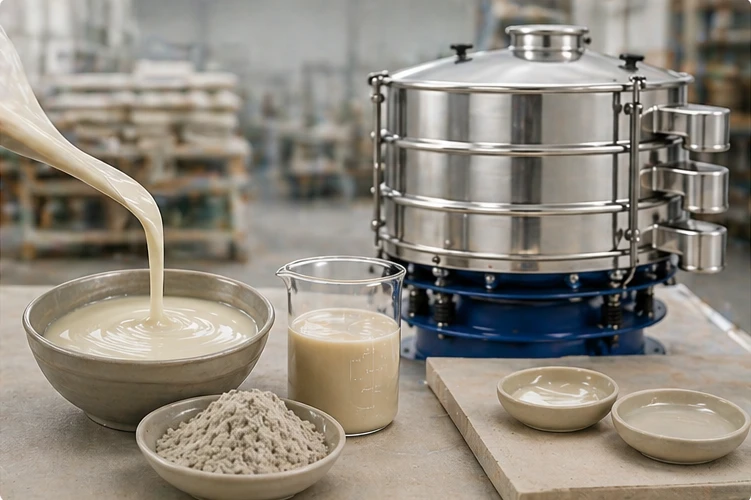
Metals, Metallurgy, and Mining:
Aluminium powder, lead powder, copper powder, metal(metal powder sieving machine) charcoal powder, etc.
| Material | Bulk Density | Mesh Size | Capacity | Model |
| Millet | 0.15 | 250 mesh | 600 kg/h | YJZ-520-2S |
| Quartz Sand | 1.6 | 70 mesh | 30,000 kg/h | YJZ-1540-3S |
| Raisins | 0.83 | 60 mesh | 6,000 kg/h | YJZ-520-1S |
| Sunflower Seeds | 0.04 | 80 mesh | 7,100 kg/h | YJZ-525-1S |
| Plastic Pellets | 0.95 | 3 mm | 500 kg/h | YJZ-515-2S |
| Flour | 0.6 | 24 mesh | 1,500 kg/h | YJZ-515-3S |
| Iron Powder | 2.3 | 150 mesh | 10,000 kg/h | YJZ-1025-3S |
| Slag | 4.0 | 5 mm | 10,000 kg/h | YJZ-1020-1S |
| Sawdust | 0.2 | 80 mesh | 18,000 kg/h | YJZ-1030-3S |
| Garnet Sand | 4.0 | 60 mesh | 300 kg/h | YJZ-520-1S |
| Wood Powder | 0.4 | 120 mesh | 2,000 kg/h | YJZ-1030-4S |
| Activated Carbon | 0.8 | 36 mesh | 500 kg/h | YJZ-520-1S |
Frames of Different Materials
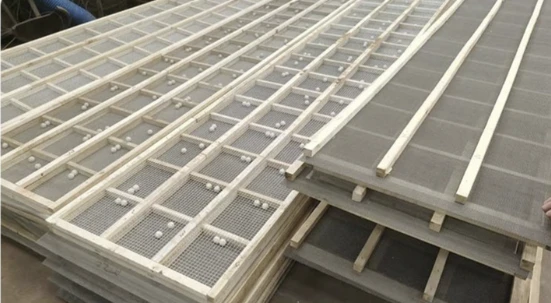
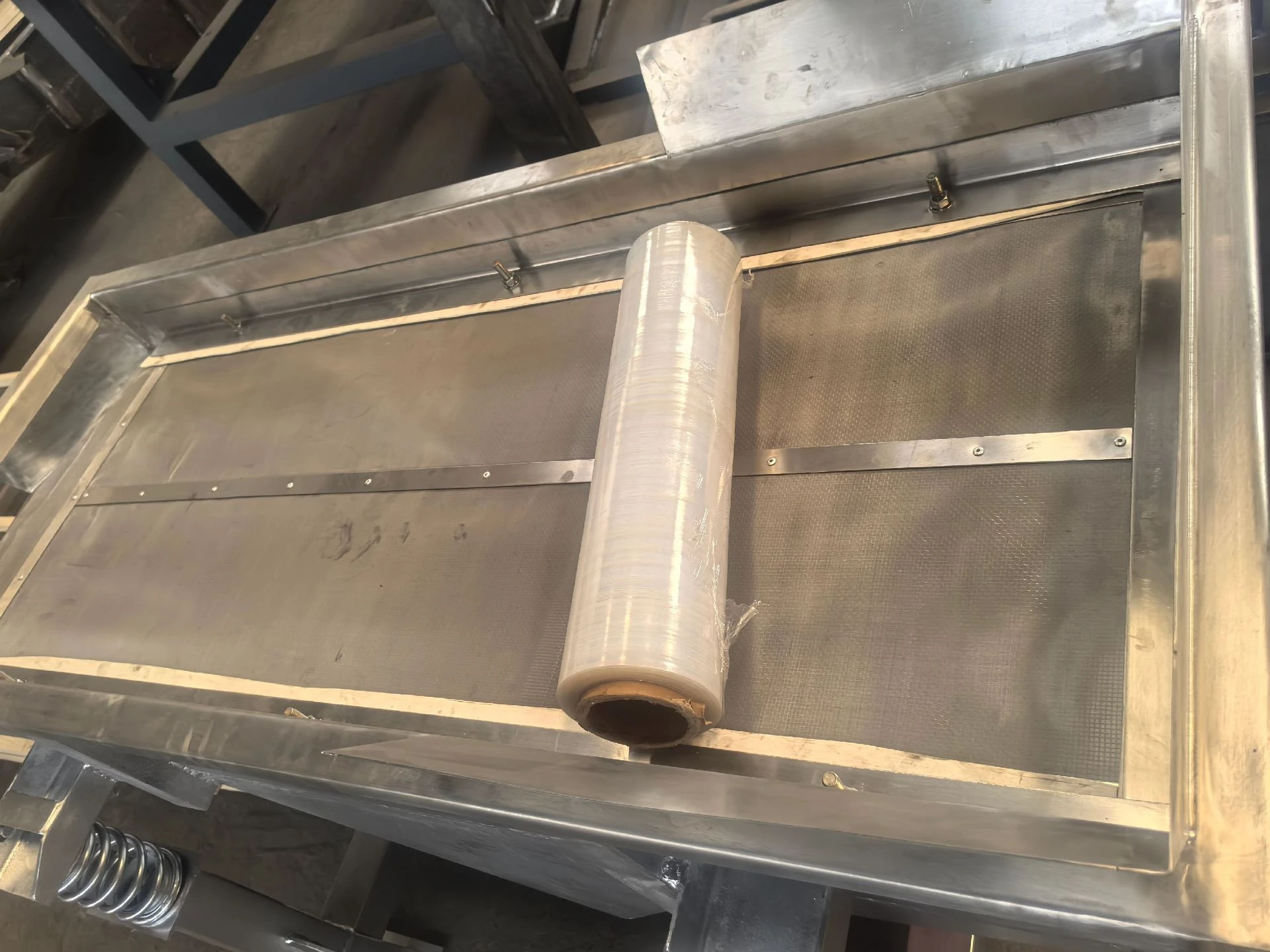
There are two main types of linear vibrating screen mesh frames: wooden mesh frames and iron mesh frames.
So, which mesh frame should customers choose when purchasing linear vibrating sieve equipment? First of all, let’s have a simple understanding of these two mesh frames.
1. Wooden mesh frame
Linear Vibrating Screen mainly uses high-quality poplar, red pine and white pine as raw materials. Net cleaning devices, such as bouncing balls, can be added to increase the net penetration rate, which can prevent the clogging of the linear vibrating screen. It is very suitable for granular, powdered sieving of materials.
2. Metal grid
The material can be divided into Q235 carbon steel and 304 stainless steel. The metal mesh frame is mainly made of Q235 carbon steel or 304 stainless steel as raw materials. The screen is strong and durable, and ensures the screening quality of materials. It can be used to screen large particles and materials with heavy specific gravity.
How to Select a Model?
- Material Characteristics: Factors such as material particle size, moisture content, viscosity, and specific gravity must be taken into account. For materials that are particularly wet or viscous, it may be necessary to select a multi-layer linear vibrating screen featuring specialised designs—such as the addition of screen-cleaning devices or the incorporation of anti-clogging mesh designs.
- Processing Capacity Requirements: Based on the scale of production and required output volume, determine the appropriate screen model and number of layers. Generally, a higher number of layers results in a greater processing capacity; however, this also leads to a corresponding increase in both the height and cost of the equipment.
- Screening Precision Requirements: If high precision is required for material screening, one should select a multi-layer linear vibrating screen featuring high-precision mesh apertures, as well as adjustable vibration frequencies and amplitudes, to ensure the desired screening results are achieved.
- Installation Space: Consider the available installation space at the production site when selecting a screen machine with appropriate external dimensions. Multi-layer linear vibrating screens are available in various specifications and models, allowing for selection based on actual site conditions; furthermore, certain models can be custom-designed to meet specific user requirements.
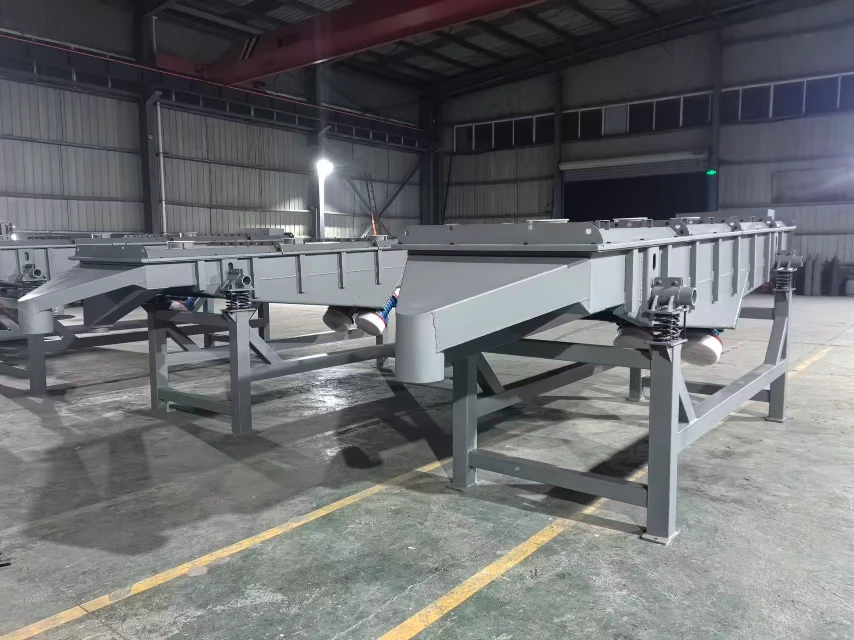 Carbon Steel Linear Vibrating Sieve
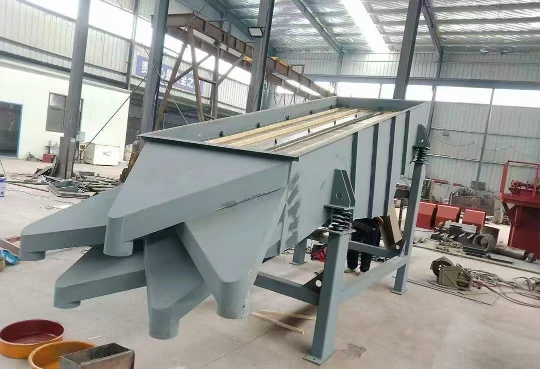 Multi-layer Linear Vibrating Sieve
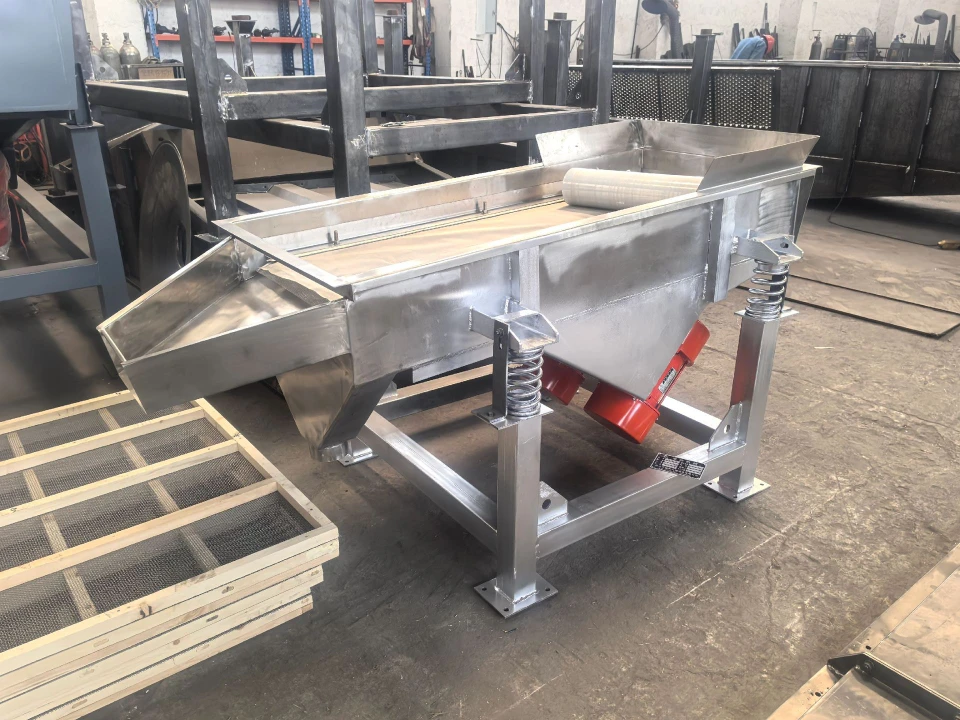 Stainless Steel Linear Vibrating Sieve
Why Choose Our Linear Vibrating Sieve Manufacturer?
- OEM & Custom Solutions
- Fast Delivery Worldwide
- Competitive Price
- Technical Support
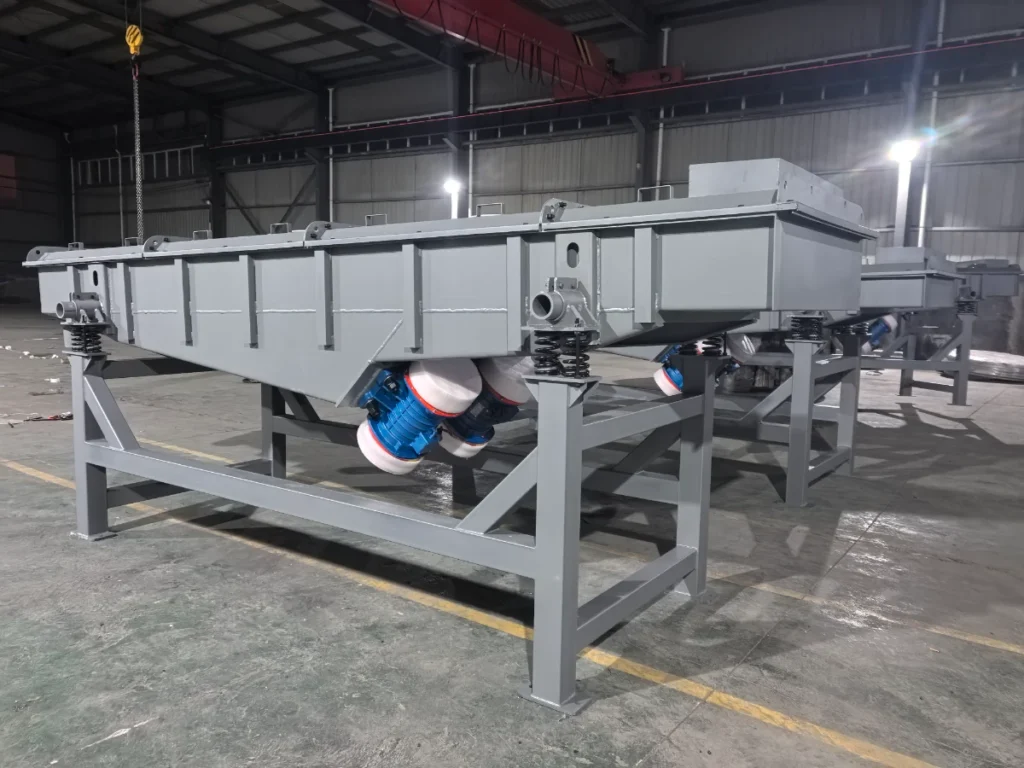
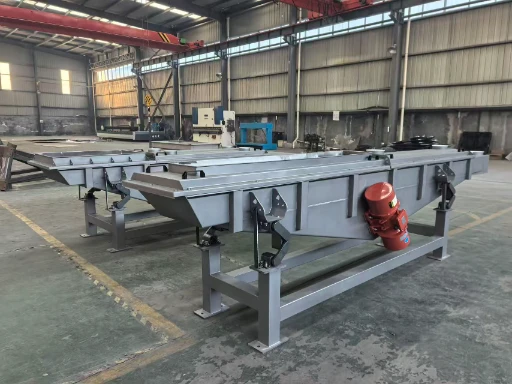
Vibrating Screen and Conveyor Machine Manufacturer & Supplier
Built for precision screening, reliable performance, and flexible industrial applications,
Yuanjing rotary vibrating screens are trusted by customers worldwide.

Global Project Experience
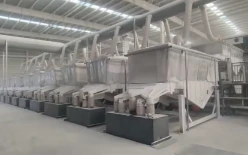
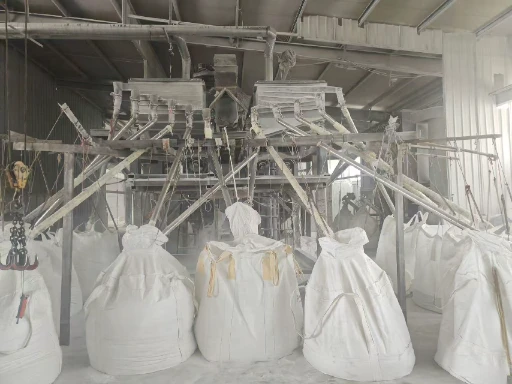
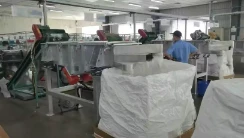
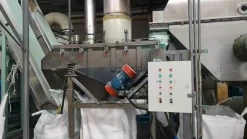
Yuanjing products are exported to 50+ countries and regions, serving industries including food, chemicals, pharmaceuticals, mining, and new energy.
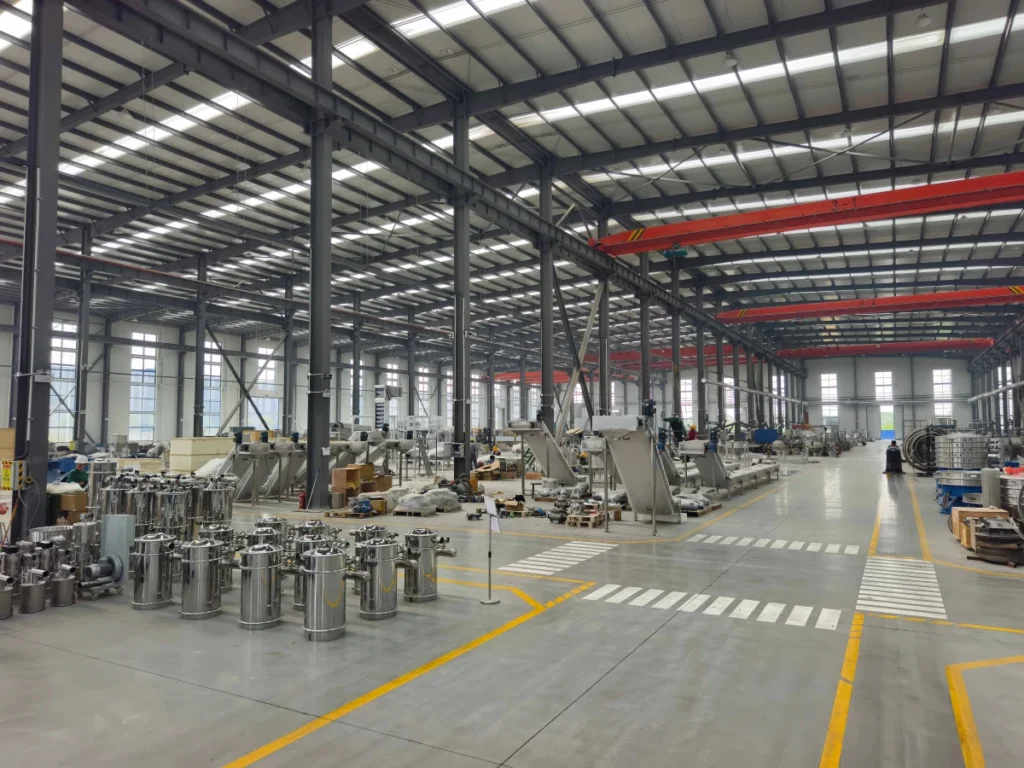
Strong Manufacturing Capability
Advanced production lines with laser cutting, CNC machining, automatic welding, and strict quality inspection ensure consistent product quality.
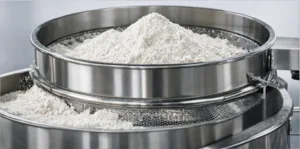
Accurate & Stable Separation
Optimized vibration design delivers even material flow, high screening accuracy, and stable long-term operation.
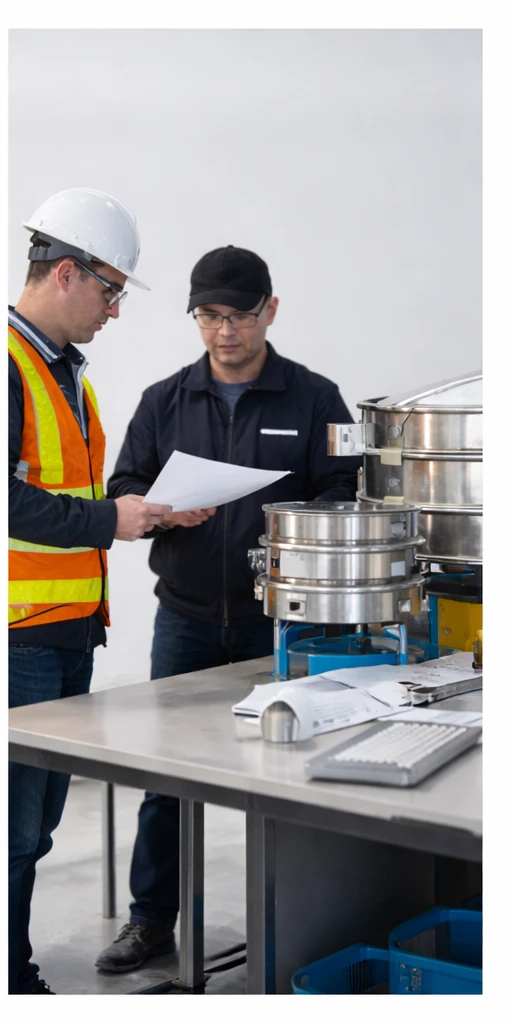
Customized Screening Solutions
Yuanjing offers flexible configurations in diameter, mesh size, deck layers, and material options to fit your exact process requirements.
Related Products
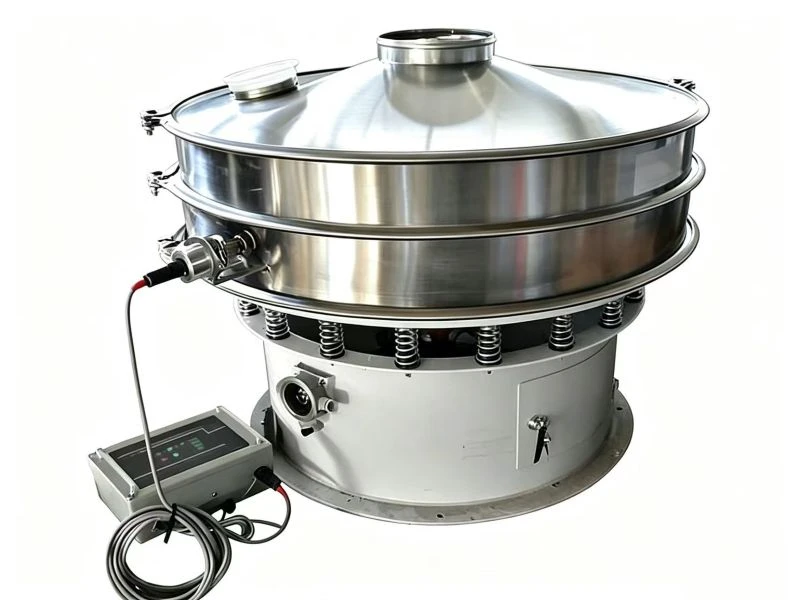
Ultrasonic Vibrating Sieve
High-Precision Ultrasonic Vibrating Sieve Solutions Ultrasonic vibrating sieves are ideal for fine powder screening, effectively preventing mesh clogging and improving separation accuracy. By integrating an ultrasonic system into a standard three-dimensional vibrating screen, the screen surface generates high-frequency, low-amplitude vibrations through the combined action of the motor and ultrasonic waves, increasing mesh throughput by 5–20…Rotary Vibrating Screen
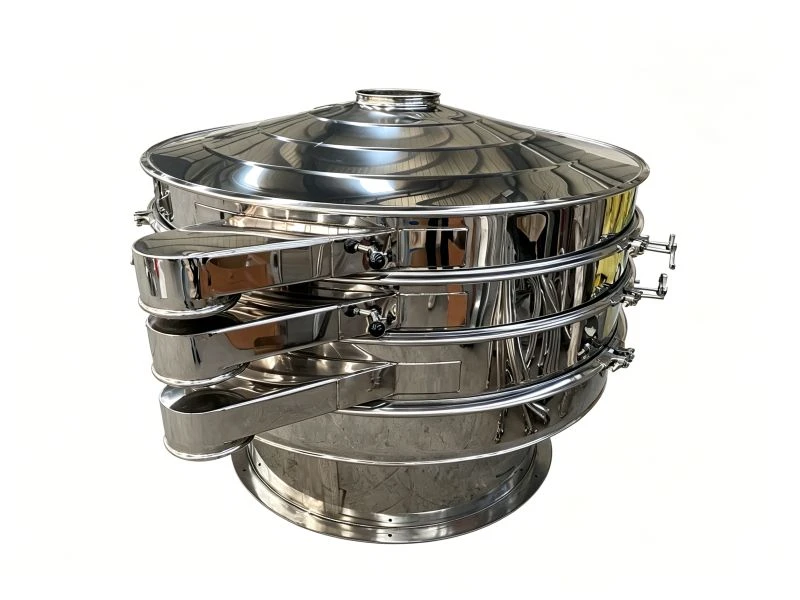
Rotary Vibrating Screen | Vibro Sifter The rotary vibrating screen is designed for efficient separation of powders, granules, and liquids. It delivers stable performance, high screening accuracy, and reliable operation in continuous production. We offer flexible configurations, including multi-deck designs, ultrasonic systems, and food-grade materials to meet different processing requirements. YuanJing provides practical screening solutions…450 Vibrating Filter Screen
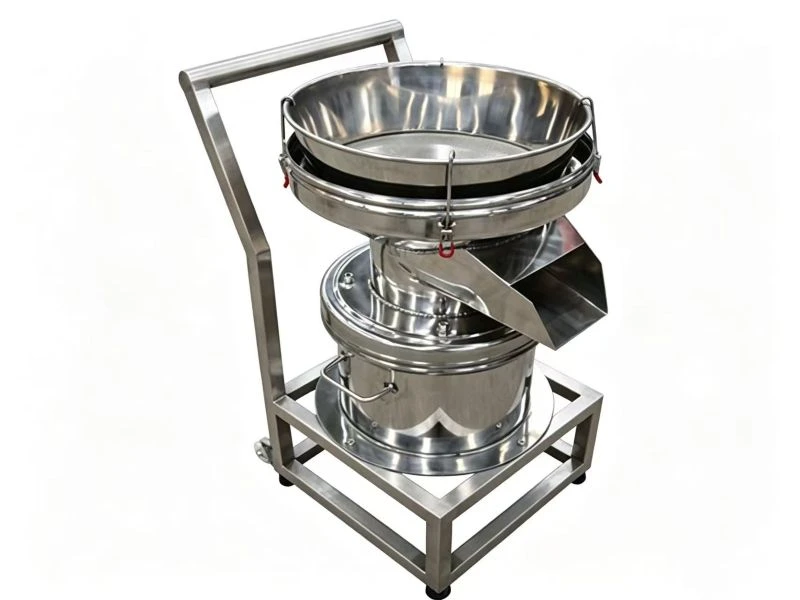
450 Vibrating Filter Screen for Efficient Liquid | Powder Filtration Improve your filtration efficiency by up to 30–50% with YuanJing’s 450 Vibrating Filter Screen, a high-performance solution designed for precise separation of liquids and powders across food, chemical, and pharmaceutical industries. Whether you need to filter slurry, screen fine powders, or improve product purity, YuanJing…Tumbler Screen
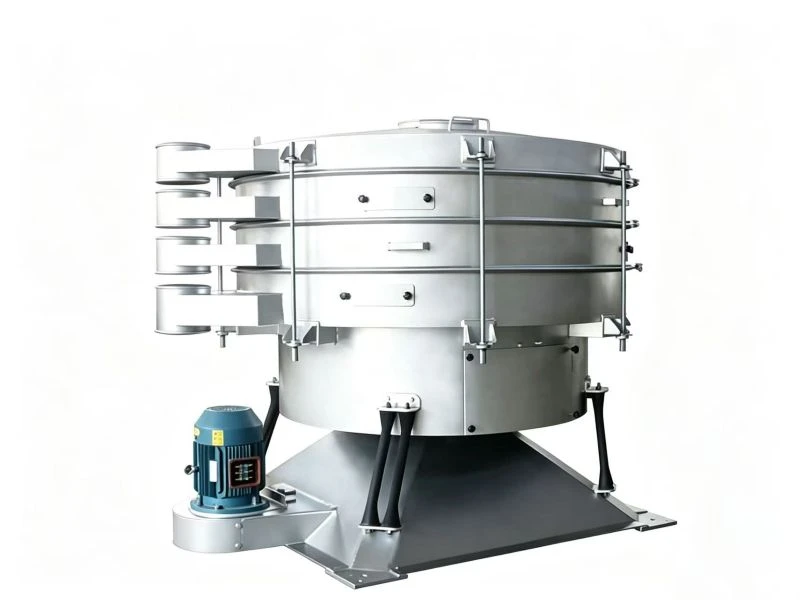
High-Precision Tumbler Screen for Industrial Application A tumbler screen is a high-precision screening solution for fine, fragile, and irregular materials. Simulating manual sieving motion ensures efficient classification while minimizing material damage and dust. Widely used in food, chemical, pharmaceutical, and mineral industries, it delivers consistent quality and high throughput. Designed for durability and performance, it…
FAQs
Get Custom Solution
We can provide customised screening and conveying equipment solutions tailored to different materials and production requirements.
Send us your requirements, and our team will provide the right solution and a fast quotation within 24 hours.